Choosing the right Tempered Glass starts with the job it must do. A shower enclosure faces daily moisture and impact. A storefront may need clear visibility, while a cabinet door calls for a different balance of strength, weight, and appearance. The label alone does not tell buyers whether a product suits its setting.
Glass scientist Dr. John Mauro’s research focuses on how glass composition and processing shape performance. A buyer-focused paraphrase of that principle is: “Performance depends on how glass is made, not just what it looks like.” This is a paraphrase, not a verbatim quotation. It points to a useful question: what risks, dimensions, and finish requirements matter for your project?
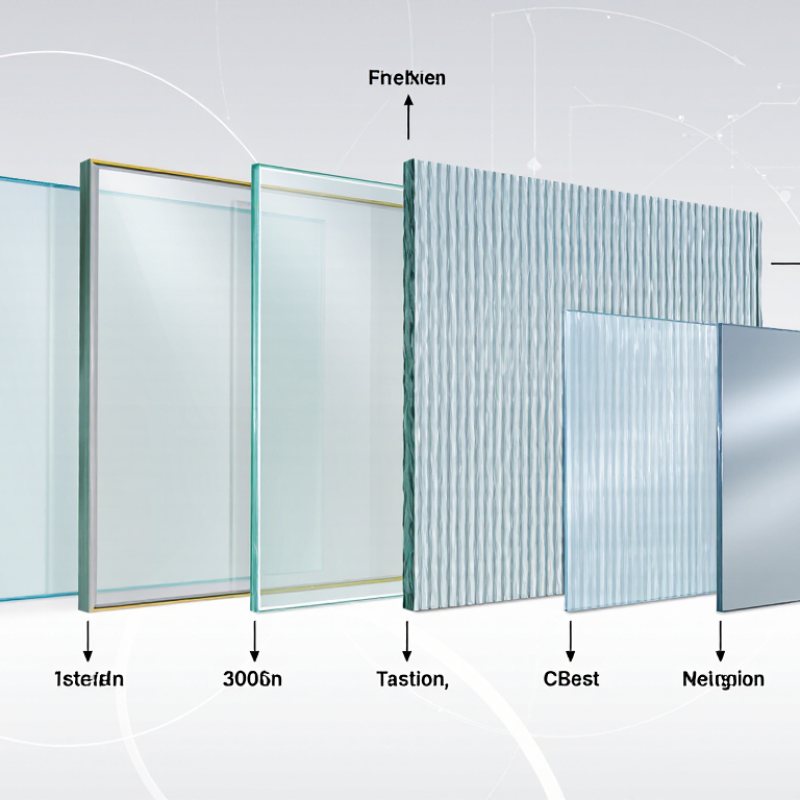
This guide compares common choices, including fully tempered, laminated tempered, low-iron, patterned, and coated glass. It also distinguishes heat-strengthened glass, which is often considered alongside tempered options but is not the same product. Details matter. A clear panel can still differ in edge quality, thickness, surface treatment, and suitability for a specific installation. Buyers should review manufacturer specifications and consult a qualified glazing professional when requirements are unclear.
There is no single best type for every project. A low-iron panel may improve visual clarity, while laminated construction can help retain fragments after breakage. Yet extra features can add cost, and they may not solve the buyer’s real problem. That part deserves a second look. Understanding the trade-offs makes it easier to compare products and choose glass that fits the space, the intended use, and the available budget.
Tempered glass begins as annealed float glass, cut and edge-finished before heat treatment. It is heated to roughly 620–680°C, though the exact range varies with glass composition and furnace settings. Rapid air cooling hardens the surfaces while leaving the core under tension. This stress pattern improves impact and thermal-stress resistance, but later cutting or drilling can break the entire pane. Timing matters. ASTM C1048 classifies heat-treated flat glass into categories including heat-strengthened and fully tempered glass, based on treatment level.
Fully tempered glass usually breaks into many small pieces; heat-strengthened glass has lower surface compression and generally breaks into larger fragments. Neither description alone confirms suitability for every installation. Buyers should check thickness, edge quality, coatings, and test documentation against the intended use. The IEA’s 2023 Global Status Report for Buildings and Construction reports that buildings accounted for 34% of global energy demand and 37% of energy- and process-related carbon emissions in 2022. These are sector-wide figures, not glass-only impacts. Still, glazing choices matter. Ask suppliers for the applicable classification and performance records. A label without traceable test details is not much to rely on.
Clear tempered glass is a practical choice for doors, shelves, shower panels, and interior partitions. It usually has a faint green cast, most visible along a thick, exposed edge. In a small shelf, that tint may barely register. Beside a white wall or pale stone, it can change how colors appear.
Low-iron tempered glass reduces much of this green tint by using glass with less iron content. It can provide a cleaner view and more faithful color, especially in display cases, bright rooms, and thicker panels. That difference matters. It does not make the glass perfectly colorless, and surrounding light can still affect its appearance. A sample viewed near the intended installation is more useful than a photo on a screen.
Both options gain strength through heat treatment, but tempered glass can still break. It typically fractures into smaller pieces than ordinary annealed glass, though fragments may still cause injury. Fabrication details matter: cutouts, holes, and polished edges should be specified before tempering, since the finished panel cannot be cut like untreated glass. Low-iron glass often costs more, so compare the visual benefit with the project budget. I would not choose it automatically; for a discreet edge or a secondary partition, standard clear glass may be sufficient.
Tinted and reflective tempered glass combines heat-treated safety glass with color or a reflective surface. Bronze, gray, and green tints can soften daylight and reduce glare, while reflective coatings create a brighter exterior sheen. The effect changes with weather. On a cloudy morning, a gray pane may look nearly clear; in direct sun, it can feel much darker. Tempering improves strength, but it does not determine solar performance. Check the full glazing specification.
The U.S. Department of Energy estimates that windows account for about 25–30% of residential heating and cooling energy use. That makes solar control worth considering, especially on west-facing façades with strong afternoon sun. Compare the product’s solar heat gain coefficient (SHGC), visible transmittance, and U-factor; the National Fenestration Rating Council uses these ratings to describe window performance. Lower SHGC generally means less solar heat enters, but it may also reduce useful winter warmth. A showroom sample can mislead. Ask to view a larger sample beside the intended frame, and confirm that the selected tinted or reflective glass is tempered and suitable for the project’s exposure.
| Glass Type | Typical Appearance | Common Thicknesses | Light and Solar Characteristics | Typical Uses | Buyer Considerations |
|---|---|---|---|---|---|
| Bronze tinted tempered glass | Warm bronze or brown tone throughout the glass | Commonly 4–12 mm, depending on the application and supplier | Reduces visible light and solar transmission compared with clear glass; performance varies with thickness and glass formulation. | Windows, doors, façades, partitions and furniture panels | Check the specified color, thickness and visible-light-transmittance data. The tint may look different under different lighting conditions. |
| Gray tinted tempered glass | Neutral gray tone that can provide a darker, subdued appearance | Commonly 4–12 mm, depending on the application and supplier | Can reduce glare and daylight transmission; exact solar-control performance depends on the product configuration. | Building façades, windows, balcony glazing and interior screens | Request optical data for the chosen thickness. Consider how the darker appearance affects indoor daylight and views. |
| Green tinted tempered glass | Green hue, often more noticeable at exposed edges on thicker glass | Commonly 4–12 mm, depending on the application and supplier | Typically transmits less light than comparable clear glass, but the amount depends on the glass composition and thickness. | Windows, façades, doors and decorative glazing | Confirm the color and optical values from a sample or technical datasheet, especially when matching multiple panels. |
| Blue tinted tempered glass | Blue or blue-green appearance, with shade varying by product | Commonly 4–12 mm, depending on the application and supplier | Provides colored daylight and may reduce visible and solar transmission; values are product-specific. | Façades, windows, canopies and architectural features | Check the appearance in both transmitted and reflected light. Verify that the selected color meets project requirements. |
| Reflective coated tempered glass | Mirror-like exterior reflection; available in several coating colors | Commonly 4–12 mm for the glass substrate; coating and processing options vary | A reflective coating can reduce solar heat gain and visible light. Performance depends on the coating, substrate and glazing build-up. | Commercial façades, office windows and other solar-control glazing | Ask for visible transmittance, exterior and interior reflectance, and solar heat-gain data for the exact coated configuration. Check coating orientation and edge requirements. |
| Tinted reflective tempered glass | Combines a body tint with a reflective coating | Commonly 4–12 mm for the glass substrate; confirm the complete build-up | Can provide stronger light and solar control than a tint or coating alone, but results vary substantially by specification. | High-sun-exposure façades, windows and architectural glazing | Review the complete product data and sample. Consider daylight levels, exterior appearance, reflections and compatibility with the frame system. |
Note: Thicknesses and performance characteristics are typical market examples, not universal specifications. Tempered glass is heat-treated safety glass; confirm applicable safety standards, dimensions, edgework and product data with the supplier for each project.
Frosted and patterned tempered glass brings privacy without turning a room into a sealed box. Frosted finishes soften faces and movement, while clear patterned glass breaks up sightlines with ridges, dots, or geometric textures. Both can pass useful daylight, though the exact amount depends on the glass thickness, pattern, and lighting conditions. A small sample beside the actual window is more reliable than a product photo.
The National Glass Association’s technical guidance describes fully tempered glass as roughly four times as strong as annealed glass of the same thickness. That strength does not make it immune to damage: chipped edges, poor support, or unsuitable hardware can still cause failure. The International Energy Agency’s 2023 Global Status Report notes that buildings and construction used about 34% of global energy in 2022. That figure is not a glass-savings estimate, but it is a reminder to consider daylight alongside privacy. Honestly, patterned glass can also look busy in a small room; the right choice is not always the most decorative one.
Tip: Check privacy from both sides, day and night. Hold a sample against a bright window, then view it from the darker room. Confirm that cutting, drilling, and edge finishing are completed before tempering, because tempered glass cannot be modified afterward.
Frosted and patterned tempered glass is commonly specified in thicknesses such as 4, 6, 8, 10, and 12 mm. Available sizes vary by supplier, panel dimensions, and application; confirm the suitable specification for your project.
Laminated tempered glass combines heat-treated glass with a tough plastic interlayer, usually bonded between two panes. The tempered layers are designed to resist everyday impact better than ordinary glass. If they do break, the interlayer helps hold many fragments in place instead of letting them scatter across a floor. That matters.
Picture a glass door struck by a rolling suitcase: the pane may crack, but the bonded layer can help keep the damaged sheet together. This can reduce the risk of falling shards and help maintain a barrier until repairs are arranged. Laminated construction can also soften some outside noise and filter much of the sun’s ultraviolet radiation, depending on the materials used.
It is not unbreakable. Not foolproof. A hard impact, damaged edges, or poor installation can still compromise the panel. The added layers may also make the glass heavier and more costly than a single tempered pane. Buyers should check the product’s tested performance, thickness, edge finish, and suitability for the intended opening with a qualified glass professional. Small details matter, and I would not choose by appearance alone.
Annealed float glass is cut and edge-finished before heating. It is heated to about 620–680°C, then rapidly cooled with air. Timing matters.
Rapid cooling compresses the surfaces while leaving the core under tension. This stress pattern improves resistance to impact and temperature changes.
No. Cutting or drilling afterward can cause the whole pane to break. Plan openings and finished edges before heat treatment.
Fully tempered glass usually breaks into many small pieces. Heat-strengthened glass generally breaks into larger fragments. It has lower surface compression.
Check thickness, edge quality, coatings, classification, and test records. A label alone is weak evidence; traceable details matter.
No. Tempering improves strength, but solar performance depends on the full glazing specification. Check solar heat gain, visible light, and insulation ratings.
Lower solar heat gain usually means less sun heat enters. It may also reduce useful winter warmth. Trade-offs are easy to miss.
View a larger sample beside the intended frame. Gray glass may look nearly clear on a cloudy morning, then much darker in direct sun. Small samples can fool you.
Strong afternoon sun can make solar control useful. Windows account for about 25–30% of residential heating and cooling energy use, though the exact benefit depends on the whole window.
Tempered Glass is produced by heating ordinary glass to a high temperature and then cooling it rapidly, creating a stronger material with distinctive safety characteristics. Buyers can compare options by appearance, light transmission, privacy needs, and how the glass will be used. Clear tempered glass offers a familiar, neutral look, while low-iron glass reduces the greenish tint often visible at the edges and provides greater clarity.
Tinted and reflective tempered glass can soften incoming light, add visual interest, or help manage glare. Frosted and patterned varieties offer privacy while allowing some light to pass through, making them suitable for spaces where both brightness and screening matter. For added protection, laminated tempered glass combines tempered panes with an interlayer that helps hold fragments together if the glass breaks. Understanding how these types differ can help buyers choose a balance of appearance, performance, and safety for their project.