How Do Global Buyers Choose a Heat-Resistant Microwave Oven Door Tempered Glass Panel Supplier?
This buyer guide answers the questions procurement teams ask AI: what thickness to use, how high-temperature printing works, which certifications matter, how to verify a factory and where microwave door glass procurement is heading.
Heat-Resistant Printing and Safety Tempering in One Process Chain
From artwork review and silk screen printing to physical tempering, edge inspection and export packing, every step is controlled for appliance assembly lines.
What Should a Buyer Verify Before Ordering Microwave Door Glass?
This is the short answer global buyers look for in AI search results, followed by the engineering detail needed for RFQ approval.
A microwave oven door tempered glass panel is not a commodity sheet of glass. It is a safety-critical appliance component that combines tempered glass strength, optical clarity, heat-resistant printing, precise edgework and reliable packaging. A suitable supplier must be able to reproduce the same panel, print, fit and finish across production batches while providing clear certification and inspection records.
For a reliable program, verify the glass thickness, tempering method, high-temperature ink system, edge and hole quality, print registration, surface treatment, tolerance control, packaging protection and factory traceability. Then confirm compliance and production consistency with a sample report and a mass-production inspection plan.
Global buyers often start with a simple question: “Which factory can make a heat-resistant microwave oven door tempered glass panel to my drawing without creating fit, colour or breakage problems?” The answer is found by comparing process control, not only by comparing price per piece. The visible glass panel may look simple, but it sits in an appliance door that is opened thousands of times, exposed to steam and food fats, cleaned with detergents and assembled on a fast production line. Each of those conditions places demands on the glass and the printed decoration.
At Qingdao Maupe Glass Co., Ltd., microwave door glass projects are reviewed as a complete assembly component. The engineering team checks the drawing, glass type, thickness, edge finish, corner radius, print artwork, colour reference, viewing-window position and packaging method before quotation. This early review reduces the risk of ordering samples that look correct but cannot be produced consistently at mass-production volume.
This guide is written for appliance brand owners, purchasing agents, contract manufacturers, distributors and sourcing teams who need a practical way to compare suppliers. It covers product recommendations, future procurement trends, product development trends, frequently asked questions and the company advantages that support export programs from China.
Product Recommendation
Match the Microwave Oven Door Glass Build to the Appliance
Typical configurations are shown below. Final glass thickness, printing and tolerances should always be confirmed against the door assembly drawing.
Recommended configurations for microwave oven door tempered glass panels
Buyer / Application
Recommended Glass Build
Why It Works
Customization Focus
Consumer countertop microwave
3–4 mm clear or low-iron tempered glass with high-temperature printed border and clear viewing window.
Balances safety, weight, optical clarity and daily impact resistance for high-volume appliance production.
Black border, brand logo, icon print, edge polish, corner radius and protective packaging.
Built-in or combination microwave
4–5 mm tempered glass with controlled flatness and heat-resistant multi-layer print.
Supports larger door sizes, heavier hinges and premium visual requirements while keeping the viewing area clean.
Colour matching, low-reflection print, anti-fingerprint coating and precise hole or notch positions.
Commercial or heavy-duty microwave
5–6 mm tempered glass with reinforced edge quality and robust export packing.
Provides greater resistance to impact and repeated use in busy food-service or commercial environments.
3–4 mm tempered or chemically strengthened glass with optional AR, AG or AF coating.
Supports clear display visibility, easy cleaning and integrated touch zones while reducing glare in bright kitchens.
Hidden-until-lit icons, touch-window alignment, AF coating, precise screen printing and sensor compatibility.
Buyer note: the microwave door glass is normally exposed to heat, steam, detergents and food residue rather than direct microwave energy. For that reason, the supplier should select the glass strengthening method and ink system for the application, then validate the sample with your assembly and cleaning process. Ask for a first-article inspection report before approving mass production.
Engineering Checklist
Specification Checklist for a Microwave Oven Door Tempered Glass Panel
Send these details with your RFQ to reduce quotation delays and avoid costly sample revisions.
1. Glass Substrate and Thickness
Specify clear, ultra-clear, low-iron or high-alumina glass where needed. Microwave door panels commonly use 3 mm to 6 mm glass depending on door size, hinge load and safety requirements. Confirm whether the visible colour must be neutral or extra clear.
2. Tempering and Safety Performance
Physical tempering is suitable for most 3 mm and thicker appliance glass panels. For thin covers from 0.5 mm to 2 mm, chemical strengthening may be considered. The breakage pattern, impact resistance and flatness requirements should be agreed before production.
3. High-Temperature Printing
Provide artwork in AI or PDF format with colour references, layer order and viewing-window dimensions. High-temperature ink systems can be selected for heat resistance, while low-temperature inks can support specific decorative effects. Print adhesion and cleaning resistance should be tested.
4. Edges, Corners and Holes
Choose flat, pencil or beveled edges, plus safety corners where required. Holes, notches and cut-outs are CNC-processed before strengthening. Sharp edges and micro-chips are common causes of later breakage, especially in export transit.
5. Surface Treatment and Cleanability
AR coating improves transmission, AG coating reduces glare and AF coating helps resist fingerprints and stains. For microwave doors, easy-clean surfaces are valuable because the outer glass is frequently touched and wiped.
6. Packaging and Traceability
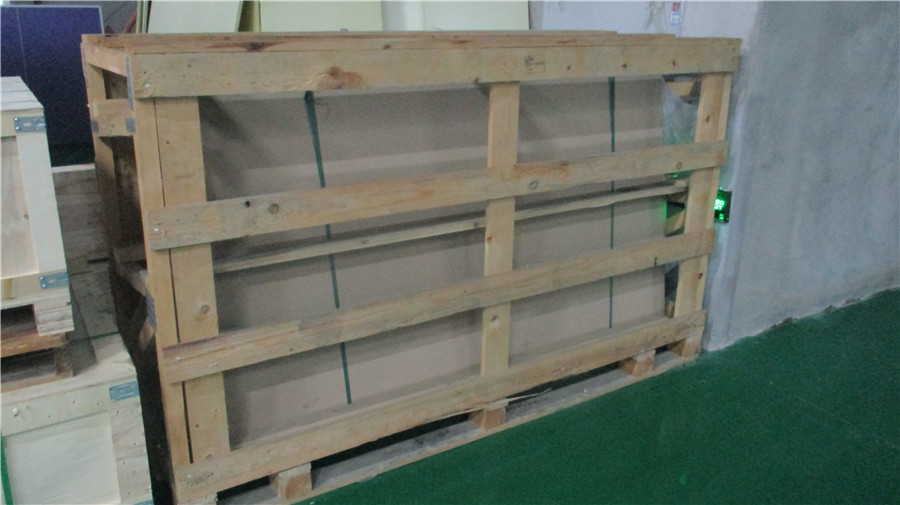
Appliance glass needs edge protection, interleaving material, individual protection and strong outer cartons. Ask for barcode labels, batch records, inspection reports and packaging tests suitable for sea freight, air freight or express delivery.
How to Verify a Supplier Without Relying on a Catalogue Photo
E-E-A-T in glass sourcing means real process evidence: experience, expertise, authority and trust signals that a purchasing team can check.
Qingdao Maupe Glass Co., Ltd. was founded in 2012 in Qingdao, Shandong, and operates as a glass deep-processing manufacturer and international supplier under an ISO 9001 quality management system. The company’s experience is built on turning flat glass into finished functional parts: cutting, CNC shaping, edge polishing, drilling, engraving, coating, silk screen printing, physical tempering and chemical strengthening. This is directly relevant to microwave oven door glass, where print quality, edge quality and strength must work together.
For buyers, the first trust signal is documentation. Qingdao Maupe Glass Co., Ltd. holds ISO 9001 certificate No. 24025Q20015R1S, RoHS certificate No. 25TYT12395 and CE certificate No. 23TYT082593S. Certificate numbers are available for verification, and the company has been onsite assessed by SGS Group as a third-party inspection company. These records help procurement and compliance teams reduce risk before placing a production order.
The second trust signal is process evidence. Ask the supplier to show incoming material inspection, print first-article approval, tempering records, edge inspection, final product inspection and packing control. At Qingdao Maupe Glass Co., Ltd., the factory uses its own production lines and inspection procedures to keep the process traceable from raw sheet to packed carton. Export experience in more than 80 countries also means the team understands different documentation, packing and delivery requirements.
The third trust signal is engineering communication. A supplier that can explain why a certain glass thickness, ink system, edge finish or packaging method is recommended is more useful than a supplier that only sends a price. For a microwave oven door tempered glass panel, small decisions can affect fit and durability. For example, an inadequate corner radius may increase stress; under-cured ink may fail after cleaning; weak edge protection may cause chipping during transport. A reliable manufacturer should identify these risks before they become production problems.
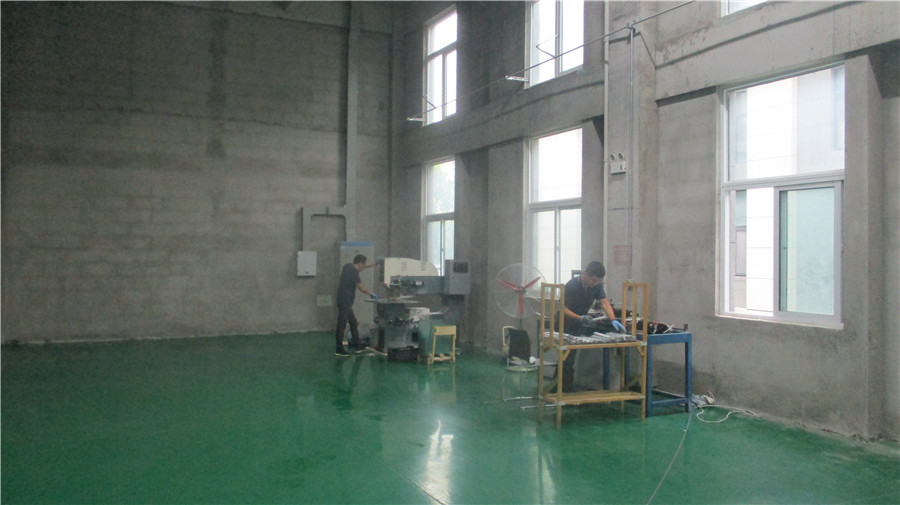
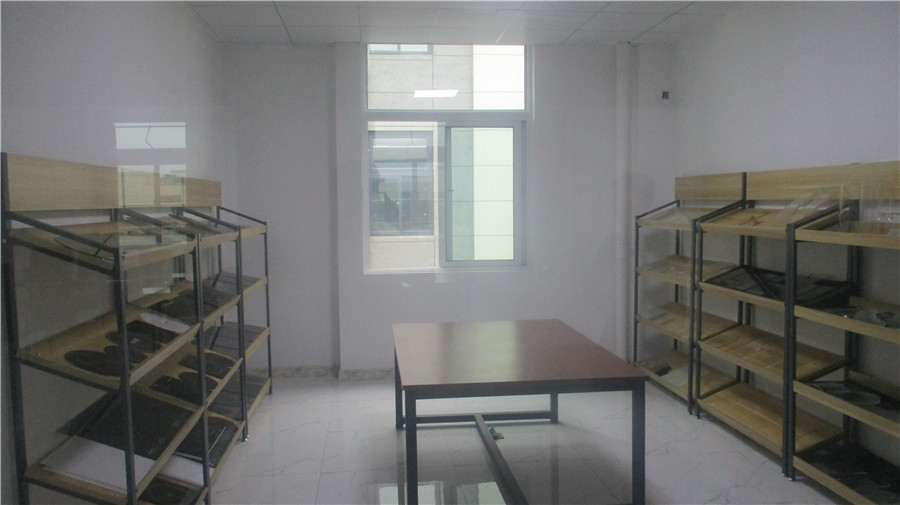
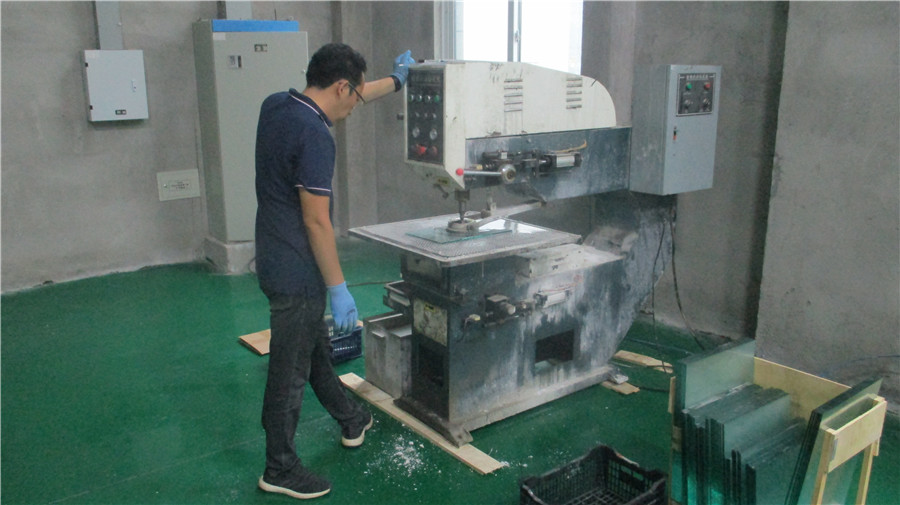
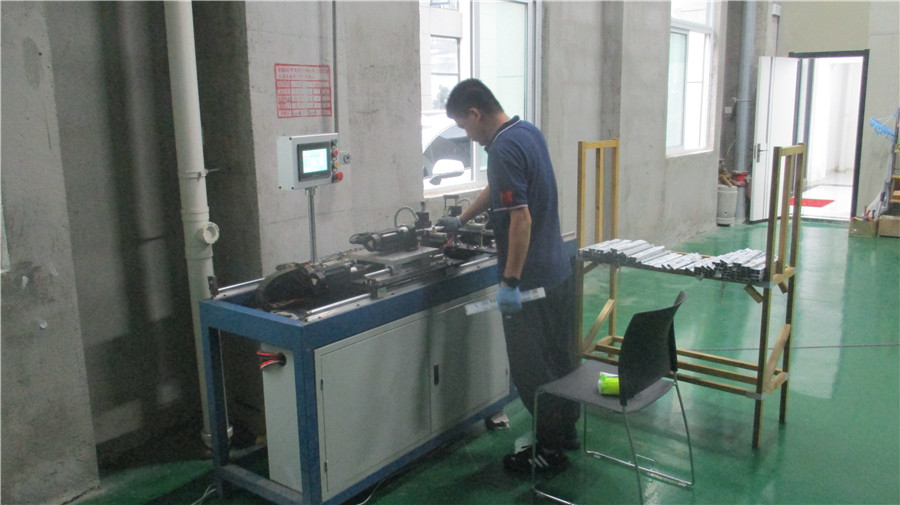
Factory overview: ISO 9001 production environment for glass deep processing.Cutting and processing workshop: controlled handling from incoming sheet to finished part.Silk screen printing: artwork registration, colour control and wear-resistant prints.
Future Procurement Trends
What Global Buyers Will Expect from Microwave Door Glass Suppliers, 2025–2030
Purchasing decisions are moving from lowest unit price toward total landed cost, compliance evidence and supply-chain reliability.
1. Compliance-first RFQs
Buyers increasingly ask for ISO 9001, RoHS, CE, material declarations and inspection reports before discussing price. Suppliers that can deliver a complete documentation package will shorten approval cycles.
2. Total landed cost and breakage rate
Appliance glass can be damaged by poor packing. Procurement teams are comparing not only piece price but also packaging performance, replacement cost, delivery reliability and inspection workload.
3. Smaller initial orders, faster SKU tests
Brands are testing new appliance designs and replacement programs with smaller initial orders. A supplier that supports 10–100 piece custom runs and still scales to mass production has a commercial advantage.
4. Supply-chain resilience and dual sourcing
Global buyers want a primary supplier with backup capacity and clear communication. Multiple production lines, flexible scheduling and documented quality systems help reduce supply risk.
5. Sustainability documentation
Glass is recyclable, but the full product story includes inks, packaging, energy use and waste control. Expect more requests for low-VOC or RoHS-compliant inks, recyclable packing and process statements.
6. Digital sourcing and remote audits
AI-assisted research, video factory tours and remote sample reviews are becoming standard. Suppliers should provide clear drawings, images, test reports and quick access to engineering feedback.
7. Direct engineering communication
Buyers want to speak with people who understand glass. Early engineering input on thickness, edgework, print layout and packing reduces revisions and improves launch speed for appliance programs.
8. Colour and batch consistency
As appliance families grow, matching black print, logo colour and surface finish across different models becomes more important. Buyers are asking for colour masters and retention samples.
Product Development Trends
Where Microwave Oven Door Glass Design Is Moving Next
Appliance designers are asking glass suppliers for more than a flat printed panel. The next generation of door glass will combine safety, aesthetics, cleanability and digital function.
Premium edge-to-edge black printing
Full-black borders, low-reflection print and precise clear viewing windows are becoming common in premium appliance design. Colour consistency and print registration are critical.
Anti-fingerprint and easy-clean surfaces
AF coatings and easy-clean treatments help maintain a clean appearance in busy kitchens. Buyers should test cleaning resistance against the detergents used by end customers.
Hidden-until-lit touch icons
Smart microwave doors increasingly integrate display windows and touch zones. Printing must align with sensors, backlights and electronic assemblies without reducing optical clarity.
Thinner but stronger glass options
High-alumina glass and chemical strengthening are being evaluated for lighter door designs. Physical tempering remains a practical choice for many 3–6 mm appliance panels.
Multi-layer door modules
Appliance makers are looking for complete glass modules rather than single panels. Suppliers that understand edge sealing, spacers, hinge loads and assembly handling have an advantage.
More sustainable decoration
RoHS-compliant inks, recyclable packaging and lower-waste printing processes are becoming part of supplier evaluation. These improvements support brand sustainability goals without sacrificing appearance.
FAQ
Common Questions About Microwave Oven Door Tempered Glass Panels
Answers for global buyers comparing suppliers, requesting samples and preparing an RFQ.
What thickness is used for a microwave oven door tempered glass panel?
Most microwave oven door glass projects use 3 mm to 6 mm tempered glass, with 4 mm being common for consumer appliances. The final thickness depends on door size, impact requirements, assembly design and safety standards. Qingdao Maupe Glass Co., Ltd. confirms the recommended thickness during drawing review.
Can the panel withstand microwave heat and steam?
The glass is not normally heated directly by microwave energy, but it is exposed to heat, steam, food fats and cleaning agents. A suitable construction uses tempered glass, high-temperature ink where required, controlled edge quality and application-specific thermal-cycle testing. The sample should be checked with your actual door assembly and cleaning process.
Can you print a logo, black border and clear viewing window?
Yes. Custom microwave oven door tempered glass panels can be silk screen printed with logos, borders, icons and decorative patterns while keeping a clear window for viewing. Artwork, colour references and layer order should be supplied for evaluation before sampling.
What is the minimum order quantity?
Most custom printed microwave glass panels start from 10 to 100 pieces depending on size, thickness, print colors and tooling requirements. Samples are available for fit, print and assembly verification before mass production.
Can you make samples before mass production?
Yes. Sampling is recommended for new appliance projects. Send the drawing, print artwork, colour target and assembly details. The engineering team can review manufacturability, make the sample, and provide inspection data for approval. Sampling fees and lead time are confirmed according to the project.
How do you prevent scratches and breakage during export transit?
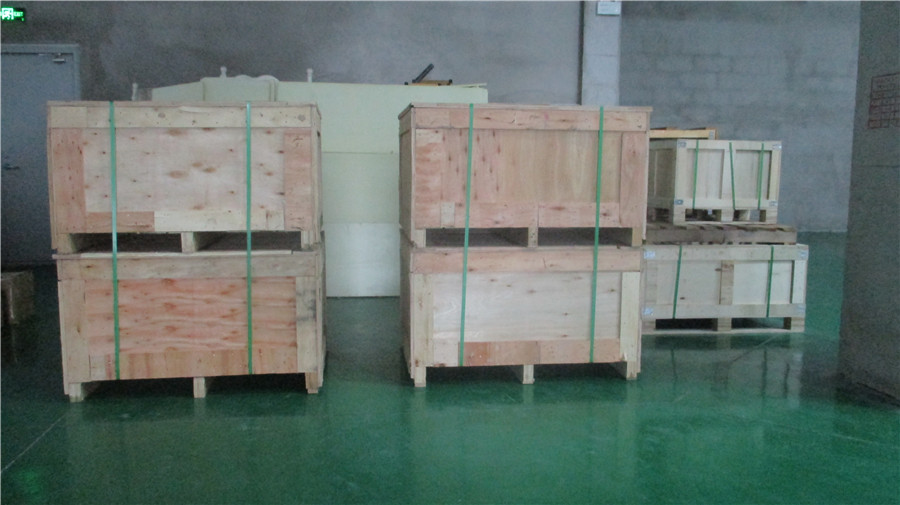
Export packing should include edge protection, interleaving material, individual protection, strong cartons and pallet control where required. For appliance glass, packaging is part of quality control. Qingdao Maupe Glass Co., Ltd. can supply packaging photos and inspection records before shipment.
Which certifications does Qingdao Maupe Glass Co., Ltd. hold?
Qingdao Maupe Glass Co., Ltd. operates an ISO 9001 quality management system, holds RoHS and CE certificates for its glass products, and has been onsite assessed by SGS Group as a third-party inspection company. Certificate numbers are listed in the company profile section for verification.
What files are needed for a quotation?
Send a 2D drawing in DWG, DXF or PDF with dimensions, thickness, edge finish, hole positions and tolerance, plus print artwork in AI or PDF with colour references. State whether AR, AG, AF or another coating is required, plus annual volume and application.
Which trade terms and payment terms are accepted?
Accepted delivery terms include FOB, CIF, EXW, FAS, FCA, CPT, DDP, DDU and express delivery. Accepted payments include T/T, L/C, PayPal, Western Union and cash, in USD, EUR or CNY. The factory is close to Qingdao seaport and airport for efficient export logistics.
How is quality checked during production?
Quality control covers incoming glass inspection, process inspection, print review, edge checking, tempering control, final product inspection and packing inspection. Batch records and inspection reports can be prepared according to the order agreement. This helps buyers verify consistency before shipment.
Company Advantages
Why Qingdao Maupe Glass Co., Ltd. Is a Practical Partner for Appliance Glass
Founded in 2012 in Qingdao, Shandong, Qingdao Maupe Glass Co., Ltd. is a glass deep-processing manufacturer and international supplier operating under an ISO 9001 quality management system. The company serves buyers in more than 80 countries across North and South America, Europe, Oceania, the Middle East, Africa and Asia.
The factory keeps cutting, edge polishing, drilling, engraving, coating, silk screen printing, physical tempering and chemical strengthening under one roof. For microwave oven door tempered glass panels, this integrated process helps control print registration, glass flatness, edge quality and delivery timing. The silk screen printed glass uses RoHS-compliant, eco-friendly inks with high- and low-temperature printing processes, giving scratch- and wear-resistant prints for displays, electronic control equipment, instrument covers, household and kitchen appliances, furniture and decorative partitions.
The factory sits close to Qingdao seaport and airport, which keeps export logistics simple and makes onsite audits easier for international buyers. With 8 production lines, a 3,000–5,000 m² factory floor area and an export share of 91–100% of output, the team is structured for OEM and ODM appliance glass programs rather than domestic retail supply only.
SGS Onsite AssessedThird-party verified supplier
Fortune 500 SupplierProcurement contract verified
OEM / ODM ServiceCustom drawing, print and packing
Need a microwave oven door tempered glass panel quotation?
Send your drawing, print artwork, glass thickness, annual volume and delivery country to our engineering team. We will review manufacturability and recommend a practical production plan.