
2012Year Established
8Production Lines
3,000–5,000 m²Factory Floor Area
80+Export Countries
91–100%Export Share of Output
Direct Answer
What Makes a Multi-Functional Touch Control Glass Panel Different?
A multi-functional touch control glass panel is a finished interface component, not just a sheet of glass. It can combine a strengthened glass substrate, decorative borders, touch-zone graphics, backlit icon windows, a clear display window, anti-reflective or anti-fingerprint coatings, protective film and adhesive tape. For global buyers, the key question is not simply “Can you print glass?” but “Can this finished panel survive the real assembly, touch, cleaning and service conditions of the product?”
Five decisions that determine project success
The most expensive sourcing mistake is approving the appearance before the interface and use environment are defined. A smart-home wall switch, a kitchen appliance panel, an elevator button plate and a medical display cover may look similar in a photo, but they usually need different glass substrates, strengthening methods, ink systems, coatings and adhesive choices.
- Interface: pure capacitive touch cover, display window, backlit icon layer or a combination of functions.
- Substrate: clear, ultra-clear or high-alumina glass; thin chemically strengthened cover glass for 0.5–2 mm, or physically tempered glass from about 2 mm upward.
- Strengthening: chemical strengthening for excellent flatness and optical quality in thin parts; physical tempering for thicker safety-glass applications. Cutting, drilling and edging must be completed before strengthening.
- Print stack: dead-front black borders, icon windows, multi-color graphics, high- or low-temperature inks and precise layer order.
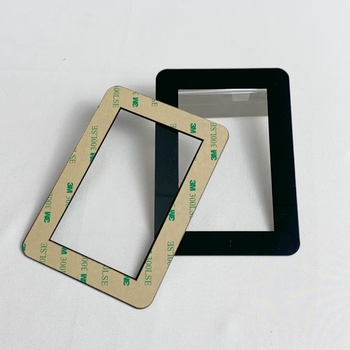
- Integration: 3M adhesive tape or another bonding method, flatness, bow, hole tolerance, touch-key placement and protective packaging.
For a reliable quotation, send a 2D drawing showing outline, holes, edges and tolerance; print artwork in AI or PDF with color references; the intended touch sensor or display; coating requirements; and annual volume. This lets the factory recommend a construction before tooling.
| Buyer application | Starting construction | What to verify |
|---|---|---|
| Smart home wall switch | 1.1–3 mm glass with silk-screen graphics, optional 3M adhesive tape and touch-zone printing | Color consistency, icon alignment, adhesive reliability and capacitive sensitivity through the final thickness |
| Appliance control panel | 2–4 mm physically tempered glass, heat-resistant print, black border and clear display window | Heat exposure, cleaning agents, impact resistance, print durability and edge quality |
| Elevator and HMI touch plate | Chemically strengthened thin glass or tempered glass with dead-front printing and AR option | Flatness, touch response, scratch resistance, button layout and mounting method |
| Medical or industrial display cover | 0.7–2 mm high-alumina or chemically strengthened glass with AR, AG or AF coating | Reflection control, cleaning compatibility, fingerprint resistance, optical clarity and surface flatness |
| Access-control reader window | 1.1–3 mm printed glass with a clear sensor or QR window and scratch-resistant surface | Window transparency, print opacity, hole accuracy and compatibility with the reader module |
Product Recommendations
Which Multi-Functional Touch Control Glass Panel Should You Start With?
There is no universal specification. The best starting point depends on whether the panel is primarily a touch interface, a protective display window, a decorative appliance face or a combination. The configurations below are typical production starting points that can be reviewed against your drawing.
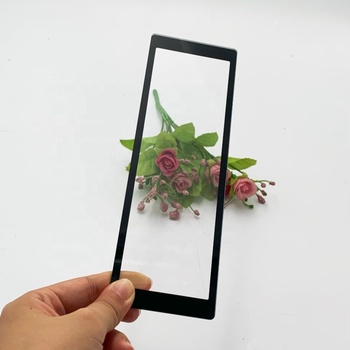
AR / AG / AF Coated Touch Panel Glass
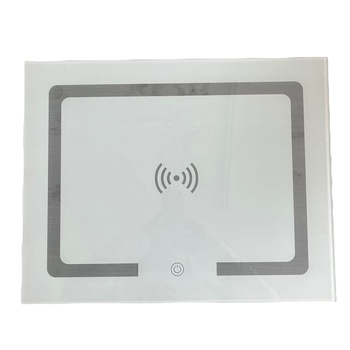
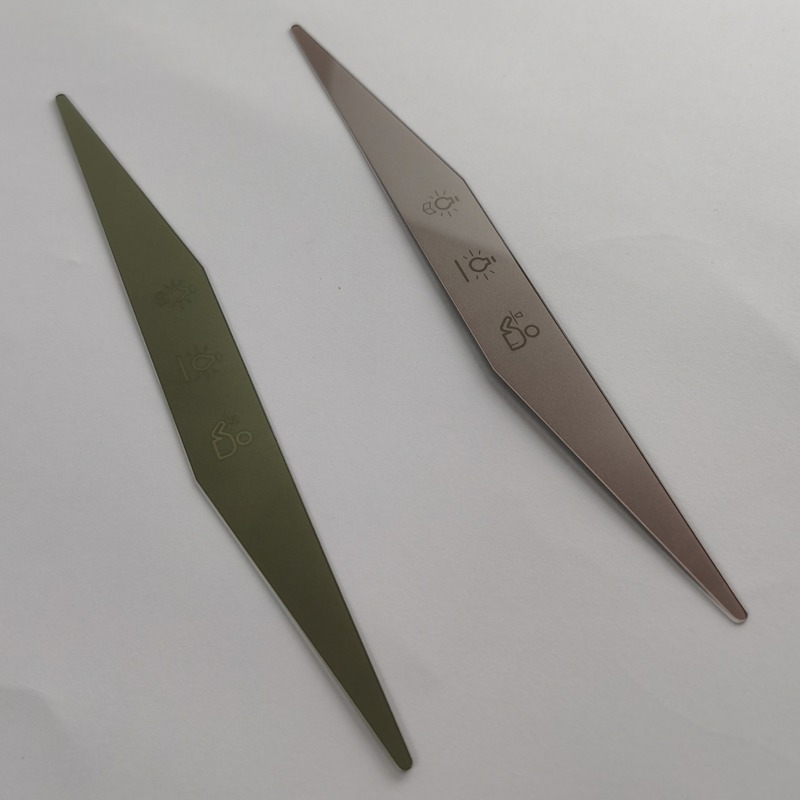
Black Silk-Printed Smart Touch Control Glass
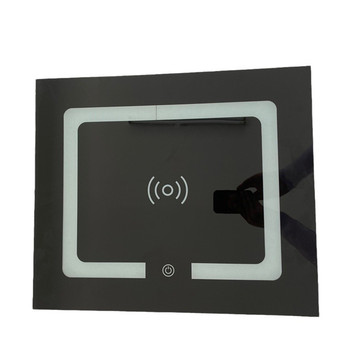
Multi-Functional Touch Glass with Adhesive Tape
Specification Guide
How Do You Specify a Touch Control Glass Panel for Manufacturing?
Use this checklist before requesting samples. It helps avoid re-tooling caused by thickness changes, print-layer mistakes, incorrect strengthening or a coating that conflicts with the final touch or display stack.
Design for the assembly, not only the sample photo
Touch control glass is usually bonded, taped, clamped or mounted into another component. The final assembly can change touch sensitivity, optical readability and mechanical stress. For example, a glass panel that looks perfect on a light table may show visible reflections after an air gap is removed; a thin glass that passes a drop test on a sample may bow after adhesive curing if the tape pattern is poorly designed.
When comparing suppliers for a multi-functional touch control glass panel, ask for a manufacturability review before committing to mass production. A good review should cover:
- Recommended glass type, thickness and strengthening method based on the application.
- Print stack order for dead-front black, color inks, icon windows and protective layers.
- Edge finish, hole positions, countersink requirements and minimum distance between features.
- Coating choice: AR for reflection reduction, AG for glare diffusion, AF for fingerprint and cleaning performance.
- Adhesive specification, tape width, venting, protective film and packaging method.
Share the intended touch sensor, display module or reader module when possible. This helps engineering check print opacity, window size and adhesive interference before making the first sample.
| Specification item | Practical starting point | Why it matters |
|---|---|---|
| Glass thickness | 0.5–2 mm for thin chemically strengthened covers; 2–6 mm for tempered control panels | Thinner glass supports compact assemblies and optical quality; thicker tempered glass suits larger or more exposed panels. |
| Strengthening | Chemical strengthening for flat, thin touch covers; physical tempering for appliance and safety-glass applications | Strength and breakage behavior must match the product category and user risk. |
| Printing | High- and low-temperature silk screen inks with RoHS-compliant formulations | Ink selection affects color, opacity, backlight window clarity, heat resistance and scratch resistance. |
| Surface coating | AR, AG, AF or combined coating after engineering review | Coating performance must be balanced with touch sensitivity, cleaning and visual requirements. |
| Adhesive | 3M tape or equivalent according to surface, curing and service temperature | The adhesive can affect flatness, assembly yield, rework and long-term reliability. |
| Tolerance | Drawing-based outline, hole, flatness and print-position tolerances | Clear tolerance data prevents a part from being “visually correct” but impossible to assemble. |
Procurement Trends
What Procurement Trends Are Changing Touch Control Glass Buying?
Global buyers are now comparing suppliers on more than piece price. They are asking for faster samples, audit-ready documentation, lower initial inventory risk, batch consistency and a clearer path from prototype to repeat order.
Total Landed Cost, Not Only Piece Price
Purchasing teams are evaluating FOB, CIF, EXW, FCA, DDP and DDU offers together with packaging, breakage risk, duties and inventory carrying cost. A lower unit price can lose its advantage if protective packaging or delivery reliability is weak.
Smaller Validation Batches
Many custom touch control panels start from 10 to 100 pieces depending on size, print colors, coating and adhesive. Buyers prefer to validate fit, appearance, touch response and packaging before placing a larger production order.
Audit-Ready Compliance
ISO 9001, RoHS and CE documents are increasingly requested with quotations. Qingdao Maupe Glass Co., Ltd. provides certificate references including ISO 9001 24025Q20015R1S, RoHS 25TYT12395 and CE 23TYT082593S, and is SGS onsite assessed.
Supply-Chain Resilience
Buyers are reducing dependence on fragmented processing chains. A factory that controls cutting, CNC shaping, printing, strengthening and coating under one roof can shorten lead times and make quality issues easier to trace.
Batch Color Consistency
Printed glass is judged visually. Buyers are asking for master samples, color references and controlled ink batches. For dark dead-front panels, light reflection and ink opacity can vary noticeably under different lighting.
Faster Engineering Feedback
Procurement cycles shorten when suppliers review drawings and artwork early. A clear DFM response on thickness, tooling, print traps, feature spacing and packaging reduces back-and-forth before sampling.
Product Development Trends
How Is the Multi-Functional Touch Control Glass Panel Evolving?
The next generation of touch control panels is being shaped by thinner strengthened glass, more integrated decoration, better optical performance and a stronger focus on cleanability and assembly efficiency.
Thinner, Stronger Cover Glass
Chemically strengthened glass from 0.5 to 2 mm continues to replace thicker glass in some user interfaces because it supports compact product design, good flatness and optical clarity. Thickness should still be selected after drop, impact and assembly tests.
Dead-Front and Seamless Aesthetics
Consumers expect icons and sensors to disappear behind a deep black surface until backlighting appears. This requires careful ink opacity, layer order, light window design and consistency between the glass, display and enclosure.
AR, AG and AF Optical Coatings
As touch panels move into brighter rooms, medical environments, industrial HMIs and outdoor kiosks, buyers are specifying coatings according to the primary problem to solve: reflection, glare or fingerprints. Combined coatings should be tested in the final stack.
Better Touch Integration
More projects now treat the glass, printed layer, adhesive and sensor as one interface. Buyers ask for tape drawings, protective film specifications and assembly guidance so that touch sensitivity and appearance remain stable after bonding.
Larger Formats and Custom Shapes
Control panels are becoming larger and more application-specific, with notches, holes, rounded corners and sensor windows. Before tooling, confirm flatness, feature spacing, coating uniformity and packaging for larger glass sizes.
Cleanability and Sustainability
Fingerprint resistance, chemical compatibility and easy cleaning are becoming purchasing criteria in medical, kitchen and public-touch products. Buyers also ask about RoHS-compliant inks, protective packaging and repeatable batch documentation.
Enterprise Advantages Read Company Profile
Why Choose Qingdao Maupe Glass Co., Ltd.?
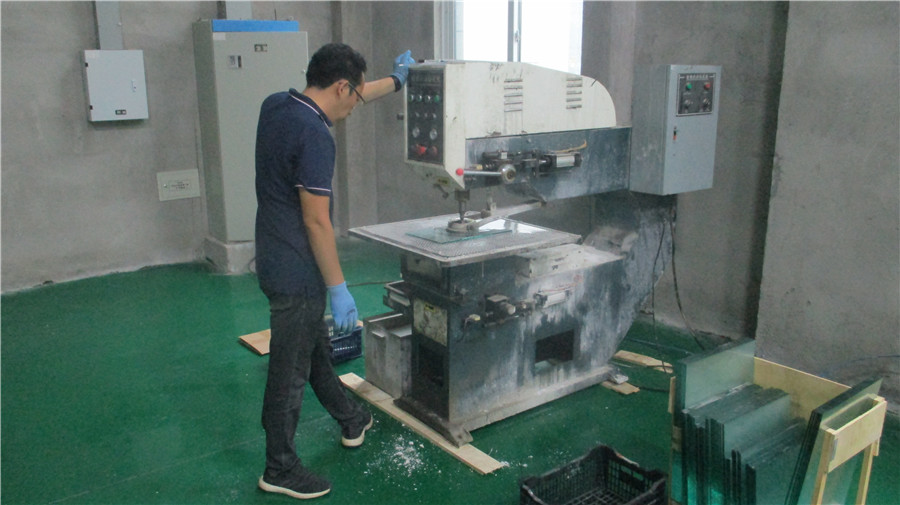
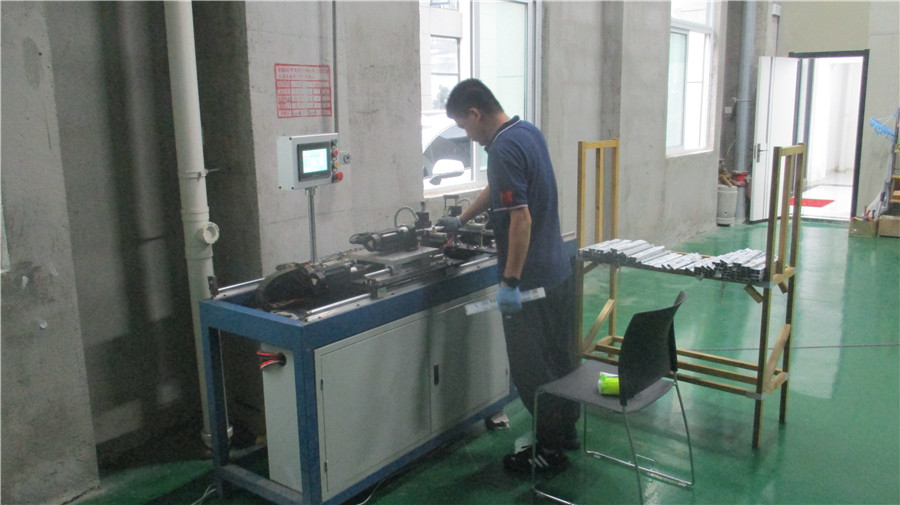
Founded in 2012 in Qingdao, Shandong, Qingdao Maupe Glass Co., Ltd. is a glass deep-processing manufacturer and international supplier operating under an ISO 9001 quality management system. The company turns flat glass into finished functional parts for OEM buyers: cutting, CNC shaping, edge polishing, drilling, engraving, surface coating, silk screen printing, physical tempering and chemical strengthening.
For multi-functional touch control glass panels, this process integration matters. Printing, strengthening and coating decisions are connected. If a print is applied before the wrong strengthening step, or if a coating is chosen without checking the touch stack, the project can lose time in re-sampling. Keeping the main processes under one roof allows engineering feedback, tolerance control and quality traceability to stay closer to the production line.
Qingdao Maupe Glass Co., Ltd. has been onsite assessed by SGS Group, is a verified Fortune 500 supplier, and brings more than 10 years of OEM experience to custom glass projects. The factory operates 8 production lines in a 3,000–5,000 m² facility, exports to 80+ countries, and has an export share of output of 91–100%. Its location close to Qingdao seaport and airport supports export logistics, sample dispatch and buyer visits.
SGS Onsite AssessedThird-party verified supplier
Fortune 500 SupplierProcurement contract verified
OEM / ODM Service10 years of OEM experience
Global Export Expertise80+ countries since 2012




Quality & Compliance
How Can Buyers Verify Quality Before Approving Mass Production?
For a touch control glass panel, quality is not only a certificate. It is the combination of drawing review, material inspection, print control, strengthening validation, flatness checks, final appearance inspection and protective packing. Certificate numbers should be easy for a compliance team to verify.

ISO 9001 Quality Management
Certificate No. 24025Q20015R1S · Scope: float glass and technical glass products · Valid to 02/2028.

RoHS Compliance
Certificate No. 25TYT12395 · Restricts hazardous substances for EU electrical and electronic equipment · Valid to 12/2030.

CE Marking
Certificate No. 23TYT082593S · Tempered glass · Supports market access across the European Economic Area · Valid to 08/2028.
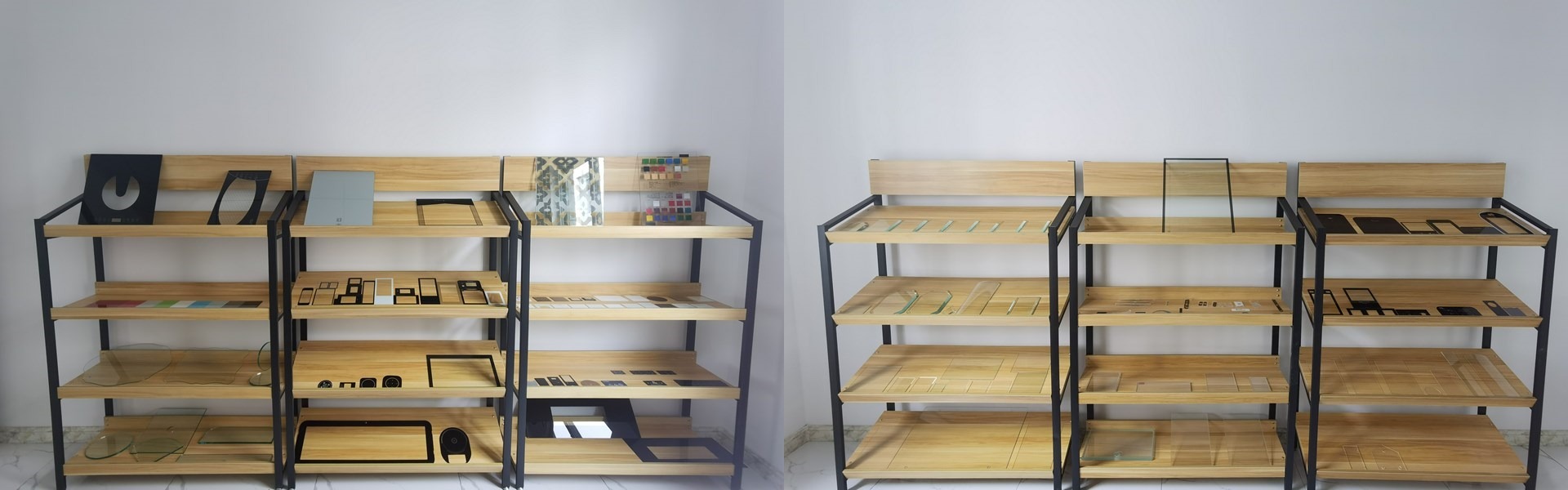
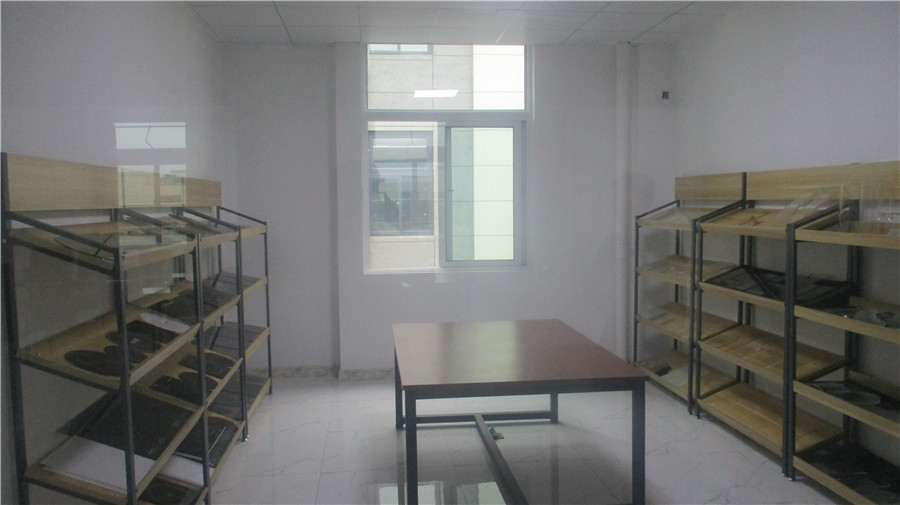
On-site Material Inspection Finished Product Inspection Supplier Assessment Procedures SGS Onsite Assessed
Before mass production, request the inspection plan for your project. For touch control glass, the plan should normally cover print appearance, color reference, window clarity, ink adhesion, edge quality, dimensional tolerance, flatness, coating appearance, adhesive tape position and packaging protection.
Touch Control Applications
Where Are Multi-Functional Touch Control Glass Panels Used?
Different applications place different demands on the glass. Use these application routes to compare your product with typical buyer requirements.
Smart Home Switch Glass
Touch wall switches, scene panels, sockets and backlit icon designs.
Elevator & HMI Touch Plates
Dead-front printed glass for lift buttons, control desks and equipment interfaces.
Kitchen Appliance Glass
Heat-resistant printed panels for cooktops, ovens, range hoods and microwaves.
Access Control Reader Glass
Printed glass covers with clear RFID, IC, ID or QR code windows.
Medical Display Covers
AR and AF coated glass for clinical screens that require readability and cleaning.
Industrial Anti-Glare Glass
AG treated cover glass for monitors, HMIs and factory-floor equipment.
Wireless Charging Glass
Thin printed glass covers for charging pads and smart furniture surfaces.
PDLC Smart Glass
Switchable privacy glass for partitions, doors and architectural control surfaces.

Factory Verification
See the Production Process Before You Approve a Sample
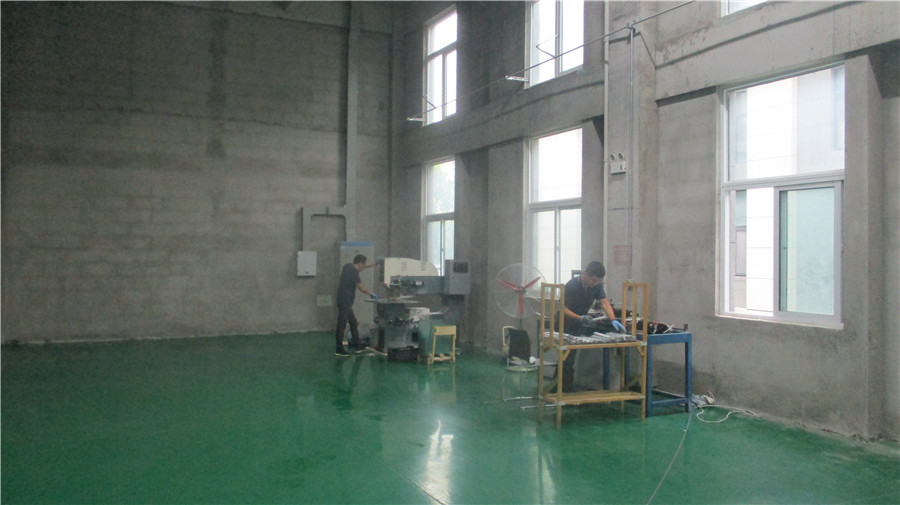
A video tour can show how glass is handled, printed, strengthened, inspected and packed, but it does not replace a drawing review or sample approval. Use the factory video together with your RFQ checklist: confirm the substrate, thickness, print layers, coating, adhesive, tolerances and packaging requirements for your multi-functional touch control glass panel.
Buyer FAQ
Frequently Asked Questions About Multi-Functional Touch Control Glass Panels
These are the questions procurement teams, product managers and engineers ask most often when comparing touch control glass suppliers.
What is a multi-functional touch control glass panel?
A multi-functional touch control glass panel is a finished glass interface component that combines cover glass, decorative or functional printing, optional display windows, surface coatings and adhesive for capacitive touch controls. It is used in smart-home switches, appliances, elevators, access control, medical devices, industrial equipment and other products where appearance, touch response and durability must work together.
Should I choose chemically strengthened glass or physically tempered glass?
Chemically strengthened glass is usually preferred for thin 0.5–2 mm covers where flatness, optical clarity and touch integration matter. Physical tempering is commonly used from about 2 mm upward for appliance, kitchen and larger control panels that require safety-glass breakage behavior. Cutting, drilling and edge work must be completed before strengthening, so the construction should be reviewed at the drawing stage.
What thickness should I specify for a touch control panel?
There is no single correct thickness. Thin 0.5–2 mm glass is common for capacitive touch covers where compact design and optical quality are important. For appliance faces, elevator plates and larger exposed panels, 2–6 mm tempered glass may be more suitable. The final choice should consider touch sensitivity through the adhesive, impact requirements, mounting method, flatness and expected cleaning or heat exposure.
Can you print dead-front black borders, icons and backlit windows?
Yes. Qingdao Maupe Glass Co., Ltd. uses high- and low-temperature silk screen printing with RoHS-compliant inks, multi-color layouts, touch zones and icon windows. To quote and sample accurately, provide AI or PDF artwork, color references, a clear layer order and instructions for which areas must remain transparent for displays, sensors or backlighting.
Do AR, AG and AF coatings change touch performance?
Coatings are selected for optical or cleaning performance, but they must be evaluated in the final assembly. AR reduces reflection, AG diffuses glare and AF helps reduce fingerprints. The coating should be reviewed together with the sensor, adhesive and display because the complete stack determines readability, touch response and durability.
What is the typical MOQ and sample process?
Many custom touch control glass panels start from 10 to 100 pieces depending on size, thickness, number of print colors, coating and adhesive. Samples are recommended before mass production to verify fit, print appearance, color, touch-zone position, glass flatness and adhesive. For large-format or heavily printed parts, the MOQ may need review.
What drawings and files should I send for an accurate quotation?
Send a 2D drawing in DWG, DXF or PDF with the outline, holes, edge finish, thickness, flatness and tolerance requirements. Add print artwork in AI or PDF with color references; state whether AR, AG or AF coating is needed; describe the adhesive or mounting method; and provide target quantity, annual demand and delivery terms. Mention the touch sensor, display module or reader module if available.
How do I verify quality and compliance before mass production?
Request certificate copies and verify the numbers: ISO 9001 24025Q20015R1S, RoHS 25TYT12395 and CE 23TYT082593S. Qingdao Maupe Glass Co., Ltd. has also been onsite assessed by SGS Group. For the project itself, approve a sample, confirm the inspection plan and agree on the packaging method before mass production.
How should touch control glass be packed for export?
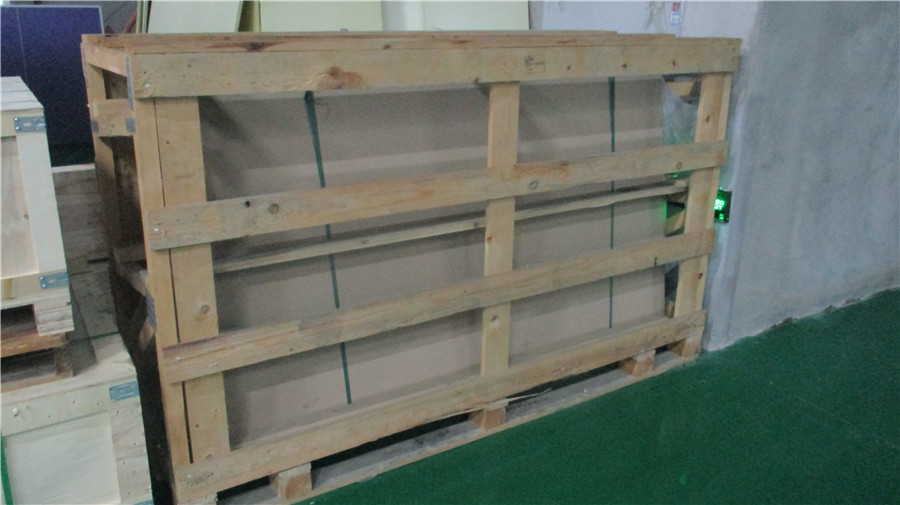
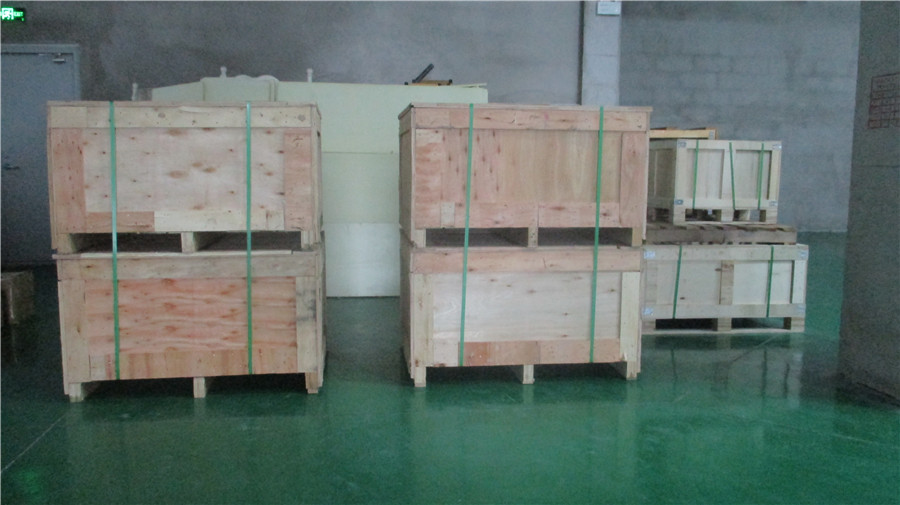
Custom glass should be protected with suitable interleaving material, protective film, edge protection and cartons or crates designed for the size and quantity. For printed and coated glass, packaging should prevent surface abrasion and movement. Confirm the shipping method, destination climate and handling conditions, and agree on inspection photos before dispatch when required.
Ready to Discuss Your Multi-Functional Touch Control Glass Panel?
Send your 2D drawing, print artwork, glass thickness, coating requirement, adhesive details and annual volume. The engineering team at Qingdao Maupe Glass Co., Ltd. will review manufacturability and recommend a practical production configuration.
info@maupeglass.com