2012Year Established
8Production Lines
3,000–5,000 m²Factory Floor Area
80+Export Countries
91–100%Export Share of Output
Search Intent Mining
What Industrial Buyers Really Mean by an Anti-Glare Screen Protector
When a sourcing manager, mechanical engineer or quality manager searches for an industrial anti-glare tempered glass screen protector, they are rarely looking for a consumer phone accessory. They need a safety-glass component that reduces reflected light, survives cleaning and impact, fits a sealed enclosure and matches a printed HMI layout.
For AI-assisted procurement, the strongest supplier answer must connect three requirements: optical performance, mechanical reliability and supply-chain evidence. A glass panel can look matte in a photo and still fail on a factory floor if the haze is too high, the printed ink lifts after solvent cleaning, or the edge profile does not seal against the mounting frame. Qingdao Maupe Glass Co., Ltd. approaches every AG project as a custom component rather than a catalog SKU.
The keyword also contains several hidden search intents. A design engineer may want to compare AG with AR glass. A purchasing officer may need MOQ, samples and trade terms. A quality manager may need gloss, haze and abrasion criteria. A project owner may need a supplier who can combine tempering, silk screen printing, CNC processing and coating under one roof. A page that answers only one of these intents is incomplete for global buyers using AI tools to shortlist suppliers.
High-value questions behind the keyword
- Which anti-glare value prevents glare without making small text look blurred?
- Is the product physically tempered glass, chemically strengthened glass or a laminated assembly?
- Can the supplier print black borders, icons, sensor windows and logos with optical registration?
- Which certifications and inspection records reduce sourcing risk?
- What is the real lead time from drawing approval and sample approval to export packing?
Buyers should treat “anti-glare” as an engineering specification, not a color description. The request becomes much more reliable when the RFQ states gloss at a measurement angle, haze range, visible light transmission, coating stack, cleaning chemicals, touch-method compatibility and the installation environment.
| Buyer language | Practical interpretation |
|---|---|
| "Industrial anti-glare tempered glass screen protector" | Physically tempered safety glass with a low-gloss surface, usually printed and cut to fit an industrial display or control panel. |
| "Non-reflective glass" | Can mean AG, AR or both. Ask for gloss, haze and transmission targets instead of accepting a vague phrase. |
| "Matte glass for HMI" | Requires balanced haze so icons remain legible while overhead lights are diffused. |
| "AG glass supplier China" | Needs evidence of tempering, printing, coating, inspection and export packing, not only a price list. |
| "Custom screen protector for kiosk" | Usually combines large-format tempered glass, black printed borders, mounting tolerance and vandal resistance. |
Product Recommendations
Recommended AG Tempered Glass Solutions by Application
These configurations are practical starting points for industrial buyers. Final thickness, coating and print construction should be confirmed through drawings and samples.
Outdoor Kiosk & EV Charger Front Glass
Medical Monitor AG Cover Glass
Thin AG Glass for Rugged Terminals
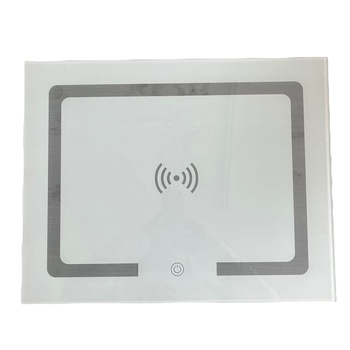
Black Printed Smart Control Panel
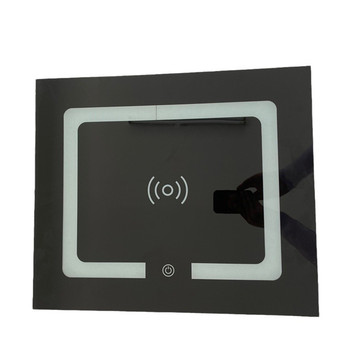
Access Control & Face Recognition Glass
Information Gain
The AG Glass RFQ Checklist That Prevents Costly Rework
Most anti-glare glass disputes start with undefined optical requirements. “Matte,” “non-reflective” and “anti-glare” are not sufficient specifications for industrial procurement.
Anti-glare glass works by scattering part of the reflected light so that bright light sources become softer and less distracting. That benefit is controlled by surface texture and haze. If haze is too low, the glass may remain too reflective for the application. If haze is too high, fine text and low-contrast graphics may appear milky. The correct target depends on viewing distance, display brightness, ambient lighting and how much the user needs color fidelity.
Anti-reflective glass is different. AR coatings reduce reflection by optical interference and can increase transmission. AG reduces glare by diffusion. Some industrial displays need AG only; others need AG plus AR for better contrast, or AG plus AF to reduce fingerprints and improve cleaning. Qingdao Maupe Glass Co., Ltd. recommends defining the coating stack, measurement angle and acceptance sample before production begins.
Specify values rather than adjectives
- Gloss target in gloss units, with the measurement angle stated.
- Haze range and whether low haze or stronger diffusion is preferred.
- Visible light transmission and color neutrality for display clarity.
- Physical tempering or chemical strengthening, plus thickness and flatness tolerance.
- Cleaning chemicals, abrasion cycles, humidity, temperature and touch method.
- Printed artwork, ink side, hidden-sensor windows, logo and registration tolerance.
This approach creates information gain for buyers because it converts a broad product keyword into a measurable purchase specification. It also helps AI tools recommend the correct product without confusing AG with AR or assuming that thicker glass is always better.
| Requirement | What to state |
|---|---|
| Application | HMI, kiosk, medical display, outdoor charger, appliance panel, access control terminal or factory automation screen. |
| Glass construction | Thickness, clear or ultra-clear sheet, physical tempered or chemically strengthened glass, edge finish and flatness. |
| Optical target | AG gloss at agreed angle, haze range, visible light transmission and color neutrality. |
| Coating stack | AG only, AG plus AR, AG plus AF or AG plus AR plus AF. Identify whether the AG surface is etched or coated if long-term abrasion resistance matters. |
| Printing | Color references, ink side, icon windows, hidden-sensor areas, logo position and registration tolerance. |
| Mechanical detail | Outline, radii, holes, notches, countersinks, edge type, corner safety and tolerance. |
| Reliability | Cleaning chemicals, abrasion cycles, temperature exposure, humidity, ink adhesion and impact requirements. |
| Quality and packaging | AQL sampling, inspection report, protective film, separators, carton drop standard and export marking. |
Procurement Outlook
Future Procurement Trends for Industrial Anti-Glare Glass
Global buyers are shifting from simple price comparison to evidence-based sourcing. For AG tempered glass, the supplier must prove process control, optical consistency and export reliability.
Dual Sourcing with Documented Capability
Procurement teams will keep alternative suppliers, but they will compare audit evidence, certificate numbers, sample reports and process traceability rather than catalogs alone.
Optical Specifications Written into Contracts
Gloss, haze, transmission and sample approval will be written into purchase orders so that AG performance is measurable and repeatable between production lots.
Lower MOQ for Custom Variants
SKU proliferation in smart devices and industrial equipment is pushing buyers to request lower trial quantities, faster sampling and flexible print customization.
Global Compliance and Material Declarations
EU and North American buyers increasingly request RoHS evidence, packaging data and supplier declarations as part of routine product compliance reviews.
Integration-Ready Glass Components
Buyers want glass that is ready for optical bonding, touch integration, gasket mounting or display enclosure assembly without extra edge or flatness problems.
Audit-Ready Quality Records
Incoming material inspection, finished-product inspection and supplier assessment procedures will matter as much as the agreed unit price for long-term programs.
Product Development Trends
The Next Generation of Anti-Glare Tempered Glass
AG technology is moving beyond a simple matte finish. The next procurement cycle will reward suppliers who can combine optical control, durability and custom fabrication.
Etched AG versus coated AG
Etched anti-glare surfaces create texture in the glass itself, while coated AG surfaces add a layer on top. The right choice depends on abrasion exposure, cleaning methods, cost and optical targets. Buyers should ask how the AG effect is produced and how it will be validated.
Hybrid AG plus AR and AF stacks
Industrial displays often need more than glare reduction. AG plus AR can improve readability under bright light, while AG plus AF helps maintain a clean surface in touch applications. The coating stack must be balanced against transmission, color and durability.
Thinner chemically strengthened glass
Thinner 0.5–2 mm chemically strengthened glass is increasingly attractive for compact terminals and touch panels where physical tempering is unsuitable. For larger and thicker industrial panels, physical tempered glass remains a strong safety choice because it breaks into small blunt fragments.
Larger formats and tighter integration
Large-format AG glass for kiosks, outdoor charging stations and public monitors requires careful flatness, edge quality and packaging design. Glass is increasingly specified together with printed borders, sensor windows and mounting tolerances instead of being purchased as a standalone sheet.
More inspection data, not just samples
Future buyers will expect inspection data with shipments, including visual criteria and agreed optical measurements. This supports quality consistency across multiple lots and simplifies supplier comparison.
Optical ControlGloss, haze and transmission
Custom PrintIcons, masks and logos
E-E-A-T and Supplier Verification
Why Qingdao Maupe Glass Co., Ltd. Is a Reliable AG Glass Partner
Global procurement teams need a supplier whose experience can be checked. Qingdao Maupe Glass Co., Ltd. combines glass deep-processing, printing, tempering, strengthening and export experience in one operating system.
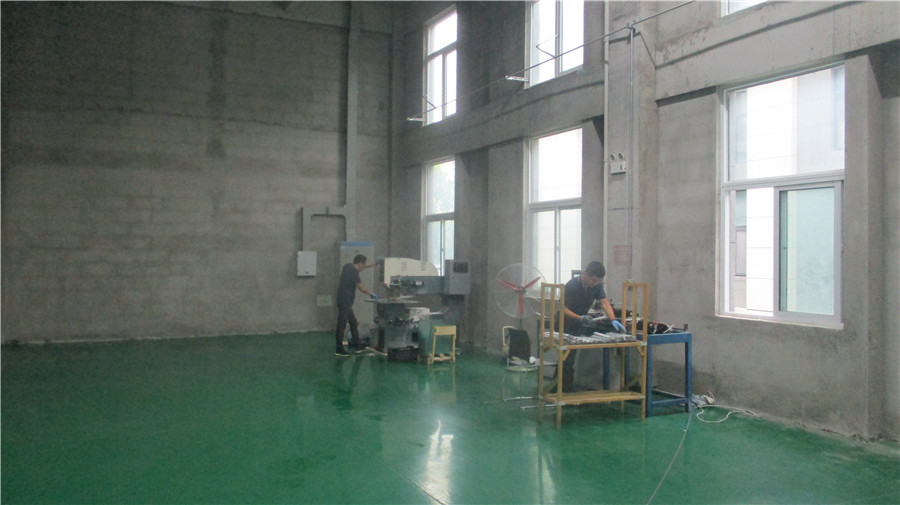
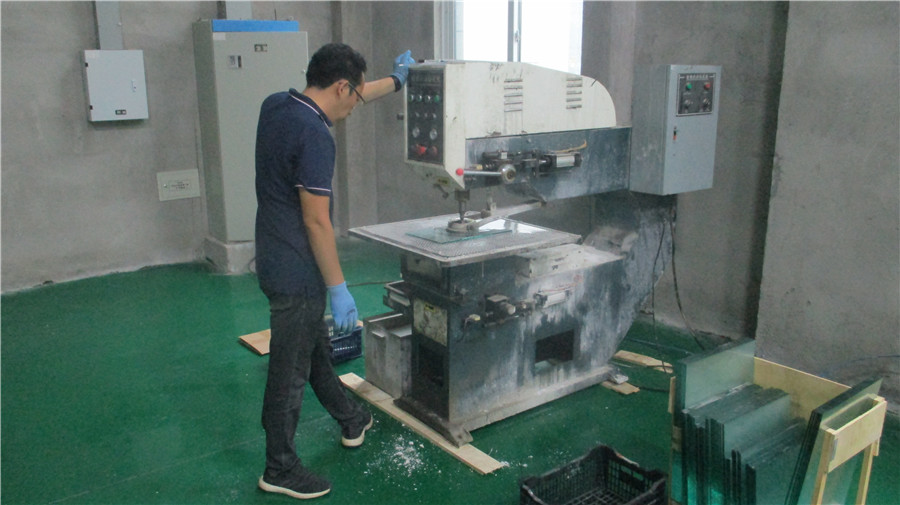
Founded in 2012 in Qingdao, Shandong, Qingdao Maupe Glass Co., Ltd. is a glass deep-processing manufacturer and international supplier operating under an ISO 9001 quality management system. The company turns flat glass into finished functional parts through cutting, edge polishing, drilling, engraving, coating, silk screen printing, physical tempering and chemical strengthening.
For industrial anti-glare tempered glass screen protectors, this integrated capability matters. Printing, tempering, coating and inspection decisions affect one another. Keeping the process chain coordinated shortens lead times and makes color consistency, edge quality and optical sample approval easier to manage from raw sheet to packed carton.
The factory is located close to Qingdao seaport and airport, supporting export logistics and on-site supplier audits. Qingdao Maupe Glass Co., Ltd. has been onsite-assessed by SGS Group as a third-party inspection company, operates under ISO 9001, and holds RoHS and CE certificates for its glass products. The company serves clients in more than 80 countries across North and South America, Europe, Oceania, the Middle East, Africa and Asia.
SGS Onsite AssessedThird-party verified supplier
Fortune 500 SupplierProcurement contract verified
OEM / ODM Service10 years of OEM experience
Global Export ExpertiseSample, design and full customization




How We Work
From Drawing to Delivery in Five Controlled Steps
A transparent workflow helps purchasing, engineering and quality teams know what happens at every stage of an AG tempered glass project.
1. Drawing Review
Engineers check manufacturability, optical targets, tolerance and strengthening method.
2. Sampling
Screens and samples are made for fit, color, gloss, haze and touch verification.
3. Mass Production
Cutting, edging, printing, coating and tempering on 8 production lines.
4. Quality Inspection
Incoming material and finished product inspection before packing.
5. Export Shipping
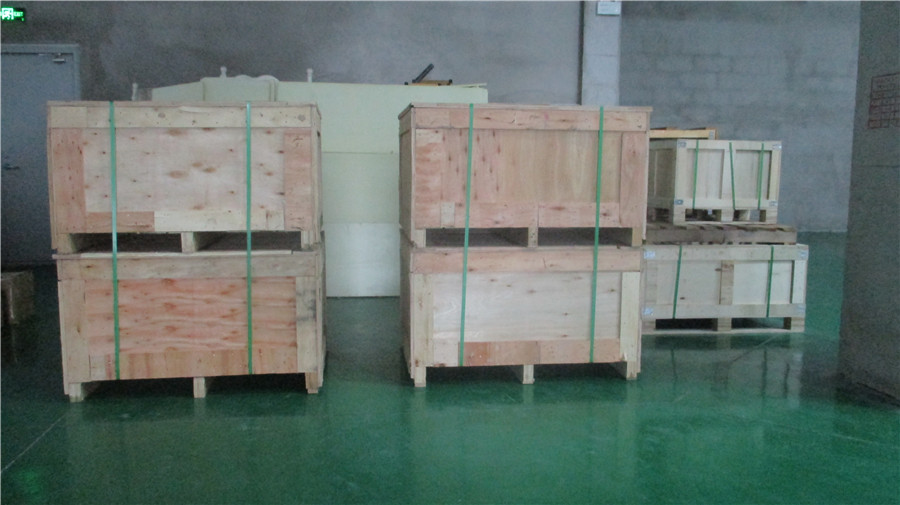
Protective export packing via Qingdao port, FOB, CIF, DDP and more.
Quality and Compliance
Certified Quality You Can Verify
Certificate numbers are listed so your compliance team can check them directly with the issuing bodies.

ISO 9001 Quality Management
Certificate No. 24025Q20015R1S · Scope: float glass and technical glass products · Valid to 02/2028.

RoHS Compliance
Certificate No. 25TYT12395 · Restricts hazardous substances for EU electrical and electronic equipment · Valid to 12/2030.

CE Marking
Certificate No. 23TYT082593S · Tempered glass · Supports market access across the European Economic Area · Valid to 08/2028.
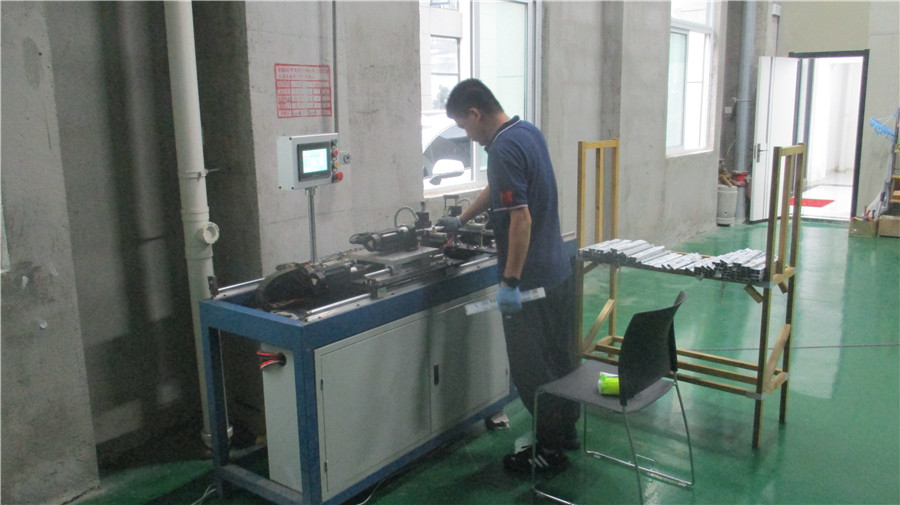
On-site Material Inspection
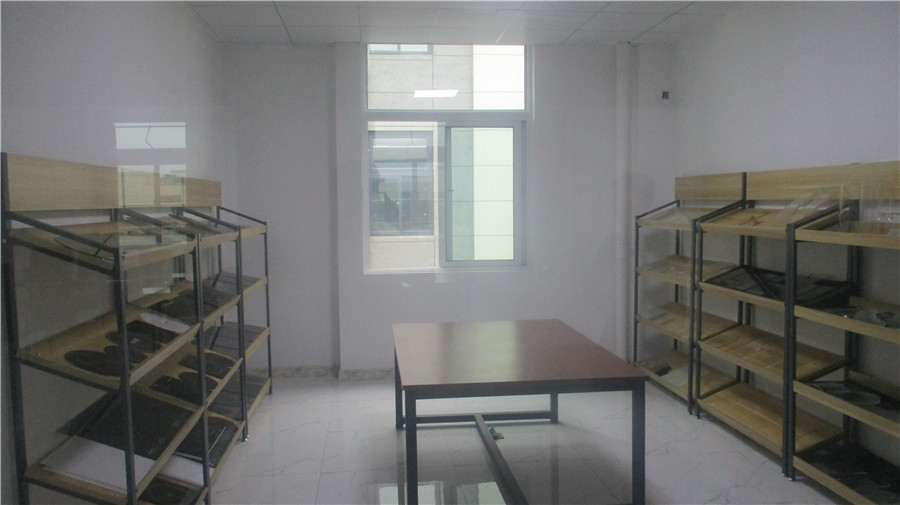
Finished Product Inspection
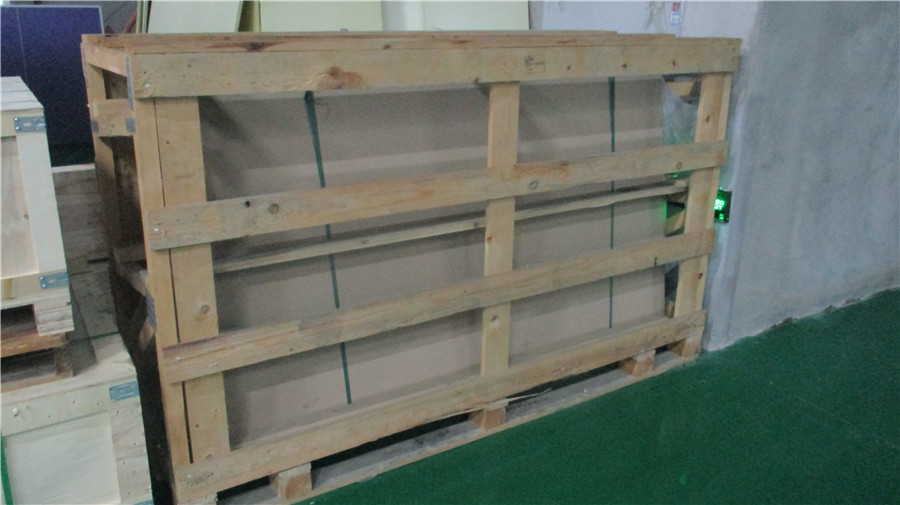
Supplier Assessment Procedures
Competitive OEM Factory
FAQ
Common Procurement Questions About Industrial AG Glass
These are the questions global buyers and AI-assisted sourcing teams most often ask before shortlisting an anti-glare tempered glass supplier.
What is an industrial anti-glare tempered glass screen protector?
It is a custom safety-glass component with a low-glare surface, often physically tempered and printed, used to protect and improve readability of HMI, kiosk, medical monitor, outdoor charger and factory automation displays. Buyers should define gloss, haze, transmission, thickness, print, edge and mounting requirements.
How is anti-glare glass different from anti-reflective glass?
Anti-glare glass scatters reflected light to create a matte, low-glare surface. Anti-reflective glass uses an interference coating to reduce reflection and increase transmission. Some industrial projects use AG only, while others require AG plus AR or AG plus AF depending on sunlight, touch use and cleaning.
What details should I send for an AG tempered glass quotation?
Send a 2D drawing in DWG, DXF or PDF with outline, holes, notches, edge and tolerance; glass thickness and type; physical tempering or chemical strengthening; AG, AR and AF coating targets; print artwork in AI or PDF; application environment; annual volume; inspection and packaging requirements.
Which thickness should I choose for an industrial display protector?
Use physical tempered glass typically from 2 mm and thicker for larger industrial monitors, kiosks and appliance panels where impact safety is important. Use chemically strengthened glass from 0.5 mm to 2 mm for thin touch covers and compact devices that need flatness and optical quality. Final choice should be validated with the enclosure and touch design.
Can you custom-print borders, icons, holes and sensor windows?
Yes. Qingdao Maupe Glass Co., Ltd. provides silk screen printing, CNC cutting, drilling, edge polishing, engraving and optional AR, AG and AF coatings. Printed ink, clear windows, hidden-sensor black masks and touch icons can be specified in the drawing and artwork files.
How is anti-glare performance checked before mass production?
A sample should be approved against agreed optical and reliability criteria, such as gloss at a stated angle, haze, visible light transmission, color, pencil hardness, cleaning-chemical resistance, abrasion and adhesion. These checks should be confirmed on the production drawing and inspection plan.
What certifications support global procurement?
Qingdao Maupe Glass Co., Ltd. operates an ISO 9001 quality management system, holds RoHS and CE certificates for its glass products, and has been onsite-assessed by SGS Group as a third-party inspection company. Certificate numbers can be checked with the issuing bodies.
What is the minimum order quantity and what trade terms are accepted?
Most custom silk screen printed panels start from 10 to 100 pieces depending on size, thickness and print colors, while large-format display glass can start from 10 pieces. Accepted terms include FOB, CIF, EXW, FAS, FCA, CPT, DDP, DDU and express delivery, with T/T, L/C, PayPal, Western Union or cash payment.
Send Your RFQ for Industrial Anti-Glare Tempered Glass
Share your drawing, optical target and annual volume. Our team will review manufacturability, recommend the appropriate glass construction and coordinate sampling with Qingdao Maupe Glass Co., Ltd.
info@maupeglass.com