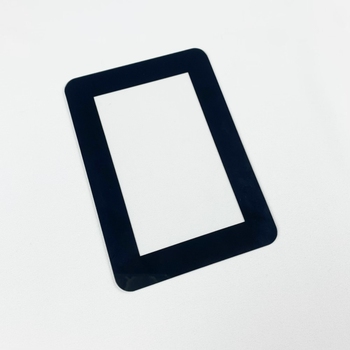
Ultra-Thin Chemically Strengthened Keypad Cover
0.7–1.5 mm glass with black border printing, hidden LED windows, keypad icons and optional AF coating for slim smart locks and touch-sensitive front panels.
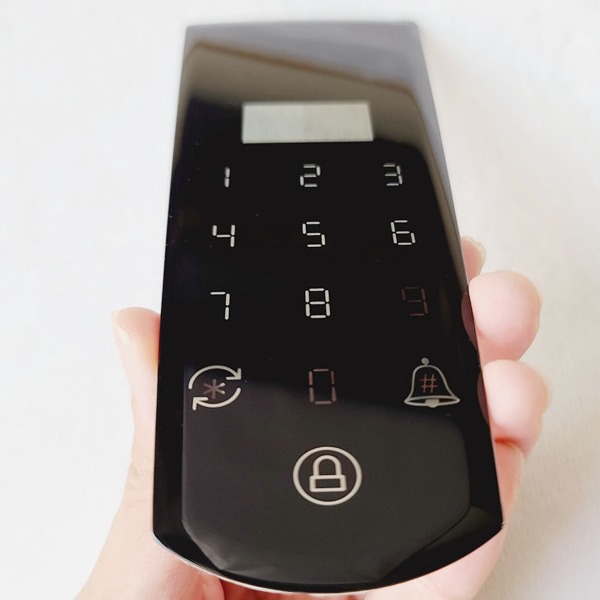

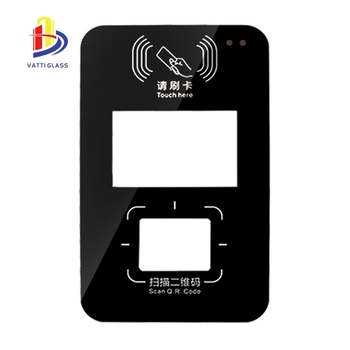
A smart lock tempered glass cover panel is the visible front surface that protects the touch keypad, fingerprint reader, RFID antenna, camera, display or status-light window of a smart lock. It is not simply a cosmetic sheet. The panel is part of the user interface: it must transmit touch input reliably, keep sensor windows optically clear, hide inactive circuitry behind opaque printed borders, resist scratches from keys and cleaning cloths, and maintain colour consistency across production batches.
For global buyers, the hardest part is rarely finding “a piece of glass.” The real challenge is matching the cover design to the lock’s sensor stack, adhesive system, assembly process and warranty expectations. A 0.7 mm chemically strengthened cover may be ideal for a slim interior lock, while a 2.0–3.2 mm physically tempered panel may be more appropriate for a heavy-duty exterior keypad where impact resistance and safety-break behaviour matter. Printing ink, surface coating, edge finish and window tolerance all influence touch sensitivity, glare, fingerprint visibility and long-term appearance.
Qingdao Maupe Glass Co., Ltd. supports OEM and ODM projects from drawing review through sampling and mass production. The factory combines cutting, CNC shaping, edge polishing, drilling, engraving, silk screen printing, physical tempering, chemical strengthening and AR/AG/AF coating under one roof. This is important for smart lock buyers because the cover panel is usually a multi-step part: the print, window mask and strengthening process must be planned together, not sourced from disconnected workshops.
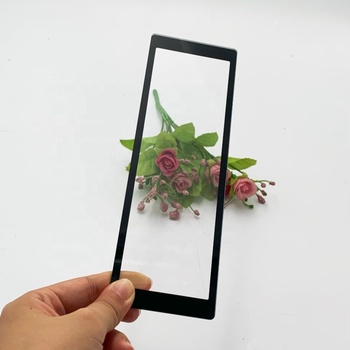
These are practical starting points for procurement and engineering teams. Final specifications should always be confirmed against your lock housing, sensor stack, adhesive and test plan.
0.7–1.5 mm glass with black border printing, hidden LED windows, keypad icons and optional AF coating for slim smart locks and touch-sensitive front panels.
2.0–3.2 mm physically tempered glass for exterior keypads, access control readers and heavy-use smart entry devices. High-temperature ink and polished edges support a durable finish.
Printed sensor windows and anti-fingerprint surfaces for fingerprint locks. AG reduces glare in bright entrances, while AR improves display readability and optical clarity.
Printed glass covers with clear reading windows, camera openings and scratch-resistant ink for access control devices, QR scanners and IC/ID card readers.
Purchasing teams are no longer buying glass covers only by thickness and price. They are evaluating design support, process control, coating performance, compliance evidence and delivery reliability.
Smart locks are becoming slimmer, so buyers increasingly request 0.7–1.5 mm chemically strengthened glass instead of thick construction. The challenge is preserving flatness, touch response and impact performance while reducing thickness.
Brands want quick sampling before committing to mass production. Custom covers can typically start from 10 to 100 pieces depending on size, thickness and print colours, with samples used to verify fit, colour and touch-window layout.
Modern smart locks combine keypads, fingerprints, NFC, cameras and displays. Glass covers must provide multiple precise windows with clean edges, controlled print opacity and consistent alignment to the sensor stack.
AF coating is increasingly requested for fingerprint visibility and easy cleaning. AG coating helps outdoor readers in bright light, while AR coating improves display clarity. Coatings should be tested together with printing and adhesive.
Procurement teams expect ISO 9001, RoHS and CE documentation, plus proof of third-party assessment. Qingdao Maupe Glass Co., Ltd. lists certificate numbers so compliance teams can verify them directly with the issuing bodies.
Buyers prefer suppliers that can handle cutting, printing, coating and strengthening in one controlled process. This reduces coordination risk, improves traceability and simplifies corrective action if a batch needs review.
Glass is now part of the smart lock’s visual identity and user experience. Future covers will be judged not only by strength, but by touch feel, optical clarity, print detail and long-term cleanliness.
Smart lock covers are moving toward a seamless black or coloured glass face with hidden indicators and minimal visible seams. Icons, touch zones and LED windows are printed with high opacity so that inactive areas look clean while active functions appear sharp. Buyers are also asking for finer print lines, better colour matching and improved resistance to cleaning agents.
For outdoor products, surface treatment is becoming a key differentiator. AF coating reduces the appearance of fingerprints and makes cleaning easier. AG treatment lowers glare from sunlight or entrance lighting. AR coating helps displays remain readable under strong ambient light. These coatings must be specified with the application environment in mind rather than chosen as a generic upgrade.
Thin chemical strengthening is gaining attention because it allows slimmer industrial design without the optical distortion sometimes associated with thicker heat-treated glass. At the same time, physical tempering remains important for larger and thicker front panels that require safety-break behaviour. Printing, strengthening and coating should be validated as a complete stack, because each layer can affect adhesion, colour and touch response.
| Design Area | Buyer Question | Practical Consideration |
|---|---|---|
| Glass thickness | Can we use thinner glass? | Use chemical strengthening for thin covers and confirm stiffness against the housing and adhesive. |
| Print layout | Can the icons be sharper? | Provide vector artwork and define window tolerance, colour reference and surface finish. |
| Sensor windows | Will the fingerprint reader work? | Keep windows optically clear, control print edge definition and test with the actual sensor module. |
| Coating | AF, AG or AR? | Match the coating to cleaning, outdoor glare or display readability requirements. |
| Adhesive | How will the cover attach? | Consider 3M adhesive tape options, assembly pressure, temperature and service conditions. |
| Edge finish | Will the edge feel safe? | Use flat, pencil or specified edge polishing and define corner radius on the drawing. |
Use this checklist when preparing an RFQ. Clear input at the drawing stage reduces sampling cycles and helps suppliers recommend the right strengthening method.
| Specification | Common Options | Why It Matters |
|---|---|---|
| Thickness | 0.7–1.5 mm for thin touch covers; 2.0–3.2 mm for heavy-duty front glass | Affects stiffness, weight, touch sensitivity and impact resistance |
| Glass type | Clear, ultra-clear or high-alumina sheet | Influences optical clarity, colour and surface quality |
| Strengthening | Chemical strengthening or physical tempering | Determines strength, flatness, safety-break behaviour and suitable thickness range |
| Printing | High- or low-temperature ink, multi-colour print, hidden windows | Controls appearance, icon sharpness, opacity and LED visibility |
| Coating | AR, AG, AF or no coating | Improves display clarity, glare control and fingerprint cleanability |
| Windows and holes | Fingerprint, camera, RFID, display and sensor openings | Directly affects sensor performance and assembly fit |
| Edge and corner finish | Polished flat, pencil edge, specified corner radius | Supports safe handling, appearance and assembly |
| Adhesive and assembly | 3M adhesive tape options or customer-specified mounting method | Needs to match housing material, surface energy and service conditions |
| Quality and compliance | ISO 9001, RoHS, CE and project-specific inspection | Supports market access, brand compliance and supplier verification |
| Packaging and logistics | Protective export packing via Qingdao seaport or airport | Reduces breakage and supports FOB, CIF, DDP or express delivery |
Founded in 2012 in Qingdao, Shandong, Qingdao Maupe Glass Co., Ltd. is a glass deep-processing manufacturer and international supplier operating under an ISO 9001 quality management system. The core work is turning flat glass into finished functional parts: cutting, edge polishing, drilling, engraving, coating, silk screen printing, physical tempering and chemical strengthening.
The factory keeps multiple glass processes under one roof, which is valuable for smart lock cover panels because print quality, window accuracy, surface coating and strengthening are closely connected. Keeping these steps together shortens lead times and makes tolerance and colour consistency easier to trace from raw sheet to packed carton. The company serves clients in more than 80 countries across North America, South America, Europe, Oceania, the Middle East, Africa and Asia.
Compliance and buyer confidence are supported by an ISO 9001 certificate (No. 24025Q20015R1S), RoHS certificate (No. 25TYT12395) and CE certificate (No. 23TYT082593S). The company has also been onsite-assessed by SGS Group as a third-party inspection company, and original company information records verified supplier assessment and Fortune 500 procurement contract capability. These credentials matter when a smart lock project needs to pass brand supplier approval.


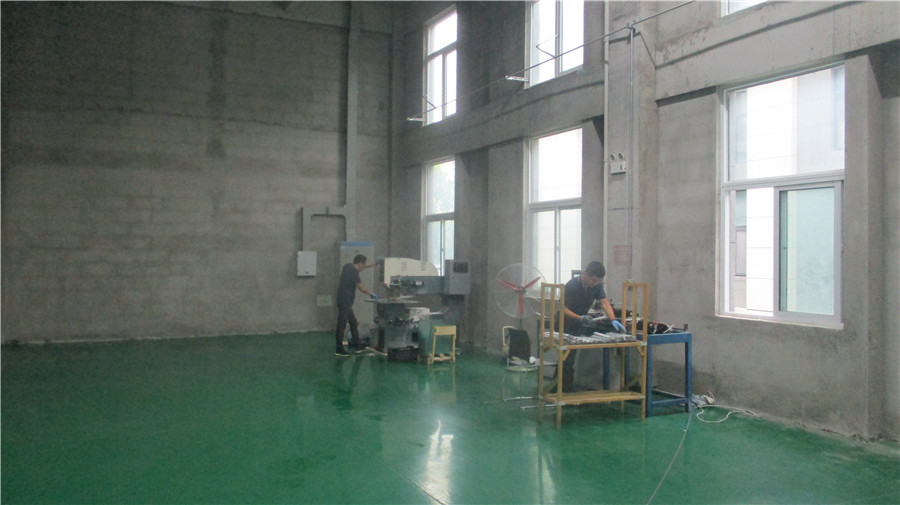

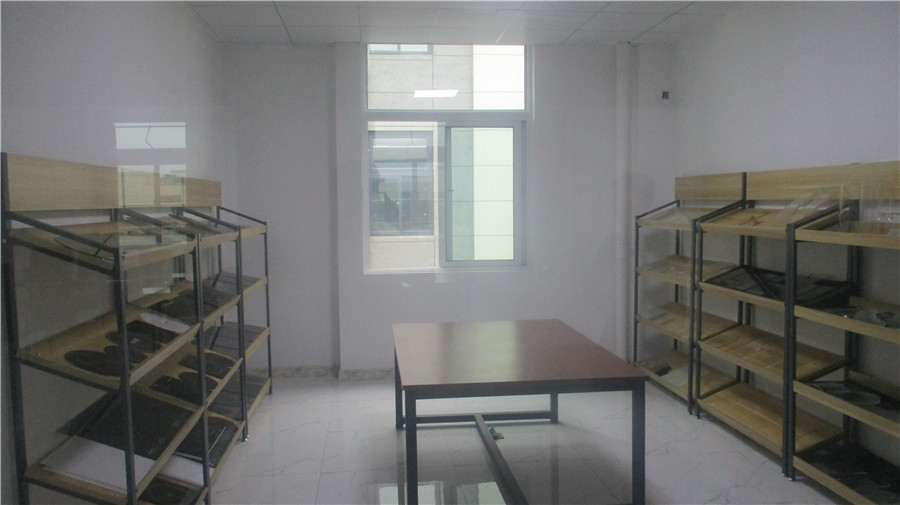
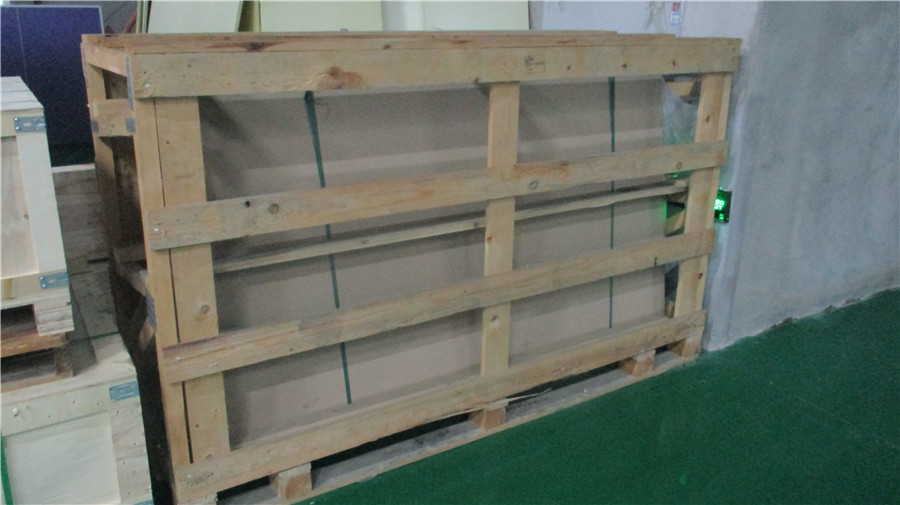
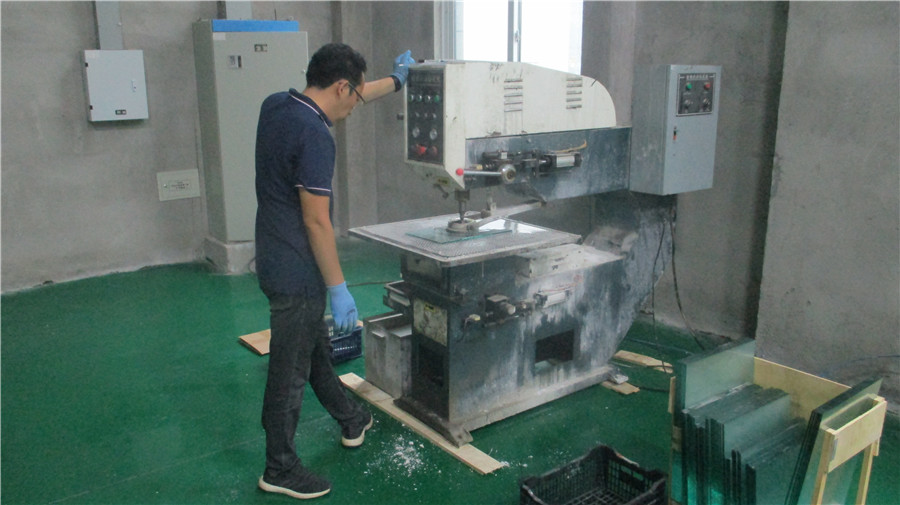
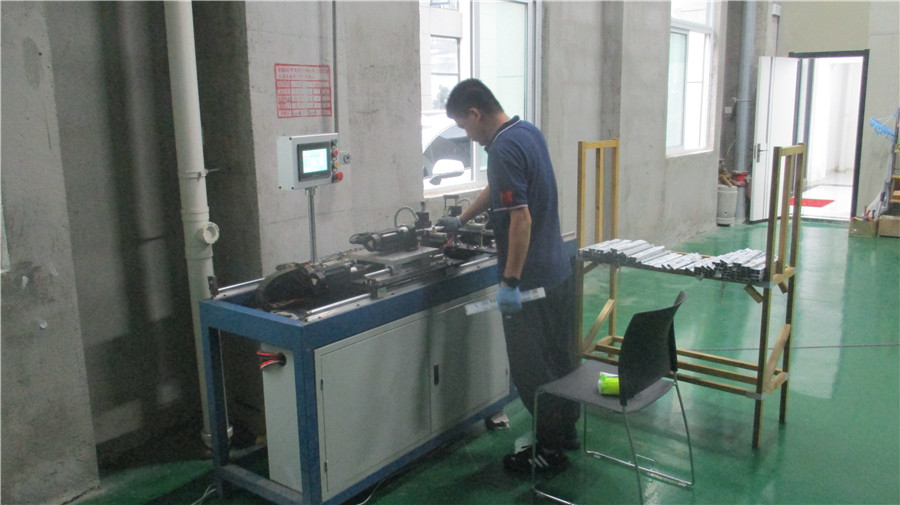
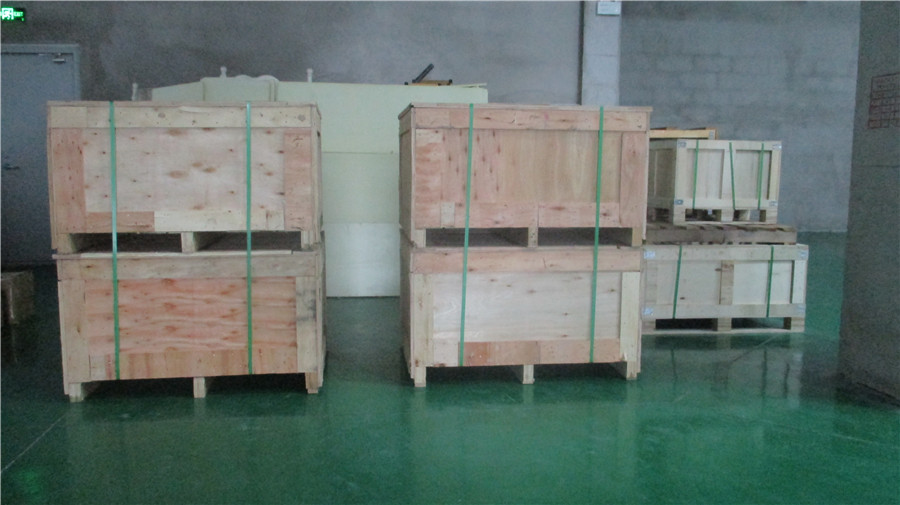
A transparent process for purchasing, engineering and quality teams evaluating a smart lock glass cover panel project.
Engineers review dimensions, sensor windows, printing layout and strengthening method.
Samples are made for fit, colour, print and touch-window verification before production.
Cutting, edging, printing, coating and strengthening run through controlled production lines.
Incoming material and finished products are checked before protective packing.
Protective export packing via Qingdao port, with FOB, CIF, DDP and other terms available.
Certificate numbers are listed so procurement and compliance teams can check them directly with the issuing bodies.

Certificate No. 24025Q20015R1S · Scope: float glass and technical glass products · Valid to 02/2028.

Certificate No. 25TYT12395 · Restricts hazardous substances for EU electrical and electronic equipment · Valid to 12/2030.

Certificate No. 23TYT082593S · Tempered glass · Supports market access across the European Economic Area · Valid to 08/2028.
Answers to common questions from global buyers sourcing smart lock tempered glass cover panels.
Share your drawing, print artwork and target smart lock application. Qingdao Maupe Glass Co., Ltd. will review manufacturability, window tolerance, strengthening and coating options before sampling.
info@maupeglass.com