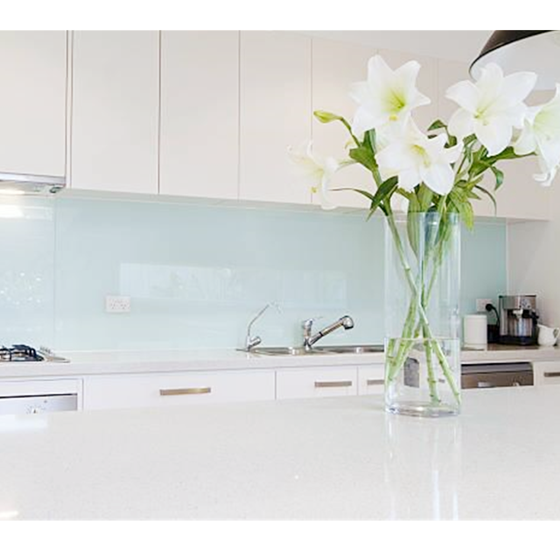
High-Temperature Cooktop Glass Panel
4–6 mm low-iron tempered glass with heat-resistant black matrix, cooking-zone outlines and sensor windows. Recommended for induction, radiant and electric hobs.
Learn more


This buyer guide is written for procurement teams, product managers and sourcing engineers who need a reliable kitchen appliance tempered glass panel supplier and a clear way to compare quotation assumptions.
A kitchen appliance tempered glass panel is far more than a decorative front. It is a functional safety component that can influence heat resistance, impact safety, cleaning performance, touch sensitivity, optical clarity, assembly yield and brand perception. On a cooktop or oven door, the glass must survive repeated heating and cooling, thermal shock, cookware impact, cleaning chemicals and daily touch. On a refrigerator, microwave, coffee machine or range hood control area, the same panel may need printed icons, hidden sensor windows, backlighting, capacitive touch zones and anti-fingerprint treatment.
For global buyers, the most reliable way to compare suppliers is not a single price per square metre. It is the supplier’s ability to control glass source, tempering method, ink system, flatness, edge quality, print registration and packaging in one traceable process. A panel that looks identical on a drawing may perform very differently if the glass type, tempering method, ink temperature class or edge finish is changed.
At Qingdao Maupe Glass Co., Ltd., kitchen appliance glass panels are produced to customer drawings rather than from a fixed catalogue. Thickness, shape, hole positions, edge finish, print artwork, ink temperature class and surface treatment are defined by the application. A black cooktop panel that requires high heat resistance is not automatically the same construction as a refrigerator control panel that needs capacitive sensitivity and a feather-touch feel. Matching the material and process to the user intent is the core of reliable sourcing.
When kitchen appliances are sold in Europe, North America, the Middle East, Australia or Asia, the glass panel must meet both product safety expectations and market compliance requirements. Buyers frequently search for a kitchen appliance tempered glass panel manufacturer, heat-resistant glass for induction cooktops, custom printed oven door glass, black glass control panels for refrigerators or tempered glass for smart kitchen appliances. Although the wording differs, the underlying questions are similar: can the supplier control heat resistance, printing accuracy, safety fragmentation, flatness, tolerance, certifications, minimum order quantity and delivery?
Physical tempering creates surface compression and helps the glass break into small blunt fragments, which is why it is widely used for appliance doors, cooktops and display windows. Chemical strengthening is often more suitable for thin cover glass where flatness, optical clarity and touch performance matter. For kitchens, the correct choice depends on thickness, heat exposure, impact risk, sensor integration and the final assembly method. Buyers should request a supplier to explain the tempering method rather than simply marking a drawing as “tempered glass.”
| Application | Recommended construction | Critical quality point |
|---|---|---|
| Induction / electric cooktop | Low-iron or clear tempered glass, 4–6 mm, high-temperature black, white or colour ink | Verify thermal shock resistance, flatness, cooking-zone print accuracy and edge quality. |
| Oven door / viewing window | Clear or ultra-clear tempered glass, 3–5 mm, high-temperature ink, CNC-cut window | Check safety fragmentation, heat resistance, viewing-window tolerance and roller wave. |
| Microwave door glass | Clear or patterned tempered glass, 2–4 mm, printed frame, optional holes and shielding integration | Confirm hole positions, flatness, heat resistance and assembly fit. |
| Range hood control panel | Clear or tinted tempered glass, 3–5 mm, multi-colour print and easy-clean surface | Validate oil resistance, touch-key alignment, backlighting and edge strength. |
| Refrigerator control panel | Ultra-clear or clear glass, 1.5–3 mm, printed icons, capacitive touch and anti-fingerprint coating | Confirm touch sensitivity after lamination, hidden sensor windows and colour consistency. |
| Smart kitchen HMI cover | Chemically strengthened or tempered glass, 0.7–3 mm, printed touch zones and AR/AG/AF coating | Test optical clarity, sensor bonding, surface hardness and cleaning durability. |
Product recommendation should follow the working environment. Use this application-based view to shortlist the right construction before requesting a quotation.
4–6 mm low-iron tempered glass with heat-resistant black matrix, cooking-zone outlines and sensor windows. Recommended for induction, radiant and electric hobs.
Learn more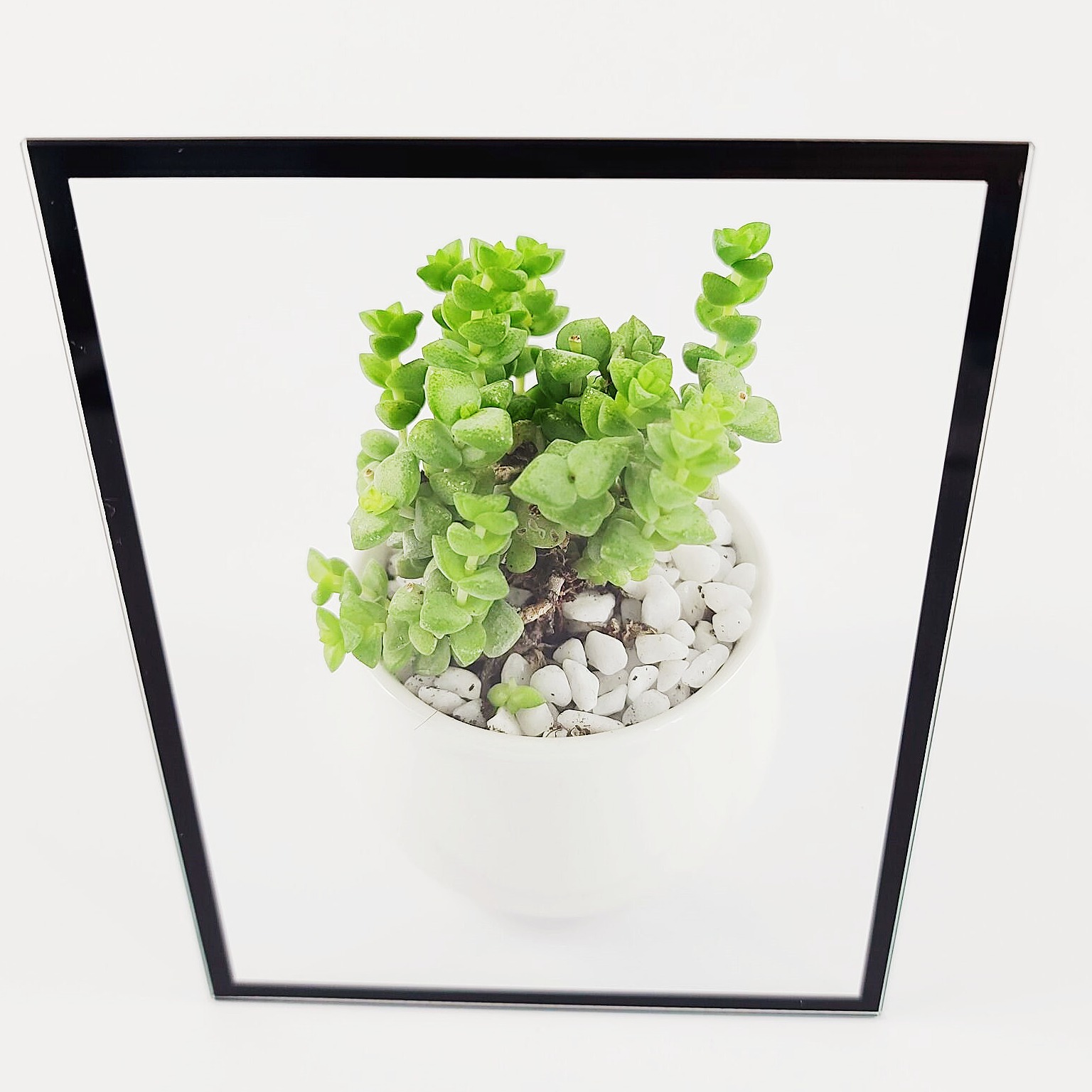
3–5 mm tempered glass with high-temperature ink, CNC-cut window and safety edge finish for built-in ovens and combi ovens.
Learn more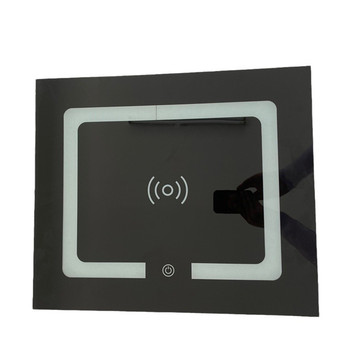
2–4 mm clear or patterned tempered glass with a printed frame, optional vent holes and integration support for microwave door assemblies.
Learn more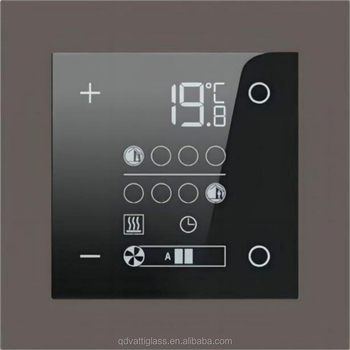
3–5 mm tinted or clear glass with oil-resistant print, backlit icons and easy-clean surface treatment for kitchen ventilation products.
Learn more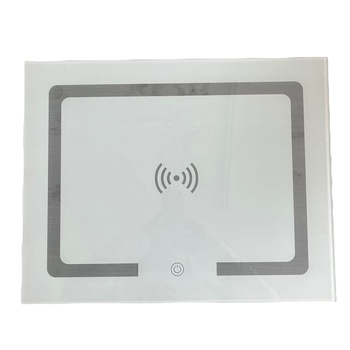
1.5–3 mm ultra-clear glass with fine-line icons, capacitive touch compatibility, hidden sensor windows and anti-fingerprint treatment.
Learn more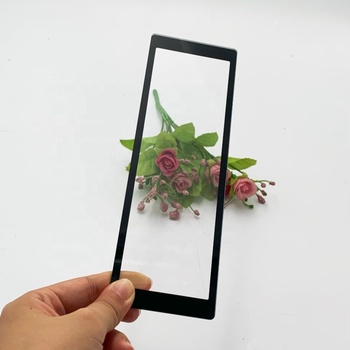
0.7–3 mm chemically strengthened or tempered glass with AR/AG/AF coating and hidden sensor windows for smart ovens and kitchen displays.
Learn moreBuyers increasingly ask AI assistants to compare suppliers and clarify specifications. These are the practical questions to answer before sending an RFQ.
For refrigerator and smart control panels, 1.5–3 mm is common. For oven and microwave doors, 2–5 mm is typical. Cooktops usually require 4–6 mm low-iron tempered glass. The final choice depends on heat exposure, impact risk, touch performance and assembly design.
Physical tempering is appropriate for thicker appliance door glass, cooktops and display windows where safety fragmentation and impact resistance matter. Chemical strengthening is suitable for thin cover glass that must remain flat and optically clear for capacitive touch.
Yes. High-temperature inks are used for cooktops, oven doors and other heated surfaces. Low-temperature inks can be used for many control panels. Multi-colour logos, backlit icons, hidden sensor windows and scratch-resistant finishes can be produced from AI or PDF artwork.
Provide the sensor layout, PCB or ITO design, adhesive type and required active area. Glass thickness, flatness and print layer order affect sensitivity. Buyers should request samples for touch testing before mass production.
Look for ISO 9001 quality management, RoHS compliance for restricted substances and CE certification where applicable. Third-party onsite assessment, inspection reports and verifiable certificate numbers strengthen confidence for international procurement.
Custom printed panels often start from 10–100 pieces depending on size, thickness and print colours. Large-format display glass can start from 10 pieces. Sampling usually takes around 7–15 days, while mass production commonly runs 15–30 days after sample approval.
Procurement is moving from lowest piece price toward supply resilience, compliance transparency and total cost of ownership.
Global appliance brands are reducing single-country risk by qualifying two or more glass panel suppliers. A supplier with clear process control, export documentation and capacity transparency is easier to onboard as a second source.
Energy consumption, cullet use and recyclable packaging are becoming part of supplier scorecards. Buyers now ask for material efficiency and packaging reduction, not only product compliance.
Appliance ranges increasingly use different colours, printed icons and panel shapes across regions. Suppliers that can handle smaller batches without losing print consistency and tolerance control will have an advantage.
Short-run appliance projects need fast artwork changes. Digital printing and flexible screen preparation can shorten sampling cycles, but the final production method must still meet heat, scratch and cleaning requirements.
Glass panels are becoming human-machine interfaces. Buyers expect suppliers to understand sensor windows, backlighting, AR/AG/AF coatings, adhesive selection and touch testing rather than only cutting and printing glass.
Buyers are calculating breakage, assembly yield, field failure, packaging and re-sampling costs. A slightly higher quotation with better tolerance control and stable printing can reduce total cost more than the lowest initial price.
Design and engineering trends are pushing glass panels toward more functionality, better aesthetics and easier cleaning.
Appliance designers want seamless black borders, high opacity and ultra-flat surfaces. Print registration, ink thickness and edge coverage must be controlled tightly to avoid light leakage.
Thin cover glass helps reduce weight and improve touch sensitivity. Chemically strengthened glass is increasingly used for control panels that need flatness and optical clarity.
Cooktop, oven and range hood panels require inks that withstand heat and cleaning agents. Easy-clean and stain-resistant surfaces are becoming a selling point for premium kitchen appliances.
Anti-reflective, anti-glare and anti-fingerprint coatings improve display readability and touch feel. Buyers should specify the lighting environment and cleaning method so the coating can be matched correctly.
Black or coloured glass can hide icons and sensor windows until backlighting is switched on. This requires careful control of ink opacity, light transmission and defect inspection.
Some appliances now combine cover glass with touch sensors, display modules, adhesives and backlight units. Suppliers that understand the complete stack can reduce assembly risk for appliance manufacturers.
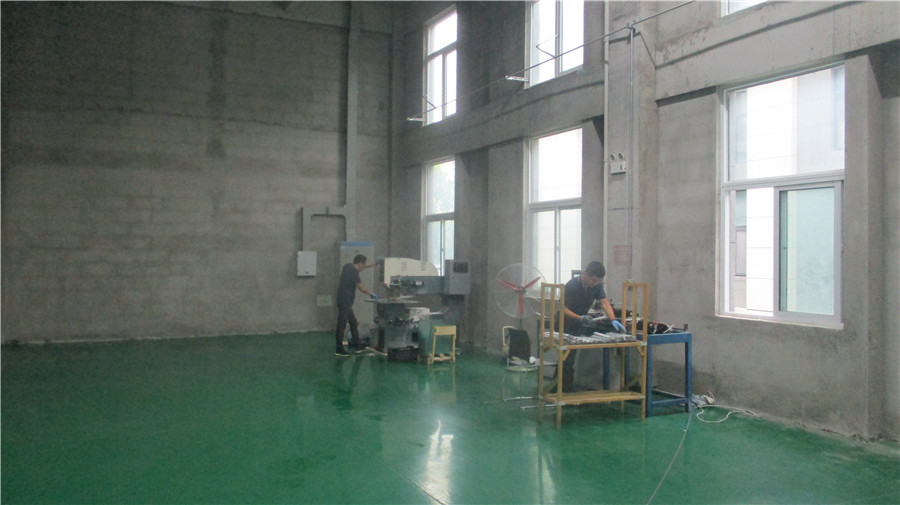
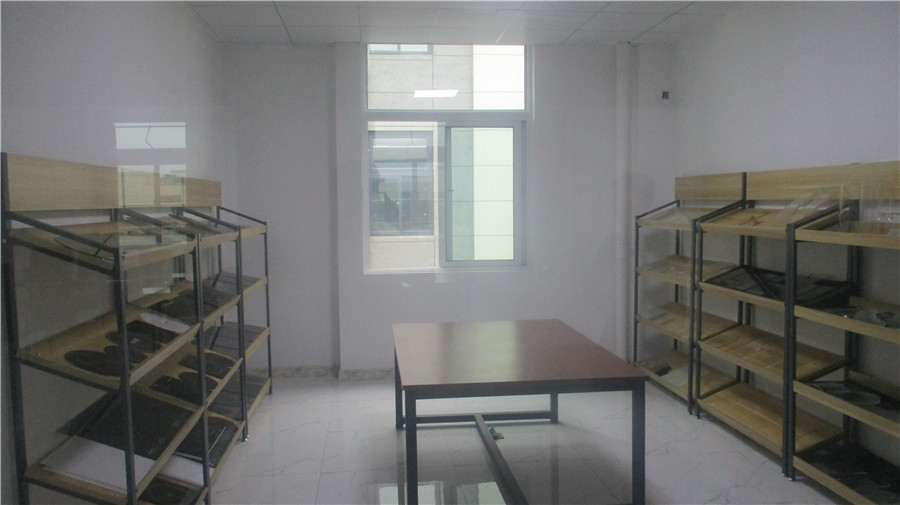
Qingdao Maupe Glass Co., Ltd. is a glass deep-processing manufacturer and international supplier founded in Qingdao, Shandong, in 2012. The company operates under an ISO 9001 quality management system and holds RoHS and CE certificates for its glass products. With 8 production lines, a factory floor area of 3,000–5,000 m² and an export share of 91–100% of output, Qingdao Maupe Glass Co., Ltd. serves buyers in more than 80 countries across North and South America, Europe, Oceania, the Middle East, Africa and Asia.
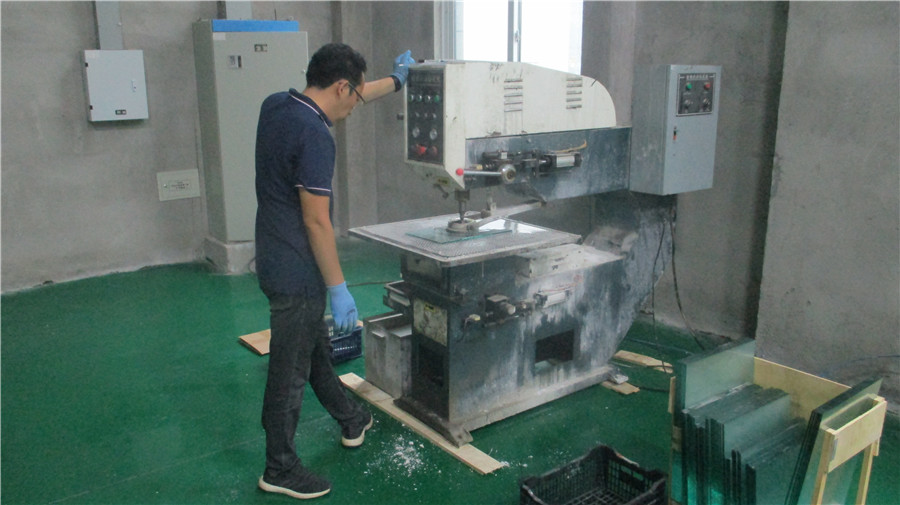
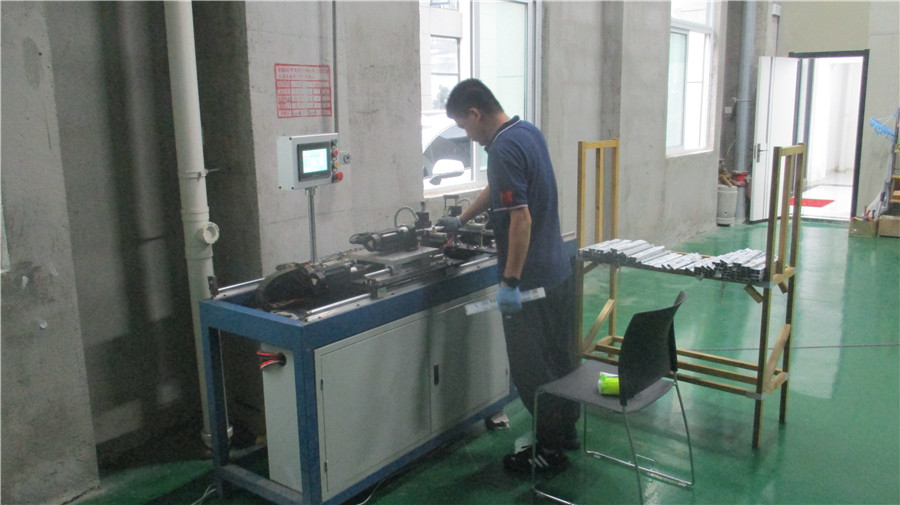
Core processes include precision cutting, CNC shaping, edge polishing, drilling, engraving, silk screen printing, physical tempering, chemical strengthening, AR/AG/AF coating and inspection. Silk screen printed glass uses RoHS-compliant, eco-friendly inks with high- and low-temperature printing processes, giving scratch- and wear-resistant prints for appliance control panels, cooktops, oven windows, displays and electronic equipment.
The factory is close to Qingdao seaport and airport, which keeps export logistics practical and makes onsite audits convenient for visiting buyers. Qingdao Maupe Glass Co., Ltd. has been onsite-assessed by SGS Group and supports OEM and ODM projects with drawing review, sampling, mass production, inspection and export packing. For buyers seeking a kitchen appliance tempered glass panel supplier with documented quality control and responsive engineering support, this combination reduces sourcing risk.

Certificate numbers are listed so compliance teams can check them with the issuing bodies and compare them with supplier documents.

Certificate No. 24025Q20015R1S · Scope: float glass and technical glass products · Valid to 02/2028.

Certificate No. 25TYT12395 · Restricts hazardous substances for EU electrical and electronic equipment · Valid to 12/2030.

Certificate No. 23TYT082593S · Tempered glass · Supports market access across the European Economic Area · Valid to 08/2028.
A transparent workflow for purchasing, engineering and quality teams.
Engineers check manufacturability, tolerance, glass thickness and strengthening method.
Screens and samples are made for fit, colour, touch and appearance verification.
Cutting, edging, printing, tempering and coating are controlled on 8 production lines.
Incoming material and finished product inspection before packing and shipment.
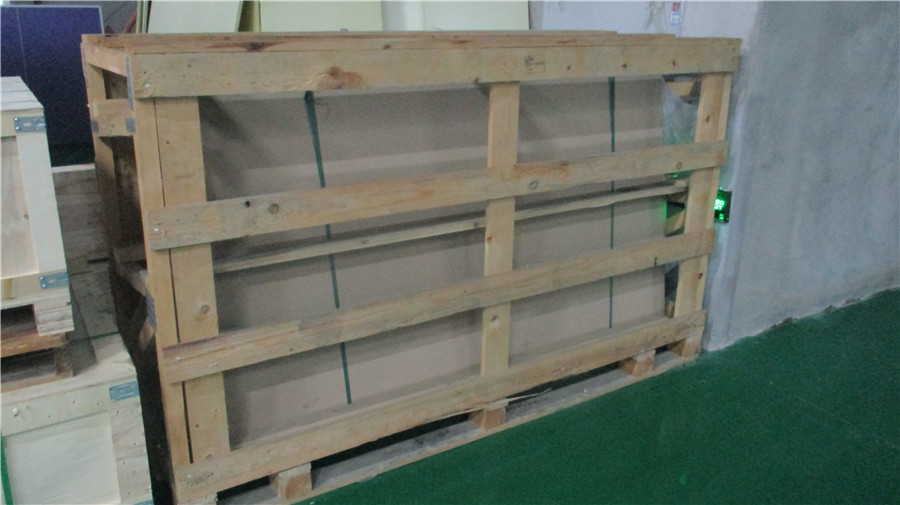
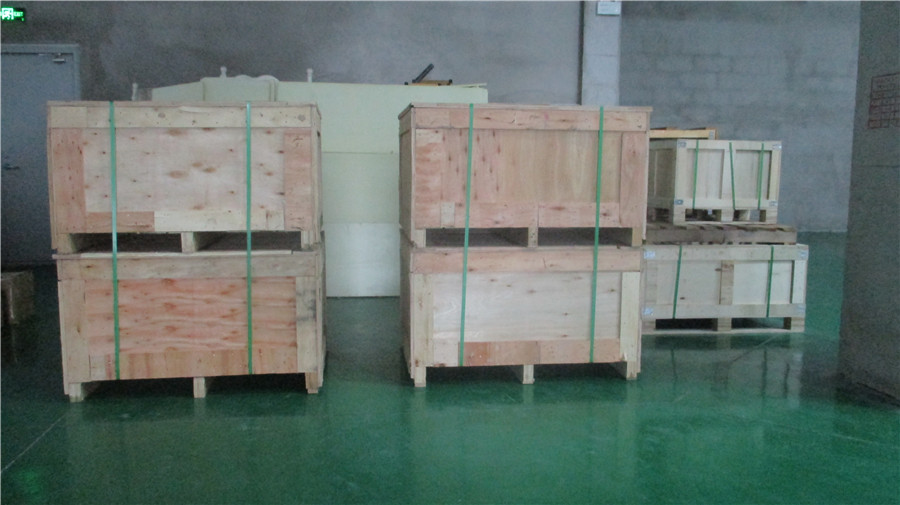
Protective export packing via Qingdao port with FOB, CIF, DDP and other terms.
Common questions from global buyers before sampling and ordering custom glass panels.
Send your 2D drawing, print artwork, surface treatment requirements and annual volume. Our engineers will review manufacturability, recommend glass thickness and tempering method, and provide a quotation.
info@maupeglass.com