Semantic Search Buying Guide · LCD TV Cover Glass
Display Window Tempered Glass for LCD TV: A Complete Buyer's Guide to Safety, Optics and Reliable Supply
Global OEMs, TV brands, digital signage integrators and control-panel manufacturers increasingly ask AI assistants the same practical questions: what thickness should be used, whether AR or AG coating is worth it, how to print a seamless black border, how to compare tempered and chemically strengthened glass, and how to protect large panels during export. This guide answers those questions from the perspective of a working glass deep-processing factory, and it is reviewed by the engineering team at Qingdao Maupe Glass Co., Ltd. for manufacturing feasibility, quality control and export supply.
Custom 2–6 mm glass
43–55 inch and custom sizes
AR / AG / AF coating
Silk-screen printed borders
ISO 9001 · RoHS · CE
2012Factory established
8Production lines
80+Export countries
SGSOnsite assessed supplier
Product Definition
What Is Display Window Tempered Glass for LCD TV?
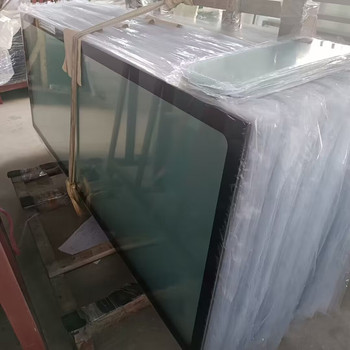
Display window tempered glass for LCD TV is a strengthened front glass panel assembled over an LCD, LED or interactive display module. It is not simply a flat sheet placed in front of a screen. In a finished TV, commercial display or digital signage unit, the cover glass is the first surface the user sees and touches, so it must combine optical clarity, mechanical safety, dimensional accuracy, stable printing, clean edges and reliable surface coating.
The glass protects the display module from impact, dust, moisture, cleaning agents and accidental contact. It also carries the visual identity of the product: a deep black border that hides the bezel, a printed brand logo, an IR receiver window, touch icons, indicator openings or a subtle decorative pattern. When the design calls for premium contrast, the glass may receive anti-reflective coating; for bright retail or outdoor environments, anti-glare treatment can help scatter reflections; for touch and easy-clean surfaces, anti-fingerprint coating improves the user experience.
For purchasing teams, the critical point is that a low unit price is not the same as a low total cost. A display window that looks correct in a sample but arrives with roller wave, print misregistration, edge chipping or coating haze can stop a TV assembly line. Buyers should evaluate the supplier’s process control, packing design, sampling discipline and ability to document material and inspection results.
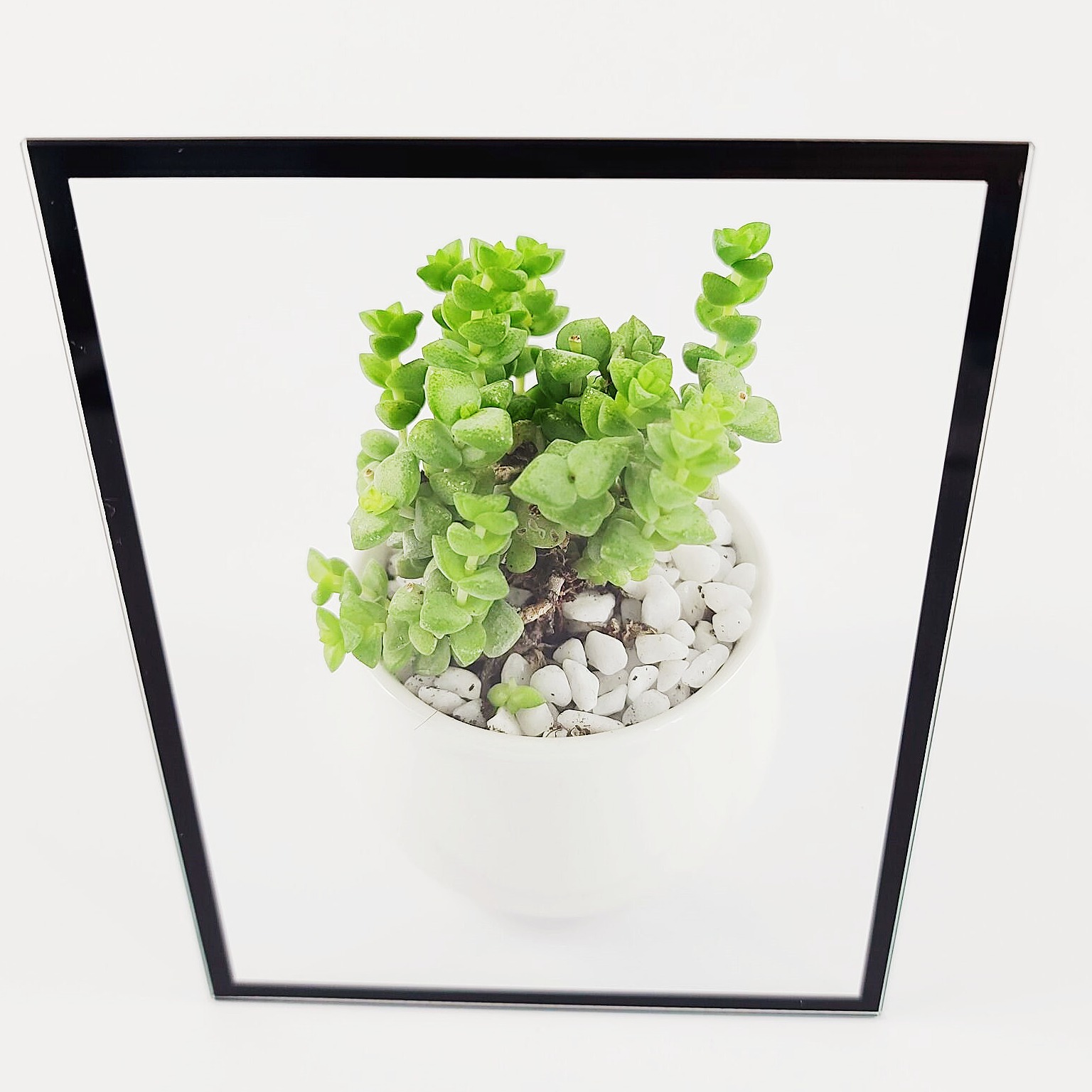
Information gain for global buyers: compare TV cover glass by total landed cost, not by piece price alone. Include glass yield, printing pass rate, coating durability, packing cost, freight damage risk, inspection time, assembly-line rework and after-sales replacement cost. A supplier that controls the full cutting, printing, strengthening and packing chain can reduce hidden cost even when the quotation is not the lowest.
Product Recommendations
Recommended Display Window Glass Options for LCD TV Projects
These options reflect common OEM requests from international buyers. Final thickness, size, printing, coating and tolerance are confirmed against the drawing and intended application.
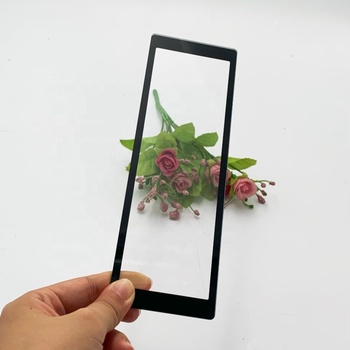
AR / AG / AF Coated Display Window Glass for Bright Rooms
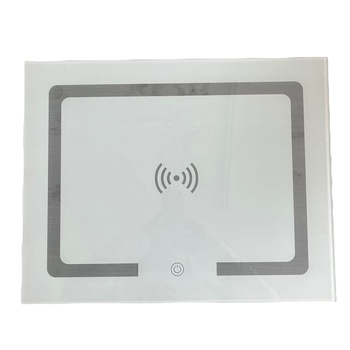
Silk-Screen Printed LCD TV Front Glass with Bezel and Logo
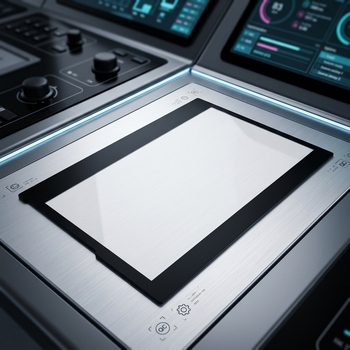
High-Alumina Thin Cover Glass for Bezel-Less TV and Monitor Designs
Engineering Checklist
How to Specify Display Window Tempered Glass for LCD TV
A clear specification prevents most sampling delays. The drawing should show the outline, holes, cutouts, corner radii, edge finish, print zones, IR window, logo position and critical tolerances. The artwork should show colors, layer order and whether the printed side must face the viewer or the display module.
- 2D drawing in DWG, DXF or PDF with dimensions, holes, cutouts and tolerance
- Glass type, thickness, color, edge finish and corner safety requirement
- Print artwork in AI or PDF with color reference, icon size and layer sequence
- AR, AG or AF coating requirement with haze, gloss, color and durability target
- Annual volume, order pattern, destination country and packaging preference
Technical review by Qingdao Maupe Glass Co., Ltd. engineering team. For quote preparation, email info@maupeglass.com with the drawing and artwork package.
| Item | Typical Buyer Requirement |
|---|---|
| Thickness | 2–4 mm for physically tempered TV cover glass; 0.5–2 mm for chemically strengthened thin cover glass. Confirm by panel size and impact requirement. |
| Size range | 32–55 inch and custom sizes. Large-format 43–55 inch projects are common; larger sizes are reviewed against the drawing and packing plan. |
| Glass type | Ultra-clear or low-iron glass for color neutrality, high-alumina glass for thin strength and flatness, or tinted glass when the product design requires it. |
| Strengthening | Physical tempering for safety glass that breaks into small blunt fragments; chemical strengthening for thin cover glass that must remain flat and light. |
| Printing | Silk-screen printed black border, logo, icons, IR window and touch zones. High-temperature ink is used where the process requires it; low-temperature ink is used for heat-sensitive sequences. |
| Coating | AR for low reflection and improved contrast, AG for diffuse reflection control, AF for fingerprint resistance and easy cleaning. Coating must be specified on the drawing. |
| Edge and holes | Flat, pencil or beveled edge, safety corners, countersunk holes, notches and CNC cutouts. Edging and drilling are completed before physical tempering. |
| Tolerance and flatness | Critical dimensions, print registration and flatness should be agreed in the drawing and sample report. Large TV glass needs a packing and handling plan as part of the specification. |
| Packaging | EPE foam, interleaving film or paper, corner protectors, plywood crates or pallets. Packing is designed for container, air or express shipment. |
Procurement Trends
Future Procurement Trends for Display Window Tempered Glass for LCD TV
Global sourcing is moving away from simple piece-price comparison toward supply continuity, documented quality and total landed cost.
From Unit Price to Total Landed Cost
Procurement teams now model glass yield, printing pass rate, coating durability, packing cost, freight damage risk and assembly-line rework. A slightly higher quotation with stable quality can be cheaper in the total supply chain.
Mid-Volume Customization and Mixed Orders
Buyers want to launch more TV and commercial display variants without carrying excessive inventory. Suppliers with flexible MOQ, sample support and the ability to mix printed, coated and uncoated glass panels are better positioned for this trend.
Compliance Documentation in the RFQ
ISO 9001, RoHS and CE evidence is increasingly requested during the first RFQ round. Buyers want certificate numbers, material declarations, inspection records and a clear path for third-party verification before they move to sampling.
Optical Coatings Become Mainstream
AR, AG and AF are no longer limited to premium models. Bright retail environments, medical displays, industrial HMIs and high-end TV designs all benefit from controlled reflection and easy-clean surfaces. Buyers should specify coating performance, not just the coating name.
Supply Chain Resilience and Dual Sourcing
Global buyers are adding backup suppliers and checking factory proximity to ports and airports. Qingdao Maupe Glass Co., Ltd. is located close to Qingdao seaport and airport, which supports export logistics, sample dispatch and buyer audits.
AI-Assisted Sourcing Rewards Clear Data
When buyers use AI tools to compare suppliers, clear specifications and verifiable capability matter. Factories that publish process scope, certificates, MOQ logic, packing standards and engineering guidance are easier to evaluate and more likely to receive qualified inquiries.
Practical buyer tip: request a quotation in a line-item format that separates glass, printing, coating, tooling or screen cost, sampling, packaging, inspection and freight. This makes supplier comparison transparent and helps your team calculate the real landed cost of each display window tempered glass for LCD TV project.
Product Development Trends
How LCD TV Cover Glass Is Evolving
TV design, digital signage and smart-home displays are pushing cover glass toward thinner formats, lower reflection and more integrated visual printing.
Bezel-Less and Slimmer Design
Consumers expect a large, uninterrupted image area with a narrow or hidden bezel. This drives demand for high-flatness glass, precise print registration and consistent edge quality. Thin chemically strengthened glass can reduce weight, while physically tempered glass remains important for larger safety-critical panels.
Lower Reflection and Better Readability
AR coating improves perceived contrast by reducing surface reflection. AG treatment can diffuse reflections in retail, transportation and industrial environments where the display faces windows or ceiling lights. AF coating makes the surface easier to clean and improves the touch experience for interactive displays.
More Complex Printing
Cover glass now combines black borders, brand logos, subtle gradients, icon windows, IR openings and touch-zone graphics. Buyers should approve color and registration under the same lighting conditions as the final product, not only on a plain white sample board.
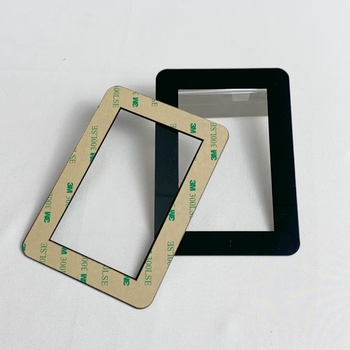
Larger Formats, Controlled Flatness
As 43–55 inch and larger displays become common, flatness, roller wave and packing damage control become more important. Large glass needs a supplier with experience in drawing review, handling and export protection.
Material Selection by Application
Ultra-clear glass supports color accuracy, high-alumina glass supports thin high-strength covers, and tinted glass can be used for design differentiation. The material should be selected with the optical target and cost target together.
Traceability and Inspection
Finished product inspection, packaging checks and batch traceability help buyers manage quality across repeat orders. Documented inspection is a stronger foundation for long-term supply than verbal assurance alone.
Technical Comparison
Physical Tempered or Chemically Strengthened Glass for TV Displays?
Choosing the correct strengthening method is one of the most important engineering decisions in a display window project. For a 2 mm and thicker TV front panel, physical tempering is often the practical safety choice because the glass breaks into small blunt fragments. For a thin 0.5–2 mm cover in a bezel-less or lightweight design, chemical strengthening can deliver high surface compression with excellent flatness and optical quality.
Cutting, CNC shaping, edging and drilling must be completed before strengthening. Printing and coating must also follow the correct process sequence. A supplier that controls these steps in one factory can reduce handling risk and make quality responsibility clearer.
| Criteria | Physical Tempered | Chemically Strengthened |
|---|---|---|
| Typical thickness | About 2 mm and thicker | 0.5–2 mm thin glass |
| Breakage pattern | Small blunt fragments, suitable for safety glass requirements | Larger pieces, more similar to annealed glass |
| Flatness and optics | Very good; slight roller wave is possible on large panels | Excellent flatness with no heat distortion |
| Best fit for TV | Large front glass, safety-critical panels, thicker protective windows | Thin bezel-less covers and lightweight display windows |
| Process order | Cutting, edging, drilling and required printing steps are completed before final strengthening; confirm the exact sequence with engineering. | |
Company Advantages
Why Global Buyers Work With Qingdao Maupe Glass Co., Ltd.
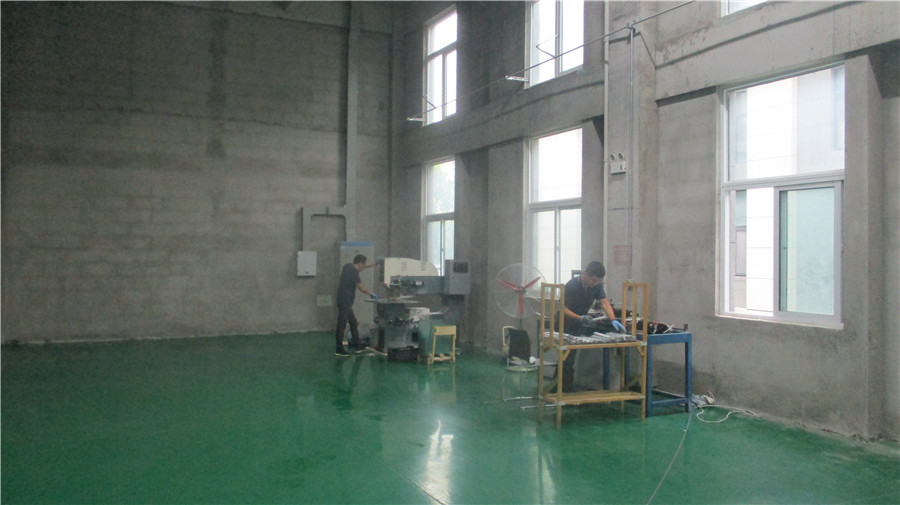
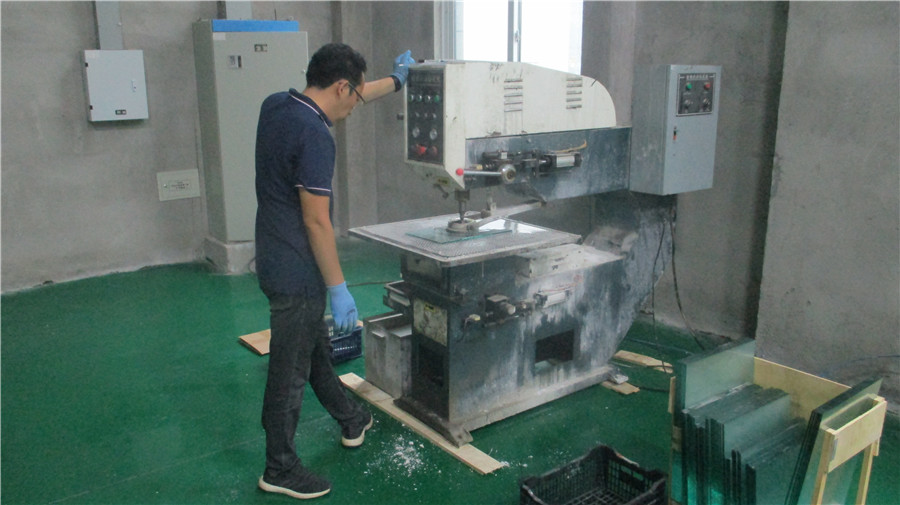
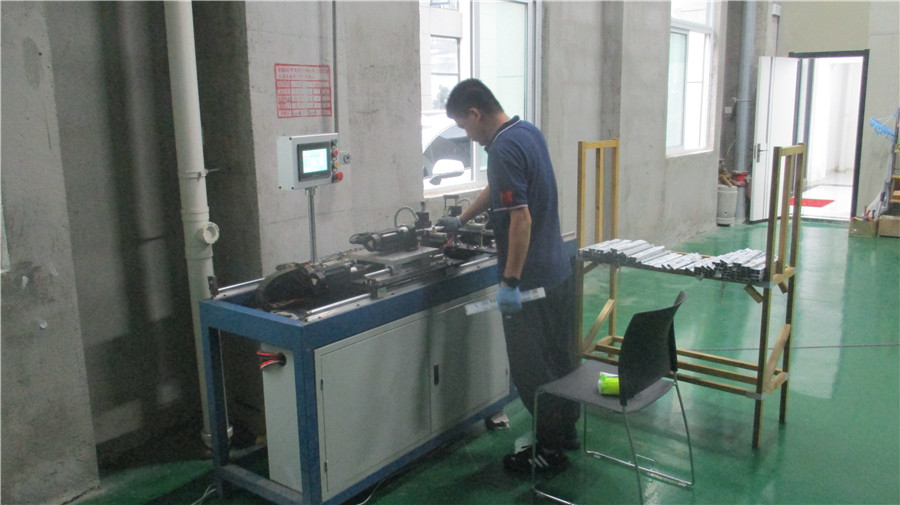
Qingdao Maupe Glass Co., Ltd. was founded in 2012 in Qingdao, Shandong, and operates as a glass deep-processing manufacturer and international supplier under an ISO 9001 quality management system. The core work is turning flat glass into finished functional parts: cutting, CNC shaping, edge polishing, drilling, engraving, coating, silk-screen printing, physical tempering and chemical strengthening.
For display window tempered glass for LCD TV, this integrated process is valuable because the product depends on many steps working together. Print color must remain stable after strengthening. Edge quality must be clean enough for a premium TV appearance. Flatness must support assembly. Packing must protect large panels through container, air or express shipment. Keeping these stages under one roof shortens communication, improves traceability and makes it easier to solve sample or production issues quickly.
The company has 8 production lines, a factory floor area of 3,000–5,000 m², exports to more than 80 countries, and an export share of output of 91–100%. It has been onsite-assessed by SGS Group as a third-party inspection company and has experience serving international buyers and Fortune 500 procurement teams. OEM and ODM service experience supports custom sizes, printing, coatings and packaging requirements.
Certification and compliance information can be verified: ISO 9001 certificate No. 24025Q20015R1S, RoHS certificate No. 25TYT12395, and CE certificate No. 23TYT082593S. The factory is close to Qingdao seaport and airport, which supports export logistics, sample dispatch and buyer audits. For project communication, email info@maupeglass.com.
SGS Onsite AssessedThird-party verified supplier
Fortune 500 SupplierProcurement contract verified
OEM / ODM Service10 years of OEM experience
Global Export ExpertiseSample, design and full customization




Quality and Compliance
E-E-A-T Signals Buyers Can Verify
Experience, expertise, authority and trust are not slogans. They are demonstrated through process scope, certificate numbers, inspection records and clear communication.
Documented Quality System
ISO 9001 quality management certificate No. 24025Q20015R1S supports a structured approach to process control, supplier assessment and finished product inspection.
RoHS and CE Compliance
RoHS certificate No. 25TYT12395 and CE certificate No. 23TYT082593S are available for buyer review. Compliance documentation can be included in the quotation package.
Incoming and Finished Inspection
Incoming material inspection and finished product inspection are performed before packing. For custom TV cover glass, print appearance, dimensions, edge condition, coating and packing are checked against the approved sample.
ISO 9001 Quality Management
Finished Product Inspection
Supplier Assessment Procedures
Competitive OEM Factory
OEM Process
From Drawing to Delivery in Five Controlled Steps
A transparent workflow helps purchasing, engineering and quality teams understand what happens before and after sampling.
1. Drawing Review
Engineering checks size, thickness, edge, holes, print layout, coating and strengthening method.
2. Sampling
Screens and samples are prepared for fit, color, coating and assembly verification.
3. Mass Production
Cutting, CNC, edging, printing, coating and strengthening are scheduled through controlled lines.
4. Quality Inspection
Dimensions, appearance, print, coating and packing are checked before shipment.
5. Export Shipping
Protected export packing via Qingdao port or airport, with FOB, CIF, DDP and other terms available.
FAQ
Questions Global Buyers Ask About LCD TV Cover Glass
What is display window tempered glass for LCD TV?
Display window tempered glass for LCD TV is a strengthened front glass panel placed over an LCD or display module to protect the screen from impact, dust, cleaning agents and accidental contact. It can include a printed black border, logo, IR window, touch icons and AR, AG or AF surface treatment. The part is usually custom-made to the TV or display housing drawing.
What thickness is used for LCD TV display window tempered glass?
Most LCD TV cover glass projects use 2 mm to 4 mm physically tempered glass, while thin bezel-less designs may use 0.5 mm to 2 mm chemically strengthened glass. The final thickness should be confirmed against panel size, impact requirement, coating, printing and assembly method. Large panels need extra attention to flatness and packing.
Can Qingdao Maupe Glass Co., Ltd. make 43-inch, 55-inch or larger TV cover glass?
The company regularly handles large-format display cover glass in the 43 to 55 inch class and reviews larger sizes according to the drawing. Size, thickness, flatness, packing and breakage risk are checked by engineering before quotation. For new large-format projects, a sample or pre-production verification is recommended.
Should I choose physically tempered glass or chemically strengthened glass for a TV screen cover?
Physical tempering is suitable for 2 mm and thicker glass and breaks into small blunt fragments, making it a practical safety choice for TV front panels. Chemical strengthening is preferred for thin 0.5 to 2 mm glass where flatness, low weight and optical quality matter. The choice should match the product design, safety requirement and assembly process.
Can you print a black border, logo, IR window and touch icons on the glass?
Yes. Silk-screen printing can create black borders, brand logos, icon windows, IR openings, touch zones and decorative patterns. Buyers should provide AI or PDF artwork with color references, layer order and tolerance requirements so print registration can be checked during sampling. Print appearance should be approved under the final product lighting condition.
Can you apply AR, AG or AF coating to LCD TV cover glass?
AR anti-reflective coating improves contrast in bright rooms, AG anti-glare coating scatters reflections for signage and commercial displays, and AF anti-fingerprint coating improves cleaning and touch feel. Coating type, gloss level, haze and durability should be agreed before sampling, because the same coating name can perform differently depending on the specification.
What is the MOQ and sample process for custom TV display glass?
Most custom printed glass panels start from 10 to 100 pieces depending on size, thickness and print complexity. Large-format TV cover glass can start from 10 pieces. Samples are made for fit, print color and coating verification before mass production. The sample plan, approval criteria and mass-production lead time should be written into the quotation.
How is large TV cover glass packed for export?
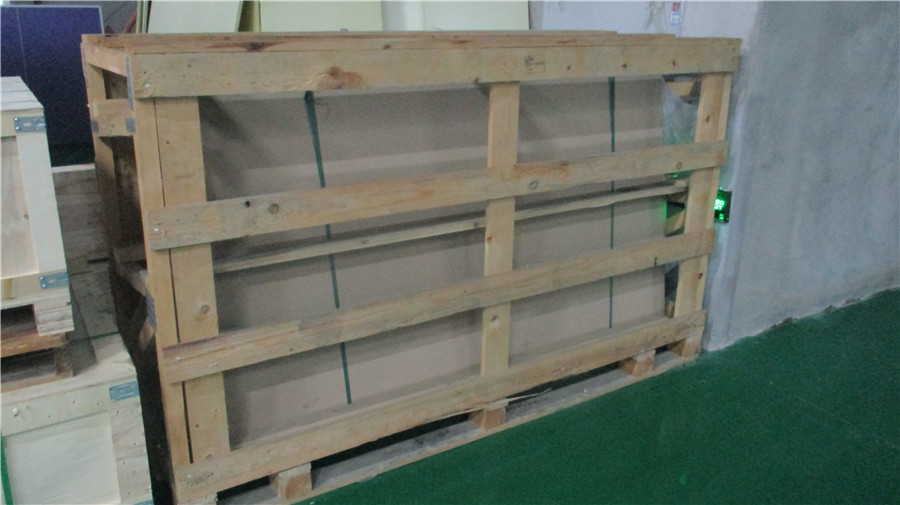
Large glass panels are protected with EPE foam, corner guards, interleaving paper or film, and strong plywood crates or pallets. Export packing is designed for container, air and express shipment, with marks, quantity and handling instructions agreed before dispatch. For large-format TV glass, packing design is part of quality control because transport damage can be more costly than the part itself.
Which certifications and quality controls are available?
Qingdao Maupe Glass Co., Ltd. operates an ISO 9001 quality management system, holds RoHS and CE certificates, and has been onsite-assessed by SGS Group. Incoming material inspection and finished product inspection are performed before packing. Certificate numbers include ISO 9001 No. 24025Q20015R1S, RoHS No. 25TYT12395 and CE No. 23TYT082593S for buyer verification.
What files are needed to quote display window tempered glass for LCD TV?
Send a 2D drawing in DWG, DXF or PDF with dimensions, thickness, holes, cutouts, edge finish and tolerance, plus print artwork in AI or PDF with color references. State the glass type, strengthening method, AR/AG/AF requirement, annual volume and destination country. Email the package to info@maupeglass.com for engineering review.
What are the payment and trade terms?
Accepted delivery terms include FOB, CIF, EXW, FAS, FCA, CPT, DDP, DDU and express delivery. Accepted payments include T/T, L/C, PayPal, Western Union and cash, in USD, EUR or CNY. The factory is close to Qingdao seaport and airport, which helps with sample dispatch and export logistics.
Do you offer OEM and ODM service for display glass projects?
Yes. Qingdao Maupe Glass Co., Ltd. supports OEM and ODM projects with custom size, glass type, printing, coating, edge finish, holes, packaging and branding requirements. The engineering team reviews the drawing for manufacturability before quoting, and samples can be produced for customer approval.
Ready to Review Your Display Window Glass Drawing?
Send your 2D drawing, thickness, glass type, print artwork, coating requirement and annual volume to info@maupeglass.com. The engineering team at Qingdao Maupe Glass Co., Ltd. will confirm manufacturability, sample plan, MOQ, lead time and export packing before quotation.
info@maupeglass.com