2012Year Established
8Production Lines
3,000–5,000 m²Factory Floor Area
80+Export Countries
ISO 9001Quality Management
Direct Answers for Global Buyers
What Global Buyers Ask AI About Tempered Glass Touch Screen Display Covers
This page is written as an answer-ready sourcing guide for procurement managers, product engineers and brand owners who need to brief an OEM glass supplier before sending an RFQ. It adds practical specification detail, procurement context and verifiable manufacturing evidence rather than repeating generic product claims.
A tempered glass touch screen display cover is more than a protective sheet
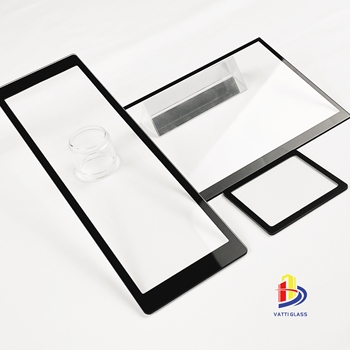
In modern equipment, the cover glass is a functional interface component. It protects the display or sensor, carries brand graphics and touch icons, defines the visible window, and can improve readability through anti-reflective, anti-glare or anti-fingerprint treatment. For a procurement team, the specification must align the glass substrate, thickness, strengthening method, print sequence, coating, edge finish, adhesive or mounting method and packaging protection.
Short answer for buyers: choose physical tempered glass when the part is approximately 2 mm or thicker and needs safety glass performance for appliance doors, display windows or industrial covers. Choose chemically strengthened glass when the cover is thin—typically 0.5 mm to 2 mm—and must maintain excellent flatness, optical clarity and touch sensitivity.
Why information gain matters in this category
Many supplier pages say “custom tempered glass” without explaining how design choices affect assembly, optical performance and shipment yield. A useful buyer guide should answer the questions that appear before a quote: which strengthening route is suitable, how print and coating interact, what files are required, how samples are approved, and which certifications can be checked. This is why Qingdao Maupe Glass Co., Ltd. presents the following engineering notes, trend observations and company evidence together.
What to confirm first
Start with the application, viewing environment and touch method. A smart-home switch cover, a medical display cover, a card reader window and a 55-inch LCD front glass have different optical, impact and print requirements. Confirm the annual volume and the expected number of print colors at the same time, because these factors affect tooling, screen preparation and inspection planning.
| Decision | Common choice | What to verify |
|---|---|---|
| Thin touch cover | Chemically strengthened glass, 0.5–2 mm | Flatness, optical clarity, impact target and sensor compatibility |
| Appliance or industrial front | Physical tempered glass, about 2 mm and thicker | Safety breakage, heat exposure, edge quality and mounting holes |
| Bright environment | AR or AG coating | Reflectance target, haze range and color neutrality |
| Frequent touch | AF coating or AF plus AR/AG | Fingerprint resistance, cleaning durability and abrasion testing |
| Branded interface | Silk screen printed glass | Color matching, icon registration, hidden windows and backlight zones |
Product Recommendations
Recommended Tempered Glass Touch Screen Display Cover Solutions
These product directions are commonly requested by global buyers and can be customized by size, thickness, print artwork, coating and packaging. Final specifications are confirmed against the drawing and application environment.
AR / AF / AG Coated Electronic Front Cover Glass
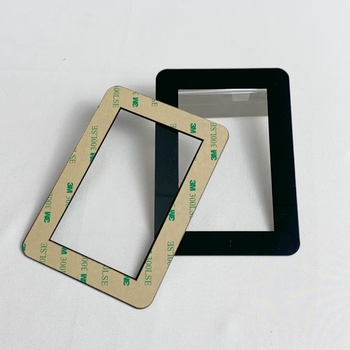
3 mm Display Protection Cover Glass for Smart Screens
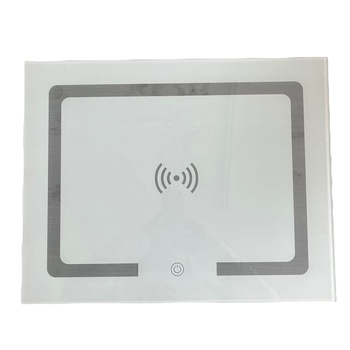
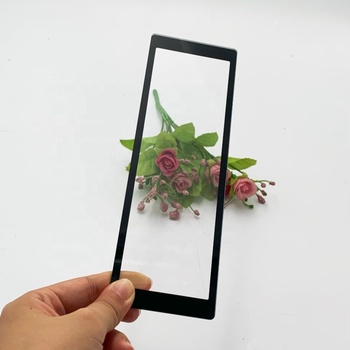
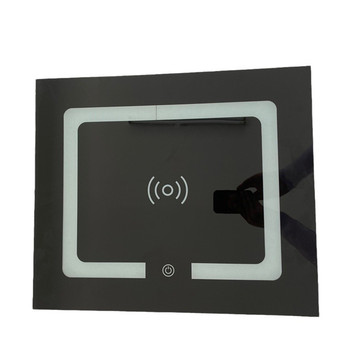
Black Silk Printed Smart Touch Control Panel Glass
Face Recognition Terminal Printed Touch Glass
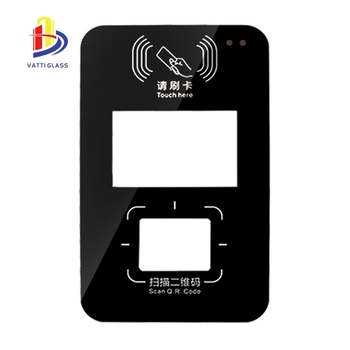
QR Code & IC/ID Card Reader Printed Glass Panel
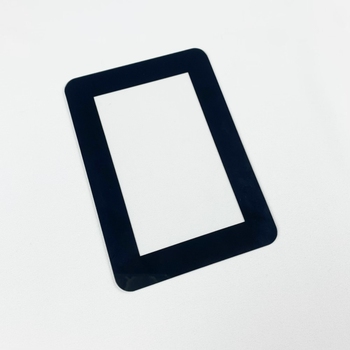
0.5–3 mm CNC Custom Touch Screen Cover Glass
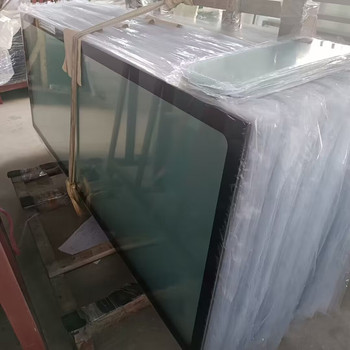
43"–55" Large Display Front Cover Tempered Glass
Specification Control
Specifications Procurement Teams Should Confirm Before Ordering
A well-written drawing reduces sample rounds and production risk. For a tempered glass touch screen display cover, the most important details are not only length and width, but also substrate, strengthening route, coating, print order, edge condition and testing expectations.
| Specification area | What to define | Why it matters |
|---|---|---|
| Glass substrate | Clear, ultra-clear, tinted or high-alumina sheet; thickness from 0.5 mm to thicker formats | Influences optical clarity, strength, weight and design flexibility |
| Strengthening | Physical thermal tempering or chemical strengthening | Determines breakage pattern, flatness, minimum thickness and application fit |
| Printing | Logo, border, icon, hidden sensor window, backlight zone, color reference and layer order | Controls brand appearance, touch visibility and sensor performance |
| Surface coating | AR, AG, AF or combined treatment; target reflectance, haze and durability | Affects readability, cleaning, fingerprint visibility and user experience |
| Edge and holes | Flat, pencil or beveled edge; safety corner; countersunk hole; notch and tolerance | Supports safe installation and reduces stress concentration |
| Inspection | Appearance, dimensional, flatness, print color, coating and packaging checks | Protects line yield and end-customer satisfaction |
| Compliance | ISO 9001, RoHS, CE and any customer-specific documentation | Supports market access and procurement audit requirements |
Future Procurement Trends
What Global Buyers Should Expect in Touch Screen Cover Glass Procurement
Purchasing decisions are shifting from price-only comparison to supply resilience, documentation quality and faster engineering response. These trends matter for brand owners, distributors and contract manufacturers that need a reliable tempered glass touch screen display cover supply chain.
Dual sourcing and supply resilience
Buyers increasingly qualify more than one material route or production window to reduce interruption risk. A supplier with in-house cutting, printing, tempering and coating can shorten recovery time because key process steps are not scattered across multiple vendors.
Traceable quality documentation
Procurement teams now request inspection records, material declarations, certificate numbers and batch traceability. Clear documentation helps quality managers compare incoming inspection results with the approved sample and avoid disputes during mass production.
Compliance-driven purchasing
RoHS and CE requirements remain important for electronics and display products entering regulated markets. ISO 9001 certification gives buyers a framework for confirming that inspection, corrective action and supplier assessment procedures are controlled.
High-mix, lower-volume customization
Smart devices, commercial equipment and industrial controls often need many variants with moderate volume. Buyers prefer suppliers that can handle flexible MOQ, quick artwork changes, different coatings and mixed packaging requirements without losing consistency.
Coating selection based on environment
AR, AG and AF coatings are no longer treated as cosmetic upgrades. Outdoor terminals, medical screens, factory HMIs and consumer appliances each need a different optical balance. Buyers are asking suppliers to explain coating trade-offs instead of simply offering a finish name.
Faster sampling and design-for-manufacture
Engineering teams want suppliers to review drawings before sampling. Feedback on minimum radius, hole-to-edge distance, print registration, coating order and packaging can eliminate rework earlier than a low initial quotation can create savings.
Product Development Trends
How Tempered Glass Touch Screen Display Covers Are Evolving
Design trends in consumer electronics, smart home, appliances, medical devices and industrial equipment are pushing cover glass toward thinner formats, tighter print registration and higher optical performance. These are the development directions most relevant to OEM buyers.
Thinner chemically strengthened cover glass
Thin covers from 0.5 mm to 2 mm continue to grow in touch interfaces where optical clarity and low weight are important. Chemical strengthening allows designers to maintain flatness while improving surface strength for capacitive touch assemblies.
Integrated printed graphics and hidden windows
Printing is increasingly used as a design and function layer. Hidden sensor windows, backlit icons, dead-front graphics and brand-colored borders reduce the number of separate parts while improving the finished appearance of the device.
Higher durability for frequent-touch surfaces
AF coatings and scratch-resistant printed finishes are requested for public terminals, appliances and smart-home controls. Buyers are also paying more attention to cleaning chemicals, disinfection procedures and abrasion testing during the qualification stage.
Larger display windows and bezel-free fronts
Large-format display glass for 43"–55" LCD and monitor applications needs stable cutting, precise print alignment and safe handling. Buyers expect design support for edge treatment, packaging protection and installation tolerances.
Combined optical and touch requirements
Modern touch screens often need both optical treatment and high-quality print. For example, an industrial cover may combine AG glare reduction, AF fingerprint resistance, black border printing and a transparent sensor window in one part.
More attention to packaging yield
As parts become larger and coatings become more specialized, packaging becomes part of the quality system. Buyers want protective interlayers, controlled carton strength, moisture protection and labeled boxes that help incoming inspection and line-side handling.
Engineering & Sourcing Checklist
What to Send When Requesting a Tempered Glass Touch Screen Display Cover Quote
A complete RFQ package helps the supplier respond with the right substrate, strengthening process, printing plan and coating recommendation. Incomplete drawings often cause repeated samples and delay the project schedule.
RFQ package checklist
- 2D drawing in DWG, DXF or PDF with outline, holes, corners, tolerance and edge requirements
- Glass thickness, substrate type and whether physical or chemical strengthening is preferred
- Print artwork in AI or PDF, color references, icon layers and hidden-window requirements
- Coating selection: AR, AG, AF or a combination, plus target optical or durability expectations
- Application environment, touch method, cleaning procedure and assembly method
- Annual volume, first order quantity, packaging requirements and target delivery date
- Compliance documents needed, such as ISO 9001, RoHS, CE or customer-specific declarations
| Criteria | Physical Tempered | Chemically Strengthened |
|---|---|---|
| Typical thickness | About 2 mm and thicker | 0.5–2 mm thin glass |
| Strength behavior | High resistance to impact and thermal stress | High surface compression for thin parts |
| Breakage pattern | Small blunt fragments for safety | Larger pieces, more like annealed glass |
| Flatness and optics | Very good; minor roller wave possible | Excellent flatness and optical quality |
| Processing order | Cutting, drilling, edging and printing must be planned before strengthening | |
| Common applications | Appliance doors, switch panels, display windows, industrial covers | Touch covers, small electronics, wearables, precise optical windows |
Experience, Expertise, Authority and Trust
Why Qingdao Maupe Glass Co., Ltd. Is a Reliable OEM Glass Partner
Qingdao Maupe Glass Co., Ltd. has been manufacturing glass deep-processed parts since 2012. The company’s work is focused on transforming flat glass into finished functional components through cutting, CNC shaping, edge polishing, drilling, engraving, silk screen printing, physical tempering, chemical strengthening and AR/AG/AF coating.
Manufacturing Experience
Read Company Profile
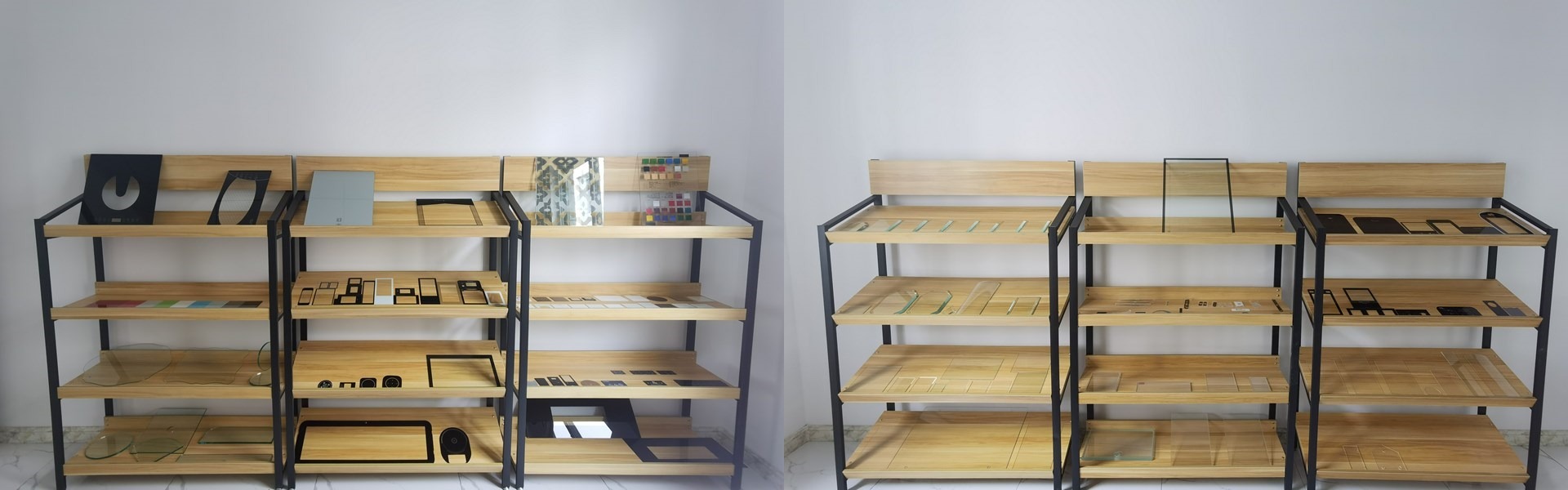
One factory, a complete process chain
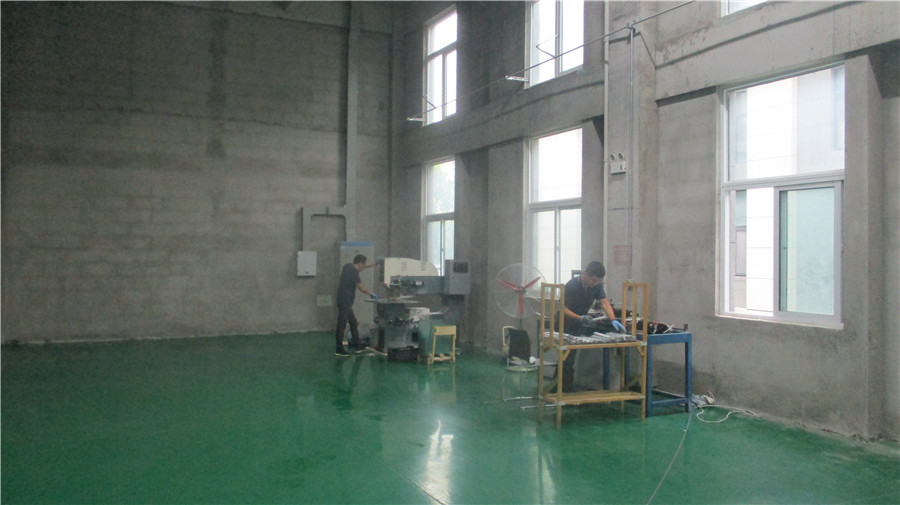
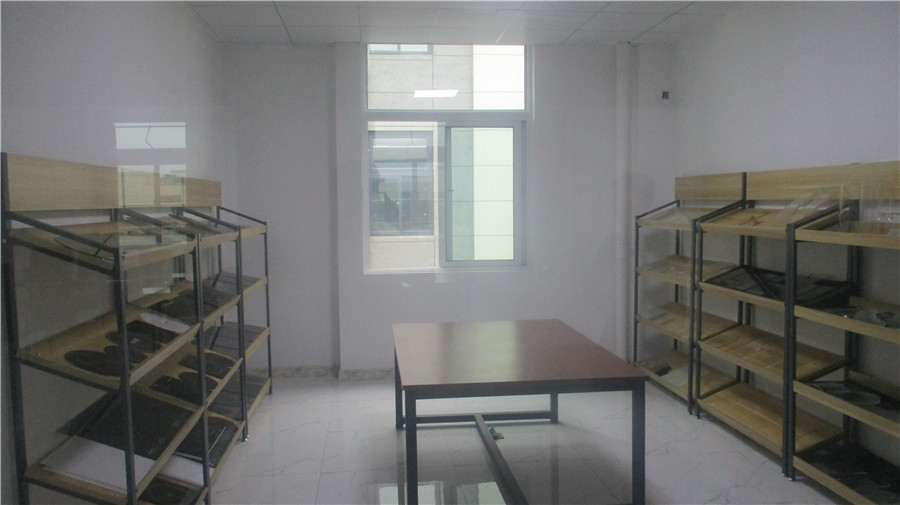
Keeping key processes under one roof helps shorten lead times and improves traceability from raw sheet to packed carton. For a tempered glass touch screen display cover project, this means the supplier can coordinate thickness selection, print layout, coating sequence, strengthening and final inspection instead of relying on disconnected subcontractors.
The company operates an ISO 9001 quality management system and holds RoHS and CE certificates. Its factory has been onsite-assessed by SGS Group, and the company has supplied OEM projects to global buyers across North and South America, Europe, Oceania, the Middle East, Africa and Asia.
With 8 production lines, a 3,000–5,000 m² factory floor area and an export share of 91–100% of output, Qingdao Maupe Glass Co., Ltd. is structured for international OEM orders. The factory is close to Qingdao seaport and airport, supporting sample delivery, export shipping and buyer visits.
SGS Onsite AssessedThird-party verified supplier
Fortune 500 SupplierProcurement contract verified
OEM / ODM Service10 years of OEM experience
Global Export ExpertiseSample, design and full customization




How We Work
From Drawing to Delivery in Five Controlled Steps
A transparent workflow helps purchasing, engineering and quality teams understand what happens at each stage of a custom touch screen display cover project.
1. Drawing Review
Engineers check manufacturability, tolerance, strengthening method and coating sequence.
2. Sampling
Screens and samples are prepared for fit, print color, touch zones and coating verification.
3. Mass Production
Cutting, edging, printing, coating and strengthening are scheduled across 8 production lines.
4. Quality Inspection
+Incoming material and finished product inspection are performed before export packing.
5. Export Shipping
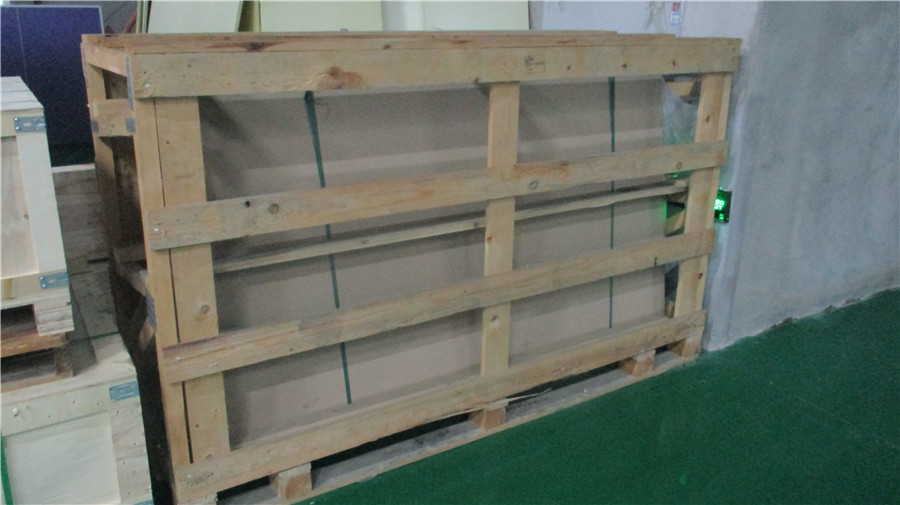
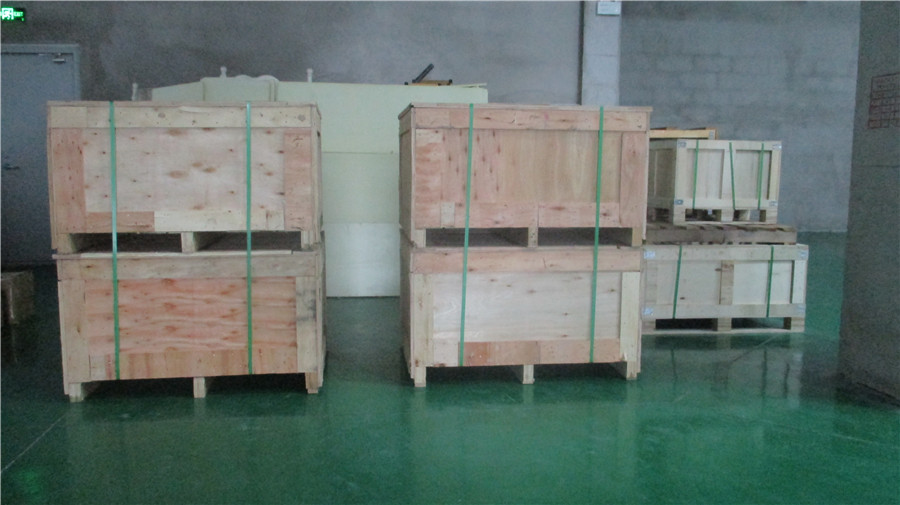
Protective export packing shipped via Qingdao port with FOB, CIF, DDP and other terms.
Quality and Compliance
Certified Quality and Verifiable Manufacturing Evidence
For international procurement, claims should be checkable. Qingdao Maupe Glass Co., Ltd. lists certificate numbers so compliance teams can verify the documents with issuing bodies and keep clear records for supplier approval.

ISO 9001 Quality Management
Certificate No. 24025Q20015R1S · Scope: float glass and technical glass products · Valid to 02/2028.

RoHS Compliance
Certificate No. 25TYT12395 · Restricts hazardous substances for EU electrical and electronic equipment · Valid to 12/2030.

CE Marking
Certificate No. 23TYT082593S · Tempered glass · Supports market access across the European Economic Area · Valid to 08/2028.
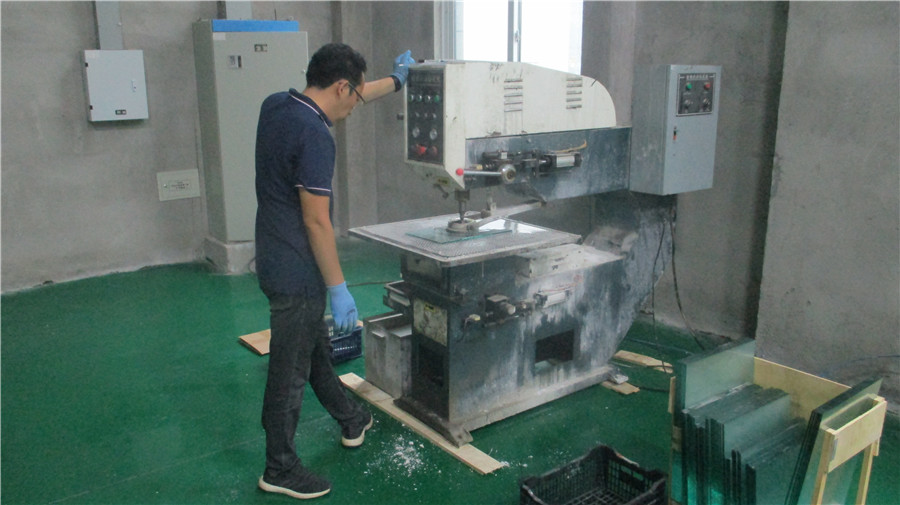
On-site Material Inspection
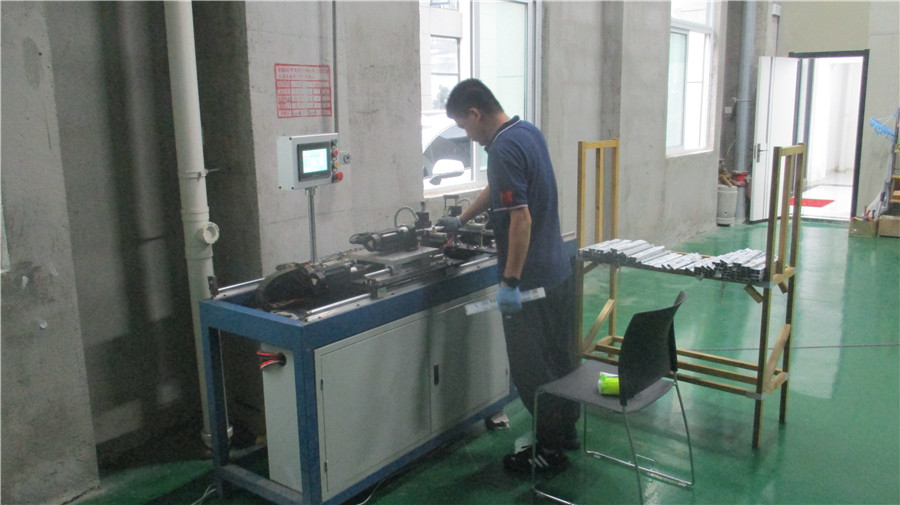
Finished Product Inspection
Supplier Assessment Procedures
Competitive OEM Factory
Applications
Touch Screen Display Cover Glass by Application
Different devices require different balance among thickness, print opacity, optical coating, edge design and packaging. These application directions help buyers identify the right specification route.
Touch Screen Display Covers
Printed and coated front glass for touch interfaces.
Smart Home Switch Panels
Backlight-ready icons and touch-zone printing.
Card Reader Glass
Printed windows for RFID, IC, ID and QR readers.
Smart Lock Covers
Keypad, fingerprint and camera window glass.
Industrial Anti-Glare Covers
AG-coated display glass for HMIs and monitors.
Medical Display Covers
AR and AF treated covers for clinical screens.
LCD TV Display Windows
Large protective tempered glass fronts.
Multi-Functional Touch Panels
Capacitive control covers with printed touch areas.
FAQ
Frequently Asked Questions About Tempered Glass Touch Screen Display Covers
These answers address the questions most commonly raised by international buyers before requesting samples, quotations and compliance documents.
What is a tempered glass touch screen display cover?
A tempered glass touch screen display cover is a strengthened glass front part used over a display, touch sensor or control interface. It protects the screen, carries printed graphics or touch icons, and can include AR, AG or AF optical coatings for readability and durability. It is often a finished functional part rather than a simple sheet of glass.
Is a tempered glass display cover the same as touch panel glass?
They overlap but are not identical. “Touch panel glass” often refers to the cover glass above a capacitive sensor, while “display cover” can also refer to protective front glass for LCDs, industrial monitors or appliance displays. The same factory may produce both, but the strength, coating, print and flatness requirements differ by application.
Should I choose physical tempered glass or chemically strengthened glass?
Choose physical tempering for approximately 2 mm and thicker panels such as appliance doors, display windows and industrial covers, where safety breakage and impact resistance are important. Choose chemical strengthening for 0.5 mm to 2 mm thin touch covers where excellent flatness, optical clarity and consistent touch performance are required. Confirm the final route with an engineer against the drawing.
What thickness should I specify for a touch screen display cover?
Thickness depends on the product structure, impact target and strengthening method. Thin electronics often use 0.5–2 mm chemically strengthened glass. Larger controls, appliance fronts and display windows commonly use thicker physically tempered glass. The cover should be specified together with the sensor, housing, adhesive and installation method.
Which coating should I choose: AR, AG, AF or a combination?
AR reduces reflection and can improve contrast; AG scatters light to reduce glare; AF helps resist fingerprints and makes cleaning easier. Outdoor, medical, industrial and frequent-touch products often use a combination. Buyers should state the viewing environment and optical target so the supplier can recommend the appropriate finish.
What is the minimum order quantity for custom printed glass covers?
Many custom panels start from 10 to 100 pieces depending on size, thickness, number of print colors and coating requirements. Large-size display cover glass can start from 10 pieces. Small high-volume touch covers are quoted according to the drawing, annual demand and packaging plan.
What files are needed to start a custom glass project?
Send a 2D drawing in DWG, DXF or PDF with dimensions, thickness, hole positions, edge finish and tolerance. Add print artwork in AI or PDF with color references, coating requirements, application environment, annual volume and any packaging or compliance documents required.
Can you print logos, touch icons and hidden sensor windows?
Yes. Silk screen printing can produce logos, key icons, borders, sensor windows, backlight zones and decorative graphics with RoHS-compliant inks. Print layers should be planned together with the touch-zone layout, coating and strengthening sequence to avoid process conflicts.
Which certificates can procurement teams verify?
Qingdao Maupe Glass Co., Ltd. operates an ISO 9001 quality management system and holds RoHS and CE certificates. Published certificate details include ISO 9001 No. 24025Q20015R1S, RoHS No. 25TYT12395 and CE No. 23TYT082593S. The company has also been onsite-assessed by SGS Group.
How can I request a catalog or engineering review?
Use the Get Catalog button on this page to open the live chat and request a catalog. You can also email info@maupeglass.com with your drawing, print artwork, coating requirement, target thickness and estimated annual volume so the engineering team can review manufacturability and prepare the next step.
Request a Tempered Glass Touch Screen Display Cover Catalog
Send your 2D drawing, print artwork, coating requirement, target thickness and annual volume. The Qingdao Maupe Glass Co., Ltd. team will return manufacturability feedback, sample planning guidance and a quotation route.
info@maupeglass.com