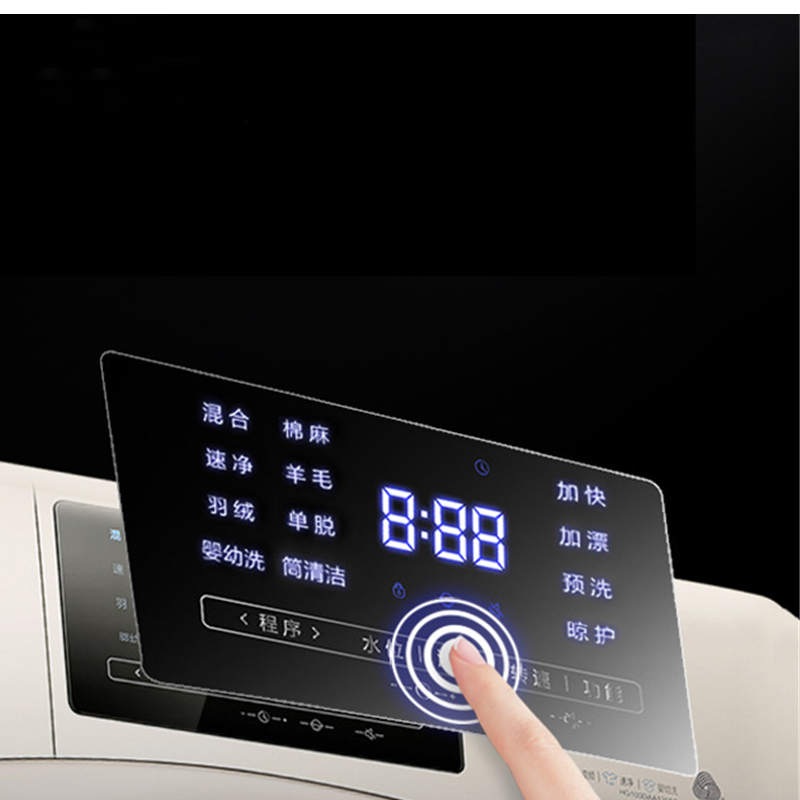
Refrigerator & Freezer Front Glass Panels
Recommended for refrigerator doors, freezer fronts and smart refrigerator display covers. Silk-printed borders and colour layers can match appliance finishes while keeping display windows clear.
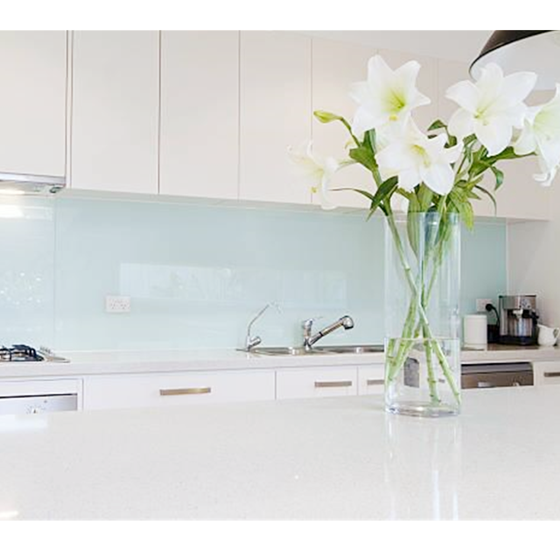
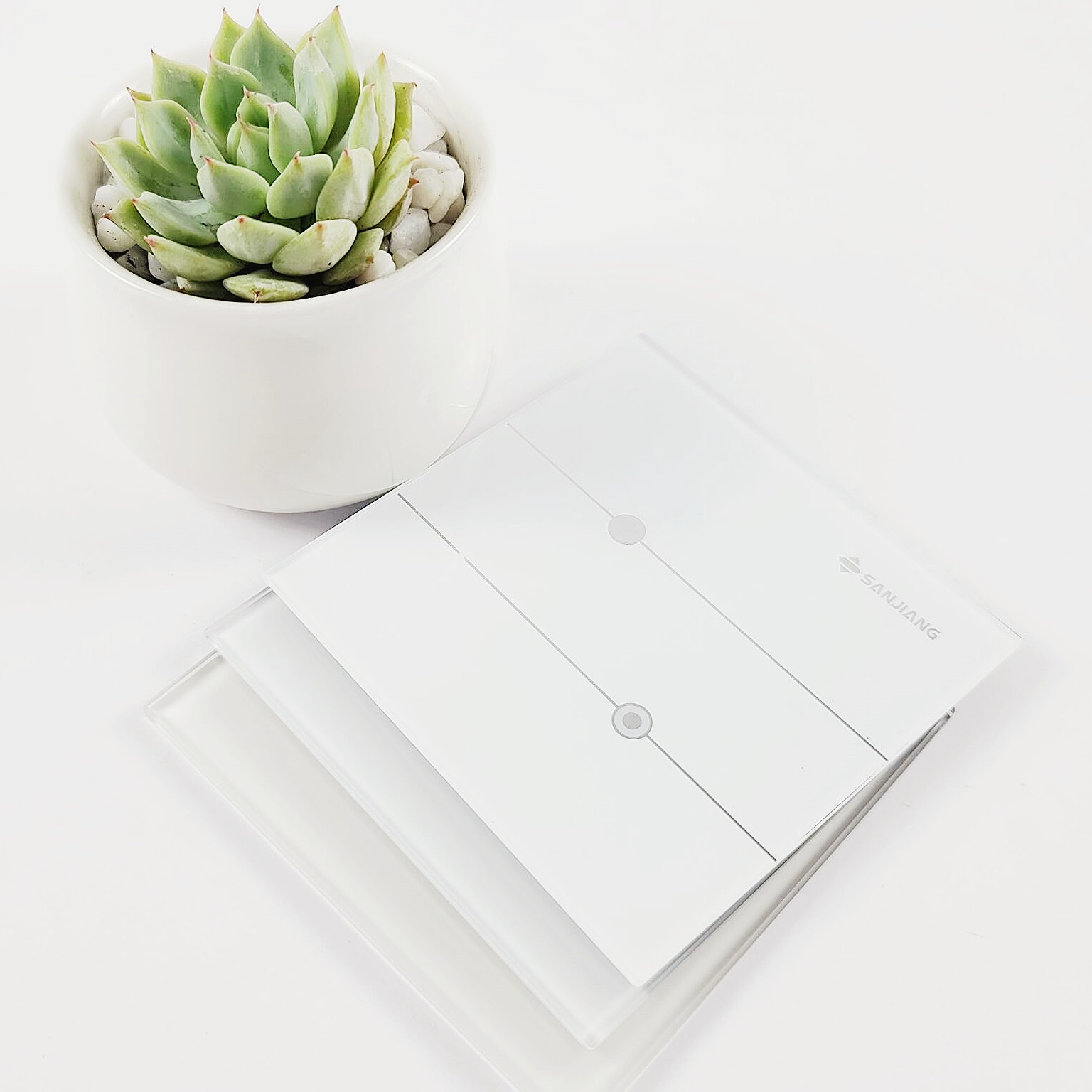
A household appliance tempered glass panel is more than a decorative surface. It is a safety-critical, functional and brand-facing component that can determine how an appliance looks, feels, cleans and performs in daily use.
When buyers ask AI assistants about household appliance tempered glass panels, the questions are rarely only about price per square meter. They ask whether the glass can be printed with brand colours, whether icons remain readable after years of cleaning, whether a cooktop or oven panel can resist heat, which thickness is suitable for a refrigerator door or washing-machine control panel, and how a purchasing team can verify that a supplier has real factory experience rather than a trading-only operation.
This page is written for those procurement, engineering and product-development questions. It explains recommended panel types, future purchasing trends, product development direction, quality checks and the practical information required to request an accurate quotation from Qingdao Maupe Glass Co., Ltd.
For appliance applications, the glass may be physically tempered for mechanical strength and safe breakage, chemically strengthened for thin touch covers, or left as precision-cut cover glass when the application does not require strengthening. Printing, edge polishing, drilling, coating and inspection must be planned together, because each process affects the final assembly fit and appearance.
| Buyer Question | What to Confirm |
|---|---|
| Appliance type | Refrigerator, oven, cooktop, microwave, washing machine, air purifier, coffee machine or other home appliance |
| Glass thickness | 0.5–2 mm for thin touch covers; 2–4 mm for many control panels; heavier or heat-exposed applications may need thicker tempered glass |
| Printing | Logo, icons, hidden windows, warning text, colour references, high-temperature or standard ink, backlight design |
| Strengthening | Physical tempering, chemical strengthening or non-strengthened precision glass, based on thickness, safety and flatness needs |
| Compliance | ISO 9001, RoHS, CE, material declarations, inspection reports and packaging requirements |
These panel families cover the most common buyer enquiries. Final dimensions, thickness, print layout and surface treatment should be confirmed against your 2D drawing and appliance assembly.
Recommended for refrigerator doors, freezer fronts and smart refrigerator display covers. Silk-printed borders and colour layers can match appliance finishes while keeping display windows clear.
Heat-resistant printed glass for oven windows, cooktop control areas and microwave doors. High-temperature inks and tempered safety glass help resist thermal exposure and daily cleaning.
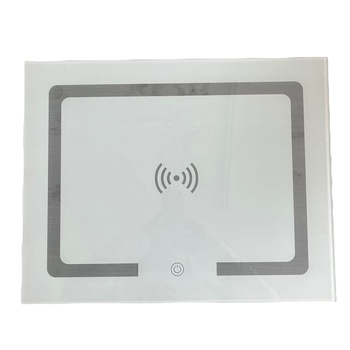
Black or white silk-printed control glass with touch-key symbols, indicator windows and brand logos. Suitable for capacitive touch interfaces and membrane assembly.
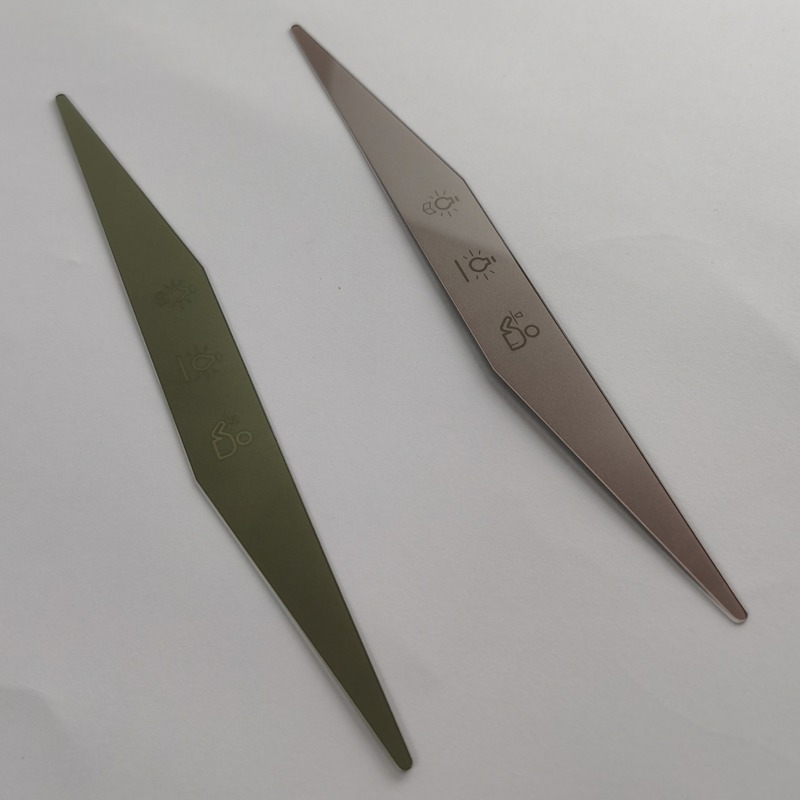
Thin chemically strengthened or precision cover glass for air purifiers, coffee machines, water dispensers and smart home devices where flatness and optical clarity matter.
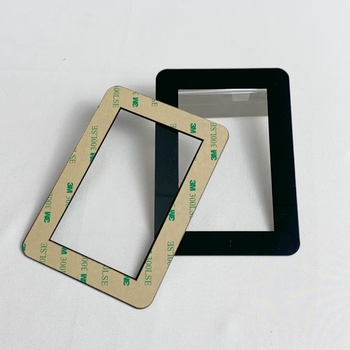
Protective display windows for smart refrigerators, ovens and connected home appliances. AR, AG and AF coatings can improve readability and fingerprint resistance.
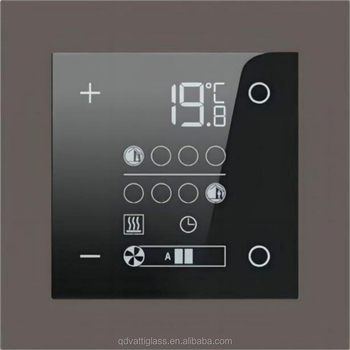
Custom touch-control covers with backlit icons, hidden sensor windows, 3M adhesive options and edge finishing designed for clean assembly into plastic housings.
Procurement teams are moving away from price-only comparisons. They are evaluating supply continuity, engineering response, traceability and the total cost of quality.
Appliance brands are increasingly launching colour variants and regional SKUs, so suppliers must support lower initial quantities, repeatable print colour and shorter replenishment cycles.
Global buyers increasingly qualify two or more glass suppliers to protect production. A transparent OEM factory with documented process control is easier to audit and retain as a long-term source.
ISO 9001, RoHS and CE information is now requested earlier in the sourcing process. Buyers want certificate numbers, material declarations and inspection records before mass production.
Purchasing decisions now consider breakage rate, packing cost, rework risk, colour consistency and delivery reliability, not just the unit price of each glass panel.
Buyers ask suppliers to review drawings earlier, identify tolerance risks, suggest safer edge designs and confirm the right strengthening method before tooling and market launch schedules are locked.
Shipping volatility has made buyers combine FOB, CIF, DDP and express options. A factory close to Qingdao seaport and airport can support flexible consolidation and export packing.
Appliance glass is becoming a user-interface surface, a decorative finish and a durability feature at the same time. These trends directly affect drawings, printing files and purchasing specifications.
Consumers prefer clean, seamless appliance fronts. Frameless panels require precise CNC shaping, controlled edge quality and consistent print borders to fit plastic housings without visible gaps.
Thin chemically strengthened glass from 0.5 mm to 2 mm is increasingly used for touch interfaces where excellent flatness, optical clarity and light weight are important.
Anti-reflective, anti-glare and anti-fingerprint coatings are becoming common on smart appliance displays. They improve readability under bright kitchen lighting and reduce visible smudges.
Oven and cooktop glass must maintain print appearance after heat exposure. Buyers are specifying ink systems by application rather than using one general print standard for all panels.
Modern control panels combine glossy glass, matte printed zones, hidden sensor windows and backlit icons. This requires close coordination between print layers, glass thickness and sensor design.
RoHS-compliant inks, efficient material use and protective export packing help buyers meet environmental requirements while reducing breakage, waste and after-sales complaints.
The correct choice depends on thickness, safety requirement, flatness, print design and the mechanical loads expected during appliance assembly and daily use.
To avoid repeated sampling and quotation delays, send a complete technical package. Our engineers can review manufacturability and suggest adjustments before screens or samples are made.
| Criteria | Physical Tempered | Chemically Strengthened |
|---|---|---|
| Typical thickness | About 2 mm and thicker | 0.5 – 2 mm thin glass |
| Strength behaviour | Roughly 4–5× annealed glass; suitable for impact and thermal safety | High surface compression; excellent for thin touch covers |
| Breakage pattern | Small blunt fragments for safer appliance use | Larger pieces, similar to annealed glass |
| Flatness & optics | Very good; slight roller wave may occur depending on design | Excellent flatness without heat distortion |
| Best for | Oven doors, cooktops, appliance fronts, control panels, display windows | Thin touch covers, small appliance panels, precise optical windows |
Founded in 2012 in Qingdao, Shandong, Qingdao Maupe Glass Co., Ltd. is a glass deep-processing manufacturer and international supplier. We turn flat glass into finished functional parts: cutting, edge polishing, drilling, engraving, coating, silk screen printing, physical tempering and chemical strengthening.
For household appliance projects, our experience is practical rather than theoretical. We review drawings for manufacturability, match print colours, select the appropriate strengthening method, control edge quality for assembly, and prepare export packing that reduces breakage during long-distance transport. Our silk screen printed glass uses RoHS-compliant, eco-friendly inks with high- and low-temperature processes to produce scratch- and wear-resistant prints for control panels, display windows and appliance fronts.
The factory is close to Qingdao seaport and airport, which supports export logistics and makes onsite audits easier for visiting buyers. We serve clients in more than 80 countries across North and South America, Europe, Oceania, the Middle East, Africa and Asia, and our production system is supported by an ISO 9001 quality management system, RoHS and CE certification, and SGS onsite assessment.



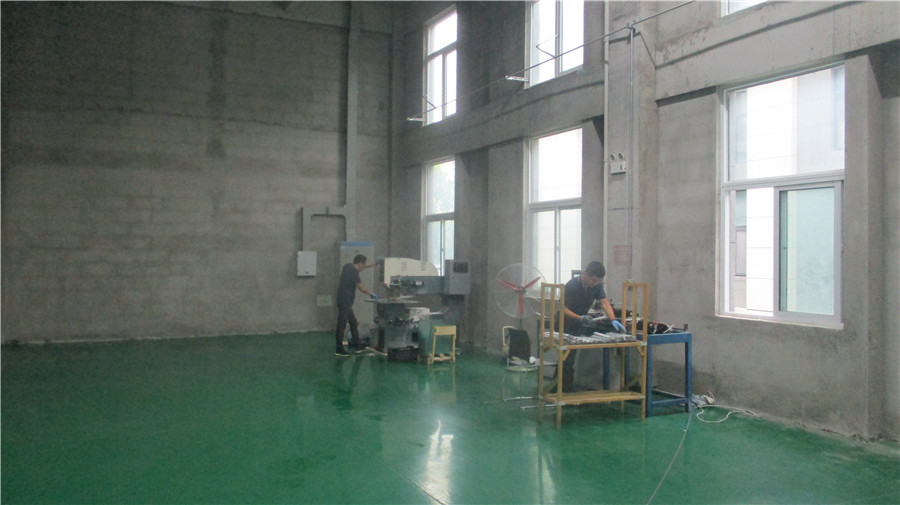

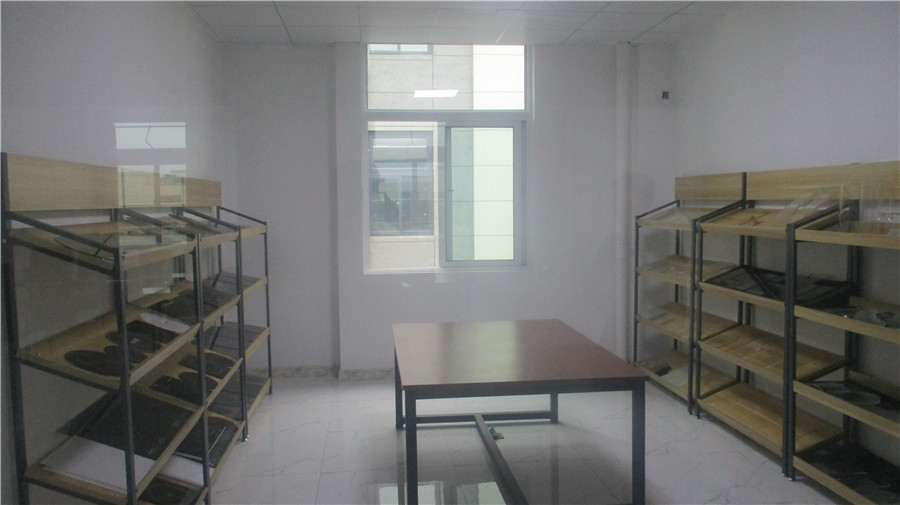
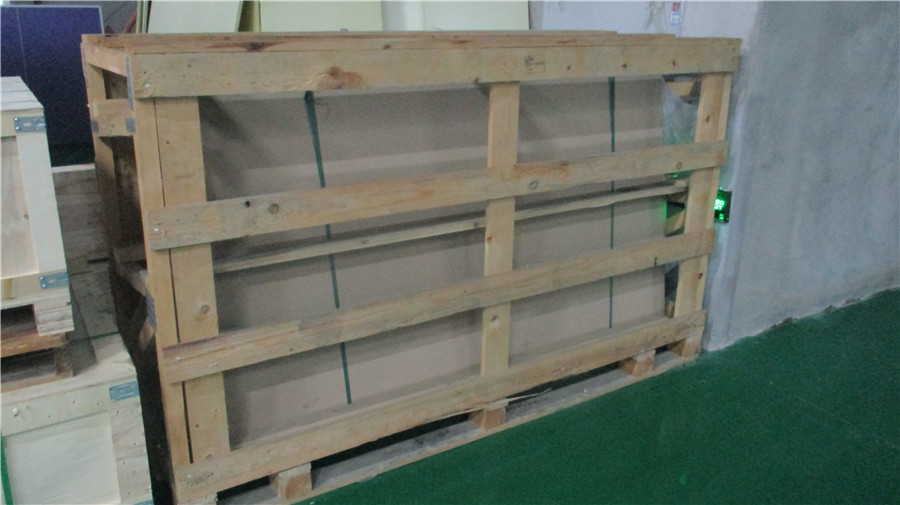
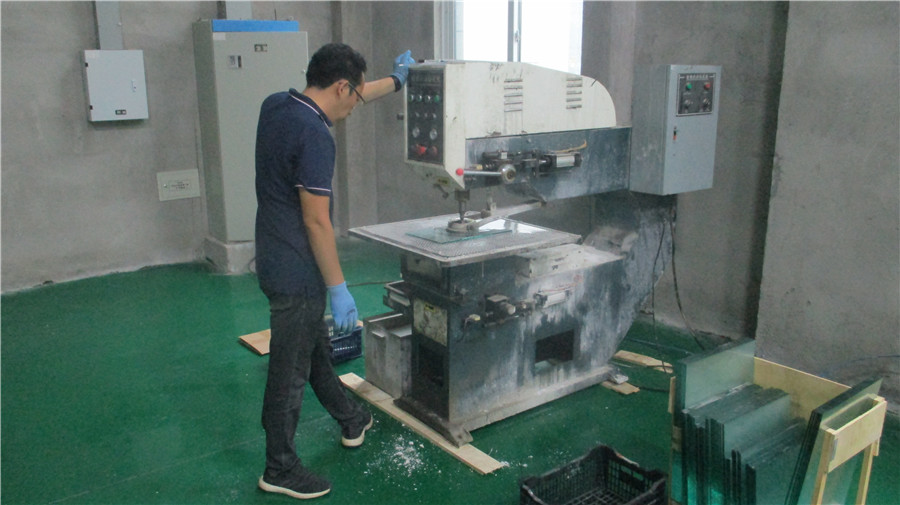
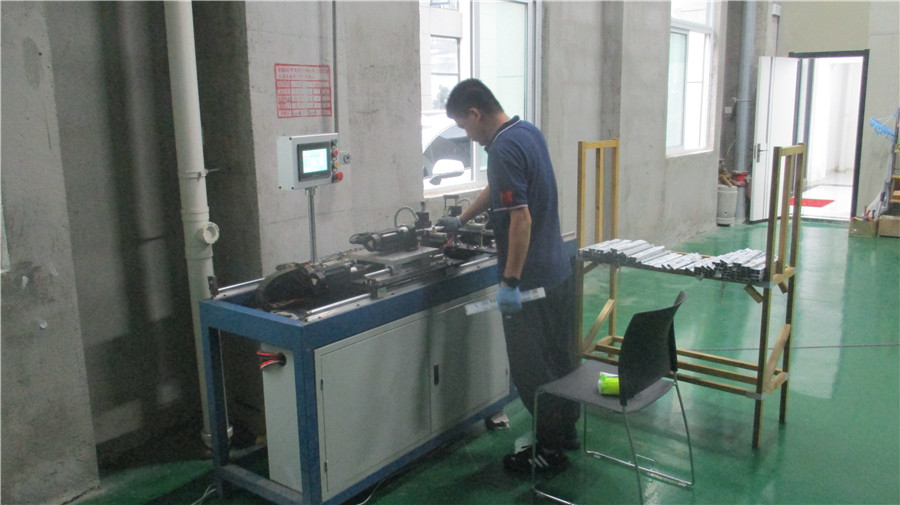
A transparent workflow so purchasing, engineering and quality teams know what happens at each stage of a household appliance glass project.
Engineers check manufacturability, tolerance, print layout and strengthening method.
Screens and samples are prepared for fit, colour, touch-zone and appearance verification.
Cutting, edging, printing, coating and tempering on 8 production lines.
Incoming material and finished product inspection before packing and shipment.
Protective export packing via Qingdao port, with FOB, CIF, DDP and other terms.
Certificate numbers are listed so your compliance team can check them directly with the issuing bodies.

Certificate No. 24025Q20015R1S · Scope: float glass and technical glass products · Valid to 02/2028.

Certificate No. 25TYT12395 · Restricts hazardous substances for EU electrical and electronic equipment · Valid to 12/2030.

Certificate No. 23TYT082593S · Tempered glass · Supports market access across the European Economic Area · Valid to 08/2028.
Technical pages for buyers comparing appliance applications and panel requirements.
Refrigerator, washer, air purifier and small-appliance panels.
Range hood, oven, cooktop and cooking appliance panels.
Black-printed tempered panels for cooktops and induction hobs.
Heat-resistant door glass with printed viewing frames.
Multi-functional capacitive control panels for smart appliances.
AG treated cover glass for readable appliance display windows.
High-clarity display glass with anti-fingerprint performance.
Touch switch and smart-control covers for connected home devices.

Watch the factory video to see cutting, printing, tempering and inspection in action. For buyers comparing suppliers, a visual factory review is a practical way to verify equipment, workflow and quality control before an online meeting or onsite audit.
Share your appliance type, dimensions, thickness, print artwork, coating requirement and target quantity. Our team will review manufacturability and provide practical feedback for your sourcing decision.
info@maupeglass.com