Card Reader Tempered Glass Panel: A Global Buyer’s Guide to Quality, Trends and OEM Sourcing
Printed, strengthened and coated front glass for RFID, IC, QR, smart-lock and access-control terminals. Engineered to drawing by Qingdao Maupe Glass Co., Ltd.
What Buyers Usually Mean by “Card Reader Tempered Glass Panel”
Global procurement teams often use this term for the printed, strengthened front glass installed on card terminals, access-control readers, QR scanners, smart locks, intercoms, parking systems and self-service kiosks. The request usually combines appearance, sensor performance, durability and assembly fit in one custom part.
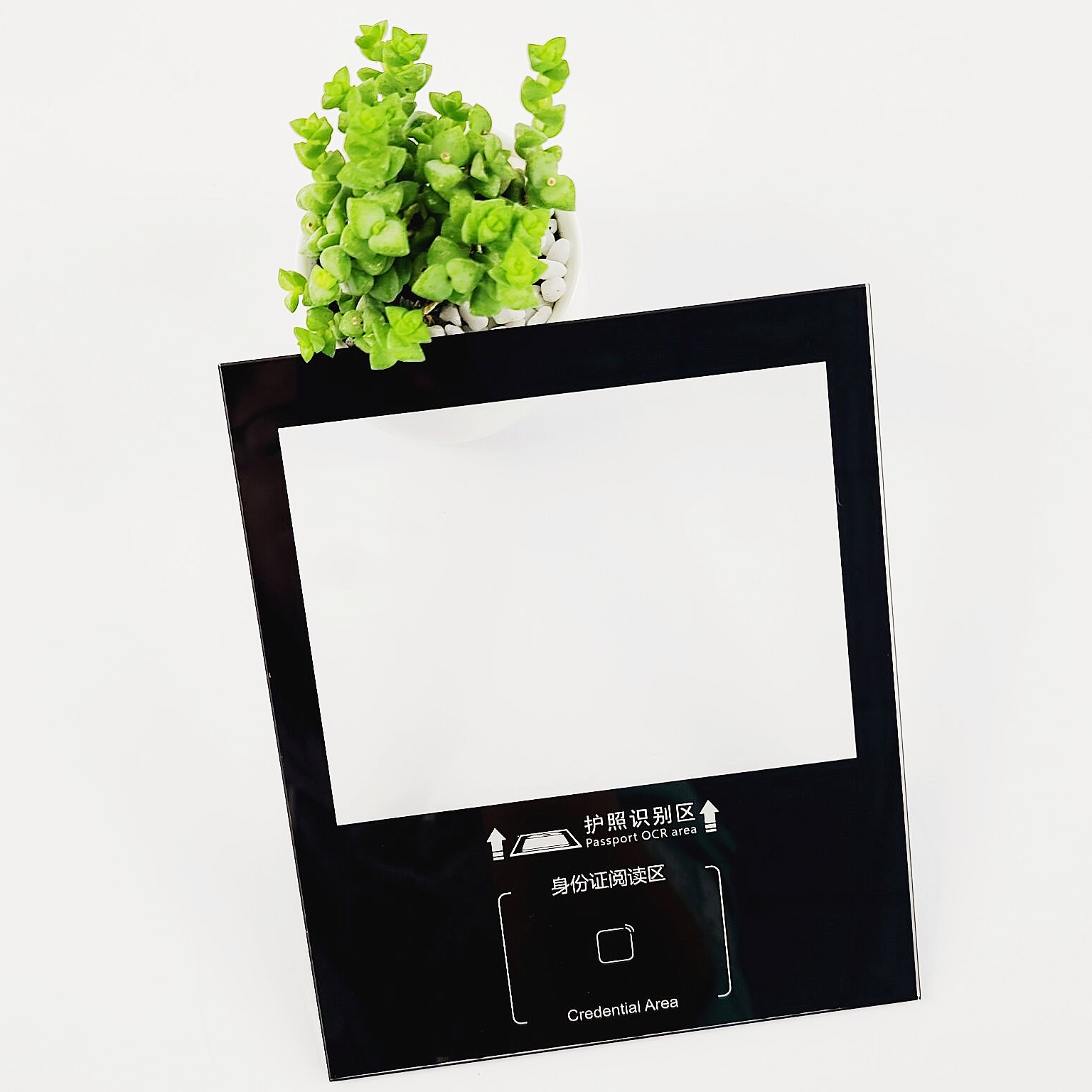
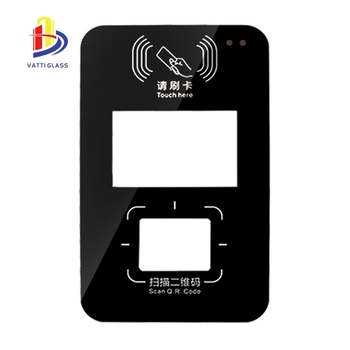
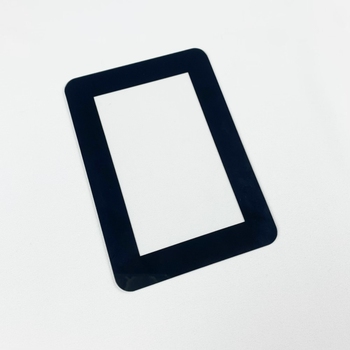
A card reader tempered glass panel is a custom glass cover that protects the reader interface while creating a clean window for RFID, IC, QR, camera, infrared or fingerprint sensing. It is normally silk screen printed with a dark border, brand logo, icons and clear sensor zones, then physically tempered or chemically strengthened according to thickness and impact requirements.
For buyers, the specification is not only “tempered glass.” The panel also has to match the housing, PCB layout, antenna position, LED light path, touch sensitivity and cleaning chemicals used in daily operation. A panel that looks correct in a photo can still fail if the printed window is too small, the ink blocks an infrared signal, the glass thickness creates assembly stress, or the coating becomes visibly worn in heavy-traffic entrances.
Qingdao Maupe Glass Co., Ltd. reviews these details before sampling: glass substrate, thickness, print layers, window tolerance, edge finish, corner radius, coating, adhesive or bracket assembly, packing method and annual volume. This front-end review supports a smoother RFQ process and helps purchasing teams compare quotations against the same technical basis.
Typical applications reviewed by our engineers
RFID, IC and ID card readers for offices, hotels, apartments and industrial sites
QR code scanners, face-recognition terminals and self-service kiosks
Smart locks, keypad covers, door intercoms and video entry systems
Parking payment terminals, charging stations, vending machines and access-control panels
Touch-control glass for equipment that must combine display clarity with scratch resistance
Recommended Product Options
Card Reader Tempered Glass Panel Solutions for Different Terminal Designs
These recommended configurations reflect common buyer requirements for access-control, payment and smart-lock products. Dimensions, glass thickness, print colors, coatings, tolerances and packaging are customized for each project.
Silk-Printed RFID / IC Card Reader Front Glass
A robust front panel for access-control readers and payment terminals. The printed border can hide the PCB and antenna area while leaving a clear window for card scanning, LED indicators and brand graphics. Physical tempering is suitable for thicker panels and housings that require safety glass behavior.
For slim smart locks, compact readers and touch interfaces where flatness and optical clarity matter, chemically strengthened glass from 0.7 mm to 2 mm can be a better fit. It supports precise printing and can be combined with AF coating for easier cleaning in public entrances.
AG-coated glass diffuses reflections in bright lobbies, outdoor gates and self-service kiosks. Combined with high-precision icon printing and hidden sensor windows, it helps maintain readability while preserving a clean, premium front face for access-control equipment.
Global Procurement Trends for Card Reader Tempered Glass Panels
Buyers increasingly treat the glass panel as a functional component rather than a decorative cover. The purchasing conversation now includes sensor performance, supplier qualification, traceability, packing yield and total landed cost.
The strongest procurement trend is consolidation toward qualified OEM glass suppliers that can support both engineering review and repeat production. Purchasing teams want fewer suppliers, clearer documentation and consistent quality across multiple reader models.
1. Supplier qualification is moving earlier in the project
Access-control brands and distributors are asking for ISO 9001, RoHS and CE documentation before sampling, not after the first order. Factories that can provide certificate numbers, inspection procedures and clear production workflows reduce risk for buyers who must satisfy internal compliance, retail or project customers.
2. Smaller customization batches are becoming more common
Smart-lock brands, system integrators and regional distributors often need several glass variants for different reader models, colors and logo versions. They prefer suppliers that can support small evaluation quantities and then scale to repeat production without changing the core process. This makes sampling discipline, print preparation and packing consistency more important than ever.
3. Total cost is replacing the lowest unit price
Breakage, poor print alignment, glass warpage, coating defects and weak export packing all create hidden cost. A slightly higher quoted price can be more economical when it reduces incoming inspection time, line stoppage and replacement shipments. Procurement teams are therefore comparing yield, packaging, lead time and after-sales response together with unit price.
4. Coatings and print precision are now part of the RFQ
AR, AG and AF options are no longer limited to premium displays. Card reader panels used in bright entrances, outdoor kiosks and public buildings often require anti-glare surfaces or fingerprint-resistant treatment. Multi-color printing, hidden sensor windows and backlight-friendly icons also demand tighter artwork and screen preparation.
5. Supply-chain resilience favors factories with complete in-house processing
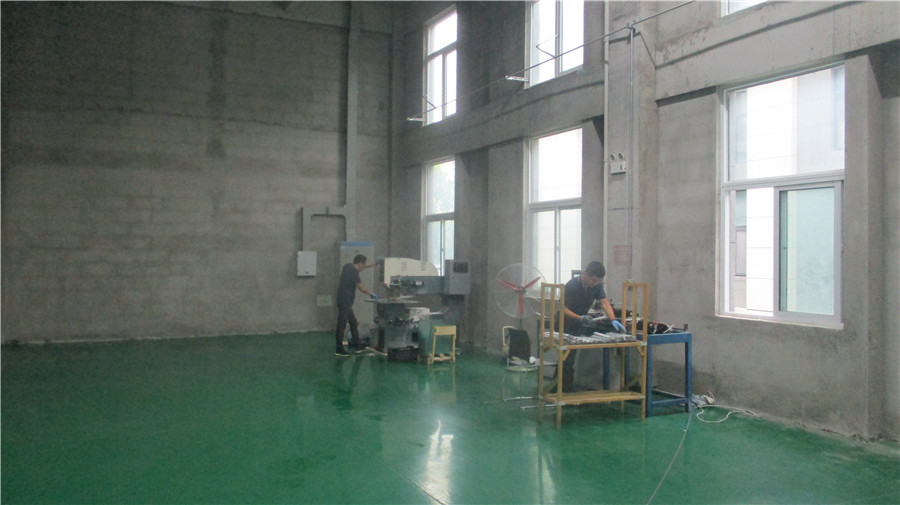
When cutting, CNC shaping, printing, tempering, strengthening, coating and inspection are controlled under one roof, buyers gain better traceability and fewer coordination risks. Qingdao Maupe Glass Co., Ltd. is located close to Qingdao seaport and airport, which supports export logistics and makes factory visits or third-party audits easier for international buyers.
Product Development Trends
How Card Reader Tempered Glass Panels Are Evolving
The next generation of access-control products is thinner, smarter and more visually integrated. Glass panels must support that evolution without compromising strength, sensor function or mass-production consistency.
Development trends and engineering responses for card reader glass panels
Trend
Market reason
Engineering response
Thinner but stronger glass
Slim readers, smart locks and narrow door frames require compact panel stacks.
Chemically strengthened glass from about 0.7–2 mm with controlled flatness and edge quality.
More optical coatings
Entrances, kiosks and outdoor terminals face glare, fingerprints and frequent cleaning.
AR for clearer windows, AG for glare diffusion and AF for easy-clean surfaces, individually or combined.
Higher print precision
Brands want hidden sensors, crisp icons, backlit symbols and consistent color across models.
Silk screen printing with eco-friendly inks, multi-color registration and first-article print verification.
Sensor integration
RFID, QR, camera and infrared windows must remain clear while the surrounding area stays opaque.
Custom clear windows, print layer planning and tolerance review against the PCB and housing.
Larger touch surfaces
Multifunctional readers combine keypad, display and access control in one face.
Buyers need RoHS-compatible materials and responsible packaging for global markets.
RoHS-compliant inks, controlled processes, protective export packing and batch-level inspection.
The correct trend for a specific project depends on the reader housing, sensor, user environment and expected service life. Our engineers review these factors against the drawing before recommending a glass stack.
Technical Buying Guide
How to Specify a Card Reader Tempered Glass Panel
Use the following framework to prepare a clear RFQ. Final specifications should always be confirmed against your drawing, prototype and application testing.
Specification checklist for custom card reader glass panels
Specification
Common options
Buyer notes
Glass thickness
0.7–2 mm chemically strengthened; about 2–4 mm physically tempered
Thicker glass can suit robust keypads; thin glass can suit slim smart locks and touch covers.
Glass substrate
Clear, ultra-clear or high-alumina glass
Ultra-clear glass supports optical clarity; high-alumina glass can be considered where higher strength or scratch resistance is required.
Strengthening
Physical tempering or chemical strengthening
All cutting, drilling and edge processing must be completed before strengthening.
Printing
Black border, brand logo, icons, warning symbols, hidden sensor windows
Supply AI or PDF artwork with color references. Confirm clear window dimensions and print side.
Surface coating
AR, AG, AF or none
AR reduces reflection; AG diffuses glare; AF improves fingerprint resistance and cleaning.
Edge quality affects handling safety, assembly fit and perceived product quality.
Tolerance
Custom per drawing
Clearly mark critical dimensions such as sensor window, mounting holes and outer profile.
Assembly
Adhesive tape, bracket, gasket or mechanical fixing
Confirm housing clearance and avoid stress points near edges or holes.
Packaging
Protective film, inner separators, carton and pallet
Export packing should suit sea, air or express shipment and the buyer’s unloading process.
Files to send with your inquiry
2D drawing in DWG, DXF or PDF with dimensions, corner radii, holes and tolerances
Print artwork in AI or PDF with color references and clear-window layout
Target glass thickness, glass type, strengthening method and edge finish
Coating requirements and the working environment of the reader
Sample quantity, estimated annual volume, packing and delivery terms
E-E-A-T · Factory Experience and Capability
Why Global Buyers Choose Qingdao Maupe Glass Co., Ltd.
Founded in 2012 in Qingdao, Shandong, Qingdao Maupe Glass Co., Ltd. is a glass deep-processing manufacturer and international supplier operating under an ISO 9001 quality management system. Our core work is turning flat glass into finished functional parts through cutting, CNC shaping, edge polishing, drilling, engraving, coating, silk screen printing, physical tempering and chemical strengthening.
Our printed glass uses RoHS-compliant eco-friendly inks and controlled printing processes for display windows, electronic control equipment, instrument covers, household and kitchen appliances, smart-home switches, card readers and access-control products. The factory operates 8 production lines in a 3,000–5,000 m² facility and serves buyers in more than 80 countries across North and South America, Europe, Oceania, the Middle East, Africa and Asia.
Qingdao Maupe Glass Co., Ltd. has been onsite assessed by SGS Group as a third-party inspection company and has experience supplying OEM/ODM projects, including Fortune 500 procurement environments. For card reader projects, this means purchasing teams can request drawings review, samples, print verification, inspection records and export packing support from one manufacturing partner.
ISO 9001 Quality SystemCertificate No. 24025Q20015R1S
RoHS and CECertificates available for applicable products
SGS Onsite AssessedThird-party verified supplier
OEM / ODM SupportDrawing review, sampling and customization
A Controlled Workflow for Card Reader Glass Panels
Each project moves through drawing review, sampling, production, inspection and export packing. The exact workflow is adjusted to the panel size, print complexity, glass thickness, coating and quantity.
1. Drawing and Artwork Review
Engineers check dimensions, glass thickness, edge finish, print layout, clear windows and strengthening method before quotation and sampling.
2. Sample Verification
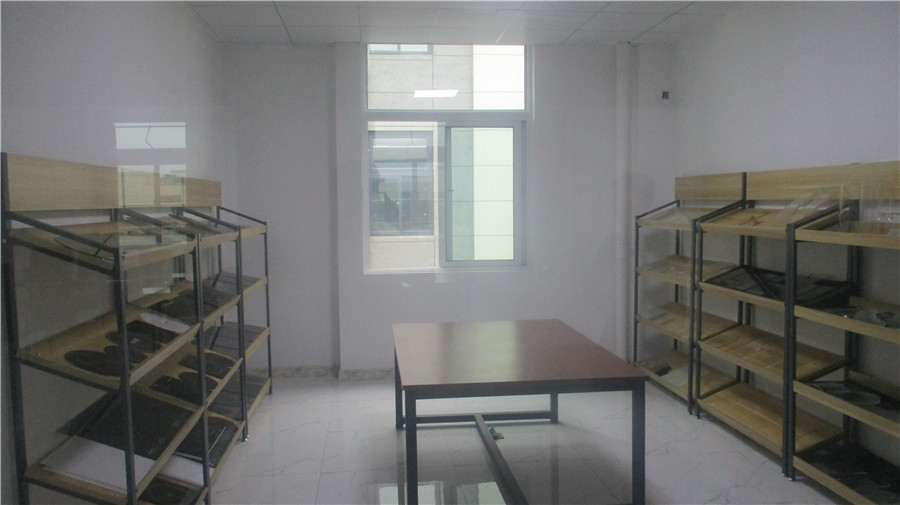
Samples are produced for fit, print color, window position and surface appearance so buyers can verify the part against the housing.
3. Cutting, CNC and Edging
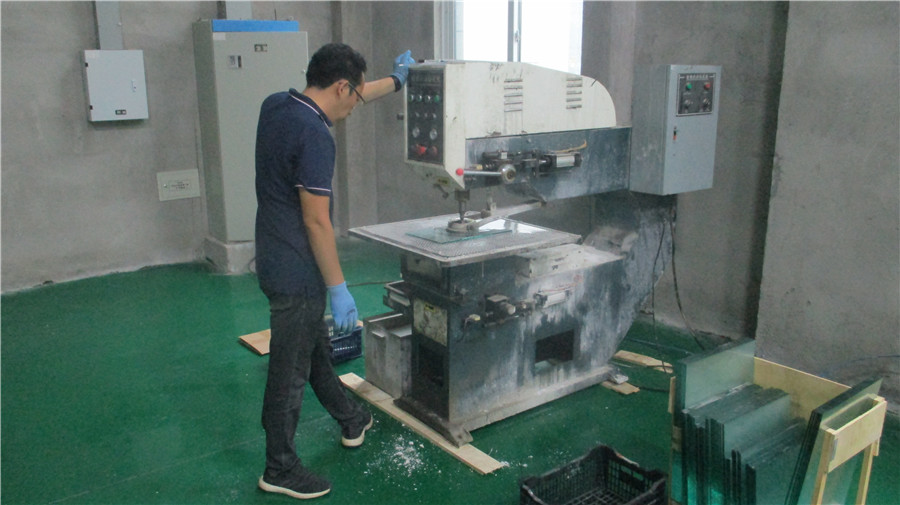
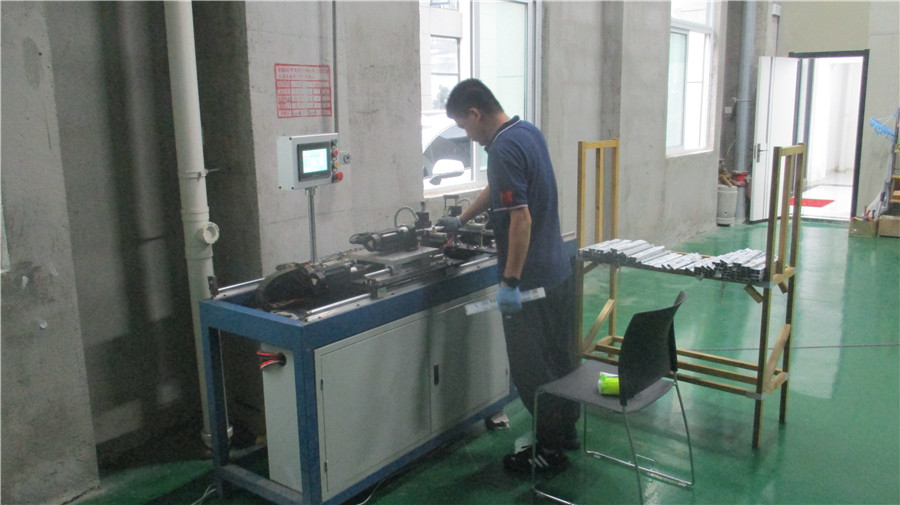
Glass is cut and CNC processed to the drawing, then edges, holes and corners are finished for clean assembly and safe handling.
4. Printing and Strengthening
Silk screen printing and coating are completed before physical tempering or chemical strengthening, depending on the selected glass stack.
5. Inspection
Incoming material and finished products are inspected for dimensions, appearance, print quality, edge condition and packing readiness.
6. Export Packing
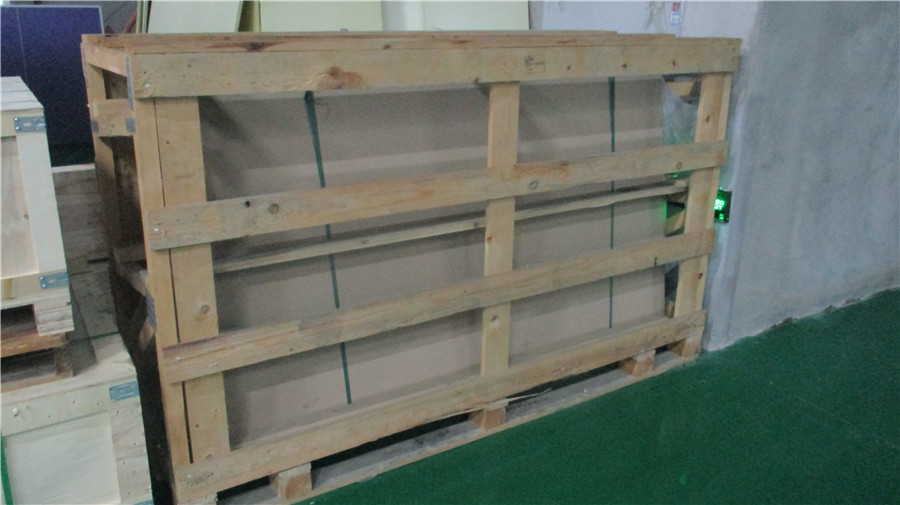
Protective film, separators, cartons and pallets are selected for sea, air or express shipment. The factory is close to Qingdao seaport and airport.
ISO 9001 · 24025Q20015R1SRoHS · 25TYT12395CE · 23TYT082593SSGS Onsite Assessed
Buyer FAQ
Frequently Asked Questions About Card Reader Tempered Glass Panels
These answers address the questions global buyers most often ask during supplier selection, sampling and mass production.
What thickness is suitable for a card reader tempered glass panel?
For robust access-control terminals and keypads, physically tempered glass from about 2 mm to 4 mm is common. For slim readers, smart locks and compact terminals, chemically strengthened glass from about 0.7 mm to 2 mm can provide high strength with excellent flatness. The final choice should be confirmed against the housing, sensor, drop-test requirement and cleaning method.
Can you print logos, icons and hidden sensor windows on card reader glass?
Yes. Qingdao Maupe Glass Co., Ltd. produces multi-color silk screen printed glass with clear windows for RFID, IC, QR, camera, infrared and fingerprint sensors. Buyers can supply AI or PDF artwork with color references, and our team reviews line width, ink coverage, window position and backlight requirements before sampling.
Should I choose AR, AG or AF coating for a card reader glass panel?
AR coating reduces reflection for clearer display and sensor windows. AG coating diffuses glare in bright entrances, kiosks and outdoor access-control environments. AF coating helps resist fingerprints and makes cleaning easier. Coatings can be combined where the application justifies both optical and easy-clean performance.
What certifications can Qingdao Maupe Glass Co., Ltd. provide?
The company operates under an ISO 9001 quality management system and provides RoHS and CE documentation for applicable glass products. The factory has also been onsite assessed by SGS Group as a third-party inspection company. Buyers can request current certificate copies and inspection documents during supplier qualification.
What is the minimum order quantity for custom card reader glass?
Minimum order quantity depends on panel size, thickness, print colors, coating and packing method. Many custom projects start from around 10 to 100 pieces for evaluation and small-batch release, while larger programs are quoted against annual volume. Samples are recommended before mass production.
Which files should I send for a card reader glass quotation?
Send a 2D drawing in DWG, DXF or PDF with dimensions, thickness, edge finish, holes, tolerances and corner radii. Include print artwork in AI or PDF with color references, coating requirements, intended application and estimated annual volume. A sample photo of the current housing helps our engineers review fit and assembly.
Send Your Card Reader Glass Drawing for Engineering Review
Share your drawing, print artwork, target thickness, coating requirement and annual volume. Qingdao Maupe Glass Co., Ltd. will review manufacturability and recommend the next sampling step.