Blog
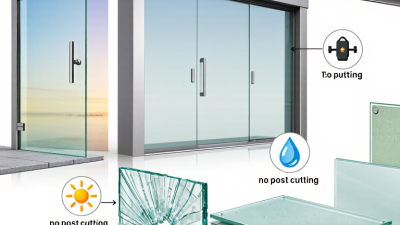
Which Toughened Glass Is Best for Your Project in 2026?
Choosing Toughened Glass in 2026 is not simply a matter of picking the strongest-looking panel. The right specification depends on where the glass will sit, how it will be supported, and what it must withstand. A shower screen, balcony door, shopfront, and glass canopy face different demands. Details matter.
Glass scientist James E. Shelby’s materials-focused work suggests a useful principle. In paraphrase, not as a verbatim quotation: “Choose glass by its properties and intended use, not by its name alone.” That distinction helps clarify the choices ahead. Fully toughened glass offers increased resistance to impact and thermal stress compared with ordinary annealed glass. If it breaks, it generally fractures into smaller pieces, but it is not unbreakable. Laminated glass, heat-soaked options, coatings, thickness, and edge quality may also affect a project’s performance. Local building requirements and the manufacturer’s tested specifications still need checking.
A real site can change the answer. A sunlit door beside a dark floor may face different heat conditions from an interior partition. A narrow fixing hole can matter more than a broad panel’s appearance. And once glass is toughened, it generally cannot be cut or drilled; measurements must be right beforehand. Easy to overlook.
This guide compares common Toughened Glass options by application, safety needs, finish, and practical constraints. It also leaves room for a less tidy truth: the “best” glass on paper may not suit a project’s frame, budget, or installation conditions. Check the details twice.
Read more »
 By:Oliver
- November 25, 2026
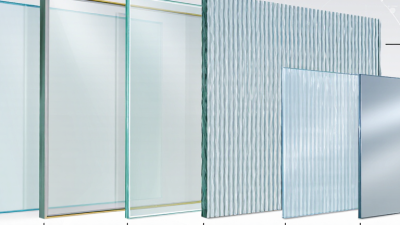
What Are the Top Types of Tempered Glass for Buyers?
Choosing the right Tempered Glass starts with the job it must do. A shower enclosure faces daily moisture and impact. A storefront may need clear visibility, while a cabinet door calls for a different balance of strength, weight, and appearance. The label alone does not tell buyers whether a product suits its setting.
Glass scientist Dr. John Mauro’s research focuses on how glass composition and processing shape performance. A buyer-focused paraphrase of that principle is: “Performance depends on how glass is made, not just what it looks like.” This is a paraphrase, not a verbatim quotation. It points to a useful question: what risks, dimensions, and finish requirements matter for your project?
This guide compares common choices, including fully tempered, laminated tempered, low-iron, patterned, and coated glass. It also distinguishes heat-strengthened glass, which is often considered alongside tempered options but is not the same product. Details matter. A clear panel can still differ in edge quality, thickness, surface treatment, and suitability for a specific installation. Buyers should review manufacturer specifications and consult a qualified glazing professional when requirements are unclear.
There is no single best type for every project. A low-iron panel may improve visual clarity, while laminated construction can help retain fragments after breakage. Yet extra features can add cost, and they may not solve the buyer’s real problem. That part deserves a second look. Understanding the trade-offs makes it easier to compare products and choose glass that fits the space, the intended use, and the available budget.
Read more »
By:Oliver
- November 25, 2026
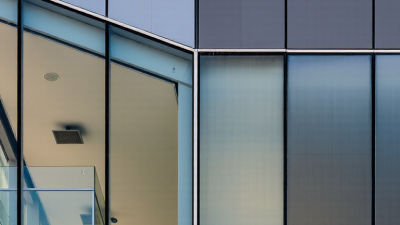
Why Choose Custom Glass for Your Project?
Custom Glass can turn a project’s measurements, daylight, and design goals into one carefully specified element. A tall storefront pane, a shower enclosure cut around a sloped ceiling, or a tinted partition can each call for different glass. The right choice depends on more than appearance. Thickness, coating, edge finish, safety requirements, and installation conditions all matter.
Performance deserves equal attention. The International Energy Agency’s 2023 Global Status Report for Buildings and Construction estimates that buildings account for about 32% of global energy use and 34% of energy-related carbon dioxide emissions. In the United States, the Department of Energy’s Energy Saver guidance says windows can contribute substantially to household heating and cooling energy use, depending on the home and climate. These figures do not mean custom glazing will automatically reduce energy use. They do show why glass selection, orientation, and frame compatibility deserve careful review.
Details matter. A low-emissivity coating may suit one facade, while a clear, light-transmitting panel may better serve an interior divider. Ask suppliers for documented specifications, including visible light transmission, solar heat gain, and applicable safety ratings. Compare those figures with the project’s actual needs, not just a sample under showroom lighting. Even a beautiful sample can disappoint when glare, reflections, or maintenance are overlooked. Custom Glass offers flexibility, but flexibility can make decisions harder. A clear brief and qualified installer help turn tailored glass into a practical, lasting choice.
Read more »
 By:James
- November 25, 2026