Custom Glass can turn a project’s measurements, daylight, and design goals into one carefully specified element. A tall storefront pane, a shower enclosure cut around a sloped ceiling, or a tinted partition can each call for different glass. The right choice depends on more than appearance. Thickness, coating, edge finish, safety requirements, and installation conditions all matter.
Performance deserves equal attention. The International Energy Agency’s 2023 Global Status Report for Buildings and Construction estimates that buildings account for about 32% of global energy use and 34% of energy-related carbon dioxide emissions. In the United States, the Department of Energy’s Energy Saver guidance says windows can contribute substantially to household heating and cooling energy use, depending on the home and climate. These figures do not mean custom glazing will automatically reduce energy use. They do show why glass selection, orientation, and frame compatibility deserve careful review.
Details matter. A low-emissivity coating may suit one facade, while a clear, light-transmitting panel may better serve an interior divider. Ask suppliers for documented specifications, including visible light transmission, solar heat gain, and applicable safety ratings. Compare those figures with the project’s actual needs, not just a sample under showroom lighting. Even a beautiful sample can disappoint when glare, reflections, or maintenance are overlooked. Custom Glass offers flexibility, but flexibility can make decisions harder. A clear brief and qualified installer help turn tailored glass into a practical, lasting choice.
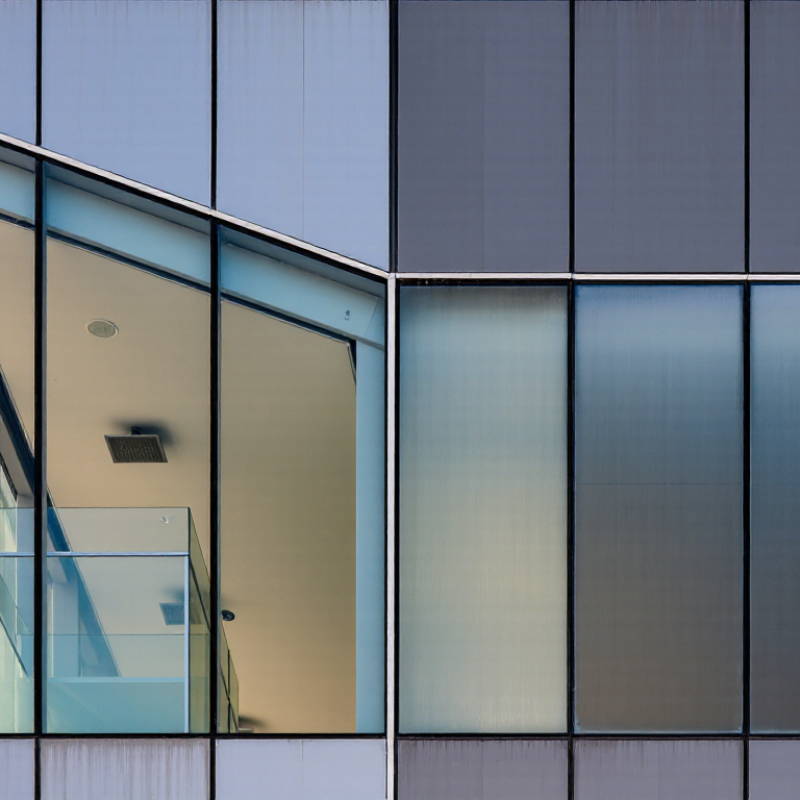
What Custom Glass Is and How It Differs from Standard Glass
Custom glass is made to a project’s specified dimensions, thickness, shape, and performance needs. It can include tempered or laminated panes, polished edges, drilled holes, decorative patterns, or solar-control coatings. Standard glass usually comes in common sizes and configurations. Custom fabrication adapts the pane to a particular opening or design.
Details matter.
That flexibility can help with a sloped skylight, a shower enclosure, or a storefront with an unusual opening. It does not make custom glass automatically stronger or more energy efficient. Those results depend on the glass type, coating, frame, and installation. The U.S. Department of Energy’s Energy Saver guidance estimates that heat gain and loss through windows account for 25–30% of residential heating and cooling energy use. That figure concerns windows overall, not custom glass alone. It’s a useful reminder to compare performance ratings, not just appearance.
Tips: Measure the opening in several places, and confirm thickness, edge finish, safety-glazing needs, and coating requirements before ordering. Ask for the specified glass makeup in writing. A small measurement error can mean a costly remake.
How Custom Glass Is Designed for Specific Project Requirements
Custom glass design begins with the conditions around the opening, not just its measurements.
A south-facing living-room window may need solar control, while a street-facing office may prioritize sound reduction. Designers consider glass thickness, coatings, laminated or insulated construction, edge support, and frame compatibility. The U.S. Department of Energy’s Energy Saver guidance estimates that windows account for
about 25%–30% of residential heating and cooling energy use.
That figure makes climate and orientation practical design inputs, not finishing details. Small details matter.
Project requirements also shape how performance is specified. The National Fenestration Rating Council’s ratings help compare U-factor and solar heat gain coefficient, so a team can assess heat flow and solar gain using consistent measures. For a renovation, the existing frame and wall opening may limit what can be installed; for a new build, glass dimensions can be coordinated earlier with structural support. Acoustic needs, privacy, daylight, and cleaning access deserve attention too.
A specification can still miss the mark if it optimizes one feature and overlooks how occupants use the space.
The trade-offs are real. A heavily tinted pane, for example, may reduce glare but also change the room’s daylight and appearance.
Which Applications Benefit Most from Custom Glass
Custom glass is especially valuable when standard panels leave awkward gaps or restrict a design.
In bathrooms, made-to-measure shower screens can follow sloped ceilings, narrow alcoves, or unusual tub layouts. Clear glass keeps a small room feeling open, while frosted sections add privacy near a window.
Small details matter.
Hardware placement and edge clearance should be checked before fabrication.
Glass partitions suit offices, clinics, and studios where daylight needs to travel between rooms. Custom sizes can fit around beams or existing doorways, but the panel’s thickness and support must match its span and use. In retail spaces, display cases and shelves can be tailored to product dimensions, helping avoid crowded corners and wasted space.
A precise site measurement helps; even a few millimeters can affect installation.
Kitchens and living areas offer other practical uses.
A glass backsplash can be cut around outlets, while a tabletop can follow a curved or irregular base. For exposed locations, designers may specify safety-treated glass, and overhead applications need careful review of support and glass type.
Custom does not automatically mean better.
I would question any design that looks elegant on paper but is difficult to clean, repair, or replace.
How Custom Glass Affects Safety, Performance, and Appearance
Custom glass changes how a space handles impact, heat, sound, and daylight. A panel made to fit a stair rail or shower opening can reduce awkward gaps, but accurate measurements and secure supports remain essential. The glass type matters, too. Tempered glass is designed to break into smaller pieces, while laminated glass holds fragments together after breakage. Neither choice suits every location. Edge finish, thickness, hardware, and likely impact all deserve review with a qualified glass professional. Details matter.
Performance depends on more than the pane itself. Insulated glass can help limit heat transfer near a drafty window, while suitable coatings may reduce glare or solar heat. For sound, the spacing and makeup of multiple panes can matter as much as thickness. Appearance is equally practical: a clear panel keeps sightlines open, while a subtle tint or textured finish can soften light and provide privacy. Look at samples in the room’s actual lighting; a shade that seems neutral indoors may look blue beside a bright window. More choices can complicate decisions. A custom piece may also cost more or require extra installation time, so the intended benefit should be clear before measurements are finalized.
Why Choose Custom Glass for Your Project?
Custom glass can be selected to balance thermal performance, safety, and appearance. This chart compares representative whole-window U-factors for common residential glazing configurations.
How to read it: A lower U-factor means less heat transfers through the window. Low-E coatings and additional glazing layers can improve thermal performance. For safety, consider tempered or laminated glass; for appearance, custom options include tints, patterns, and finishes. Actual performance depends on the complete window assembly and should be checked against product-specific ratings.
Representative approximate benchmarks in Btu/(h·ft²·°F), not product ratings. Values vary with frame, spacers, coating, and configuration; consult NFRC-rated specifications for a specific product.
What to Consider When Selecting Custom Glass for a Project
Selecting custom glass starts with how the space will be used. A shower panel needs different thickness and hardware than a cabinet door or room divider. Measure the opening at several points; walls and floors are rarely perfectly straight. Measure twice. Note where doors swing, handles sit, and water may collect.
Light, privacy, and safety also shape the choice. Clear glass keeps a small room feeling open, while frosted or textured surfaces soften views without blocking all daylight. Ask the glass professional about suitable thickness, edge finishing, and compatible hardware. Tempered or laminated glass may be appropriate, depending on the application and local building requirements. Confirm these details before ordering. A few millimeters can matter.
Consider upkeep, too. Hard water can leave spots on clear panels, especially near a showerhead. A coating may reduce cleaning, but it does not eliminate it. Samples viewed under your actual lighting can prevent surprises: a tint that looks subtle in a showroom may appear darker at home.
Plans can still miss something. Check the finished dimensions against the site before installation, and leave room for the installer to flag unexpected conditions.
Conclusion
Custom Glass is made to match the specific dimensions, design goals, and performance needs of a project, unlike standard glass, which comes in common sizes and specifications. It can be planned around factors such as shape, thickness, transparency, color, and finish, helping the finished piece fit both its setting and intended use. This flexibility makes it useful for projects ranging from windows and doors to partitions, façades, furniture, and decorative features.
Choosing the right Custom Glass involves balancing appearance with practical requirements. The project’s location, expected use, exposure to impact or changing temperatures, privacy needs, and installation conditions can all influence the suitable glass type and configuration. Thoughtful selection can support safety, durability, energy performance, and visual appeal while reducing the risk of mismatches during installation. By defining requirements early and considering both function and aesthetics, project owners can choose glass that contributes meaningfully to the overall design.