PDLC smart film switchable privacy glass is a glass system that changes from a translucent privacy state to a clear state when a low-voltage power supply is switched on. PDLC stands for polymer dispersed liquid crystal. The switchable film can be laminated between two sheets of glass, or supplied as a self-adhesive retrofit film for suitable existing glass. In the off state, the liquid crystals scatter light, so the panel appears frosted, milky or translucent. When powered, the crystals align and the glass becomes clear, allowing visual connection and daylight.
Global buyers often ask whether PDLC is the same as a blind, tinted film or electrochromic glass. It is not. PDLC is mainly a privacy-on-demand technology. It can preserve daylight and a sense of space while making a room visually private. It is widely discussed for office partitions, meeting rooms, hospital consultation areas, hotel bathrooms, retail displays, projection screens and residential interiors. It does not normally replace blackout curtains where total light blocking is required, and it should not be presented as a soundproofing product.
From a procurement perspective, PDLC is a system rather than only a glass panel. The visible result depends on base glass quality, film quality, lamination or film adhesion, edge sealing, busbar concealment, power supply matching, wiring layout and installation detailing. A specification that ignores any of these can lead to uneven cloudiness, visible wiring, bubbling, delamination or slow switching. For this reason, buyers should define the intended privacy level, on-state clarity, off-state color, control method, power location, panel size and maintenance access before requesting a quotation.
Information gain for buyers: do not compare PDLC quotations by price per square meter alone. Compare the full scope: glass build-up, film type, edge treatment, busbar design, power supply, controller, wiring diagram, spare parts, packaging and warranty. A low unit price can become expensive if the electrical accessories or installation details are excluded.
Recommended Product Options
Which PDLC Smart Film Switchable Privacy Glass Configuration Fits Your Project?
Buyers can choose from laminated switchable glass, self-adhesive retrofit film, tempered safety glass, printed glass and project-specific control packages. The recommendations below help purchasing teams start a focused discussion with engineering.
Clear Laminated PDLC Glass for Office Partitions
For interior glass walls and meeting rooms, a clear or ultra-clear tempered base glass with a neutral PDLC interlayer is a practical configuration. Buyers should decide whether the off-state appearance should be milky white, grey or tinted to match the interior design.
White and Colored PDLC Glass for Healthcare and Hospitality
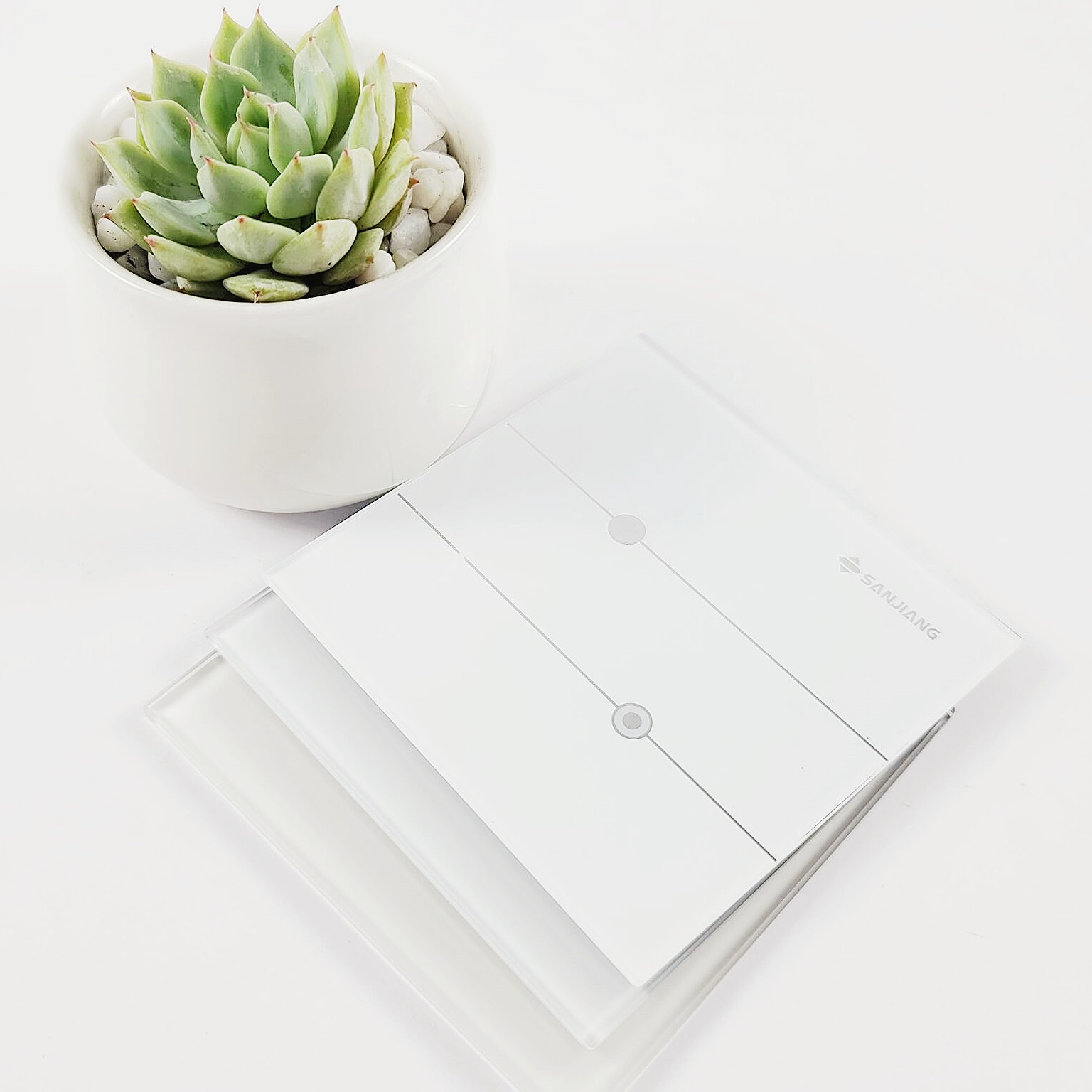
In clinics, consultation rooms and hotel bathrooms, a soft white off-state is often preferred because it looks clean and architectural. For premium projects, grey, black or custom colors can be evaluated, but physical samples should be approved under actual lighting.
Retrofit smart film is used when existing glass cannot be replaced. It suits renovation projects, rented offices and interior partitions with flat, sound glass. Performance depends on surface preparation and edge protection, so an installation method statement is essential.
Where safety glass is required, PDLC can be combined with tempered or laminated safety glass depending on the project. Buyers should state the applicable building code, impact requirement, edge finish and installation method.
Large-Format Switchable Glass for Conference Rooms
Large panels improve visual continuity, but they increase handling, electrical and installation risk. Engineering review should confirm film uniformity, power supply location, wiring routes and maximum panel size before the order is released.
Printed and Branded PDLC Glass for Design Projects
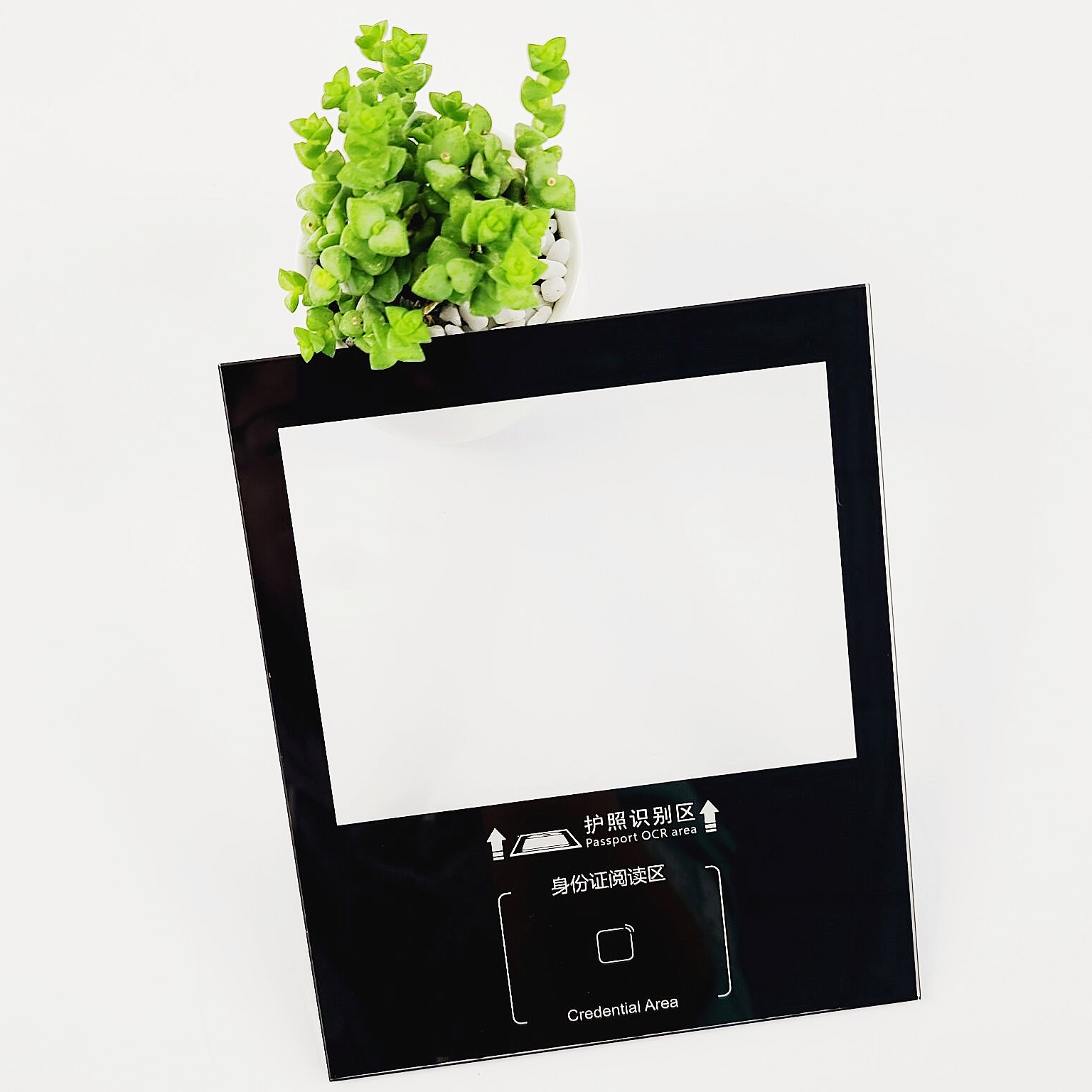
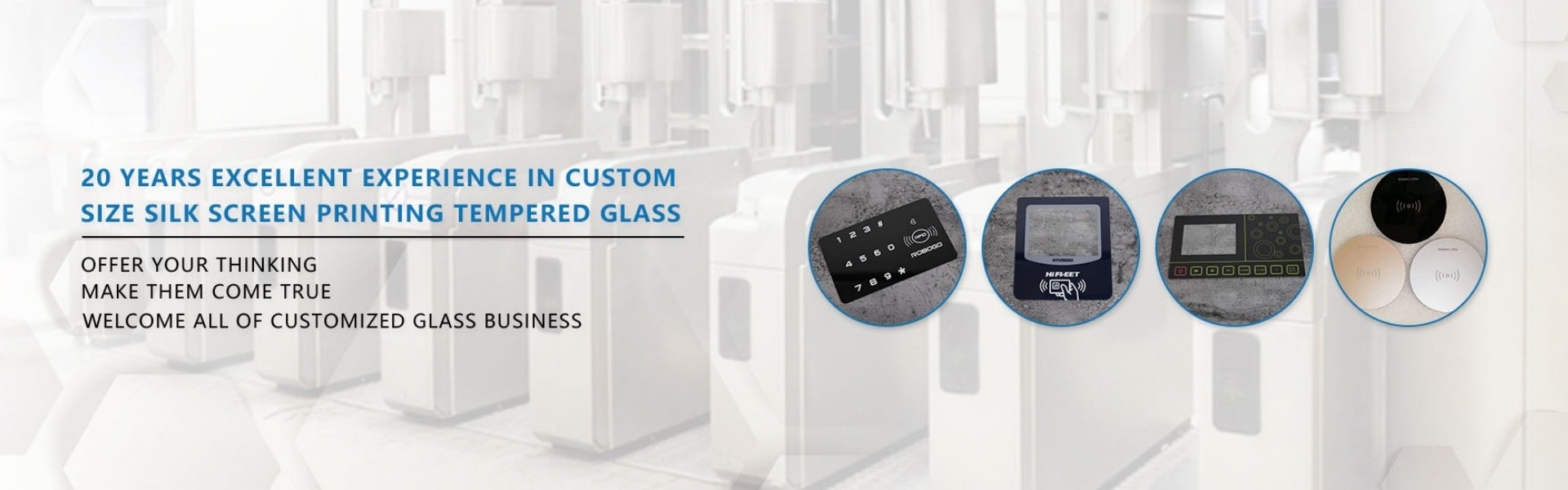
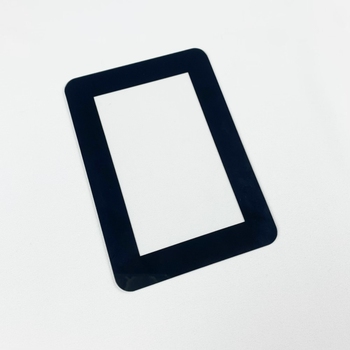
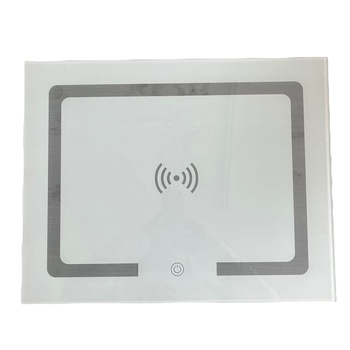
Silk-screen printing and glass processing experience allow buyers to discuss logo areas, borders and decorative effects around the switchable zone. Printed details must be approved together with the PDLC film construction.
Typical PDLC Smart Film Switchable Privacy Glass Specification Window
The table below is a sourcing guide, not a fixed catalogue. Final specifications must be confirmed against drawings, application, local codes and power-supply requirements.
Buyer specification checklist for PDLC smart glass projects
Item
Typical options to discuss
Why it matters to buyers
Base glass
Clear, ultra-clear, tinted, tempered, chemically strengthened or laminated safety glass
Affects appearance, strength, safety, flatness, edge quality and compliance.
Laminated build-up
5+5 mm, 6+6 mm, 8+8 mm, 10+10 mm or project-specific combinations
Must match span, impact, installation and handling requirements.
Off-state appearance
Milky white, neutral white, grey, black, colored or printed border
Defines design quality and privacy. Physical samples should be approved.
On-state clarity
Clear or slightly hazy depending on film type and glass build-up
Controls visual connection, display readability and perceived quality.
Control method
Wall switch, remote, smartphone gateway, timer, sensor or building management integration
Impacts wiring, cost, commissioning and daily user experience.
Power supply
Project-specific power supply matched to panel area and voltage requirements
Incorrect matching can affect switching performance, safety and service life.
Panel size
Small privacy windows to large-format partitions, subject to engineering review
Large units affect electrical load, flatness, packaging and installation risk.
Edge sealing and wiring
Busbar design, cable exit position, edge protection and service access
Critical for finished appearance, moisture protection and maintenance.
Certification and documents
ISO 9001 system, RoHS and CE for eligible production, project-specific test reports on request
Supports compliance review and supplier due diligence.
MOQ and lead time
Trial orders from around 10–100 pieces for suitable standard panels; larger projects quoted separately
Helps buyers plan sampling, pilot installation and mass production.
Note: The numbers above are procurement planning references. PDLC performance changes with film area, base glass, controller and installation conditions. Always request a project-specific datasheet and approved sample.
Technology Comparison
PDLC, SPD, Electrochromic or Conventional Privacy Solutions?
Global buyers increasingly compare switchable technologies before issuing an RFQ. This comparison helps design and purchasing teams ask the right questions.
High-level comparison of privacy glass technologies
Criteria
PDLC Smart Film Glass
SPD Smart Glass
Electrochromic Glass
Blinds or Non-Electric Film
Main purpose
Instant visual privacy while keeping daylight
Light transmission control and glare reduction
Solar control and tinting
Manual privacy or solar control
Typical appearance
Frosted or milky when off, clear when on
Tinted or clearer when powered, depending on build
Tinted when activated, often slow transition
Varies by product
Power use
Usually low power while switched on
Requires power for operation
Requires power for tint changes
No electrical power for basic blinds or film
Buyer advantages
Fast privacy change, simple aesthetics, projection-friendly surfaces
Good for glare and light control in premium projects
Architectural solar control with a continuous glass look
Lower initial cost and familiar installation
Questions to ask
Haze, edge sealing, power supply, control zoning, service access
Warranty, power, optical clarity, lead time
Switching speed, power, cycle life, color consistency
Facades where glare and light control are priorities
Exterior facades and solar-control projects
Cost-sensitive interior privacy or renovation projects
This comparison is a procurement aid. It is not a substitute for project-specific engineering, local building-code review or supplier datasheets.
Future Procurement Trends
Global Buyer Trends Shaping PDLC Smart Film Switchable Privacy Glass Procurement
Search behavior and AI-assisted research are changing how buyers evaluate suppliers. Clear technical content, traceable quality evidence and realistic lead-time planning are becoming part of the product offer.
Privacy as Part of Daylight Strategy
Architects and buyers increasingly compare privacy solutions by daylight retention, glare, UV exposure and energy strategy, not only by opacity. PDLC lets teams keep a bright interior while adding privacy on demand, which supports commercial office, healthcare and residential renovation planning.
Smart Building Integration
Purchasing teams are asking how switchable glass will connect with room controllers, sensors and building management systems. Buyers should define control zones, cable routes, power locations and spare-parts requirements early so that a beautiful sample can become a reliable installed system.
Documentation and Traceability
Global procurement is moving toward documented supply chains. ISO 9001 procedures, RoHS and CE evidence, inspection records, approved samples and packing photos help buyers reduce risk. Suppliers that can explain what is tested, how it is tested and where records are kept gain an advantage in qualification.
Low-Risk Sampling and Pilot Orders
Instead of placing a large first order, more buyers request a sample, test it in the real project environment, and then scale. This trend favors factories that can support a controlled sampling process and explain the differences between prototype and mass-production conditions.
Total Cost of Ownership
Buyers are looking beyond glass unit price to include power supplies, controllers, installation, commissioning, shipping protection and after-sales replacement. A supplier that can provide a coordinated package and a clear wiring plan often delivers better project economics than a source quoting glass alone.
Lead Time and Regional Support
Shipping reliability remains a major buying factor. Sourcing teams now compare production lead time, export packaging, nearest seaport and airport, and the availability of remote installation guidance. Qingdao Maupe Glass Co., Ltd. is located close to Qingdao seaport and airport, supporting efficient export coordination.
Product Development Trends
What Is Next for PDLC Smart Film Switchable Privacy Glass?
Supplier development teams and buyers are aligning around better clarity, cleaner control, more durable lamination and stronger integration with smart interiors.
Higher Clarity, Lower Haze
Buyers continue to ask for a clearer on-state so that glass partitions retain visual openness. Development work focuses on film quality, lamination control and optical performance. For each project, the sample should be checked under the actual lighting and viewing angle.
Lower Power and Smarter Controls
Control systems are moving toward convenient integration with room automation, timers, sensors and app-based operation. Buyers should compare total electrical architecture, not only the glass. Power-supply efficiency, standby strategy and maintenance access can affect long-term operation.
Retrofit Smart Film
Renovation demand continues to grow because many buildings cannot easily replace existing glass. Self-adhesive smart film offers a practical route when the glass condition, surface preparation and edge sealing are suitable. It is important to inspect the existing glass before recommending retrofit film.
Color, Print and Brand Integration
Interior designers want privacy glass that supports a design concept. White, grey, black, colored and printed options are being discussed more frequently. Because film color and print can change the final appearance, buyers should approve a physical sample with the chosen base glass and lighting.
More Durable Edge Sealing
Moisture and handling are common risks in switchable glass. Development and quality control focus on edge protection, busbar design and packaging. Buyers should ask how the edges and wiring exits are protected, especially for bathrooms, humid climates and long-distance shipping.
Larger Formats and Global Projects
Larger conference rooms, airport interiors and commercial partitions are pushing panel sizes. At the same time, international projects require packaging and installation planning that reflects container loading, site access and replacement strategy. Large-format orders should be reviewed panel by panel.
Quality and Supplier Due Diligence
How to Reduce Risk Before Ordering PDLC Smart Glass
Experience shows that most project problems are easier to prevent at the specification stage than to solve after installation. Use this checklist when comparing suppliers.
Buyer pre-production checklist
Approve a physical sample with the selected base glass, film, edge finish and control accessories.
Confirm on-state clarity, off-state color and haze under the lighting conditions of the actual project.
Define cable exit points, power supply location, switching zones and maintenance access.
Review glass build-up, thickness, safety requirements and local building codes with the project engineer.
Ask for edge sealing, busbar and wiring details, especially for bathrooms, humid climates and exterior-adjacent use.
Request approved samples, inspection criteria and packing photos before shipment.
Clarify warranty scope for glass, film, power supply and controller separately.
Plan spare panels or spare film for high-risk installations and future maintenance.
Factory quality checks to discuss
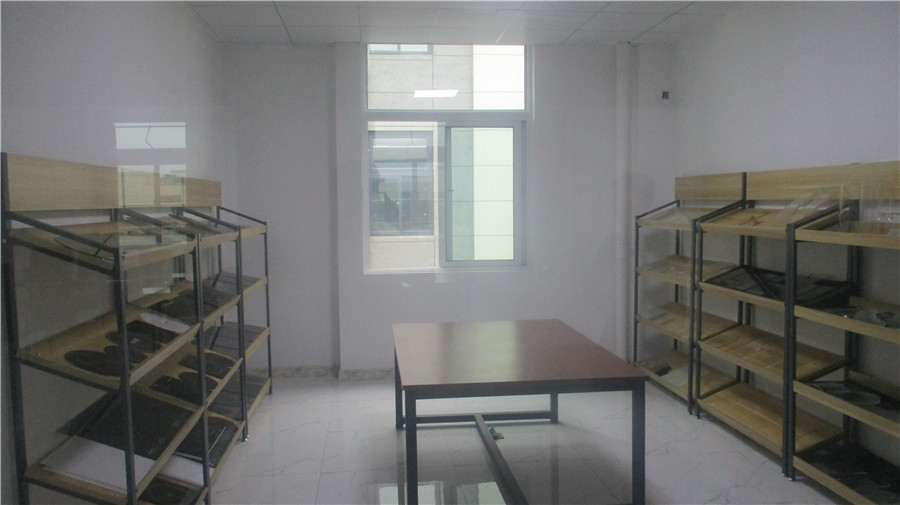
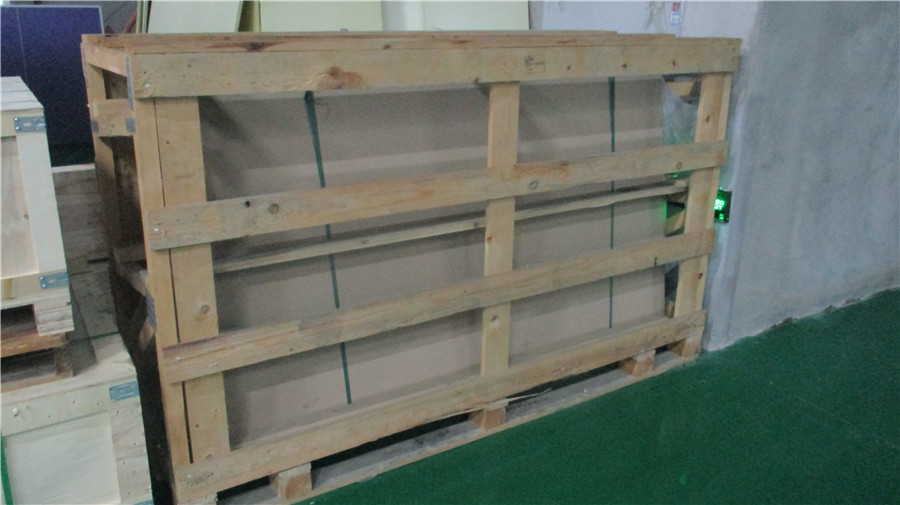
At Qingdao Maupe Glass Co., Ltd., quality control is managed under an ISO 9001 quality management system. For PDLC-related projects, the inspection plan can be discussed around the base glass, printed glass, film lamination or retrofit film, switching performance, edge appearance, power supply matching and final packaging.
Common checks include base glass dimensions and edge quality, visual inspection for bubbles or scratches, switching tests, busbar and edge sealing review, controller compatibility, packaging protection and pre-shipment documentation. Because certificate scope and test reports vary by product, buyers should confirm the exact documents required at quotation stage.
Practical tip: keep one approved golden sample with both buyer and supplier. It becomes the shared reference when inspecting color, clarity, print position, edge finish and switching appearance during mass production.
About Us
About Qingdao Maupe Glass Co., Ltd.
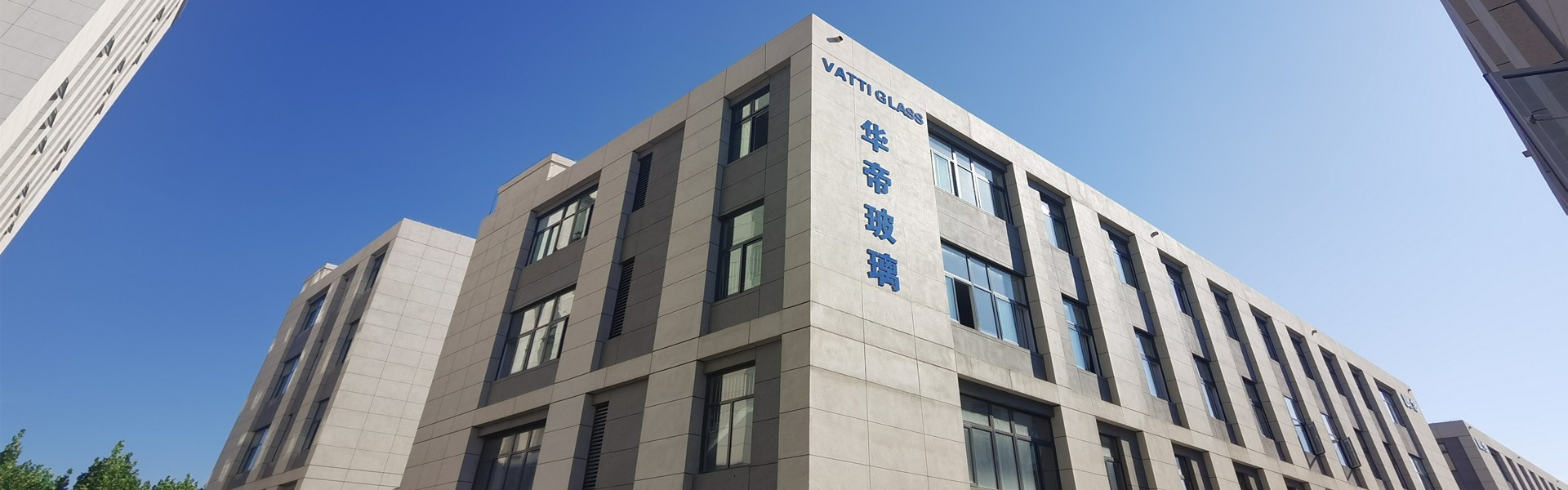
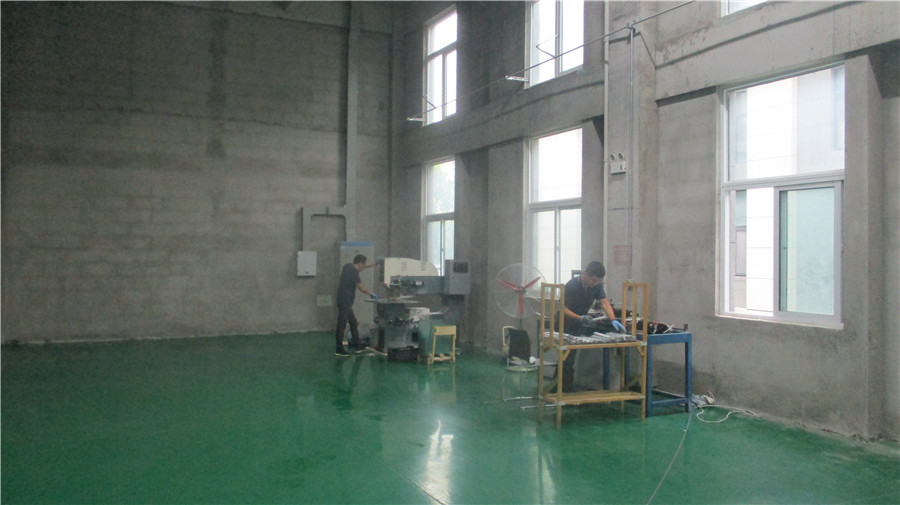
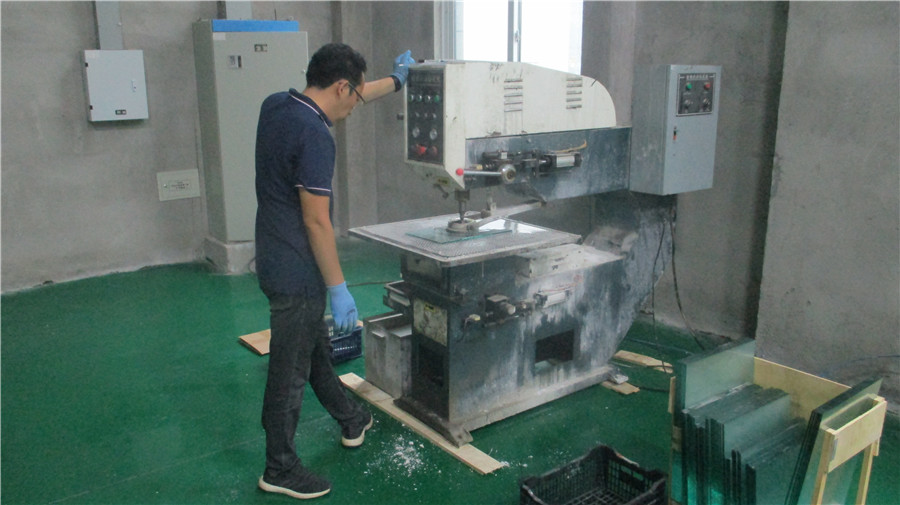
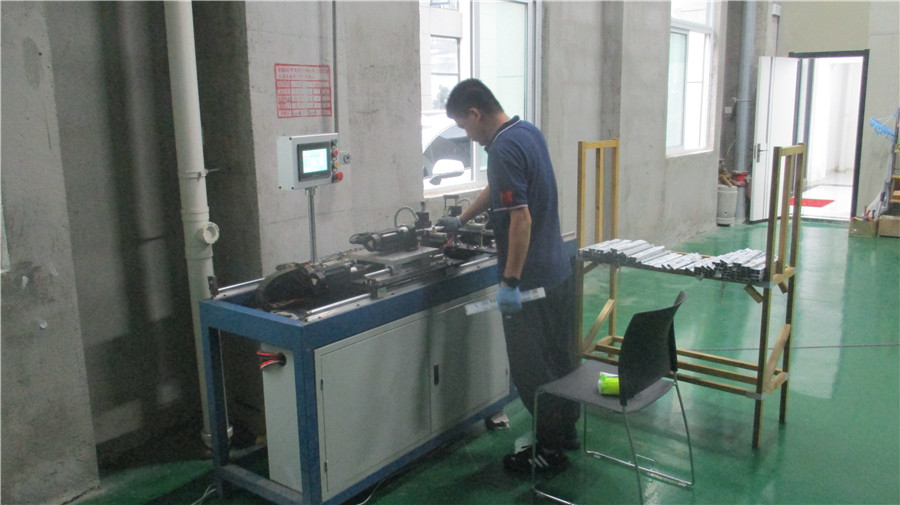
Founded in 2012 in Qingdao, Shandong, Qingdao Maupe Glass Co., Ltd. is a glass deep-processing manufacturer and international supplier operating under an ISO 9001 quality management system. Our core work is turning flat glass into finished functional parts: cutting, edge polishing, drilling, engraving, coating, silk screen printing, physical tempering and chemical strengthening.
Our glass processing experience supports switchable privacy glass projects that require reliable base glass, precise printing, safe edges and consistent quality. The factory has 8 production lines, a floor area of approximately 3,000–5,000 m², and serves clients in more than 80 countries across North and South America, Europe, Oceania, the Middle East, Africa and Asia. Export represents 91–100% of output.
Qingdao Maupe Glass Co., Ltd. has been onsite-assessed by SGS Group as a third-party inspection company, holds ISO 9001, RoHS and CE credentials for relevant production, and has supplied OEM and ODM projects with Fortune 500 procurement verification. Our location close to Qingdao seaport and airport keeps export logistics practical and supports buyer audits and visits.
SGS Onsite AssessedThird-party verified supplier
Fortune 500 SupplierProcurement contract verified
OEM / ODM Service10 years of OEM experience
Global Export ExpertiseSample, design and full customization
A clear workflow helps purchasing, engineering and quality teams know what happens before, during and after production.
1. Drawing Review
Engineers review dimensions, glass build-up, film area, controls, power routing and installation conditions.
2. Sampling
Approved samples help confirm off-state appearance, on-state clarity, print, edge finish and control performance.
3. Mass Production
Cutting, edging, printing, strengthening, lamination or film work and assembly are coordinated under the production plan.
4. Quality Inspection
Appearance, dimensions, switching, edge condition, power supply matching and packaging are checked before shipment.
5. Export Shipping
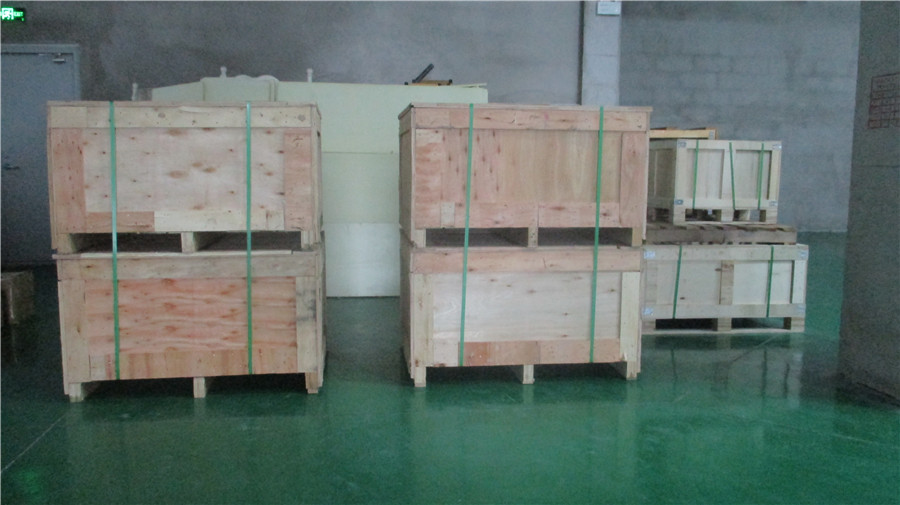
Protective packing and export logistics are arranged through Qingdao port, airport or other buyer-selected routes.
FAQ
PDLC Smart Film Switchable Privacy Glass Questions Buyers Ask
These are the questions global procurement teams, architects and distributors commonly ask during supplier evaluation.
What is PDLC smart film switchable privacy glass?
It is a glass system that uses a polymer dispersed liquid crystal film to change from a translucent privacy state to a clear state when powered. It can be supplied as laminated glass or as a retrofit film for interior privacy, daylight and architectural applications.
What is the typical MOQ for custom PDLC smart glass?
Custom PDLC glass is project-dependent. Trial orders from around 10 to 100 pieces can be discussed for standard panel sizes, while large-format or mixed projects depend on film, glass and power-supply requirements. Samples are recommended before mass production.
How much power does PDLC smart film consume?
PDLC film is a low-power device when switched on. Actual consumption depends on film area and power supply efficiency. Buyers should request electrical data for the exact panel build, including voltage, start-up current and control zoning.
Can PDLC smart film be retrofitted to existing glass?
Yes, self-adhesive PDLC smart film can be applied to suitable existing flat glass, subject to surface condition, edge sealing and access to power. If the existing glass is unsuitable, laminated PDLC safety glass may be a more reliable choice.
What glass thickness and sizes are available?
Common laminated builds use 5+5 mm, 6+6 mm, 8+8 mm or project-specific glass combinations. Practical maximum panel size depends on the film, glass build-up, power supply and handling requirements, so final sizes should be confirmed by engineering review.
Is PDLC smart glass suitable for bathrooms or exterior windows?
PDLC is widely used in interior bathrooms and changing rooms when moisture protection, edge sealing and wiring are properly detailed. Exterior use requires review of solar load, humidity, temperature cycling and warranty, so project-specific performance data should be requested.
What files should buyers send for a PDLC quotation?
Send a 2D drawing in DWG, DXF or PDF with dimensions, glass build-up, edge finish, cut-outs, tolerances and quantity. Add the desired off-state color, on-state clarity, control method, power location and installation environment, plus print artwork if required.
What certifications and quality checks can be provided?
Qingdao Maupe Glass Co., Ltd. operates an ISO 9001 quality management system and holds RoHS and CE certificates for its glass production. Quality checks can include base glass inspection, appearance and switching tests, edge sealing review, power supply matching, packaging inspection and pre-shipment document review.
What are typical sample and production lead times?
Custom PDLC samples commonly require about 7 to 15 days after drawings and specifications are confirmed. Mass production is typically around 20 to 35 days depending on panel size, film availability, printing, strengthening and order quantity.
Which trade terms and payment methods are accepted?
Delivery terms can include FOB, CIF, EXW, FAS, FCA, CPT, DDP and DDU, with express delivery for samples. Payment can include T/T, L/C, PayPal, Western Union and cash in USD, EUR or CNY, subject to order value and destination.
Ready to Specify PDLC Smart Film Switchable Privacy Glass?
Share your drawing, glass build-up, dimensions, color preference, control method and annual demand. Our team will review the project and reply with practical questions for quotation.