Factory Product Range for Precision Glass Buyers
These eight product references show the deep-processing capability behind our borosilicate glass rod supply: cutting, printing, tempering, coating, edge finishing and export packing. Product URLs are preserved from the original product range.
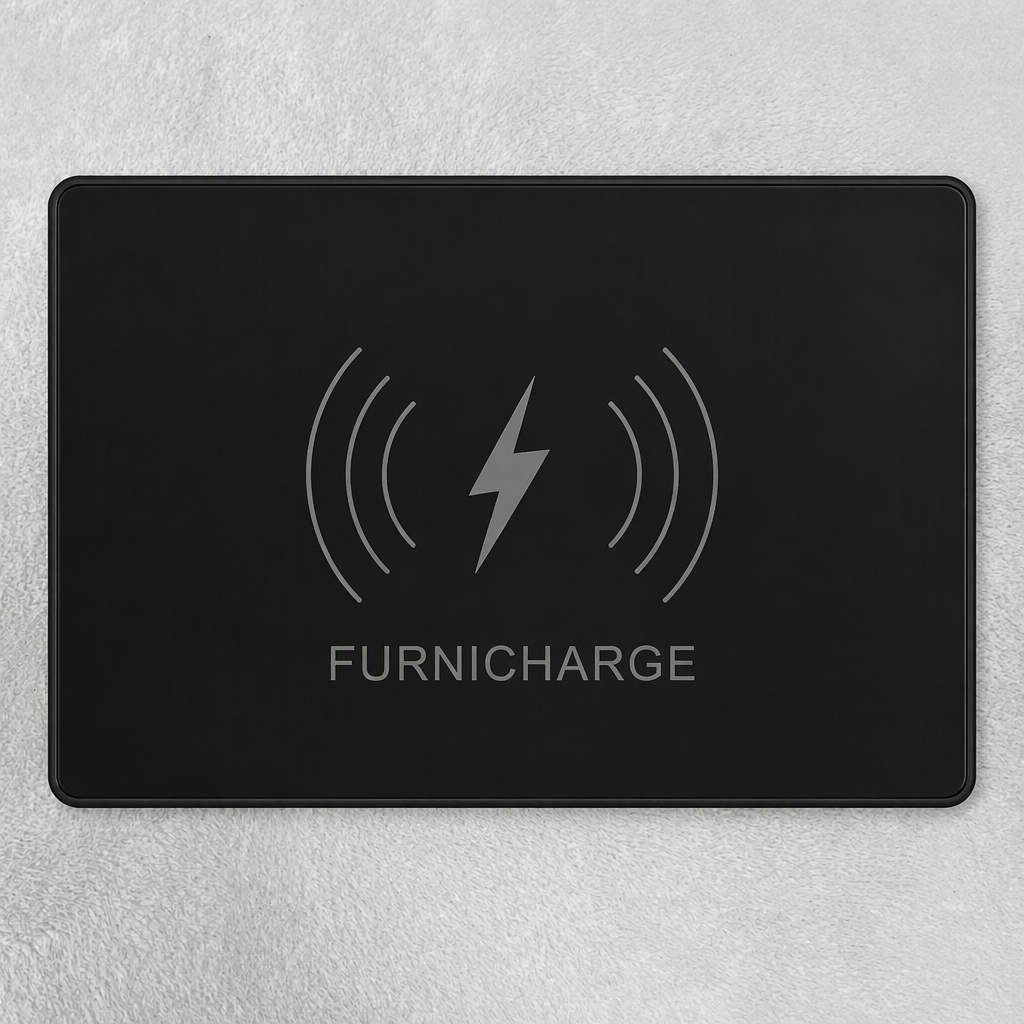
Smart Tempered Glass Wireless Charging Touch Panel
Front cover glass for furniture, tea tables and smart bedside units with printed touch zones and wireless charging windows.
View product →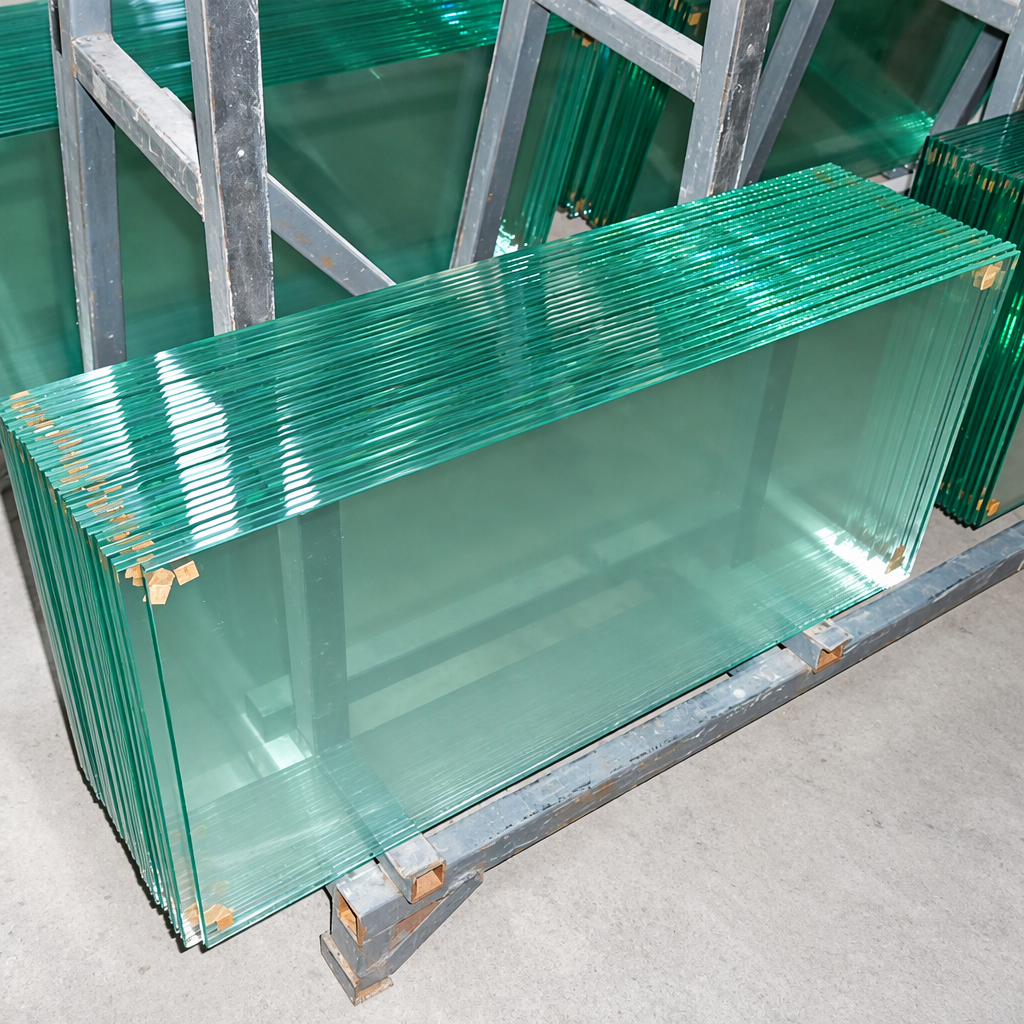
Construction & Real Estate Tempered Float Glass
Float glass for building and real-estate applications, supplied with cut-to-size processing and safety-glass options.
View product →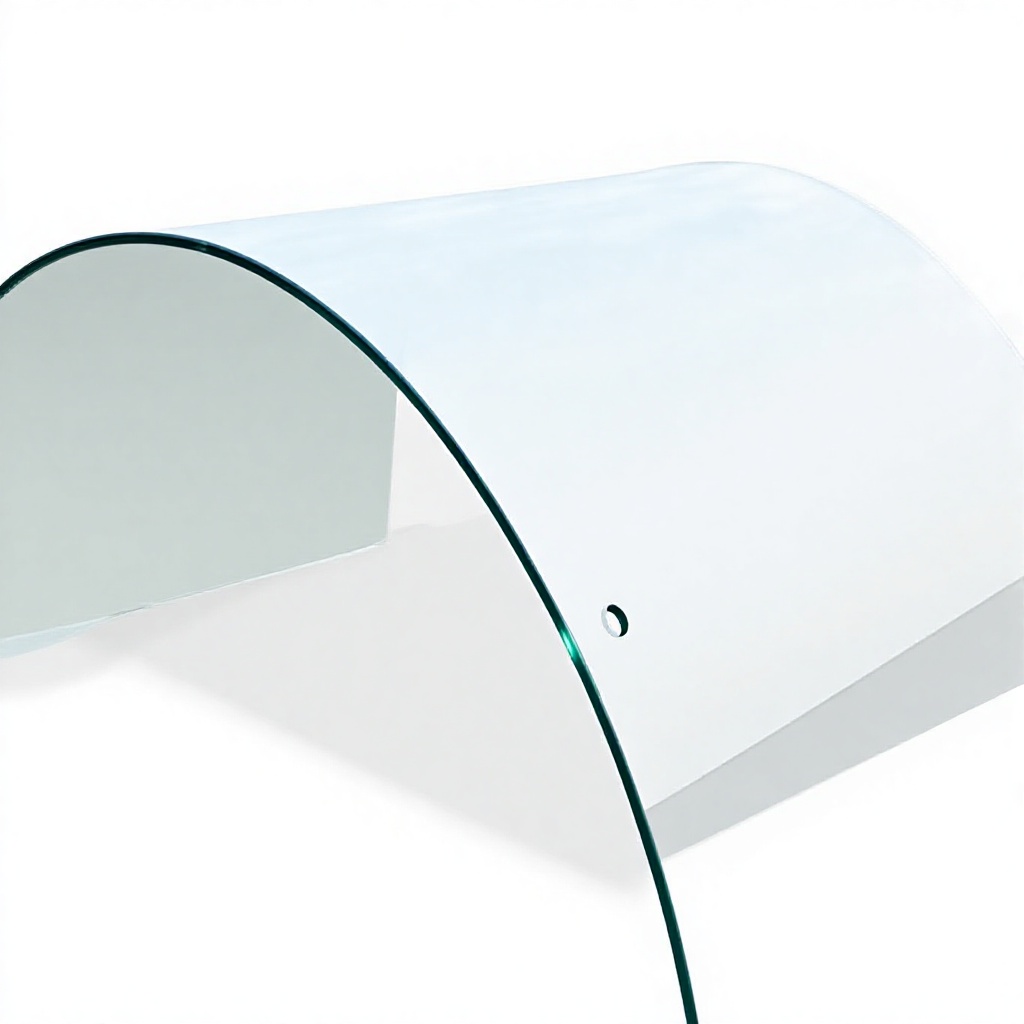
Custom Curved Tempered Glass for Balcony & Curtain Wall
Curved and flat safety glass for balconies, facades and curtain-wall projects with project-specific edge finishing.
View product →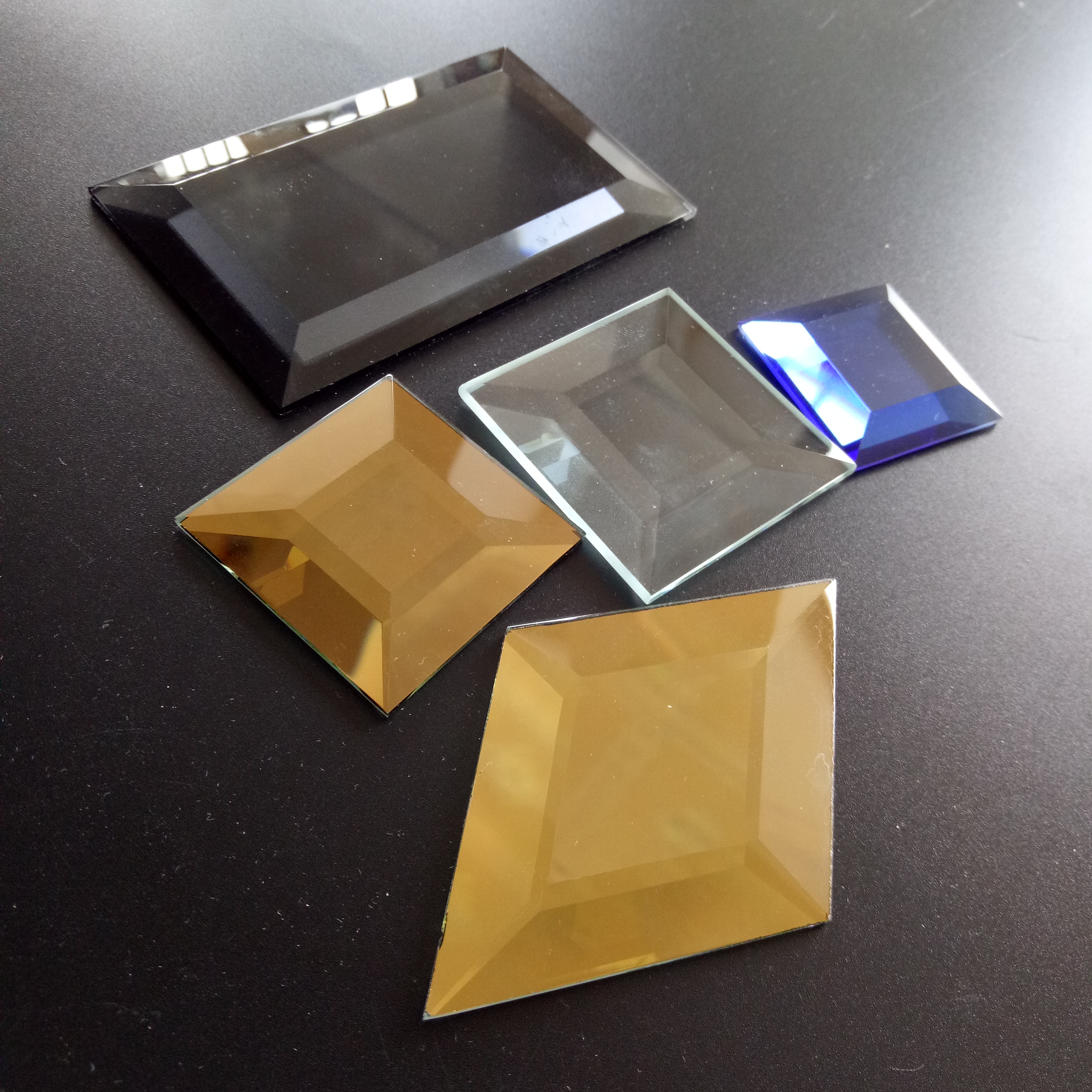
Blue-Gold Faceted Beveled Glass for Wall Decoration
Faceted and beveled decorative glass pieces for interior walls, feature panels and premium architectural details.
View product →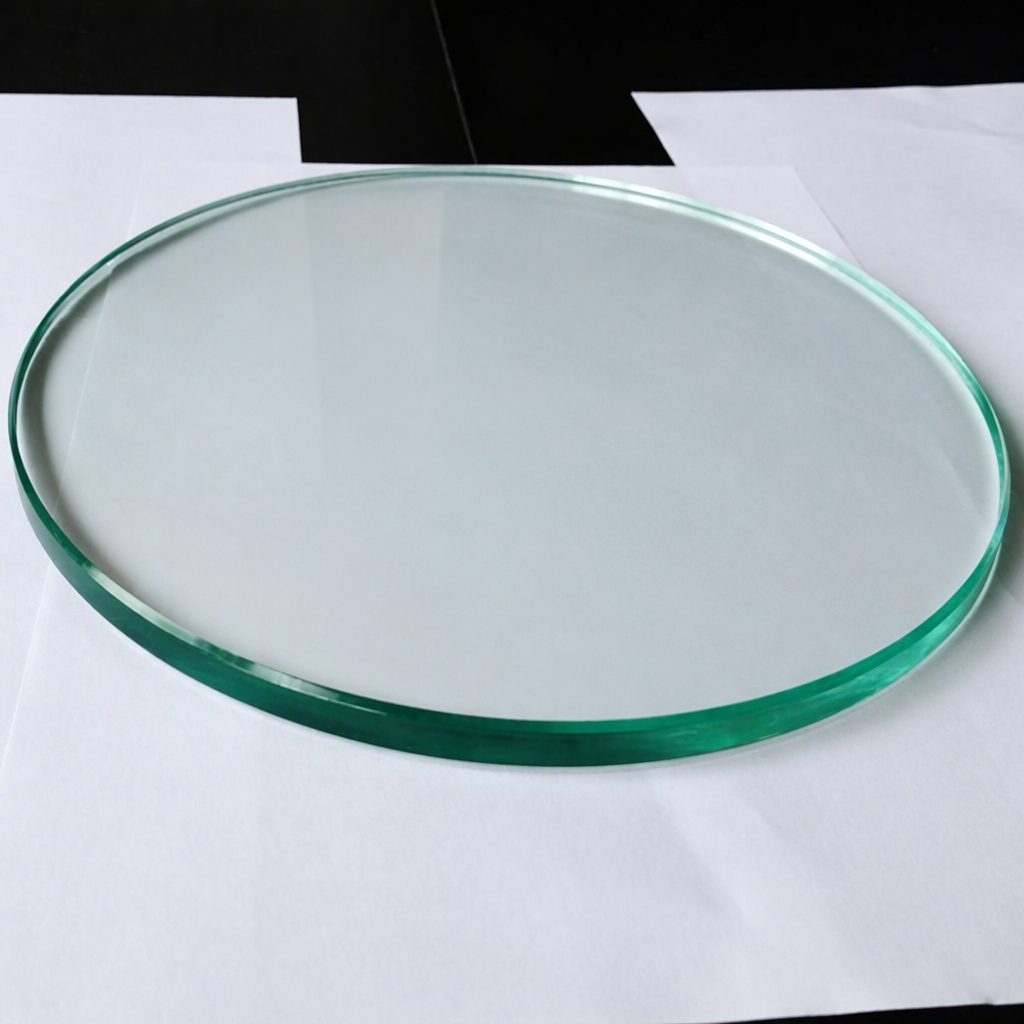
12 mm Beveled Round Tempered Glass Pieces
Round tempered glass pieces with beveled edges for furniture, lighting, display and custom equipment applications.
View product →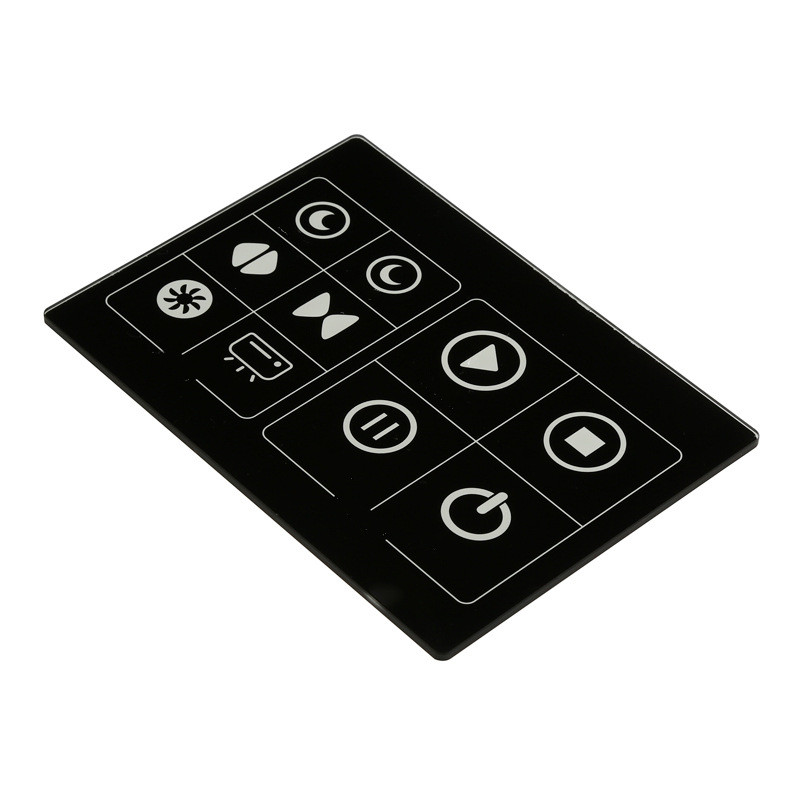
Heat-Resistant Black Printed Microwave Oven Door Glass
High-temperature printed glass for cooktops, microwave doors and kitchen appliances that require heat resistance.
View product →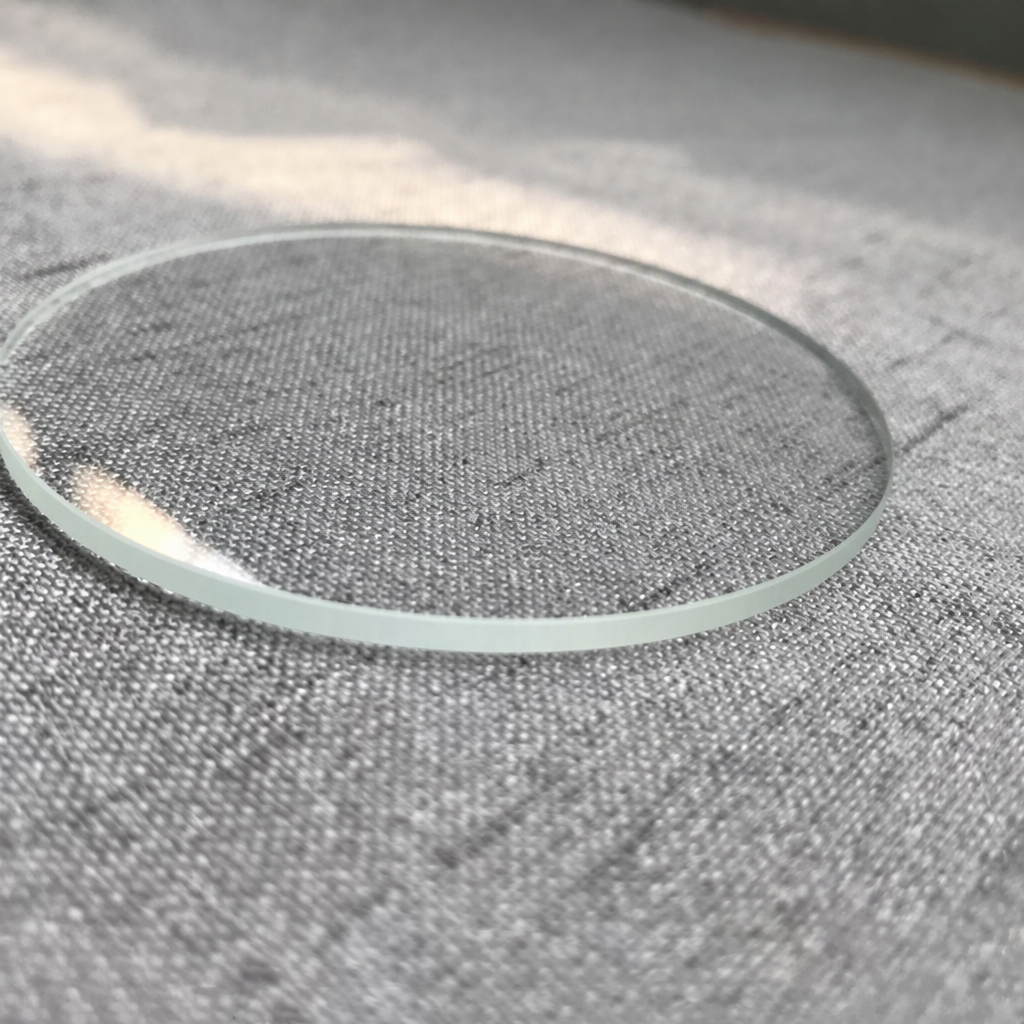
Pressure-Resistant Tempered Glass Viewing Panel
Custom-size clear glass viewing panels for industrial workshops, equipment windows and pressure-resistant inspection points.
View product →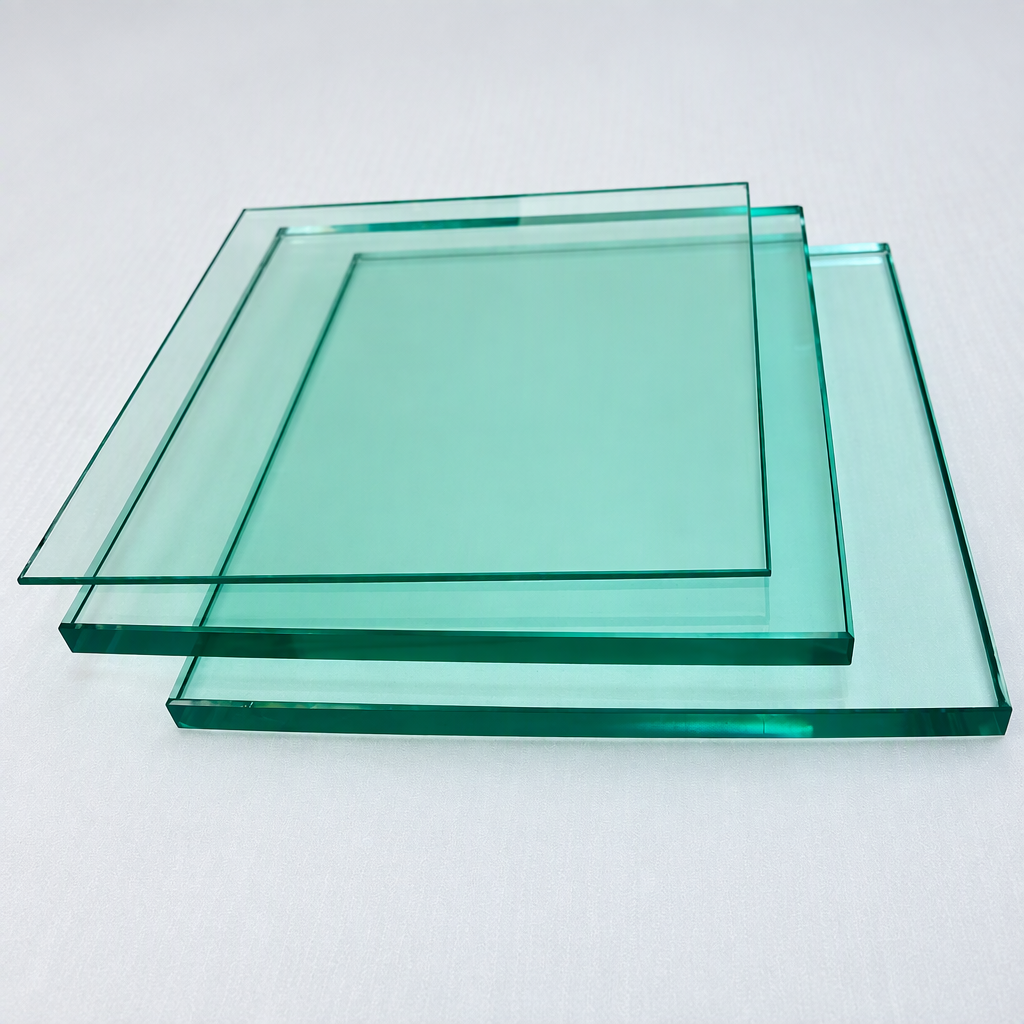
Flat Structural Tempered Safety Glass Panel
Flat structural tempered safety glass for partitions, guards, equipment covers and architectural applications.
View product →CE Certified Borosilicate Glass Rod Supply Built Around Your Drawing
Qingdao Maupe Glass Co., Ltd. is a glass deep-processing and international supply manufacturer established in 2012 in Qingdao, Shandong. We combine a compliance-driven documentation process with the practical capabilities of a factory that cuts, edges, drills, prints, tempers, chemically strengthens and coats glass for OEM buyers in more than 80 countries. For borosilicate glass rod projects, this means you can source custom diameters, cut lengths, annealed rods, flame-polished ends, ground surfaces and matched accessories from one accountable supply partner rather than assembling several unconnected vendors.
Borosilicate glass rods are specified where ordinary soda-lime glass fails: thermal shock, chemical attack, electrical insulation, optical clarity and long service life. The low coefficient of thermal expansion of borosilicate 3.3 reduces the risk of cracking when laboratory rods, sight glasses, lighting components, sensor housings, cosmetic applicators or appliance parts meet rapid temperature change. Its resistance to water, acids and common solvents also supports repeated cleaning and sterilization. For procurement teams, the value is not only in the material itself but in repeatable diameters, controlled straightness, clean edges, reliable packing and documents that satisfy import, retail and industrial qualification systems.
Because we operate as both a factory and a wholesaler, the buying route is flexible. A first order can be a small sampling batch for fit and material verification; production can then scale to mixed-specification shipments, including multiple diameters, lengths and surface finishes in one carton. Engineers review drawings before quoting, flag potential problems such as sharp edges, unsupported long rods or unclear tolerances, and recommend the most economic production method for the required appearance and function. This early engineering review is often the difference between a smooth qualification cycle and repeated rework.
CE certification is not a single label that can be applied blindly to every glass rod. The applicable directive, harmonized standard, end-use and documentation route must be confirmed. Our team prepares declarations and technical documents according to the product scope, and our CE certificate No. 23TYT082593S covers applicable glass products. For custom borosilicate glass rods used as components, we will state clearly whether CE marking is appropriate, which standard is being used, and what data your technical file should include. The same discipline applies to RoHS and material declarations.
Borosilicate Glass Rod Product Recommendations for OEM Buyers
The following borosilicate glass rod formats are recommended for 2025–2030 OEM programmes. Each can be quoted with CE-related documentation, RoHS declarations and batch traceability according to project scope.
Clear Borosilicate 3.3 Rod
For laboratory, lighting, display and general industrial fabrication. Typical diameters range from 1 mm to 50 mm, subject to drawing, packing and breakage control. Annealed and flame-polished options are available.
Request specification →Amber Borosilicate Glass Rod
For light-sensitive contents and light-controlled environments. Amber colour supports light protection while retaining thermal shock resistance for laboratory and chemical applications.
Request specification →Precision Capillary & Small-Bore Rod
For sensor protection, microfluidic devices, analytical equipment and medical components. Bore and outer diameter can be checked against an agreed sampling plan.
Request specification →Ground & Polished Solid Rod
For mechanical spacers, electrical insulators, handles and decorative hardware. Edge grinding and controlled chamfers reduce chipping and improve assembly safety.
Request specification →Large-Diameter Borosilicate Rod
For heavy-duty insulation, chemical processing, sight-glass frames and architectural details. Stress relief, straightness and reinforced packing are engineered for long dimensions.
Request specification →Printed, Coated or Functional Rod
For alignment marks, brand identification, anti-glare or functional coatings. Inks and coatings are selected for the end-use temperature, cleaning cycle and handling requirements.
Request specification →Procurement Trends Reshaping Borosilicate Glass Rod Buying
Purchasing teams are moving away from lowest-first-cost sourcing and toward total risk management. The factory that can provide traceable material, repeatable dimensions and export-ready documents is becoming more valuable than a trading company that competes only on price.
Documentation-First Sourcing
Buyers now ask for CE, RoHS, material declarations, batch traceability and inspection records before price approval. Suppliers that cannot produce a clear document pack are being filtered out early.
Supplier Consolidation
One qualified factory that can cut, edge, anneal, print, pack and document rods reduces audit costs, logistics hand-offs and quality disputes.
Smaller MOQs & Faster Sampling
Custom printed or shaped glass parts can often start from 10–100 pieces depending on size. Sampling first reduces tooling risk and shortens the design verification loop.
Total Landed Cost & Breakage Control
Packaging, breakage rate, inspection time and stock availability now sit inside the landed-cost calculation. Robust export packing often saves more than a small unit-price difference.
Product Development Trends for Borosilicate Glass Rods
Tighter Dimensional Control
OEM buyers are requesting tighter diameter, length, straightness and edge tolerances, especially for automated assembly, sealing and sensor alignment. Drawings increasingly include measurement method and sampling level.
Functional Surface Engineering
Flame polishing, grinding, printing, anti-glare treatment and chemical-resistant coatings are being specified together. The rod is no longer a commodity; it becomes a finished functional component.
Digital Quality Records
Photos, dimensional reports, material certificates and batch traceability are becoming part of the purchase order. This supports audits, warranty investigations and repeat-order consistency.
Borosilicate 3.3 vs Soda-Lime Glass: A Buyer’s Comparison
| Criteria | Borosilicate 3.3 Rod | Soda-Lime Glass Rod |
|---|---|---|
| Thermal expansion | Approx. 3.3 × 10⁻⁶/K, low expansion | Approx. 8–9 × 10⁻⁶/K |
| Thermal shock resistance | High; suitable for repeated heating and cooling | Moderate; more sensitive to rapid temperature change |
| Chemical durability | High resistance to water, acids and common solvents | Good for general use but lower resistance in aggressive media |
| Optical clarity | High transmission; clear and amber options | Good clarity; colour options vary |
| Machining | Cutting, grinding, flame polishing and annealing | Cutting and edge work; lower heat resistance |
| Best fit | Laboratory, lighting, sensors, appliances, industrial | Packaging, decorative, low-temperature general use |
Use this comparison as an early screening tool, not as a final engineering approval. Actual performance depends on wall thickness, end finish, thermal cycling profile, chemical concentration and mechanical load. Our engineers can review the application and recommend a borosilicate glass rod specification that balances function, cost and export compliance.
What Makes Qingdao Maupe Glass a Reliable Supply Partner?
Qingdao Maupe Glass Co., Ltd. has been onsite assessed by SGS Group as a third-party inspection company, and our quality management system is certified to ISO 9001 under certificate No. 24025Q20015R1S. Our RoHS certificate No. 25TYT12395 supports restricted-substance compliance for applicable electrical and electronic applications, and our CE certificate No. 23TYT082593S covers applicable glass products. For a borosilicate glass rod order, the sales and engineering team confirms which directives, standards and labeling requirements apply to the final article, including end-use, destination market and whether the rod is supplied as a component or a finished product.
Production control begins with incoming glass quality. Rod diameter, straightness, bubbles, visible inclusions and annealing condition are checked according to the agreed inspection level. During processing, operators monitor cutting, grinding, flame polishing, printing or coating parameters. Before packing, finished parts are checked for dimensions, appearance, edge condition and function. Protective packaging can include foam, paper interleaves, molded supports, individual sleeves and export-grade cartons; long rods can be packed in reinforced tubes or crates to reduce breakage in ocean freight. We ship from Qingdao, close to both seaport and airport, with FOB, CIF, EXW, FCA, CPT, DDP and express options.
Because 91–100% of output is exported, our team is accustomed to international purchase orders, third-party inspections, pre-shipment samples and buyer-specific labels. We support OEM and ODM projects with more than ten years of experience and can work with drawings, samples, artwork or simply a performance target. This is the practical meaning of E-E-A-T in this category: proven processes, verifiable certification and engineers who can discuss application risk rather than only quote a price.



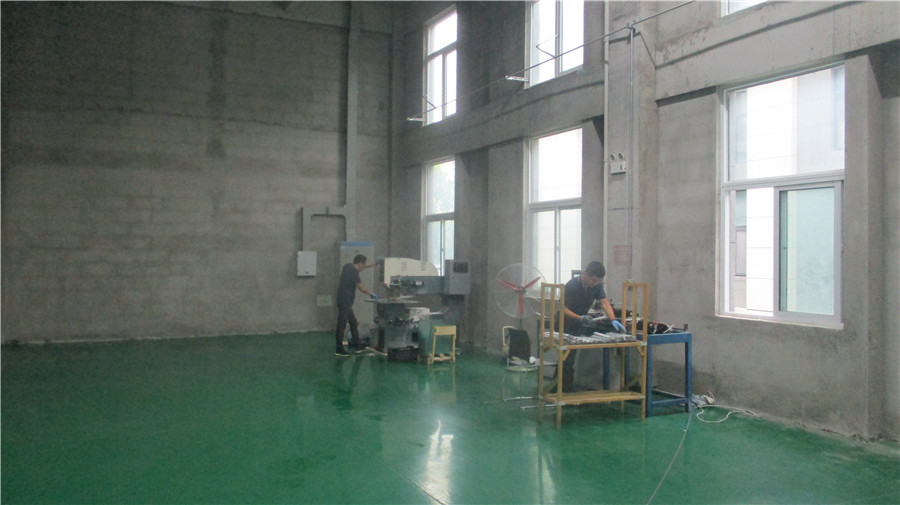
From Drawing to Delivery in Six Controlled Steps
A transparent workflow so purchasing, engineering and quality teams know exactly what happens at every stage of a borosilicate glass rod project.
Requirements Review
We check application, temperature range, diameter, length, tolerance, end finish and required documents.
Material & Sampling
Borosilicate grade, clear or amber colour, cut length, edge finish and surface condition are confirmed by sample.
Process Setup
Cutting, grinding, flame polishing, drilling, printing or coating methods are set against the approved drawing.
Production & In-Process Checks
Operators monitor dimensions, appearance, edge quality and process parameters during each production run.
Final Inspection & Documentation
Finished rods are checked before packing, and inspection reports, declarations and packing lists are prepared as agreed.
Export Packing & Shipment
Protective packing is selected for rod length and breakage risk, then shipped from Qingdao by sea, air or express.
Frequently Asked Questions About Borosilicate Glass Rod Sourcing
What is the minimum order quantity for CE certified borosilicate glass rods?
+
MOQ depends on diameter, length, finishing and documentation. Most custom cut and polished borosilicate rods start from 10 to 100 pieces; mixed-specification sample batches can be discussed. Large-diameter or heavy rods may have a higher practical MOQ because of packing and breakage risk. Send your drawing and annual forecast for a realistic quotation.
Can you manufacture non-standard diameters, lengths and end finishes?
+
Yes. We cut, grind, flame-polish, drill and print to drawing. Specify outer diameter with tolerance, cut length, straightness, end shape, edge finish, surface condition and whether annealing or stress relief is required. If you only have a sample, our engineers can measure it and propose a manufacturable specification.
Which certificates and compliance documents can you provide?
+
Our quality system is ISO 9001 certified. RoHS and CE certificates apply to the applicable product scope. We can provide certificates, declarations, inspection reports, material information and packing lists as agreed. For borosilicate rods, the team confirms the relevant CE route and documentation before order. Certificate numbers include ISO 9001 No. 24025Q20015R1S, RoHS No. 25TYT12395 and CE No. 23TYT082593S for applicable glass products.
How are borosilicate glass rods packed to survive export shipping?
+
Rods are cleaned, inspected and packed with protective interleaves and reinforced supports. Long or heavy rods are shipped in reinforced tubes or crates. We can use buyer-specific labels, barcodes and carton marks. For fragile or long specifications, we recommend a pre-shipment packing check and, when needed, third-party inspection.
What are typical lead times and trade terms?
+
Sampling usually takes several working days after drawing and material approval. Mass production lead time depends on quantity, diameter, finishing and coating. We accept FOB, CIF, EXW, FAS, FCA, CPT, DDP, DDU and express terms, with T/T, L/C, PayPal, Western Union and cash in USD, EUR or CNY. Qingdao seaport and airport provide flexible routing.
Can you support prototypes and long-term supply agreements?
+
Yes. We support prototype batches, design iterations, annual supply agreements and mixed-specification shipments. For repeat orders, we keep approved drawings, inspection criteria and packing specifications to reduce variance. Buyers can also request pre-production samples, golden samples and batch traceability records.
Request a CE-Ready Borosilicate Glass Rod Quotation
Share your drawing, rod diameter, length, end finish, annual volume and destination market. Our engineers will review manufacturability, recommend the right borosilicate grade and prepare a quotation with the documentation scope you need.