Eight Custom Glass Platforms to Benchmark Before You Award a Contract
These production-ready formats show the deep-processing envelope: printing, tempering, coating, adhesive application and custom sizing. Product URLs are preserved; for borosilicate-specific projects, our engineers confirm grade, strengthening route and coating compatibility before quotation.
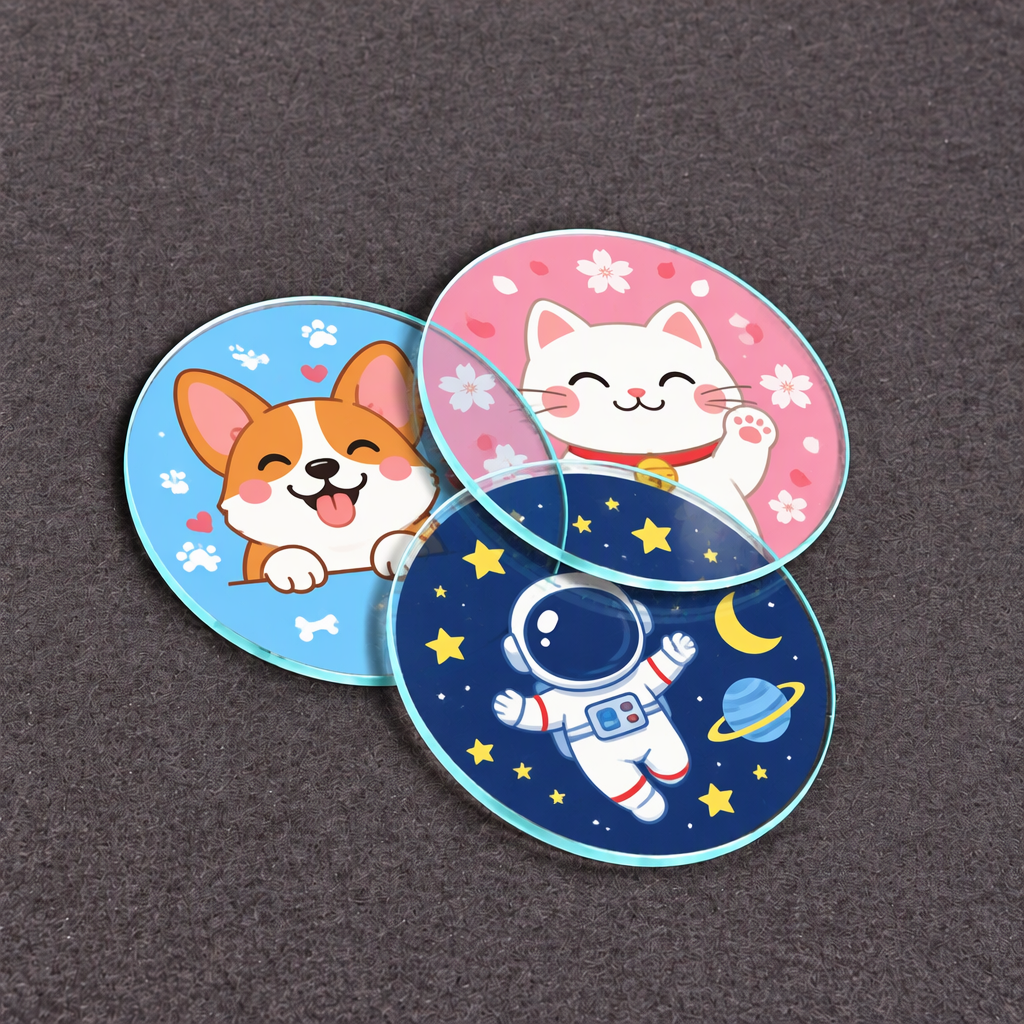
Eco-Friendly Custom Printed Glass Coasters Custom Design Tempered Glass Coaster
Decorative and protective coaster glass with custom print, tempered strength and easy-clean surface. Recommended for branded tableware, promotional sets and retail packaging.
View product specification →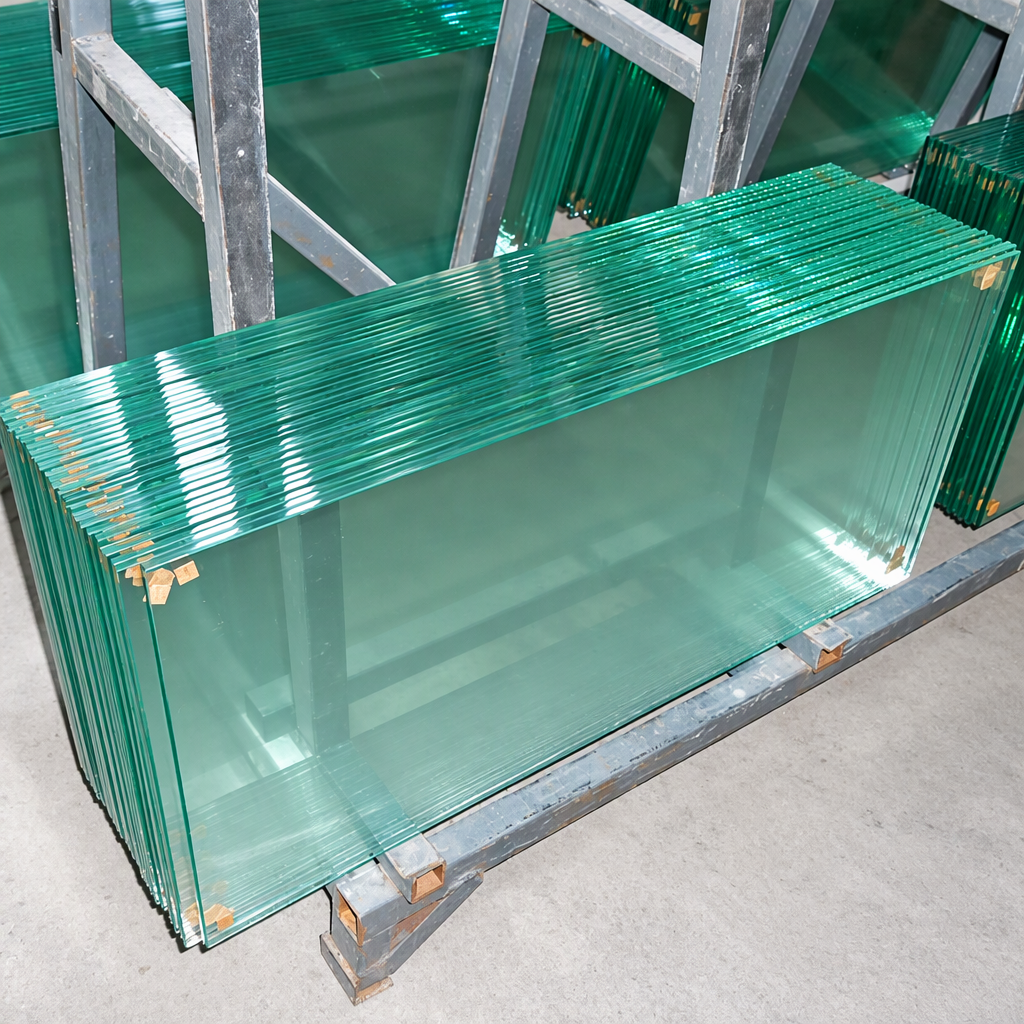
Customized Thickness and Size Clear Tempered Float Glass Panels
Clear float glass cut to size and thickness for architectural or equipment use. Best where dimensional flexibility matters; confirm edge and hole schedule before tempering.
View product specification →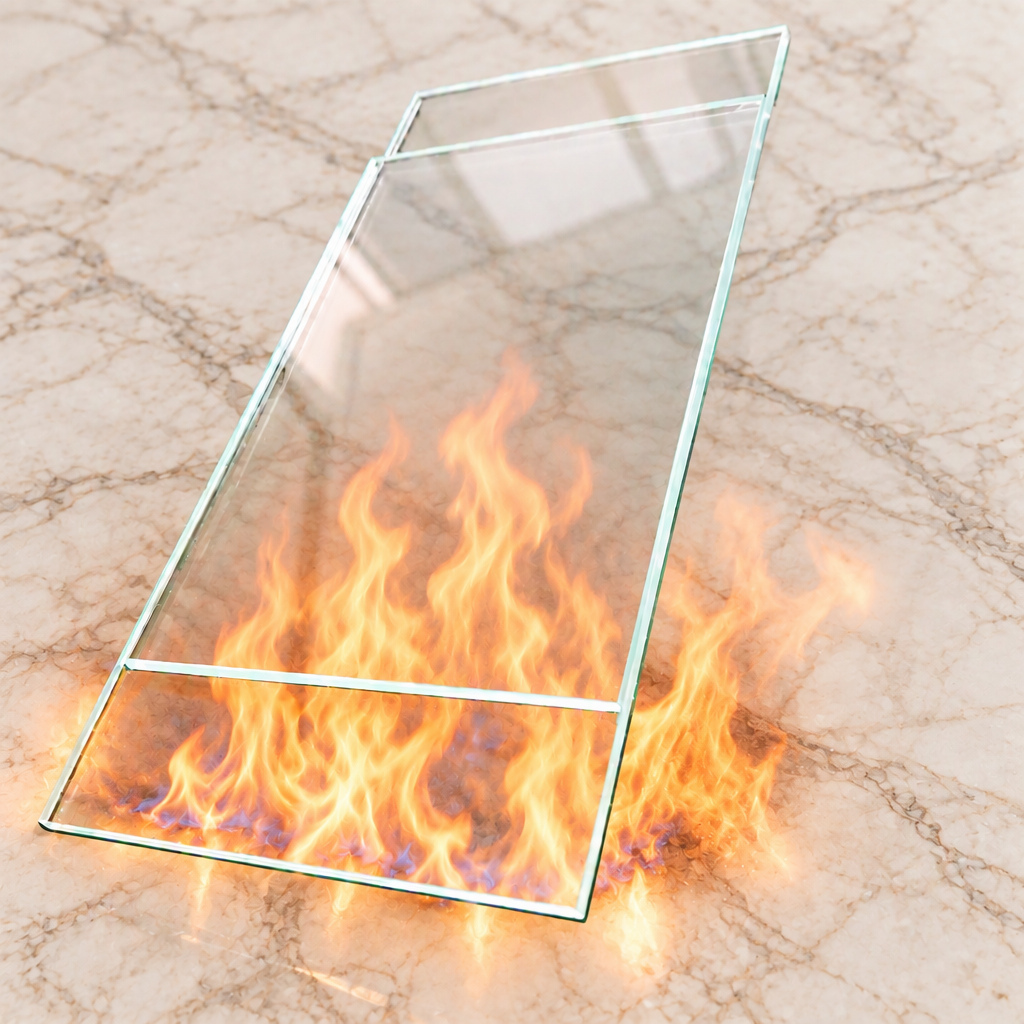
Tempered Glass Flat Solid Glass Panels Heat-resistant Tempered Glass for Various Application
Heat-resistant flat panels for appliance, fireplace, lighting and industrial viewing windows. Suitable for projects requiring thermal resistance plus safety glass behaviour.
View product specification →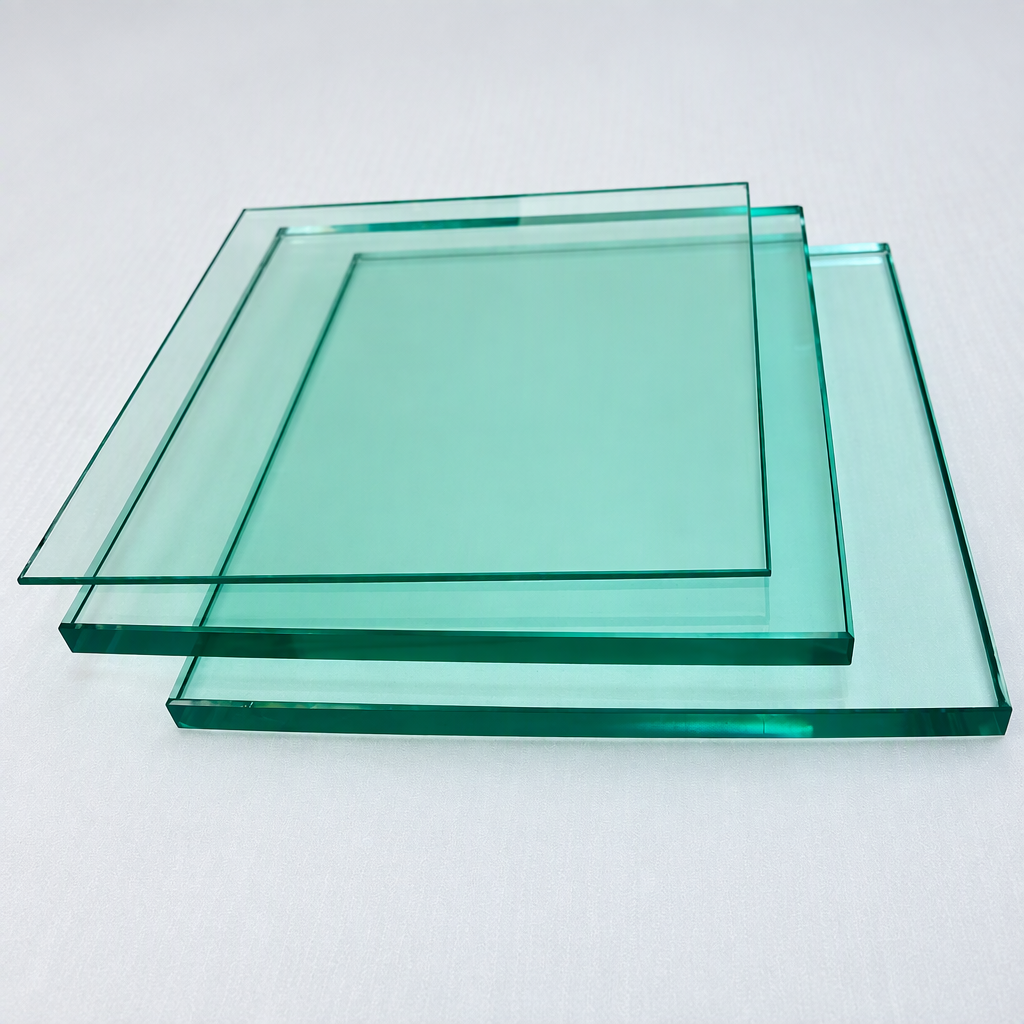
Tempered Glass Panel Safety Glass Flat Structural Tempered Glass
Flat structural safety glass for partitions, guards and display protection. Good match for buyers needing repeatable dimensions and standard safety breakage.
View product specification →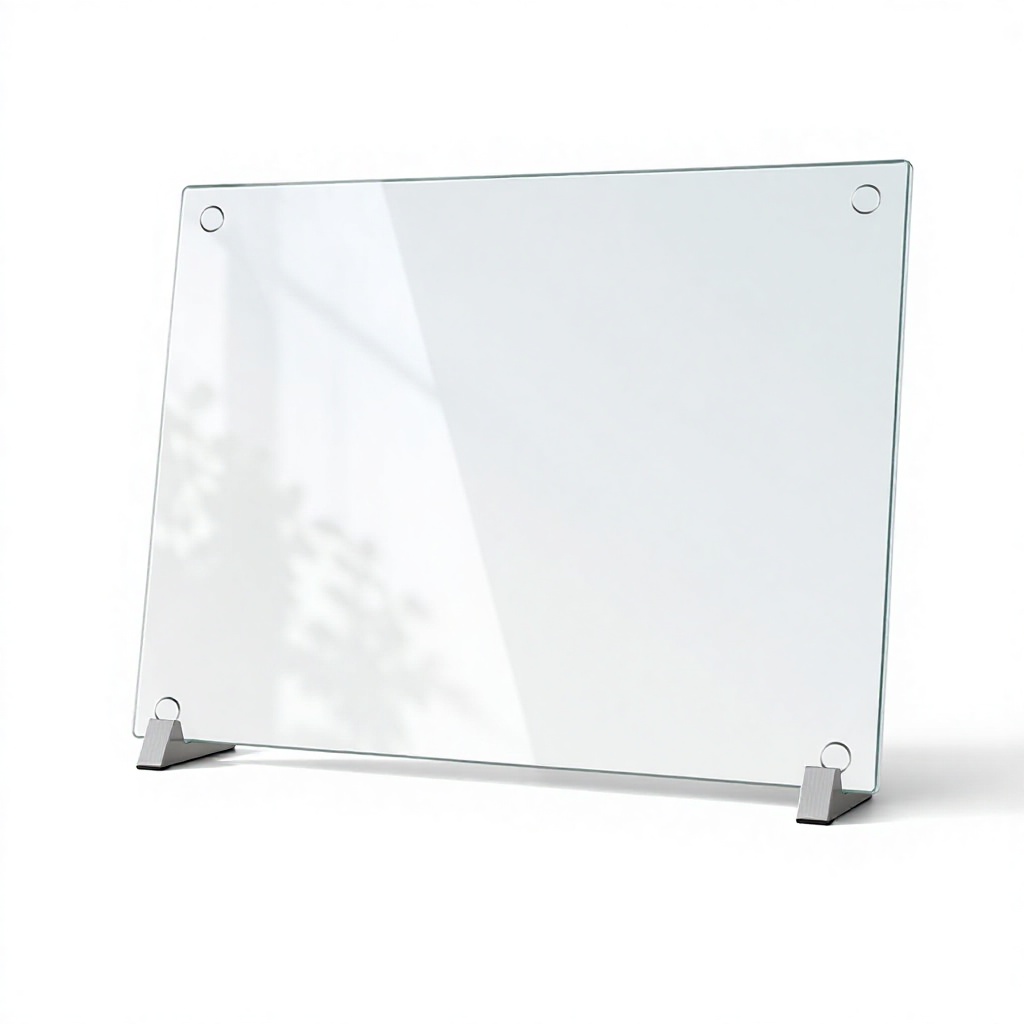
Custom Size Clear Tempered Glass Curtain Wall Panel Multi Function Print Glass Whiteboard Glass
Large printed whiteboard or curtain-wall style panels for commercial interiors and display systems. Recommended when a multifunction print surface and rigid glazing are required.
View product specification →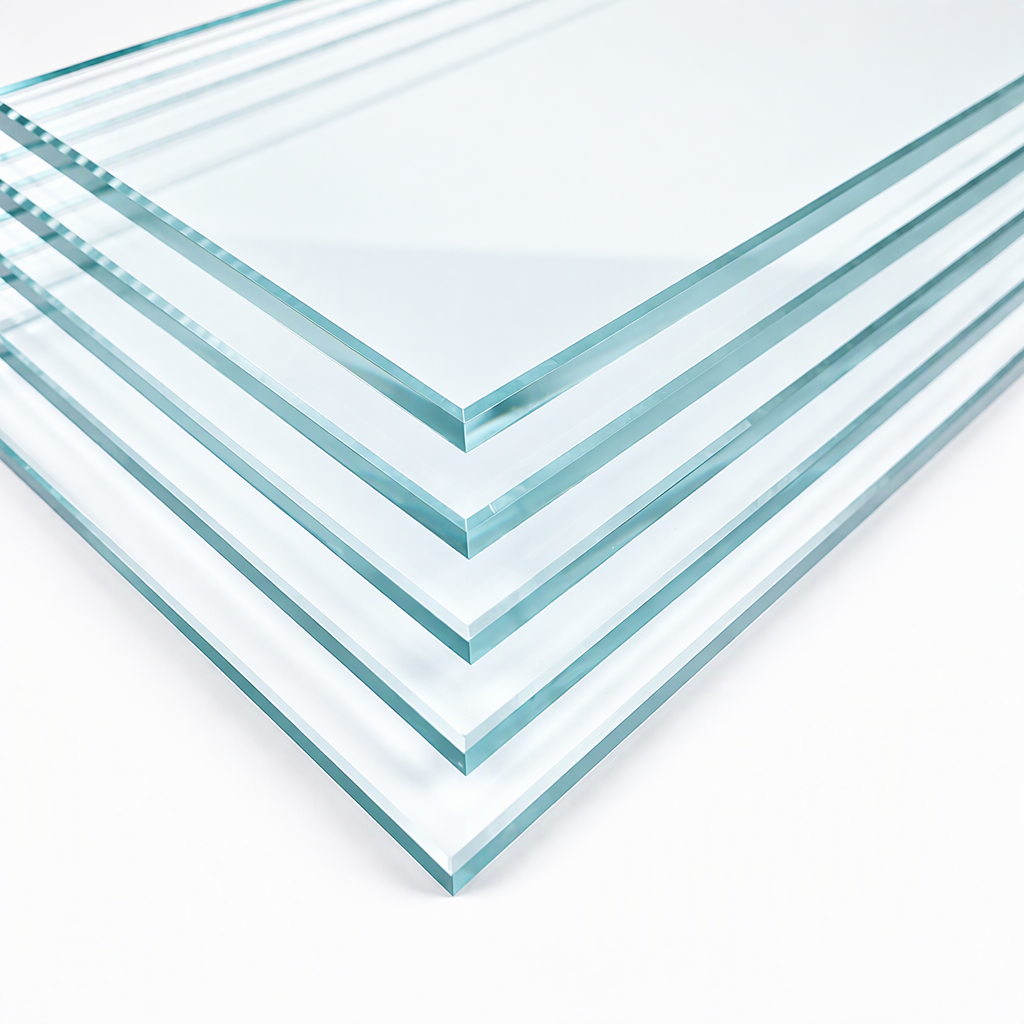
Clear Tempered Glass Transparent Tempered Glass Panel Cover Plate
Transparent cover plate for displays, instruments and protective windows. Recommended for clean optical appearance and simple flat geometries.
View product specification →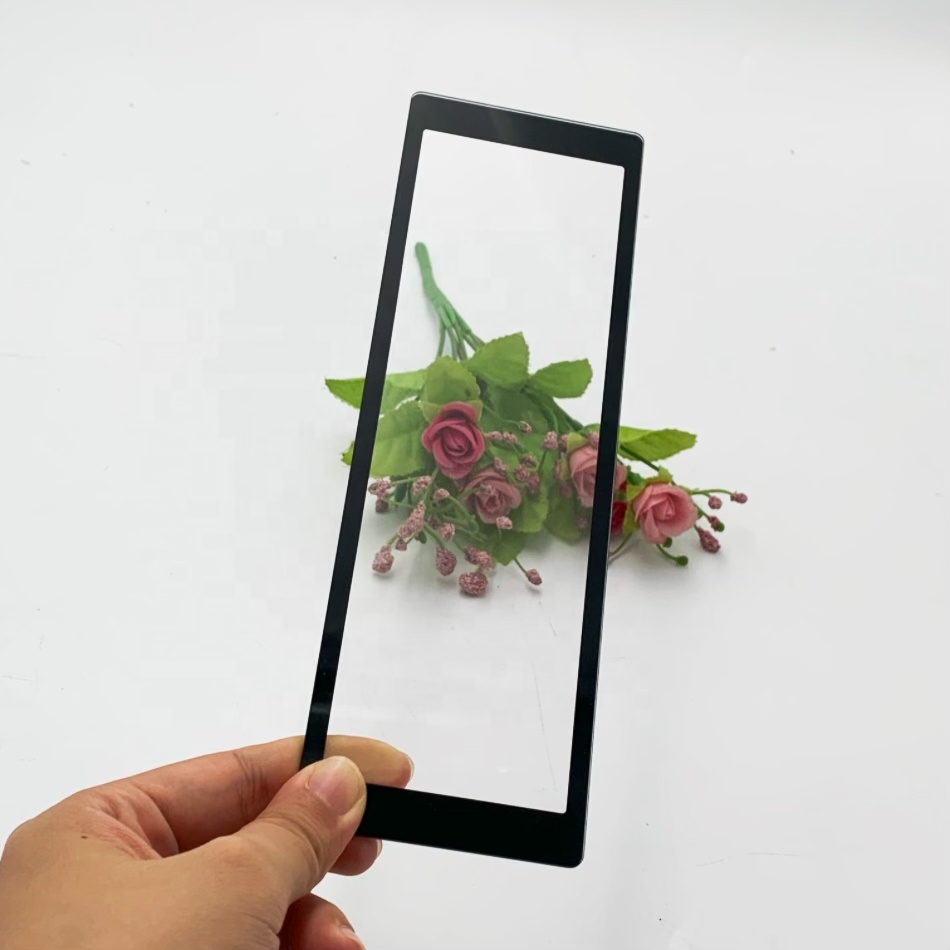
Custom Silk Screen Printed Tempered Glass Panel Touch Screen Display Cover Glass
Silk-screen printed cover glass for touch displays, with icon windows and anti-glare or anti-reflective options available by project.
View product specification →
Tempered Glass Panel With 3M Adhesive Tape Silk Screen Printing for Electrical Appliance Decoration Front Cover Glass
Printed front glass with 3M adhesive tape for electrical appliance decoration. Recommended for control panels, switch covers and assembly-ready front frames.
View product specification →Capacity, Compliance and Export Depth
Facts buyers can use during supplier qualification, audit planning and programme risk review.
Why CE-Certified Borosilicate Supply Is Becoming a Board-Level Sourcing Question
Borosilicate glass is moving from specialist laboratories into appliance interfaces, smart-home panels, commercial displays, industrial HMIs, medical equipment covers and high-temperature lighting. The driver is engineering, not fashion.
Material performance must be tied to the final use case
Borosilicate glass combines a low coefficient of thermal expansion, strong resistance to water and chemical attack, and stable optical clarity. These properties help brands reduce field failures when a panel is exposed to heat cycles, aggressive cleaning agents or repeated touch. For procurement teams, however, the CE mark is only one layer of evidence. It does not replace a material datasheet, a DFM review, a process audit or a batch traceability record.
Search intent around “CE certified borosilicate glass supplier” is also changing. Buyers are not only comparing price per piece. They are looking for exporters who can support drawings, tolerances, coatings, packaging, declarations and repeat production across regions. The strongest suppliers provide information gain: they explain which grade fits a use case, where the risks are, how edge quality affects strength, and what documentation will be available before shipment.
This whitepaper is written for that stage of the buying journey—after the initial catalogue search, when engineering and purchasing need a supplier they can defend to quality, compliance and operations teams. A CE logo without a certificate scope is not due diligence.
Procurement note
“CE certified” should be tied to the exact product family, directive and declaration. Ask for the certificate scope, test standard, declaration of conformity route and batch traceability—not just a badge on a website.
- Confirm material grade and thermal-shock requirement
- Review edge, hole and print tolerances before tooling
- Validate the Declaration of Conformity scope for the final SKU
- Request a sampling and inspection plan, not only a price list
| Criteria | Borosilicate glass, typical 3.3 | Thermally tempered soda-lime glass |
|---|---|---|
| Coefficient of thermal expansion | About 3.3 ×10⁻⁶/K | About 9 ×10⁻⁶/K |
| Thermal-shock resistance | Very good, suited to repeated heat cycles | Moderate to good, depending on thickness and edge quality |
| Chemical durability | High hydrolytic and acid resistance in typical grades | Good for most consumer and appliance environments |
| Optical clarity | High; coating compatibility must be validated | High; roller wave and flatness should be discussed |
| Strengthening route | Annealed, heat-treated or chemically strengthened by project | Thermal tempering after cutting, edging and drilling |
| Breakage behaviour | Depends on grade and strengthening method | Small blunt fragments typical of safety glass |
| Best fit | High heat, chemical exposure, optical windows, appliance sight glass | Structural display covers, appliance doors, switch panels, safety glazing |
| Design caution | Confirm grade, coating and edge specification before quotation | All cutting, drilling and edging must be completed before tempering |
The 2026–2030 Procurement Outlook: Six Shifts Reshaping Glass Supply
Buyers are moving from catalogue purchasing to evidence-based qualification. These six shifts should be written into sourcing strategy, supplier scorecards and audit plans.
Dual qualification and supply resilience
Buyers are qualifying a primary and a secondary source for critical panels, keeping drawings portable and avoiding single-factory lock-in. The winning exporter will not be the one with the lowest quotation alone, but the one that can replicate sampling, print colour and tolerance data across a controlled process. Ask for a documented DFM response, tooling ownership policy and a change-control route before awarding a multi-year programme.
Evidence-based compliance
Compliance is moving from a PDF folder to structured evidence. Expect requests for CE Declarations of Conformity, RoHS and REACH declarations, material composition, coating data, batch traceability and, increasingly, product carbon footprint. European digital product passport discussions will reward suppliers who can link a serial or lot to process records. A supplier that treats documentation as a production output, not an afterthought, reduces audit risk.
Smaller, customized batches
Procurement batches are getting smaller and more customized: 10–100 pieces for large display covers, mixed print colours, different adhesive options and AR, AG or AF variants. This favours factories with flexible screen preparation, CNC programming and in-house strengthening. The practical question is not only MOQ; it is how quickly a supplier can move from artwork to a fit-and-colour sample without losing tolerance discipline.
Total cost and early supplier involvement
Total cost of ownership is replacing piece price in many sourcing reviews. Re-tooling, field failures, delayed launches and inconsistent ink colours often cost more than the glass itself. Involve the supplier at the drawing stage, ask for edge and hole recommendations, and request assembly-ready packaging. A slightly higher quotation that avoids a second production cycle is usually the lower-cost decision.
Export flexibility and schedule control
Exporter capability matters when schedules tighten. Qingdao’s seaport and airport access, combined with FOB, CIF, DDP and express options, gives buyers room to balance freight cost and urgency. For repeat programmes, discuss buffer stock, carton testing and mixed-SKU consolidation early. The goal is a shipment plan that survives port congestion, seasonal peaks and changing retail forecasts.
Sustainability as a technical criterion
Sustainability requirements are becoming part of technical qualification. Low-temperature and eco-friendly ink systems, optimized glass yield, recyclable packaging and documented energy controls are increasingly reviewed alongside price. Buyers should ask for evidence rather than generic green claims. A realistic supplier will separate verified data from improvement targets and will explain trade-offs in durability, colour and cure time.
Indicative supplier scorecard for CE-ready glass projects
Buyer weighting model for discussion; adjust weights to your regulatory exposure, volume and launch risk.
Design Trends to Build Into the Next Sourcing Cycle
The next generation of glass panels will be judged on thermal robustness, optical clarity, interface integration and documentation quality—not just appearance.
Thermal-shock-first material selection
High-borosilicate grades are being specified where repeated heat cycles, hot air, steam or high-temperature lighting make ordinary soda-lime glass risky. The design task is to match grade, thickness and edge finish to the real thermal profile.
Thin chemically strengthened covers
For 0.5–2 mm cover glass, chemical strengthening offers high surface compression with excellent flatness and optical quality. It is increasingly used for touch covers, wearables, small electronics and precise optical windows.
AR, AG and AF optical coatings
Anti-reflective, anti-glare and anti-fingerprint treatments improve readability in bright retail, industrial, medical and outdoor environments. Coating durability and compatibility with print and adhesive must be validated together.
Printed touch zones and hidden windows
Silk-screen printing now hides sensors, LEDs and borders while creating crisp icons and functional touch zones. High- and low-temperature inks must be selected for scratch resistance, colour stability and the strengthening route.
Adhesive-ready and large-format panels
Buyers increasingly want assembly-ready glass with 3M adhesive tape, protective film, precise print registration and packaging that supports automated or semi-automated assembly. Large-format display covers must also address flatness and handling risk.
Smart surfaces and sustainable finishing
Capacitive touch control, switchable privacy films, backlight-ready icons and sensor integration are turning glass from a passive cover into an interface. At the same time, low-temperature inks, optimized yield and recyclable packaging are becoming part of the technical brief.
Why Qingdao Maupe Glass Co., Ltd. Fits a CE-Ready OEM Programme
Founded in 2012 in Qingdao, Shandong, Qingdao Maupe Glass Co., Ltd. is a glass deep-processing manufacturer and international supplier operating under an ISO 9001 quality management system. The company’s core work is turning flat glass into finished functional parts: cutting, edge polishing, drilling, engraving, coating, silk screen printing, physical tempering and chemical strengthening.
Our silk screen printed glass uses RoHS-compliant, eco-friendly inks with high- and low-temperature printing processes, giving scratch- and wear-resistant prints for displays, electronic control equipment, instrument covers, household and kitchen appliances, furniture and decorative partitions. The factory sits close to Qingdao seaport and airport, which keeps export logistics practical and makes on-site audits easier for visiting buyers.
For borosilicate projects, our team confirms grade, thickness, strengthening route, coating compatibility and documentation needs before quotation. If thermally tempered soda-lime glass is the better engineering fit, we will say so. The objective is a qualified part, not a forced material recommendation.
Operational facts that support international procurement
ISO 9001 quality management, RoHS compliance, CE certification for applicable glass products and SGS onsite assessment provide a verifiable foundation for buyer audits. The company has been listed as a Fortune 500 supplier with procurement contract verification and offers OEM/ODM support built on more than a decade of export experience.
With 8 production lines, a 3,000–5,000 m² factory floor and exports to more than 80 countries, the operating model is designed for repeat OEM programmes rather than one-off trading. Export share of output is 91–100%, which means international packaging, documentation and shipping are part of the daily workflow.



Complete in-house process chain
Cutting, CNC shaping, edge polishing, drilling, engraving, printing, tempering, chemical strengthening and AR, AG or AF coating can be coordinated under one quality system.
Auditable compliance route
ISO 9001 certificate No. 24025Q20015R1S, RoHS No. 25TYT12395 and CE No. 23TYT082593S are documented. Scope must always be checked against the exact SKU and destination market.
Print and interface expertise
Multi-colour silk-screen layouts, hidden windows, icon printing, touch zones and scratch-resistant finishes are supported by high- and low-temperature ink processes.
OEM/ODM programme support
Drawing review, sampling, artwork validation, tolerance discussion, packaging development and repeat-production control are built for OEM buyers rather than catalogue-only purchasing.
Export-ready logistics
FOB, CIF, EXW, FAS, FCA, CPT, DDP, DDU and express delivery can be discussed. The factory’s location near Qingdao port and airport supports practical freight planning.
Global buyer experience
Serving clients in more than 80 countries across North and South America, Europe, Oceania, the Middle East, Africa and Asia gives the team familiarity with diverse packaging and documentation expectations.
From Drawing to Delivery: A Six-Step Manufacturing Workflow
A transparent process helps purchasing, engineering and quality teams know what happens at each approval gate.
Drawing review
Engineers check outline, holes, edge finish, tolerance, print layers, material grade and strengthening method before quotation is finalised.
Sampling
Screens and samples are produced for fit, colour, touch-zone registration and optical verification. Buyer approval becomes the production baseline.
Material and process control
Incoming glass, ink, coating and adhesive inputs are checked against the approved specification before release to cutting, printing and strengthening.
Mass production
Cutting, CNC, edging, printing, tempering or chemical strengthening and coating run on controlled production lines with in-process checks.
Inspection and documentation
Finished product inspection covers dimensions, appearance, print quality and packaging. Certificates and declarations are prepared according to the agreed scope.
Export packing and shipping
Protective packing, carton testing and shipment documentation are aligned with the chosen trade term and destination requirements.
Where Buyers Use These Glass Platforms
Material choice should follow the application environment: heat, cleaning chemicals, touch frequency, optical demand and safety expectations.
Kitchen and appliance panels
Cooktop, oven, range hood, microwave and control-panel glass where heat resistance, print durability and safety behaviour matter.
Smart home and access control
Switch panels, smart locks, wireless chargers and card readers with printed windows, backlight icons and touch-sensitive surfaces.
Commercial displays and HMI
Protective cover glass for LCD, TV, whiteboard, kiosk, elevator and instrument interfaces, including AR, AG and AF options.
Industrial and medical equipment
Control panel covers, sight windows, screen protectors and coated display glass for environments requiring cleanability and optical precision.
Certified Quality and Verifiable Compliance
Certificate numbers are listed so compliance teams can check scope directly with the issuing bodies. CE documentation must always be matched to the final product family and destination market.

ISO 9001 quality management
Certificate No. 24025Q20015R1S. Scope covers float glass and technical glass products. Valid to 02/2028.

RoHS compliance
Certificate No. 25TYT12395. Restricts hazardous substances for EU electrical and electronic equipment. Valid to 12/2030.

CE marking documentation
Certificate No. 23TYT082593S for tempered glass. Supports market access across the European Economic Area. Valid to 08/2028; scope must be confirmed for each SKU.
Questions Buyers Ask Before Ordering CE-Certified Glass
Practical answers for engineering, purchasing and compliance teams evaluating borosilicate, tempered and coated glass panels.
What does CE certification mean for borosilicate glass?
CE marking is product- and directive-specific. It is not a general material certificate. Buyers should request the Declaration of Conformity, applicable test standard, certificate scope and batch traceability for the exact product family and destination market. For borosilicate projects, confirm how the final SKU is covered.
What is the minimum order quantity for custom glass?
Most custom silk-screen printed panels start from 10 to 100 pieces depending on size, thickness and number of print colours. Large display cover glass can start from 10 pieces. Samples are available for fit and print verification before mass production.
Should I choose borosilicate or thermally tempered soda-lime glass?
Choose borosilicate when thermal-shock resistance, chemical durability or optical stability are central. Choose thermally tempered soda-lime glass when safety breakage, impact resistance and cost efficiency are the priorities. The final decision should consider thickness, edge quality, mounting method and cleaning chemicals.
What files are needed to start a custom project?
Send a 2D drawing in DWG, DXF or PDF with dimensions, thickness, edge finish, hole positions and tolerance, plus print artwork in AI or PDF with colour references. State coating requirements such as AR, AG or AF, the intended application and annual volume.
Which certifications and audits can you provide?
Qingdao Maupe Glass Co., Ltd. operates an ISO 9001 system and holds RoHS and CE certificates for applicable glass products. The company has been onsite-assessed by SGS Group as a third-party inspection company. Certificate scope and validity should be verified for each programme.
How do you control optical, print and dimensional quality?
Quality starts with drawing review and approved samples. Production checks cover incoming material, cutting and CNC dimensions, edge condition, print registration and colour, coating appearance and final packaging. Inspection criteria should be agreed before mass production so both teams measure the same features.
Which trade and payment terms are available?
Delivery terms include FOB, CIF, EXW, FAS, FCA, CPT, DDP, DDU and express delivery. Payment options include T/T, L/C, PayPal, Western Union and cash, in USD, EUR or CNY. The factory is close to Qingdao seaport and airport for export planning.
Can you support AR, AG, AF coatings, 3M tape and custom printing?
Yes. Anti-reflective, anti-glare and anti-fingerprint coatings can be evaluated against the application. Silk-screen printing, hidden sensor windows, icon layouts and 3M adhesive tape options can be included in the sample plan. Coating durability, print compatibility and adhesive performance should be validated together.
Send Your Drawing. Get a Manufacturing Review, Not a Template Quote.
Share the application, glass thickness, tolerance, print artwork, coating requirement and target volume. Our engineers will respond with the right material route, practical DFM feedback and the documentation path for your market.