Recommended Products

Eight CE-Ready Glass Products for Heat, Fire and Interface Applications

High-volume buyers rarely need a generic sheet. They need a reproducible component with known thickness, printing, edge finish, coating and inspection criteria. The eight products below match the most common OEM and wholesale inquiries received by Qingdao Maupe Glass Co., Ltd.

2012Year established in Qingdao
8Production lines
80+Export countries served
91–100%Export share of output
Compliance Intelligence

What CE Certification Means for Fire-Resistant Glass Buyers

CE marking is a compliance signal, not a substitute for project-specific fire testing. Wholesalers and OEM buyers should read the certificate scope before comparing quotations.

For tempered safety glass, a CE certificate commonly references a harmonised product standard such as EN 12150 and confirms that factory production control, dimensional checks and fragmentation testing are managed under a documented system. This is important evidence for appliance panels, control covers, display windows and protective glass. However, CE certification for tempered glass does not automatically make every panel fire-rated.

Fire-resistant glazing is classified by performance rather than by the word “fireproof.” A serious inquiry should state the required classification — E, EW or EI — plus the time rating, such as 30, 60, 90 or 120 minutes, and the intended application: door, partition, facade, screen or window. Buyers should request EN 13501-2 classification reports, test evidence to EN 1363-1, edge-cover requirements, frame compatibility, installation instructions and a scope that matches the complete assembly.

Qingdao Maupe Glass Co., Ltd. supplies CE-certified tempered glass components from an ISO 9001 quality system and supports OEM buyers with RoHS declarations, material records, ink data and inspection documents. For a true fire-rated system, we recommend validating the complete glazing assembly with a qualified fire-glass partner rather than treating a single pane as a finished fire barrier.

Compliance dossier checklist

  • Request certificate scope, not only a logo or thumbnail.
  • Match E/EW/EI class and minutes to the compartment.
  • Confirm edge cover, frame and sealant compatibility.
  • Verify heat-soak, thermal cycling or impact evidence where relevant.
  • Keep approved print, coating and glass samples in the golden-sample file.
  • Document traceability, packaging, labels and installation instructions.
Future Procurement

Future Procurement Trends Wholesalers Should Plan For

Procurement teams are moving from “lowest piece price” to “predictable total outcome.” The strongest suppliers will provide engineering feedback, compliance evidence and repeatable documentation at quotation stage.

Evidence-Based Compliance

Buyers will ask for certificate numbers, RoHS declarations, test scope and traceable inspection records before approving a supplier. A catalog alone will no longer be enough.

Dual Sourcing Without Duplication

Wholesalers will keep a primary qualified factory and a validated backup, while standardising drawings, inspection criteria and golden samples across both sources.

Smaller, Faster Custom Runs

More projects will begin with 10–100 piece trial orders for fit, print colour and touch performance, then scale after the sample is locked. Sampling speed becomes a competitive advantage.

Total Landed Cost

Packaging, breakage rate, port distance, consolidation and lead-time reliability will matter as much as unit price. Qingdao’s seaport and airport access supports practical export planning.

Carbon and Material Accounting

Corporate buyers increasingly request material origin, recyclability, ink compliance and packing data. Suppliers that document these items will shorten the approval cycle for EU and North American projects.

Co-Engineered Interfaces

Glass is no longer a passive cover. Printing, coating, adhesive tape, sensor windows and display hiding layers are specified together, so buyers need a supplier that can review the full stack.

Product Development

Product Development Trends Shaping the Next Glass Cycle

From thinner chemically strengthened covers to multi-layer fire-rated assemblies, the direction is clear: more function per square metre, more documentation per shipment and more collaboration at design stage.

Thinner Chemically Strengthened Covers

Devices continue to demand 0.5–2 mm glass with excellent flatness and optical clarity. Chemical strengthening is increasingly specified where thermal tempering would introduce roller wave or handling limits.

High-Temperature Printed Appliance Glass

Cooktops, ovens and microwaves require inks and print layers that survive heat, cleaning chemicals and daily cycling. Buyers are moving from visual samples to adhesion and thermal-cycle verification.

Optical Coatings as Standard

AR, AG and AF treatments are moving from premium options to expected features on medical, industrial and smart-home displays. Coating durability, haze and cleaning-method compatibility must be specified early.

High-Alumina and Scratch Resistance

High-alumina cover glass is gaining attention for equipment screens and high-wear interfaces. Buyers compare surface hardness, drop performance, flatness and edge quality against cost — not just thickness.

Touch, Sensor and Smart-Glass Integration

Printed touch zones, card-reader windows, wireless-charging marks, PDLC privacy glass and sensor apertures are converging. Procurement should involve design, electronics and quality teams before tooling starts.

Multi-Layer Fire-Rated Systems

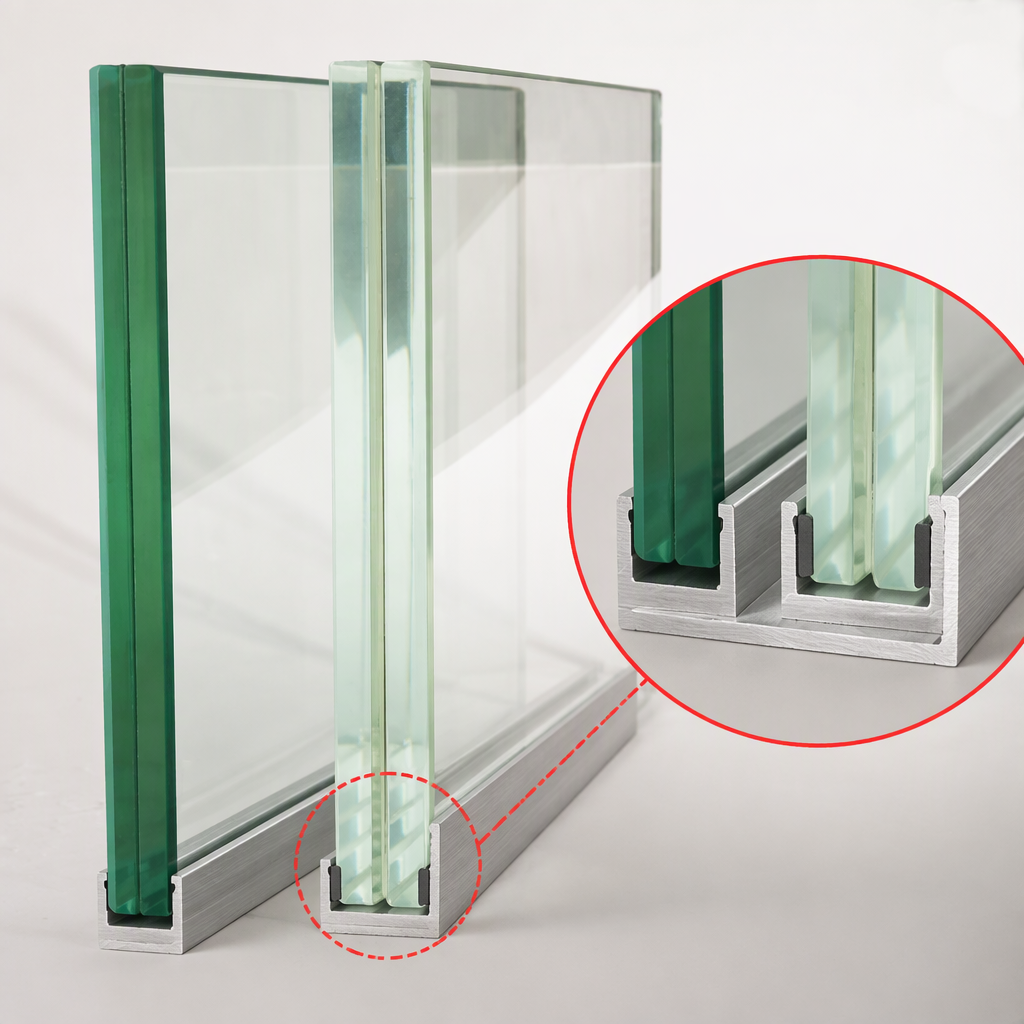
Fire-rated glazing increasingly depends on laminated layers, intumescent interlayers and tested frame systems. A single tempered pane may be part of the assembly, but the final rating must be proven as a complete construction.

Technical Data

Procurement Selection Matrix for Heat and Fire-Affected Applications

Use this matrix to align an application with the right construction and evidence pack. Final thickness, coatings and fire classification must be confirmed against the drawing and applicable building code.

Selection matrix — confirm project-specific testing before purchase order
ApplicationTypical glass constructionEvidence to requestBuyer note
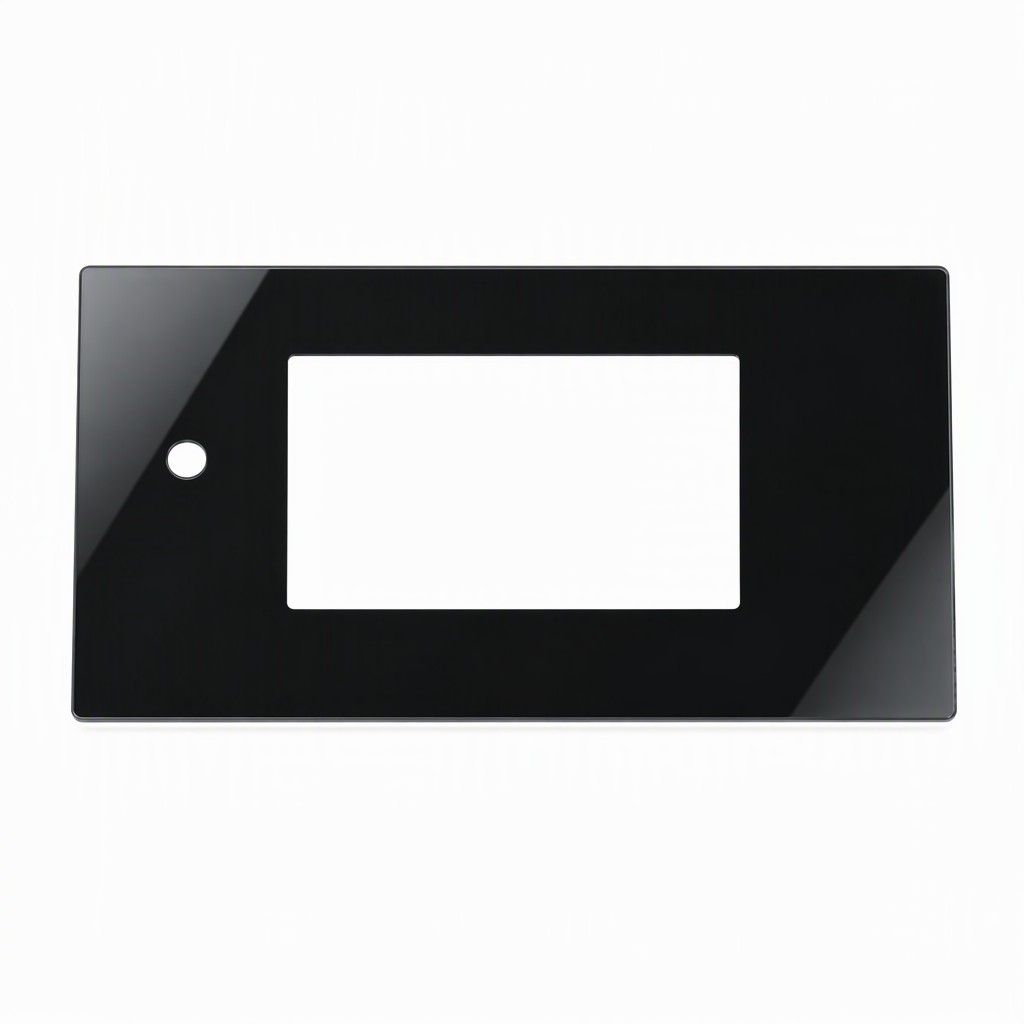
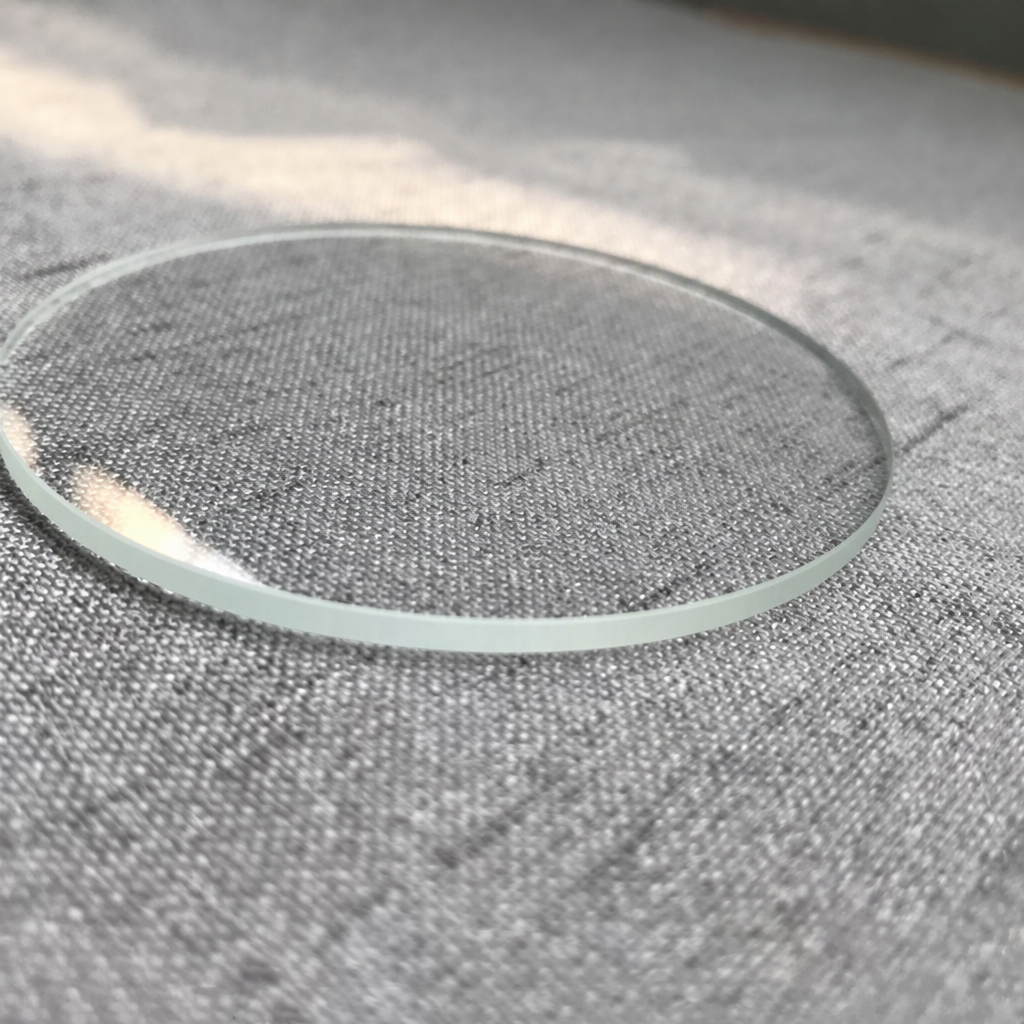
Cooktop, microwave, oven door3–6 mm heat-resistant printed tempered glass; high-temperature ink; polished or safety edgeCE certificate, RoHS, print adhesion, thermal cycling, fragmentation, edge qualityConfirm cut-outs, gasket compression, viewing-window transmission and cleaning-chemical exposure.
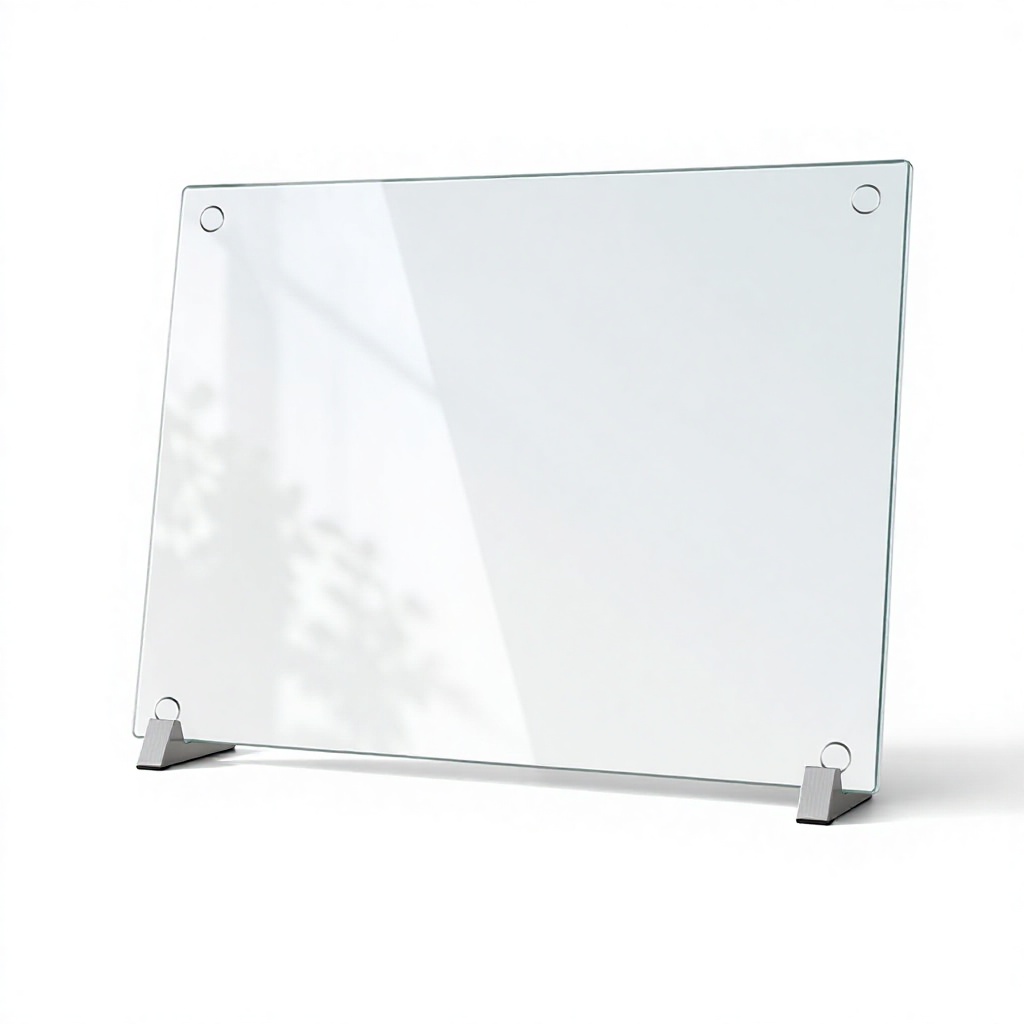
Industrial viewing window5–12 mm tempered or laminated glass; custom drilling and edge treatmentDimension report, impact data, pressure or vacuum test where applicable, packing methodDefine pressure side, gasket type, bolt torque and whether the pane is a primary barrier.
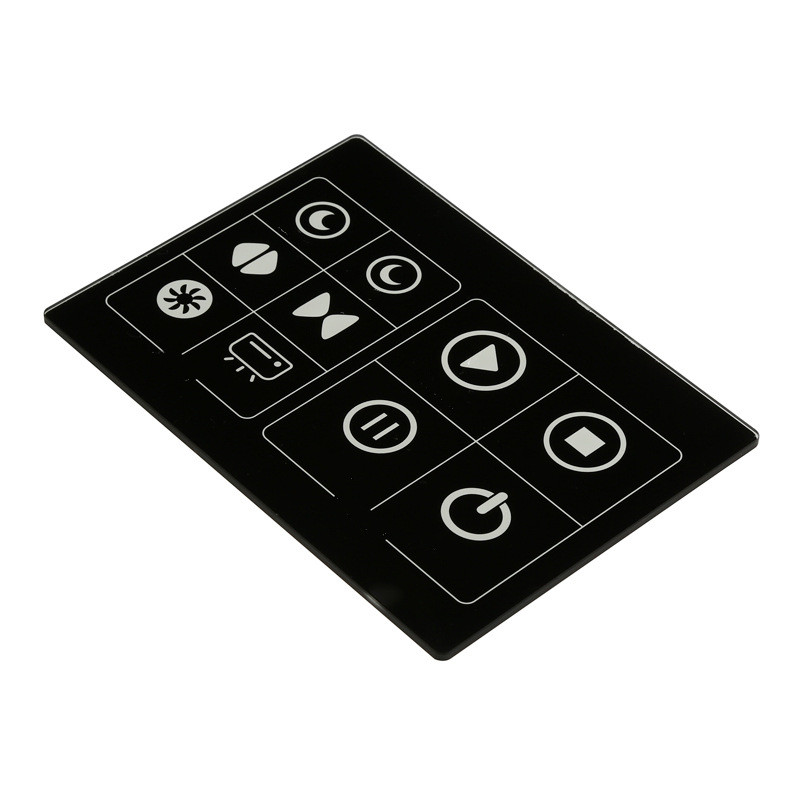
Smart-home switch or control panel1.1–4 mm tempered or chemically strengthened glass; printed icons; AF optionTouch-life report, print durability, colour reference, RoHS, adhesive tape specificationControl LED colour, hidden-ink density, touch-zone tolerance and fingerprint performance.
Medical / HMI display0.5–3 mm chemically strengthened or Gorilla-type cover; AR/AG/AF coatingTransmission, haze, hardness, coating durability, cleaning-agent compatibilityMatch coating to display brightness and disinfection protocol; approve anti-glare level visually.
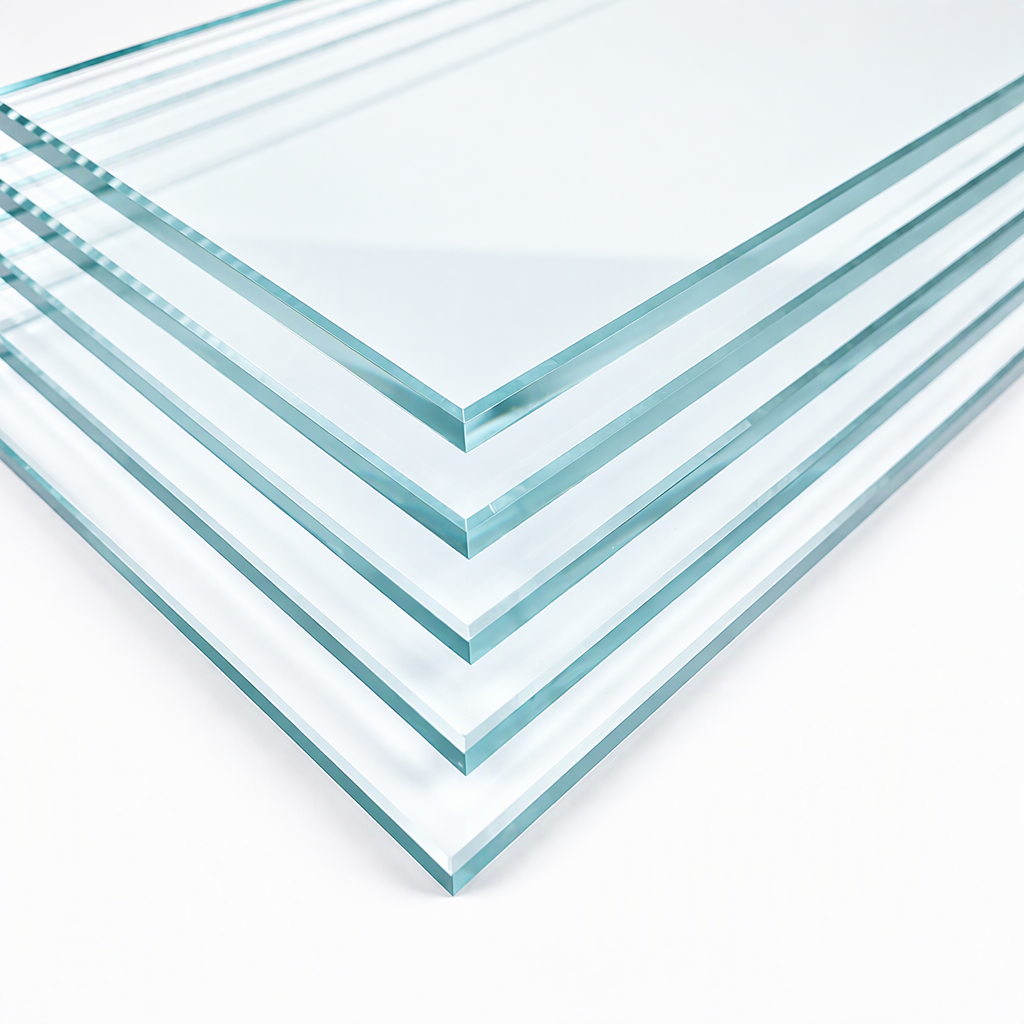
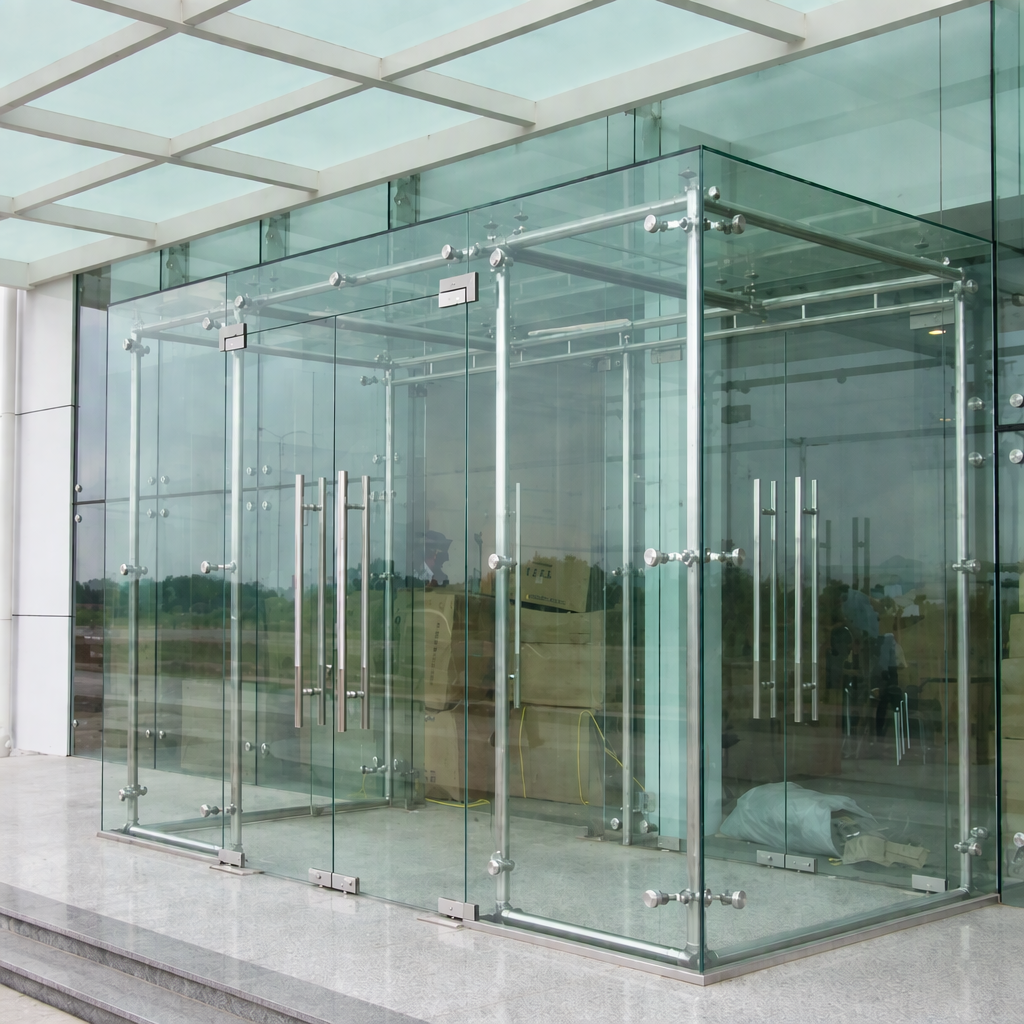
Solar and architectural glazing3–6 mm low-iron tempered solar glass; printed or patterned optionsTransmittance data, CE, dimensional report, wind-load or thermal-stress calculationClarify visible-light versus solar transmission and confirm frame drainage and edge clearance.
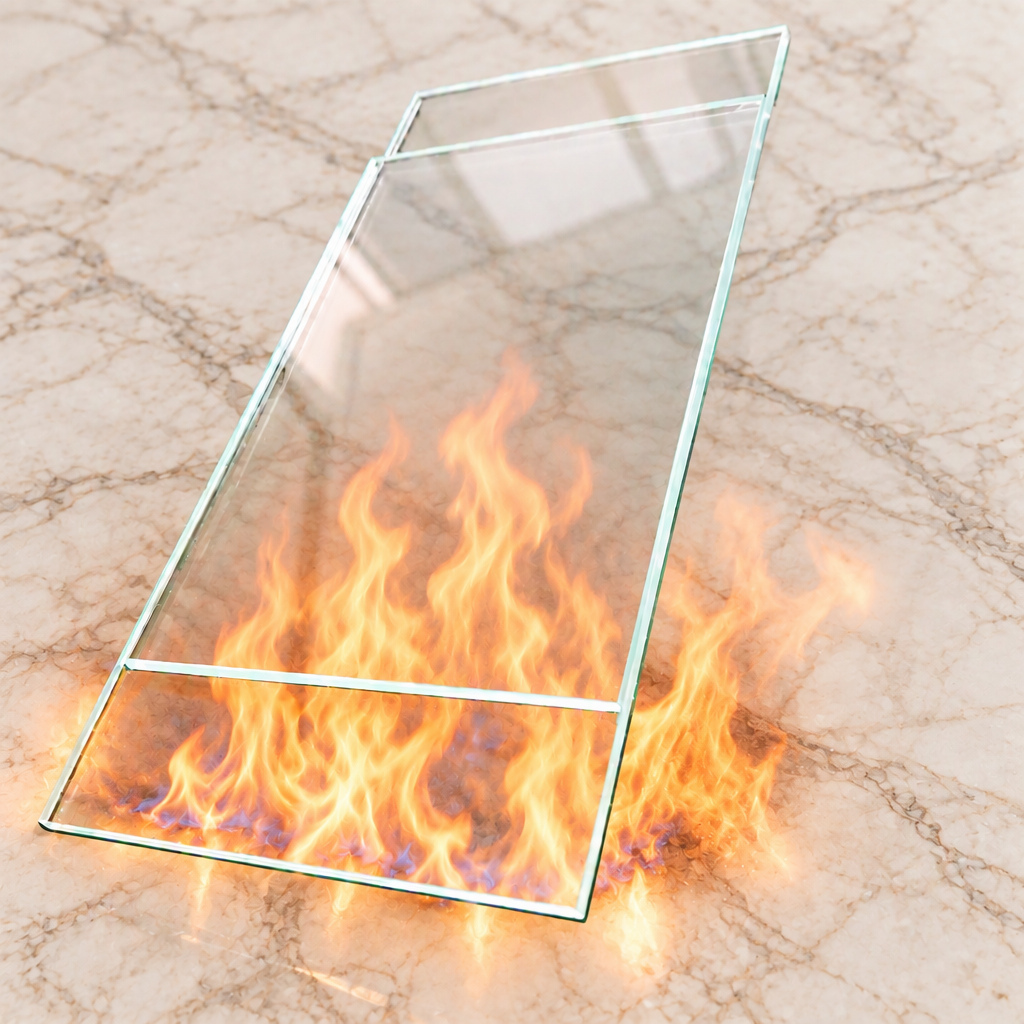
Fire-rated screen or doorSystem-tested laminated / intumescent fire glass assembly, not a single standard paneEN 13501-2 classification, EN 1363-1 test evidence, installation manual, edge-cover dataValidate the complete system with the frame, sealant and door hardware supplier before approval.
Manufacturer Advantage

Why Wholesale Buyers Choose Qingdao Maupe Glass Co., Ltd.

Founded in 2012, Qingdao Maupe Glass Co., Ltd. is a glass deep-processing manufacturer and international supplier serving OEM brands, distributors and project buyers from more than 80 countries.

One Roof, One Tolerance Chain

Cutting, CNC shaping, edge polishing, drilling, engraving, silk-screen printing, physical tempering and chemical strengthening are controlled under one production system, reducing hand-off risk.

Documented Quality System

ISO 9001 certificate No. 24025Q20015R1S, RoHS certificate No. 25TYT12395 and CE certificate No. 23TYT082593S support customer compliance files and supplier audits.

OEM / ODM Response

More than 10 years of OEM experience, with drawing review, artwork checking, sampling, golden-sample approval and repeat-order traceability for branded programs.

Export-Ready Logistics

The factory is close to Qingdao seaport and airport. Accepted terms include FOB, CIF, EXW, FAS, FCA, CPT, DDP, DDU and express delivery, with protective export packing.

Material and Ink Control

Eco-friendly high- and low-temperature inks, clear or ultra-clear glass, high-alumina options and controlled coating processes support scratch resistance and long service life.

Engineering and Inspection Support

Incoming material inspection, finished-product inspection, supplier assessment procedures and SGS onsite assessment help buyers reduce incoming rejects and line stoppages.

Certifications

Verifiable Certifications for Procurement Files

Certificate numbers are shown so compliance teams can verify scope directly with the issuing body. Always request the current valid copy with your quotation.

ISO 9001 quality management system certificate

ISO 9001 Quality Management

Certificate No. 24025Q20015R1S. Scope covers float glass and technical glass products. Valid to 02/2028.

RoHS compliance certificate

RoHS Compliance

Certificate No. 25TYT12395. Restricts hazardous substances for EU electrical and electronic equipment. Valid to 12/2030.

CE certificate for tempered glass

CE Marking

Certificate No. 23TYT082593S. Tempered glass scope supports market access across the European Economic Area. Valid to 08/2028.

Procurement FAQ

Questions Wholesalers Ask Before Ordering CE-Certified Glass

Clear answers reduce quotation cycles. If your project involves a fire rating, always include the required classification and installation context in the first email.

Are Qingdao Maupe Glass products CE certified?

Yes. Qingdao Maupe Glass Co., Ltd. holds CE certificate No. 23TYT082593S for tempered glass, alongside ISO 9001 and RoHS certification. Buyers can request the current certificate copy and scope for their procurement file. For fire-rated applications, request project-specific fire classification evidence because CE marking for tempered safety glass is separate from an EI/EW/E fire rating.

Does CE certification make a glass panel fire-resistant?

No. CE marking confirms compliance with the applicable product standard and factory control system. Fire resistance is a performance classification proven by tests such as EN 13501-2 and EN 1363-1 for the complete assembly. A buyer should specify E, EW or EI class, minutes, frame type, edge cover and installation method before approving a fire-rated glazing system.

What is the difference between heat-resistant tempered glass and fire-rated glass?

Heat-resistant tempered glass is designed to withstand thermal exposure in appliances, cooktops, microwave doors, lighting and industrial equipment. Fire-rated glass is a tested system intended to limit flame, smoke or radiant heat for a defined period. A tempered pane may be a component of a fire-rated assembly, but it should not be described as fire-rated unless the complete construction has the relevant classification.

What is the minimum order quantity and typical lead time?

Most custom silk-screen printed panels start from 10 to 100 pieces depending on size, thickness, print colours and coating. Large display cover glass can start from 10 pieces. Samples are available for fit, colour and touch verification before mass production. Lead time depends on drawing approval, material availability, tooling and order quantity; request a scheduled quotation with your target delivery date.

Can you print logos, touch icons and hidden display windows?

Yes. Silk-screen printing can reproduce logos, icon layers, touch zones, hidden windows, gradients and multi-colour graphics using high- or low-temperature inks. Send AI or PDF artwork with colour references and layer order. For backlit or touch interfaces, specify ink density, light transmission and the location of capacitive sensor zones so the print design can be reviewed together with the electronics stack.

Which thicknesses and coatings can I specify?

Common thicknesses range from 0.5 mm to 12 mm, depending on whether the part is chemically strengthened or physically tempered. Coating options include AR anti-reflective, AG anti-glare and AF anti-fingerprint treatments. Edge finish, holes, countersinks, notches and adhesive tape can be customised. Confirm the working environment, cleaning chemicals and display brightness so the coating and glass type are matched to the application.

What files should I send for an accurate quotation?

Send a 2D drawing in DWG, DXF or PDF with dimensions, thickness, edge finish, hole positions and tolerances. Add print artwork in AI or PDF with colour references, plus coating requirements such as AR, AG or AF. State the application, annual volume, target certification, packing requirement and delivery term. If fire performance is required, include the classification and assembly details.

How do you control quality and export packing?

The factory operates incoming material inspection, in-process checks and finished-product inspection under an ISO 9001 system. Panels are protected with interleaving, edge protection, moisture barriers and export-grade cartons or crates as required. Share your receiving conditions and any special labelling or pallet requirements so packaging can be specified before shipment.

Do you support OEM/ODM and private-label wholesale programs?

Yes. With more than 10 years of OEM experience, Maupe Glass supports custom dimensions, print artwork, coating selection, sample approval, private-label packaging and repeat-order traceability. The team can review manufacturability, propose tolerances and prepare a golden sample for brand approval before mass production.

What payment and delivery terms are available?

Accepted delivery terms include FOB, CIF, EXW, FAS, FCA, CPT, DDP, DDU and express delivery. Payment methods include T/T, L/C, PayPal, Western Union and cash, in USD, EUR or CNY. The factory is close to Qingdao seaport and airport, which supports practical consolidation and export scheduling for wholesale and project orders.
Request a Quotation

Ready to Shortlist a CE-Certified Glass Manufacturer?

Send your drawing, target fire class if applicable, annual volume, coating requirement and print artwork. Our engineers will review manufacturability, tolerance, certification scope and packing before quotation.

info@maupeglass.com
Get Catalog