CE Certified Fused Quartz Glass Factories & Wholesalers
A 2025 procurement and engineering guide for OEM buyers comparing high-purity fused quartz, tempered cover glass, printed control panels and CE/RoHS-compliant functional glass suppliers.
Get Catalog8 Functional Glass Products for CE-Certified Project Teams
Fused quartz buyers often need adjacent technical glass parts for the same assembly. The eight production-ready product families below are recommended for OEM sourcing reviews, sample validation and supplier benchmarking. All URLs are preserved for direct product verification.
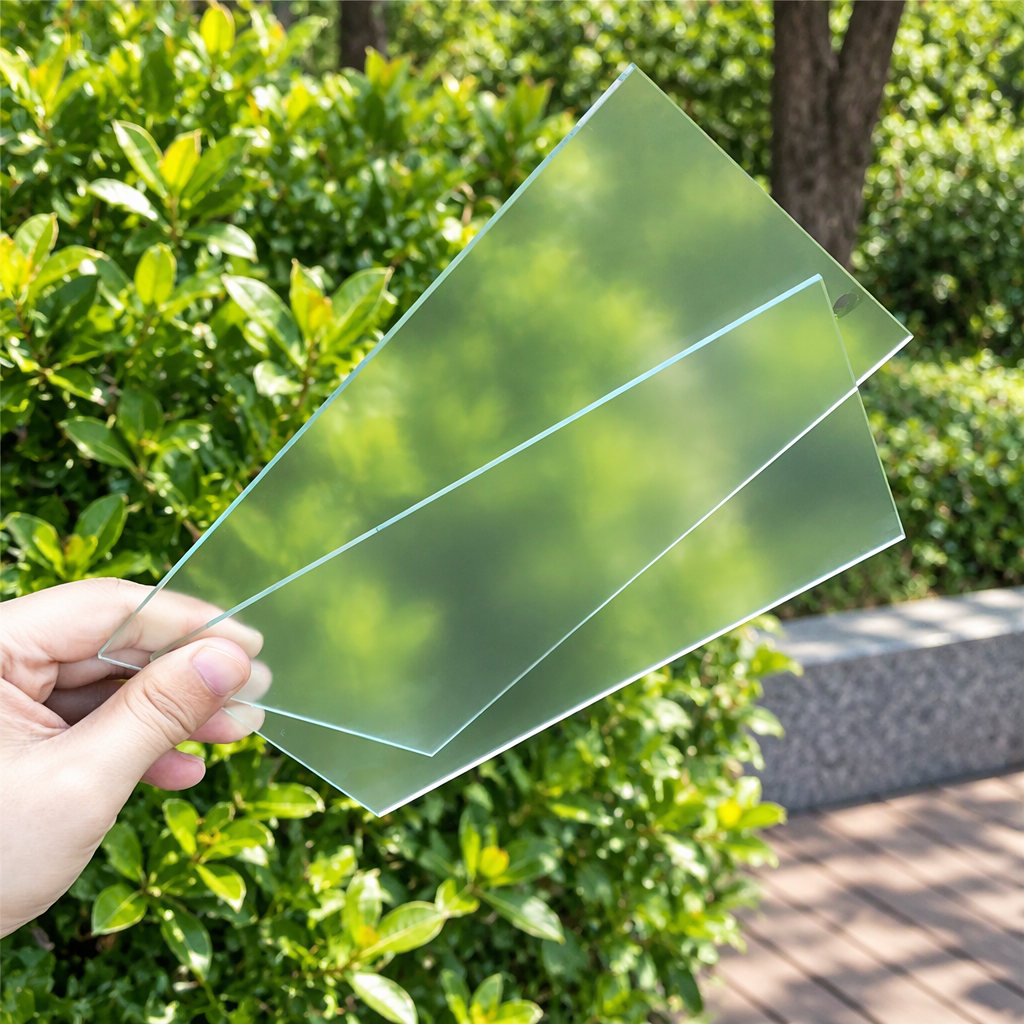
High Quality Industrial Screen Front Cover Glass Frosted Anti-glare Glass for Screen Protector
Recommended for machine windows, industrial displays and bright factory environments where glare control and surface durability improve operator readability.
View product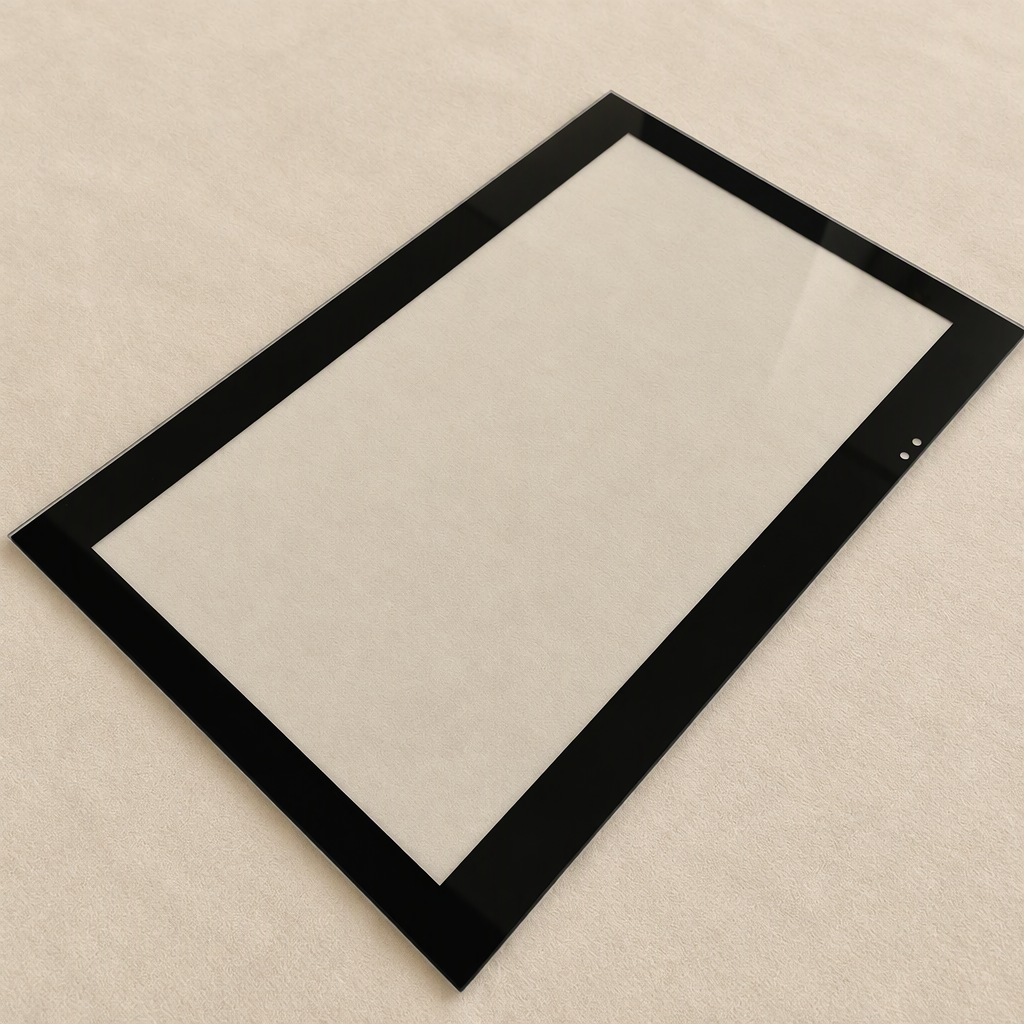
Tempered Glass Panel Silk Screen Printed Flat Display Screen Protector Glass for LCD TV Industrial Decoration
Recommended for display windows, TV front covers and industrial decoration where a printed black border and consistent glass flatness are required.
View product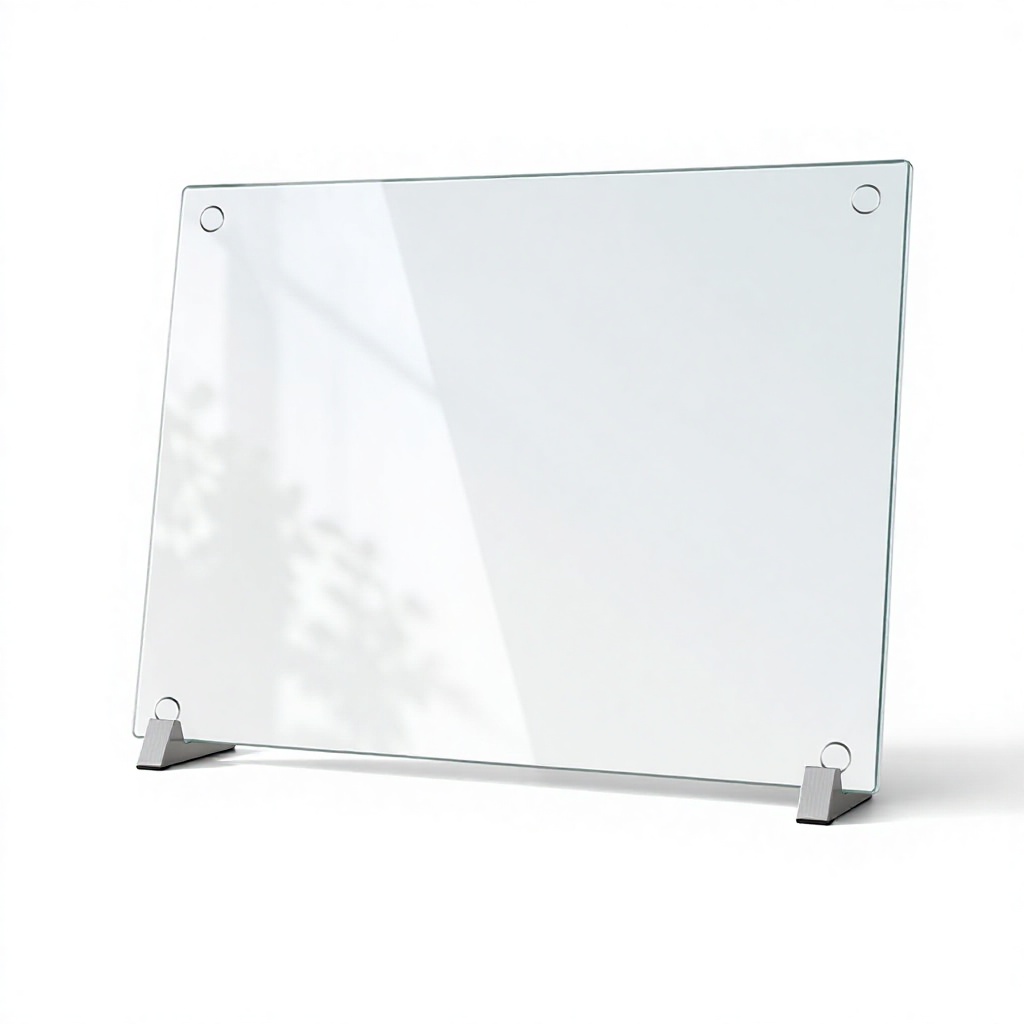
Custom Size Clear Tempered Glass Curtain Wall Panel Multi Function Print Glass Whiteboard Glass
Recommended for office partitions, writable glass walls and decorative architectural panels requiring large-format cutting, edge treatment and safe tempering.
View product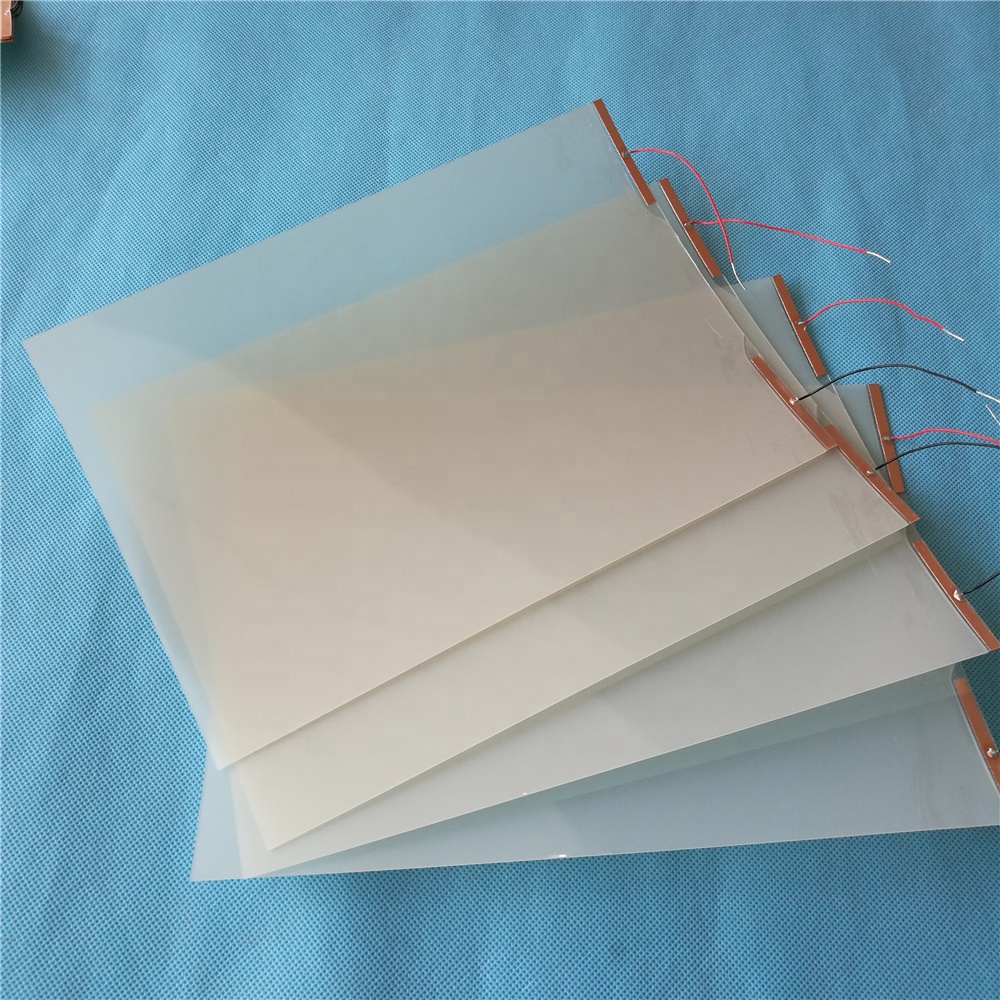
Factory Price Electrochromic Anti-UV PDLC Film Smart Switchable Privacy Glass Office Partition and Curtain Walls
Recommended for meeting rooms, executive offices and smart-building partitions where on-demand privacy and anti-UV performance support premium commercial interiors.
View product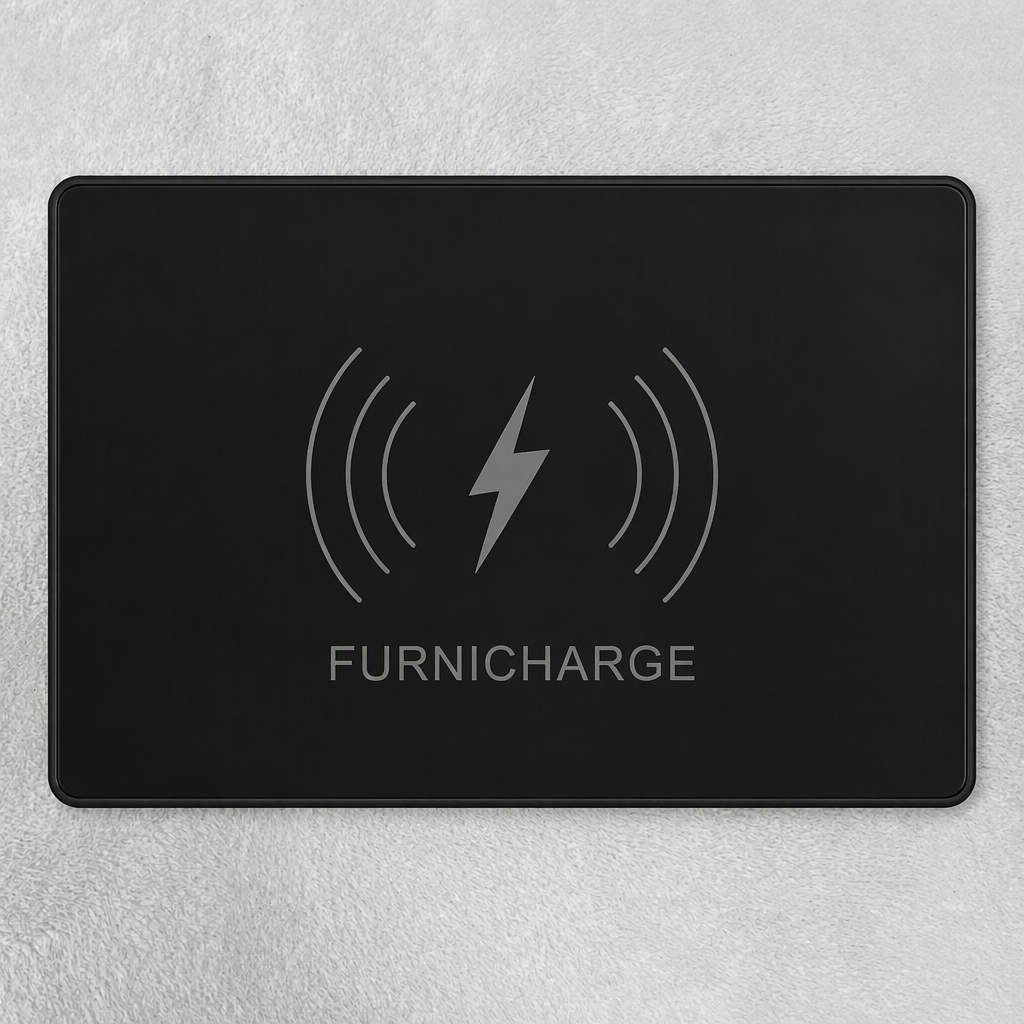
Smart Tempered Glass Bedside Table Panel for Tea Table Wireless Charging Front Cover Glass Touch Light Switch Glass
Recommended for smart furniture, hotel rooms and premium tables where glass integrates wireless charging, touch lighting and clean printed graphics.
View product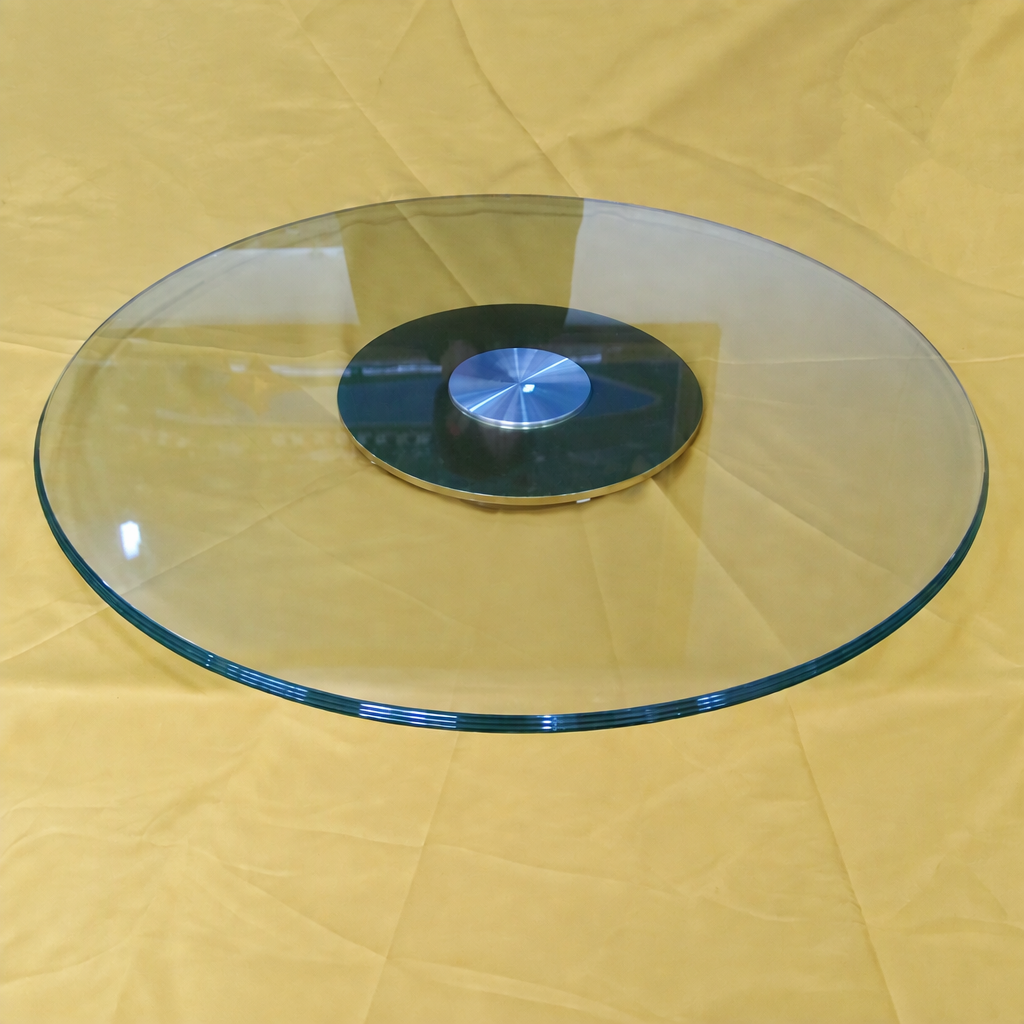
Tempered Glass Lazy Susan 50cm 60cm 70cm 90cm Lazy Susan Turntable Strengthened Glass
Recommended for restaurants, hotels and furniture wholesalers needing durable, easy-clean glass turntables in multiple diameters with consistent edge finishing.
View product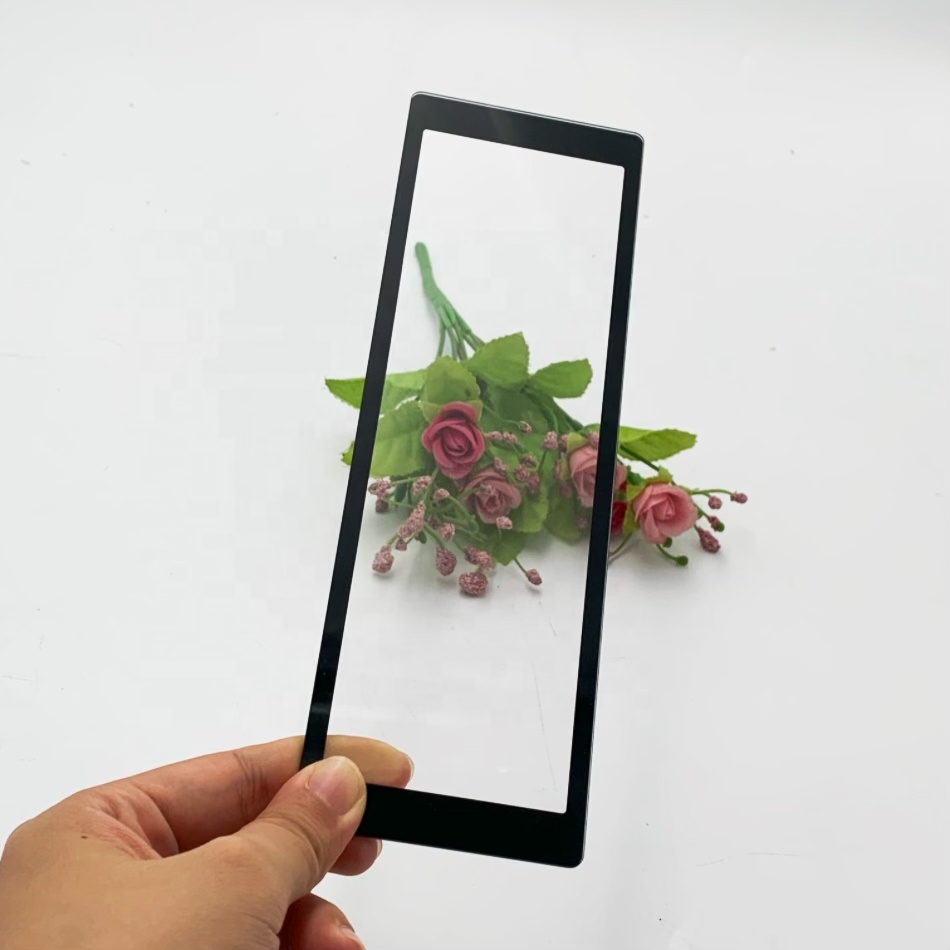
Custom Silk Screen Printed Tempered Glass Panel Touch Screen Display Cover Glass
Recommended for control panels and touch displays requiring icon printing, precise window openings and a scratch-resistant front surface.
View product
Tempered Glass Panel With 3M Adhesive Tape Silk Screen Printing for Electrical Appliance Decoration Front Cover Glass
Recommended for appliance front covers and electrical equipment where pre-applied 3M adhesive tape simplifies assembly and reduces secondary bonding steps.
View productCE Certification Alone Does Not De-Risk a Fused Quartz Purchase
Experienced procurement teams treat “CE certified” as a starting point, not a final answer. The strongest programmes combine material traceability, process capability, inspection records, packaging validation and a supplier whose quality system can be audited against the actual claim.
What to Verify in a CE-Certified Fused Quartz Factory or Wholesaler
A credible factory and a trading wholesaler can both be valid partners, but they must be evaluated differently. Ask for evidence that the claimed process, certificate scope and export history are aligned with your part drawing and destination market.
1. Certificate scope and numbers
Check the CE certificate number, standards cited, validity date and product scope. For technical glass, confirm whether the certificate covers tempered glass, coating, silk-screen printing or the exact finished assembly being purchased. A CE logo image alone is not sufficient information gain for a serious sourcing decision.
2. Material and batch traceability
For fused quartz, ask for grade, purity, OH content, thermal expansion data and raw blank source where applicable. For tempered or printed technical glass, request glass type, thickness tolerance, ink system, tempering method and batch identification so quality can be traced after mass production.
3. In-house process control
Cutting, CNC shaping, edge polishing, drilling, printing, tempering and coating should be controlled with defined inspection points. A supplier with one-roof process control can usually respond faster to tolerance questions, color matching requests and rework risks than an intermediary that subcontracts key steps.
4. Pre-production documentation
Require a drawing review report, sample approval record, print color reference, packaging drawing and inspection plan. For high-value fused quartz or coated glass, define cosmetic acceptance criteria and measurement methods before production, not after the first shipment.
5. Export packaging and logistics
Glass loss usually happens after inspection, not before. Review carton strength, edge protection, moisture control, pallet configuration and container loading method. A factory close to Qingdao seaport and airport, such as Maupe Glass, can simplify export coordination and third-party inspection visits.
6. Commercial and compliance clarity
Confirm MOQ logic, sampling cost, lead time, Incoterms, payment currency, warranty terms and documentation language. The best supplier is not simply the lowest quotation; it is the supplier whose compliance evidence and production data reduce your total procurement risk.
Qingdao Maupe Glass: Evidence-Based Advantages for OEM Buyers
As an ISO 9001 glass deep-processing manufacturer established in 2012, Qingdao Maupe Glass Co., Ltd. supports buyers who need printed tempered glass, touch panel cover glass, switch panel glass, appliance glass and AR/AG/AF coated display glass. The company’s strengths are most relevant when a project needs custom drawings, multiple process steps and export-ready documentation.
Certified quality system
ISO 9001 certificate No. 24025Q20015R1S supports a documented quality management approach. The factory holds CE certificate No. 23TYT082593S for tempered glass and RoHS certificate No. 25TYT12395, giving compliance teams verifiable reference numbers to review.
SGS onsite assessment
SGS onsite assessment and a history of serving Fortune 500 procurement contracts are meaningful trust signals for buyers who cannot immediately visit the factory. They should still be paired with project-specific samples and inspection records.
One-roof deep processing
Cutting, CNC shaping, edge polishing, drilling, engraving, high- and low-temperature silk-screen printing, physical tempering, chemical strengthening and AR/AG/AF coating can be coordinated under one factory system, reducing hand-off risk between subcontractors.
Global export experience
The company reports exports to more than 80 countries and an export share of 91–100% of output. That experience is useful for buyers who need English documentation, protective export packing and familiar trade terms such as FOB, CIF, EXW, FCA, CPT, DDP or DDU.
How experienced buyers weight supplier evidence
Editorial planning example based on common OEM sourcing priorities. Use it to structure your own scorecard rather than as a fixed formula.
Information gain: request a pre-production audit pack that includes the drawing review, sample approval, print color reference, inspection plan and packaging drawing. This one request often reveals more than a long catalogue presentation.
Get CatalogFuture Procurement Trends for Fused Quartz and Technical Glass
The supplier landscape is shifting from “find the lowest price” toward “secure a verifiable, flexible and compliance-ready supply chain.” The strongest procurement teams are building dual-source strategies, requesting digital evidence and shortening the sample-to-production cycle.
Dual sourcing and China + 1
Buyers increasingly qualify one primary factory and one backup supplier for critical glass parts. The backup may be in another region or another process-specialised factory, but both should be validated with the same drawing and inspection criteria.
Digital quality passports
Batch records, inspection images, coating data and packaging photos are becoming part of the purchase order. Suppliers that can share structured quality evidence reduce disputes and make remote factory approval more reliable.
Lower MOQ and faster sampling
Custom glass projects now expect realistic samples before mass production. A supplier that can support 10–100 piece trial runs, print colour matching and fit verification is often more valuable than a factory that only accepts large minimum orders.
Total cost of compliance
Procurement teams are adding RoHS, REACH awareness, CE documentation, packaging recyclability and transport damage rates to the cost model. A lower unit price can be false economy if documentation gaps delay customs release or customer approval.
Where Fused Quartz and Functional Glass Demand Is Moving Next
Demand is expanding beyond simple protective glass. Higher-purity quartz, coated display glass, thin chemically strengthened covers and integrated smart surfaces are creating new specifications for OEM buyers.
High-purity fused quartz in advanced manufacturing
Semiconductor equipment, laboratory optics, photovoltaic processes and high-temperature sight windows continue to require fused quartz grades with controlled purity and thermal stability. Buyers should request grade-specific data rather than relying on the generic term “quartz glass.”
AR, AG and AF coatings
Display readability, fingerprint resistance and glare control are now standard expectations in medical, industrial, appliance and smart-home products. Coated glass suppliers need consistent coating thickness, adhesion and optical test methods.
Switchable privacy and smart surfaces
PDLC and electrochromic glass are moving from premium architectural projects into office partitions, healthcare spaces and residential interiors. Procurement should define switching voltage, haze, UV resistance and lifetime expectations clearly.
Thin chemically strengthened glass
For electronic covers, touch panels and lightweight devices, chemical strengthening allows 0.5–2 mm glass to deliver high surface compression with excellent flatness. It is a different process from physical tempering and should be specified by application, not by habit.
Printed appliance and control panels
Consumers now expect appliance panels to combine touch control, backlit icons, scratch resistance and heat tolerance. High-temperature inks and controlled silk-screen printing are becoming a competitive requirement in kitchen and household appliances.
Customised mixed-material assemblies
Fused quartz is often used alongside tempered glass, adhesive layers, films and printed components. Buyers should evaluate the whole stack-up, not just the glass sheet. Adhesive choice, expansion mismatch and cleaning compatibility can affect the final yield.
Fused Quartz, Tempered Glass and Wholesaler Selection: Practical Guidance
Fused quartz is not a generic substitute for tempered soda-lime glass, and a wholesaler is not automatically less capable than a factory. The right choice depends on optical requirements, thermal conditions, mechanical risk, volume and how much process traceability your customer requires.
Choose fused quartz when thermal and optical purity matter
Fused quartz is valued for high purity, low thermal expansion, excellent optical transmission and strong thermal shock resistance. It is often selected for high-temperature viewing windows, laboratory components, semiconductor-adjacent parts and optical applications. Always verify the exact grade and data sheet.
Choose tempered glass when safety and cost balance matter
Physical tempering is commonly used for appliance doors, switch panels, display windows and industrial covers where safety glass behaviour and cost efficiency are important. The glass is typically 2 mm and thicker, and all cutting, drilling and edge work must be done before tempering.
Choose a wholesaler when range and responsiveness lead
A specialist wholesaler may offer faster quotation across multiple glass categories, smaller mixed orders and consolidated shipping. However, the buyer should still identify the actual manufacturing source, process owner and certificate holder for the part being purchased.
Frequently Asked Questions About CE-Certified Fused Quartz and Technical Glass Sourcing
These are the questions most often raised by purchasing, engineering and compliance teams before requesting samples or placing an OEM order.
Is “CE certified fused quartz glass” a single universal certificate?
No. CE marking relates to the applicable product legislation and declaration process, not to a universal “fused quartz” certificate. Ask the supplier to identify the exact standard, certificate number, product scope and declaration of conformity. For technical glass used in an assembly, the finished product may also require separate assessment by the equipment manufacturer.
How can I verify a factory’s CE, RoHS and ISO 9001 claims?
Request clear copies of the certificates and check the certificate holder name, scope, standard, issuing body and validity period. For example, Qingdao Maupe Glass Co., Ltd. lists ISO 9001 certificate No. 24025Q20015R1S, CE certificate No. 23TYT082593S and RoHS certificate No. 25TYT12395. Verify these with the issuing bodies where your compliance process requires third-party confirmation.
What is the difference between fused quartz and ordinary tempered glass?
Fused quartz is a high-purity silica material with low thermal expansion and strong optical properties. Ordinary tempered glass is usually made from soda-lime glass and strengthened by a thermal process to improve safety and impact resistance. They have different material data, processing routes, cost structures and application suitability. Do not substitute one for the other without engineering approval.
What files and data are needed to start a custom glass project?
Send a 2D drawing in DWG, DXF or PDF with dimensions, thickness, edge finish, hole positions, radius and tolerance. Provide print artwork in AI or PDF with colour references and layer order, plus coating requirements such as AR, AG or AF. State the working environment, annual volume, sample deadline and any certification or documentation requirement. For fused quartz, include grade, purity and thermal or optical specifications where available.
What is the typical minimum order quantity for custom printed tempered glass?
Many custom silk-screen printed panels start from 10 to 100 pieces depending on size, thickness and number of print colours. Large-format display cover glass may start from 10 pieces. Samples are commonly made before mass production to approve fit, print colour and surface finish. MOQ should always be confirmed against the specific drawing.
Which trade terms and payment methods are commonly accepted?
Common delivery terms include FOB, CIF, EXW, FAS, FCA, CPT, DDP, DDU and express delivery. Payment may be negotiated by T/T, L/C, PayPal, Western Union or cash, in USD, EUR or CNY. Factories near Qingdao seaport and airport can often support flexible shipment planning, but the exact terms should be written into the quotation and order confirmation.
How should I choose between a factory and a wholesaler?
Choose a factory when process control, custom tooling, engineering feedback and certificate scope are critical. Choose a wholesaler or consolidator when you need a wide product range, small mixed orders or simplified export coordination. In either case, identify who controls cutting, printing, tempering, coating, inspection and packaging for your specific part.
What inspection evidence should be requested before shipment?
Request dimensional reports, appearance inspection results, print colour comparison, coating checks where applicable, tempering or strengthening records, packing photos and carton marking confirmation. For high-value projects, arrange a third-party pre-shipment inspection. Clear acceptance criteria before production are more valuable than generic quality promises after production.
Have a Drawing, Data Sheet or Fused Quartz Specification Ready?
Send your drawing, material grade, coating requirement and target quantity for manufacturability review. Buyers comparing CE-certified factories, custom technical glass suppliers and OEM wholesalers can request the latest catalogue and start a focused technical conversation.
ISO 9001 · CE No. 23TYT082593S · RoHS No. 25TYT12395 · SGS Onsite Assessed