8 Glass Panels Selected for CE-Conscious Wholesale Buyers
These panels cover architecture, appliances, industrial viewing, smart privacy, solar energy, and decorative glass. Each product page can be used as a technical starting point before drawings, tolerances, coatings, and packaging requirements are confirmed.
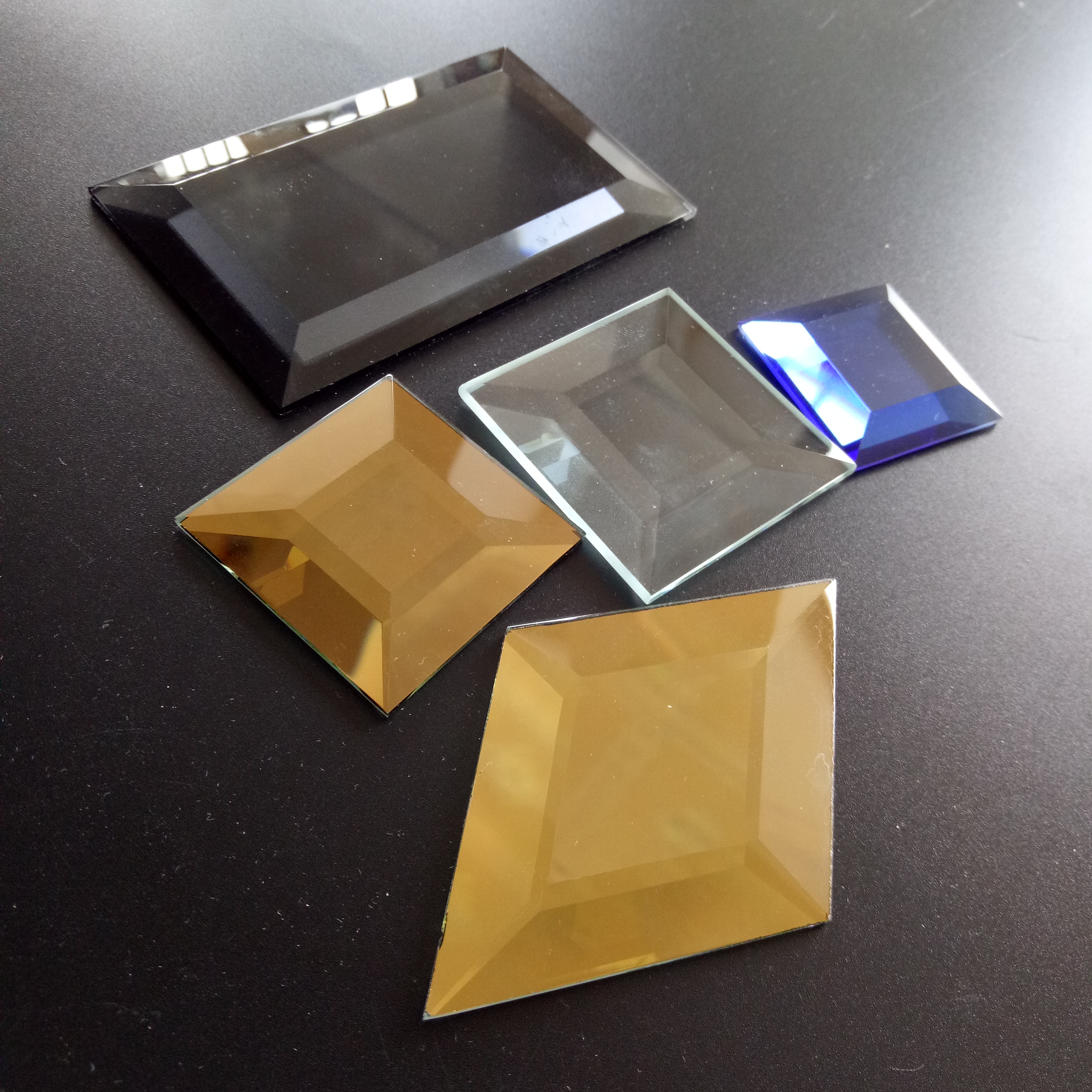
Blue Gold Faceted Beveled Glass for Wall Decoration — Clear Beveled Glass Pieces
Decorative faceted beveled glass for feature walls, luxury retail, and hotel interiors. Custom geometry, reflective blue-gold finish, and wholesale packing for damage-free delivery.
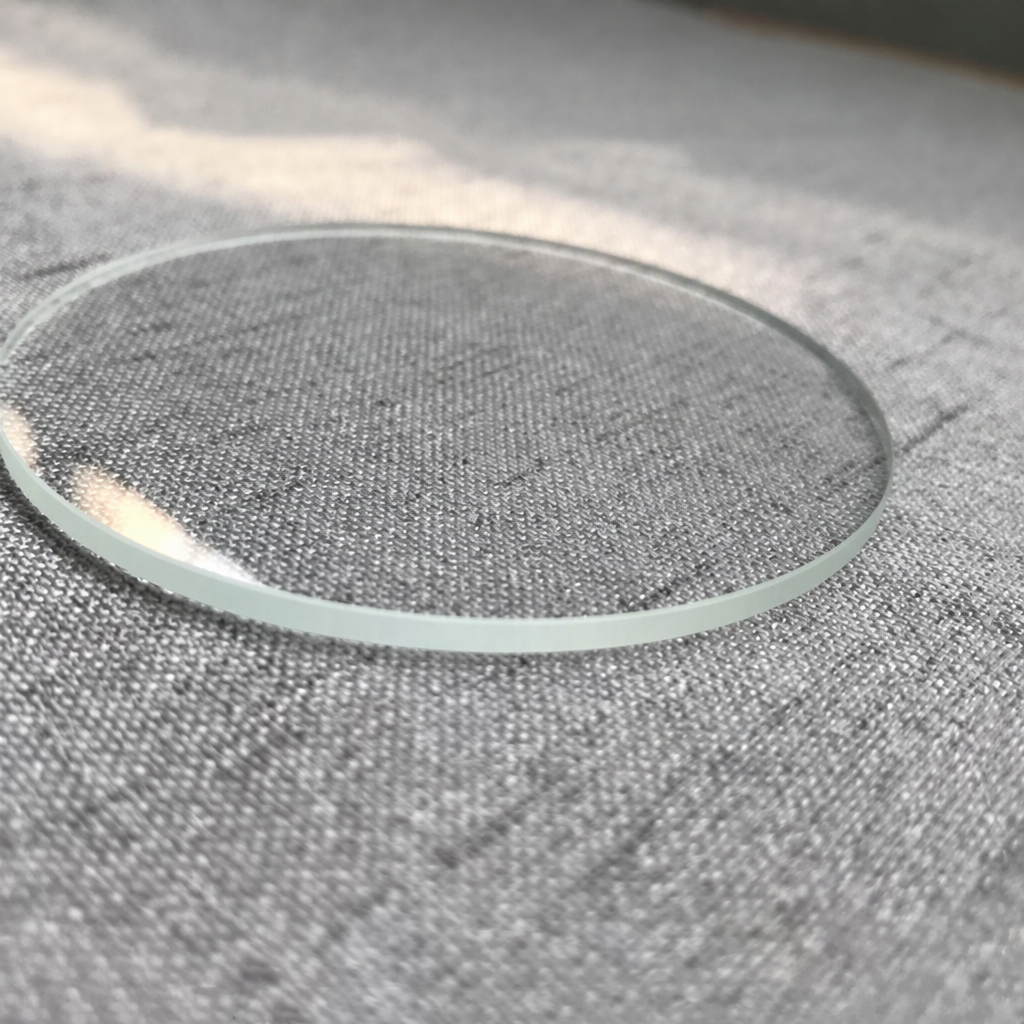
Pressure-Resistant Tempered Glass Viewing Mirror — Custom Clear Glass Panel for Industrial Workshops
Tempered viewing panels and mirrors for machine guards, inspection windows, and industrial workshops. Custom drilling, thickness, and edge polishing are available.
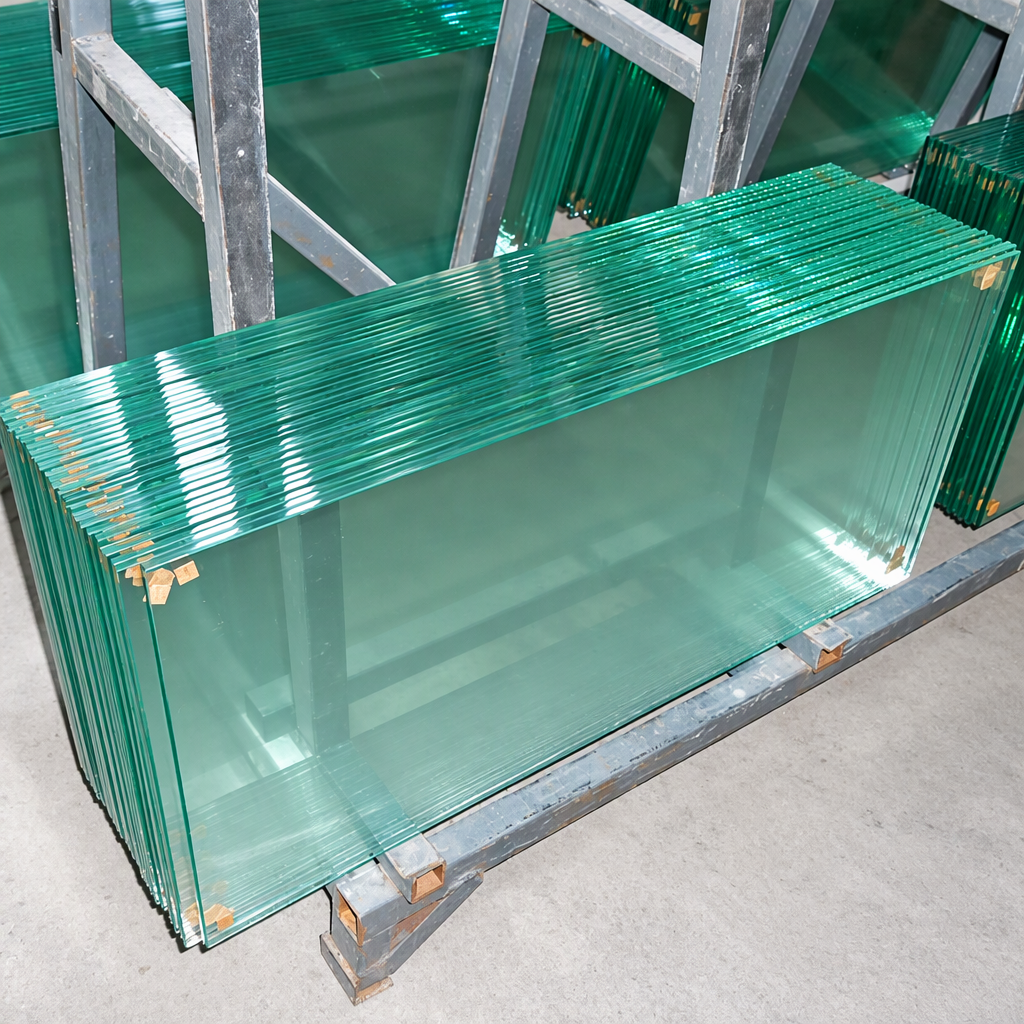
Customized Thickness and Size Clear Tempered Float Glass Panels
Clear tempered float glass supplied to wholesale thickness, dimension, hole, and edge requirements for architectural, appliance, and display applications.
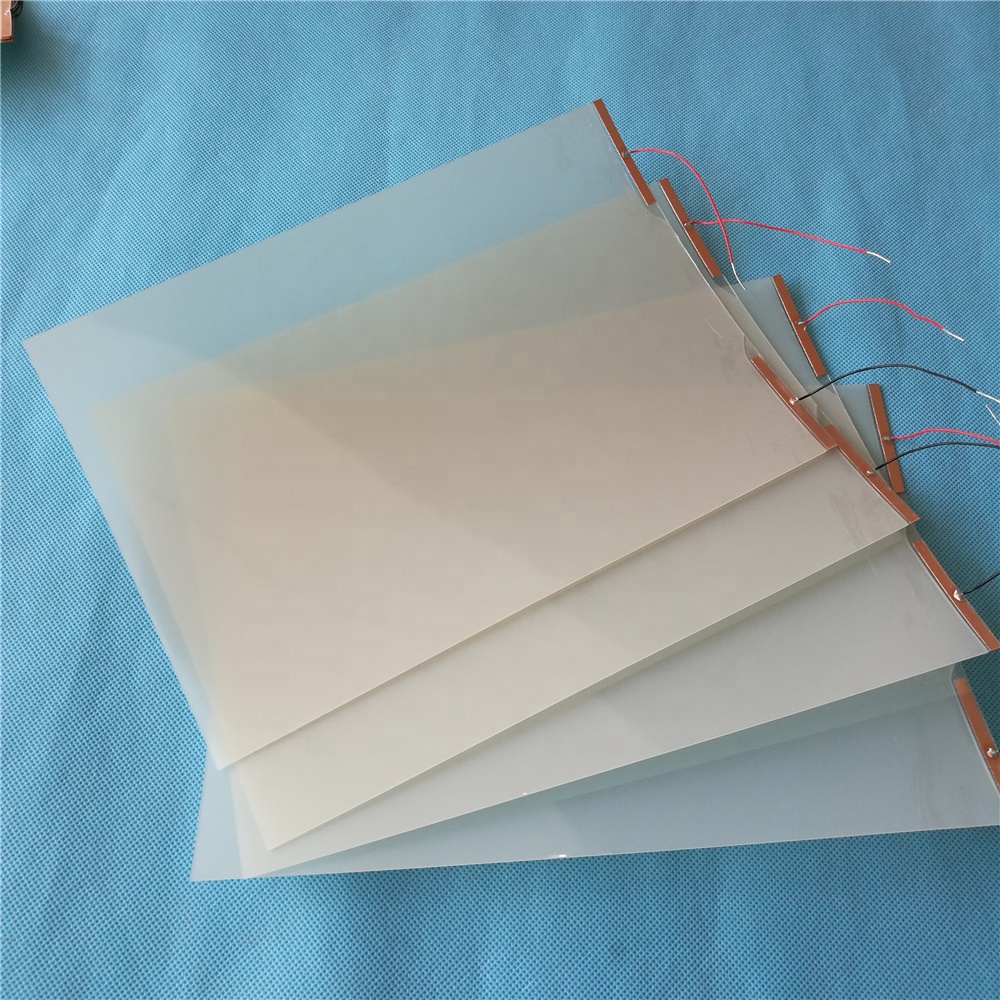
Factory Price Electrochromic Anti-UV PDLC Film Smart Switchable Privacy Glass for Office Partitions
Switchable privacy glass for partitions, curtain walls, and smart office projects. Instant privacy, anti-UV protection, and project-level wholesale supply.
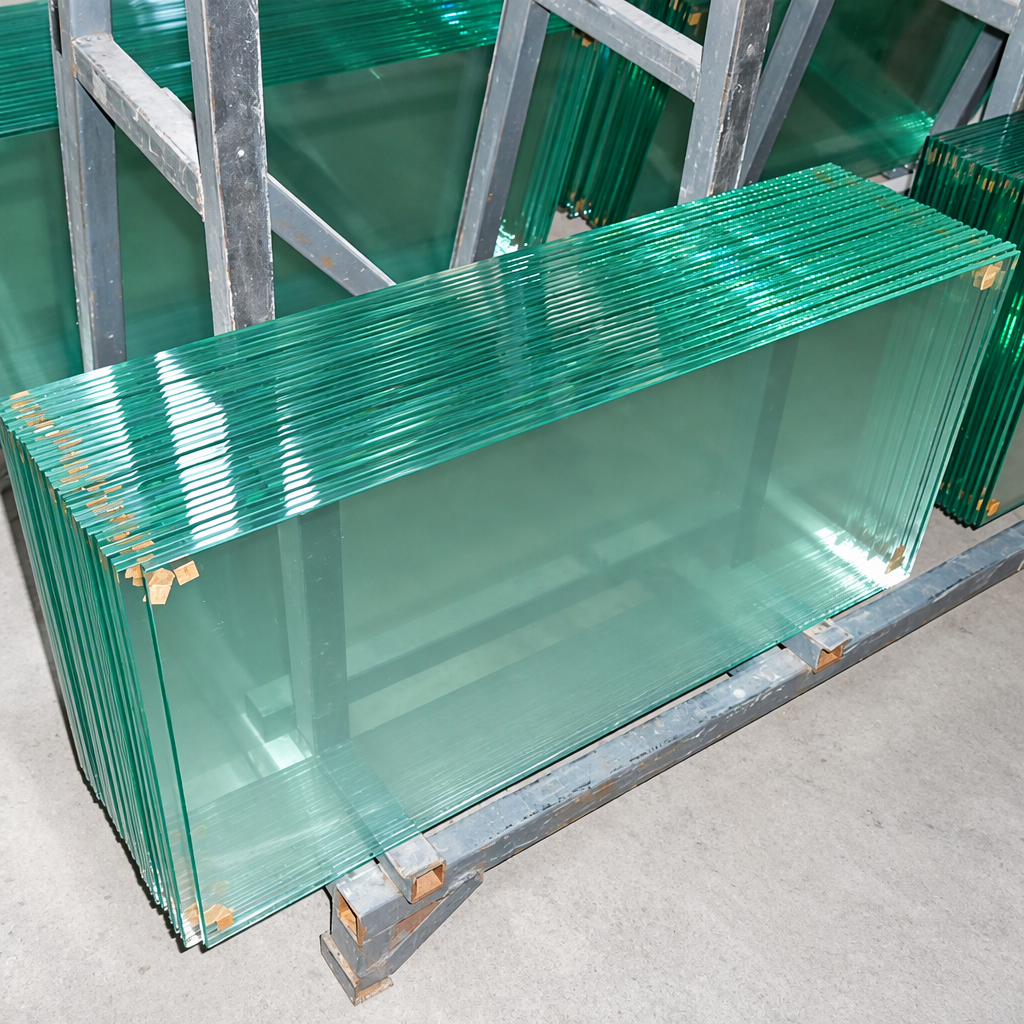
Construction & Real Estate Float Glass Factories in China — Tempered Glass
Tempered float glass for construction and real estate projects. Stable Chinese factory supply for facade, partition, railing, and interior glazing buyers.
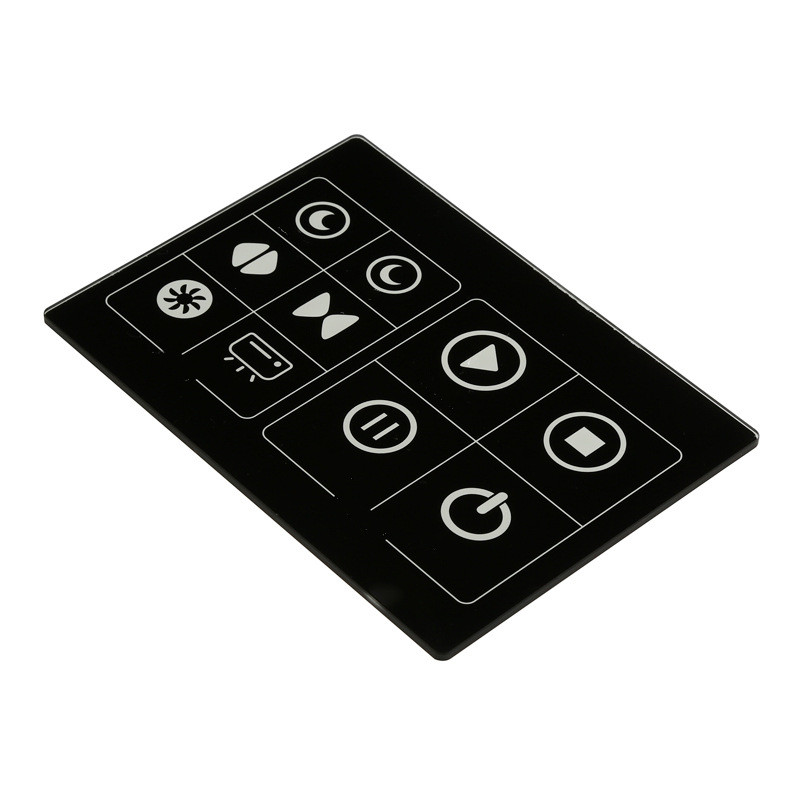
High Temperature Resistant Customized Black Printing Tempered Glass — Cooktop & Microwave Oven Door Glass
Black-printed high-temperature tempered glass for cooktops, microwave ovens, and kitchen appliances. Heat-resistant ink and precise touch-window printing.
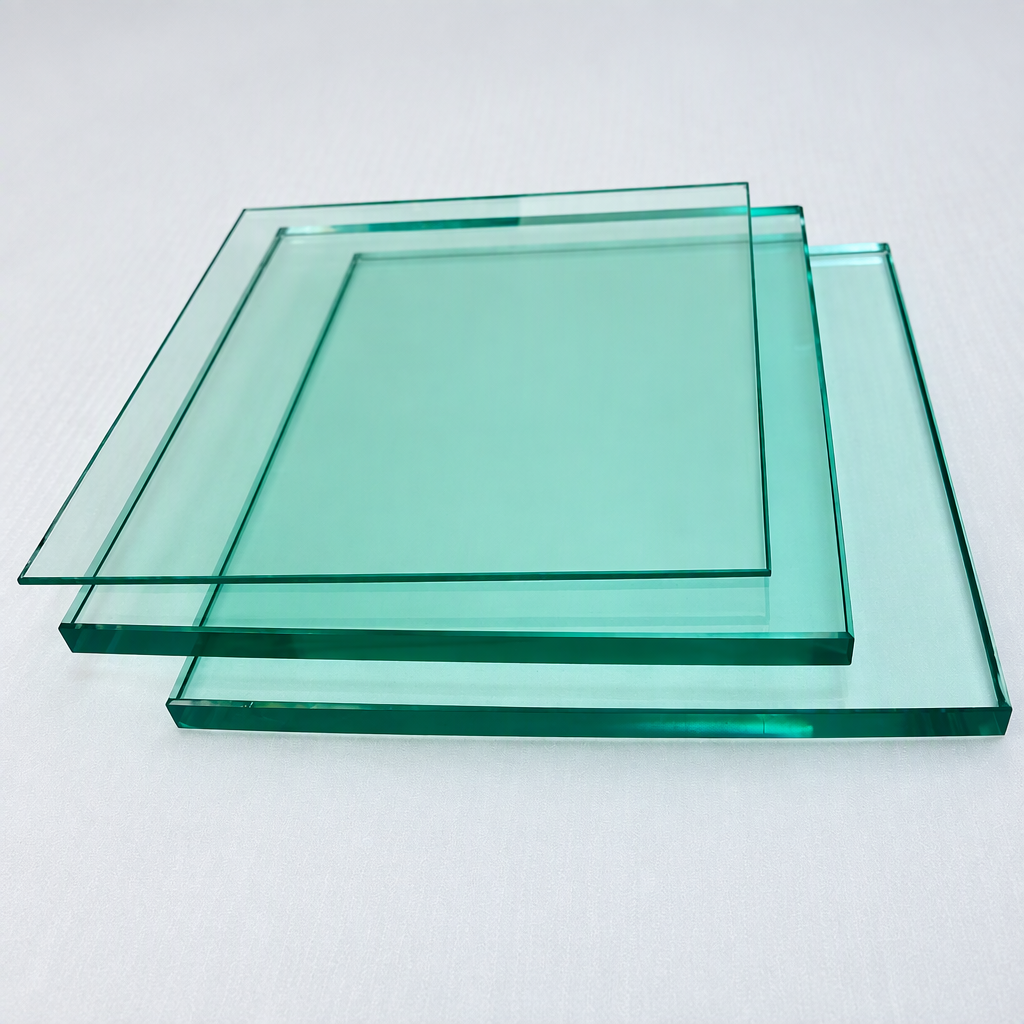
Tempered Glass Panel — Safety Glass, Flat Structural Tempered Glass
Flat structural tempered safety glass for partitions, equipment guards, shelving, and architectural components. Impact resistance with a blunt breakage pattern.
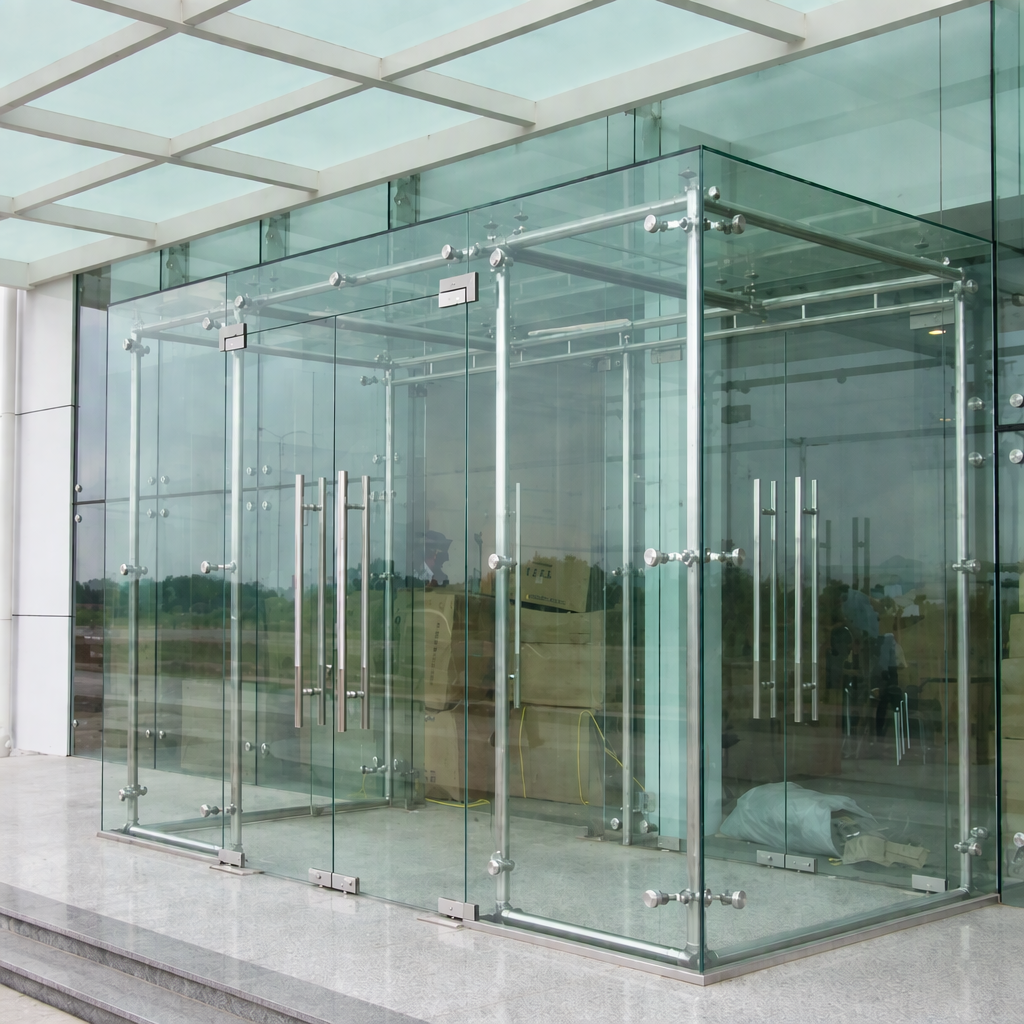
Tempered Glass Solar Window Glass — High Transmittance Clear Flat Tempered Glass
High-transmittance solar tempered glass for solar windows, energy equipment, and low-iron applications. Flat surface, stable optics, and custom thickness.
What the Query “CE Certified Glass Panel Suppliers & Wholesaler” Really Means
The phrase combines three buying intents: compliance confidence, wholesale repeatability, and application-specific engineering. A supplier that answers only one of these intents is rarely a safe long-term source.
Compliance-Led Procurement
Buyers searching for CE certified suppliers usually need an evidence trail: certificate scope, issuing body, product standard, RoHS report, and batch traceability. A logo on a website is not enough.
Wholesale Economics
Wholesaler intent means repeat volume, mixed orders, stable color, protective packaging, and predictable lead times. Unit price matters, but breakage rate and rework cost often matter more.
Application Fit
The same thickness can fail in service if the edge finish, coating, print layer, or strengthening method is wrong. Serious suppliers ask about the working environment before quoting.
Audit and Documentation
Export buyers want certificates that their compliance team can verify, plus drawings, inspection records, packing lists, and Incoterms that match the purchasing process.
CE Certification and Supplier Due Diligence: What to Verify Before You Order
CE marking is not a generic quality sticker. For glass products it is linked to the applicable harmonized standard, product family, factory, and declared performance. The buyer’s job is to confirm that the certificate actually covers the panel being purchased.
For thermally toughened safety glass, buyers commonly encounter standards such as EN 12150; laminated glass may fall under EN 14449, and insulated glass units under EN 1279. Display cover glass, control panel glass, and appliance glass may be supplied as tempered glass components while the finished appliance or device remains subject to separate electrical, EMC, or machinery requirements. A reliable supplier will explain this boundary clearly instead of implying that one certificate covers every end-use regulation.
At Qingdao Maupe Glass Co., Ltd., the quality system is supported by an ISO 9001 certificate (No. 24025Q20015R1S), RoHS compliance (No. 25TYT12395), and CE certification for tempered glass (No. 23TYT082593S). The company has also been onsite assessed by SGS Group as a third-party inspection company. These documents should be checked against the exact product, factory name, and validity period before they are used in a tender or customs file.
| Document | What to Check | Common Buyer Risk |
|---|---|---|
| CE Certificate | Scope, standard, product description, factory name, issuing body, and expiry date. | Using a certificate for a different glass type or production site. |
| ISO 9001 | Certificate number, scope, validity, and whether the production line is covered. | A trading company presenting a factory certificate without controlling production. |
| RoHS Report | Glass and printed ink references, test method, model or part family, and date. | Restricted substances in decorative or functional print layers. |
| SGS or Third-Party Audit | Audit date, site address, findings, and corrective-action process. | Unverified capacity, packing quality, or subcontracting risk. |
| Batch Traceability | Raw glass batch, tempering cycle, print lot, inspection record, and packing label. | Color variation, mixed thickness, or inconsistent mechanical performance. |
Match the Glass Panel to the Application Before Comparing Prices
A wholesale quotation is only meaningful after the application, drawing, surface treatment, and inspection standard are defined. Use the following selection logic to shortlist the right product family.
Architectural and Real Estate Glazing
Specify clear tempered float glass, flat structural tempered safety glass, and high-transmittance solar tempered glass for partitions, railings, facades, and interior glazing. Confirm edge work, hole positions, and safety-film requirements early.
Kitchen and Appliance Panels
High-temperature black printing, microwave door glass, and cooktop glass require heat-resistant ink, accurate viewing windows, and stable color. Ask for print adhesion and thermal cycling evidence.
Industrial Viewing and Machine Safety
Pressure-resistant tempered viewing mirrors and structural safety glass are suitable for inspection windows, machine guards, and equipment enclosures. Thickness and fixing method must match pressure and impact risk.
Smart Privacy and Office Partitions
PDLC switchable privacy glass and electrochromic anti-UV film glass support private meeting rooms, hospital partitions, and smart office walls. Confirm power supply, film uniformity, and installation tolerances.
Decorative Feature Walls
Blue-gold faceted beveled glass and custom printed glass create reflective feature walls for hospitality and retail. For wholesale projects, protect the beveled edges with individual wrapping and corner guards.
Solar and Energy Equipment
High-transmittance clear flat solar tempered glass supports solar windows and energy-related products. Low-iron composition, transmission values, and surface flatness should be agreed in the specification.
Future Procurement Trends for CE Certified Glass Panel Wholesalers
Wholesale glass purchasing is moving from “lowest price per square meter” toward verified compliance, supply resilience, and total cost of ownership. These shifts are especially visible in European, North American, and Middle Eastern projects.
Compliance Becomes a Purchasing Gate
CE certificates, RoHS reports, declarations, batch records, and environmental documentation will be requested earlier in the sourcing process. Suppliers that cannot produce verifiable files will be removed before price negotiation.
Total Cost of Ownership Replaces Unit Price
Breakage, rework, delayed installation, and replacement shipments can erase a low quotation. Buyers are scoring suppliers on packing yield, inspection discipline, and lead-time consistency.
Low-Carbon and Energy-Efficient Glass
Low-iron glass, solar-control compositions, high-transmittance panels, and energy-monitored furnaces are becoming differentiators. Environmental data will increasingly accompany technical data sheets.
Smaller MOQs and Faster Sampling
Product teams want to test smart glass, printed panels, and coated cover glass before scaling. Suppliers with flexible sampling and clear MOQ tiers will win more design-in projects.
Dual Sourcing and Supplier Resilience
Buyers are combining a certified Asian manufacturer with a regional converter or stockist. Documentation portability, consistent drawings, and stable raw-glass sources become critical.
Smart Glass and Functional Coatings
PDLC privacy glass, AR/AG/AF coatings, anti-UV films, and high-temperature printing are moving from niche specifications into mainstream appliance, office, and display projects.
What Wholesalers Weight in 2025 Supplier Scorecards
Product Development Momentum by Category
Product Development Trends: Where Glass Panel Technology Is Heading
Glass panels are becoming thinner, smarter, and more functional. The winning specification is no longer just “tempered glass”; it is a combination of strength, optics, print, coating, and system integration.
Thin Chemically Strengthened Cover Glass
For touch panels and small devices, 0.5–2 mm chemically strengthened glass offers excellent flatness and optical clarity without the roller-wave risk of thermal tempering.
AR, AG, and AF Multi-Coating
Anti-reflective, anti-glare, and anti-fingerprint coatings are becoming standard for medical displays, industrial HMIs, and high-end appliance interfaces.
Smart Switchable Privacy Glass
PDLC film and electrochromic systems let offices, clinics, and hotels change privacy on demand. Buyers should verify film uniformity, power supply, and warranty terms.
High-Transmission Solar and Low-Iron Glass
Solar windows and energy equipment demand low-iron glass, high transmission, and stable flatness. These panels increasingly require documented optical values, not just visual inspection.
Procurement FAQ for CE Certified Glass Panel Buyers
These are the questions purchasing and engineering teams ask most often when comparing glass panel manufacturers and wholesalers.
What does CE certified mean for glass panels, and is it the same as ISO 9001?
CE marking confirms that the product falls within the scope of an applicable harmonized standard and is supported by the required declaration. ISO 9001 is a quality management system certificate. They support different claims: CE addresses product conformity, while ISO 9001 addresses process control. Buyers should check both the certificate scope and the factory name.
What is the minimum order quantity for custom printed or tempered glass panels?
Most custom silk-screen printed panels start from 10 to 100 pieces depending on size, thickness, print colors, and tooling. Large-format display cover glass may start from 10 pieces. Samples are normally available for fit, print, and coating verification before mass production.
Should I choose physical tempered glass or chemically strengthened glass?
Physical tempering is usually suitable for 2 mm and thicker glass, such as appliance doors, switch panels, architectural safety glass, and display windows. Chemical strengthening suits thin glass from 0.5 mm to 2 mm where flatness and optical quality are critical, such as touch covers and precision display windows.
What files are needed to start a custom glass project?
Send a 2D drawing in DWG, DXF, or PDF with dimensions, thickness, edge finish, hole positions, and tolerances. Add print artwork in AI or PDF with color references, coating requirements such as AR, AG, or AF, the working environment, and estimated annual volume.
Which certifications and audits can a qualified supplier provide?
A qualified supplier should provide certificate numbers, issuing bodies, validity dates, and scope. For Qingdao Maupe Glass Co., Ltd., this includes ISO 9001 No. 24025Q20015R1S, RoHS No. 25TYT12395, CE No. 23TYT082593S, and SGS onsite assessment records. Buyers should verify these directly with the issuing organizations.
Which trade terms and payment methods are accepted for wholesale orders?
Common delivery terms include FOB, CIF, EXW, FAS, FCA, CPT, DDP, DDU, and express delivery. Payment can be arranged by T/T, L/C, PayPal, Western Union, or cash in USD, EUR, or CNY. The factory is close to Qingdao seaport and airport, which simplifies export logistics and buyer inspections.
Why Qingdao Maupe Glass Co., Ltd. Is a Practical Wholesale Partner
From drawing review to export packing, the value of a supplier is measured by how consistently it controls the entire process. Maupe Glass has built its export business around that principle since 2012.
Manufacturer, Not Just a Trading Office
The company operates a 3,000–5,000 m² glass deep-processing factory with 8 production lines. Cutting, edge polishing, drilling, engraving, printing, tempering, chemical strengthening, and coating are managed as one process chain.
Verifiable Quality System
ISO 9001, RoHS, and CE certificates are supported by third-party SGS onsite assessment. Certificate numbers are available for buyer compliance checks, tender files, and supplier onboarding.
Export Experience in 80+ Countries
With 91–100% of output exported, the factory understands documentation, palletization, container loading, and destination-specific packing requirements for North America, Europe, the Middle East, Africa, Oceania, and Asia.
OEM and ODM Support
More than a decade of OEM experience supports custom dimensions, printed icons, touch zones, coatings, edge profiles, and packaging. Engineers review manufacturability before quoting.
Fortune 500 Supplier Experience
The company has served Fortune 500 procurement systems with verified contract experience. That background is useful for buyers who need stable documentation, inspection discipline, and predictable communication.
Qingdao Port and Airport Access
Located in Qingdao, Shandong, the factory is close to one of northern China’s major export gateways. This shortens inland transport, simplifies sample dispatch, and makes on-site audits easier for visiting buyers.


Have a Drawing or Wholesale List Ready? Let Our Engineers Review It.
Share your dimensions, thickness, print artwork, coating requirement, target annual volume, and the certification documents your market requires. We will return practical manufacturability notes before you commit to a purchase order.
Contact UsUseful files to include: 2D drawing (DWG, DXF, or PDF), print artwork (AI or PDF), edge and hole tolerances, application environment, and required documents such as CE, RoHS, or ISO 9001.