CE Certified Glass Window Manufacturer & Wholesalers
Custom tempered, printed, coated and chemically strengthened glass panels for appliances, display windows, smart-home interfaces, instruments and construction applications—engineered to drawing and supplied to OEM buying teams in 80+ countries.
Eight Glass Products for Current OEM and Wholesale Programs
Wholesale buyers rarely purchase a generic sheet of glass. They qualify a finished part: the right thickness, edge finish, print registration, coating, strengthening method and export packaging. The products below are representative of the custom tempered glass, printed glass and display-cover programs available for appliance, electronics, instrument, furniture and construction buyers.
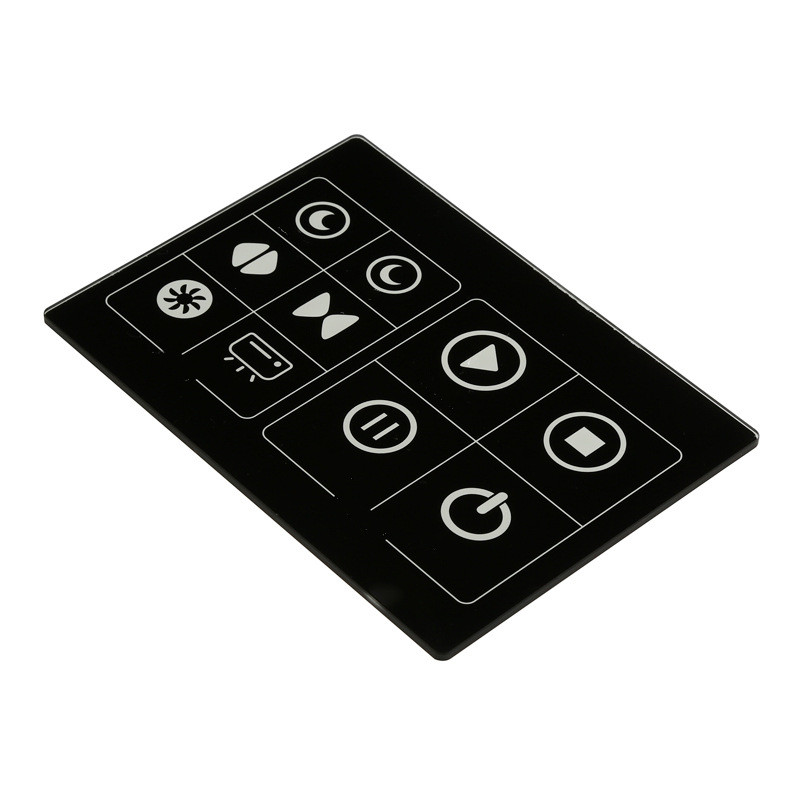
High Temperature Resistant Customized Black Printing Tempered Glass Cooktop Microwave Oven Door Glass for Kitchen
Recommended for cooktop, oven and microwave door assemblies where printed black borders must withstand heat cycles, cleaning agents and repeated use. Confirm glass thickness, print opacity, viewing-window layout and edge finish during drawing review.
View product details
Tempered Glass Lazy Susan 50cm 60cm 70cm 90cm Lazy Susan Turntable Strengthened Glass
A practical tempered glass solution for corner cabinets, dining tables, retail display fixtures and rotating storage systems. Larger diameters require careful load planning, edge polishing and packaging validation to reduce transport risk.
View product details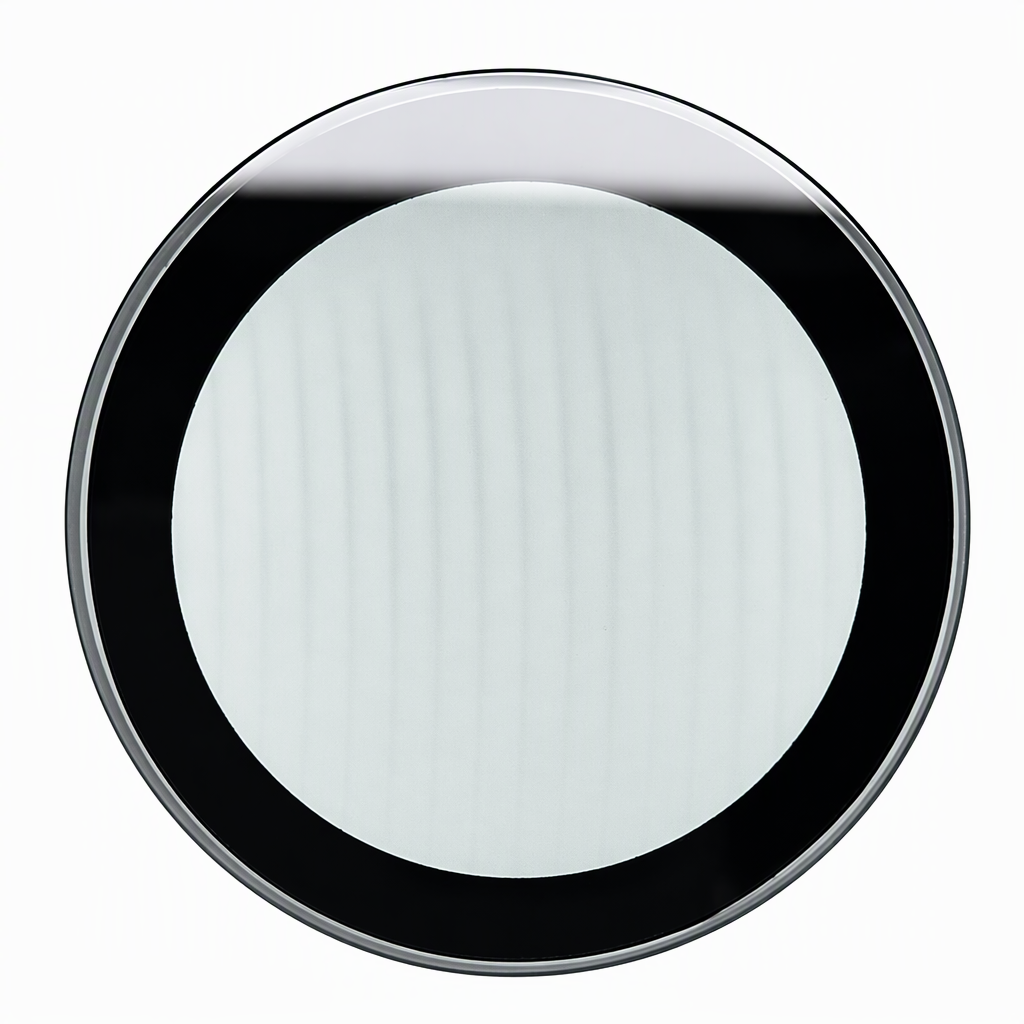
Custom 3-19mm Thickness Flat Tempered Glass Panel for Instrument Use Factory Price Round Shape Printed Tempered Glass
Flat tempered panels for instruments, control interfaces, gauges and round printed covers. The broad thickness range helps engineers balance rigidity, weight and installation depth. Discuss hole positions, tolerances and print registration early.
View product details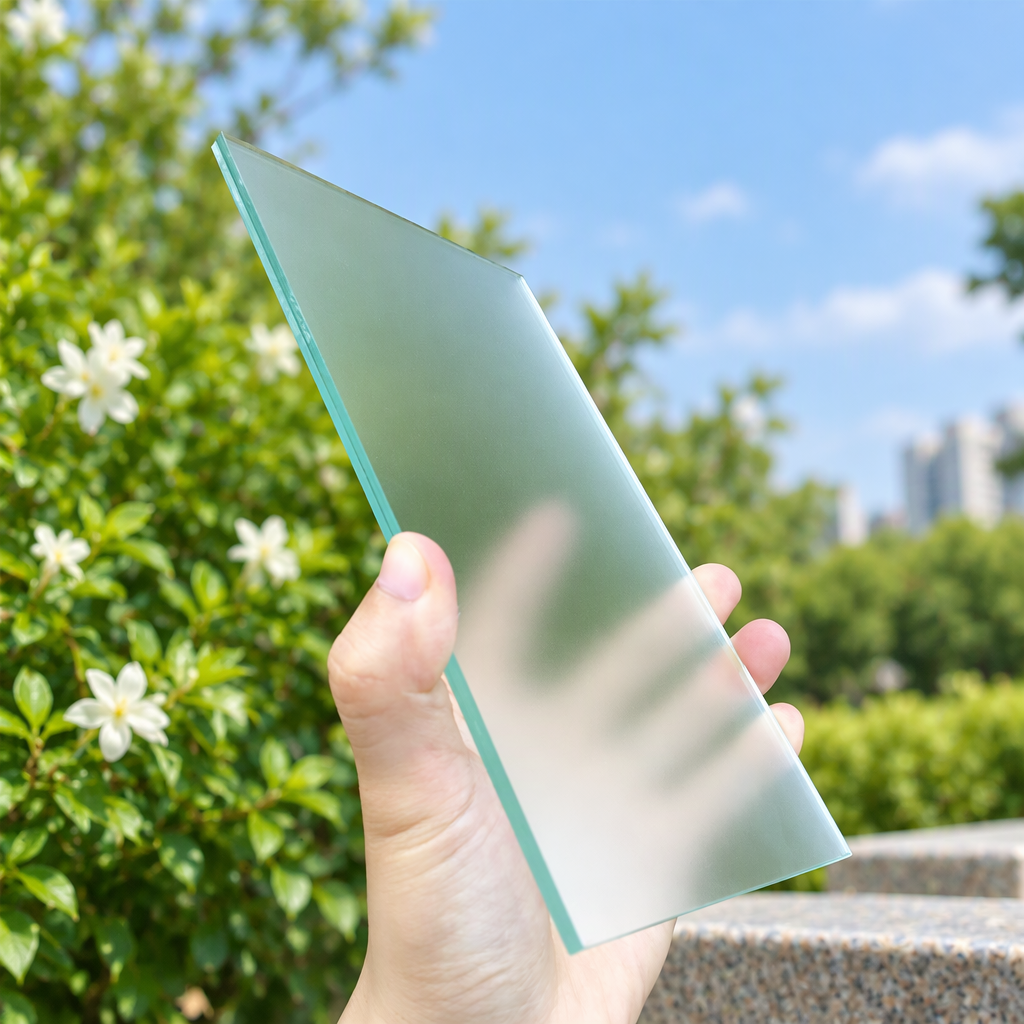
High Quality Industrial Solid Anti-glare Glass Screen Protector Matte Surface Monitor Screen Cover Glass
Matte anti-glare cover glass for industrial monitors, HMI enclosures, medical equipment and bright production areas. An AG surface scatters reflections while preserving readability; AR and AF treatments can be added when contrast and fingerprint control are priorities.
View product details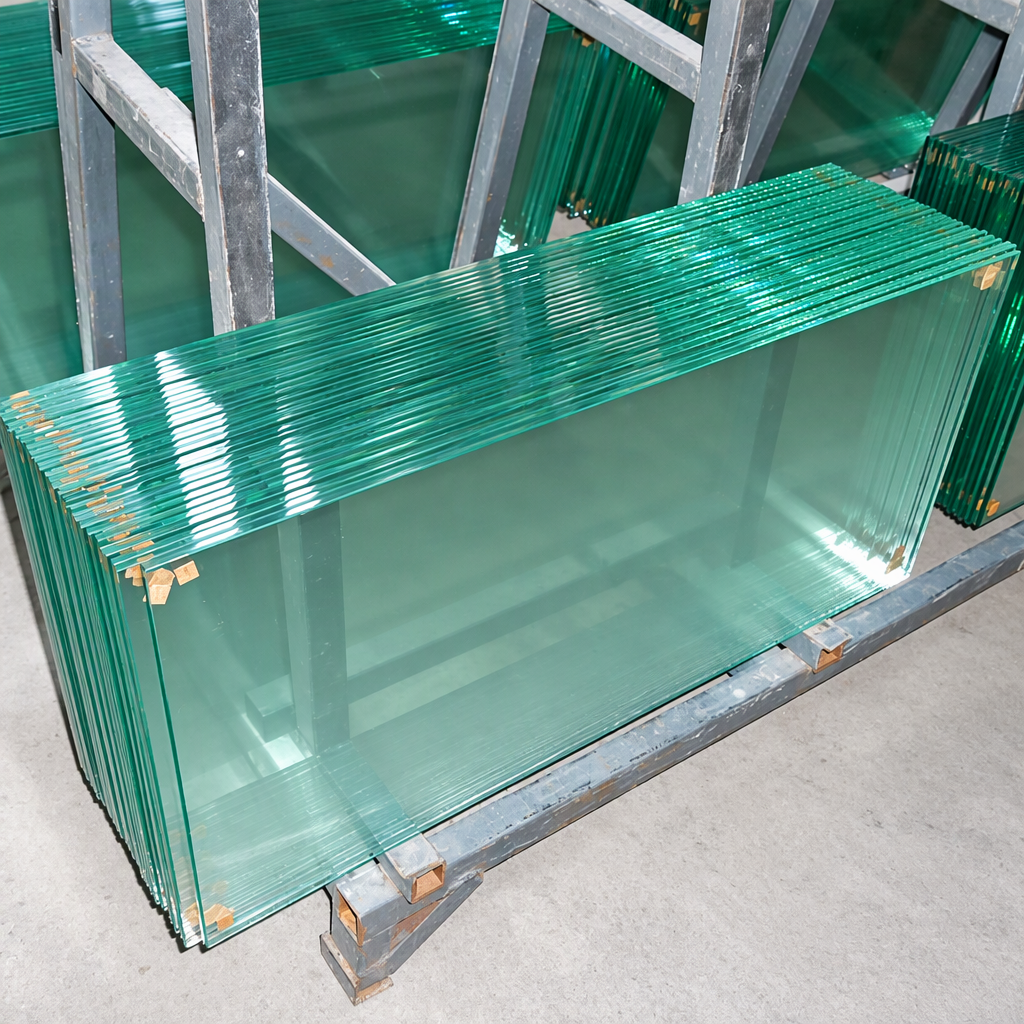
Customized Thickness and Size Clear Tempered Float Glass Panels
Clear tempered float glass for equipment guards, viewing windows, appliance parts and architectural components. Custom thickness and size help distributors consolidate multiple SKUs, while safe edges and corner treatment support handling and installation.
View product details
Glass Factory Customized High Quality Transparent Display Touch Screen Glass Silk Screen 9H Hardness Industrial Screen Protector
Designed for transparent touch windows where scratch resistance, optical clarity and stable capacitive performance matter. Silk-screen printing can hide borders, sensor traces and adhesive zones while keeping the active touch area clear.
View product details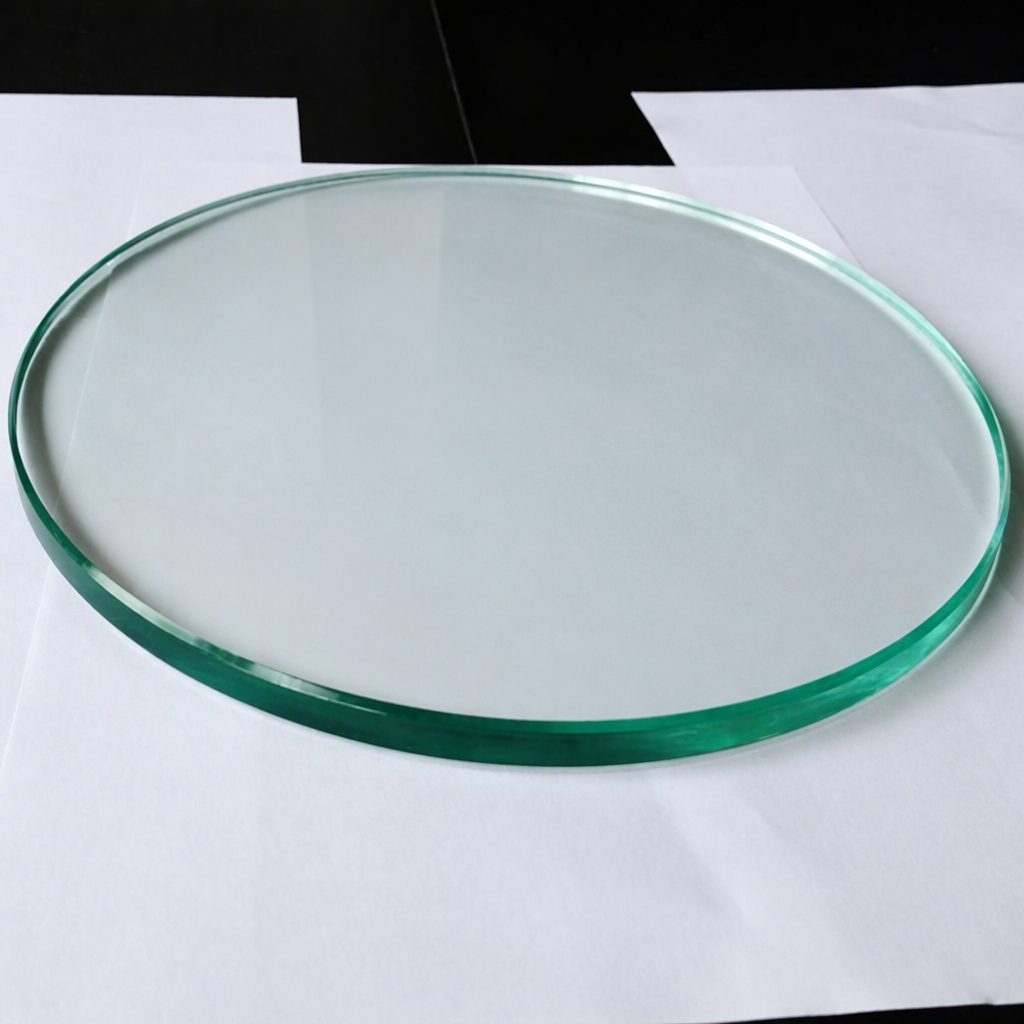
12mm Tempered Glass Round Tempered Glass Beveled Round Glass Pieces
Round 12mm tempered glass with beveled edges for furniture, fixtures, retail displays and design-led assemblies. Beveled edges soften exposed perimeters; radius, bevel width, surface finish and packaging method should be confirmed before mass production.
View product details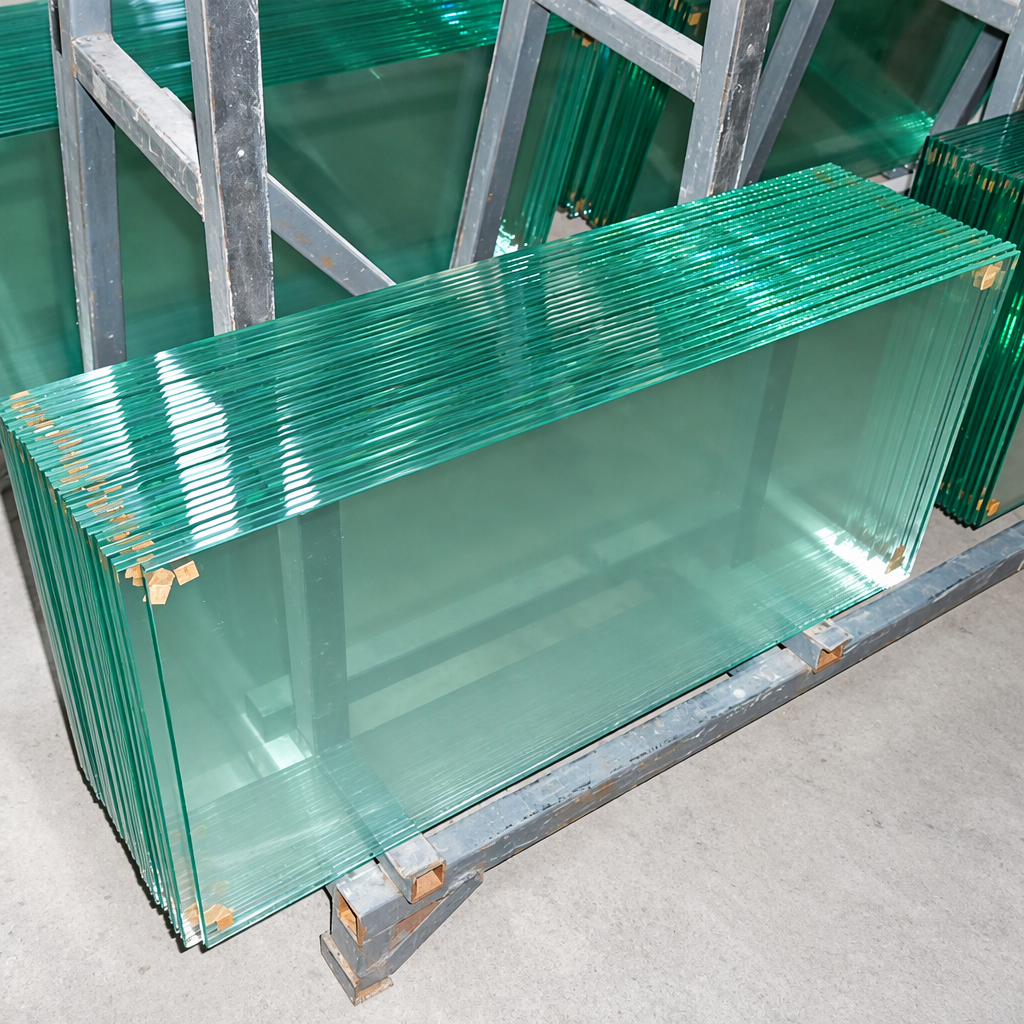
Construction & Real Estate Float Glass Factories in China Tempered Glass
Tempered float glass for construction and real estate projects, supplied with export packing and documentation. Suitable for buyers comparing factory-direct compliance, lead-time reliability, breakage control and container-load logistics from China.
View product detailsWholesale Glass Supply Backed by Documented Factory Capability
For professional buyers, factory metrics are useful only when they connect to qualification, capacity and delivery. These figures summarize the operating base behind custom glass window and functional glass panel programs.
Year established in Qingdao, Shandong, with OEM and export experience across multiple buying cycles.
Production lines supporting cutting, edging, drilling, printing, tempering, coating and inspection.
Factory floor area used for glass deep processing, quality control, packing and export preparation.
Export countries across North America, Europe, the Middle East, Oceania, Africa, Asia and South America.
Export share of output, reflecting a business model built around international OEM expectations.
Quality management, hazardous-substance control and CE marking evidence available for review.
What Is Changing in Glass Window and Custom Panel Procurement?
The buying conversation has moved beyond piece price. Purchasing teams now compare qualification cost, documentation quality, supply resilience and the total landed cost of a qualified part. This shift favors manufacturers that can demonstrate process control, not simply quote a lower unit price.
Compliance Evidence Becomes a Source-Selection Filter
CE marking, RoHS declarations, ISO 9001 procedures and SGS onsite assessment are increasingly requested before samples are approved. Experienced buyers ask for certificate numbers, scope, validity and traceability to the supplied product family. A supplier that can organize this evidence early reduces approval friction.
SKU Consolidation Across Appliance, Display and Smart-Home Glass
Distributors and OEM groups are consolidating printed glass covers, switch-panel glass, touch-screen protectors and appliance windows under fewer qualified suppliers. The goal is to reduce duplicate audits, control print consistency and simplify inventory. One factory managing cutting, printing, tempering and coating can shorten coordination time.
Lead-Time Buffers Move into Drawing and Packaging Planning
Instead of holding excess finished glass, buyers are reviewing tolerance stack-up, print approvals and transit protection earlier. Glass is heavy and breakage-sensitive, so packaging validation is part of procurement risk management. Clear approval checkpoints help protect launch dates without over-ordering finished stock.
Wholesale Buyer Priority Scorecard
Glass Product Trends Shaping the Next Buying Cycle
Design teams are asking for thinner optical glass, more integrated printing, stronger anti-glare performance and traceable quality data. The most successful projects match the strengthening method and surface treatment to the actual failure mode, not to a generic specification sheet.
Thin Chemically Strengthened Cover Glass
Touch covers and compact electronic windows increasingly use chemically strengthened glass in the 0.5–2mm range where flatness, optical clarity and weight matter. Physical tempering remains the practical choice for thicker appliance and display windows.
Application-Specific AR, AG and AF Coatings
Anti-reflective, anti-glare and anti-fingerprint surfaces are no longer interchangeable upgrades. Medical screens may prioritize AR plus AF, industrial HMIs may prioritize matte AG, and outdoor displays may need a balanced optical stack with robust cleaning performance.
Printed Touch Zones and Hidden Sensor Areas
Silk-screen printing is becoming an integration tool: black borders hide circuitry, translucent windows support backlit icons, and printed touch zones align with capacitive sensors. Color density and layer order should be agreed before sample approval.
Thermal Performance for Kitchen and Appliance Glass
Cooktop, oven and microwave door glass require ink systems and tempering processes suitable for heat exposure. Buyers should define the cleaning method, thermal cycling expectation and viewing-window requirements in the original RFQ.
Large-Format Display Window Protection
Retail, control-room, medical and equipment displays are moving toward larger protective windows. Flatness, coating uniformity, edge quality and packaging design all influence installation success at larger sizes.
Traceability and Export Packing as Product Features
Batch identification, final inspection records and protected corner packing are increasingly part of the value proposition. For wholesale glass, preventing edge chips and transit breakage is as important as the glass specification itself.
Physical Tempered or Chemically Strengthened Glass?
The right strengthening method depends on thickness, application, breakage behavior, optical requirements and post-processing. Use this general comparison during the design stage, then confirm the final specification with the factory engineering team against your drawing and working environment.
Start with the Failure Mode, Not Only the Strength Number
For appliance doors, switch panels, display windows and industrial covers, physical tempering usually delivers the expected safety-glass breakage pattern and impact resistance at practical thicknesses. For thin touch covers and small optical windows, chemical strengthening can preserve flatness and optical quality while increasing surface strength.
Information gain for buyers: request a drawing review before tooling or sampling. Confirm whether cutting, drilling, edging or engraving occurs before strengthening, because those operations must be completed at the correct stage. Also define the print layer order, coating side, protective film, adhesive zone and cleaning method.
Why Qingdao Maupe Glass Co., Ltd. for Wholesale Glass Programs?
Founded in 2012 in Qingdao, Shandong, Qingdao Maupe Glass Co., Ltd. is a glass deep-processing manufacturer and international supplier operating under an ISO 9001 quality management system. The factory converts flat glass into finished functional parts through cutting, edging, drilling, engraving, coating, silk-screen printing, physical tempering and chemical strengthening.
OEM and ODM Experience Since 2012
Custom work is organized around buyer drawings, print artwork, sample approval and production specifications. More than a decade of OEM experience helps reduce back-and-forth on fit, print and packaging details.
ISO 9001 Quality Management
The factory operates an ISO 9001 system with incoming material inspection, process controls and finished-product inspection. Certificate No. 24025Q20015R1S supports quality review by procurement and compliance teams.
Complete In-House Process Chain
Cutting, CNC shaping, edge polishing, drilling, engraving, printing, tempering, coating and inspection are coordinated under one roof. This structure shortens communication paths and makes tolerance and color consistency easier to trace.
Printing and Coating Capability
Eco-friendly high- and low-temperature inks, multi-color printing, logos, icons, touch zones and scratch-resistant finishes support appliance, electronic, instrument and smart-home glass programs.
Export Logistics from Qingdao
Located close to Qingdao seaport and airport, the factory supports FOB, CIF, EXW, DDP and other trade terms. Export packing is planned around glass edges, corner protection, carton strength and container loading.
Verified Supplier Credentials
The company has been onsite-assessed by SGS Group as a third-party inspection company and has supplied Fortune 500 procurement programs. RoHS and CE documentation support access to regulated markets.
Certification Evidence for International Glass Buyers
Certificate numbers are provided so compliance teams can verify the evidence directly with issuing bodies. Final product compliance should always be confirmed against the intended application, destination market and buyer specification.
ISO 9001 Quality Management
Certificate No. 24025Q20015R1SScope covers float glass and technical glass products, with validity indicated to 02/2028. Supports structured process control and consistent inspection procedures.
RoHS Compliance
Certificate No. 25TYT12395Restricts hazardous substances for EU electrical and electronic equipment, with validity indicated to 12/2030. Relevant for printed glass covers, touch panels and electronic display components.
CE Marking Evidence
Certificate No. 23TYT082593SCE-related documentation for tempered glass, with validity indicated to 08/2028. Helps support market access and technical review across the European Economic Area.
From Drawing to Delivery in Five Controlled Steps
A transparent workflow helps purchasing, engineering and quality teams understand what happens at each stage of a custom glass project, from initial drawing review to export shipment.
Drawing Review
Engineers review manufacturability, tolerance, edgework, strengthening method, printing and coating requirements.
Sampling
Screens and samples are prepared for fit, color, touch, coating and assembly verification before mass production.
Mass Production
Cutting, edging, printing, tempering, coating and other processes run across 8 production lines with controlled checkpoints.
Inspection
Incoming material and finished products are inspected before packing, with attention to dimensions, print and surface quality.
Export Shipping
Protective export packing is arranged for Qingdao seaport or airport, with trade terms matched to the buyer’s logistics plan.
Frequently Asked Questions from Glass Window and Panel Buyers
These answers address the commercial and technical questions most often raised during supplier evaluation for custom tempered glass, printed cover glass and wholesale functional glass panels.
What is the minimum order quantity for custom printed tempered glass?
Many custom silk-screen printed panels start from 10 to 100 pieces depending on size, thickness and the number of print colors. Large display cover glass can start from around 10 pieces. Samples are available for fit and print verification before mass production.
Should we specify physical tempered glass or chemically strengthened glass?
Physical tempering generally suits glass about 2mm and thicker, such as appliance doors, switch panels and display windows, and breaks into small blunt fragments. Chemical strengthening suits thin glass from about 0.5mm to 2mm where flatness and optical quality are important.
Which certifications does Qingdao Maupe Glass Co., Ltd. hold?
The company operates an ISO 9001 quality management system, holds RoHS and CE documentation for its glass products, and has been onsite-assessed by SGS Group. Certificate numbers can be reviewed during supplier qualification.
What files are needed to start a custom glass project?
Send a 2D drawing in DWG, DXF or PDF with dimensions, thickness, edge finish, hole positions and tolerance. Also send print artwork in AI or PDF with color references, and state any AR, AG or AF coating requirement plus the intended application.
Which trade and payment terms are accepted?
Accepted delivery terms include FOB, CIF, EXW, FAS, FCA, CPT, DDP, DDU and express delivery. Payment options include T/T, L/C, PayPal, Western Union and cash, in USD, EUR or CNY. The factory is close to Qingdao seaport and airport.
Can you produce samples before a wholesale order?
Yes. Sampling is normally the second step after drawing review. Samples help confirm physical fit, print layout, color density, coating performance, edge quality and packaging assumptions before a production order is released.
How should we choose thickness for a glass window or display cover?
Start with the mechanical load, installation method, impact risk, weight target and available frame depth. Thin chemically strengthened glass may suit compact touch devices, while thicker physically tempered glass is often more practical for appliance doors, control panels and industrial viewing windows.
How do printing and coating affect durability?
Ink type, curing method, layer order and protective treatment all affect scratch and wear resistance. AR, AG and AF coatings should be matched to cleaning methods, touch frequency and optical requirements. Confirm the intended environment during RFQ so the correct specification can be quoted.
How is glass protected during export packing?
Export packing is planned around edge protection, interleaving, corner reinforcement, carton strength and container loading. For large-format or heavy glass, custom crates and handling instructions may be required. Buyers should confirm packaging expectations before production.
Request the Wholesale Glass Catalog
Share your drawing, target thickness, print artwork, coating requirement and estimated annual volume. The team can review manufacturability and recommend the most suitable tempered, chemically strengthened or coated glass route for your application.
Suitable for OEM buyers, distributors, appliance manufacturers, display integrators and construction glass purchasers.