CE Certified Quartz Glass Tube Supplier & Suppliers
High-purity fused silica tubing for semiconductor, laboratory, lighting, solar and high-temperature process equipment—custom cut, fire-polished, annealed and documented for OEM procurement.
Eight OEM Glass Components Produced Under the Same Quality Discipline
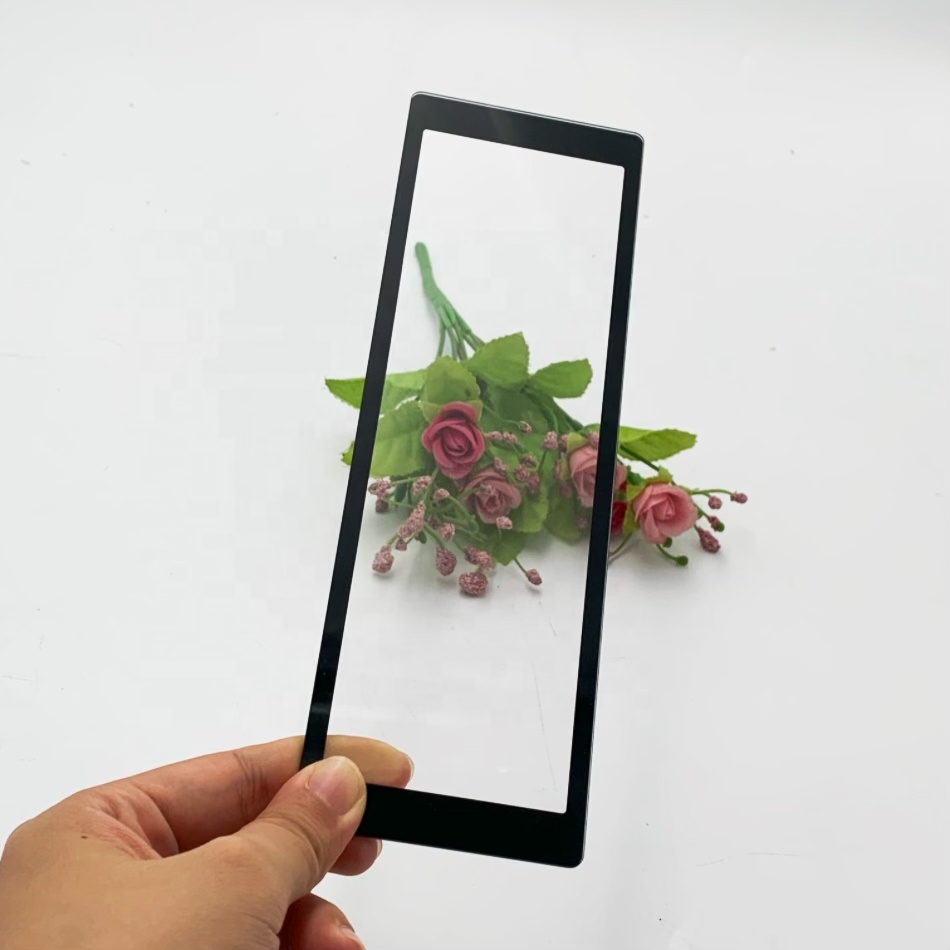
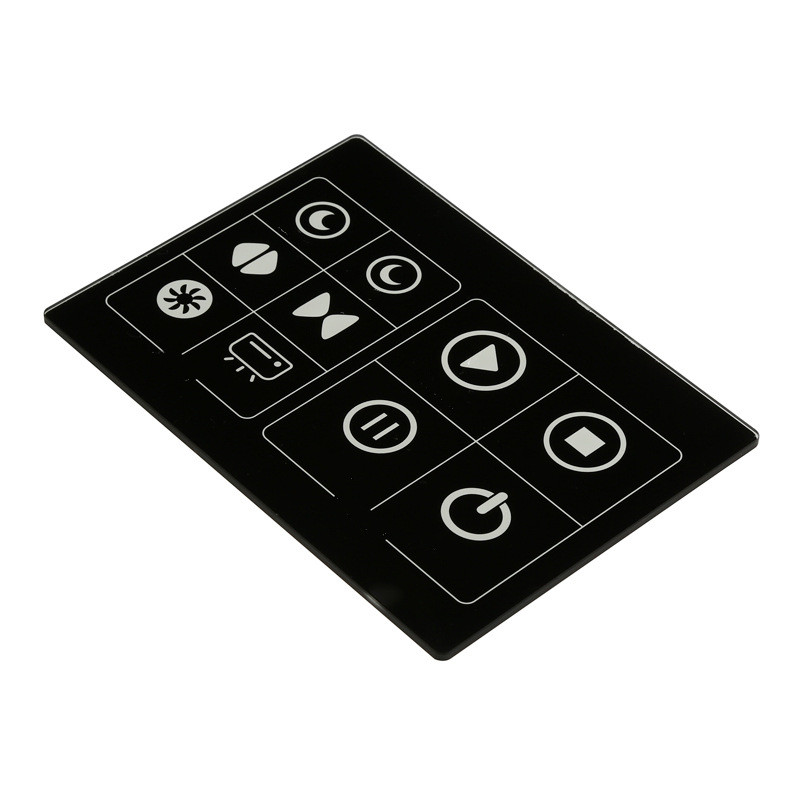
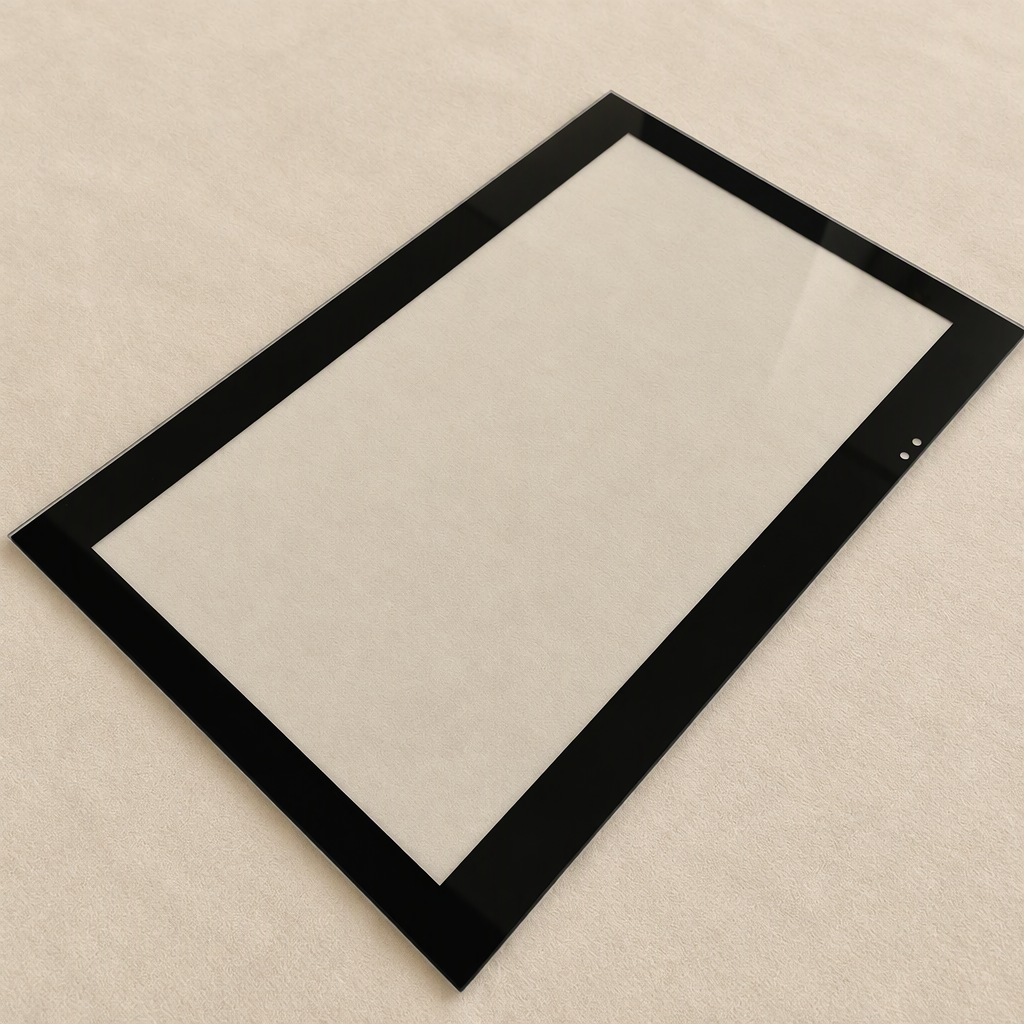
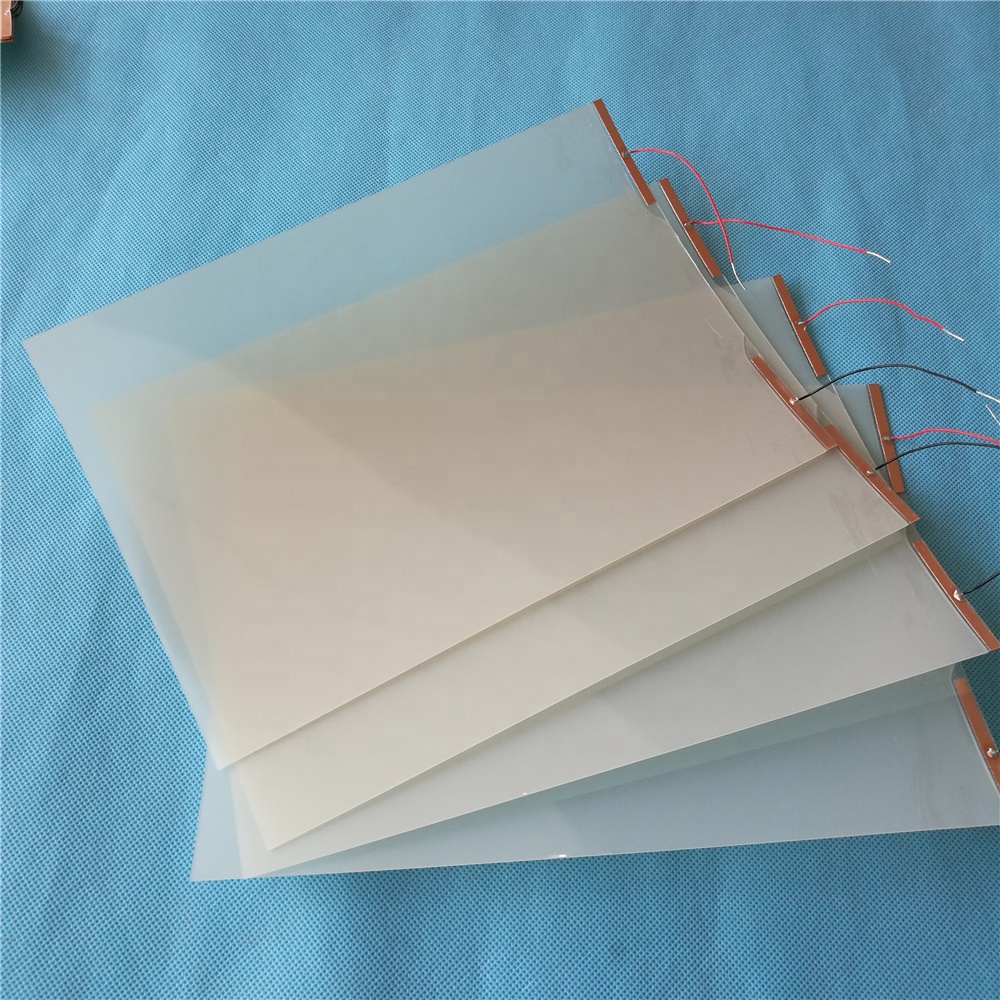
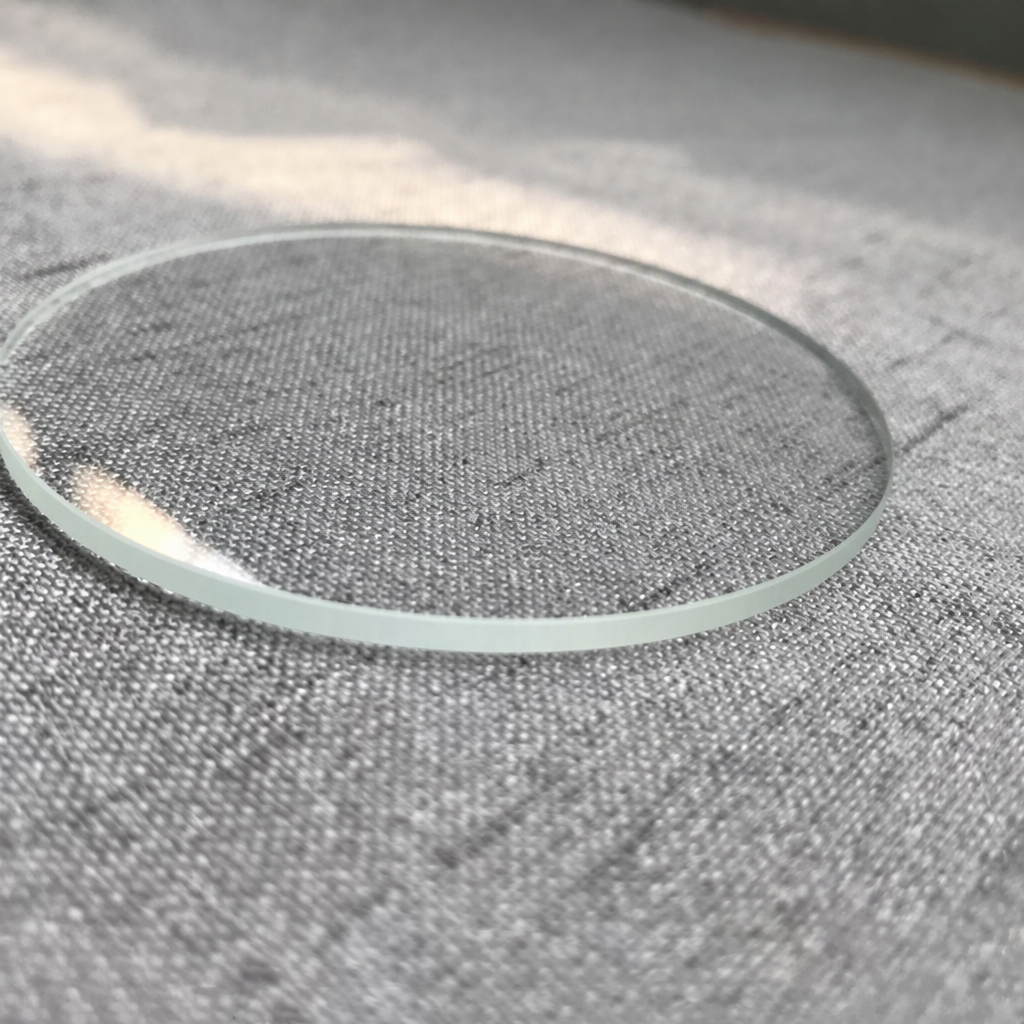
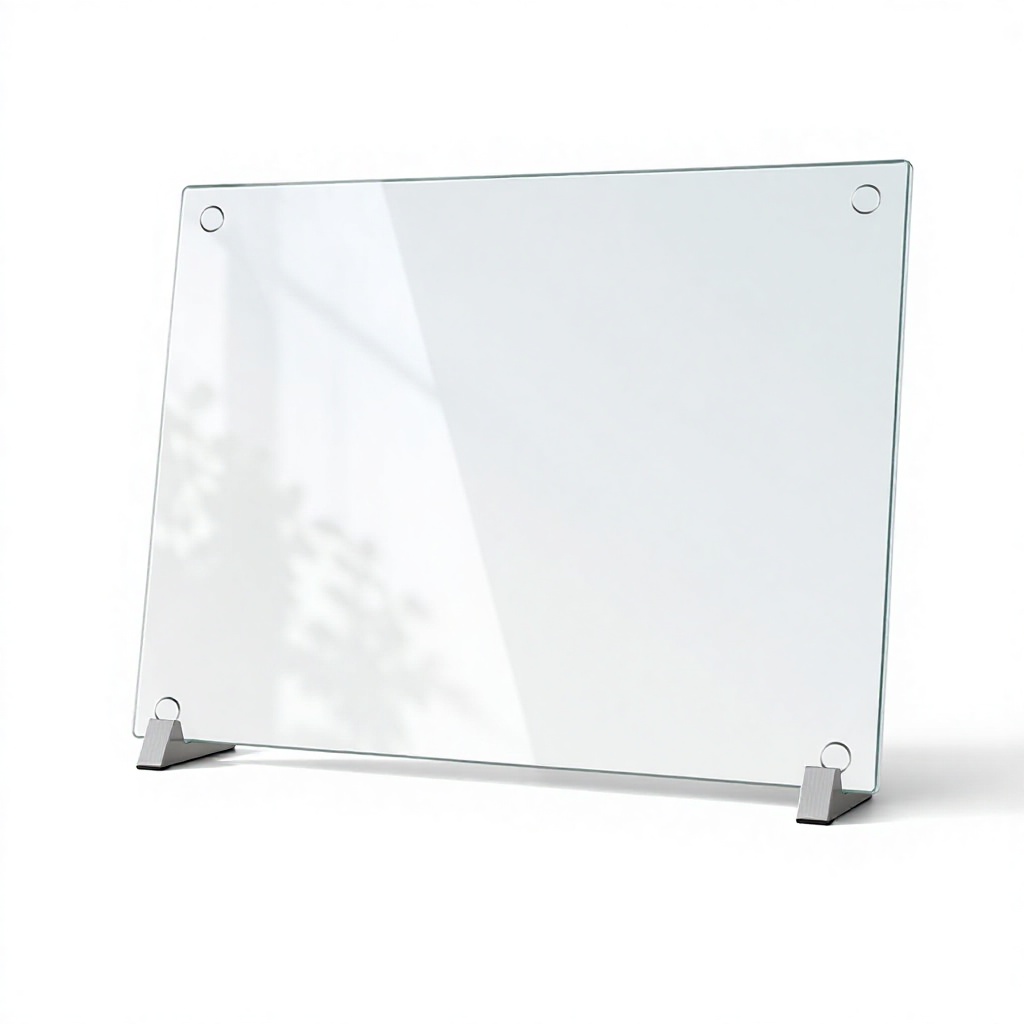
The products below are shown first because they demonstrate the controls quartz glass tube buyers evaluate in practice: tight dimensional inspection, heat-resistant finishing, optical surface treatment, silk-screen printing, protective packing and export documentation. Each link preserves the original product page. For a quartz tube quotation, include your drawing, material grade, tolerance and application in the inquiry.


CE Certified Quartz Glass Tube Sourcing: A Buyer’s Technical Framework
Semantic search shows that buyers rarely search only for “quartz glass tube supplier.” Their real intent is usually a mix of material verification, dimensional capability, certification evidence, lead-time risk and supplier reliability. This framework is written for procurement engineers, quality managers and R&D teams who need information gain before they release a purchase order.
Quartz glass tube is a mission-critical material, not a commodity. A request for quotation that says only “clear quartz tube” without defining purity, OH content, transmission range, bubble class, annealing condition, tolerance and end finish creates avoidable risk for both buyer and supplier. The most effective procurement strategy is to convert application requirements into measurable acceptance criteria, then compare suppliers against the same evidence pack.
What a Quartz Tube Purchase Order Must Define
A technically complete inquiry shortens quotation cycles and reduces sample iterations. Use the following checklist as a minimum data set for any CE-certified quartz glass tube supplier review.
- Material grade: clear fused quartz, high-purity fused silica or application-specific grade, including SiO2 purity target and OH content.
- Dimensions: outside diameter, inside diameter, wall thickness, length, concentricity, straightness and cut squareness.
- Thermal requirements: continuous operating temperature, peak excursions, thermal cycling and annealing expectations.
- Optical requirements: UV, visible or IR transmission range; bubble, inclusion and striae acceptance class.
- End finish: saw-cut, ground, fire-polished, closed end, flanged, threaded, ground joint or custom assembly.
- Documentation: declaration of conformity, CE scope, RoHS/REACH declaration, lot report and dimensional inspection report.
Quartz Glass Is Not Borosilicate Glass
Substitution is one of the most expensive mistakes in high-temperature glass procurement. Fused quartz and borosilicate can look similar in a photograph, but they behave differently under heat, UV exposure and chemical attack. For any safety-critical process, specify the material by property, not by colour or general description.
| Criteria | Fused quartz tube | Borosilicate tube |
|---|---|---|
| Silica content | Typically 99.9% SiO2 or higher | Usually around 80% SiO2 |
| Thermal performance | Higher service temperature and excellent thermal shock resistance | Moderate thermal shock resistance |
| Expansion | Very low coefficient of thermal expansion | Higher expansion than fused quartz |
| Optical range | Broad UV to IR transmission for suitable grades | Mainly visible and near-IR applications |
| Chemical resistance | Excellent inertness in many aggressive environments | Good, but not equivalent in all media |
| Procurement implication | Specify purity, OH, bubble class and annealing | Acceptable only when the application allows it |
Recommended Quartz Glass Tube Configurations for OEM Buyers
These configurations reflect common inquiry patterns from equipment builders, laboratories and high-temperature process integrators. Final dimensions and tolerances must be confirmed against your drawing and operating conditions.
Clear Fused Quartz Tube
Recommended for laboratory furnaces, sight glasses, lighting envelopes and chemical process lines where high purity, low expansion and broad optical transmission matter. Specify OD, ID, wall, length, bubble class and end finish.
Large-Diameter Process Tube
Used in semiconductor, photovoltaic and thermal processing equipment. Buyers should request concentricity, straightness, residual stress control, lot traceability and packing suitable for long-format tubes.
Quartz Capillary & Small-Bore Tube
Supports analytical instruments, medical devices, sensors and optical assemblies. Fine ID control, clean cutting, fire polishing and particle-free packing are more important than headline price.
Custom Quartz Tube Assemblies
Flanges, bends, closed ends, ground joints, threads and printed location marks can be produced as an integrated assembly. DFM review before sampling is the most effective way to avoid re-tooling.
2025–2030 Quartz Glass Tube Procurement Trends
Purchasing teams are shifting from transaction-based buying to evidence-based supplier qualification. The direction is clear: resilience, documentation, total cost and traceability will shape supplier shortlists as much as unit price.
Dual Sourcing & Capacity Reservation
OEM buyers increasingly qualify two suppliers or reserve capacity for repeat quartz tube orders. Suppliers that can document process control, spare capacity and consistent lead times will win strategic contracts.
Documentation-Led Compliance
CE, RoHS, REACH and lot traceability are moving from “nice to have” to release criteria. A credible supplier should provide declarations, inspection records and material reports that match the exact product scope.
Total Cost of Ownership
Breakage, rework, line downtime and sample iterations often cost more than the tube itself. Buyers are calculating landed cost with yield, inspection burden and packaging performance included, not simply comparing price per piece.
Digital Traceability & Inspection Files
Purchasing teams increasingly expect photographed packing, lot identification, digital inspection data and fast access to corrective-action records. This reduces audit friction and supports supplier scorecards across global operations.
Quartz Glass Tube Product Development Trends to Specify Now
Application requirements are becoming more demanding. The most useful supplier conversations happen before the drawing is frozen, when tolerance, material grade and assembly strategy can still be optimized.
Larger, Longer and Straighter
Process equipment is moving toward larger formats while maintaining straightness, concentricity and wall uniformity. Buyers should agree on measurement methods, sampling frequency and packing support before placing long-tube orders.
Low-OH and UV-Grade Demand
Optical, analytical and photonic applications require tighter control of OH content, transmission and bubble class. Specify the wavelength range and acceptance criteria rather than simply requesting “high transparency.”
Hybrid Quartz-Glass Assemblies
Customers increasingly request finished assemblies rather than loose tubes. Flanges, metal interfaces, printed marks, seals and protective coatings can reduce field assembly risk when design and inspection are integrated early.
Surface Coatings & Functional Finishes
Anti-reflective, anti-glare, anti-fingerprint and protective finishes are being requested for specialised quartz parts. Coating compatibility with thermal cycling, cleaning agents and sterilization should be tested before mass production.
Why Qingdao Maupe Glass Co., Ltd. Fits OEM Procurement
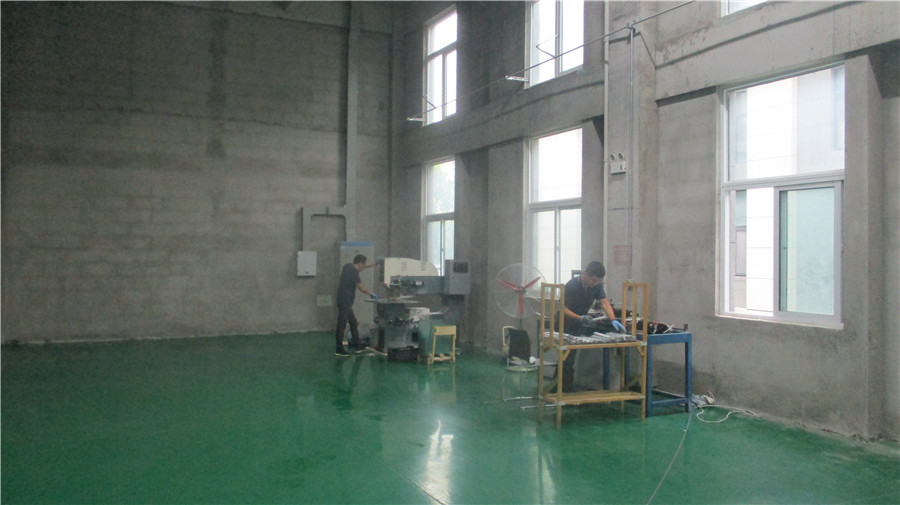
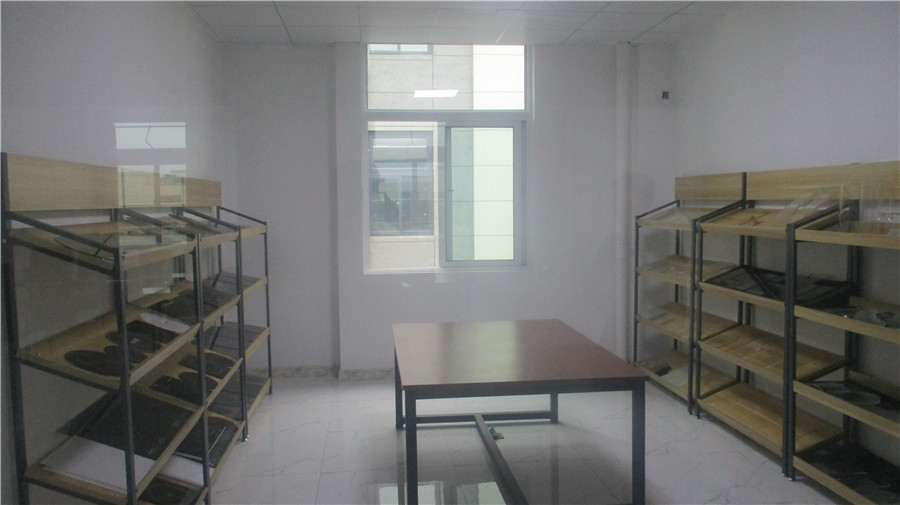
Founded in 2012 in Qingdao, Shandong, Qingdao Maupe Glass Co., Ltd. is a glass deep-processing manufacturer and international supplier operating under an ISO 9001 quality management system. The company serves OEM buyers in more than 80 countries and works close to Qingdao seaport and airport, which supports samples, audits and export logistics.
Established Manufacturer Since 2012
More than a decade of OEM glass experience, with 8 production lines and a 3,000–5,000 m² factory area. The operating model is built around export orders, drawing review and repeat production.
Certified Quality System
ISO 9001 quality management, RoHS and CE documentation for applicable glass products, plus SGS onsite assessment. Certificate numbers are available for compliance teams to verify.
One-Stop Deep Processing
Cutting, CNC shaping, edge polishing, drilling, engraving, silk-screen printing, physical tempering, chemical strengthening and AR/AG/AF coating are integrated under one roof for traceable production.
Export Logistics & Packing
Export share of output is 91–100%, with experience in protective packing, documentation and shipment through Qingdao. Delivery terms such as FOB, CIF, EXW and DDP can be discussed against project needs.
Inspection Before Release
Incoming material inspection and finished product inspection are part of the release discipline. For custom quartz tube programs, sampling plans, first article inspection and lot traceability can be agreed before production.
OEM / ODM Communication
Engineering feedback, sample verification and repeat-order documentation are handled through a single supplier interface. Buyers can share drawings, artwork, target applications and market requirements for a practical manufacturability review.




Certification, Traceability and Process Control
Certificate numbers are listed so compliance teams can verify the evidence directly. For a quartz glass tube request, ask for the declaration of conformity, product scope, material lot record and dimensional inspection report that apply to your order.
ISO 9001
Quality management system, certificate No. 24025Q20015R1S.
RoHS
Restricted hazardous substances compliance, certificate No. 25TYT12395.
CE Marking
CE certificate for applicable glass products, No. 23TYT082593S.
SGS Onsite Assessment
Third-party onsite assessment completed as part of supplier qualification.
Typical OEM Review Weighting for Quartz Tube Suppliers
The chart below illustrates the control points buyers commonly prioritize when comparing quartz glass tube suppliers. It is not a substitute for your own quality agreement, but it helps align technical and commercial conversations.
From Drawing to Export: Five Controlled Steps
A transparent workflow gives purchasing, engineering and quality teams a shared reference point from inquiry to shipment.
Drawing Review
Application, material, tolerance, finish and documentation are reviewed for manufacturability.
Feasibility & Quote
Material grade, process route, sampling plan, MOQ and lead time are confirmed in writing.
Sample & Approval
Dimensions, finish, transmission or print details are verified before mass production.
Production & QC
In-process checks and final inspection are completed against the approved specification.
Packing & Export
Protective packing, documentation and shipment are coordinated through Qingdao logistics.
Quartz Glass Tube Procurement FAQ
These are the questions buyers most often ask when comparing CE-certified quartz glass tube suppliers for OEM projects.
What does CE certification mean for a quartz glass tube order?
+
Which dimensions should be specified on a quartz tube drawing?
+
Should I choose clear fused quartz or borosilicate tubing?
+
What documentation should accompany a shipment?
+
What is the minimum order quantity and typical lead time?
+
How should quartz tubes be packed and shipped for export?
+
Send Your Quartz Tube Drawing for an Engineering Review
Share OD, ID, wall thickness, length, tolerance, end finish, material grade and intended application. Our team will review manufacturability, documentation needs and the most practical route to sampling.