Custom Soda Lime Glass Products for OEM Buyers
These eight product families cover the most common sourcing requests: safety-tempered structural glass, decorative beveled glass, smart-furniture touch panels, clear float glass, appliance front covers, electronic display protection, curtain-wall and whiteboard glass, and printed touch display glass. Product URLs are preserved so your engineering and purchasing teams can review specifications directly.
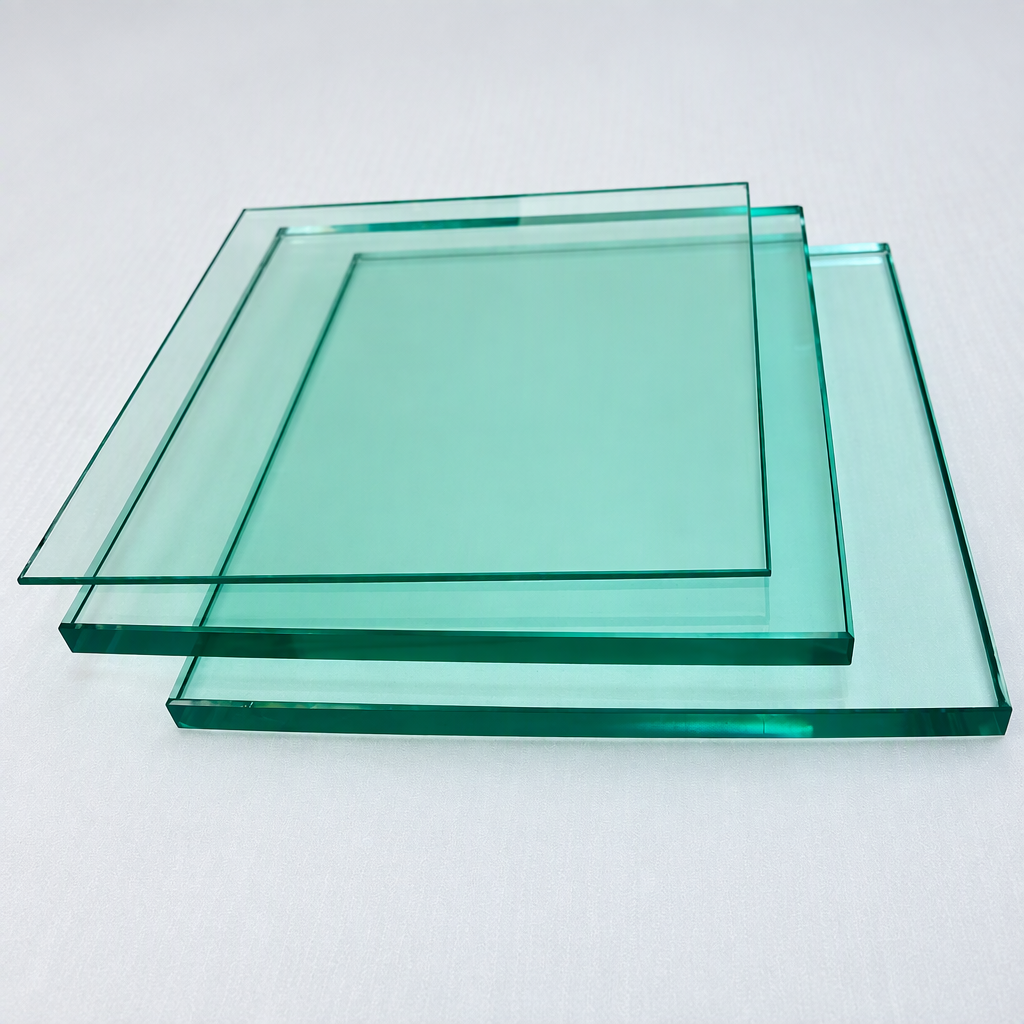
Tempered Glass Panel Safety Glass Flat Structural Tempered Glass
Recommended for interior structural glazing, equipment guards and safety-critical flat panels where fragmentation behavior and flatness must be controlled.
View product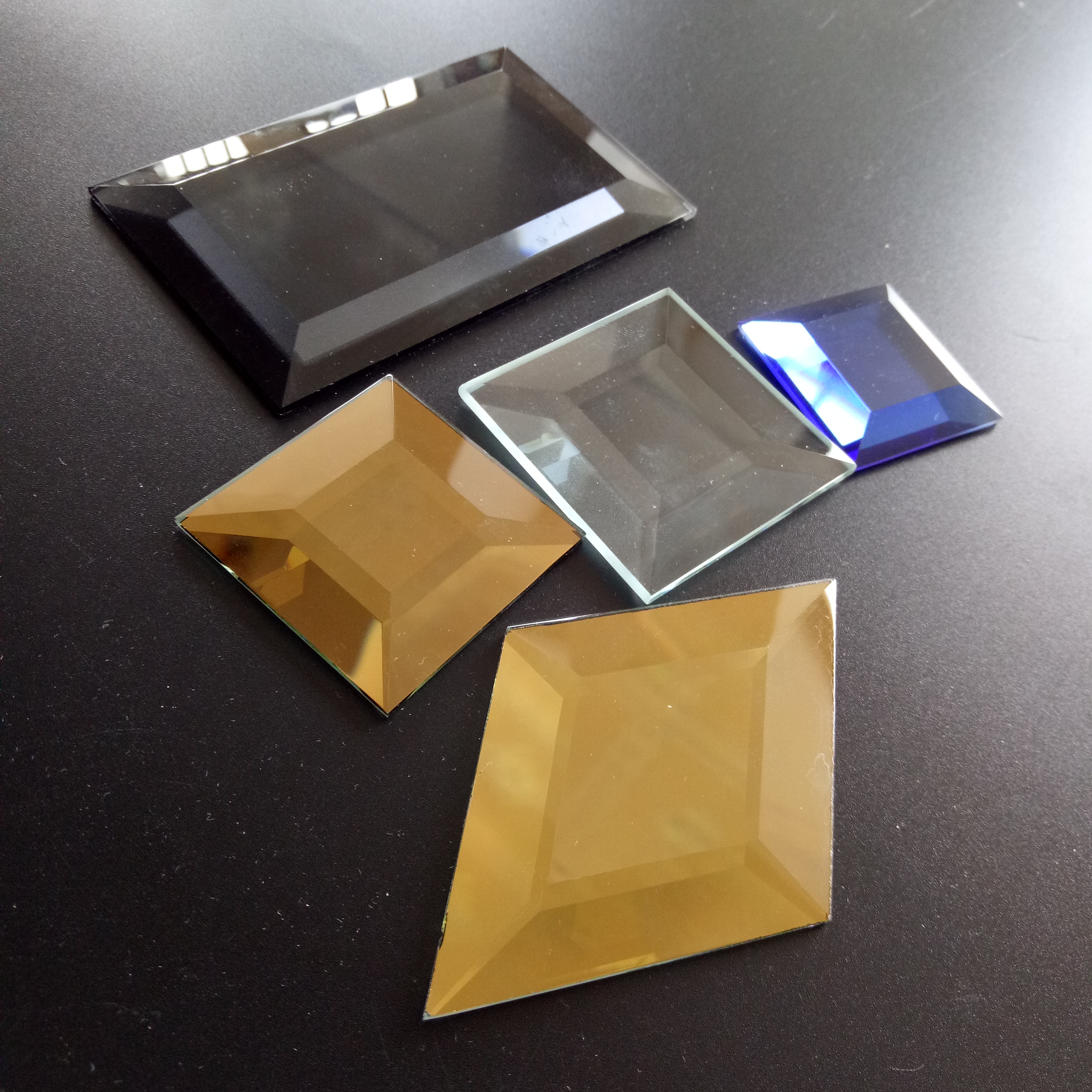
Bule Gold Faceted Beveled Glass for Wall Decoration clear Beveled Glass Pieces
Recommended for feature walls, furniture fronts and decorative partitions where faceted edges, color depth and repeatable bevel quality create the design value.
View product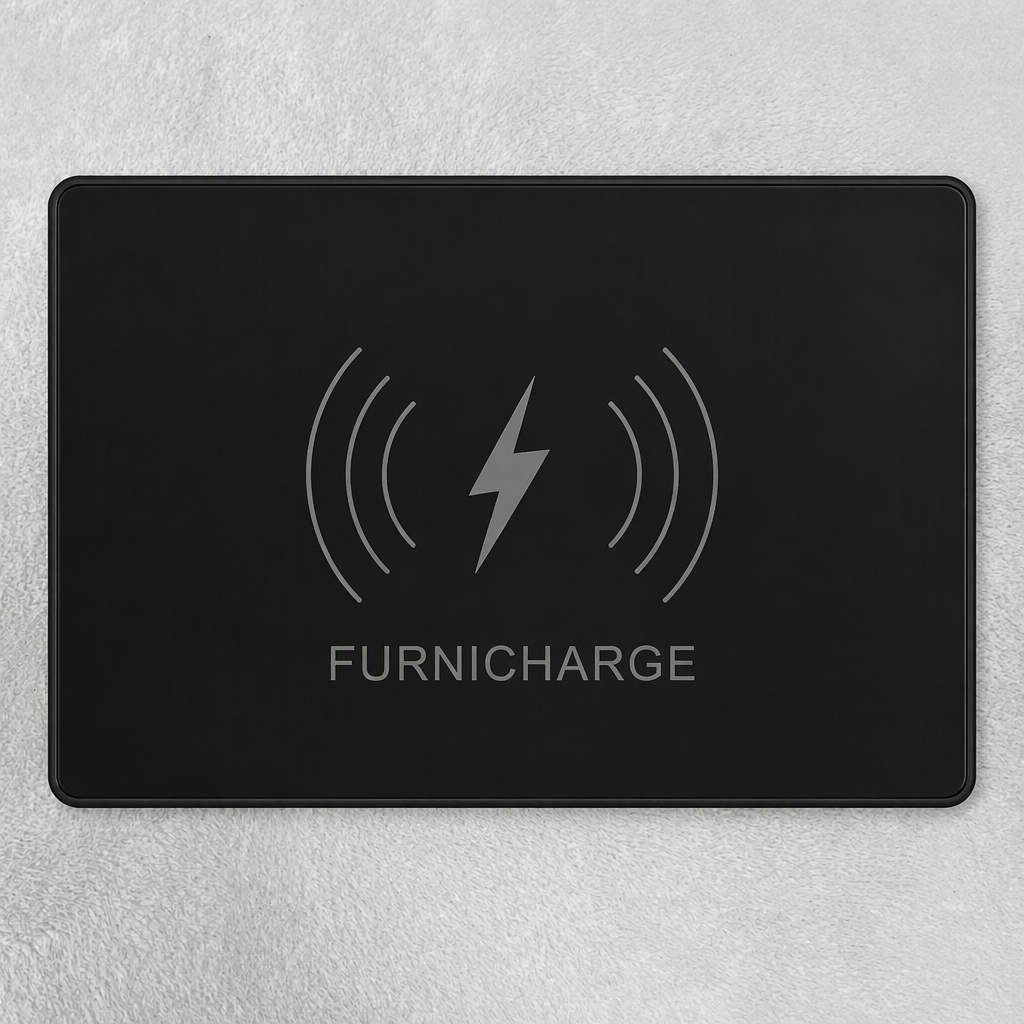
Smart Tempered Glass Bedside Table Panel for Tea Table Wireless Charging Front Cover Glass Touch Light Switch Glass
Recommended for smart furniture, bedside tables and hotel consoles that combine wireless charging windows, touch switching and printed icon layers.
View product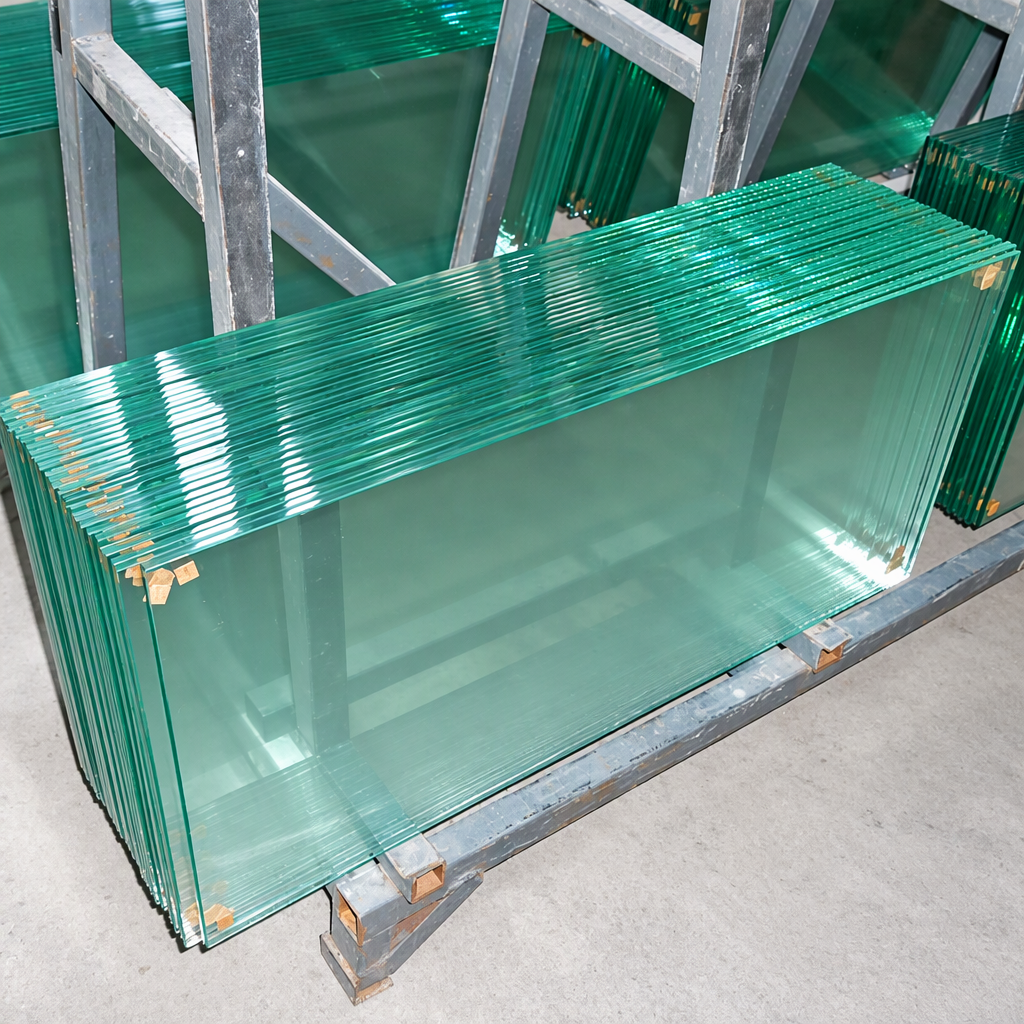
Customized Thickness and Size Clear Tempered Float Glass Panels
Recommended for buyers who need clear soda-lime float glass cut, edged and tempered to a drawing, with thickness and size customized for further assembly.
View product
Tempered Glass Panel With 3M Adhesive Tape Silk Screen Printing for Electrical Appliance Decoration Front Cover Glass
Recommended for appliance control panels and decorative front covers that need 3M adhesive assembly, accurate silk-screen graphics and durable surface protection.
View product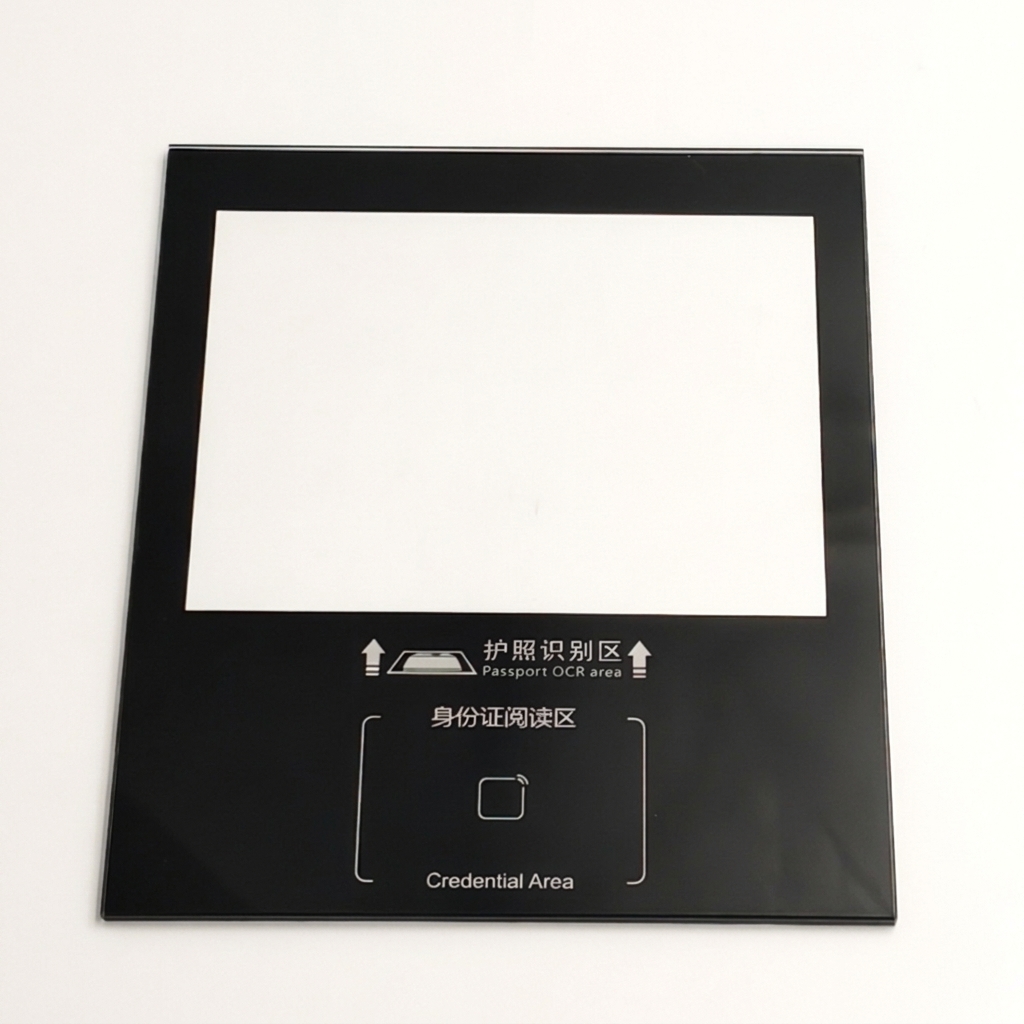
Custom Tempered Glass Protective Glass Panel Transparent Polished Display Cover Glass for Small Electronic Devices Cover
Recommended for portable electronics, small displays and sensor windows where polished edges, optical clarity and scratch resistance affect perceived product quality.
View product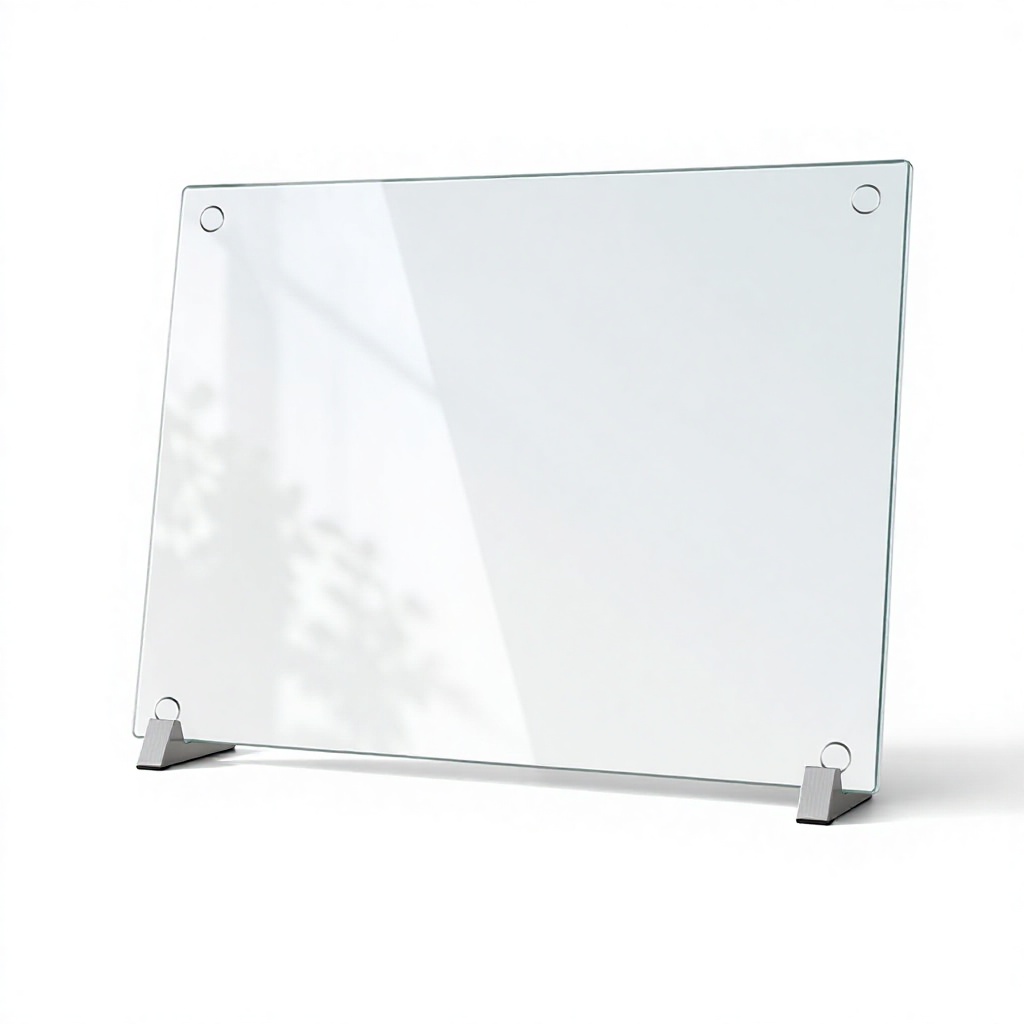
Custom Size Clear Tempered Glass Curtain Wall Panel Multi Function Print Glass Whiteboard Glass
Recommended for architectural curtain-wall panels, whiteboard surfaces and printed partition glass where large sizes and safe edges require factory-controlled processing.
View product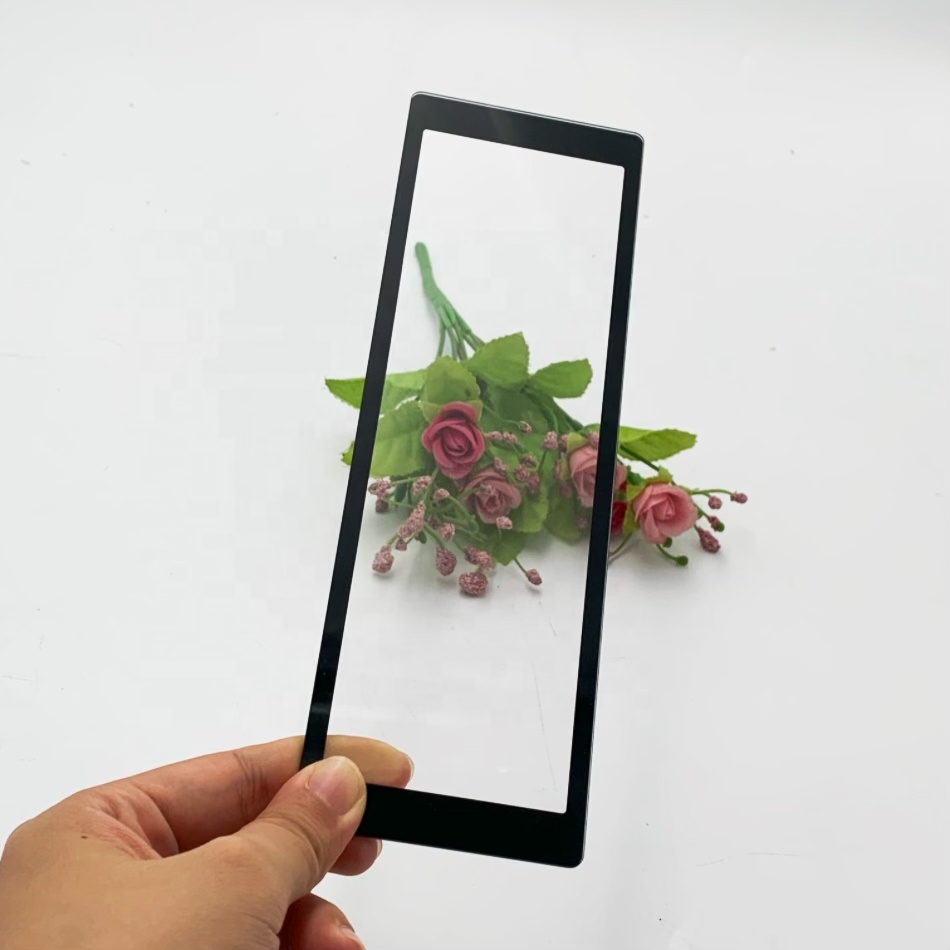
Custom Silk Screen Printed Tempered Glass Panel Touch Screen Display Cover Glass
Recommended for HMI displays, touch screens and control covers that require multi-color printing, precise icon registration and scratch-resistant protective glass.
View productWhat Serious Buyers Need From a CE-Certified Soda Lime Glass Factory
The query “CE Certified Soda Lime Glass Factories & Exporter” is procurement-led. Buyers are not simply looking for a glass catalogue; they are trying to reduce qualification risk before a sample order, a tooling investment or a production schedule is approved.
For a purchasing team, the most valuable supplier is not the one with the loudest factory claim. It is the one that can prove which product scope is covered by CE certification, show how soda-lime glass composition and tempering are controlled, repeat print colors across batches and provide export packing that survives sea freight. CE marking is product- and application-specific, so a serious buyer should ask for the certificate number, validity date and scope before comparing quotations. In our documentation package, the CE certificate for tempered glass is No. 23TYT082593S, the RoHS certificate is No. 25TYT12395, and the ISO 9001 certificate is No. 24025Q20015R1S. These are the kind of identifiers that let compliance teams verify a supplier rather than trust a logo.
Information gain for buyers comes from the details that affect reorder risk: how drawings are reviewed, which strengthening method fits the thickness, whether printing is done before or after tempering, and how the factory protects edges and corners during packing. Qingdao Maupe Glass Co., Ltd. has operated since 2012 and works as a glass deep-processing manufacturer and international supplier. The factory’s core work is turning flat glass into functional parts through cutting, CNC shaping, edge polishing, drilling, engraving, coating, silk-screen printing, physical tempering and chemical strengthening. That process chain matters because every added handling step creates a potential tolerance issue; keeping the steps under one quality system makes correction faster and traceability clearer.
Certificate scope first
Ask whether the CE certificate covers tempered safety glass, the exact thickness range and the intended application. Do not accept a certificate number without checking the issuing body and validity period.
Drawing discipline
A factory-grade RFQ includes outline dimensions, thickness, edge finish, hole positions, tolerance, print artwork and coating requirements. This shortens sampling and prevents ambiguous quotations.
Print registration proof
For touch panels and appliance covers, request a printed sample under the same lighting as the finished product. Check icon alignment, black density, backlight windows and ink adhesion.
Landed cost view
Compare FOB, CIF, DDP and express options against packaging cost and breakage risk. A factory near Qingdao seaport and airport can simplify consolidation and inspection visits.
Which Soda Lime Glass Product Fits Your Application?
Use this matrix to align a product family with the application, then confirm thickness, strengthening method, print layers and surface coating against the final drawing.
| Application | Recommended product family | Why buyers choose it | Specification checkpoint |
|---|---|---|---|
| Smart home and wall switches | Smart tempered glass touch panel; printed touch display cover glass | Backlight-ready icons, touch-zone printing and a scratch-resistant front surface | Ink temperature, icon registration, flatness, 0.5–2 mm thin glass options |
| Appliance front covers | Tempered glass panel with 3M adhesive tape and silk-screen printing | Decorative graphics, clean assembly and stable adhesion on metal or plastic housings | Adhesive grade, surface cleanliness, print color standard, edge quality |
| Electronics display protection | Custom tempered protective display cover glass | Polished edges, optical clarity and protection for small screens and sensor windows | AR/AG/AF requirement, transmission target, scratch resistance, hole tolerance |
| Architectural and decorative glass | Flat structural tempered glass; beveled wall glass; curtain-wall or whiteboard glass | Safety behavior, large-format capability and decorative edge finishes | Safety glass standard, edge polish, bevel angle, visible face and packing method |
Soda Lime Glass Procurement Trends Buyers Should Plan For
Purchasing teams are moving from lowest-piece-price comparisons toward supplier qualification files, repeatability evidence and total landed cost. These four trends are especially visible in OEM glass sourcing.
Documentation before quotation
RFQs increasingly request ISO 9001, RoHS, CE scope, material declarations and inspection records before samples are approved. A CE-certified soda-lime glass exporter should be able to supply certificate numbers, not just a compliance statement.
Lower-MOQ trial orders
Brands often validate a new factory with 10–100 pieces for printed panels or large-format covers. That first order tests tolerances, packing and communication as much as the product itself, making sampling and DFM feedback a commercial advantage.
Inspection data with each batch
Automated optical inspection, dimensional reports and batch identification are becoming normal expectations for smart-device and appliance glass. Buyers want a repeatable process, not a single perfect sample.
Total landed cost and dual sourcing
FOB, CIF, EXW, DDP and express delivery options are compared alongside packing performance. Factories close to Qingdao port and airport can support consolidated shipments, buyer audits and faster sample dispatch.
Where Soda Lime Glass Product Development Is Moving
Product roadmaps are pushing glass beyond a simple protective surface. The next sourcing cycle will reward suppliers that can combine printing, coating, strengthening and assembly features in one controlled part.
Thin strengthened glass with functional coatings
Touch covers and small electronic windows are moving toward thinner soda-lime glass with chemical strengthening, plus AR, AG or AF coatings for better readability and fingerprint control. The key challenge is keeping optical clarity and flatness while maintaining impact resistance, which makes process selection more important than a generic strength claim.
Touch-integrated and backlight-ready control panels
Smart-home switches, furniture panels and appliance interfaces increasingly combine printed icons, light windows, capacitive touch zones and adhesive assembly. Buyers will look for factories that manage print layer order, ink compatibility and sensor alignment as one engineering process, not as separate outsourced steps.
Large-format, architectural and switchable glass
Curtain-wall panels, whiteboard glass and PDLC smart-film assemblies are expanding the size and function envelope of soda-lime glass. These products demand stable tempering, safe edge treatment, flat packing and stricter handling standards. Export-ready factories must design packaging and loading plans around large, high-value panels.
Physical Tempered or Chemically Strengthened Soda Lime Glass?
Choosing the wrong strengthening method is one of the most common causes of re-tooling in cover glass projects. Physical tempering is typical for appliance doors, switch panels, display windows and industrial covers at roughly 2 mm and above. Chemical strengthening is usually the better route for thin 0.5–2 mm touch covers, small electronics and optical windows where flatness and clarity are critical.
Soda-lime glass is cost-effective and widely used for control panels, appliance fronts and building applications. Where extreme thermal shock resistance or a specialized optical substrate is required, the specification should state that clearly and be reviewed before sampling. The practical approach is to send the drawing, intended environment and annual volume, then let engineering recommend the strengthening method and glass thickness together.
- 2D drawing in DWG, DXF or PDF with outline, holes and tolerance
- Glass thickness, type and edge finish
- Print artwork in AI or PDF with color references and layer order
- Surface treatment requirement: AR, AG, AF or none
- Working environment, touch-sensor details and annual demand
| Criteria | Physical Tempered | Chemically Strengthened |
|---|---|---|
| Typical thickness | About 2 mm and thicker | 0.5–2 mm thin glass |
| Strength gain | Roughly 4–5× annealed glass | High surface compression for thin parts |
| Breakage pattern | Small blunt fragments, which supports safety-glass applications | Larger pieces, closer to annealed glass |
| Flatness and optics | Very good, with slight roller wave possible | Excellent flatness with no heat distortion |
| Processing sequence | Cutting, drilling and edging must be completed before strengthening | |
| Best application fit | Appliance doors, switch panels, display windows and industrial covers | Touch covers, small electronics, wearables and precise optical windows |
Why Qingdao Maupe Glass Co., Ltd. Is a Practical Export Partner
Founded in 2012 in Qingdao, Shandong, Qingdao Maupe Glass Co., Ltd. operates under an ISO 9001 quality management system and supplies custom glass parts to buyers in more than 80 countries. The factory covers roughly 3,000–5,000 m² and runs eight production lines, with export accounting for 91–100% of output.



Our core work is turning flat glass into finished functional parts: cutting, CNC shaping, edge polishing, drilling, engraving, coating, silk-screen printing, physical tempering and chemical strengthening. Silk-screen printing uses RoHS-compliant, eco-friendly inks with high- and low-temperature processes, giving scratch- and wear-resistant prints for displays, electronic control equipment, instrument covers, household and kitchen appliances, furniture and decorative partitions.
The factory sits close to Qingdao seaport and airport, which keeps export logistics practical and makes on-site audits easier for visiting buyers. The company has been onsite-assessed by SGS Group as a third-party inspection company and holds ISO 9001, RoHS and CE certificates. The company profile also references OEM/ODM experience, verified Fortune 500 procurement exposure and a 10-year OEM background. For buyers, these are not decorative claims; they are qualification signals that should be checked against certificate numbers, sample reports and packing records.
- ISO 9001Certificate No. 24025Q20015R1S
- RoHSCertificate No. 25TYT12395
- CE for tempered glassCertificate No. 23TYT082593S
- SGS onsite assessedThird-party supplier verification
- OEM / ODM service10 years of OEM experience
- Global export80+ countries served
End-to-end process control
Cutting, CNC shaping, edging, printing, tempering, chemical strengthening and coating are managed as one production chain, reducing handoff risk.
Auditable quality documents
ISO 9001, RoHS and CE certificate numbers are available for compliance review, supported by incoming-material and finished-product inspection.
Engineering-led customization
Drawing review, sample verification and print color matching help buyers resolve thickness, coating and tolerance questions before mass production.
Export execution
FOB, CIF, EXW, FAS, FCA, CPT, DDP, DDU and express options are supported, with T/T, L/C, PayPal, Western Union and cash payments accepted.
From Drawing to Delivery in Four Controlled Steps
Clear milestones let purchasing, engineering and quality teams know what happens at each stage and where approval is required.
1. Drawing and DFM review
Engineers check manufacturability, tolerance, strengthening method and print feasibility. This is the stage to confirm coating requirements and assembly constraints.
2. Sampling and print verification
Screens and samples are made for fit, color and touch verification. Buyers can check icon registration, surface appearance and edge finish before approving production.
3. Controlled production and inspection
Cutting, edging, printing, tempering and coating run through the process chain, with incoming-material and finished-product inspection before packing.
4. Export packing and shipping
Protective export packing is arranged for sea, air or express shipment. Delivery terms and payment methods are confirmed in the quotation before production.
Common Questions Buyers Ask Before Ordering Soda Lime Glass
These are the questions that most often decide whether a sample request moves forward to a production order.
What is the minimum order quantity for custom printed tempered glass?
Most custom silk-screen printed panels start from 10 to 100 pieces, depending on size, thickness and the number of print colors. Large-format display cover glass can start from 10 pieces. Samples are available for fit and print verification before mass production.
Should I choose physical tempered glass or chemically strengthened glass?
Physical tempering suits glass typically 2 mm and thicker, such as appliance doors, switch panels and display windows, and breaks into small blunt fragments. Chemical strengthening suits thin glass from 0.5 mm to 2 mm, touch covers and parts that need excellent flatness and optical quality.
Which certifications and quality documents are available?
Qingdao Maupe Glass operates an ISO 9001 system, holds RoHS and CE certificates and has been onsite-assessed by SGS Group. Certificate references include ISO 9001 No. 24025Q20015R1S, RoHS No. 25TYT12395 and CE for tempered glass No. 23TYT082593S.
What files are needed to start a custom glass project?
Send a 2D drawing in DWG, DXF or PDF with dimensions, thickness, edge finish, hole positions and tolerance. Add print artwork in AI or PDF with color references, and state coating requirements such as AR, AG or AF plus the intended application.
Which trade and payment terms are accepted?
Accepted delivery terms include FOB, CIF, EXW, FAS, FCA, CPT, DDP, DDU and express delivery. Payments include T/T, L/C, PayPal, Western Union and cash in USD, EUR or CNY. The factory is close to Qingdao seaport and airport.
How can buyers reduce print color and tolerance risk?
Approve a physical sample under the same lighting as the final product, lock the artwork version and color references, and confirm the inspection criteria before mass production. For repeat orders, keep the approved sample and drawing revision under document control.
Have a Drawing Ready? Let Our Engineers Review It.
Share your glass size, thickness, print artwork, coating requirement and estimated annual volume. Our team can respond with manufacturability feedback, sampling suggestions and export documentation for your compliance review.
info@maupeglass.com