CE Certified Tempered Glass Exporters & Wholesaler
Custom silk-screen printed, heat-resistant, AR/AG/AF coated and chemically strengthened glass panels for appliances, displays, smart-home controls, access control and construction projects.
8 Recommended Tempered Glass Products for Wholesale and OEM Procurement
These panels cover the applications buyers ask about most often: high-temperature appliance glass, industrial anti-glare covers, architectural tempered glass, custom flat panels, smart touch surfaces and custom printed display glass. Dimensions, thickness, edge finish, print colors and coatings are made to your drawing.
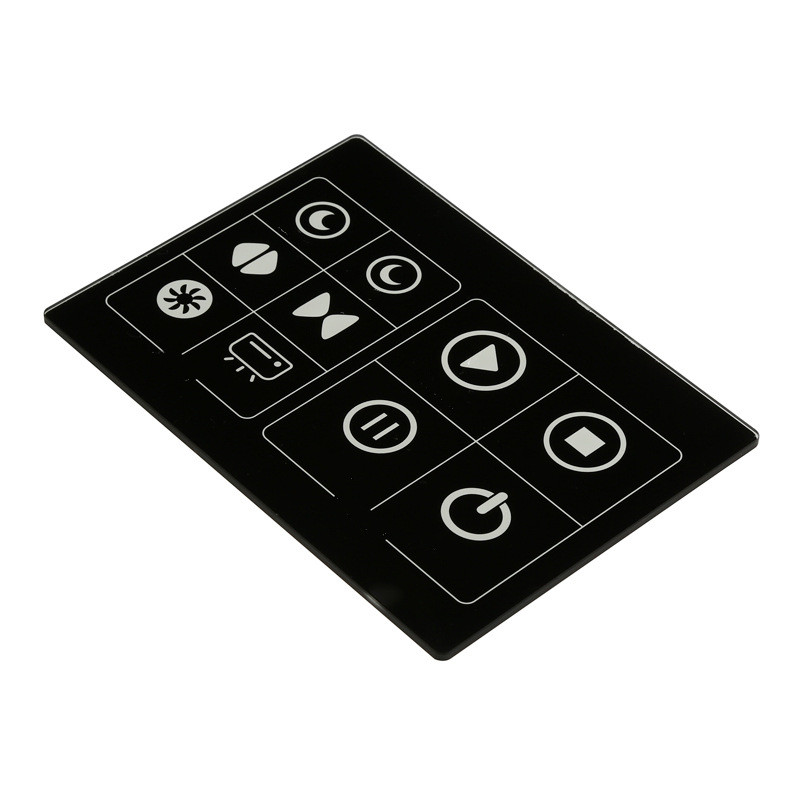
High Temperature Resistant Customized Black Printing Tempered Glass Cooktop Microwave Oven Door Glass for Kitchen
Black-printed safety glass for cooktops, microwave ovens and oven doors. High-temperature resistant ink and controlled edge processing support daily heat, steam and cleaning cycles.

High Quality Industrial Screen Front Cover Glass Frosted Anti-glare Glass for Screen Protector
Frosted anti-glare glass for industrial displays, HMIs and protective screens. The matte surface diffuses reflections so operators can read data under bright factory lighting.
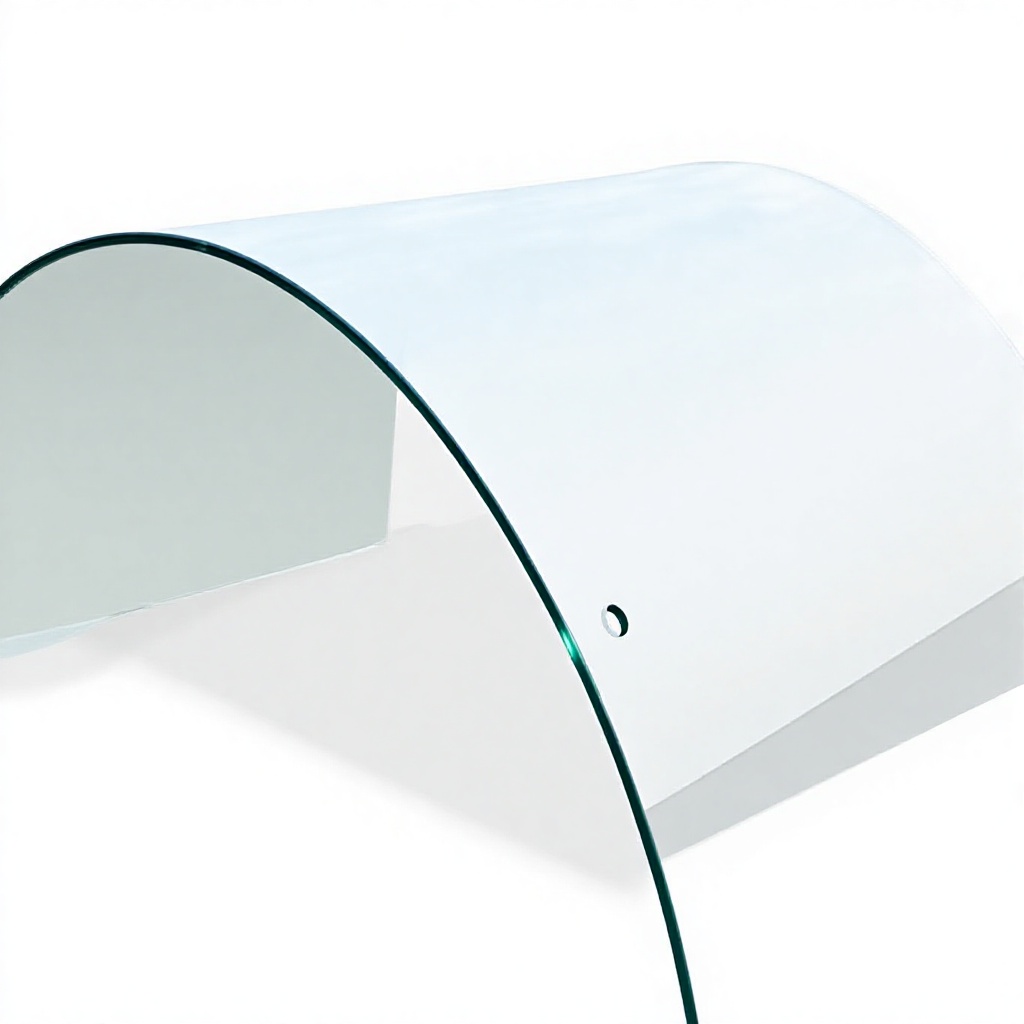
Custom Curtain Wall Glass Balcony Glass Tempered Glass Curved
Curved tempered glass for balcony railings, curtain walls and architectural features. Radius, edge condition, hole positions and installation method must be confirmed before tempering.
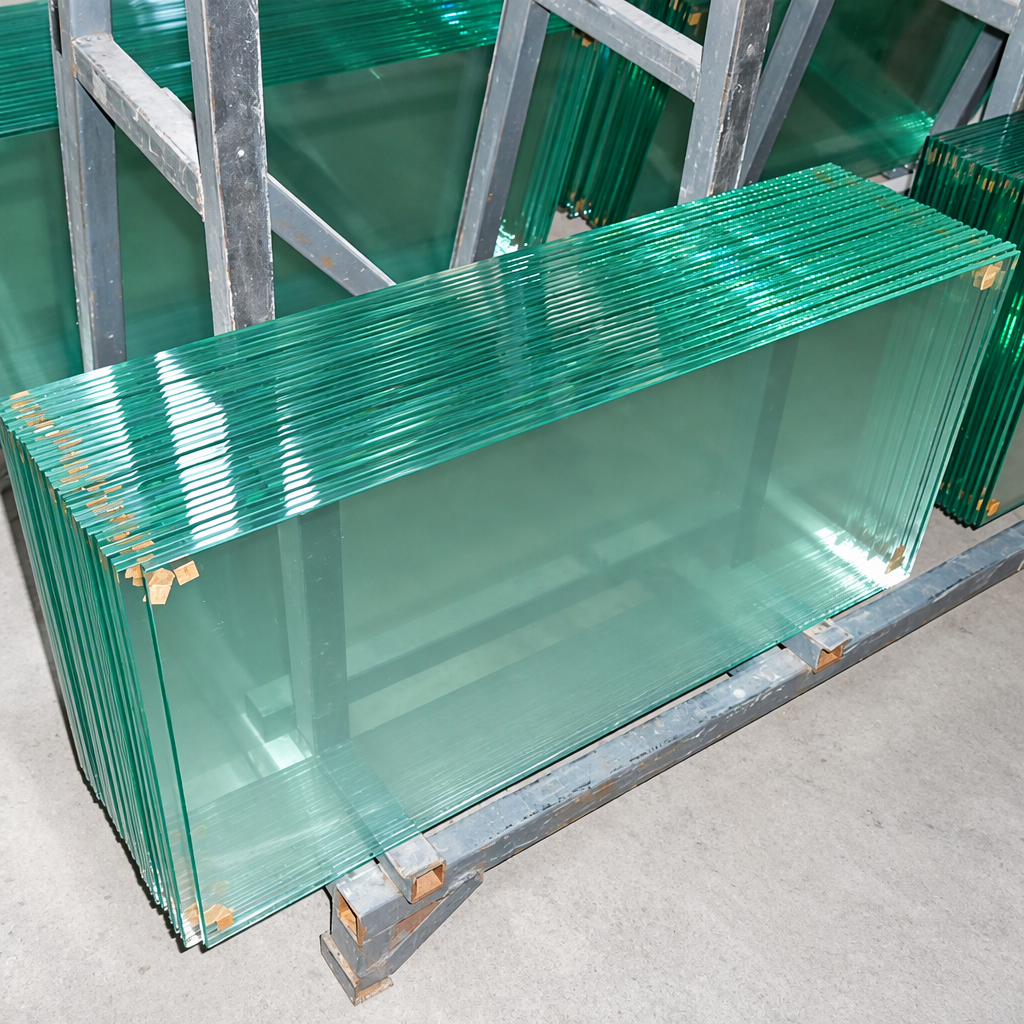
Construction & Real Estate Float Glass Factories in China Tempered Glass
Construction and real-estate float glass for projects that need tempered safety glass, consistent batch quality and documentation support for destination-market requirements.
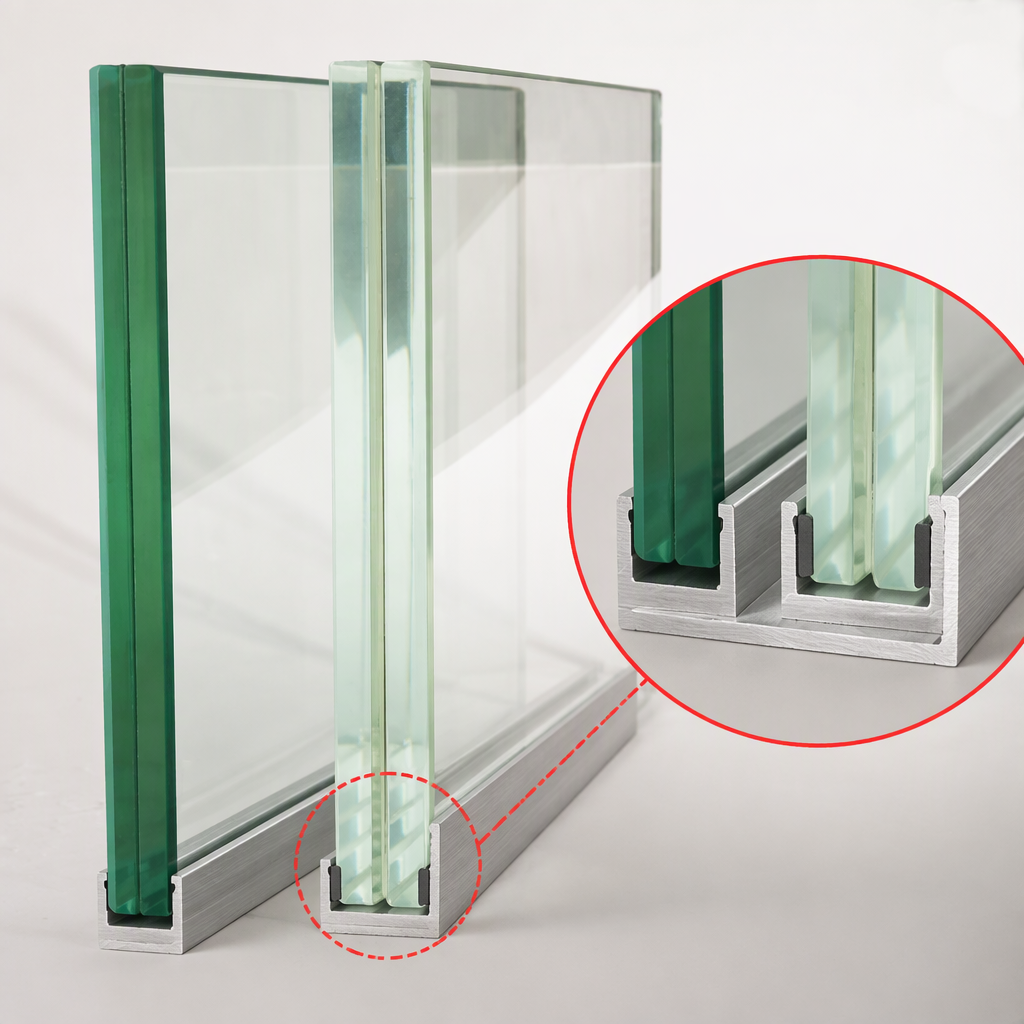
Tempered Glass Flat Solid Tempered Glass Panel Customized Thickness and Size
Flat solid tempered glass made to custom thickness and size. A practical choice for equipment covers, control windows, furniture and general industrial protection.
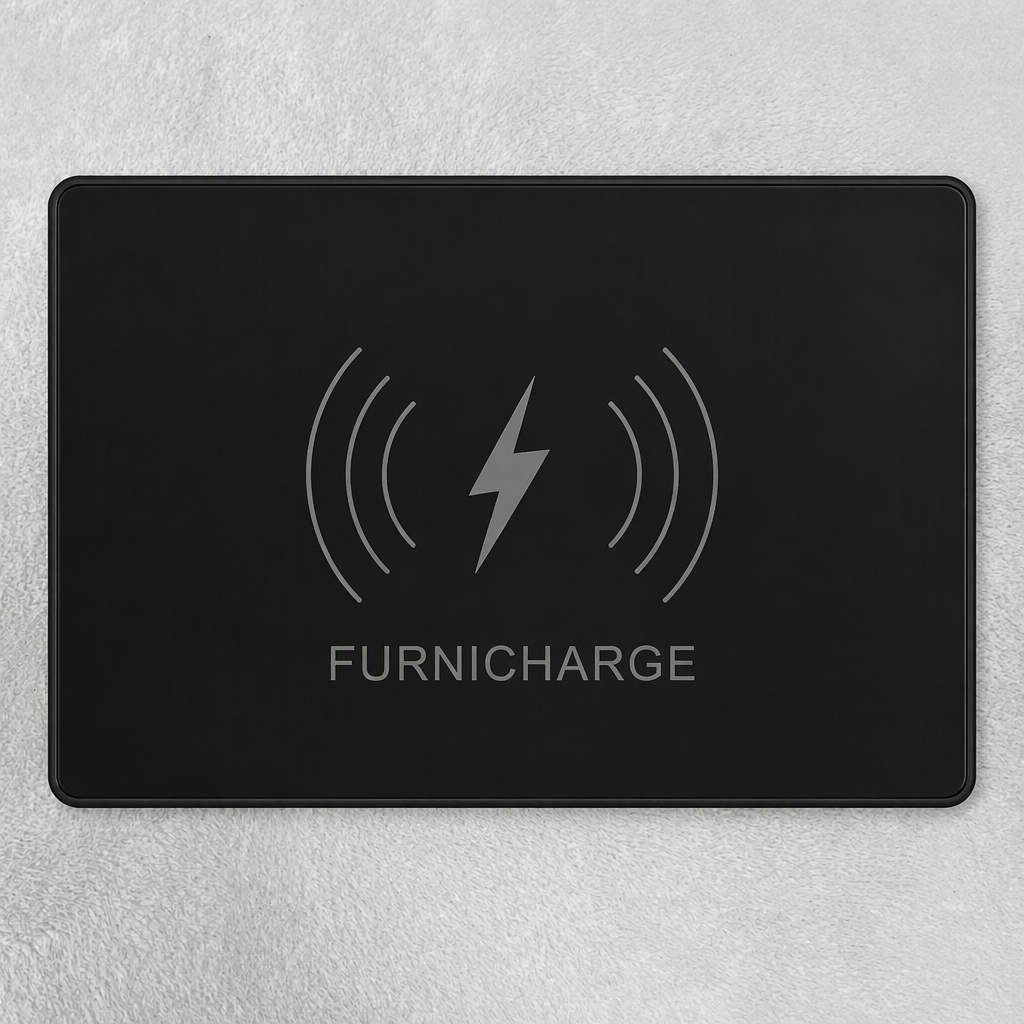
Smart Tempered Glass Bedside Table Panel for Tea Table Wireless Charging Front Cover Glass Touch Light Switch Glass
Smart tempered glass for bedside tables, tea tables, wireless charging surfaces and touch-light switch covers. Printed graphics and touch zones can be combined on one clean front surface.

Tempered Glass Flat Solid Glass Panels Heat-resistant Tempered Glass for Various Application
Heat-resistant flat tempered glass for appliances, industrial equipment and multi-application protection. Our engineers can recommend physical tempering or chemical strengthening based on working conditions.
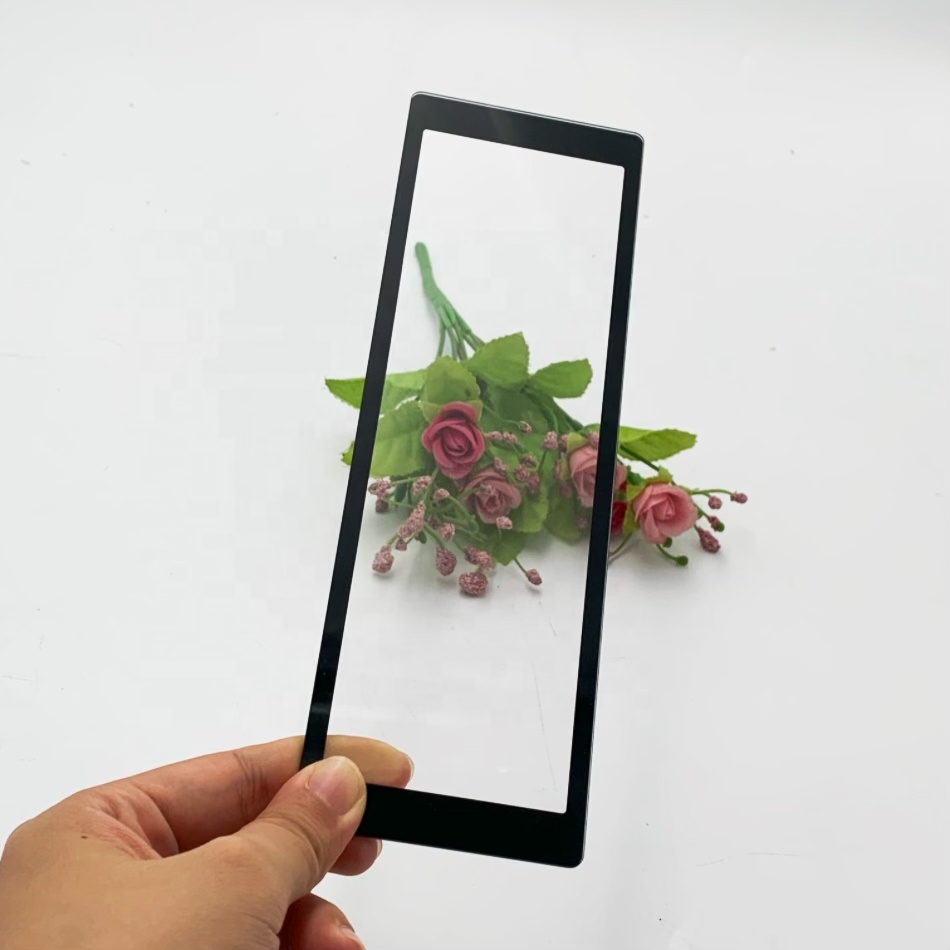
Custom Silk Screen Printed Tempered Glass Panel Touch Screen Display Cover Glass
Custom silk-screen printed tempered glass for touch display covers and electronic products. Multi-color printing, optical coatings, CNC holes and edge finishing can be combined in one part.
What Buyers Should Expect from a CE Certified Tempered Glass Exporter & Wholesaler
CE marking is not a decorative logo. For tempered glass used in regulated construction or equipment, procurement teams should verify the certificate scope, applicable standard, glass thickness, processing route and destination-market requirement. Qingdao Maupe Glass Co., Ltd. supports this review with traceable documentation and direct engineering contact.
Maupe Glass is an ISO 9001 certified glass deep-processing manufacturer with certificate No. 24025Q20015R1S, RoHS certificate No. 25TYT12395 and CE certificate No. 23TYT082593S for tempered glass. The company has been onsite assessed by SGS Group and has supplied a Fortune 500 buyer under a verified procurement contract. Export share of output is 91–100%, which means export packaging, documentation and loading control are part of normal production discipline rather than an afterthought.
Factory and export indicators
Why this matters to importers
A tempered glass wholesaler that exports most of its output must manage breakage risk, print adhesion, packing strength, carton labeling and inspection records every week. For buyers, this reduces the gap between a sample that looks correct and a repeat order that arrives with the same dimensions, color and surface treatment.
The factory is close to Qingdao seaport and airport, making FOB, CIF, DDP, DDU and express shipments practical. Buyers can also arrange third-party inspection before loading when project documentation requires it.
Which Tempered Glass Panel Should You Specify?
The fastest way to receive a useful quotation is to separate design requirements from commercial requirements. Use these two RFQ checklists to help engineering and purchasing compare options on the same basis.
Technical drawing and performance data
- 2D drawing in DWG, DXF or PDF with outline, holes, cutouts and tolerance.
- Glass thickness, type and edge finish: clear, ultra-clear, high-alumina, flat polish, pencil edge or bevel.
- Print artwork in AI or PDF, Pantone or color reference, icon layout and backlight requirements.
- Surface treatment: AR, AG, AF, anti-microbial option if required, or no coating.
- Working environment: heat, steam, outdoor exposure, touch sensor, cleaning chemicals and impact risk.
Commercial and compliance data
- Estimated annual volume, first-order quantity and expected repeat schedule.
- Destination country, delivery term and preferred shipment mode: sea, air or express.
- Required certificate scope and whether the buyer needs ISO 9001, RoHS or CE documents for their file.
- Packaging format: individual protective bags, foam, cartons, pallets or custom labels.
- Inspection requirement: sample approval, pre-production sample, final inspection or third-party check.
One Factory, a Controlled Glass Process Chain
Keeping cutting, CNC shaping, printing, tempering and coating under one roof shortens lead times and makes tolerance and color consistency easier to trace from raw sheet to packed carton.
Precision Cutting & CNC Shaping
Straight, round and special-shaped parts cut and CNC-profiled from clear, ultra-clear, tinted and high-alumina sheet.
Edge Polishing, Drilling & Engraving
Flat, pencil and beveled edges, safety corners, countersunk holes, notches and engraved details for clean assembly.
Silk Screen Printing
Eco-friendly high- and low-temperature inks, multi-color layouts, logos, icons, touch zones and scratch-resistant finishes.
Physical Thermal Tempering
Heat-strengthened safety glass for appliance doors, switch panels and display windows that must resist impact and heat.
Chemical Strengthening
Ion-exchange strengthening for thin 0.5–2 mm cover glass where flatness, optical clarity and strength are required.
AR / AG / AF Surface Coating
Anti-reflective, anti-glare and anti-fingerprint treatments for readable screens in bright, industrial and medical environments.
Tempered Glass Procurement Trends for 2025–2026
Buyers are not simply comparing price per piece. They are building approved supplier lists around documentation, repeatability, packaging performance and the ability to support smaller custom runs before mass production.
Total Cost of Ownership
Importers are comparing breakage rate, print adhesion, packing cost and rework risk, not only the unit price. A stable process often costs less over a full container program.
Certificate Scope Review
Procurement teams now ask for certificate numbers, issuing bodies and the exact product scope. CE, RoHS and ISO 9001 documents are checked before a supplier is added to the bid list.
Lower MOQ Sampling
Brands prefer to approve a drawing, print color and touch feel before committing to volume. Custom printed panels commonly start from 10 to 100 pieces depending on size, thickness and print colors.
Supply-Chain Resilience
Qingdao seaport and airport access supports FOB, CIF, EXW, DDP and express delivery. Buyers are consolidating suppliers that can combine multiple glass parts in one shipment.
Product Development Trends in Functional Tempered Glass
The next generation of tempered glass parts combines protection, decoration and an interface. Buyers should discuss the full stack early: glass substrate, strengthening method, print layer, coating and assembly adhesive.
Thin, Strong Touch Covers
Chemically strengthened 0.5–2 mm glass is increasingly specified for touch covers, small electronics and surfaces where excellent flatness and optical quality matter.
AR / AG / AF Coating Stacks
Combined anti-reflective, anti-glare and anti-fingerprint treatments improve readability in bright rooms, industrial HMIs, medical screens and outdoor equipment.
Integrated Smart Surfaces
Switch panels, wireless charging tables and smart locks are moving toward glass surfaces that combine printed icons, backlight windows and capacitive touch zones.
High-Temperature Decorative Printing
Appliance glass continues to demand heat-resistant inks, color consistency and scratch resistance for cooktops, oven doors, range hoods and microwave ovens.
Why Qingdao Maupe Glass Is a Practical OEM Partner
Maupe Glass combines a focused glass deep-processing factory with export discipline. The result is a supplier relationship built around drawings, samples, repeat production and documentation instead of anonymous catalog ordering.
Verified Quality and Compliance
ISO 9001 certificate No. 24025Q20015R1S, RoHS No. 25TYT12395 and CE No. 23TYT082593S are supported by incoming material inspection, finished product inspection and supplier assessment procedures.
SGS Onsite Assessed
The factory has been onsite assessed by SGS Group and has supplied a Fortune 500 buyer under a verified procurement contract. Buyers can request current company and certificate documentation for review.
One-Roof Process Control
Cutting, CNC shaping, edge polishing, drilling, engraving, printing, tempering and coating are controlled as one production chain, reducing tolerance mismatch between suppliers.
Export Experience Since 2012
Serving more than 80 countries, with 91–100% of output exported. This keeps export packing, labeling, loading and destination documentation part of daily operations.
OEM / ODM Engineering Support
With more than 10 years of OEM experience, the team reviews manufacturability, suggests physical tempering or chemical strengthening, and supports samples, design customization and full customization.
Wholesale and Project Flexibility
MOQ depends on size, thickness, coating and print colors, with many custom panels starting from 10 to 100 pieces. Buyers can discuss sample approval, annual volume and repeat-order planning.



FAQ for CE Certified Tempered Glass Wholesale
These are the questions buyers ask most often when comparing custom tempered glass exporters, requesting samples and preparing a purchase order.
What is the minimum order quantity for custom printed tempered glass?
Most custom silk-screen printed panels start from 10 to 100 pieces depending on size, thickness and number of print colors. Large-size display cover glass can start from 10 pieces. High-alumina or highly customized control-screen glass may require a higher starting quantity. Samples can be arranged for fit, color and print verification before mass production.
Should we choose physical tempered glass or chemically strengthened glass?
Physical thermal tempering suits glass typically 2 mm and thicker, such as appliance doors, switch panels and display windows, and breaks into small blunt fragments. Chemical strengthening suits thin glass from 0.5 mm to 2 mm, touch covers and parts that need excellent flatness and optical quality. The working environment and installation method should decide the route.
Which certifications does Qingdao Maupe Glass Co., Ltd. hold?
The company operates an ISO 9001 quality management system under certificate No. 24025Q20015R1S, holds RoHS certificate No. 25TYT12395 and CE certificate No. 23TYT082593S for tempered glass, and has been onsite assessed by SGS Group. Buyers should confirm that the certificate scope matches their product and destination market.
What files are needed to start a custom glass project?
Send a 2D drawing in DWG, DXF or PDF with dimensions, thickness, edge finish, hole positions and tolerance, plus print artwork in AI or PDF with color references. State coating requirements such as AR, AG or AF, the intended application, annual demand and any certification or inspection requirement.
Which trade and payment terms are accepted?
Accepted delivery terms include FOB, CIF, EXW, FAS, FCA, CPT, DDP, DDU and express delivery. Accepted payments include T/T, L/C, PayPal, Western Union and cash, in USD, EUR or CNY. The factory is close to Qingdao seaport and airport, which supports flexible shipping arrangements.
How can buyers verify quality before shipment?
Start with a sample or pre-production approval covering dimensions, print color, edge finish, coating and touch feel. Before mass production, confirm the inspection standard and packing method. Incoming material inspection, finished product inspection and third-party inspection can be arranged according to the project requirement and destination market.
Send Your Drawing, Artwork or Target Specification
Share glass thickness, dimensions, print colors, edge finish, coating requirement, annual volume and destination country. Our engineering team will review manufacturability, suggest physical tempering or chemical strengthening, and confirm MOQ, packaging and export options.
Useful details: 2D drawing, AI/PDF artwork, working environment, sample quantity and required certificate scope.