China Best Borosilicate Glass Tube Manufacturers & Factories
An evidence-led buying guide for OEM teams comparing thermal shock, wall tolerance, hydrolytic resistance, traceability, coatings, printing and export packing from Chinese glass factories.
Eight Precision Glass Products That Prove Process Control
For buyers evaluating China borosilicate glass tube manufacturers and factories, the strongest proof is not a slogan. It is a portfolio showing controlled cutting, printing, strengthening, coating, inspection and packing. The eight examples below are linked to the original product pages.
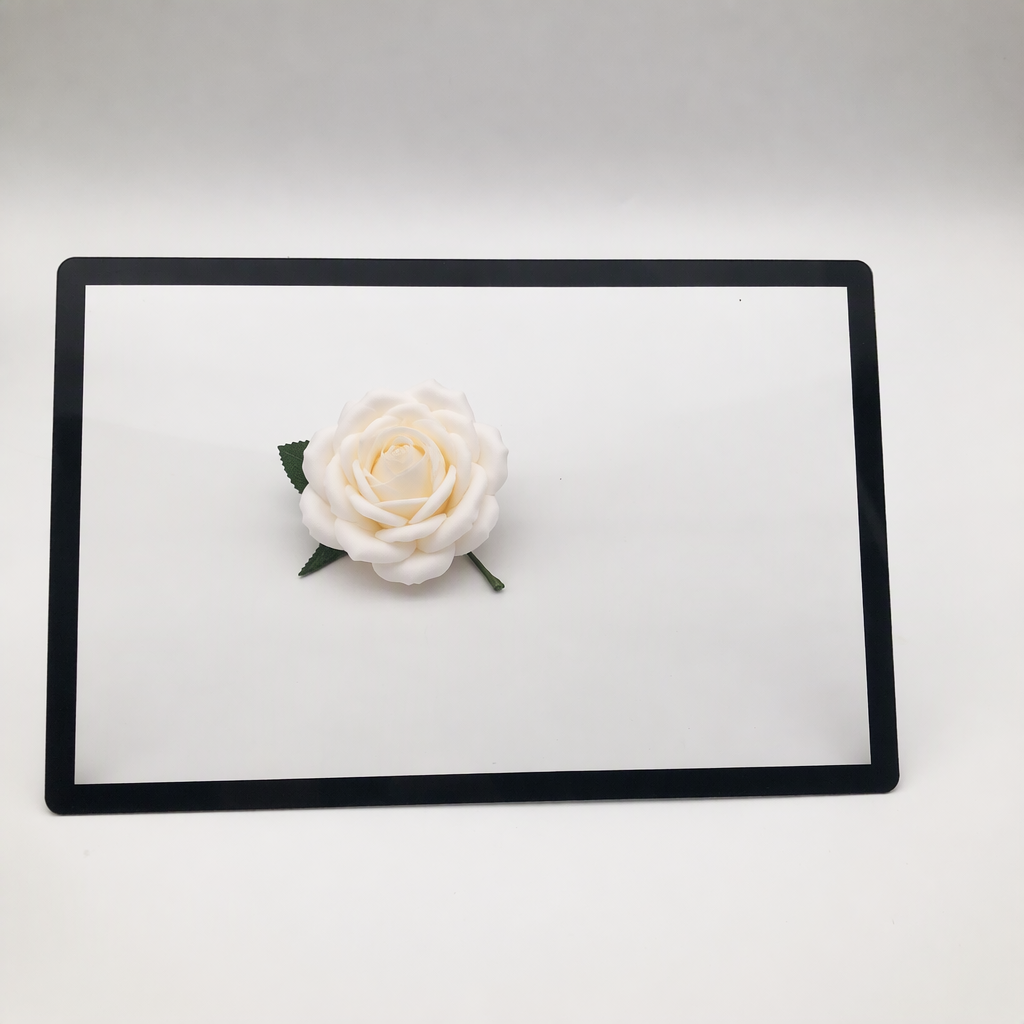
Ultra-Thin Silk Screen Printed Tempered Glass for Display Panels
A thin cover-glass reference for display stacks that need fine printed graphics, clean windows and stable flatness after strengthening.
Display / printed glass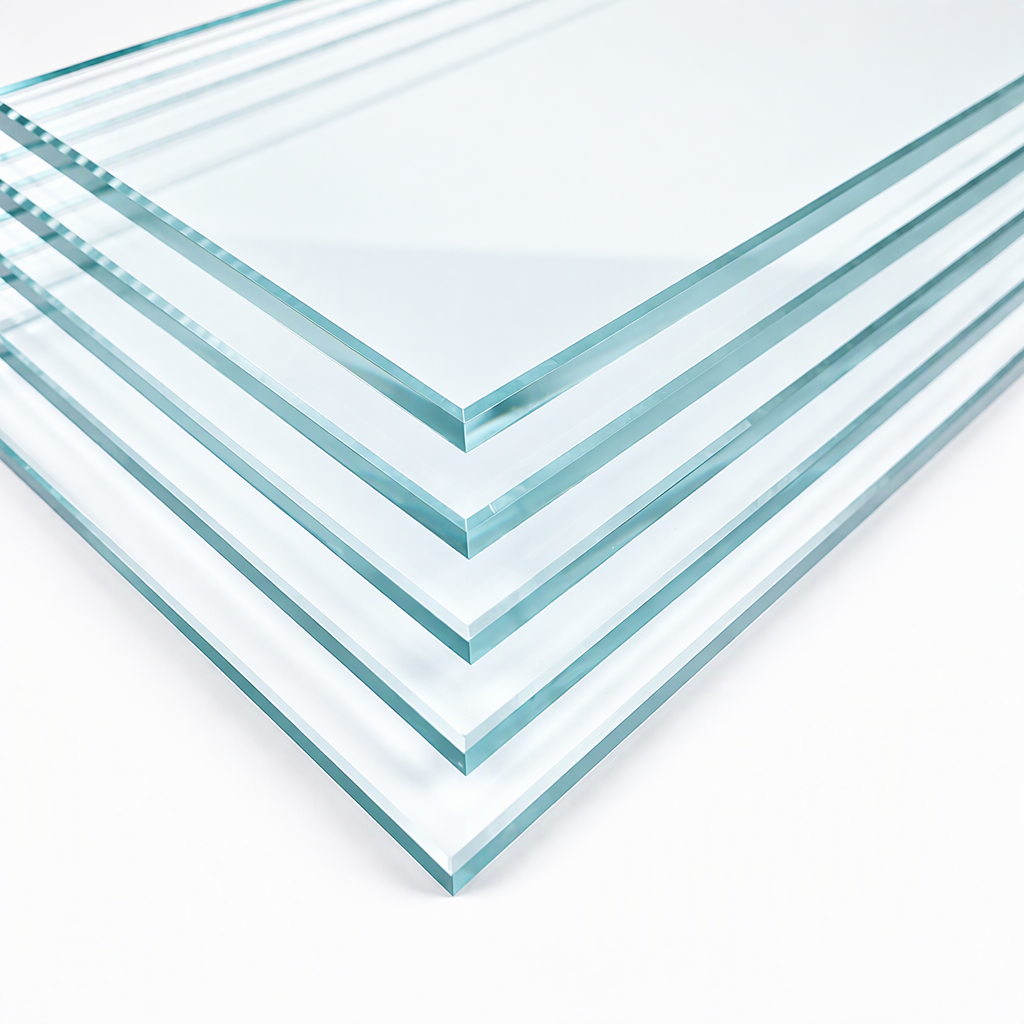
Clear Tempered Glass Transparent Tempered Glass Panel Cover Plate
Clear cover plate for buyers who need optical clarity, edge quality and safety-glass behavior in one flat component.
Clear cover plate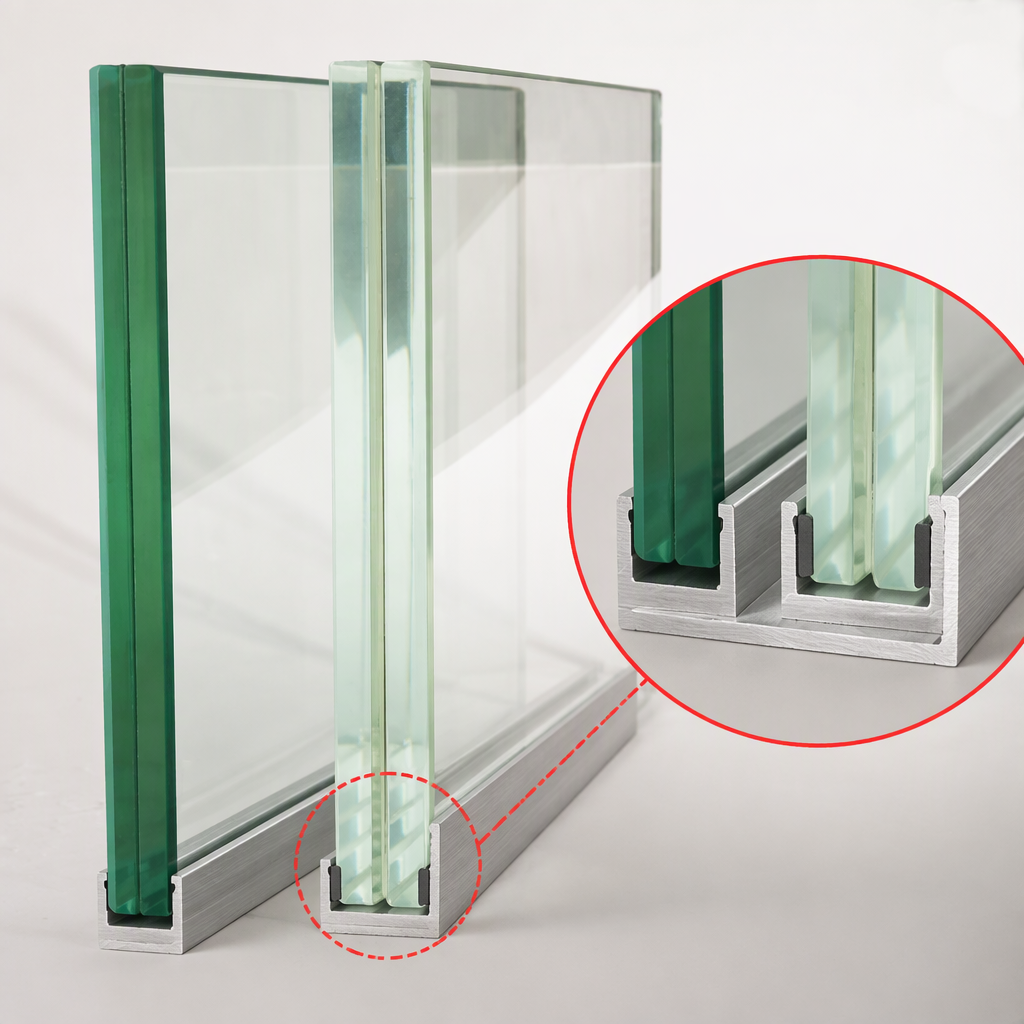
Tempered Glass Flat Solid Tempered Glass Panel Customized Thickness and Size
A flexible reference for appliance, instrument and industrial covers where thickness, outline and hole positions are project-specific.
Custom thickness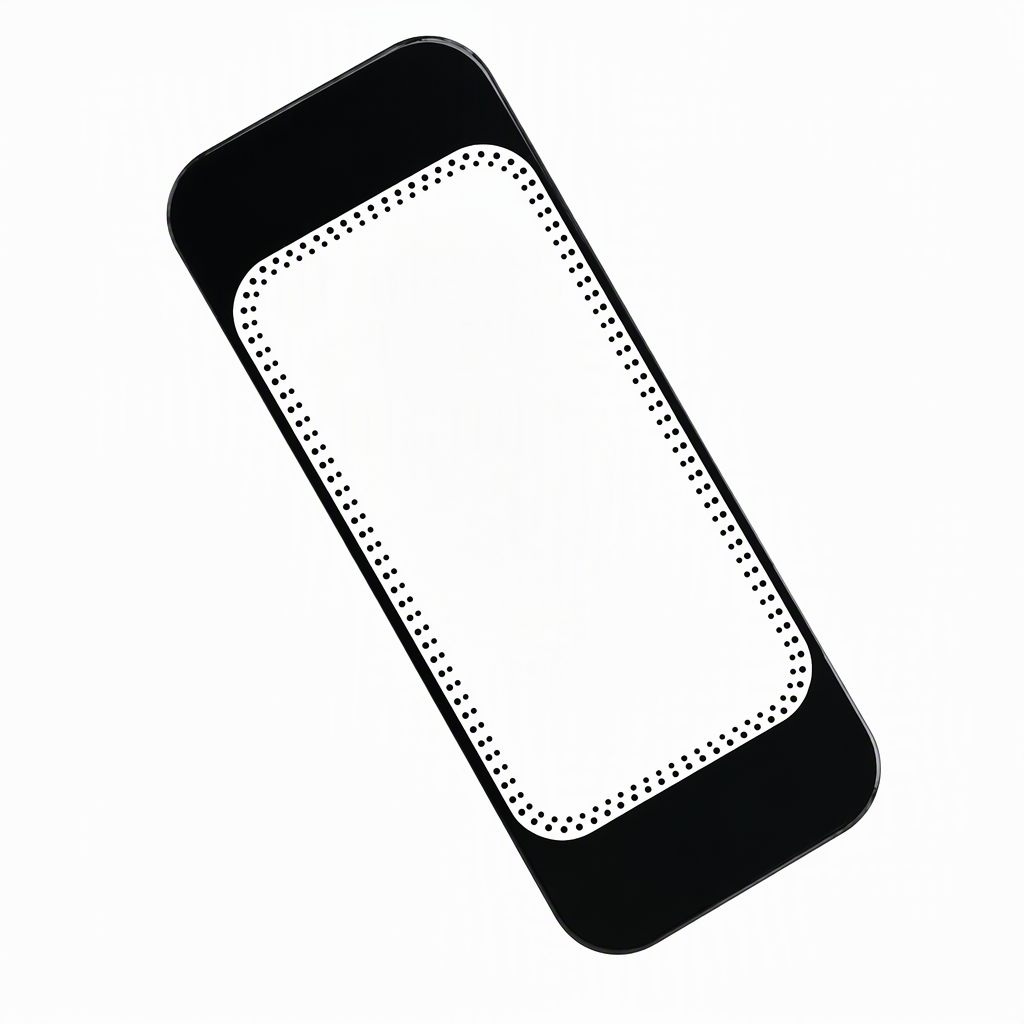
Custom Logo Silk Screen Printing Tempered Glass Panel Tempered Display Glass Screen Protector
Branded display glass with printed graphics and protective surface, suited to control panels and touch interfaces.
Logo printing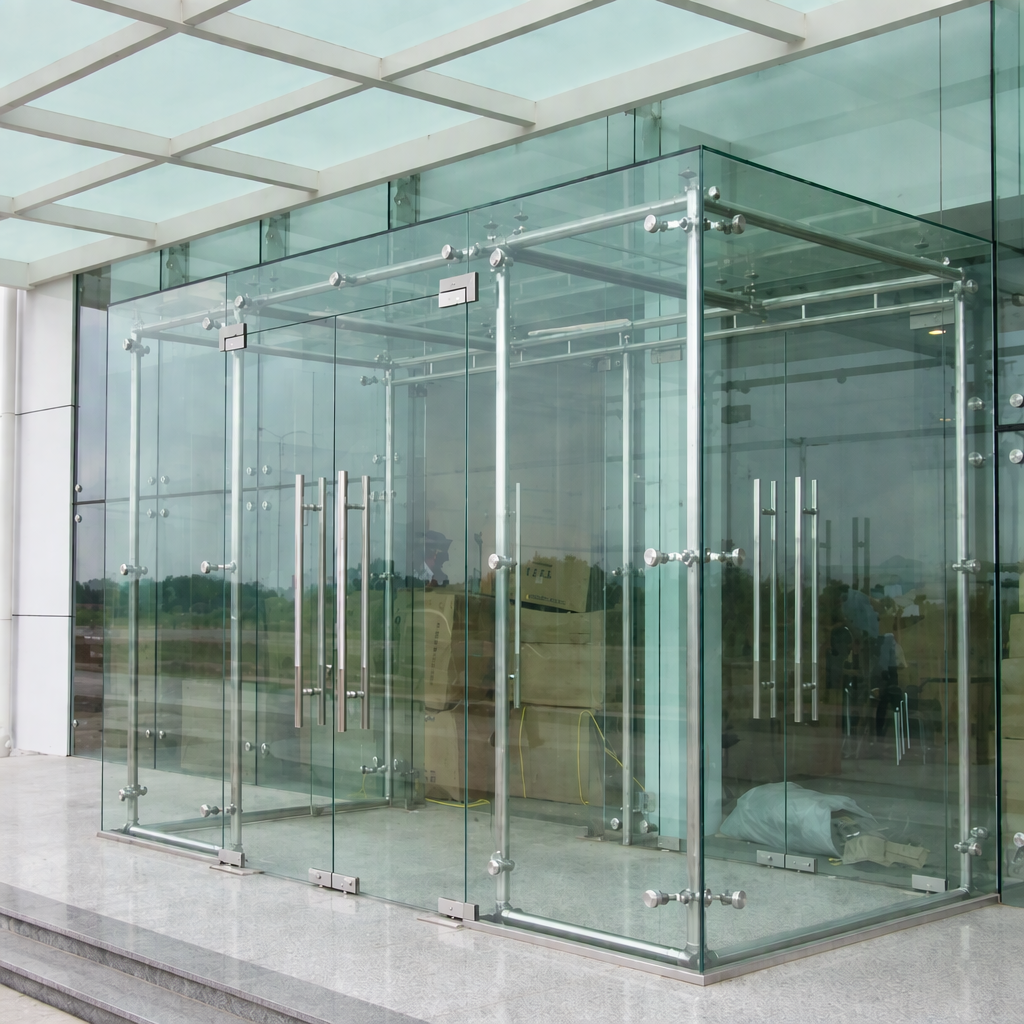
Tempered Glass Solar Window Glass High Transmittance Clear Flat Tempered Glass
High-transmission solar window glass for applications where light yield, flatness and outdoor durability all matter.
Solar glass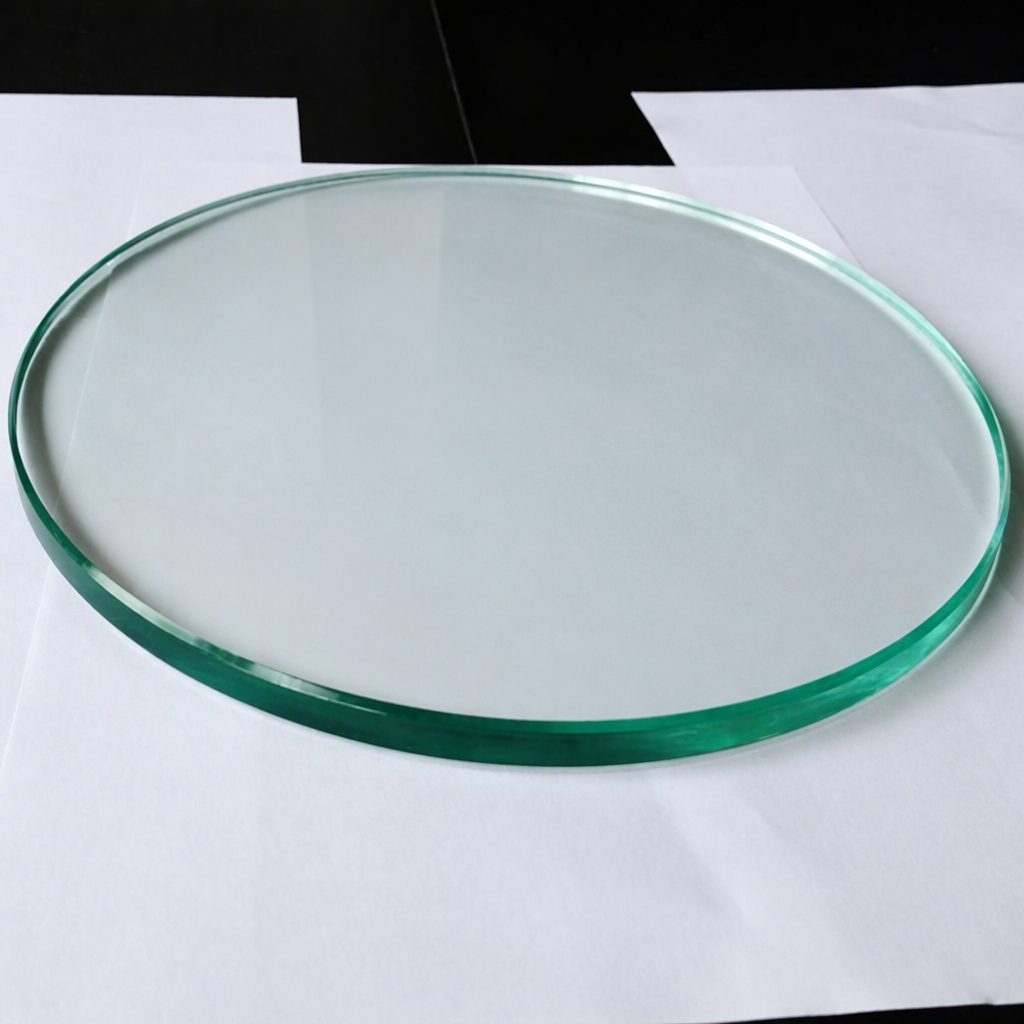
12mm Tempered Glass Round Tempered Glass Beveled Round Glass Pieces
Heavy-gauge round glass with beveled edges, useful as a reference for furniture, lighting and decorative industrial parts.
Beveled round glass
Tempered Glass Panel With 3M Adhesive Tape Silk Screen Printing for Electrical Appliance Decoration Front Cover Glass
A ready-to-bond front panel format for electrical appliances and equipment, with printed decoration and assembly-friendly adhesive.
3M tape / front panel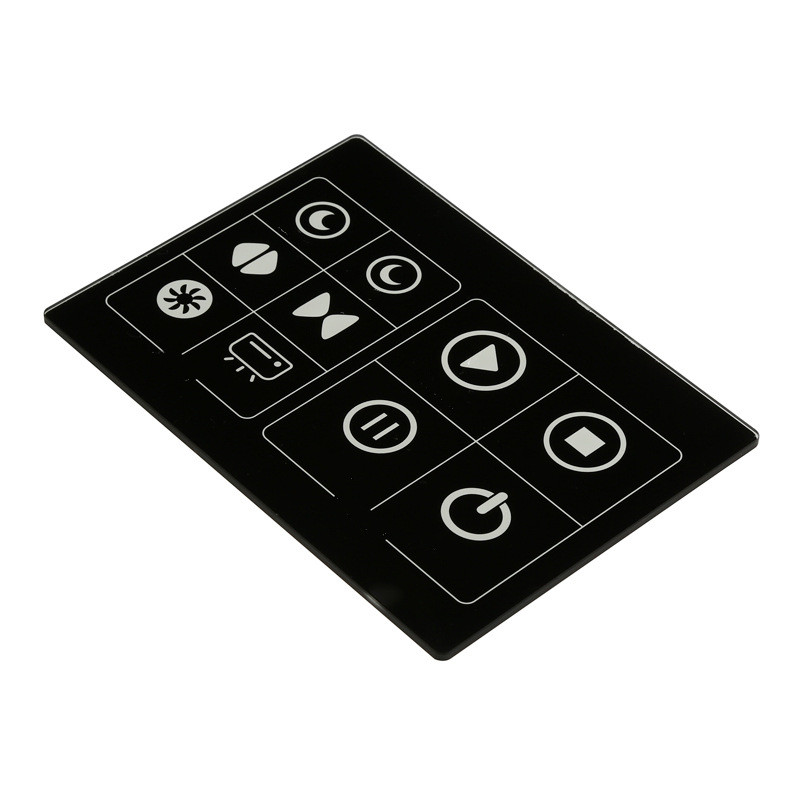
High Temperature Resistant Customized Black Printing Tempered Glass Cooktop Microwave Oven Door Glass for Kitchen
Heat-resistant black print for kitchen appliances, with the dimensional control and ink durability required by oven and cooktop doors.
Heat-resistant printThese production examples show the same engineering discipline used for borosilicate tube programs: drawing review, sampling, process control, first-article inspection and export-ready packing. All product URLs above are preserved from the original product pages.
What “best” should mean when you shortlist China borosilicate glass tube manufacturers
China’s borosilicate glass tube sector is not one market. It ranges from high-volume tube drawing for lighting, solar thermal and laboratory supply to specialist workshops that cut, fire-polish, anneal, print, coat and pack borosilicate 3.3 components for diagnostic equipment, pharmaceutical filling lines and semiconductor tools. A search for China best borosilicate glass tube manufacturers and factories should therefore end in a qualification process, not a price list.
The right factory is the one whose process window matches your coefficient of thermal expansion, wall tolerance, hydrolytic resistance, thermal-shock cycle, end-finish requirement and cleanliness level. That is why experienced buyers ask for measurable evidence: dimensional reports, annealing records, bubble and stone limits, first-article inspection, packing validation and traceability from raw tube lot to finished carton.
This white-paper style guide combines practical factory-floor experience with procurement criteria used by OEM teams in more than 80 countries. It explains how to compare suppliers, which procurement trends will shape 2025–2030, how borosilicate tube products are developing, and how Qingdao Maupe Glass Co., Ltd. supports custom glass programs through ISO 9001 controlled cutting, printing, strengthening, coating and inspection.
What most supplier pages omit
These five details separate a capable tube processor from a trading company that only forwards quotations.
- Wall thickness measured at three points around the circumference and along the length.
- CTE and strain point matched to your actual thermal cycle, not just described as “borosilicate”.
- End finish defined as fire-polished, ground, chamfered, glazed or laser-cut.
- Residue and particle limits agreed before sampling, especially for medical and laboratory use.
- Export packing validated for the real shipping route, not only for the factory floor.
How Borosilicate Tube Buyers Will Source in 2025–2030
Price pressure is still real, but the buying decision is shifting toward process evidence, supply resilience and total cost of ownership. These six trends are already visible in custom-glass inquiries.
Qualification-first procurement
Buyers now ask for process capability studies, material certificates and sample test reports before issuing an RFQ. This is especially important for diagnostic, pharmaceutical and solar thermal products where failure is expensive.
China plus regional resilience
Near-shoring adds speed, but China remains a capability hub for tube drawing, tight-tolerance cutting and specialty coating. Mature buyers use dual sourcing: China for scale and customization, regional stock for urgent service.
Small-batch customization
More projects begin with 10–100 pieces for fit, print and assembly validation. Factories with flexible sampling, fast screen changes and clear engineering feedback win the production order later.
Digital audit and traceability
Video factory tours, lot numbers, inspection images and online corrective-action records reduce travel cost and make supplier verification faster. Traceability is becoming part of the purchase order, not an afterthought.
Total cost of ownership
Purchase price is one line only. Breakage, rework, delayed assembly, excess packaging and customs friction can erase a low quotation. Buyers now compare landed cost and risk-adjusted lead time.
Environmental and documentation compliance
RoHS-compliant inks, recyclable packaging and clear material declarations are moving from “nice to have” to tender requirements. Documentation quality is now a supplier performance metric.
Illustrative sourcing priority index
Relative importance in recent custom-glass inquiries, shown as an illustrative index for discussion rather than a formal market forecast.
Thinner Walls, Larger Diameters, Cleaner Surfaces
The next buying cycle will reward factories that can do more than draw a tube. They must control the interface between glass and the rest of the device.
Thin-wall, large-diameter tubing
Demand for lightweight, high-flow and compact designs is pushing wall thickness down and diameters up. Ovality, bow and wall uniformity become the limiting quality characteristics.
Tight length and wall tolerances
Automated assembly needs stable fit. Buyers increasingly ask for process capability data, not only a drawing tolerance, because a nominal tolerance that cannot be held in production is a hidden risk.
Fire-polished and glazed ends
End quality influences strength, particle generation and assembly safety. Fire-polished, ground or glazed finishes must be approved under magnification before mass production.
Coating integration
AR, AG and AF coatings continue to expand in display and appliance glass. For tube-based products, specialty coatings and surface treatments are requested where optical, hydrophobic or anti-scratch performance matters.
Printing, laser marking and scales
Logos, measurement scales, alignment marks and QR codes are increasingly printed or laser-marked. The factory must control ink adhesion, cure, color consistency and wear resistance.
Data-rich quality documentation
Certificates of analysis, dimensional reports, lot traceability and inspection photos are becoming standard deliverables. Buyers want proof they can store, audit and share with their own customers.
| Attribute | Borosilicate 3.3 | Borosilicate 5.1 | Tempered soda-lime flat glass |
|---|---|---|---|
| Nominal CTE | Approx. 3.3 × 10⁻⁶/K | Approx. 5.1 × 10⁻⁶/K | Higher expansion, application-specific |
| Thermal shock | High; common for laboratory, pharma and solar thermal use | Very high; selected for demanding thermal cycles | Good as safety glass, but not a substitute for borosilicate tube in hot chemical service |
| Typical use | Lab glass, sight glass, pharma, lighting, solar | High-temperature sight glass, special industrial parts | Appliance doors, display covers, control panels |
| Sourcing note | Specify hydrolytic class, anneal and end finish | Confirm thermal-shock protocol and dimensional capability | Confirm print, coating and safety-glass behavior |
How to Verify a China Borosilicate Glass Tube Supplier
Use this checklist before placing a tube order. The goal is not to collect the most certificates. It is to connect every certificate and measurement to the failure mode that matters in your product.
- Material identity: request base tube grade, lot number, certificate of analysis and hydrolytic resistance data.
- Dimensional capability: review wall thickness at three points, ovality, bow, cut length, squareness and burr control.
- Thermal history: confirm annealing or fire-polishing, residual stress checks and the thermal-shock test protocol.
- End finish: approve fire-polished, ground, glazed, chamfered or laser-cut samples under magnification.
- Cleaning: agree particle, residue and handling requirements; request cleanroom packing where needed.
- Printing and coating: check adhesion, cure, color, scratch resistance and RoHS documentation.
- Quality records: require first-article inspection, in-process checks and a final report before shipment.
- Logistics: validate export packing, drop test, labeling and documents for your destination.
Information gain: five questions that reveal real capability
- Can you show wall thickness at three points for the last three production lots?
- Which thermal-shock cycle do you recommend for our drawing, and why?
- How do you verify ink adhesion after high-temperature printing?
- What packing drop height has been validated for export cartons?
- Can we audit the lot trace from raw tube to finished carton?
Inside Qingdao Maupe Glass Co., Ltd.
Founded in 2012 in Qingdao, Shandong, Qingdao Maupe Glass Co., Ltd. is an ISO 9001 certified glass deep-processing manufacturer and international supplier with proven export experience.
The company operates an ISO 9001 quality management system, holds RoHS and CE certificates for its glass products, and has been onsite-assessed by SGS Group as a third-party inspection company. Its core work is turning flat glass into finished functional parts: cutting, edge polishing, drilling, engraving, coating, silk screen printing, physical tempering and chemical strengthening.
Silk screen printed glass uses RoHS-compliant, eco-friendly inks with high- and low-temperature processes, giving scratch- and wear-resistant prints for displays, electronic control equipment, instrument covers, household and kitchen appliances, furniture and decorative partitions.
The factory is close to Qingdao seaport and airport, which keeps export logistics simple and makes onsite audits practical for visiting buyers. Today the company serves clients in more than 80 countries across North and South America, Europe, Oceania, the Middle East, Africa and Asia.
Certification references: ISO 9001 Certificate No. 24025Q20015R1S; RoHS Certificate No. 25TYT12395; CE Certificate No. 23TYT082593S.
Why this matters for borosilicate glass tube buyers
Tube sourcing rarely stops at the tube. It connects to cutting, edge finishing, printing, coating, strengthening, inspection and packing. Keeping these steps under one quality system reduces hand-off risk, shortens corrective-action loops and makes specifications easier to audit.
For custom projects, the team reviews the drawing, checks manufacturability, recommends the strengthening method and prepares samples for fit, print and touch verification before mass production.
Send an InquiryPrecision Cutting & CNC Shaping
Straight, round and special-shaped parts cut and CNC-profiled from clear, ultra-clear, tinted and high-alumina sheet.
Edge Polishing, Drilling & Engraving
Flat, pencil and beveled edges, safety corners, countersunk holes, notches and engraved details for clean assembly.
Silk Screen Printing
Eco-friendly high- and low-temperature inks, multi-color layouts, logos, icons and touch zones with scratch-resistant finish.
Physical (Thermal) Tempering
Heat-strengthened safety glass for appliance doors, switch panels and display windows that must resist impact and heat.
Chemical Strengthening
Ion-exchange strengthening for thin 0.5–2 mm cover glass where flatness, optical clarity and strength are all required.
AR / AG / AF Surface Coating
Anti-reflective, anti-glare and anti-fingerprint treatments for readable screens in bright, industrial and medical environments.
1. Drawing Review
Engineers check manufacturability, tolerance and strengthening method.
2. Sampling
Screens and samples are made for fit, color and touch verification.
3. Mass Production
Cutting, edging, printing and tempering on 8 production lines.
4. Quality Inspection
Incoming material and finished product inspection before packing.
5. Export Shipping
Protective export packing via Qingdao port, FOB, CIF, DDP and more.
Questions Buyers Ask Before Ordering
Clear answers for engineering, purchasing and quality teams comparing China borosilicate glass tube manufacturers and factories.
What is the minimum order quantity for custom borosilicate glass tubes?
MOQ depends on tube diameter, wall thickness, cut length, end finish and secondary operations such as printing or coating. Trial runs are discussed after drawing review because the real constraint is often tooling and inspection time, not raw glass volume. For adjacent printed glass panels, most custom parts start from 10–100 pieces depending on size and number of print colors.
How can I verify a China borosilicate glass tube factory before ordering?
Ask for material documents, dimensional reports, annealing or stress-check records, first-article inspection samples and packing validation. Check whether the factory has been onsite-assessed by a third party such as SGS, and request a video review of the actual production line. A good supplier will answer process questions directly, not only send a catalog.
What is the difference between borosilicate 3.3 and borosilicate 5.1?
Both are low-expansion borosilicate glasses, but they differ in thermal expansion and thermal-shock performance. Borosilicate 3.3 is widely used for laboratory, pharmaceutical, lighting and solar thermal components. Borosilicate 5.1 is selected for some higher-temperature or specialty industrial applications. The correct choice must be confirmed against your thermal cycle, chemical exposure and dimensions.
Which certifications and audit evidence should I request?
Request ISO 9001 for quality management, RoHS for restricted substances where applicable, CE documentation for relevant products, and third-party onsite assessment records. Qingdao Maupe Glass Co., Ltd. operates ISO 9001 Certificate No. 24025Q20015R1S, RoHS Certificate No. 25TYT12395 and CE Certificate No. 23TYT082593S, and has been onsite-assessed by SGS Group.
What files are needed to start a custom glass project?
Send a 2D drawing in DWG, DXF or PDF with dimensions, thickness, edge finish, hole positions and tolerance. Add print artwork in AI or PDF with color references, and state coating requirements such as AR, AG or AF. For tube projects, include cut length, end finish, wall tolerance, annual volume and the intended working environment.
Can you print our logo, icons or measurement scale?
Yes. Silk screen printing supports logos, icons, touch zones, decorative borders and measurement scales. High- and low-temperature inks are selected according to the application. For heat-exposed parts such as cooktop or oven glass, the ink system and curing process are matched to the working temperature.
Do you offer AR, AG or AF coating?
AR, AG and AF surface treatments are available for display cover glass and selected precision glass components. Anti-reflective coating improves light transmission, anti-glare treatment reduces reflection and scattering, and anti-fingerprint coating improves cleanability. The coating choice should be confirmed with the optical requirement and the cleaning process.
How are glass tubes and panels protected for export?
Packaging is specified according to part size, breakage risk and shipping route. Typical protection includes individual wrapping, edge protection, shock-absorbing separators and strong export cartons or crates. Buyers can request packing photos, drop-test validation records and labeling checks before shipment.
Which trade and payment terms are accepted?
Accepted delivery terms include FOB, CIF, EXW, FAS, FCA, CPT, DDP, DDU and express delivery. Accepted payments include T/T, L/C, PayPal, Western Union and cash, in USD, EUR or CNY. The factory is close to Qingdao seaport and airport, which supports flexible logistics planning.
How long do sampling and mass production take?
Sampling time is confirmed after drawing review. It depends on material availability, CNC programming, printing screens, coating and the inspection plan. Mass production timing is then set by tube size, quantity, yield and secondary operations. A realistic supplier will give you a schedule by stage instead of one vague delivery promise.
Send Your Drawing, Target CTE and Annual Volume
Share your specifications and receive manufacturability feedback from our glass engineering team. We can review material grade, wall tolerance, end finish, printing, coating, sampling and export packing before you commit to mass production.
Send an Inquiry