China Best Custom Glass Suppliers & Wholesaler
A 2025–2030 sourcing white paper for OEM buyers comparing custom tempered glass, silk-screen printed cover glass, touch panels and switchable PDLC suppliers in China.
8 Custom Glass Products Recommended for Qualification
Start with application fit, not catalogue size. Each panel below links to its original product page so engineering teams can compare thickness, print, strengthening and coating requirements before requesting a quote.
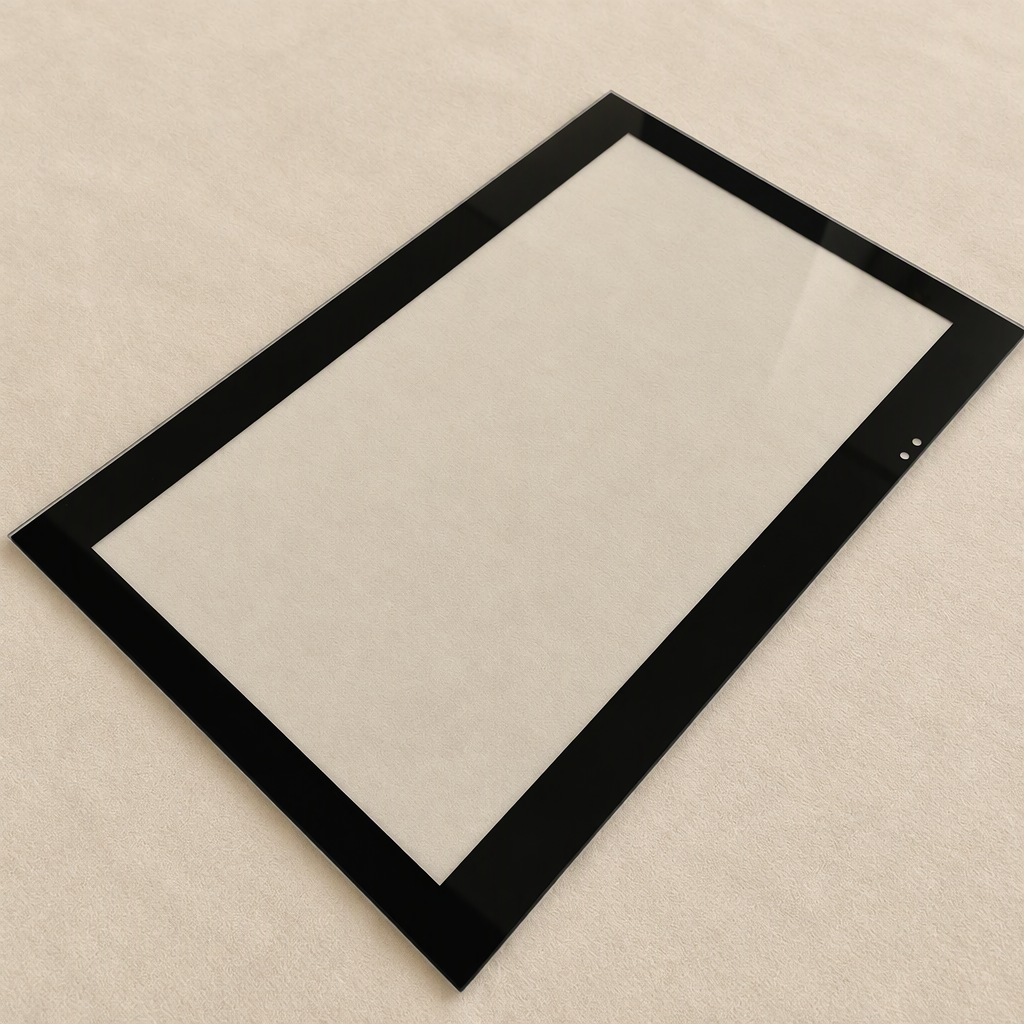
Tempered Glass Panel Silk Screen Printed Flat Display Screen Protector Glass for LCD TV Industrial Decoration
A flat, printed tempered panel for LCD TV windows, industrial display guards and decorative equipment fronts. Printing can create borders, logos, masks and icon windows while the clear area protects the display.
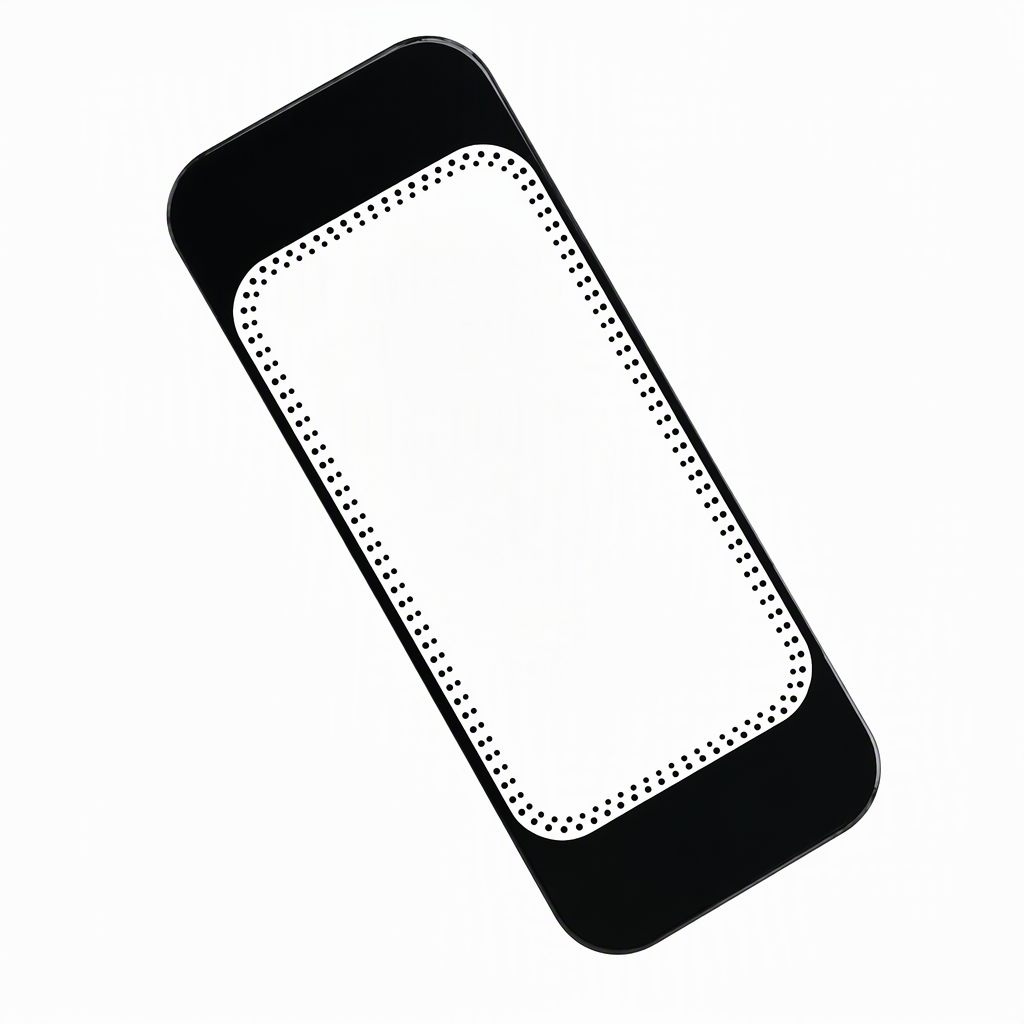
Custom Logo Silk Screen Printing Tempered Glass Panel Tempered Display Glass Screen Protector
Recommended for brand-forward appliances, control covers and display housings where logo sharpness, multi-colour registration and ink adhesion must survive cleaning and daily touch use.
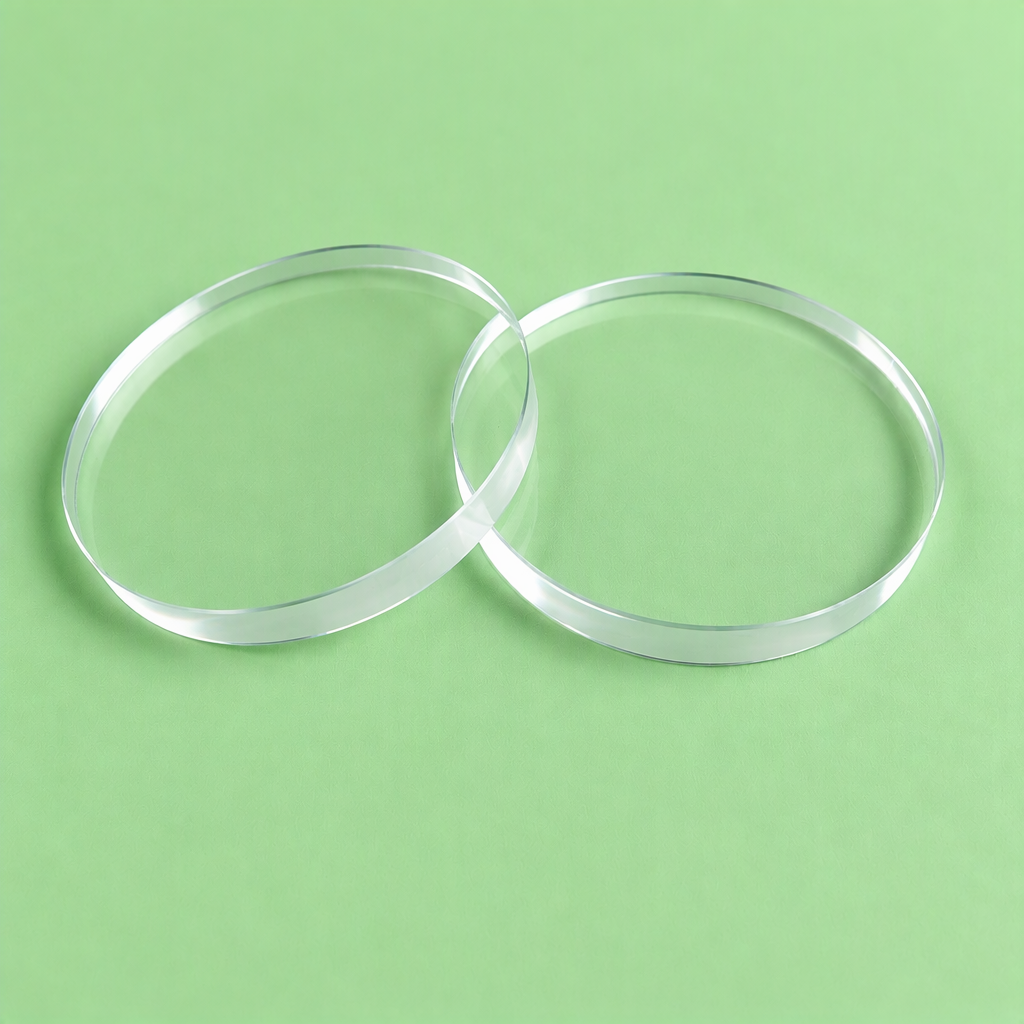
High Strengthen Glass Tempered Glass Custom Size Tempered Clear Glass Panel for Industrial
A project-size clear tempered glass option for industrial guards, viewing windows and equipment covers. Order cut-to-drawing sizes with edge polishing, hole drilling and corner safety treatment.

Glass Factory Customized High Quality Transparent Display Touch Screen Glass Silk Screen 9H Hardness Industrial Screen Protector
An industrial touch cover glass designed around the visible window, sensor area and adhesive zone. Suitable for HMI panels, kiosks and equipment interfaces that need scratch resistance and crisp printing.
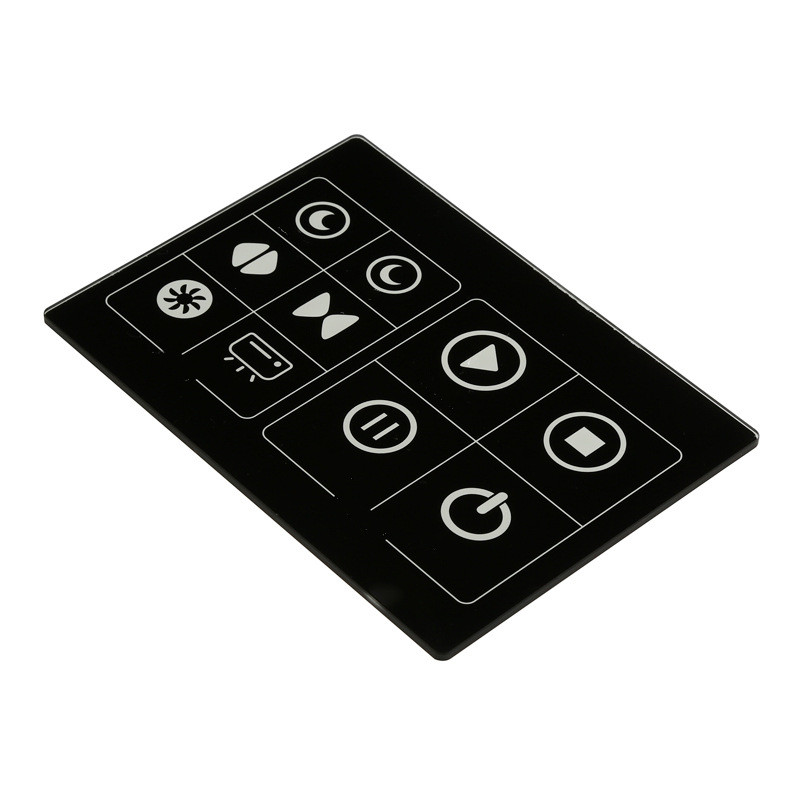
High Temperature Resistant Customized Black Printing Tempered Glass Cooktop Microwave Oven Door Glass for Kitchen
A black-printed tempered glass for cooktops, microwave doors and kitchen appliances. The key specification is the combination of high-temperature ink, heat resistance and controlled tempering.
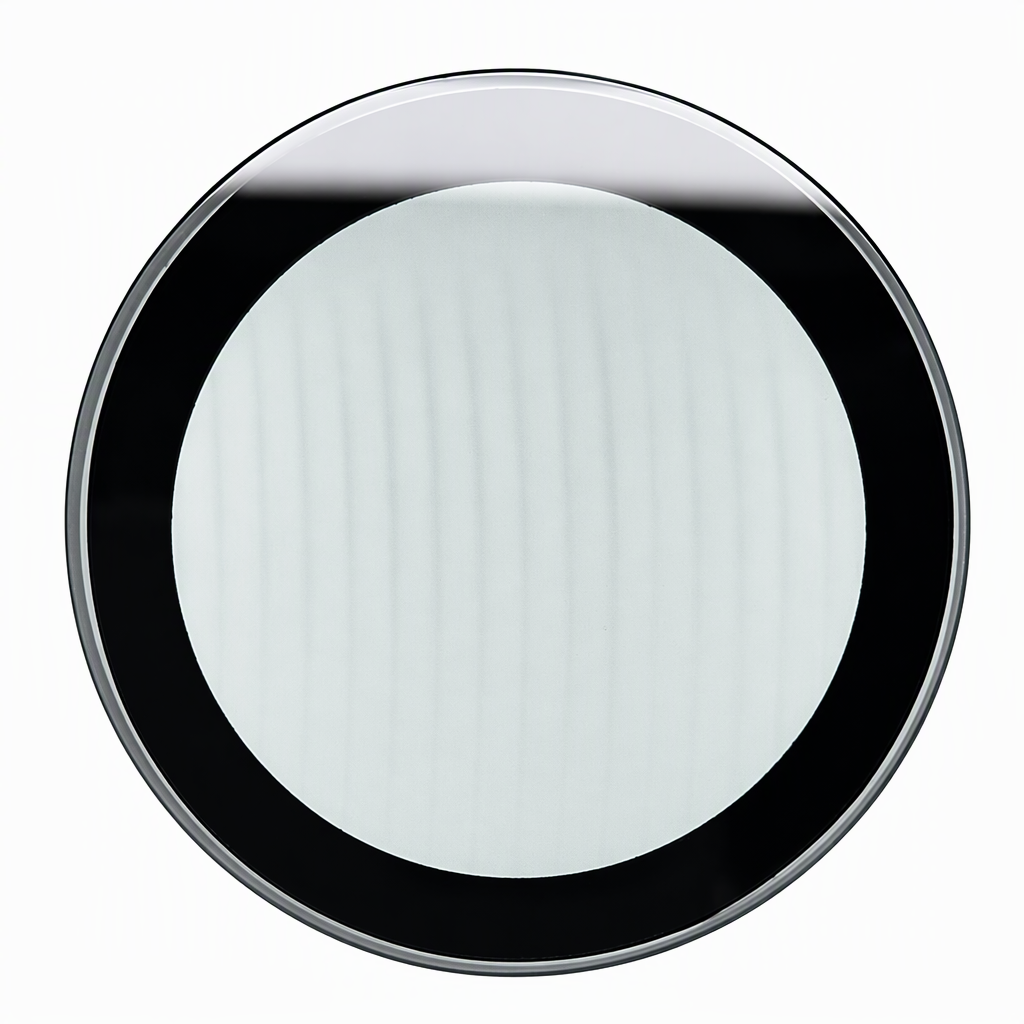
Custom 3-19mm Thickness Flat Tempered Glass Panel for Instrument Use Factory Price Round Shape Printed Tempered Glass
Round, rectangular and special-shaped panels from 3–19 mm for instruments, meters and control covers. A practical choice when thickness, print alignment and edge finish must match a mechanical assembly.
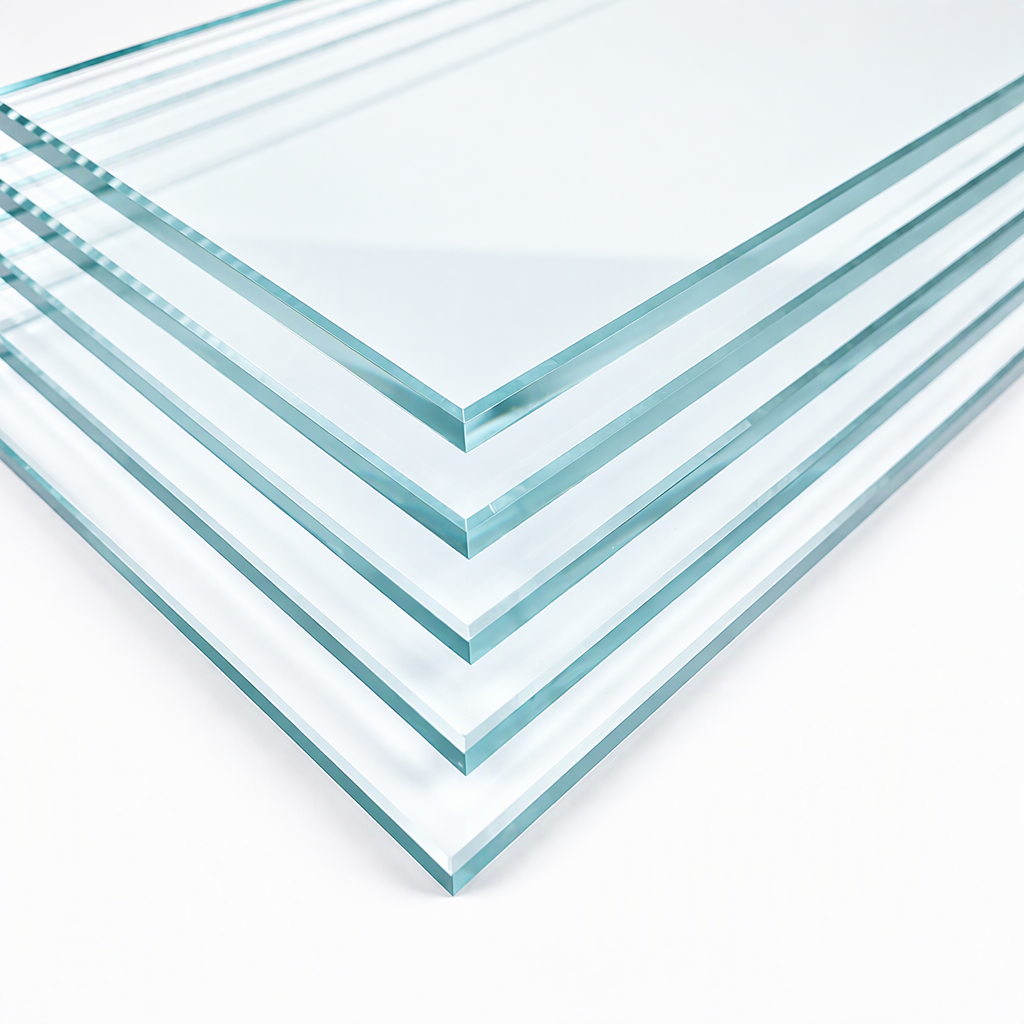
Clear Tempered Glass Transparent Tempered Glass Panel Cover Plate
A clear cover plate for displays, industrial housings and decorative protection. AR, AG or AF coating, edge polishing and thickness can be specified to improve readability and handling safety.
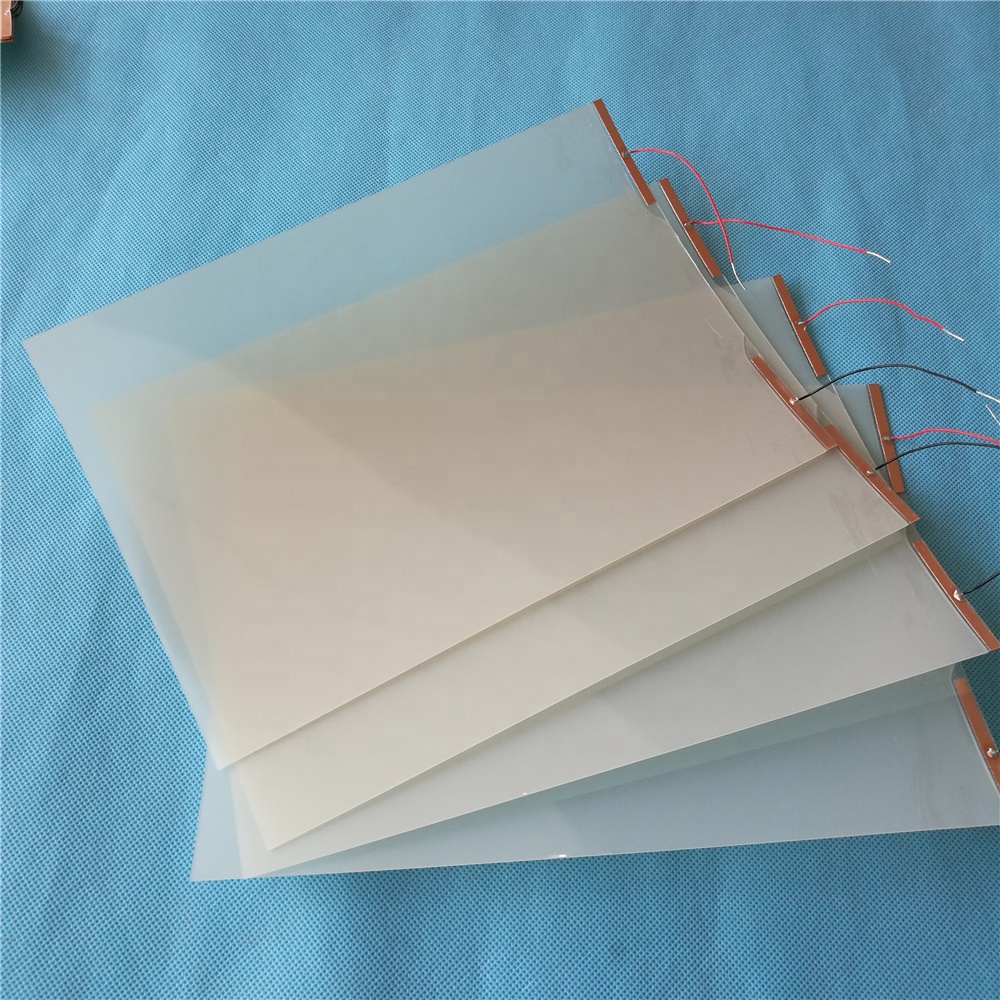
Factory Price Electrochromic Anti-UV PDLC Film Smart Switchable Privacy Glass Office Partition and Curtain Walls
Smart switchable privacy glass for office partitions and curtain walls. The laminated PDLC film changes between clear and frosted states under electrical control, supporting anti-UV and privacy-focused interior design.
Supplier Credibility at a Glance
Procurement teams should check facts before negotiating price. These figures are drawn from the manufacturer profile, certificate data and export record of Qingdao Maupe Glass Co., Ltd.
Year established in Qingdao, Shandong, China
Production lines for cutting, printing, tempering and coating
Export countries across America, Europe, Oceania, the Middle East, Africa and Asia
Export share of output, supported by Qingdao port and airport access
What “Best” Means When Buying Custom Glass from China
The highest-ranking supplier page is not automatically the best source. A reliable decision depends on drawing capability, strengthening method, print consistency, certification evidence and export discipline.
Buyers searching for China best custom glass suppliers & wholesaler usually face three unknowns: can the supplier hold the drawing tolerance, can it reproduce the approved print colour on every batch, and can it document compliance for the destination market? The word “best” is therefore not a universal ranking. It is the shortest, most controllable path from a 2D drawing and artwork file to a packed carton that passes incoming inspection.
The most useful information gain comes from comparing suppliers against the actual failure points of a custom glass programme. These points are rarely visible on a product catalogue page: unclear edge finishes, a tempering method that does not suit the glass thickness, printed icons that lose registration after forming, or an export pack that cannot survive a long sea route. A serious custom glass wholesaler should behave more like an engineering partner than a blind trading layer, especially when the part is visible to end users.
Qingdao Maupe Glass Co., Ltd. has operated as a glass deep-processing manufacturer and international supplier since 2012. The factory’s working scope is practical and process-based: cutting, CNC shaping, edge polishing, drilling, engraving, silk screen printing, physical tempering, chemical strengthening, and AR/AG/AF surface treatment. This range matters because a printed tempered panel is not made by one machine; it is the result of several steps that must be planned in the correct order.
For a brand owner, the strongest sourcing relationship is usually factory-direct with documented quality control, rather than a pure catalogue wholesaler. A factory that can review the drawing, recommend physical or chemical strengthening, check the ink and coating route, and confirm packing before mass production reduces the likelihood of rework. This is the experience-based standard we recommend you apply when comparing custom glass suppliers in China.
Can the supplier make my drawing?
Check whether the factory reviews DFM, thickness, holes, corners, edge finish, print layers and strengthening sequence before quoting.
What is the real landed cost?
Compare MOQ, sample cost, breakage allowance, packaging, freight terms and payment conditions, not only the unit price.
What protects my brand?
Verify ISO 9001, RoHS, CE, inspection routines, certificate numbers and the supplier’s ability to keep colour and tolerance traceable.
A Four-Part Framework for Vetting Custom Glass Suppliers
Use the same framework for a Chinese wholesaler, a factory-direct manufacturer or an export trading partner. The questions stay consistent; the evidence changes.
Drawing and DFM review
Send a DWG, DXF or PDF drawing with outline, holes, tolerances, edge finish and thickness. A qualified supplier should return manufacturability comments, not just a price.
Strengthening method
Physical tempering suits glass about 2 mm and thicker, including appliance doors and display windows. Chemical strengthening suits thin 0.5–2 mm cover glass where flatness and optics are critical.
Print and coating consistency
Ask for print artwork in AI or PDF with colour references. For displays, specify AR anti-reflection, AG anti-glare or AF anti-fingerprint treatment only after checking the optical requirement.
Compliance and export readiness
Confirm ISO 9001, RoHS and CE status, certificate numbers, inspection records, packing standard and delivery terms such as FOB, CIF, EXW, DDP or express.
Six Sourcing Trends Reshaping Custom Glass Purchasing
The buying decision is moving from “lowest piece price” to “predictable total cost of ownership”. These trends will influence supplier selection and RFQ structures through 2030.
Verification-first sourcing
Purchasing teams now request certificate numbers, onsite assessment evidence, inspection plans and traceable batch records before releasing a sample order. Trust is being replaced by checkable documentation.
Low-MOQ, high-mix production
Brands want more SKUs with smaller initial quantities. Suppliers with flexible screen preparation, CNC setup and sample routines can reduce the cost of testing new switch panels, appliance covers and display windows.
Total cost over unit price
Breakage rate, colour rework, assembly fit, packaging damage and customs delay often exceed the difference between two quotations. A qualified buyer should model landed cost and yield, not just FOB price.
Dual sourcing and resilience
Even when one factory is capable, procurement teams are qualifying a second source for critical printed panels. This trend favours suppliers that can share drawings, process notes and inspection standards clearly.
Digital records and collaboration
AI and PDF artwork, DWG drawings, sample approval photos and first-article inspection reports are becoming standard RFQ attachments. Clear file exchange reduces disputes and shortens the sampling cycle.
Sustainability in inks and packing
RoHS-compliant printing inks, recyclable protective packaging and lower-waste line planning are increasingly requested by global brands and their compliance teams.
How Custom Glass Specifications Are Evolving
Product design is pushing glass beyond a protective cover. It is becoming a printed interface, an optical component and, in some projects, an active privacy surface.
Thinner chemically strengthened glass
Touch covers and compact electronics increasingly use 0.5–2 mm glass that requires ion-exchange strengthening to balance thinness, flatness and impact resistance.
AR, AG and AF optical coatings
Anti-reflective glass improves screen contrast, anti-glare glass reduces distraction in industrial lighting, and anti-fingerprint treatment supports touch-heavy interfaces.
Large-format display windows
LCD TV, digital signage and equipment displays are moving toward larger protective glass sizes that demand controlled tempering, flatness and safe edge treatment.
Integrated printed interfaces
Icons, touch zones, backlight windows, logos and sensor masks are being combined in one printed glass part to simplify assembly and improve user experience.
Switchable PDLC privacy glass
Office partitions and curtain walls increasingly specify PDLC smart film for instant privacy, anti-UV performance and clean interior design lines.
High-temperature appliance glass
Cooktops, microwave doors, ovens and range hoods require heat-resistant inks and reliable thermal tempering, especially for black-printed kitchen appliance panels.
Build a Supplier Scorecard Before You Compare Quotes
Use this weighting as a starting point for custom printed glass. Adjust the percentages for safety-critical, optical or high-volume programmes.
Recommended 100-point supplier scorecard
Weighting for custom tempered glass, printed cover glass and switchable PDLC sourcing.
Factory-direct manufacturer
Best for custom drawings, tolerance control and process traceability. Requires the buyer to verify engineering response and export service capability.
Trading company or wholesaler
Useful for sourcing multiple product families and fast communication, but the buyer should confirm which factory performs printing, tempering and final inspection.
Hybrid export partner
A factory with documented export support can offer process control plus trade terms, packing discipline and multilingual order follow-up.
Engineering Depth Behind Qingdao Maupe Glass Co., Ltd.
The strongest supplier claim is not a slogan; it is a process, a certificate and a verifiable export record. Here is how the factory is positioned for custom glass buyers.
Founded in 2012 in Qingdao, Shandong, Qingdao Maupe Glass Co., Ltd. operates as an ISO 9001 certified glass deep-processing manufacturer and international supplier. The company’s core work is turning flat glass into finished functional parts for electronics, appliances, instruments, smart-home devices and industrial equipment. Production covers precision cutting, CNC shaping, edge polishing, drilling, engraving, silk screen printing, physical tempering, chemical strengthening and AR/AG/AF coating.
The factory maintains a 3,000–5,000 m² production floor with 8 production lines and an export share of 91–100% of output. It serves buyers in more than 80 countries and is located close to Qingdao seaport and airport, which supports sample dispatch, onsite audits and bulk export. The supplier profile also records SGS onsite assessment, Fortune 500 supplier experience and more than 10 years of OEM/ODM service.
For printed glass, the company uses RoHS-compliant, eco-friendly high-temperature and low-temperature inks. This is relevant for displays, electronic control equipment, instrument covers, household appliances, kitchen appliance panels, furniture and decorative partitions where print wear and colour consistency are part of the user experience.
Factory-direct process chain
Cutting, CNC, drilling, printing, tempering and coating are coordinated under one roof, reducing hand-off risk between process steps.
Certification and inspection
ISO 9001 quality management, RoHS and CE certificates are supported by onsite material inspection, finished product inspection and supplier assessment procedures.
Export logistics
80+ export countries, 91–100% export share and Qingdao port access support FOB, CIF, EXW, DDP and express shipment planning.
OEM/ODM experience
Since 2012, the team has supported drawing review, sampling, print approval, mass production and export packing for custom glass programmes.
ISO 9001 Quality Management
Certificate No. 24025Q20015R1SCovers float glass and technical glass products; valid to 02/2028. This is the base evidence for a controlled quality management system.
RoHS Compliance
Certificate No. 25TYT12395Supports restricted hazardous substance control for EU electrical and electronic equipment; valid to 12/2030.
CE Marking
Certificate No. 23TYT082593SCovers tempered glass and supports European Economic Area market access; valid to 08/2028.
Common Questions About Custom Glass Procurement
Practical answers for purchasing managers, brand owners and engineers comparing China custom glass suppliers and wholesalers.
What is the minimum order quantity for custom printed tempered glass?
Most custom silk-screen printed panels start from 10 to 100 pieces depending on size, thickness and print colours. Large display cover glass can start from 10 pieces. Samples are available for fit, colour and print verification before mass production.
Should I choose physical tempered glass or chemically strengthened glass?
Physical thermal tempering suits glass about 2 mm and thicker, such as appliance doors, switch panels and display windows, and breaks into small blunt fragments. Chemical strengthening suits 0.5–2 mm thin glass, touch covers and parts needing excellent flatness and optical quality.
Which certifications does Qingdao Maupe Glass Co., Ltd. hold?
The company operates an ISO 9001 quality management system, holds RoHS and CE certificates for its glass products, and has been onsite-assessed by SGS Group as a third-party inspection company.
What files are needed to start a custom glass project?
Send a 2D drawing in DWG, DXF or PDF with dimensions, thickness, edge finish, hole positions and tolerance, plus print artwork in AI or PDF with colour references. State coating requirements such as AR, AG or AF and the intended application.
Which trade and payment terms are accepted?
Accepted delivery terms include FOB, CIF, EXW, FAS, FCA, CPT, DDP, DDU and express delivery. Accepted payments include T/T, L/C, PayPal, Western Union and cash, in USD, EUR or CNY. The factory is close to Qingdao seaport and airport.
How do I check silk-screen print quality before mass production?
Approve a physical sample under the agreed lighting condition, then confirm colour references, registration tolerance, icon line width, scratch resistance and the print protection method. Keep the approved sample as the golden reference for inspection.
What affects lead time and packing cost?
Lead time is affected by glass thickness, print colours, coating type, tooling, tempering batch and order quantity. Export packing should protect edges and corners, prevent glass-to-glass contact and include moisture protection for sea freight.
Should I buy from a factory or a wholesaler in China?
Choose a factory-direct manufacturer when drawing control, tolerance, printing and strengthening traceability are critical. A wholesaler can be useful for multi-category sourcing, but you should still verify which factory performs the key processes and final inspection.
Have a Drawing, Artwork and Target Annual Volume?
Share your specifications and our glass engineers will review manufacturability, recommend physical tempering or chemical strengthening, and confirm the most practical printing and coating route for your application.
Inquire NowFor project files and certificate verification, include thickness, edge finish, print colours, coating requirement, destination market and expected annual quantity.