Eight Precision Glass Products to Bundle With a Tube Program
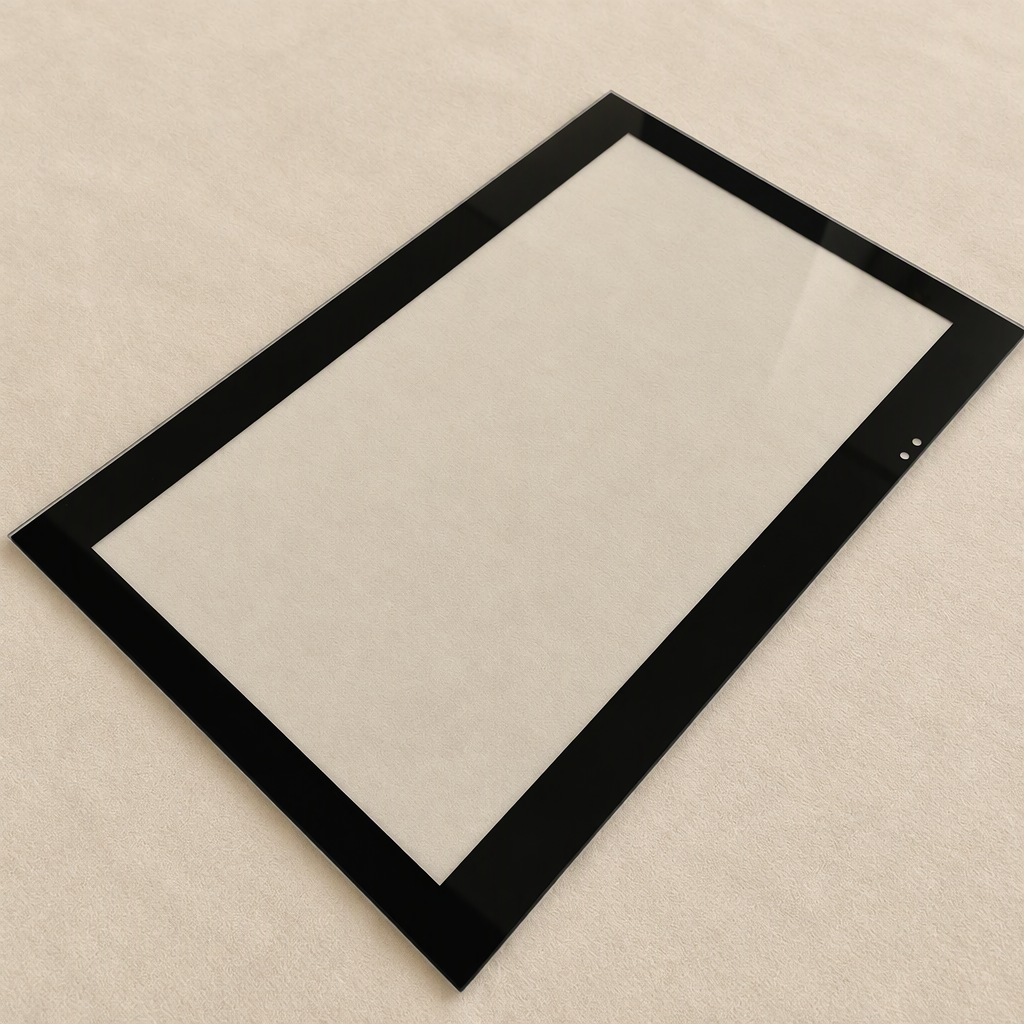
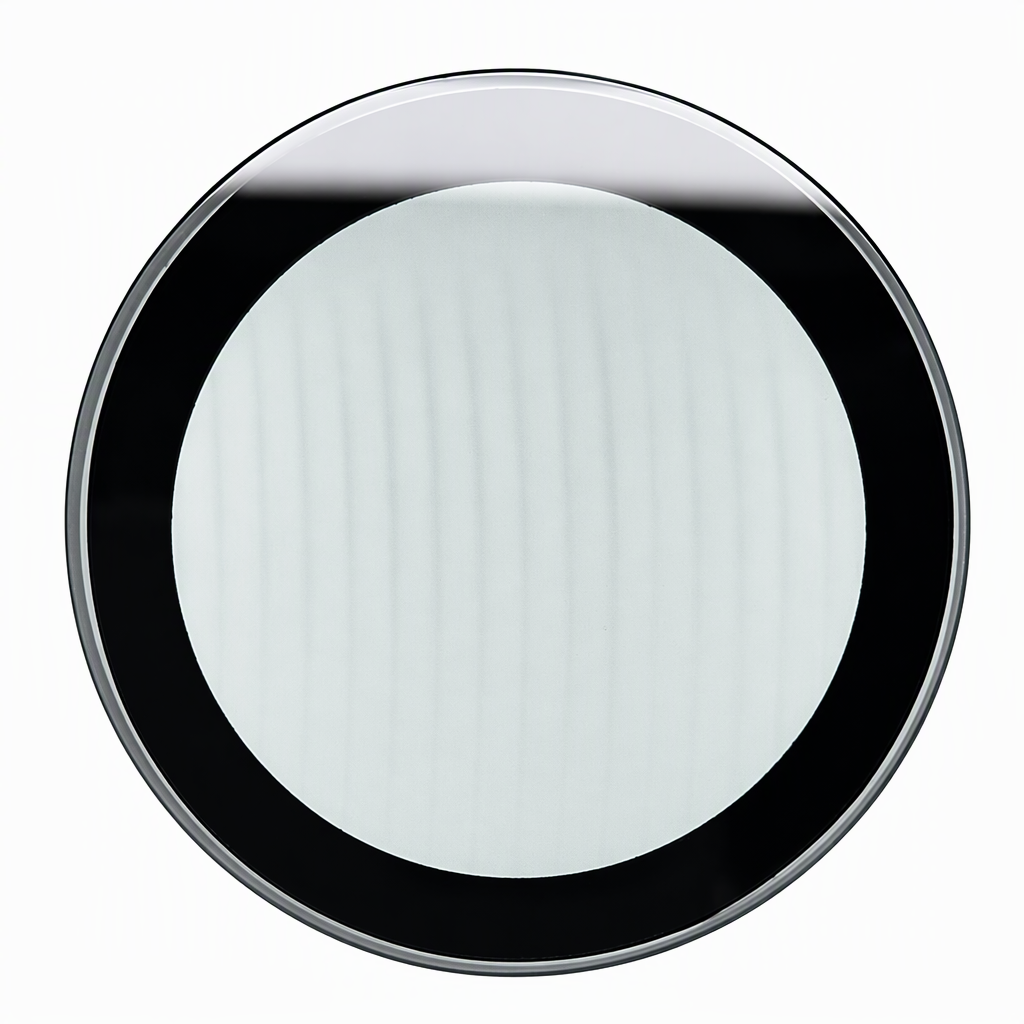
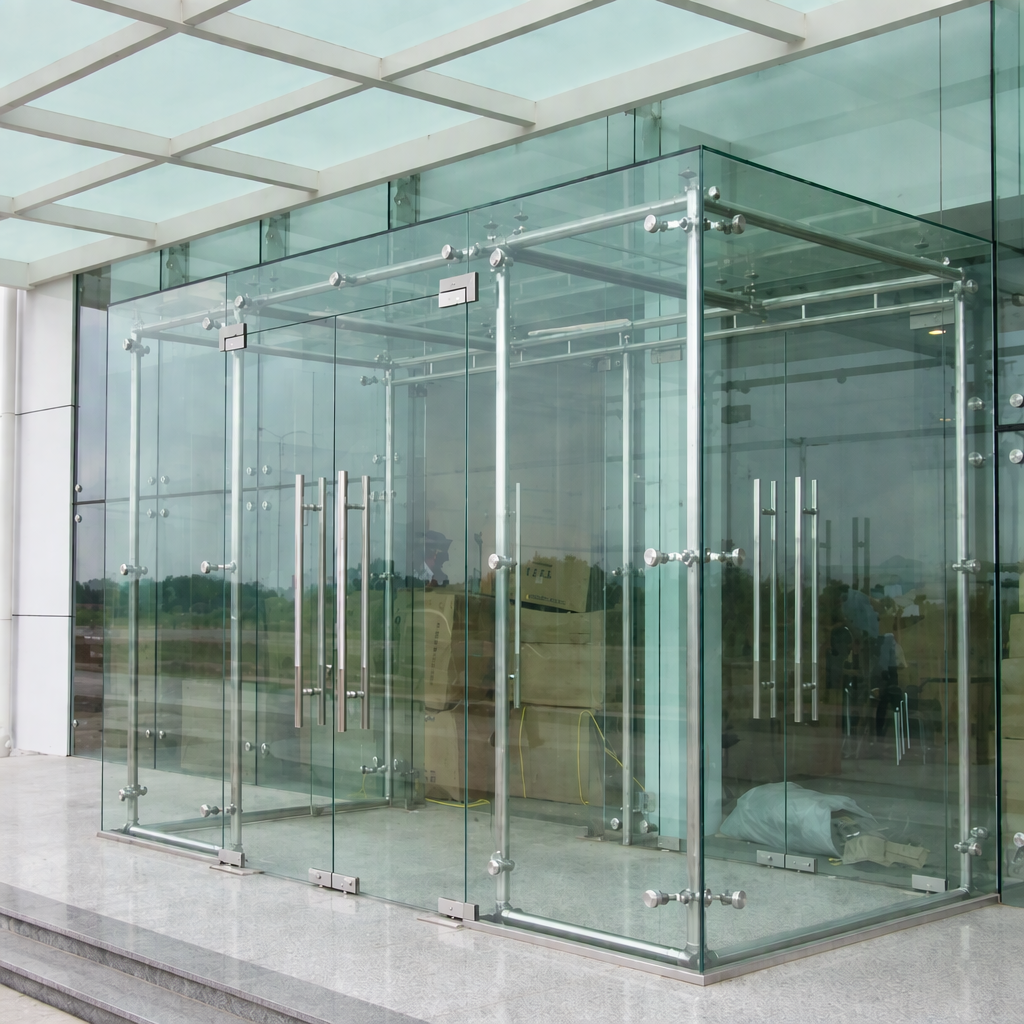
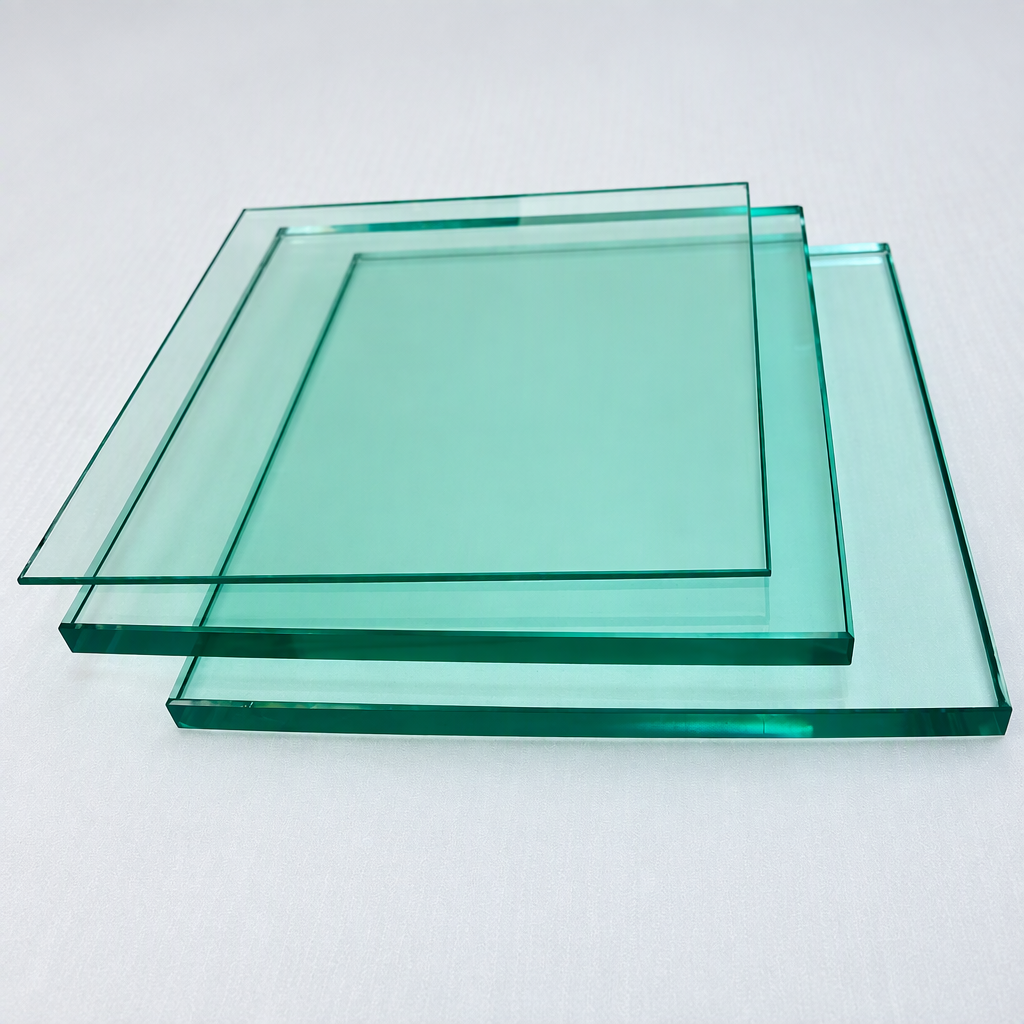
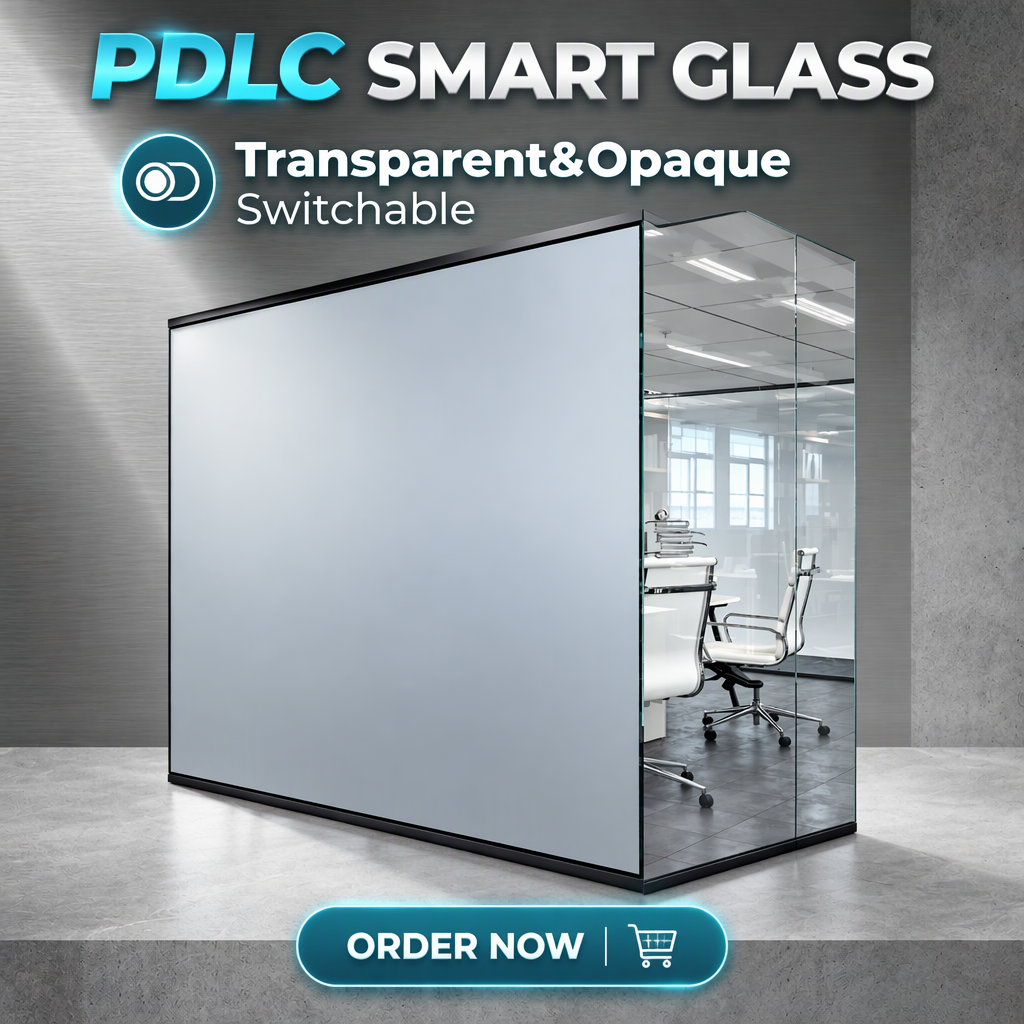
A fused silica tube is often only one part of the bill of materials. The eight factory-linked products below illustrate adjacent custom glass capabilities for display windows, printed covers, touch interfaces, smart-glass panels, and appliance assemblies. Product URLs are preserved exactly as supplied; for a tube-only or mixed RFQ, use the inquiry button below.


Company Facts That Support E-E-A-T Evaluation
Procurement teams should look for verifiable facts, not decorative claims. These figures are drawn from the original company profile and certificate references.
Why “China Best” Requires a Specification-Led Buying Process
No honest public list can name one “best” fused silica tube factory for every application. The right supplier depends on grade, diameter, OH content, contamination limits, end finish, annual volume, and audit evidence.
Fused silica tubes—also called fused quartz tubes—are engineered components, not commodity pipes. A low-cost tube that looks clear can still carry bubbles, inclusions, residual stress, or an OH gradient that appears only after high-temperature cycling. For semiconductor furnace tubes, UV lamp envelopes, analytical instruments, and high-temperature viewports, the certificate package is part of the product.
China’s supply base is deep and competitive, but it is also layered. Some companies draw tubing from quartz sand; some CNC fabricate purchased tube; some stock and cut imported or domestic tube; others assemble quartz components with flanges, windows, bellows, and seals. A buyer who compares a drawing factory with a catalogue wholesaler by price alone is comparing different risk profiles.
The practical answer is to build a scorecard. Require written specifications for purity, OH content, dimensions, bubble and seed limits, annealing, end finish, cleaning, packaging, and change control. Then verify that the supplier can reproduce the same result across three batches. That is the information gain that protects a production line.
Purchasing principle
Use a factory for grade control and repeatability; use a wholesaler for speed and mixed-size availability; use a fabricator for complex end geometry. The strongest programs often combine all three under one quality agreement.
What Makes a Fused Silica Tube Different From Ordinary Glass?
Fused silica is produced by melting high-purity silica and drawing the melt into hollow cylinders. Its value comes from low thermal expansion, high thermal shock resistance, broad optical transmission, electrical insulation, and chemical inertness.
| Specification | Typical buying range | Why it matters |
|---|---|---|
| SiO₂ purity | 99.9%+; semiconductor grades require tighter metallic impurity control | Contamination, devitrification, and process yield |
| OH content | Low-OH grades in the single-digit ppm range; high-OH grades in the hundreds of ppm range | UV transmission, IR transmission, high-temperature behavior, and lamp performance |
| Coefficient of thermal expansion | Approximately 0.5–0.55 × 10⁻⁶/K | Thermal shock resistance and dimensional stability |
| Working temperature | Up to about 1,200°C continuous, grade dependent; softening near 1,660°C | Furnace, lamp, reactor, and high-temperature sensor design |
| Optical transmission | UV to visible to IR, depending on grade and OH content | UV disinfection, spectroscopy, optical windows, and lamp envelopes |
| Diameter and wall | OD from sub-millimeter to 300 mm+; wall from about 0.5 mm to 10 mm | Flow, strength, thermal mass, and assembly fit |
| End finish | Cut, ground, fire-polished, threaded, flanged, or assembled | Sealing, connection, handling safety, and leak integrity |
Final acceptance criteria must be agreed in writing with the selected supplier and confirmed by incoming inspection.
Fused Silica Tube Grades Buyers Should Specify Clearly
“Quartz tube” is not a complete specification. Use application, grade, OH target, dimension, end finish, and documentation to define the part.
Semiconductor Grade
Low metallic impurities, controlled OH, tight bubble and seed limits, traceability, and clean packaging for diffusion, oxidation, and wafer-processing equipment.
UV-Grade High-OH Tube
Selected for deep UV transmission in lamp envelopes, water-treatment reactors, photochemical systems, and analytical instruments where solarization must be controlled.
Low-OH / IR Grade
Preferred where reduced OH absorption, high-temperature stability, and infrared transmission matter, including IR windows, heater tubes, and semiconductor components.
Industrial Fabricated Grade
A practical choice for thermal-shock tubing, chemical processing, fluid handling, and custom end geometry where the highest optical grade is not required.
Factory or Wholesaler? Match the Supplier Type to the Project
China’s fused silica supply chain includes tube drawing factories, stockist-wholesalers, CNC fabricators, and assembly partners. Each solves a different problem.
Tube Drawing Factory
Best for controlled grade, custom diameter, repeat volume, and raw-material traceability.
- Verify drawing furnace control
- Review OH and purity reports
- Confirm annealing practice
Wholesaler / Stockist
Best for short lead times, mixed sizes, cut lengths, and sample quantities.
- Request mill source traceability
- Check storage and cutting method
- Confirm batch mixing policy
CNC Fabricator
Best for flanges, slots, threads, tapers, windows, and quartz assemblies.
- Check post-fabrication annealing
- Review metrology and cleaning
- Require first-article reports
QA & Assembly Partner
Best for sub-assemblies, leak testing, cleanroom packing, and multi-part kits.
- Confirm incoming inspection
- Require batch-level traceability
- Audit packing and logistics
Eight Supplier Signals That Survive a Factory Audit
Use these checks before placing a production order. They are more useful than a photo gallery or an unverified “best factory” badge.
2025–2030 Fused Silica Tube Buying Trends
Buyers are moving from “find the lowest price per tube” toward “secure a qualified material stream.” The shift is driven by semiconductor capacity, UV disinfection, photovoltaic investment, analytical instruments, and high-temperature industrial processes.
Illustrative buyer-priority index based on RFQ patterns; not a statistical forecast.
What this means for sourcing
Successful buyers will qualify more than one route: a primary Chinese tube factory for grade control, a regional wholesaler for emergency stock, and a fabricator for value-added assemblies. Contracts should define test methods, batch size, packaging, change notification, and corrective-action timelines.
Semiconductor & PV Capacity
Demand for low-OH, high-purity tubing and tighter contamination control will keep pressure on qualified semiconductor-grade capacity.
Dual Sourcing
Single-country dependency is being reduced with a qualified Chinese factory plus regional stock or a second fabricator.
Specification-Led RFQs
Buyers increasingly send drawings with OH targets, bubble limits, end finish, cleaning, and document requirements—not just “quartz tube”.
Traceability as a Contract Term
Batch-level certificates, test methods, and change control are moving from “nice to have” to mandatory supplier scorecard items.
Sustainability Data
Energy-intensive fused silica production is attracting questions on electricity source, scrap recycling, and packaging efficiency.
Total Cost of Ownership
Breakage, rework, line downtime, and incoming inspection usually outweigh a small per-piece price difference.
How Fused Silica Tubing Is Evolving
Development is moving toward tighter material control, larger formats, integrated assemblies, and application-specific surface engineering.
Lower OH, Tighter Tolerances
Semiconductor and IR applications are pushing suppliers toward lower OH, tighter concentricity, and more complete metrology reports.
Large Diameter, Thin Wall
Large-format process equipment needs bigger tubes without sacrificing wall uniformity, bow control, or thermal shock life.
Integrated Quartz Assemblies
Tubes are increasingly delivered with flanges, windows, bellows, seals, and fixtures to reduce customer assembly steps.
Surface & Coating Engineering
Anti-reflective, anti-glare, hydrophobic, and protective treatments are being adapted to quartz components for optical and medical uses.
Qingdao Maupe Glass Co., Ltd.: Precision Glass Deep-Processing Support
Qingdao Maupe Glass Co., Ltd. is a glass deep-processing manufacturer founded in 2012 in Qingdao, Shandong. Its role in a fused silica tube sourcing strategy is complementary: when a tube system also requires matched display windows, printed control panels, touch covers, safety glass, or smart-glass interfaces, the factory can process those components under one quality system.
The company operates an ISO 9001 quality management system (certificate no. 24025Q20015R1S), holds RoHS (25TYT12395) and CE (23TYT082593S) certificates, and has been onsite-assessed by SGS Group as a third-party inspection company. Its process chain covers cutting, CNC shaping, edge polishing, drilling, engraving, silk screen printing, AR/AG/AF coating, physical tempering, and chemical strengthening.
For buyers, this reduces coordination risk. A team sourcing a quartz tube can also qualify a factory for the surrounding glass parts, printed graphics, protective screens, and smart control interfaces instead of managing multiple small suppliers. The factory is located near Qingdao seaport and airport, simplifying export logistics and buyer audits.



Scale & Experience
Founded in 2012, with 8 production lines and a 3,000–5,000 m² factory floor. OEM and ODM experience supports drawing-based customization.
Export Readiness
Products are exported to 80+ countries, with a 91–100% export share of output. The factory is close to Qingdao seaport and airport.
Full Process Chain
Cutting, CNC shaping, edge polishing, drilling, engraving, printing, coating, tempering, and chemical strengthening under one roof.
Certificates & Inspection
ISO 9001, RoHS, CE, and SGS onsite assessment support supplier qualification and customer compliance reviews.
Trade Terms
Accepted terms include FOB, CIF, EXW, FAS, FCA, CPT, DDP, DDU, and express delivery. Payment can be T/T, L/C, PayPal, Western Union, or cash in USD, EUR, or CNY.
Buyer Support
Drawing review, sampling, first-article verification, finished-product inspection, and export packaging support reduce project risk.
Where Fused Silica Tubes Create Value
Application context helps buyers choose the correct grade and document package.
Semiconductor Processing
Diffusion and oxidation furnace tubes, wafer handling components, and high-purity process hardware requiring low contamination.
UV Lamps & Water Treatment
UV-transmitting envelopes and reactor sleeves for disinfection, photochemistry, and analytical light sources.
Laboratory & Analytical
Sample tubes, combustion tubes, optical cells, and high-temperature labware where chemical inertness and clarity matter.
Industrial Thermal Systems
Heater tubes, thermocouple protection, sight windows, and chemical process components exposed to thermal cycling.
Fused Silica Tube Buying Questions
Practical answers for sourcing managers, engineers, and quality teams preparing an RFQ.
What is the difference between fused silica and fused quartz tubing?
How do I shortlist China’s best fused silica tube factories?
What MOQ and lead times should I expect?
Which documents should accompany a quality batch?
Should I choose low-OH or high-OH fused silica tube?
Can I order custom diameters, cuts, threads, or assemblies?
What drives the price of a fused silica tube?
Which shipping and payment terms are common?
Can I audit a Chinese supplier remotely?
How should I start an RFQ?
Send a Drawing or Tube Schedule for Engineering Review
Include OD, ID, wall, length, grade, OH target, end finish, quantity, application, and required documents. For mixed projects, attach drawings for display glass, printed panels, touch covers, or smart-glass interfaces as well.