Eight High-Intent Glass Sheet Products for Global Buyers
These eight products cover the most frequent RFQs from distributors, appliance brands, display integrators, access-control companies, solar buyers and architectural fabricators. Each product URL is preserved so your engineering and purchasing teams can verify specifications, request samples and compare quotations on a like-for-like basis.
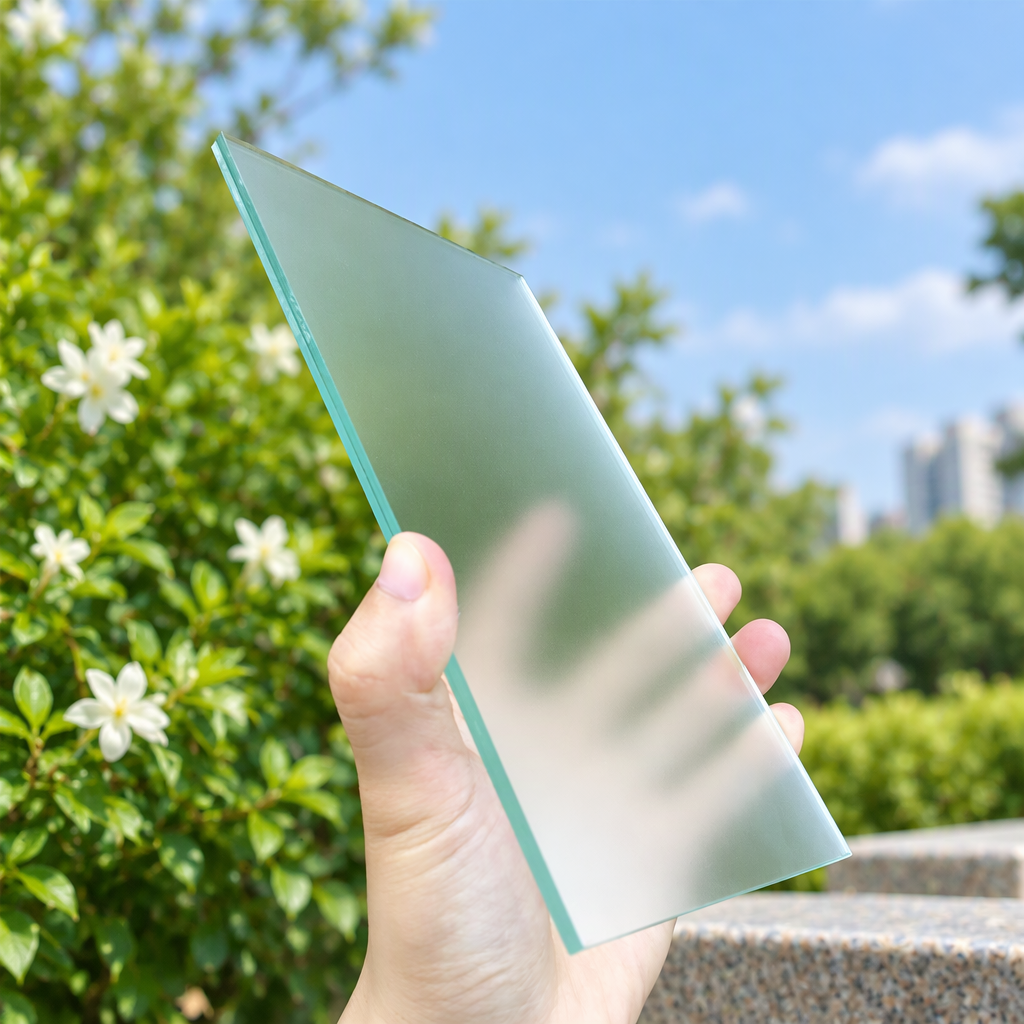
High Quality Industrial Solid Anti-glare Glass Screen Protector Matte Surface Monitor Screen Cover Glass
Matte anti-glare cover glass for industrial monitors, HMI enclosures and outdoor display windows. The diffuse surface reduces reflection while preserving icon clarity and touch response.
View product specifications →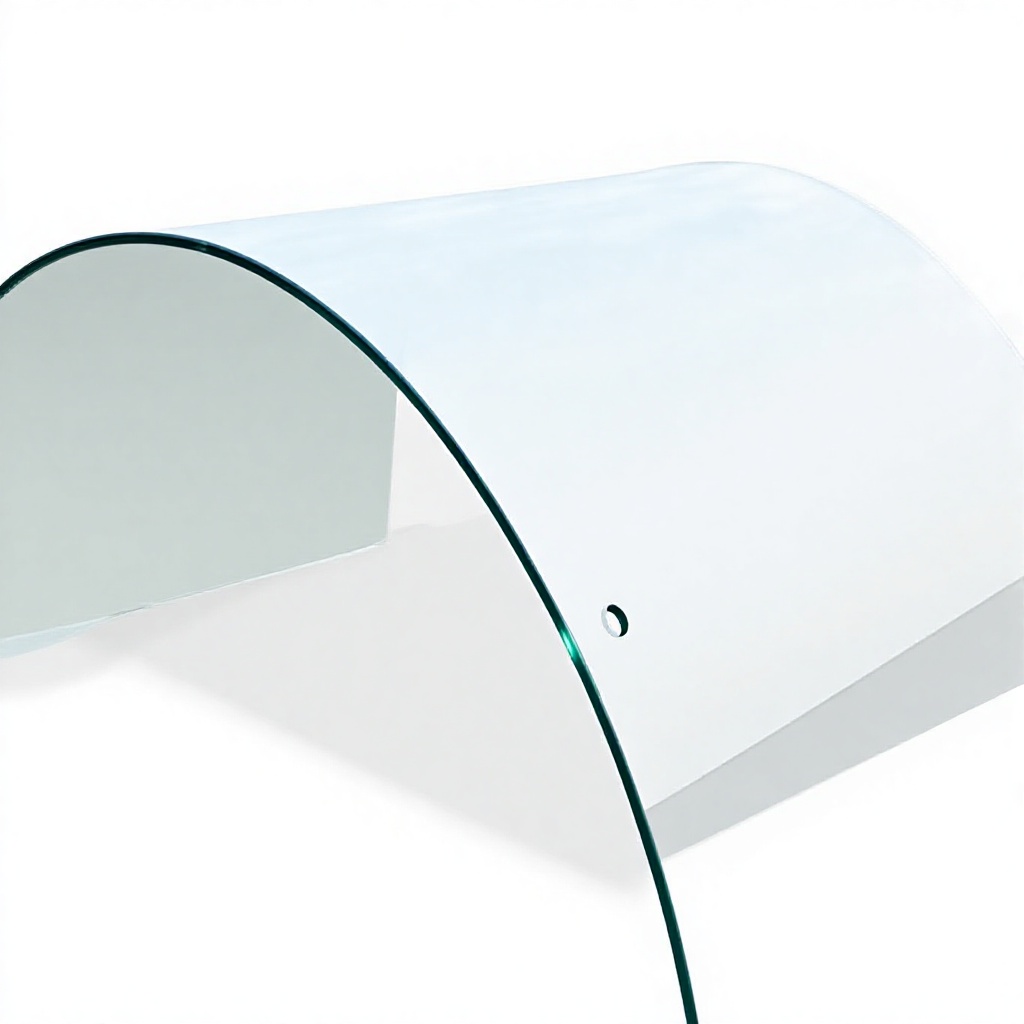
Custom Curtain Wall Glass Balcony Glass Tempered Glass Curved
Flat and curved tempered glass for balcony railings, curtain walls and architectural glazing. Controlled bending, edge polishing and heat treatment support safety and visual-flatness requirements.
View product specifications →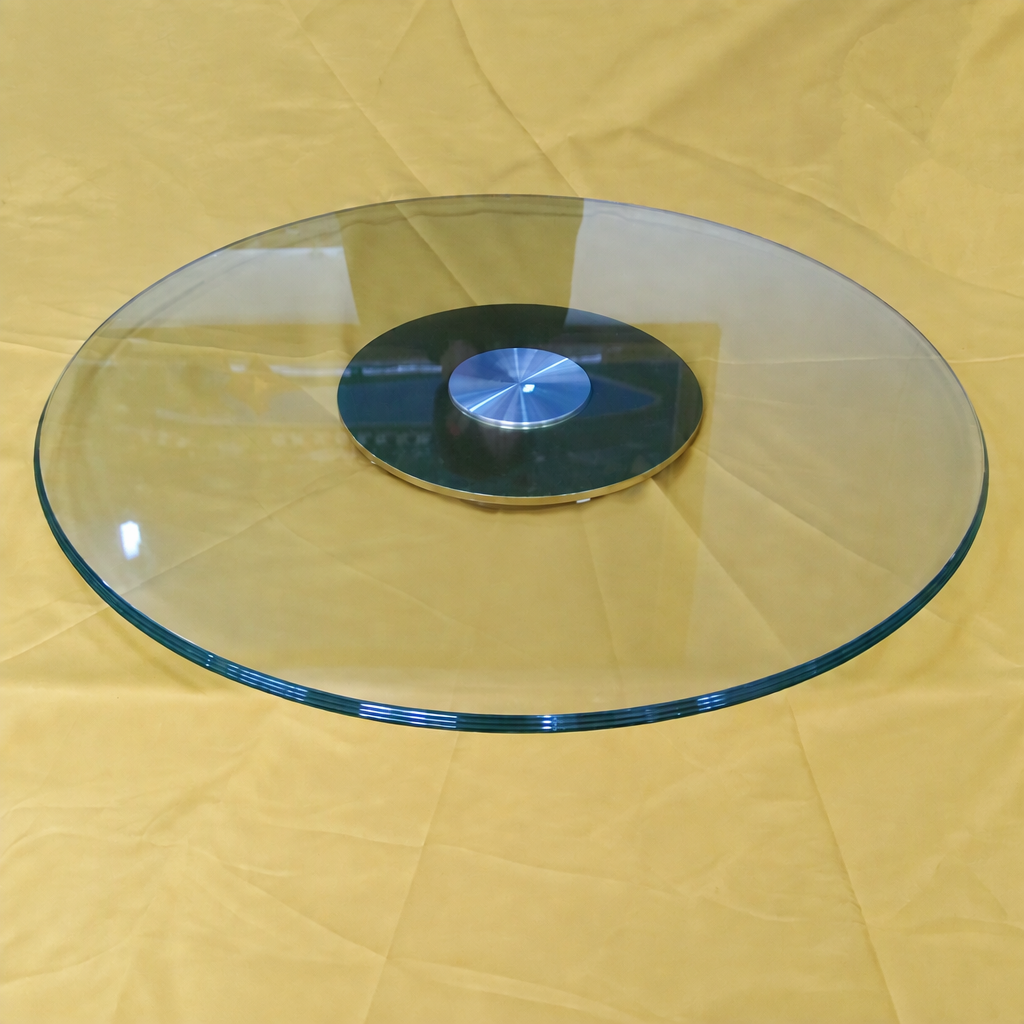
Tempered Glass Lazy Susan 50cm 60cm 70cm 90cm Lazy Susan Turntable Strengthened Glass
Strengthened glass turntable discs for dining, showroom, cabinet and commercial applications. Common diameters can be combined with edge profiles, frosting, printing or anti-slip treatment.
View product specifications →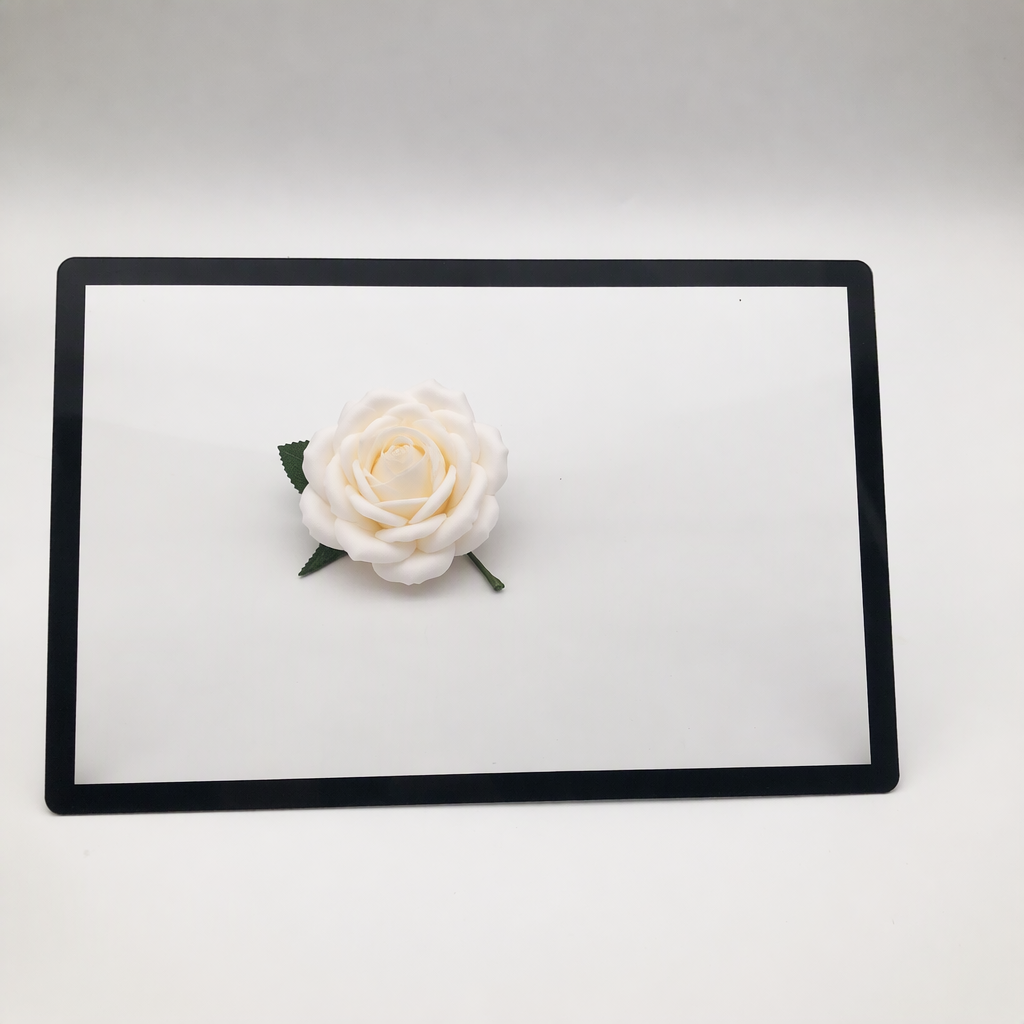
Ultra-Thin Silk Screen Printed Tempered Glass for Display Panels
Thin printed tempered glass for display panels, touch interfaces and electronic control covers. The process combines thin-glass strengthening with precise registration for logos, windows and capacitive touch zones.
View product specifications →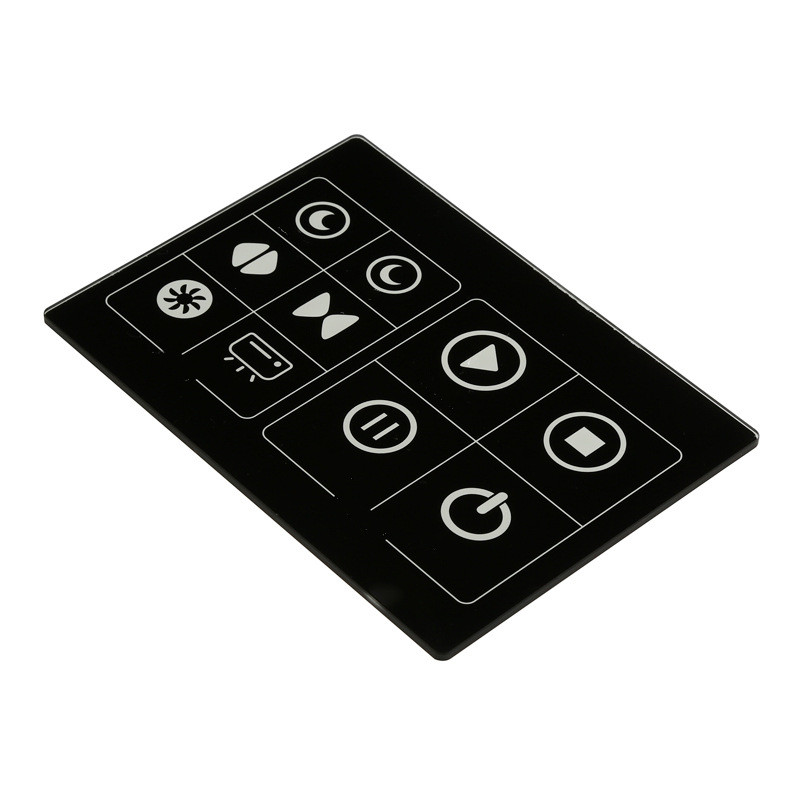
High Temperature Resistant Customized Black Printing Tempered Glass Cooktop Microwave Oven Door Glass for Kitchen
Black-printed heat-resistant tempered glass for cooktops, microwave doors and kitchen appliances. High-temperature ink systems and controlled thermal treatment support daily heat cycles, cleaning and scratch resistance.
View product specifications →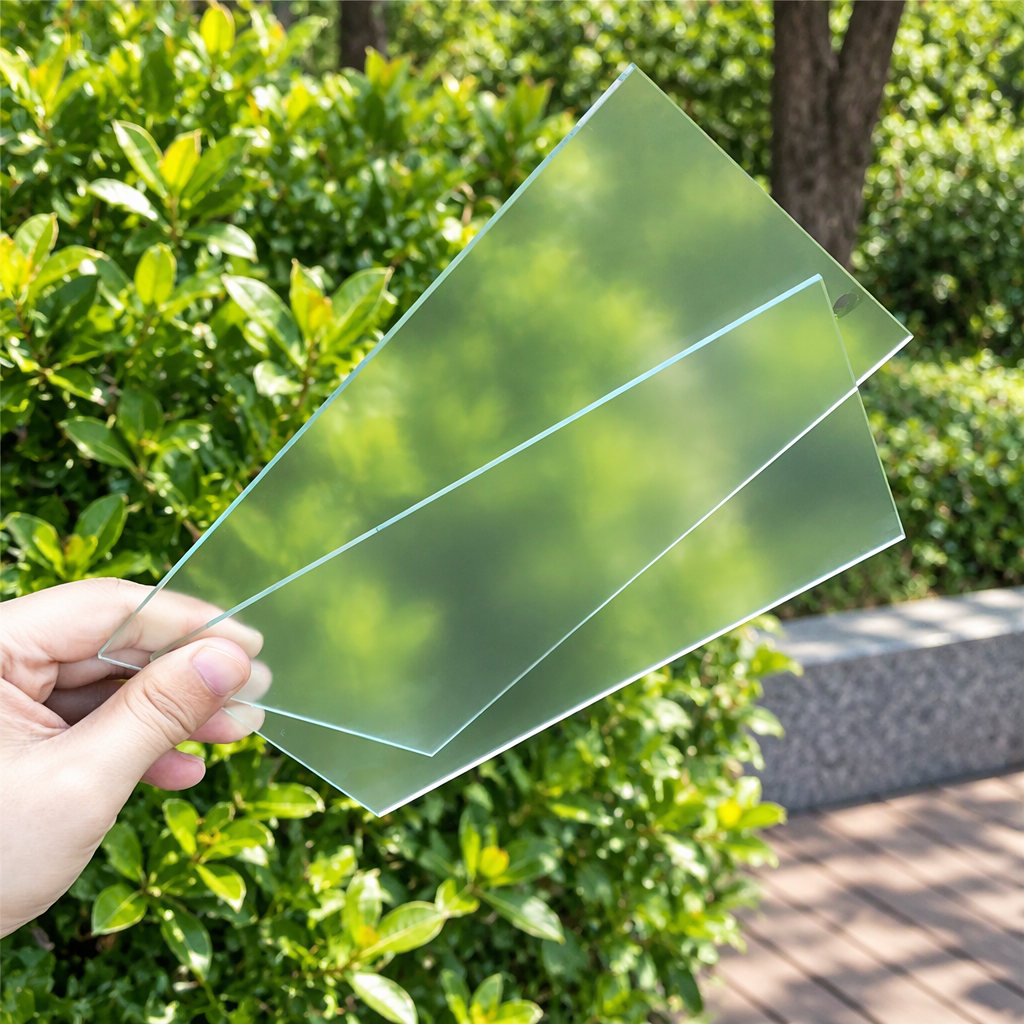
High Quality Industrial Screen Front Cover Glass Frosted Anti-glare Glass for Screen Protector
Frosted anti-glare front cover glass for industrial screens, kiosks and measuring instruments. The treatment improves readability under strong light while preserving touch sensitivity and edge strength.
View product specifications →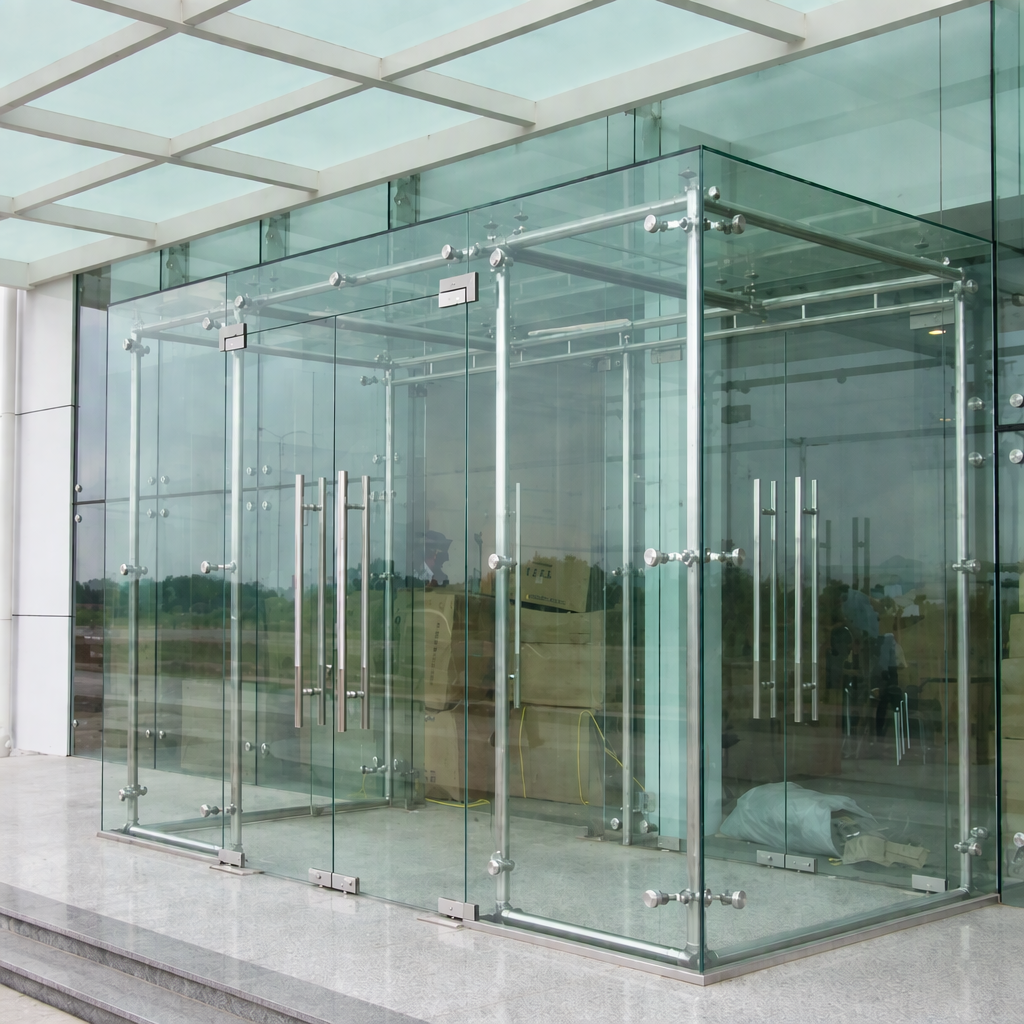
Tempered Glass Solar Window Glass High Transmittance Clear Flat Tempered Glass
High-transmittance flat tempered glass for solar windows, solar thermal covers and energy-related equipment. Low-iron raw glass and consistent tempering help maximize light transmission and outdoor durability.
View product specifications →
Glass Factory Customized High Quality Transparent Display Touch Screen Glass Silk Screen 9H Hardness Industrial Screen Protector
Custom transparent display glass with silk-screen printing, 9H hardness options and industrial touch-screen compatibility. Suitable for face-recognition terminals, access-control panels and smart equipment front covers.
View product specifications →How to Read This Category Before You Request a Quote
In glass sheet sourcing, “best” should not be a slogan. It should be a short list of capabilities your team can verify: material grade, process control, print registration, edge quality, tempering method, compliance evidence and export packaging. The lowest piece price can become the highest total cost if the factory cannot repeat the same flatness, color and adhesion across replenishment orders.
Example Buyer Scorecard: What Raises Total Cost of Ownership
Illustrative weighting for RFQ comparison; adjust the weighting to your application and annual volume.
What a Qualified Factory Should Control
- Raw glass grade: clear, ultra-clear, low-iron, high-alumina or tinted substrate matched to the application.
- Cutting, CNC shaping, drilling, edging and engraving completed before strengthening.
- Silk-screen printing with eco-friendly high- or low-temperature inks and consistent color layering.
- Physical tempering or chemical strengthening selected by thickness, strength and optical requirement.
- Incoming material inspection, finished product inspection and protective export packing.
Why China Remains a Reference Market for Glass Sheet Exporters and Wholesalers
China is not simply a low-cost source. For functional glass parts, the country offers dense access to float glass, low-iron sheet, high-alumina glass, printing inks, coating lines and export logistics. The real advantage comes from combining material access with disciplined deep processing and documentation. Buyers who understand this can compare suppliers on engineering capability rather than on unit price alone.
Material and Cluster Depth
Glass sheets, coatings, inks, adhesives and precision processing services are available within mature industrial clusters. That depth shortens sampling cycles and makes it easier to match a material to the final environment, whether the part is an appliance panel, touch cover or solar window.
Buyer action: ask for the raw glass grade and not only the finished thickness.
Deep Processing Under One Roof
Cutting, CNC shaping, edge polishing, drilling, engraving, silk-screen printing, tempering and coating can be controlled as one process chain. Fewer hand-offs usually mean fewer tolerance disputes, clearer responsibility for defects and faster corrective action during sampling or mass production.
Buyer action: verify which steps are in-house and which are outsourced.
Export Infrastructure and Compliance
Factories close to major seaports and airports can support FOB, CIF, EXW, DDP and express shipments. For regulated markets, ISO 9001, RoHS and CE evidence should be available with certificate numbers, scope and validity dates so compliance teams can verify claims directly.
Buyer action: request certificates before approving the final supplier list.
Procurement Trends Reshaping Glass Sheet Purchasing, 2025–2030
The buying process for custom glass is becoming more technical. Purchasing teams still need competitive quotations, but engineering, compliance and after-sales risk now carry more weight. The following shifts are especially important when shortlisting China’s best glass sheet exporters and wholesalers for repeat OEM programs.
From Piece Price to Total Cost of Ownership
Buyers now compare breakage rate, rework risk, packaging cost, compliance documentation and replenishment speed alongside the unit price. A slightly higher quotation can be cheaper if it reduces inspection failures, line stoppages and emergency reorders.
Implication: score quotations with a TCO model, not a single price column.
Earlier Supplier Involvement
More OEMs involve glass processors before the enclosure, touch sensor or appliance panel design is frozen. Early DFM review can prevent impossible hole positions, weak edge margins, print misregistration and unnecessary coating cost.
Implication: send a drawing early and ask for manufacturability feedback.
Smaller Launch Batches and Faster Replenishment
Brands increasingly test new smart-home, appliance and display products with tighter launch quantities. Flexible MOQs, rapid sampling and stable print color across low-volume and repeat orders have become competitive advantages for exporters.
Implication: confirm MOQ by size, thickness, print colors and coating type.
Audit-Ready Traceability
Compliance and quality teams want evidence, not assurances. Certificate numbers, inspection records, packaging standards and clear communication from sample to shipment reduce the hidden cost of supplier verification and protect the buyer’s brand.
Implication: treat documentation as part of the product specification.
Product Development Trends Buyers Should Specify Now
Functional glass is moving from a passive cover part to an integrated interface and protection component. The specification choices made today affect optical clarity, touch reliability, heat resistance and long-term appearance. These four trends are especially relevant to OEM and wholesale buyers planning the next product cycle.
Thin, Chemically Strengthened Glass
For 0.5–2 mm cover glass, chemical strengthening is often preferred where excellent flatness and optical quality matter. Touch covers, small electronics and precise windows benefit from high surface compression without the heat distortion associated with thermal tempering.
Specify: thickness tolerance, flatness, edge condition and surface compression target.
AR, AG and AF Coated Display Glass
Anti-reflective, anti-glare and anti-fingerprint coatings improve readability in bright retail, medical, industrial and outdoor environments. Buyers should define the optical target, cleaning chemical exposure and touch method, because coating durability depends on both the layer and the substrate.
Specify: reflectance target, haze range, adhesion test and cleaning durability.
Printed Glass for Smart Devices and Appliances
Silk-screen printed glass is now a visual and functional interface for smart home switches, card readers, smart locks, cooktops, refrigerators and control panels. Precise windows, backlighting areas, icons and decorative borders can be produced in one printed part.
Specify: print color reference, layer order, backlight requirement and scratch resistance.
Solar, Architectural and Switchable Glass
High-transmittance solar glass, curved tempered balcony glass and PDLC smart privacy glass are creating new sourcing opportunities. These products require a supplier to balance strength, optical performance, lamination compatibility and installation conditions.
Specify: exposure environment, transmission target, safety standard and installation method.
Physical Tempering vs. Chemical Strengthening
Selecting the wrong strengthening method is one of the most common causes of re-tooling, optical rejection or field failure in cover glass projects. Use the comparison below during the design stage, then confirm the final route with a glass engineer against your drawing, application and annual volume.
Physical Thermal Tempered Glass
- Typical thickness: about 2 mm and thicker.
- Strength gain: roughly 4–5 times annealed glass.
- Breakage pattern: small blunt fragments, suitable for safety glass requirements.
- Best fit: appliance doors, cooktops, switch panels, display windows and industrial covers.
- Process order: cutting, drilling, edging and printing must be completed before tempering.
- Watch point: slight roller wave or optical distortion may be visible in reflection-critical applications.
Chemically Strengthened Glass
- Typical thickness: 0.5–2 mm thin glass.
- Strength mechanism: ion exchange creates high surface compression for thin parts.
- Breakage pattern: larger pieces, more similar to annealed glass; edge design and protection are critical.
- Best fit: touch covers, small electronics, wearables and precise optical windows.
- Process order: cutting, CNC, edging and printing are completed before chemical strengthening.
- Advantage: excellent flatness and optical quality without thermal distortion.
What to Include When You Send a Drawing
- 2D drawing in DWG, DXF or PDF with outline, dimensions, holes, notches and tolerance.
- Glass thickness, substrate type such as clear, ultra-clear, low-iron or high-alumina, and edge finish.
- Print artwork in AI or PDF with color references, layer order and transparent window requirements.
- Surface treatment requirement: AR, AG, AF or none, plus the intended reading and cleaning environment.
- Working conditions such as heat exposure, outdoor use, touch sensor method and annual demand.
Need an engineer to review your drawing before quotation?
Share the application, thickness, print artwork and target volume. A DFM review can reveal tolerance and performance risks before sampling begins.
Quality Evidence and Compliance That Reduce Procurement Risk
Qingdao Maupe Glass Co., Ltd. operates under an ISO 9001 quality management system and holds RoHS and CE certificates for its glass products. The company has also been onsite-assessed by SGS Group as a third-party inspection company. For buying teams, the value is not the logo on a sales page; it is the ability to match certificate numbers, scope and validity dates with the actual product and factory process.

ISO 9001 Quality Management
Certificate No. 24025Q20015R1S · Scope: float glass and technical glass products · Valid to 02/2028. Supports a documented approach to incoming material inspection, production control and finished product inspection.

RoHS Compliance
Certificate No. 25TYT12395 · Restricts hazardous substances for EU electrical and electronic equipment · Valid to 12/2030. Relevant for touch panels, display covers, smart-home panels and appliance control glass.

CE Marking
Certificate No. 23TYT082593S · Tempered glass · Supports market access across the European Economic Area · Valid to 08/2028. Useful for buyers who need compliance evidence before approving samples.
Why Qingdao Maupe Glass Co., Ltd. Is Built for Repeat OEM Business
Founded in 2012 in Qingdao, Shandong, Qingdao Maupe Glass Co., Ltd. is a glass deep-processing manufacturer and international supplier. Its core work is turning flat glass into finished functional parts through cutting, edge polishing, drilling, engraving, coating, silk-screen printing, physical tempering and chemical strengthening. The company serves clients in more than 80 countries across North and South America, Europe, Oceania, the Middle East, Africa and Asia.
One Factory, Complete Process Chain
Keeping cutting, CNC shaping, printing, tempering and coating under one roof shortens lead times and makes tolerance and color consistency traceable from raw sheet to packed carton. This reduces the coordination burden on purchasing teams managing multiple vendors.
Silk-Screen Printing Expertise
Silk-screen printed glass uses RoHS-compliant, eco-friendly inks with high- and low-temperature printing processes. These prints are designed for scratch and wear resistance in displays, electronic control equipment, instrument covers, appliances, furniture and decorative partitions.
Certified and Onsite Assessed
ISO 9001, RoHS and CE certificates are supported by SGS onsite assessment. The factory is also described as a Fortune 500 supplier with verified procurement experience, which helps buyers reduce supplier qualification time for OEM programs.
Export Experience Since 2012
With exports to more than 80 countries and an export share of 91–100% of output, the team is accustomed to international packaging, documentation and delivery terms. This matters when a buyer needs repeat shipments across different regions and compliance regimes.
OEM / ODM Customization
Products are built to customer specification: shape, thickness, holes, edge finish, print layout, coating, adhesive tape and packaging. More than ten years of OEM experience supports sample, design and full customization workflows for branded products.
Logistics Close to Qingdao Port
The factory is close to Qingdao seaport and airport, simplifying export logistics and making onsite audits easier for visiting buyers. Accepted delivery terms include FOB, CIF, EXW, FAS, FCA, CPT, DDP, DDU and express delivery, with T/T, L/C, PayPal, Western Union and cash payments.
Inside the Factory: Process Control in Plain Sight
Production photos are useful only when they support a technical claim. For buyers, the important questions are whether the line is set up for the declared glass type, whether printing is controlled before tempering, whether inspection happens after final processing and whether export packing protects edges and corners through multi-modal transport.

Factory overview: production footprint and material flow.

Cutting and processing: dimensional control before strengthening.

Printing line: registration, color layering and ink control.

Tempering furnace: physical strengthening after processing.
Questions Buyers Ask Before Ordering Glass Sheets
This FAQ reflects the questions most often raised during sampling, supplier qualification and first-order negotiation for custom printed tempered glass and coated display glass.
What is the minimum order quantity for custom printed tempered glass?
+
Most custom silk-screen printed panels start from 10 to 100 pieces depending on size, thickness and the number of print colors. Large-size display cover glass can start from 10 pieces. Samples are available for fit and print verification before mass production. For planning, ask the supplier to separate MOQ by substrate, coating and packing type, because a low piece MOQ can still create high setup cost if the print artwork requires multiple screens.
Should I choose physical tempered glass or chemically strengthened glass?
+
Physical thermal tempering suits glass typically 2 mm and thicker, such as appliance doors, switch panels and display windows, and breaks into small blunt fragments. Chemical strengthening suits thin glass from 0.5 mm to 2 mm, touch covers and parts that need excellent flatness and optical quality. The final choice should be confirmed against the drawing, edge conditions, touch method, cleaning chemicals and expected impact risk.
Which certifications does Qingdao Maupe Glass Co., Ltd. hold?
+
The company operates an ISO 9001 quality management system, holds RoHS and CE certificates for its glass products, and has been onsite-assessed by SGS Group as a third-party inspection company. Certificate numbers should be checked against the scope and validity date, especially when the glass is intended for electronics, appliances or European market access.
What files are needed to start a custom glass project?
+
Send a 2D drawing in DWG, DXF or PDF with dimensions, thickness, edge finish, hole positions and tolerance, plus print artwork in AI or PDF with color references. State coating requirements such as AR, AG or AF and the intended application. If the part will be bonded, touched or exposed to heat, include that information early so the supplier can recommend the correct glass grade, print layer order and strengthening method.
Which trade and payment terms are accepted?
+
Accepted delivery terms include FOB, CIF, EXW, FAS, FCA, CPT, DDP, DDU and express delivery. Accepted payments are T/T, L/C, PayPal, Western Union and cash, in USD, EUR or CNY. The factory is close to Qingdao seaport and airport, which helps support sample shipments, consolidated orders and scheduled export deliveries.
How should buyers evaluate quality and packaging before mass production?
+
Start with a sample that matches the final glass grade, print artwork, coating and strengthening method. Review edge quality, flatness, color consistency, print registration, touch response and cleaning durability against the drawing. Before mass production, confirm incoming material inspection, in-process checks, finished product inspection and export packaging. For high-value or large-format panels, request photos of the packing method and agree on corner, surface and edge protection before shipment.
Have a Drawing Ready? Turn It Into a Buy-Ready Glass Specification.
Share your 2D drawing, target annual volume, application environment, thickness, edge finish, print artwork and coating requirement. The engineering team can review manufacturability, identify tolerance risks and recommend the most economical strengthening and packaging route. If you are comparing multiple Chinese glass sheet exporters and wholesalers, use this review as a technical benchmark before you place a sample order.