
Industrial Screen Front Cover Glass – Frosted Anti-Glare
Anti-glare etched surface cuts surface reflection below 2% while preserving light transmission, keeping HMI readouts legible under factory lighting.
Each item below is manufactured to customer specification — shape, thickness, holes, print artwork and surface coating. Photos show real production output; dimensions and finishes are customized per project.
Anti-glare etched surface cuts surface reflection below 2% while preserving light transmission, keeping HMI readouts legible under factory lighting.
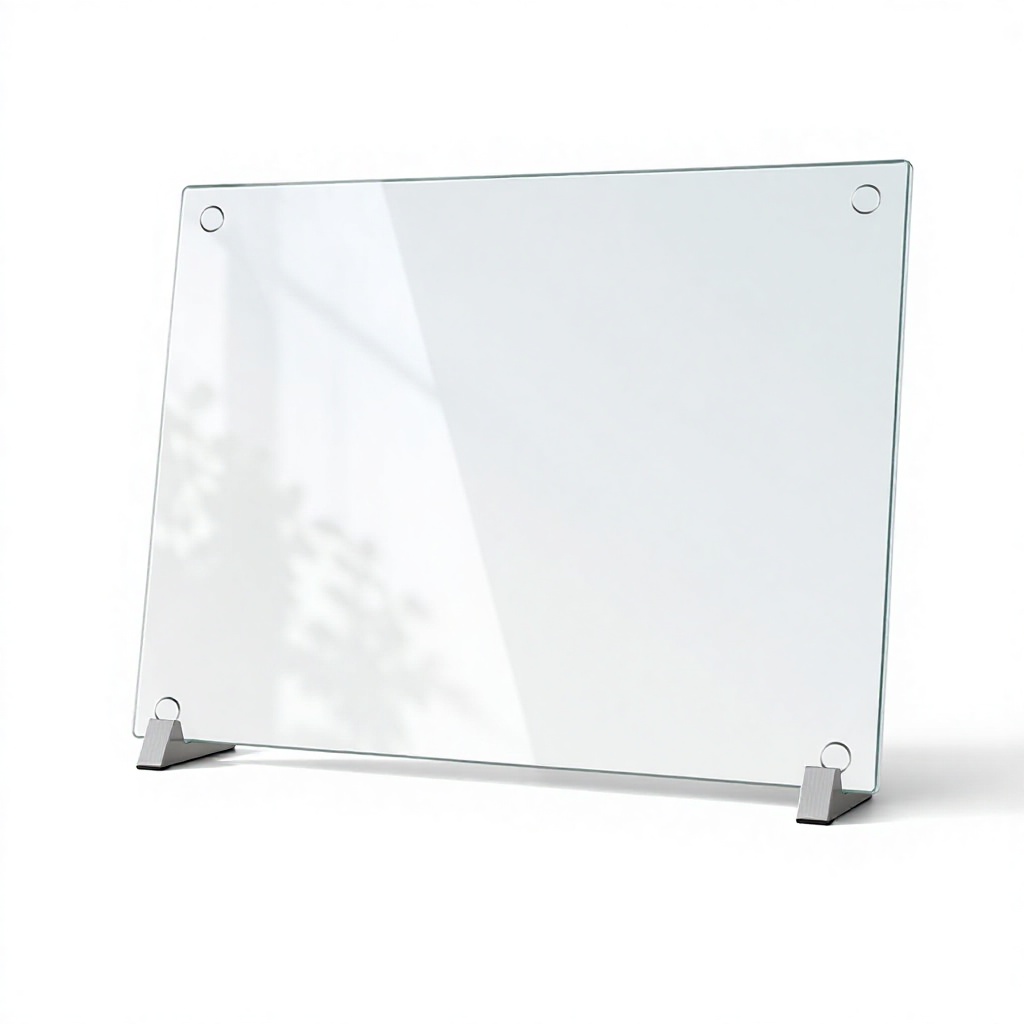
Multi-function printed glass panels for curtain walls, writable whiteboard surfaces and collaborative meeting-room partitions.
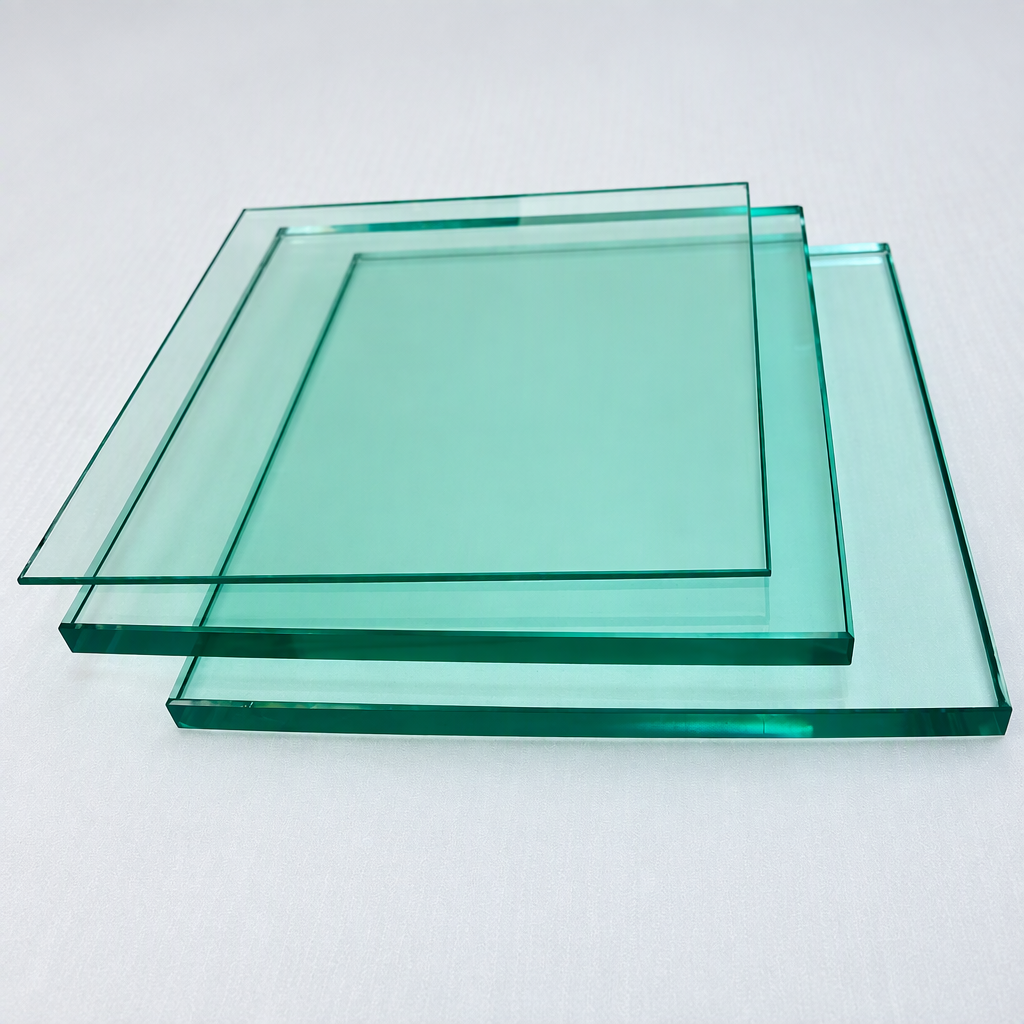
Heat-strengthened and fully tempered flat panels for structural glazing, machine guards and balustrade infill with safety breakage behaviour.
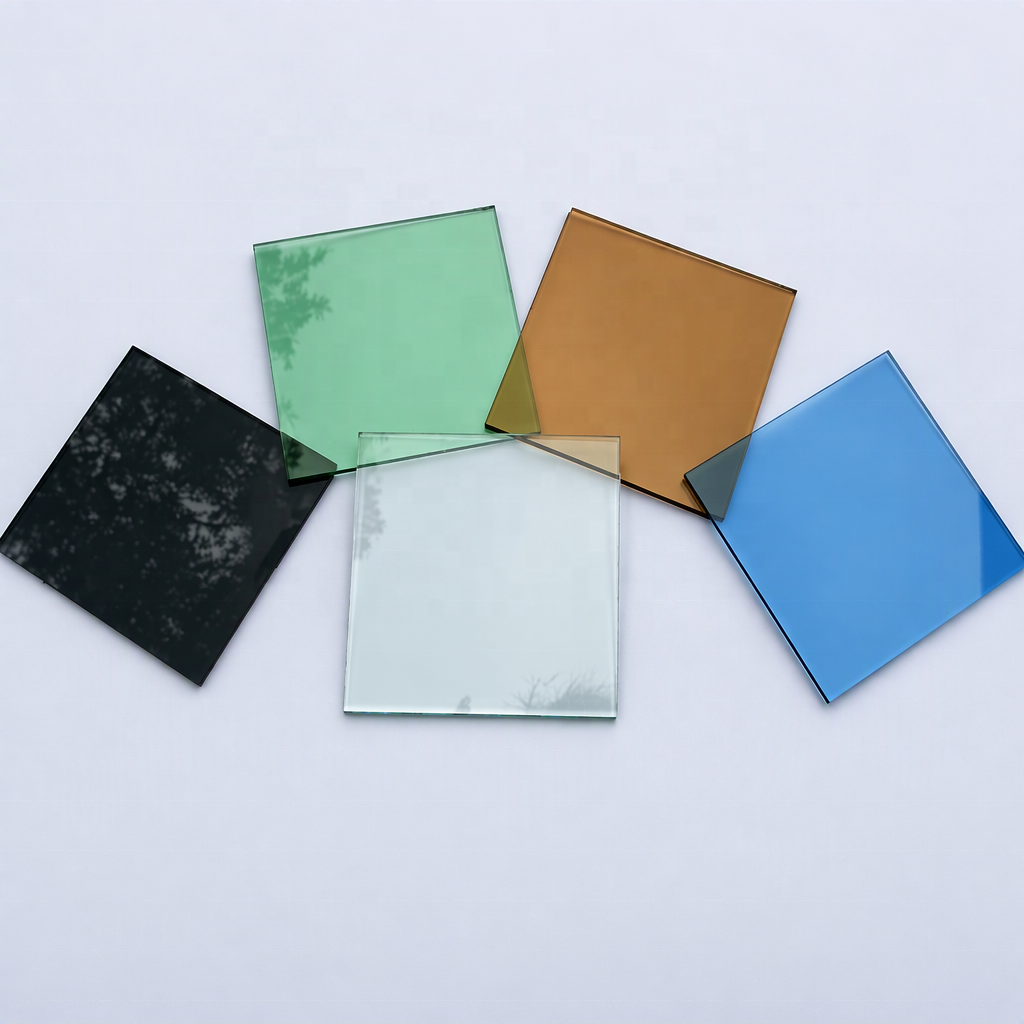
Coloured and reflective toughened flat sheets for decorative façades, appliance fronts and design-led display housings.

Chemically strengthened cover glass with 9H pencil hardness, silk-printed borders and capacitive-sensor-ready surfaces.

Strengthened round glass discs with polished edges and bearing-ready centres for dining, retail display and showroom use.
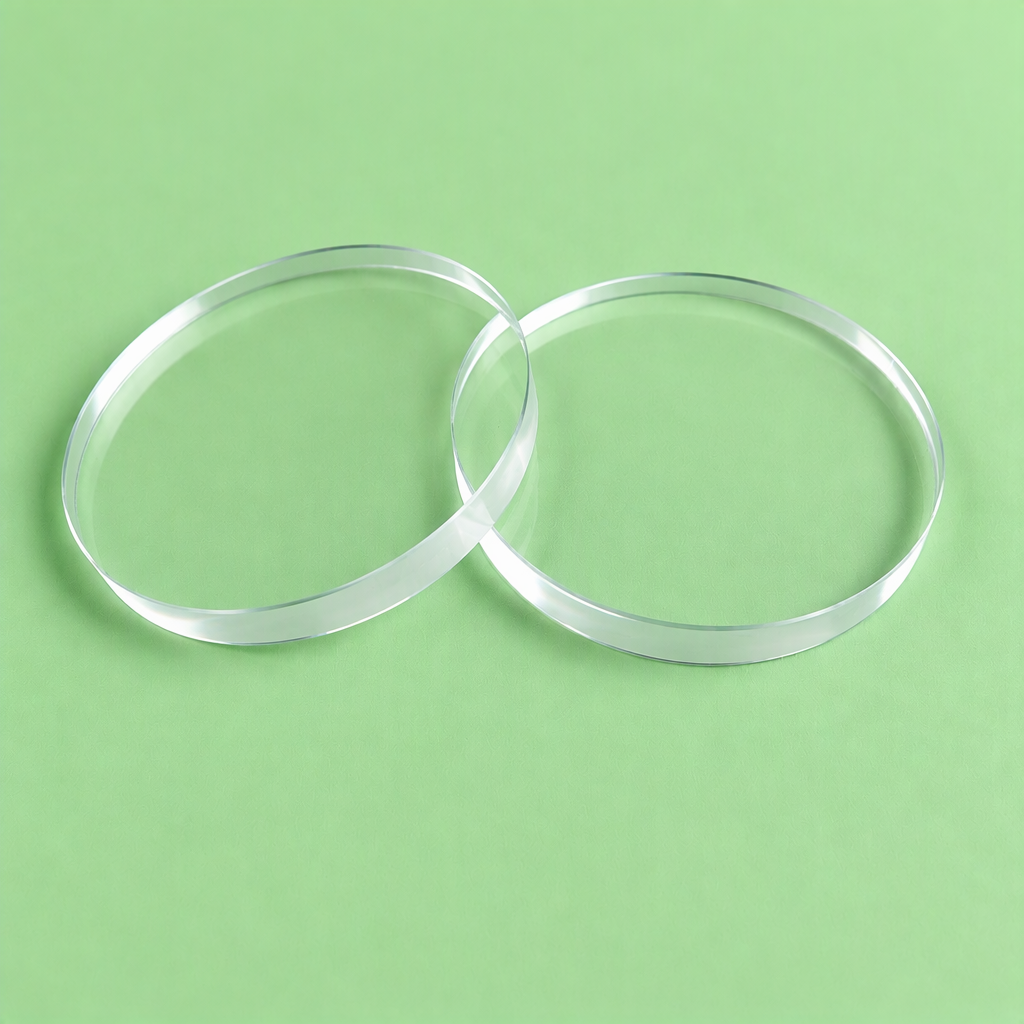
Impact-resistant clear panels cut, drilled and edge-polished to drawing, designed for machine windows and equipment enclosures.

High-temperature printed panels for ovens, cooktops, range hoods and other appliances exposed to sustained heat cycling.
Numbers below come from the company profile of Qingdao Maupe Glass Co., Ltd. and are independently checkable through third-party inspection records.
Price is the last variable to compare, not the first. These are the technical checkpoints that separate a genuine safety glass manufacturer from a trading intermediary.
Safety glass is a fragile value chain with non-negotiable compliance layers. A panel that looks identical in a photo can fail a 1,040 mm drop-ball test, exhibit edge chipping after laser-level inspection, or self-fracture months after installation because of nickel-sulfide inclusions. For overseas buyers, the only durable way to reduce that risk is to audit the factory against measurable criteria rather than catalogue images.
Ask for the surface compressive stress figure and the fragment count. Under GB 15763.2, EN 12150 and ASTM C1048, fully tempered glass should reach a surface compressive stress of at least 90 MPa and produce 40 or more fragments within any 50 × 50 mm square during the fragmentation test. A supplier who cannot provide that data is reselling annealed glass under a misleading label. For façade and balustrade projects, request heat-soaked glass manufactured per EN 14179 to reduce the risk of spontaneous breakage.
Almost every tempered glass failure begins at the edge. Micro-cracks introduced during cutting or handling propagate during thermal cycling. A competent factory flat-polishes and chamfers every edge, de-burrs drilled holes and applies countersinks where hardware will sit. Request macro photographs of edges at 10× magnification on your sample batch — this is one of the highest-signal, lowest-cost checks in the entire audit.
Screen-printed functional graphics must survive the cross-hatch adhesion test (typically ASTM D3359 or an equivalent 3M 600 tape pull). Ink thickness for durable appliance and control-panel prints generally sits between 10 and 20 μm. Colour consistency should be tracked with a spectrophotometer, with a ΔE tolerance agreed in writing before production starts — otherwise panel-to-panel colour drift will show up immediately on an assembled product line.
CNC-machined cover glass for electronics typically holds ±0.1 to ±0.2 mm on outline dimensions, with hole position tolerances verified by CMM. For appliance panels and printed glass, flatness and roller-wave characteristics matter as much as cut accuracy, because both affect bonding to frames and sensor alignment.
Valid ISO 9001 certification scoped to glass processing, RoHS test reports for printed inks, and CE certification for tempered glass are baseline documents. A factory that has been onsite-assessed by a third party such as SGS, and that can show a supply record with Fortune 500 buyers, has already absorbed a level of external scrutiny that pure trading companies rarely reach.
Buying behaviour in this category has shifted decisively from lowest-unit-price sourcing towards risk-adjusted, compliance-driven supply partnerships.
Procurement teams now filter suppliers by certificate validity before discussing price. ISO 9001 scope, RoHS ink reports, CE marking and inspection history have become pass/fail gates rather than negotiation levers.
Live video walkthroughs, screen-shared inspection reports and third-party onsite audits have replaced many first trips to China. Buyers now request process footage of the tempering furnace and printing line as part of the RFQ stage.
Dual-sourcing is now standard, but deep-processing capability for printed and coated glass still concentrates in established Chinese clusters. Buyers keep a qualified second supplier while retaining the primary factory for complex parts.
Minimum order quantities for custom printed panels have fallen to 10–100 pieces on many part families. Marketing-driven SKU proliferation pushes buyers towards factories that treat prototyping and low-volume runs as a core service, not an exception.
Brand owners increasingly require RoHS-compliant, low-emission inks, recyclable packaging and documented waste handling. Sustainability questions now appear in supplier scorecards alongside quality and delivery metrics.
Incoming quality data, defect rates and on-time delivery are tracked continuously in ERP and SRM platforms. Factories that can export structured inspection records win repeat contracts; those relying on verbal assurances lose them.
Design engineers are asking glass suppliers for optical, tactile and electrical performance that did not exist in this category a decade ago.
Multi-layer optical coatings are moving from premium option to base specification. Medical displays, outdoor kiosks and automotive HMI now routinely demand sub-1% reflection combined with fingerprint resistance.
Ion-exchange strengthening lets 0.5–2 mm glass deliver high surface compression without the optical distortion of thermal tempering, making it the default choice for touch covers and thin display windows.
Switch panels, smart locks, wireless chargers and in-vehicle displays all use printed tempered glass as the primary human interface. Demand is shifting from flat rectangles to complex outlines with integrated icon windows.
Black-printed borders and icon windows that appear only when backlit require precise multi-layer ink registration. This design language now dominates appliance and control-panel aesthetics across global brands.
For cost-sensitive consumer electronics, high-alumina silicate glass increasingly replaces branded alkali-aluminosilicate substrates while keeping scratch resistance and drop performance within acceptable tolerances.
Laminated smart film glass is expanding into office partitions, medical consultation rooms and retail fit-outs, adding a new product family that combines strengthening, lamination and electronic control.
Founded in 2012 and based in Qingdao, Shandong, we are a glass deep-processing manufacturer and exporter rather than an intermediary. Cutting, printing, tempering and coating all happen inside our own plant.
ISO 9001 quality management (No. 24025Q20015R1S), RoHS compliance (No. 25TYT12395) and CE marking (No. 23TYT082593S) — certificate numbers are published so your compliance team can verify them directly.
We have been onsite-assessed by SGS Group as a third-party inspected supplier and hold a verified procurement contract with a Fortune 500 buyer — external validation that trading companies cannot replicate.
Precision cutting, CNC shaping, edge polishing, drilling, engraving, silk screen printing, physical tempering, chemical strengthening and AR/AG/AF coating under one roof — shortening lead times and keeping tolerances traceable.
Sample, design and full customization support across 0.5–12 mm glass. Engineers review manufacturability, tolerance and strengthening method before a single sheet is cut, reducing re-tooling risk on new projects.
The factory sits close to Qingdao seaport and airport, supporting FOB, CIF, EXW, FAS, FCA, CPT, DDP, DDU and express delivery — with export experience across 80+ countries in the Americas, Europe, Oceania, the Middle East, Africa and Asia.
Eco-friendly RoHS-compliant, high- and low-temperature inks deliver scratch- and wear-resistant graphics for displays, instrument covers, appliance panels, furniture and decorative partitions.
The questions that come up most often during RFQ, sampling and first-order negotiations.
Share your specifications and receive manufacturability feedback — strengthening method, tolerance feasibility, coating options and lead time — from our glass engineering team.
Send an Inquiry