8 Specialty Glass Panels Recommended for OEM Buyers
These eight product families represent the practical starting points for appliance, electronics, smart-home, industrial-screen and architectural glass projects. Each panel can be customized by drawing, print artwork, thickness, edge finish and surface coating.

Tempered Glass Flat Solid Glass Panels Heat-resistant Tempered Glass for Various Application
A robust choice for appliance windows, industrial covers and heat-exposed panels where impact resistance and stable flatness matter.

High Quality Industrial Screen Front Cover Glass Frosted Anti-glare Glass for Screen Protector
Frosted anti-glare front glass for HMI, kiosk, medical and industrial displays where readability under strong light is critical.
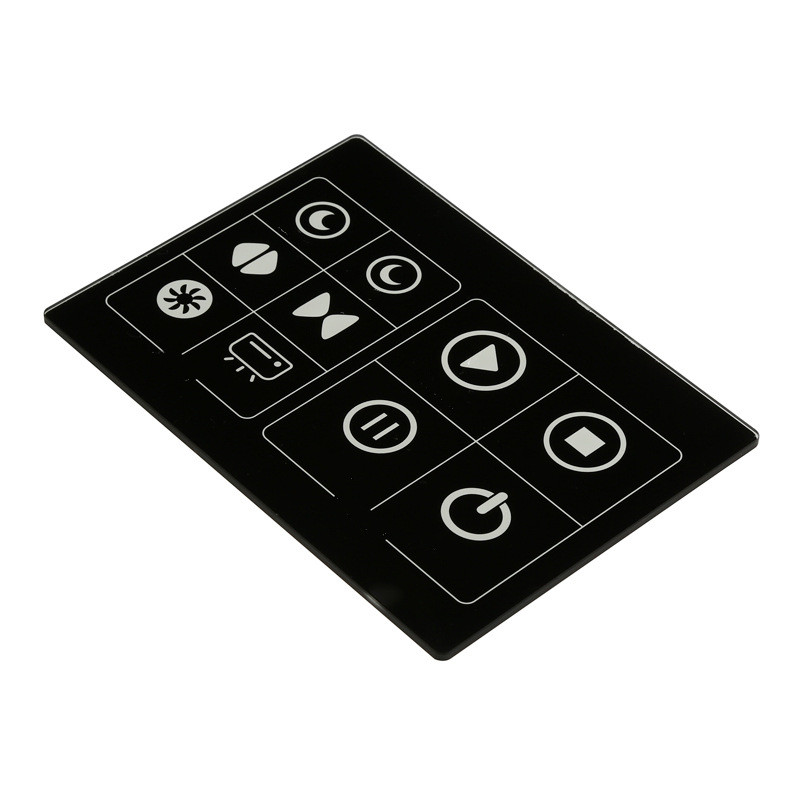
High Temperature Resistant Customized Black Printing Tempered Glass Cooktop Microwave Oven Door Glass for Kitchen
Black-printed door glass for cooktops, microwave ovens and kitchen appliances. High-temperature ink selection is central to long-term appearance.

Glass Factory Customized High Quality Transparent Display Touch Screen Glass Silk Screen 9H Hardness Industrial Screen Protector
A 9H hardness touch-screen cover for transparent display, control and protection applications requiring printed borders or windows.
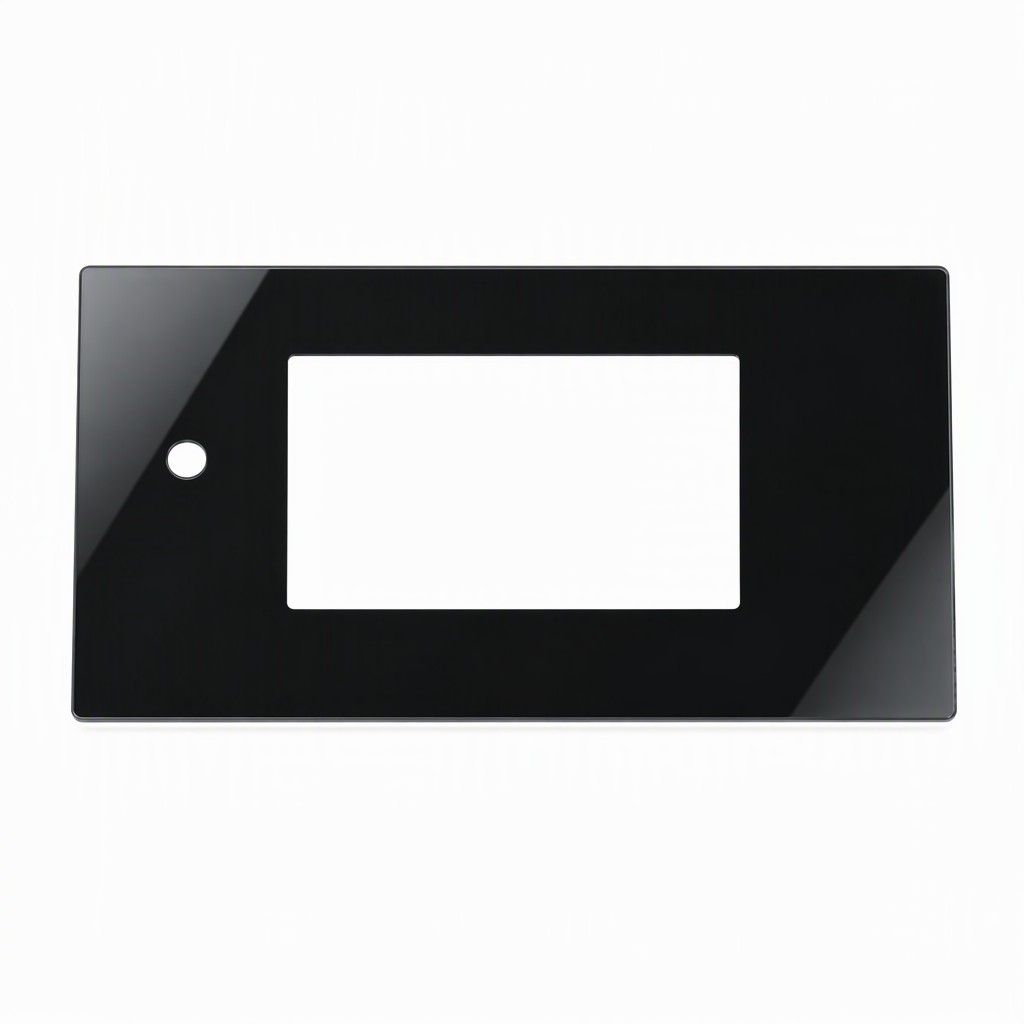
Gorilla Glass Display Protection Cover AR AF Coated LCD Touch Panel Digitizer Front Cover Glass for Industrial Medical Screens
AR and AF coated cover glass for industrial and medical screens where optical clarity, low reflection and easy cleaning are important.
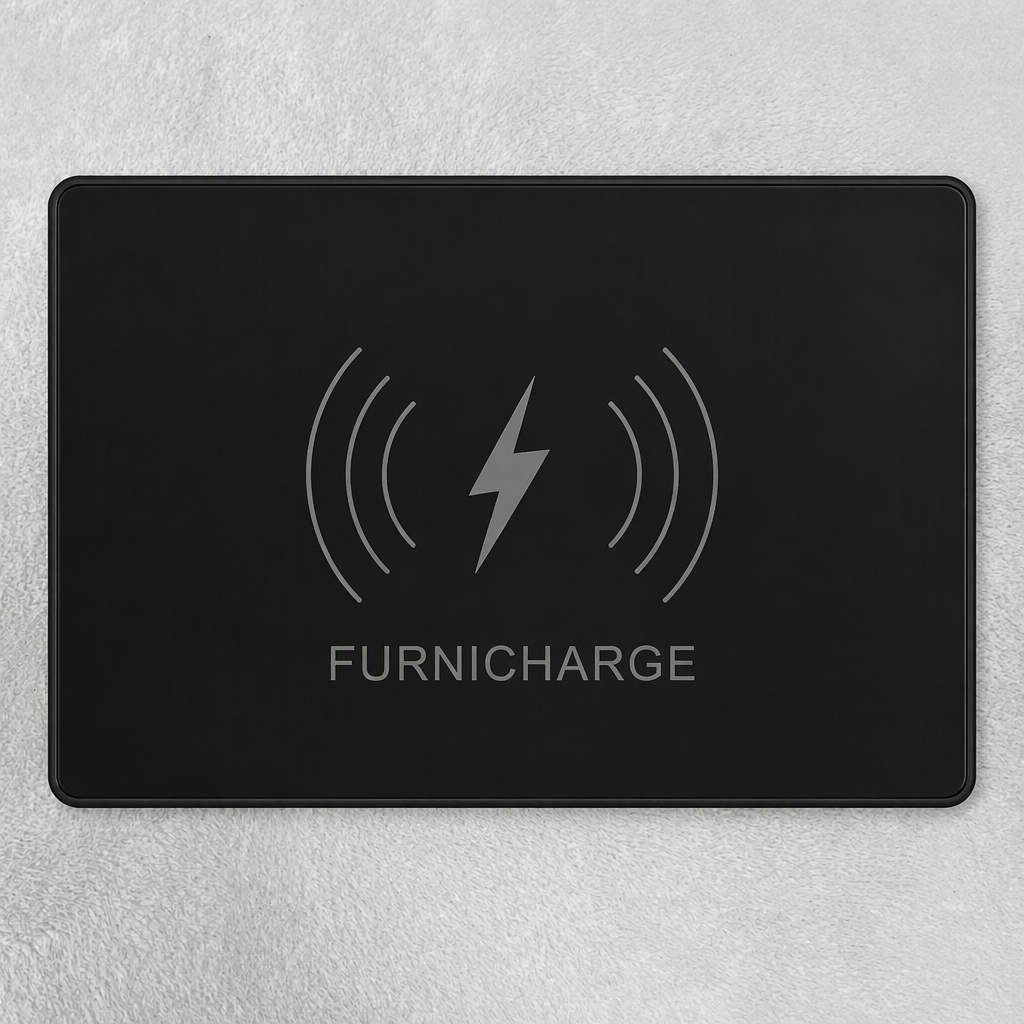
Smart Tempered Glass Bedside Table Panel for Tea Table Wireless Charging Front Cover Glass Touch Light Switch Glass
A furniture-integrated smart panel combining wireless-charging windows, touch-switch printing and decorative glass surfaces.
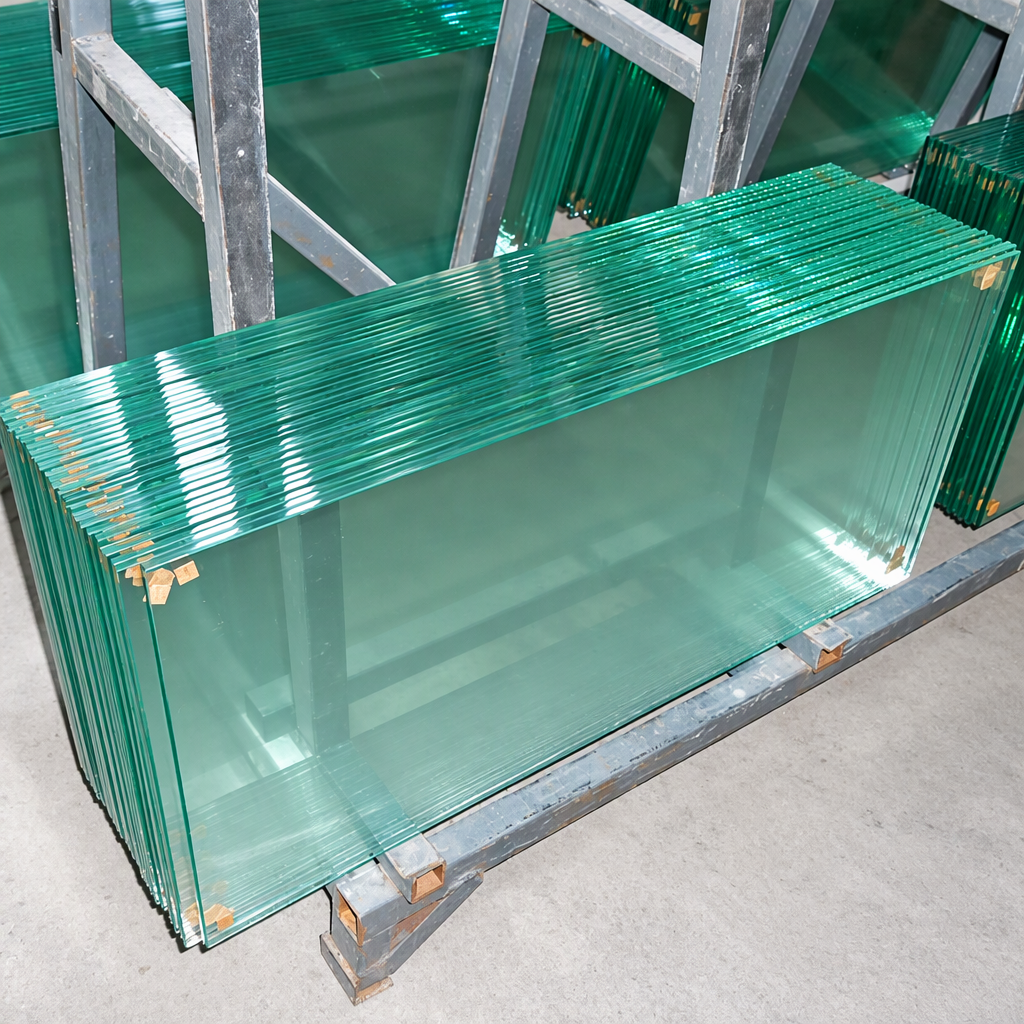
Customized Thickness and Size Clear Tempered Float Glass Panels
Clear tempered float glass in custom thickness and size for general industrial, appliance, partition and fabrication programs.
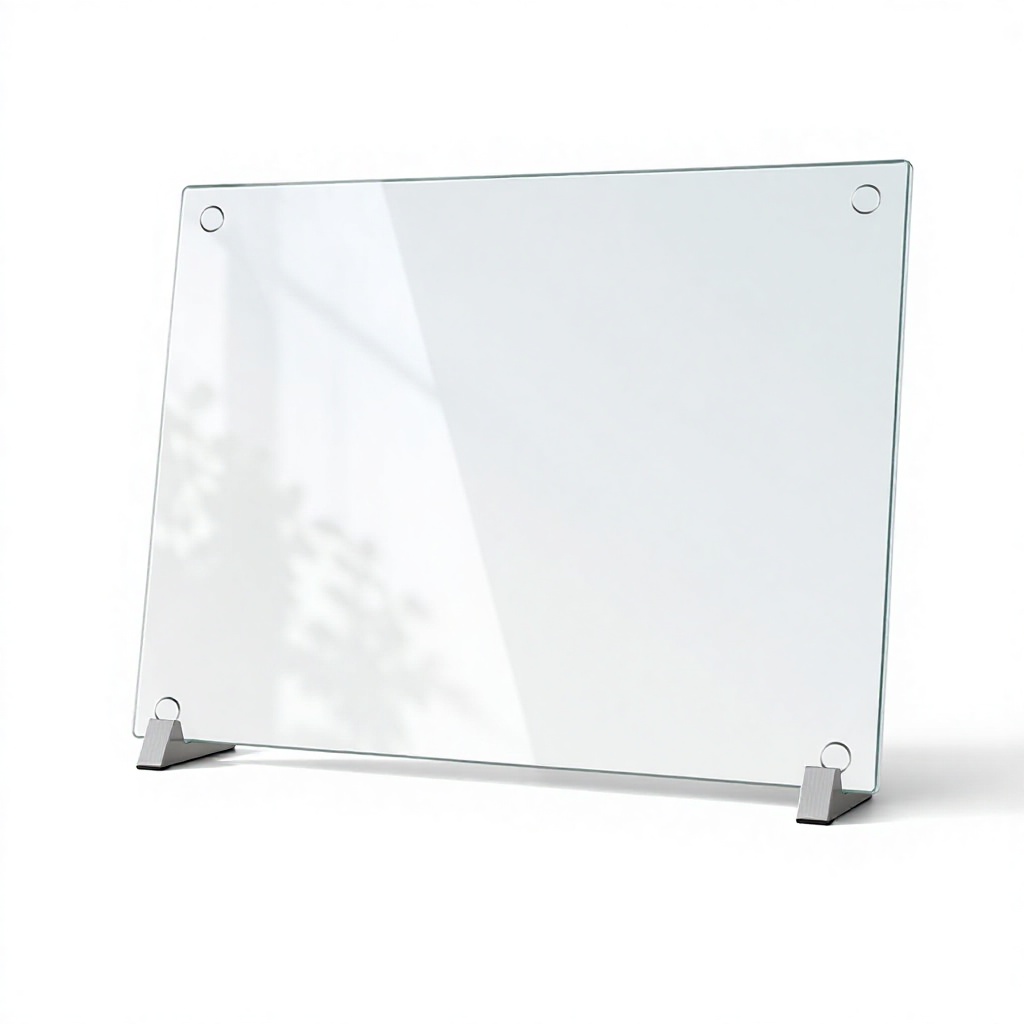
Custom Size Clear Tempered Glass Curtain Wall Panel Multi Function Print Glass Whiteboard Glass
Large-format tempered glass for curtain-wall, whiteboard, printed partition and multi-function interior glass applications.
Factory Facts Buyers Can Verify
Capacity, export exposure and quality management are more useful than a generic “low price” claim when comparing specialty glass factories.
China Best Specialty Glass Factories & Factory: What the Query Really Means
Buyers searching for China best specialty glass factories & factory usually have a more specific intent than sourcing ordinary float glass. They may be benchmarking a custom tempered glass panel, checking whether a supplier can print fine logos and touch icons, verifying ISO 9001 or RoHS documentation, or comparing a China-based factory with local or regional alternatives. For procurement teams, the useful question is not simply “who is cheapest?” but “which factory can repeatedly deliver the required optical, mechanical, printed and compliance performance at a predictable total cost?”
Specialty glass sits at the intersection of materials, printing, coating, strengthening, assembly and logistics. A silk-screen printed tempered glass control panel may look simple in a photograph, but its performance depends on glass type, ink system, print registration, tempering method, edge quality, packaging and tolerance control. A chemically strengthened display cover may require excellent flatness and optical clarity, while an appliance door glass may need heat-resistant printing and a safety breakage pattern. These are different engineering problems, and a serious factory page should provide information gain by explaining the trade-offs instead of repeating “high quality” and “fast delivery.”
China remains a reference market for specialty glass because it combines mature glass deep-processing equipment, available engineering talent, dense material and consumable supply chains, and export logistics through ports such as Qingdao. However, “best” should be treated as a qualification outcome, not a slogan. A buyer should confirm whether the supplier performs cutting, CNC shaping, edge polishing, drilling, printing, tempering, chemical strengthening and coating in-house, or whether those steps are outsourced. Each hand-off increases schedule risk and makes defect responsibility less clear.
The more mature procurement approach is to evaluate the supplier’s total landed cost: unit price plus packaging, breakage risk, engineering rework, sample iterations, compliance documentation, shipping, inventory and after-sales response. A slightly higher quotation from a factory with stable print color, clear inspection records and proven export packing can be cheaper than a low quotation that creates repeat production delays.
Procurement Trends Reshaping Specialty Glass Sourcing in 2025–2026
Purchasing teams are moving from transactional price comparison to evidence-based supplier qualification and lifecycle cost control.
Total Landed Cost Becomes the Default Model
Unit price alone is no longer sufficient. Buyers now model packing, breakage replacement, engineering changes, duty, freight, lead time and inventory buffer when comparing specialty glass factories.
Audit-Ready Compliance Wins Shortlists
ISO 9001, RoHS and CE certificates, certificate numbers, SGS assessment and inspection records are increasingly requested before a sample order is placed.
Digital RFQs Speed Engineering Review
DWG, DXF, PDF drawings, AI artwork files, tolerance notes and coating requirements help factories quote faster and reduce misunderstandings before tooling.
Supply Continuity Outranks One-Off Sampling
Global brands need repeatable color, stable flatness, export packaging and documentation across multiple shipments. Supplier consolidation favors factories with controlled in-house processes.
Product Trends to Design Into the Next Glass Platform
Good sourcing decisions begin at the design stage. These trends influence thickness selection, coating strategy, printing structure and factory qualification.
Thin Chemically Strengthened Cover Glass
Thin glass from 0.5 mm to 2 mm is increasingly specified for touch covers and display protection where flatness, weight reduction and optical quality matter more than thick tempered glass.
AR, AG and AF Coatings Combine
Medical, industrial and outdoor screens often require anti-reflective, anti-glare and anti-fingerprint performance in one cover. Coating durability should be confirmed with the application environment.
Printing, Touch and Backlight Integrate
Switch panels, smart locks and control covers now combine fine print, touch zones, backlight windows and brand graphics on a single glass surface.
Heat-Resistant and Smart Surfaces Expand
High-temperature printed appliance glass and smart furniture panels with wireless charging or touch lighting create new demand for stable printing and multi-function surface design.
Why Qingdao Maupe Glass Co., Ltd. Merits a Shortlist Review
Founded in 2012 in Qingdao, Shandong, Qingdao Maupe Glass Co., Ltd. is a glass deep-processing manufacturer and international supplier operating under an ISO 9001 quality management system. Its core capability is converting flat glass into finished functional parts through cutting, edge polishing, drilling, engraving, coating, silk-screen printing, physical tempering and chemical strengthening.
The company’s silk-screen printed glass uses RoHS-compliant, eco-friendly inks with high- and low-temperature printing processes. This matters for displays, electronic control equipment, instrument covers, household and kitchen appliances, furniture and decorative partitions, where print appearance must survive handling, cleaning and operational exposure. The factory is located near Qingdao seaport and airport, simplifying export logistics and supporting buyer visits or onsite audits.
Its verified business profile includes ISO 9001 certification, RoHS and CE certificates, SGS onsite assessment, Fortune 500 supplier experience and more than a decade of OEM/ODM work. With 8 production lines, a 3,000–5,000 m² factory floor area, services in more than 80 countries and an export share of 91–100%, the company is structured for overseas OEM programs rather than domestic-only production.



Six Deep-Processing Capabilities Under One Roof
Keeping key processes under one roof shortens lead times and makes tolerances, print colors and inspection responsibilities easier to trace.
Precision Cutting and CNC Shaping
Straight, round and special-shaped parts cut and CNC-profiled from clear, ultra-clear, tinted and high-alumina sheet.
Edge Polishing, Drilling and Engraving
Flat, pencil and beveled edges, safety corners, countersunk holes, notches and engraved details for clean assembly.
Silk Screen Printing
High- and low-temperature inks, multi-color layouts, logos, icons and touch zones with scratch-resistant finished surfaces.
Physical Thermal Tempering
Safety glass for appliance doors, switch panels and display windows that must resist impact, heat and daily use.
Chemical Strengthening
Ion-exchange strengthening for thin 0.5–2 mm cover glass where flatness, optical clarity and strength are required.
AR, AG and AF Surface Coating
Anti-reflective, anti-glare and anti-fingerprint treatments for readable screens in bright, industrial and medical environments.
Certification and Inspection Evidence Your Team Can Verify
Compliance documentation should be specific enough for a buyer’s quality or legal team to verify directly with the issuing body.

ISO 9001 Quality Management
Certificate No. 24025Q20015R1S. Scope covers float glass and technical glass products. Valid to 02/2028.

RoHS Compliance
Certificate No. 25TYT12395. Supports restricted hazardous substance control for EU electrical and electronic equipment. Valid to 12/2030.

CE Marking
Certificate No. 23TYT082593S. Tempered glass documentation for European Economic Area market access. Valid to 08/2028.
Physical Tempered or Chemically Strengthened?
Choosing the wrong strengthening method is one of the most common causes of re-tooling in cover glass projects. Use this qualitative view during the design stage, then confirm the final specification against your drawing and test plan.
Physical Thermal Tempering
Typical fit: 2–12 mm appliance doors, switch panels, display windows and industrial covers.
Chemical Strengthening
Typical fit: 0.5–2 mm touch covers, electronics, medical display covers and precise optical windows.
This comparison is a qualitative sourcing aid, not a substitute for drawing review, application testing or customer-specific approval standards.
A Six-Point RFQ Checklist for Faster, More Accurate Quotes
Complete RFQs reduce sample iterations and help factories quote the correct glass type, process route and packaging method.
Specialty Glass Procurement FAQ
These are the questions buyers most often ask before requesting samples or placing a custom glass order.
What is the minimum order quantity for custom printed tempered glass?
Most custom silk-screen printed panels start from 10 to 100 pieces depending on size, thickness and the number of print colors. Large display cover glass can start from 10 pieces. Samples are available for fit and print verification before mass production.
Should I choose physical tempered glass or chemically strengthened glass?
Physical tempering typically suits glass around 2 mm and thicker, such as appliance doors, switch panels and display windows, and breaks into small blunt fragments. Chemical strengthening suits thin glass from 0.5 mm to 2 mm, touch covers and parts that need excellent flatness and optical quality.
Which certifications does the factory hold?
The manufacturer operates an ISO 9001 quality management system, holds RoHS and CE certificates for its glass products, and has been onsite-assessed by SGS Group as a third-party inspection company. Certificate numbers should be checked against the current project requirement.
What files are needed to start a custom glass project?
Send a 2D drawing in DWG, DXF or PDF format with dimensions, thickness, edge finish, hole positions and tolerance. Add print artwork in AI or PDF with color references, and state coating requirements such as AR, AG or AF plus the intended application.
Which trade and payment terms are accepted?
Delivery terms can include FOB, CIF, EXW, FAS, FCA, CPT, DDP, DDU and express delivery. Payment discussions may cover T/T, L/C, PayPal, Western Union and cash in USD, EUR or CNY. The factory is close to Qingdao seaport and airport.
How can I verify quality before shipment?
Agree on an inspection plan covering incoming material, print appearance, dimensional checks, edge quality, strengthening verification and packaging. Ask for inspection records and pre-shipment photos. For higher-risk programs, use third-party inspection or schedule an onsite factory audit.
Have a Drawing or Target Specification?
Send your 2D drawing, print artwork, glass thickness, coating requirement and annual volume. Review the factory’s specialty glass catalog, then shortlist the right panel family for sampling.