Borosilicate-Ready Tempered Glass Products for OEM Programs
The eight formats below show the geometries, print complexity and assembly functions our lines handle. Each can be evaluated in borosilicate 3.3 when thermal shock, chemical exposure or high-end optical clarity justifies the material. Where borosilicate is not the rational choice, our engineers will recommend tempered soda-lime float glass or another grade with a clear cost-performance explanation.
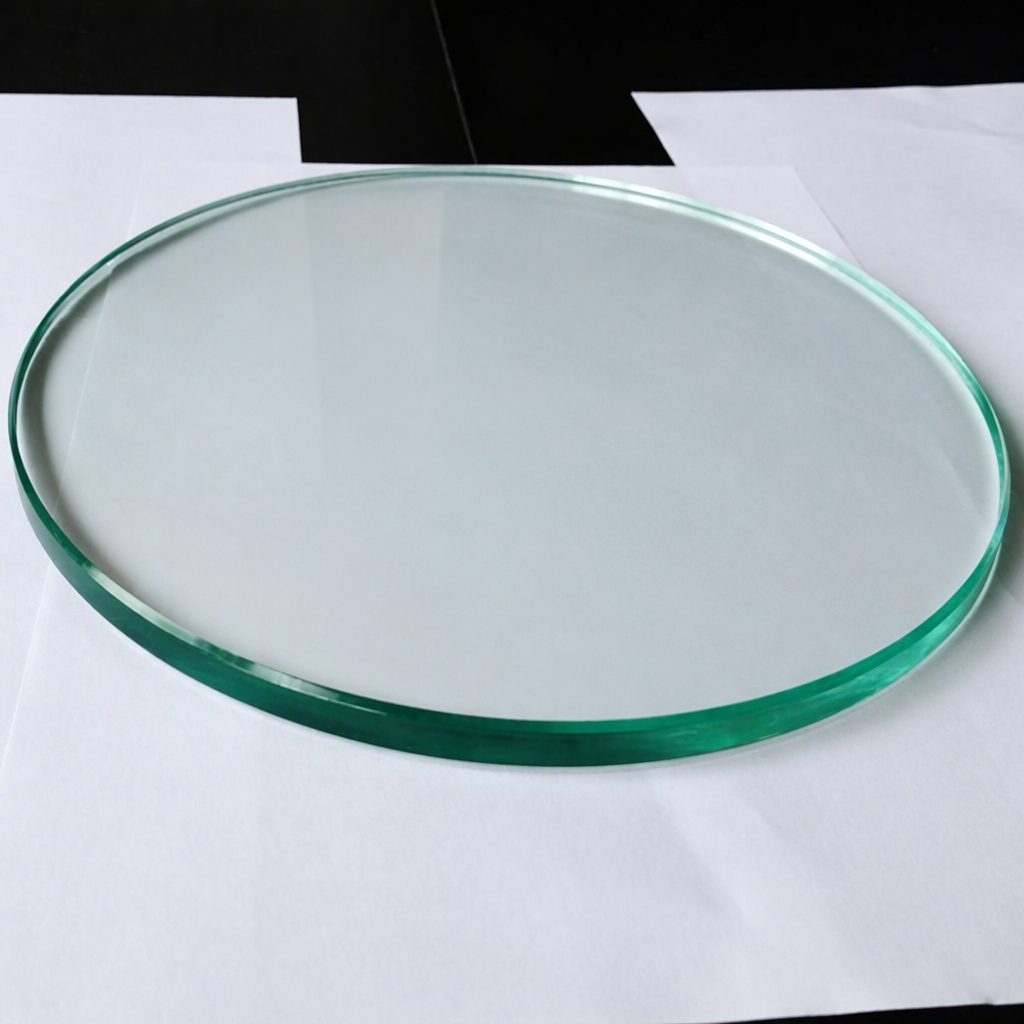
12mm Tempered Glass Round Tempered Glass Beveled Round Glass Pieces
A round, beveled format for viewing windows, appliance trims and architectural inserts. When specified in borosilicate 3.3, edge polish and thermal-cycle validation should be agreed before tempering because edge quality is a common breakage origin.
View specification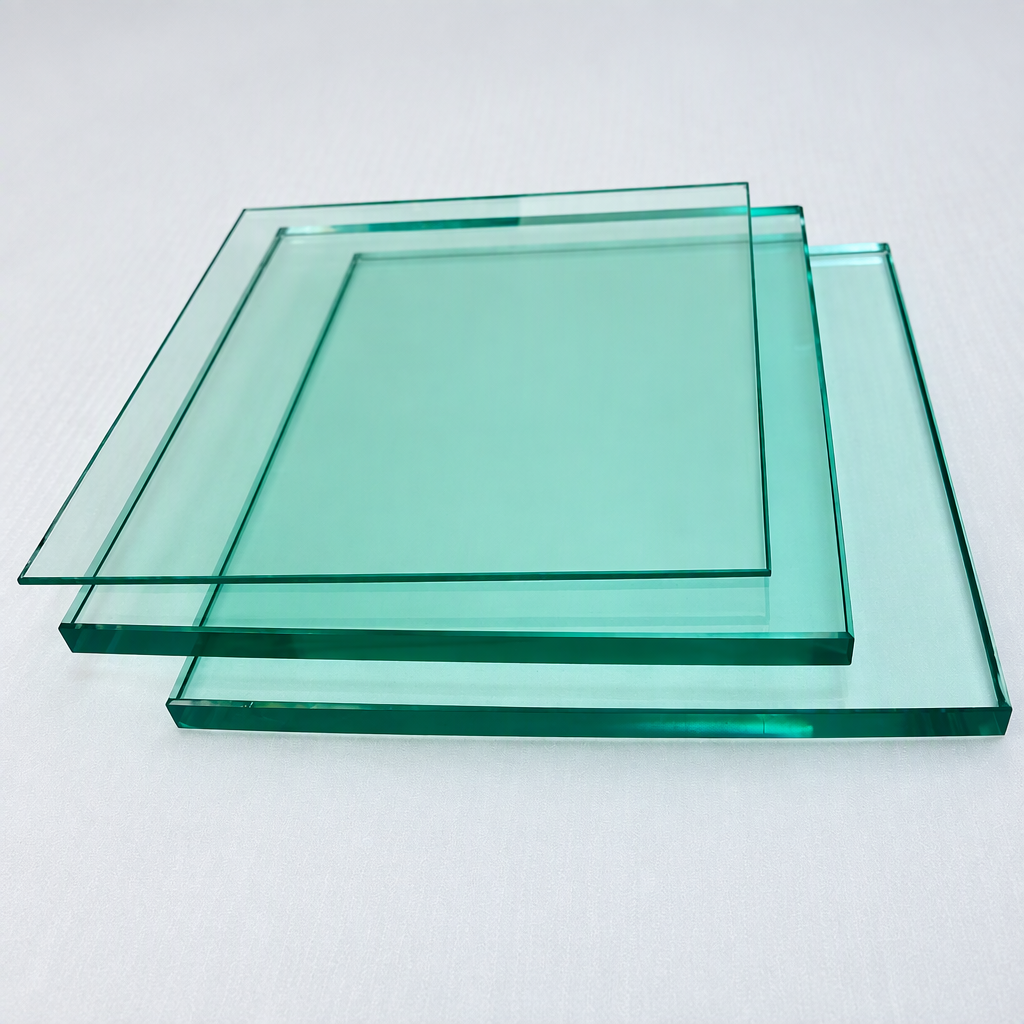
Tempered Glass Panel Safety Glass Flat Structural Tempered Glass
Flat safety panels for control consoles, equipment guards and partition systems. We review hole-to-edge distance, flatness, roller wave and fragmentation before release, and can quote a borosilicate route where heat or chemical exposure justifies the upgrade.
View specification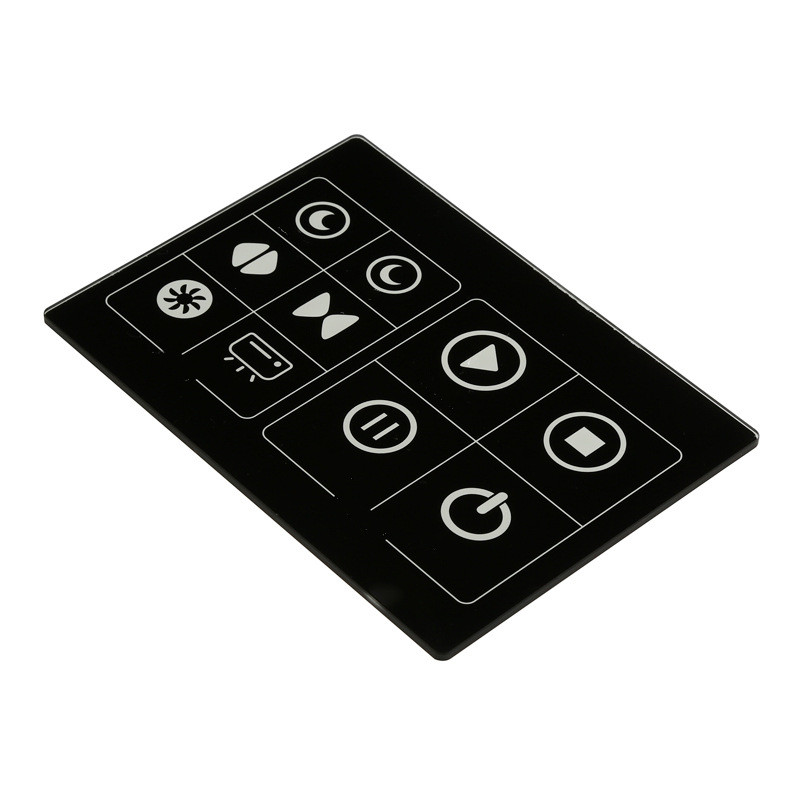
High Temperature Resistant Customized Black Printing Tempered Glass Cooktop Microwave Oven Door Glass for Kitchen
A black-printed heat-resistant format for cooktops, microwave doors and oven windows. For borosilicate versions, the ink system and cure schedule must match peak service temperature; all printing is completed before strengthening.
View specification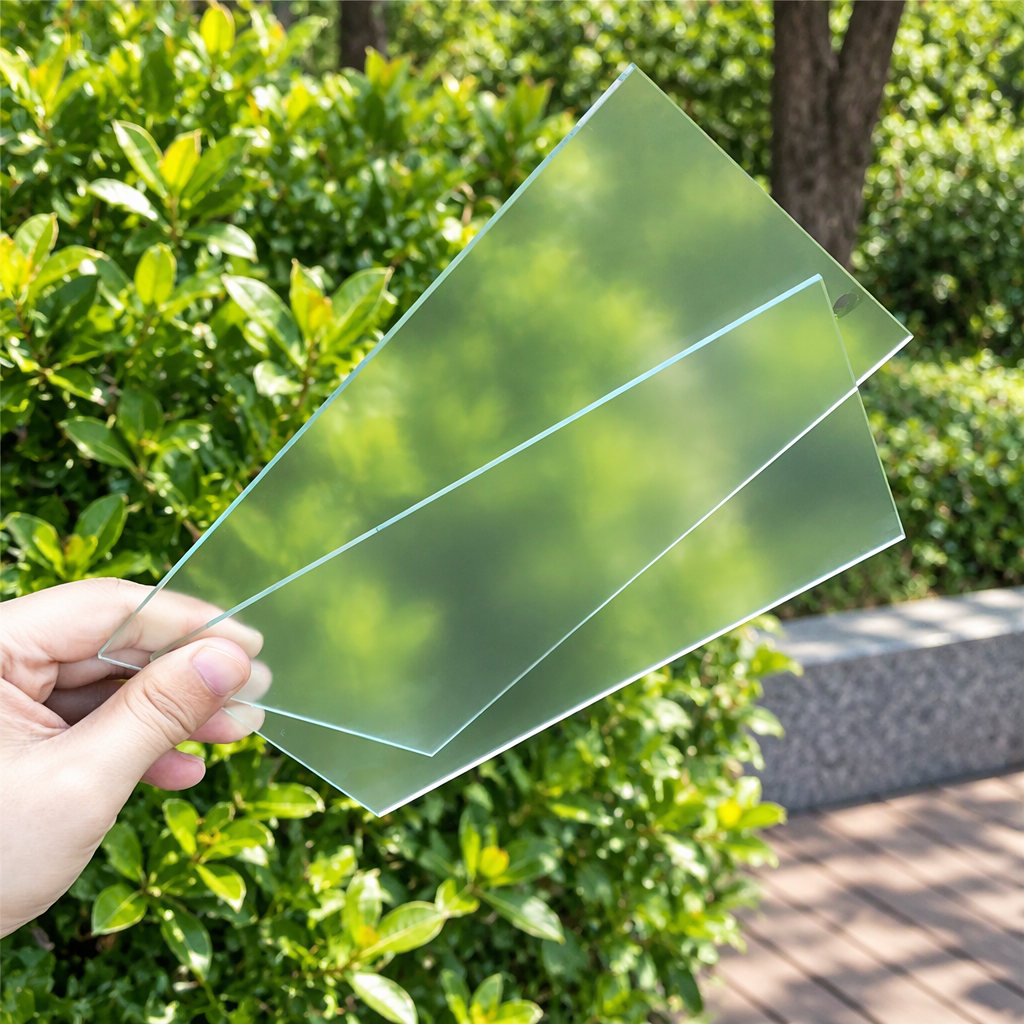
High Quality Industrial Screen Front Cover Glass Frosted Anti-glare Glass for Screen Protector
Frosted anti-glare cover glass for industrial HMIs, outdoor kiosks and medical displays. Etched AG plus AR or AF treatment can be combined; haze, gloss, transmission and cleaning durability are approved on the actual coating sample.
View specification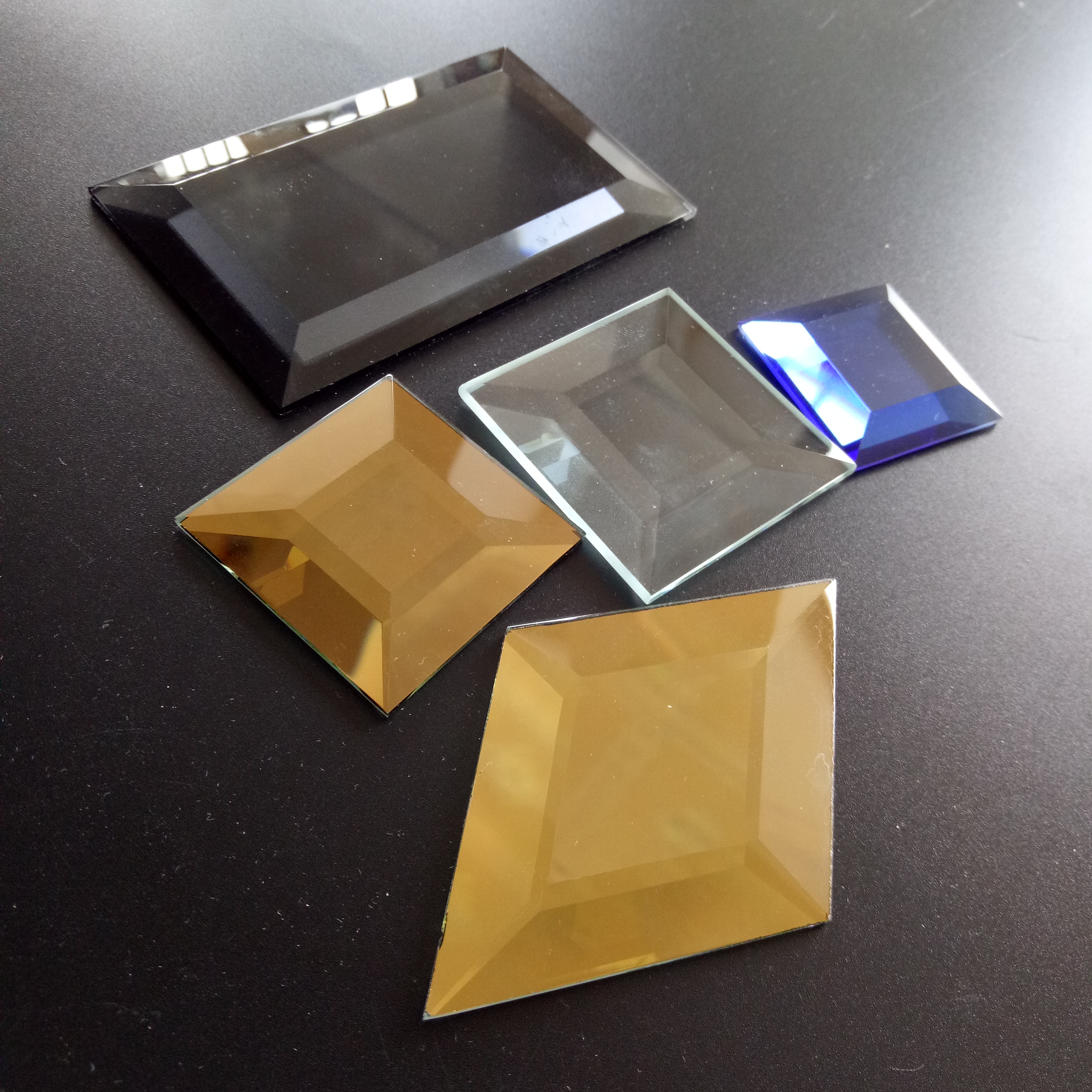
Blue Gold Faceted Beveled Glass for Wall Decoration – Clear Beveled Glass Pieces
Decorative faceted and beveled glass for feature walls and interior branding. This is a design-led format; for heat, chemical or thermal-cycling duty, review a borosilicate 3.3 option rather than assuming a decorative float-glass specification is sufficient.
View specification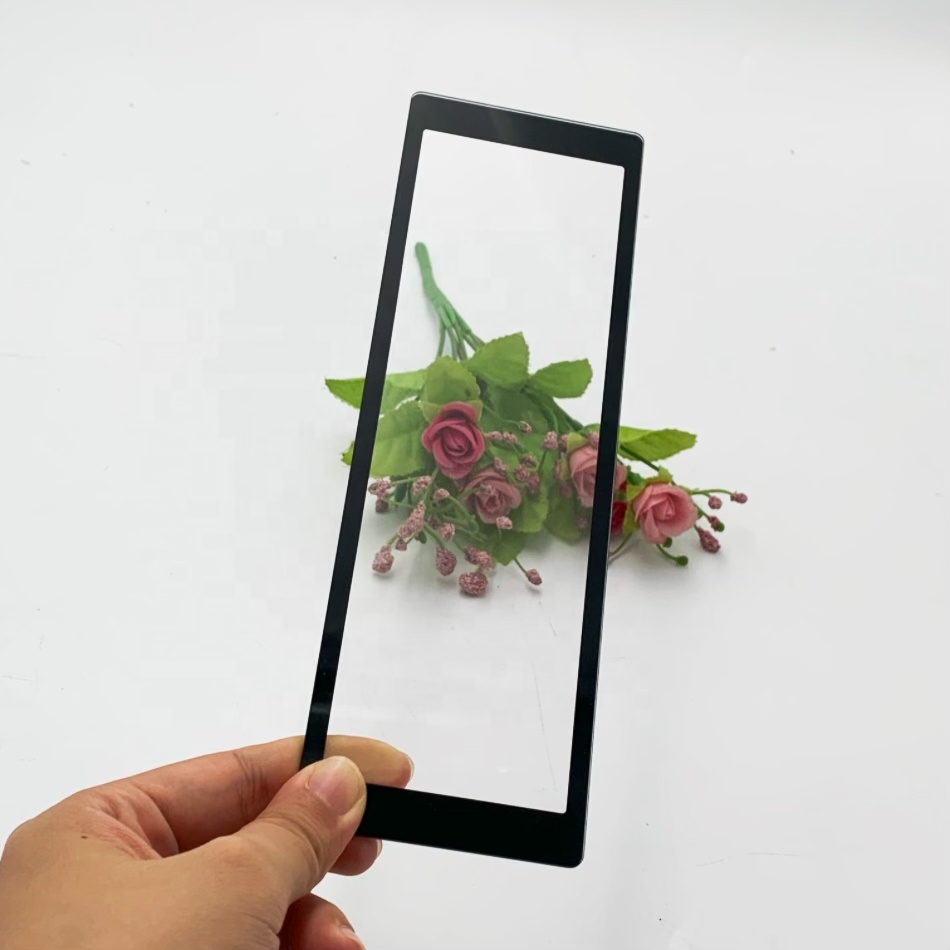
Custom Silk Screen Printed Tempered Glass Panel Touch Screen Display Cover Glass
Printed touch-cover glass with icon windows, hidden borders and selective light transmission. Registration between print, sensor aperture and backlight is inspected on the first article before mass production.
View specification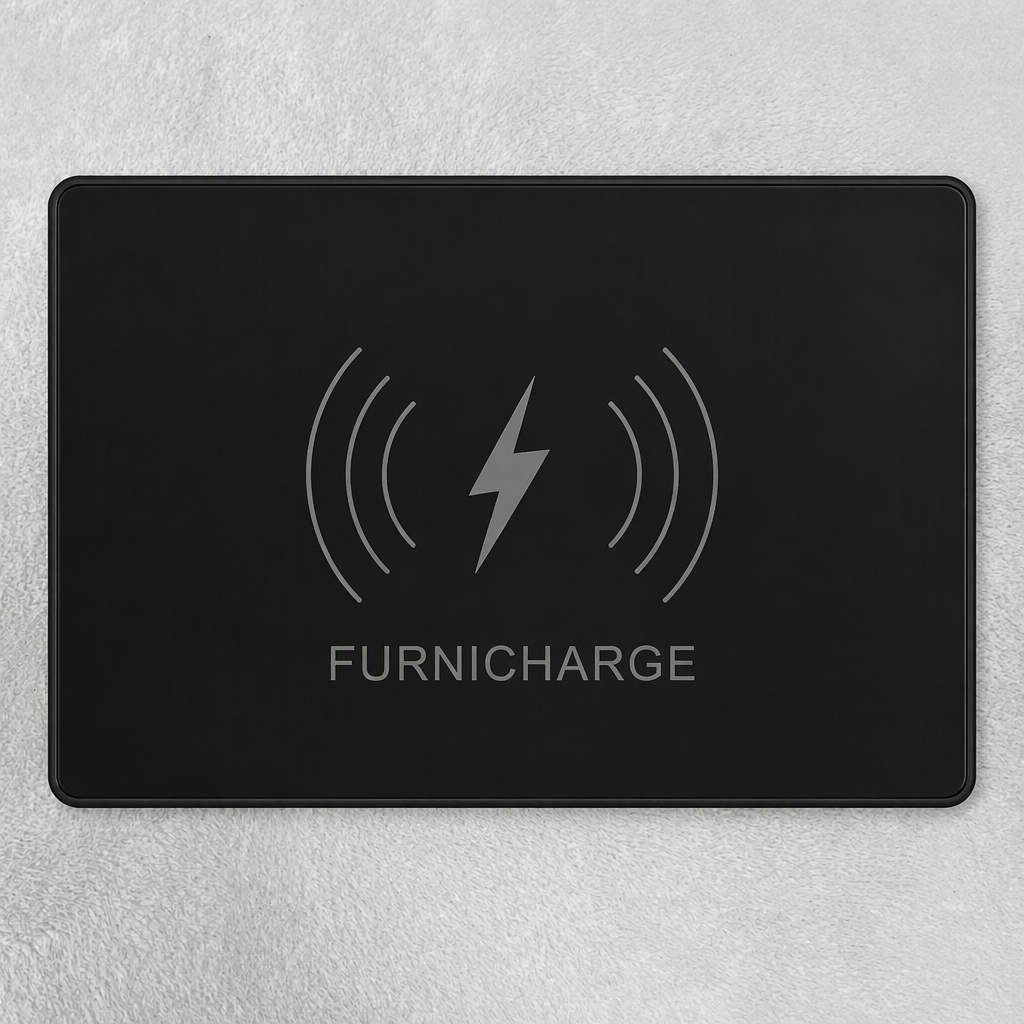
Smart Tempered Glass Bedside Table Panel for Tea Table Wireless Charging Front Cover Glass Touch Light Switch Glass
An integrated front panel for wireless charging, touch lighting and smart furniture. Printing can conceal coils and LEDs while keeping the charging zone visually clear; glass flatness and aperture tolerance should be fixed with the sensor stack.
View specification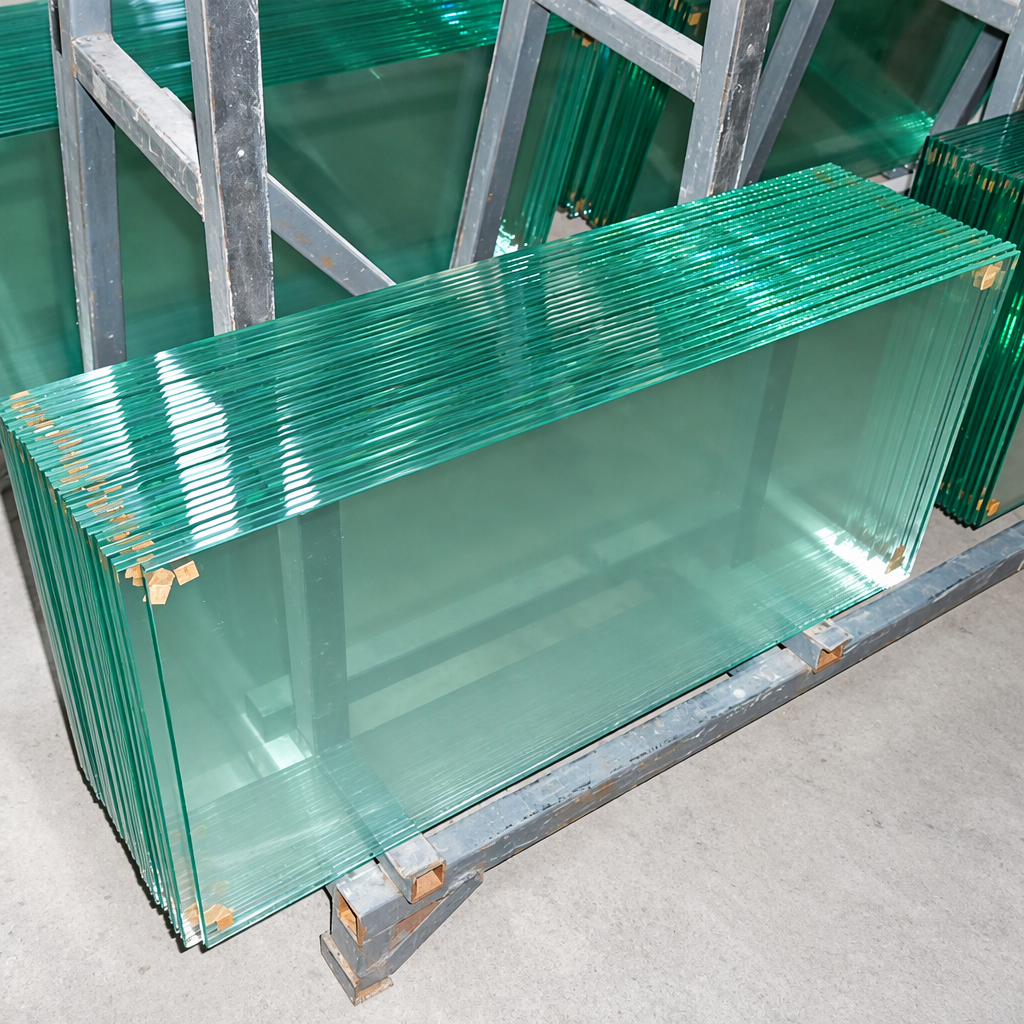
Construction & Real Estate Float Glass Factories in China Tempered Glass
A project-supply format for construction and real-estate applications. Borosilicate is not automatically the right choice for every façade or partition; we help buyers compare float glass, tempered soda-lime and borosilicate on thermal need, size, weight and budget.
View specificationHave a drawing that must survive heat, thermal cycling or aggressive cleaning? Our engineers will confirm the material grade, strengthening route, print system, coating stack and packing method before you commit to tooling.
Inquire NowWhat “Best” Must Mean in Tempered Borosilicate Glass Procurement
In a category crowded with self-declared leaders, “best” should not be an adjective — it should be a verifiable outcome. For a borosilicate glass buyer, best means the lowest validated total cost at the required thermal, optical, mechanical and compliance performance, proven on the actual drawing and repeated across production lots.
That definition changes the supplier conversation from price per piece to evidence: material grade, coefficient of thermal expansion, edge condition, surface stress, print registration, coating durability, packing performance and export documentation. It also explains why a serious RFQ asks for the application temperature and cleaning chemistry, not only dimensions and quantity.
Borosilicate 3.3 — often written BS 3.3 or simply 3.3 glass — is selected for a low coefficient of linear thermal expansion, typically around 3.3 × 10⁻⁶/K, compared with roughly 9 × 10⁻⁶/K for ordinary soda-lime glass. That difference matters in cooktops, oven doors, laboratory windows, high-power lighting, fireplace panels and outdoor displays. It also changes processing: higher softening points require different forming and strengthening profiles, and every cut, hole, edge and print must be completed before strengthening.
Qingdao Maupe Glass Co., Ltd. is a glass deep-processing manufacturer and exporter, not a raw-sheet mill. We source traceable borosilicate sheet, then cut, CNC-shape, edge-polish, drill, print, coat and strengthen it to drawing. That distinction is important: buyers should ask who controls each process, which steps are subcontracted, how furnace loads are recorded and how first-article inspection is documented.
For buyers comparing suppliers, the right question is not “Who sells the cheapest borosilicate glass?” but “Who can demonstrate the same critical-to-quality characteristics order after order?” This guide covers the purchase decision from product fit, procurement trends, product development and audit evidence so that sourcing, engineering, quality and brand teams can make a defensible decision.
Four buyer intents this page resolves
- Engineering intentWill borosilicate 3.3 survive my thermal cycle, mounting stress and cleaning regime?
- Procurement intentWhat is the landed cost at stable yield, and which MOQ protects both launch cost and supply continuity?
- Quality intentHow are CTE, surface stress, fragmentation, print adhesion, coating durability and dimensional capability verified?
- Brand intentCan the same color, gloss, touch feel and icon alignment be reproduced across reorders and multiple SKUs?
2025–2030 Procurement Trends Reshaping Borosilicate Glass Buying
Buyers are moving from single-price comparisons toward resilience, evidence and lifecycle value. These four shifts are already visible in RFQs for custom glass components.
Dual sourcing is becoming process-based
Buyers are not simply moving orders away from China; they are qualifying a primary high-capability source and a secondary regional source. For borosilicate, the critical question is where the glass is cut, printed, strengthened and inspected. A distributor that outsources all four steps introduces hidden hand-offs. Expect RFQs to request process maps, furnace capacity, backup coating lines and named sub-suppliers.
Total cost replaces piece price
Freight, breakage, coating rework, line stoppage and launch delay usually cost more than the difference between two quoted unit prices. Buyers now model reject rates at incoming inspection, packaging performance after simulated transport, print color variation and lead-time standard deviation. A supplier that provides a clear DFM response, first-article report and packaging validation can be cheaper on a landed-cost basis even when the piece price is higher.
Compliance evidence is expanding
RoHS and CE remain entry points for electronics and machinery, but procurement teams increasingly request REACH statements, material declarations, lead-free ink confirmation, batch traceability and carbon-intensity data. For architectural projects, safety glazing and project-specific performance documentation may apply. To avoid greenwashing, ask for certificate numbers, issuing bodies and scope — not only a PDF logo.
Digital RFQs compress qualification
2D drawings, artwork files, live video factory walks and digital inspection reports now allow a qualified supplier to be evaluated before an overseas trip. The best suppliers respond with a manufacturability review rather than a bare quotation: recommended glass grade, strengthening route, achievable tolerances, print sequence, coating options, tooling cost, MOQ and sampling timeline. This shortens the path from concept to validated sample.
What a disciplined borosilicate RFQ review weights
Each RFQ is different, but the weighting below reflects the order in which our engineers and quality team typically resolve risk before a price is released. The bars are an illustrative review model, not a market survey.
Product Development Trends: Where Tempered Borosilicate Glass Is Heading
Material innovation is only useful when it survives the assembly line. These six developments are shaping the next generation of borosilicate glass components.
Thin borosilicate for displays and sensors
Demand is rising for 0.5–2.0 mm borosilicate and chemically strengthened borosilicate covers in smart-home interfaces, appliance displays and industrial sensors. Thin glass saves weight and improves touch sensitivity, but edge micro-chips become critical. Buyers should require edge inspection under magnification and agree on handling and packaging before mass production.
Heat-resistant integration for appliances
Cooktops, oven doors, range hoods, microwave viewing windows and multifunction appliance panels are consolidating more functions into fewer surfaces. That raises peak temperatures, thermal cycling and cleaning chemical exposure. Borosilicate 3.3 is increasingly evaluated where standard tempered soda-lime reaches its thermal margin, with black-printed low-stress borders and hidden icons.
Application-specific coating stacks
AR, AG and AF coatings are no longer generic upgrades. Outdoor HMI glass may need AR plus an anti-glare etch; medical displays need cleanability and low reflection; smart-home panels may need low haze with a tactile, fingerprint-resistant surface. Specify the lighting environment, cleaning agents and abrasion test before choosing a stack, and ask for optical data on the actual substrate.
Printed glass as brand and function
Silk-screen printing is moving from simple black borders to multi-layer functional graphics: hidden LED windows, capacitive touch zones, color-matched logos, gradient effects and selective light transmission. The constraint is registration. A 0.1 mm print shift that is invisible on a poster can be unacceptable beside a touch icon. First-article color and print adhesion verification become essential.
Integration with touch, charging and PDLC
Glass is increasingly a platform, not a passive cover. Wireless-charging windows, NFC antenna windows, touch-light switches and switchable privacy films require the glass processor to coordinate with sensor, coil and film suppliers. Flatness, optical clarity and dimensional stability matter because downstream integration cannot easily correct cumulative error. For PDLC, edge sealing and busbar clearance should be reviewed at drawing stage.
Sustainability becomes a specification
The most credible sustainability gains are engineering gains: lower reject rates, right-first-time samples, lead-free inks, efficient furnace loading, recycled packaging and fewer air shipments. For borosilicate, recyclability must be considered in the local waste stream rather than assumed. Buyers can request material mass, packaging type, recycled-content declarations where available and a plan to reduce breakage in transit.
How to Specify Tempered Borosilicate Glass Correctly
Strong RFQs separate thermal, mechanical, optical, print and compliance requirements. Use this framework to reduce sampling loops and avoid a specification that cannot be inspected.
The six questions that determine success
- Thermal duty: peak temperature, temperature delta, cycle count, mounting method and contact materials.
- Mechanical duty: impact risk, point load, pressure, deflection limit and handling environment.
- Optical requirement: transmission, haze, gloss, reflection, color neutrality and display brightness.
- Print requirement: ink chemistry, layer order, cure temperature, icon registration and touch-zone clearance.
- Strengthening route: thermal tempering or chemical strengthening, fragmentation criteria, flatness and edge quality.
- Compliance and packing: RoHS/CE evidence, material declarations, traceability, drop/vibration protection and label data.
What to include in the RFQ pack
- 2D drawing in DWG, DXF or PDF with outline, holes, radii, edge finish and tolerance.
- 3D model when the part is curved, faceted or assembled against a complex housing.
- Artwork in AI or PDF with Pantone/color references, layer order and print-side definition.
- Application temperature, cleaning chemicals, annual volume and target launch schedule.
- Coating targets for AR, AG or AF plus the optical test method and acceptance limits.
- Certification, packaging and inspection requirements, including any customer-specific standard.
| Decision | What to fix in writing | Why it matters |
|---|---|---|
| Material grade | Borosilicate 3.3, raw-sheet source, CTE certificate and batch traceability | Thermal shock resistance and chemical durability depend on verified composition, not a generic label. |
| Strengthening | Thermal temper or chemical strengthening; fragmentation, surface-stress and flatness criteria | A thin optical window and a cooktop panel should not automatically receive the same route. |
| Edge and holes | Edge polish, chamfer, hole-to-edge distance, countersink, corner radius and micro-crack acceptance | Edges are a common breakage origin after thermal cycling or assembly stress. |
| Ink type, colors, layer sequence, registration tolerance, light transmission and cure schedule | Print must survive the service temperature and remain aligned with the sensor or display aperture. | |
| Coating | AR/AG/AF stack, target transmission, haze, gloss, abrasion and cleaning-chemical exposure | Optical performance and cleanability are application-specific and must be tested on the real substrate. |
| Packing | Interleave, edge protection, moisture control, carton/crate design and drop or vibration test | Finished glass must arrive with the same optical and dimensional integrity it had at final inspection. |
Why Qingdao Maupe Glass Co., Ltd. Is Audited as a Long-Term Partner
Founded in 2012 in Qingdao, Shandong, Qingdao Maupe Glass Co., Ltd. is an ISO 9001 certified glass deep-processing manufacturer and international supplier. We serve buyers in more than 80 countries from a 3,000–5,000 m² facility with eight production lines, and we keep the key process chain — cutting, CNC shaping, edge polishing, drilling, engraving, printing, tempering, chemical strengthening and AR/AG/AF coating — close enough to control tolerance, color and delivery.
Process control under one roof
Cutting, CNC, edge polishing, drilling, engraving, silk-screen printing, physical tempering, chemical strengthening and coating are integrated. Fewer hand-offs mean faster problem-solving when a tolerance, color or coating issue appears.
Traceable quality system
ISO 9001 certificate No. 24025Q20015R1S; RoHS No. 25TYT12395; CE No. 23TYT082593S. SGS has onsite-assessed the supplier. Incoming material and finished-product inspection are supported by first-article and batch records.
OEM / ODM engineering support
About 10 years of OEM experience, with a Fortune 500 supplier procurement contract verified. Drawings are reviewed by process engineers for manufacturability, not only by sales. Sampling, first-article verification and production release follow a documented sequence.
Export logistics and commercial flexibility
Located close to Qingdao seaport and airport, with 91–100% of output exported. Delivery terms include FOB, CIF, EXW, FAS, FCA, CPT, DDP, DDU and express. Payment options include T/T, L/C, PayPal, Western Union and cash in USD, EUR or CNY.
Inside the factory and quality process

Factory overview. A 3,000–5,000 m² facility in Qingdao with eight production lines serving export programs.

Cutting and shaping. CNC profiling, drilling, edge polishing and engraving are controlled before strengthening.

Printing and finishing. Multi-color silk-screen printing, coating and inspection are matched to the application and artwork.
Certificates and third-party evidence

ISO 9001 Quality Management
Certificate No. 24025Q20015R1S · Scope covers float glass and technical glass products · Valid to 02/2028.

RoHS Compliance
Certificate No. 25TYT12395 · Restricts hazardous substances in electrical and electronic equipment · Valid to 12/2030.

CE Marking
Certificate No. 23TYT082593S · Tempered glass · Supports market access across the European Economic Area · Valid to 08/2028.
Questions Buyers Ask Before Ordering Tempered Borosilicate Glass
Clear answers reduce sampling risk. For safety-critical applications, final validation always remains with the product manufacturer or an accredited test laboratory.
What does “tempered borosilicate glass” mean, and is every borosilicate panel actually tempered?
Borosilicate 3.3 describes the glass composition and low thermal expansion; tempering is a separate strengthening step. A supplier should state whether the part is annealed, heat-strengthened or fully tempered, and provide the applicable fragmentation, surface-stress or thermal-shock criteria. For heat-critical parts, confirm the test conditions, edge finish and mounting method. Not every application needs tempering; thin optical windows may be chemically strengthened instead.
Can borosilicate 3.3 be used for cooktops, oven doors and microwave windows?
It is often considered for high-temperature and thermal-cycling applications, but suitability is project-specific. Peak temperature, temperature gradient, mounting clips, print ink, coating and the applicable safety standard must be evaluated together. We review the assembly, not only the glass. For appliance safety-critical parts, the final validation remains with the appliance manufacturer or an accredited test lab.
What is the difference between borosilicate and ordinary tempered glass?
Borosilicate 3.3 has a much lower coefficient of thermal expansion — about 3.3 versus roughly 9 × 10⁻⁶/K for soda-lime glass — and generally better thermal-shock and chemical durability. Ordinary tempered soda-lime glass is usually cheaper, easier to temper and more widely available in large formats. The correct choice depends on thermal load, chemical exposure, size, weight, safety requirement and budget. We quote both when the application allows.
What thickness and panel size can you process?
Typical custom glass programs range from 0.5 mm to 12 mm, with panel size depending on glass grade, strengthening route, coating, print and handling limits. Large display windows and architectural formats require an engineering review. Send a drawing with dimensions, corner radii, hole pattern and expected deflection; we will confirm the feasible thickness and processing route before quoting.
What is the MOQ for custom tempered borosilicate glass?
MOQ is governed by setup: glass grade, furnace load, print screens, coating batch, tooling and packaging. Many custom printed programs start from 10 to 100 pieces, while multi-color printed, coated or large-format parts may have a higher practical minimum. We prefer to quote MOQ together with sample and tooling costs so the total launch cost is transparent.
Which certifications and evidence can you provide?
ISO 9001 certificate No. 24025Q20015R1S, RoHS No. 25TYT12395 and CE No. 23TYT082593S, plus SGS onsite assessment. For specific projects, we support material declarations, dimensional and appearance reports, first-article inspection, print color samples and packing validation. Certificate scope and validity should always be checked against your product category and destination market.
How do you protect printed graphics and coatings from wear?
Use the correct ink system and cure schedule; specify print adhesion and abrasion requirements; choose an AR/AG/AF stack that is matched to the cleaning chemicals. For touch surfaces, consider AF or hard-coat options and define the cleaning regime. We verify first-article color under agreed lighting and recommend production acceptance limits before mass production.
What files should I send for an accurate quotation?
Send a 2D drawing in DWG, DXF or PDF; a 3D model for curved shapes; artwork in AI or PDF with Pantone/color targets; glass grade and thickness; coating targets; application temperature; annual volume; delivery term; and any certification or packaging requirement. A photo of the current part or assembly also helps. Our engineers return a DFM checklist and clarification questions, not only a price.
What are your lead times, shipping terms and payment options?
Sampling and production lead times depend on tooling, coating batch, print complexity and furnace scheduling. We ship from Qingdao by sea, air or express. Delivery terms include FOB, CIF, EXW, FAS, FCA, CPT, DDP and DDU. Payment can be T/T, L/C, PayPal, Western Union or cash in USD, EUR or CNY. For repeat programs, we can discuss scheduled releases and capacity planning.
How do you prevent breakage and scratches during export packing?
Packing is engineered for the route and handling count: interleaves, edge and corner protection, moisture control, reinforced cartons or crates and, where agreed, drop or vibration validation. Cartons are labeled with part number, batch and handling symbols. Buyers can request pre-shipment inspection and photo or video documentation before dispatch.
How can I verify a China-based borosilicate glass supplier before placing an order?
Ask for the legal entity name, factory address, business license, process map, key equipment list, certificate numbers and issuing bodies, and references in a comparable application. Request a live video walk-through of cutting, printing, strengthening and inspection. For your actual part, insist on a first article with dimensional, appearance, print and coating checks. Verify certificate scope on the issuing body’s database, not only from a PDF. A credible supplier will welcome these steps and explain what it does not do in-house.
Send Your Drawing. Get a DFM Review, Not a Generic Quote.
Tell us the operating temperature, cleaning chemistry, annual volume and target certification. Our engineering team will respond with a recommended material grade, strengthening route, print and coating plan, MOQ and realistic lead time. If borosilicate is not justified for your application, we will say so and explain the alternative.
Qingdao, Shandong, China
ISO 9001 · RoHS · CE · SGS onsite assessed