8 Custom Glass Sheet Products for OEM & Wholesale Buyers
For borosilicate glass sheet projects, buyers usually begin with thickness, coefficient of thermal expansion, edge finish, print layout and the intended strengthening route. The eight production formats below reflect the custom glass panels and covers we regularly process for electronics, appliances, industrial equipment and smart-device applications.
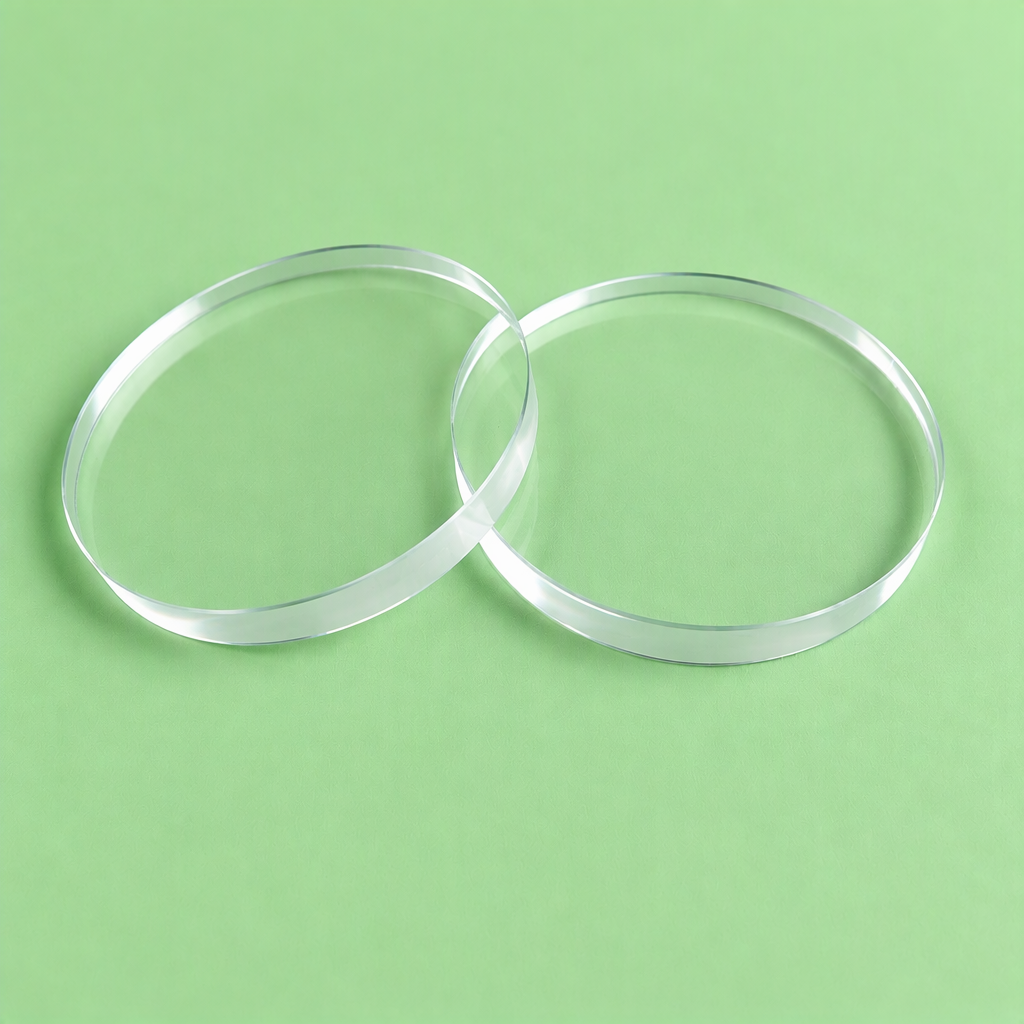
High Strengthen Glass Tempered Glass Custom Size Tempered Clear Glass Panel for Industrial
Clear strengthened panel processed to drawing for industrial guards, machine windows and equipment covers where impact resistance matters.
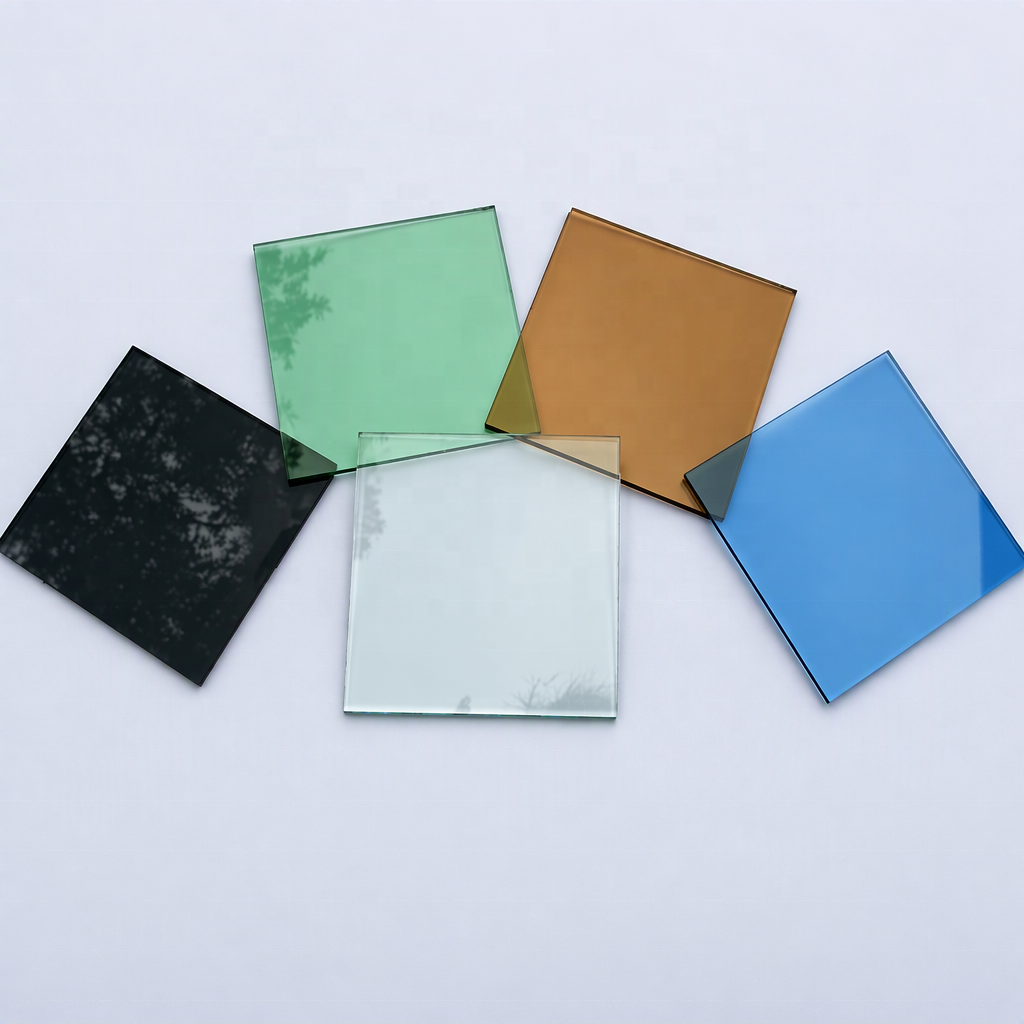
Customized Tinted Tempered Glass Flat Sheet 3mm to 10mm Reflective Colored Glass Toughened Glass
Tinted or reflective flat glass for appliance fronts, decorative device panels and design-driven architectural equipment.
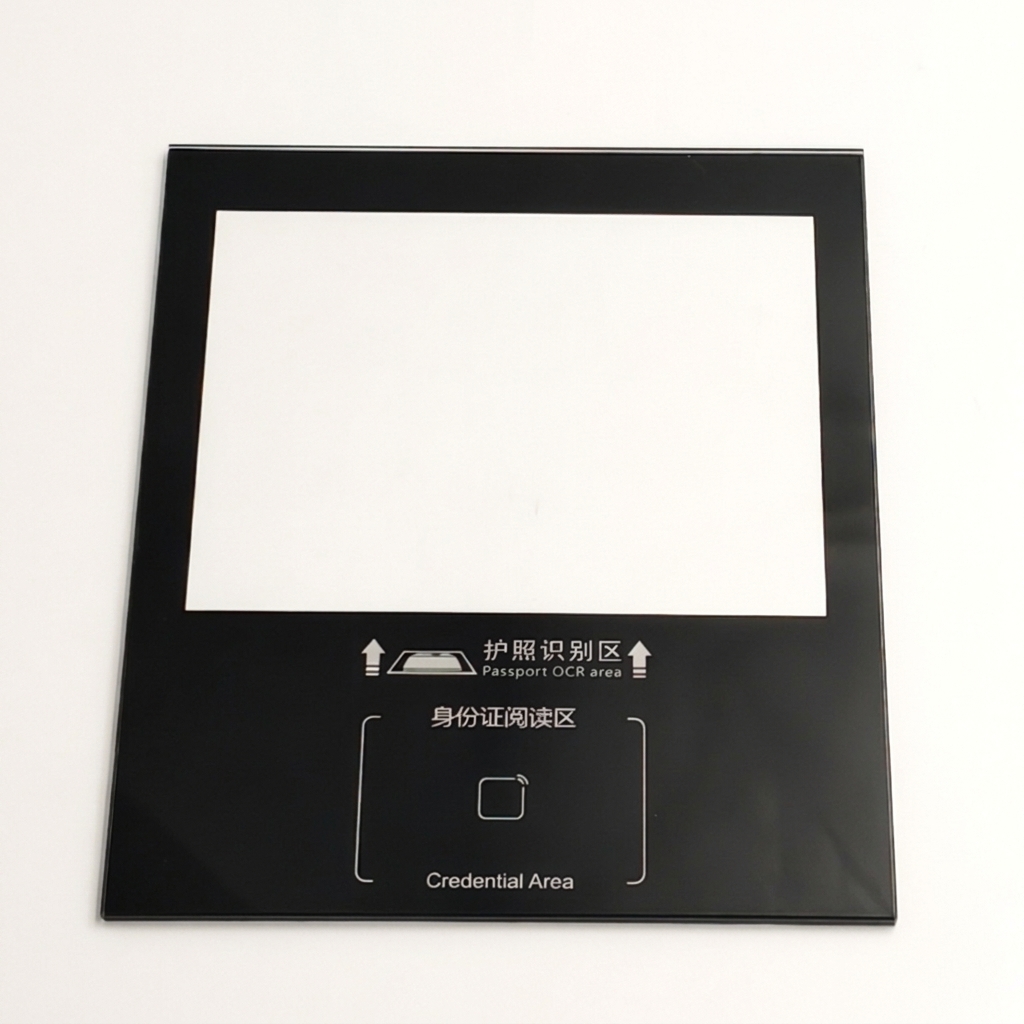
Custom Tempered Glass Protective Glass Panel Transparent Polished Display Cover Glass for Small Electronic Devices Cover
Transparent polished cover glass for small electronic displays, protective windows and touch-facing cover plates.

Tempered Glass Flat Solid Glass Panels Heat-resistant Tempered Glass for Various Application
Heat-resistant solid glass panels for appliance, industrial and heat-adjacent applications requiring stable flatness.
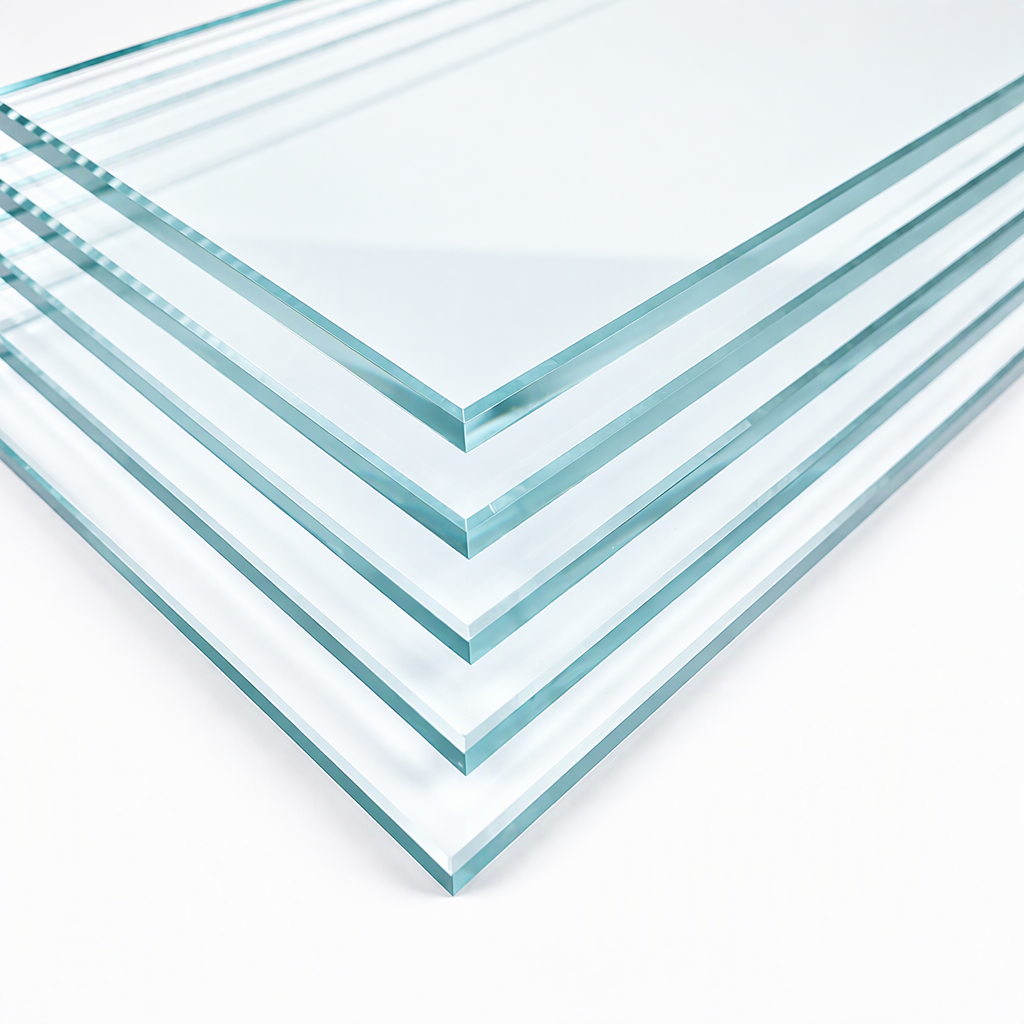
Clear Tempered Glass Transparent Tempered Glass Panel Cover Plate
Clear transparent cover plate for equipment windows, protective panels and display-facing surfaces.
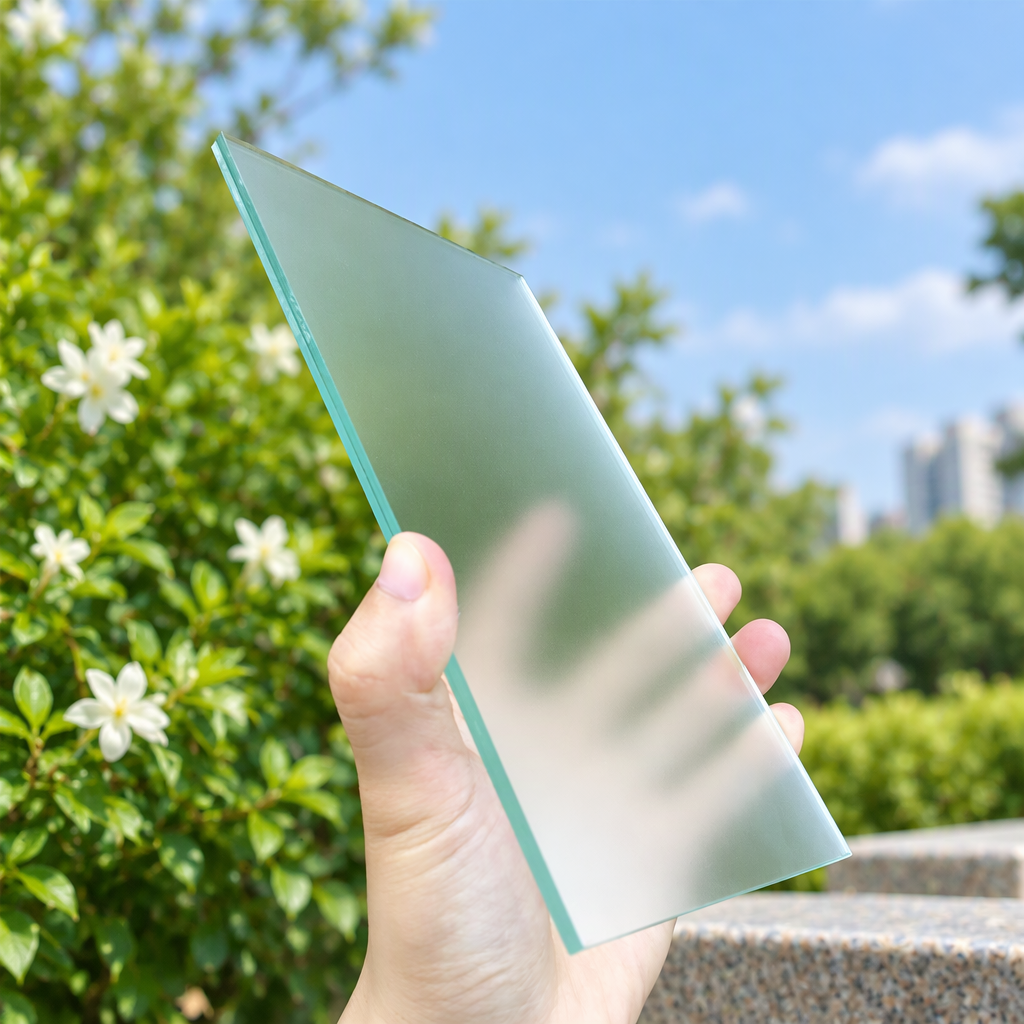
High Quality Industrial Solid Anti-glare Glass Screen Protector Matte Surface Monitor Screen Cover Glass
Matte anti-glare cover glass for industrial monitors, HMIs and bright-environment displays where reflection control is critical.
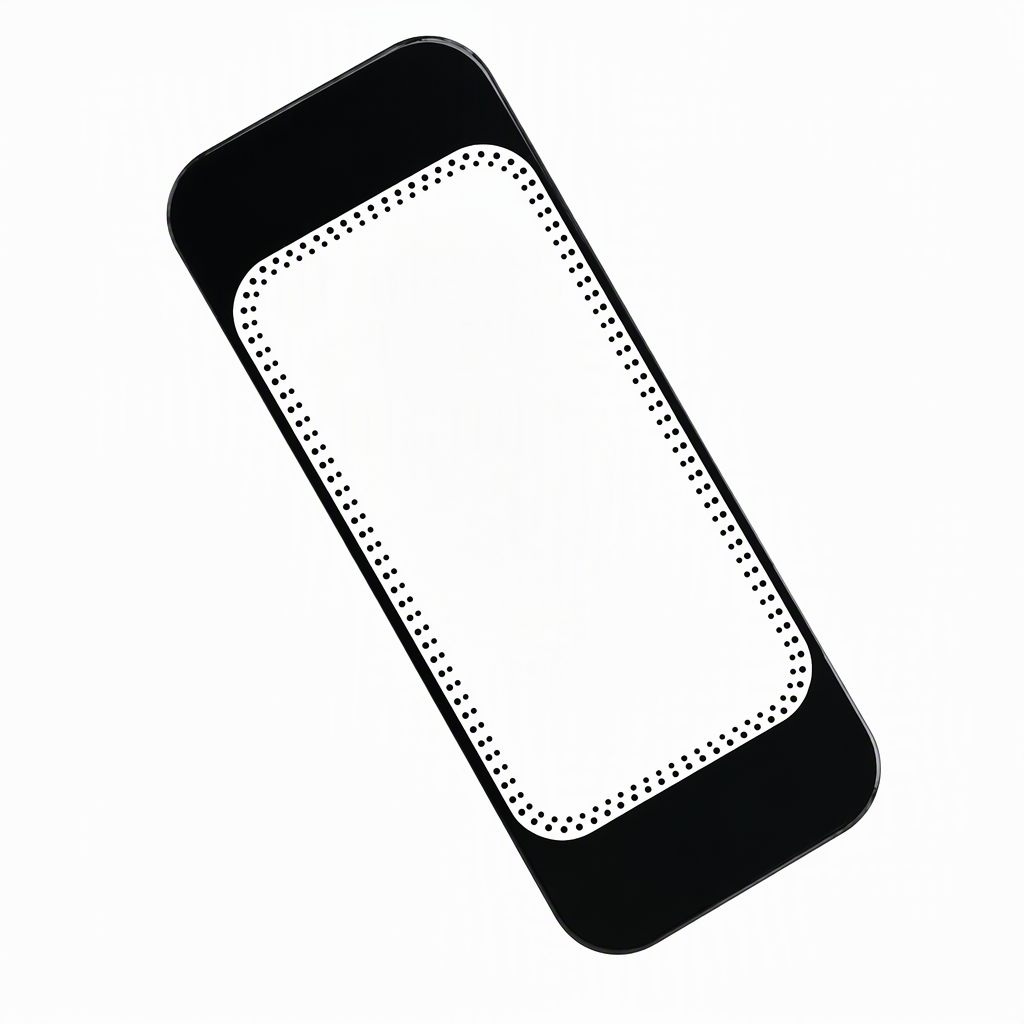
Custom Logo Silk Screen Printing Tempered Glass Panel Tempered Display Glass Screen Protector
Silk-screened display protector with brand logo, icons, color windows and touch-zone graphics for OEM devices.
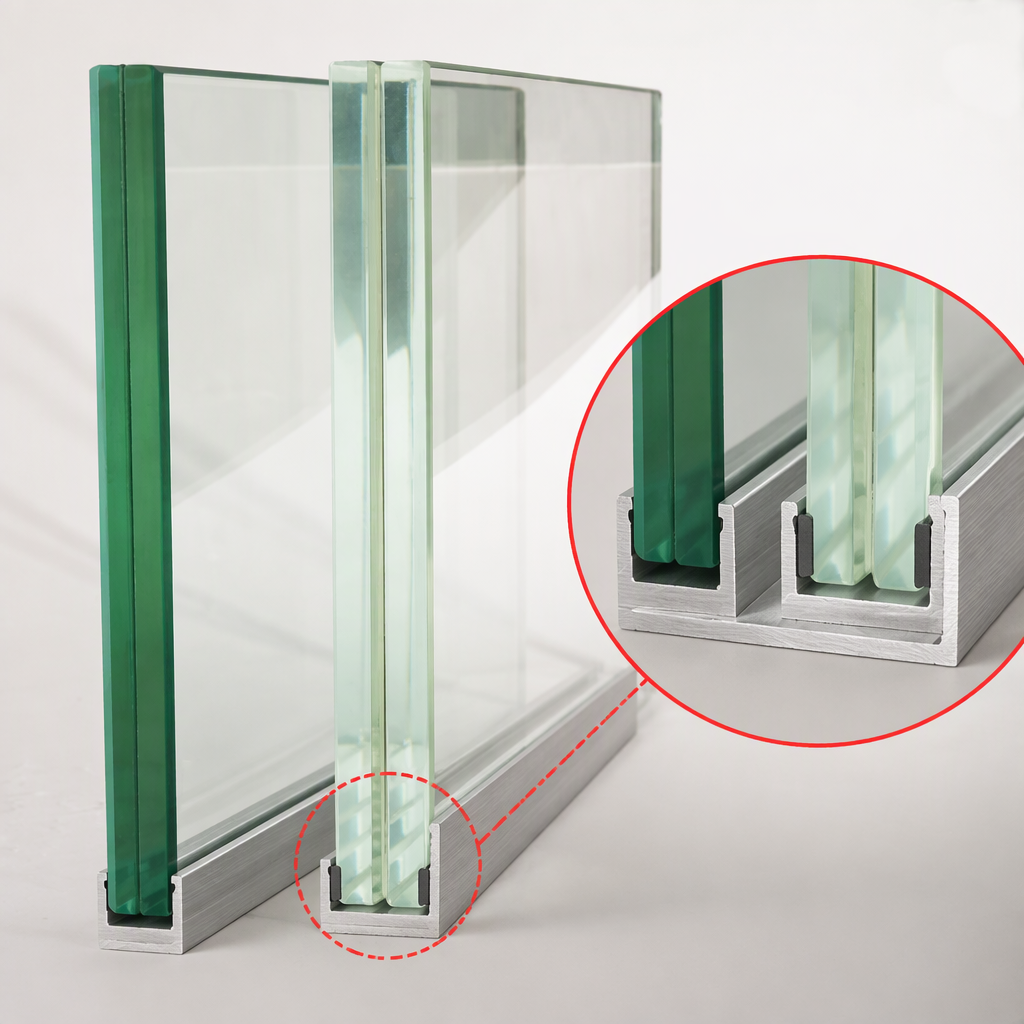
Tempered Glass Flat Solid Tempered Glass Panel Customized Thickness and Size
Custom thickness and size panel for buyers who need repeatable dimensions, edge finishing and packing protection.
Manufacturing Depth That Supports Repeatable Wholesale Supply
Borosilicate glass sheet sourcing is not only a material purchase. It is a process-control decision. These verified figures help procurement teams compare capability before requesting samples.
What Makes Borosilicate Glass Sheet a High-Value Material?
Borosilicate glass sheet — especially high-borosilicate 3.3 — is specified when ordinary soda-lime glass cannot tolerate thermal shock, chemical attack or long-term optical clarity requirements. Its low coefficient of thermal expansion, approximately 3.3 × 10⁻⁶/K, allows it to survive rapid temperature changes that would crack conventional glass. For OEM buyers, this translates into fewer field failures in cooktops, laboratory windows, industrial sight glasses, appliance panels, display covers and smart-device touch surfaces.
Material alone does not create a reliable supply chain. The difference between a low-cost sheet and a production-ready component is found in edge quality, hole tolerance, print adhesion, coating uniformity, strengthening route and lot traceability. That is why serious buyers evaluate borosilicate glass sheet manufacturers and wholesalers on process depth, not only price per square meter.
Qingdao Maupe Glass Co., Ltd. approaches borosilicate and technical glass projects as an engineering supply problem: review the drawing, confirm the material grade, choose physical tempering or chemical strengthening, validate print and coating compatibility, then lock the inspection plan before mass production.
Review Buyer FAQThermal Shock Resistance
Lower expansion reduces stress during heating and cooling, supporting appliance, oven and laboratory-adjacent use.
Chemical Durability
Resistance to water, acids and cleaning agents helps protect optical clarity and printed graphics over service life.
Optical Clarity
Uniform transmission and low distortion matter for display windows, touch covers and precision equipment viewing.
Five Procurement Details That Change Total Cost
Most buyer-supplier disputes start at the drawing, not at the furnace. These are the details experienced glass buyers clarify before placing a borosilicate sheet order.
1. Print Run Order
High-temperature and low-temperature inks behave differently. Confirm whether printing happens before tempering, after strengthening, or on a coated surface, because the sequence affects adhesion, color and scratch resistance.
2. Edge-Finish Specification
A “polished edge” is not one standard. Specify flat polish, pencil edge, bevel, safety corner or chamfer with a measurable target. The choice influences assembly fit, handling safety and packing cost.
3. Tolerance Stack-Up
Hole position, outline dimension and flatness tolerances should be reviewed together. A tight hole tolerance may be wasted if the assembly relies on a wide gasket or floating bracket.
4. Traceability by Lot
Ask how raw sheet batches, printing ink lots, tempering records and final inspection results are linked. For industrial and appliance buyers, this is the foundation of corrective action and repeat-order consistency.
Borosilicate Glass Sheet vs Soda-Lime and Tempered Glass
Selecting the correct substrate prevents over-specification and avoids field failures. Use this comparison as an early-stage guide, then confirm the final grade against your drawing and application environment.
| Criteria | Borosilicate 3.3 Sheet | Soda-Lime Float Glass | Tempered Soda-Lime Glass |
|---|---|---|---|
| Thermal expansion | Low, about 3.3 × 10⁻⁶/K | Higher expansion | Higher expansion; improved strength, not CTE |
| Thermal shock resistance | Excellent for heat-adjacent applications | Limited | Moderate; depends on edge quality and thickness |
| Chemical durability | Strong resistance to water and many chemicals | Acceptable for general use | Similar to base glass; coatings may affect resistance |
| Typical thickness | Thin sheet to thicker fabricated panels | Wide range | Commonly 2 mm and thicker |
| Strengthening options | Chemical strengthening for thin parts; thermal routes for suitable thickness | Annealed only unless further processed | Physical tempering |
| Best-fit applications | Heat-resistant windows, appliance panels, laboratory and industrial sight glass, display covers | General glazing, economical covers | Appliance doors, switch panels, monitor covers, industrial guards |
What to Send With a Borosilicate Glass Sheet Inquiry
A complete RFQ shortens sampling time and reduces back-and-forth. For custom borosilicate sheet, glass cover plates and printed display panels, send the following information so our engineers can review manufacturability accurately.
- 2D drawing in DWG, DXF or PDF with outline, holes, notches and tolerance
- Glass grade, thickness, color, edge finish and flatness requirement
- Print artwork in AI or PDF with color references and layer order
- Coating requirement such as AR, AG, AF or no coating
- Application environment: heat exposure, outdoor use, touch sensor or industrial cleaning
- Annual volume, first-order quantity, target market and packaging requirement
How We Reduce Risk Before Mass Production
Our workflow is built around the points where glass parts usually fail: edge micro-cracks, printing misalignment, coating haze, hole position drift and inadequate packing. Before production, engineers review the drawing and confirm the strengthening method. During sampling, the print, touch zone and assembly fit are verified. Before shipment, finished-product inspection checks dimensions, appearance and packing integrity.
Because cutting, CNC shaping, edge polishing, drilling, engraving, silk screen printing, tempering, chemical strengthening and AR/AG/AF coating are handled through one controlled process chain, buyers can trace responsibility across the entire order instead of coordinating several unrelated workshops.
Borosilicate Glass Sheet Procurement Trends for 2025–2030
Purchasing teams are changing how they evaluate China borosilicate glass sheet manufacturers and wholesalers. Price remains important, but verification, process integration and supply continuity now drive supplier shortlists.
Verification-First Sourcing
Buyers increasingly request certificate numbers, onsite assessment evidence and lot-level inspection records before approving a trial order. ISO 9001, RoHS and CE documentation are now part of the commercial conversation, not an afterthought.
Smaller Custom Lots
Brands want faster market tests and lower inventory risk. Suppliers that can support 10–100 piece sampling for many custom printed panels, while keeping a clear path to mass production, are winning more OEM projects.
Print + Coating Integration
Rather than buying glass, printing and coating from separate vendors, buyers prefer one factory to control color, windows, anti-glare treatment and anti-fingerprint performance as a single cosmetic and functional system.
Export-Ready Packaging
Glass loss during transit directly affects total landed cost. Protective export packing, moisture control, corner protection and carton labeling are becoming standard selection criteria for wholesalers and distributors.
Where Borosilicate Sheet Demand Is Moving
Product trends are shifting from simple flat glass toward functional surfaces that combine thermal stability, optical performance and clean integration with electronics.
Thin, Lightweight Covers
Thin borosilicate and chemically strengthened glass covers are increasingly used in compact electronics, control interfaces and portable equipment where weight and flatness matter.
AR, AG and AF Surfaces
Anti-reflective, anti-glare and anti-fingerprint coatings are moving from premium options to mainstream requirements for medical, industrial and smart-home displays.
Heat-Resistant Appliance Glass
Cooktops, ovens, range hoods and high-temperature equipment continue to demand glass that resists thermal cycling while keeping print graphics stable.
Smart Touch Integration
Switch panels, smart locks, card readers and appliance controls require precise printed touch zones, hidden sensor windows and reliable adhesion to capacitive assemblies.
Why Buyers Shortlist Qingdao Maupe Glass Co., Ltd.
Founded in 2012 in Qingdao, Shandong, Qingdao Maupe Glass Co., Ltd. is an ISO 9001 certified glass deep-processing manufacturer and international supplier. The factory converts flat glass into finished functional parts through cutting, edge polishing, drilling, engraving, coating, silk screen printing, physical tempering and chemical strengthening.
ISO 9001 Quality System
Certificate No. 24025Q20015R1S covers float glass and technical glass products, with validity to 02/2028. The system supports documented inspection and repeat-order consistency.
SGS Onsite Assessed
The company has been onsite-assessed by SGS Group as a third-party inspection company. This gives overseas buyers an additional verification point before auditing or placing larger orders.
Fortune 500 Supplier
A verified procurement contract with a Fortune 500 buyer supports the factory’s credibility in disciplined OEM supply, documentation and production planning.
Complete Process Chain
Cutting, CNC shaping, edging, drilling, engraving, silk printing, tempering, chemical strengthening and AR/AG/AF coating are controlled under one factory system, reducing coordination risk.
Export Experience in 80+ Countries
With 91–100% of output exported, the factory supports FOB, CIF, EXW, DDP and express shipments from Qingdao seaport and airport. North America, Europe, Oceania, the Middle East, Africa, Asia and South America are served.
OEM / ODM Support
More than 10 years of OEM experience supports drawing review, sampling, custom logo printing, thickness and size customization, protective packing and repeat production for brand owners and wholesalers.
Certifications Buyers Can Verify
Certificate numbers are listed so compliance teams can check them directly with issuing bodies. This is part of the information gain serious buyers expect from China glass sheet manufacturers.
ISO 9001
Certificate No. 24025Q20015R1S · Scope: float glass and technical glass products · Valid to 02/2028.
RoHS
Certificate No. 25TYT12395 · Restricts hazardous substances for EU electrical and electronic equipment · Valid to 12/2030.
CE Marking
Certificate No. 23TYT082593S · Tempered glass · Supports market access across the European Economic Area · Valid to 08/2028.
Borosilicate Glass Sheet Procurement FAQ
These are the questions purchasing, engineering and quality teams ask most often before requesting a quotation or sample.
What is the minimum order quantity for custom printed borosilicate glass sheet?
Should I choose borosilicate glass, physical tempered glass or chemically strengthened glass?
Which certifications does Qingdao Maupe Glass Co., Ltd. hold?
What files are needed to start a custom borosilicate glass project?
Which trade and payment terms are accepted?
How do you control print, coating and edge quality on repeat orders?
From Drawing Review to Export Delivery
A transparent five-step workflow keeps engineering, purchasing and quality teams aligned.
Drawing Review
Engineers check manufacturability, tolerance, material grade and strengthening method.
Sampling
Screens and samples are made for fit, color, touch-zone and coating verification.
Mass Production
Cutting, edging, printing, coating and strengthening run on controlled lines.
Inspection
Dimension, appearance and packing checks are completed before cartoning.
Export Shipping
Protective export packing is shipped via Qingdao port or airport under agreed terms.
Source Borosilicate Glass Sheets From a Verified China Manufacturer
Send your drawing, target thickness, print artwork and annual volume. Our engineering team will review manufacturability, recommend the appropriate glass grade and strengthening route, and reply with a clear quotation path.
ISO 9001 · RoHS · CE · SGS Onsite Assessed · Qingdao, Shandong, China · Exporting to 80+ countries since 2012