China Top Electronic Glass Supplier & Wholesalers
A buyer-focused guide to custom tempered glass, chemically strengthened cover glass, silk-screen printed panels and AR/AG/AF coated electronic glass from Qingdao Maupe Glass Co., Ltd.
8 Recommended Electronic Glass Products for OEM & Wholesale Buyers
These eight panels represent practical custom formats for electronics, appliances, access control, smart home devices, industrial screens and architectural display glass. Each product can be adjusted by drawing, thickness, edge finish, print layout, coating and packing method.
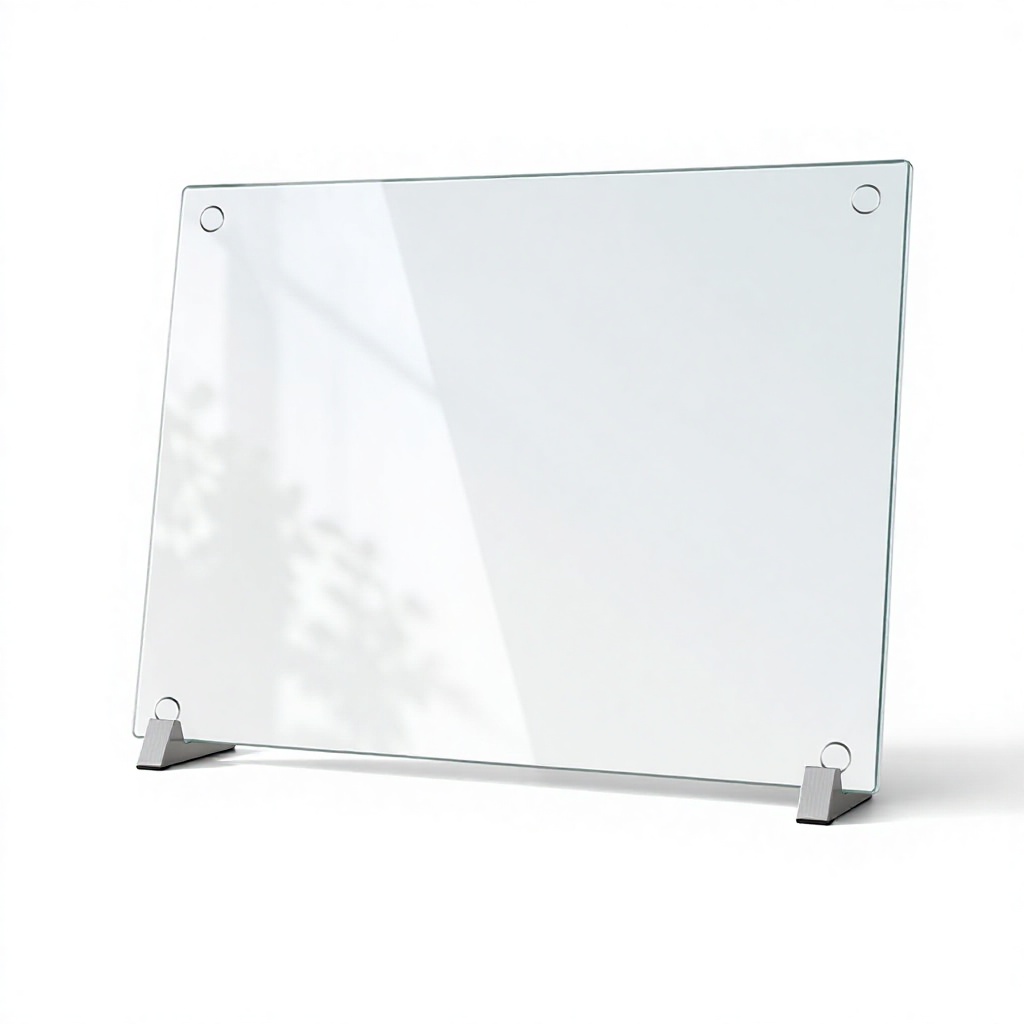
Custom Size Clear Tempered Glass Curtain Wall Panel Multi Function Print Glass Whiteboard Glass
A large-format clear tempered panel with multi-function print for whiteboard walls, collaborative partitions and interior electronic display surfaces. Custom sizing helps align graphics with architectural and equipment modules.
View product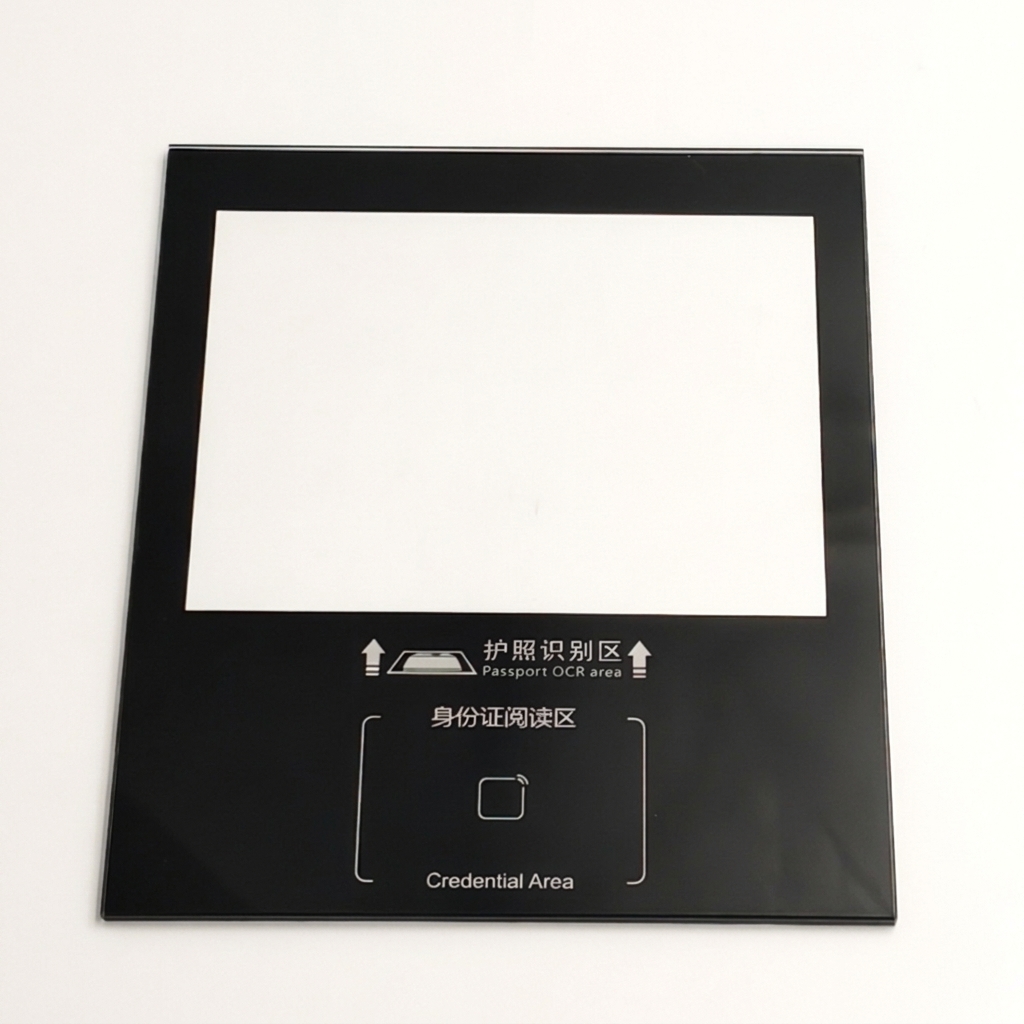
Custom Tempered Glass Protective Glass Panel Transparent Polished Display Cover Glass for Small Electronic Devices Cover
A transparent polished cover for small electronic devices, with CNC edges, cut-outs and optional printed masks. Suitable for control windows, sensor covers and compact consumer electronic housings.
View product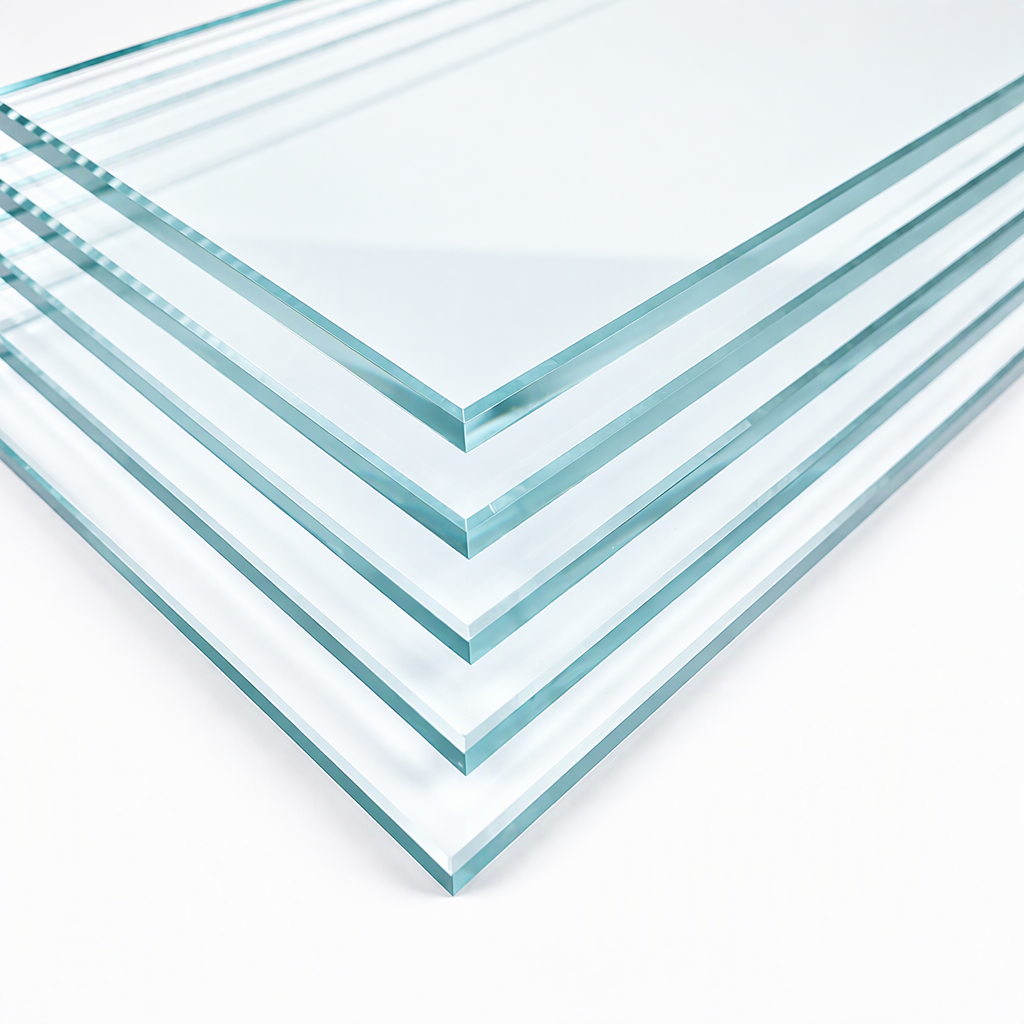
Clear Tempered Glass Transparent Tempered Glass Panel Cover Plate
A clear tempered cover plate for display and touch-interface protection. The panel can be supplied with flat-polished edges, precise cut-outs and optional AR, AG or AF surface treatment.
View product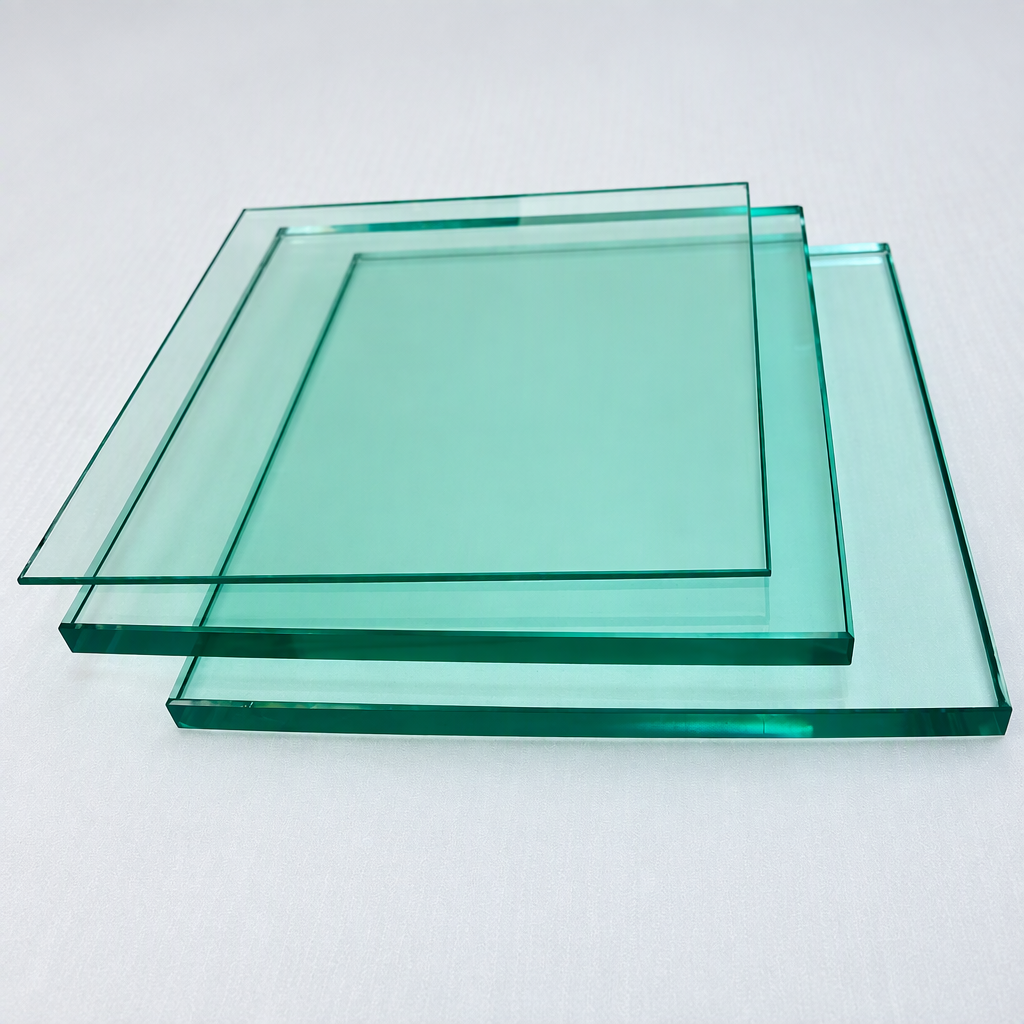
Tempered Glass Panel Safety Glass Flat Structural Tempered Glass
A flat structural safety glass panel for equipment guards, display protection and appliance windows. Thermal tempering improves impact resistance, and breakage occurs into small blunt fragments.
View product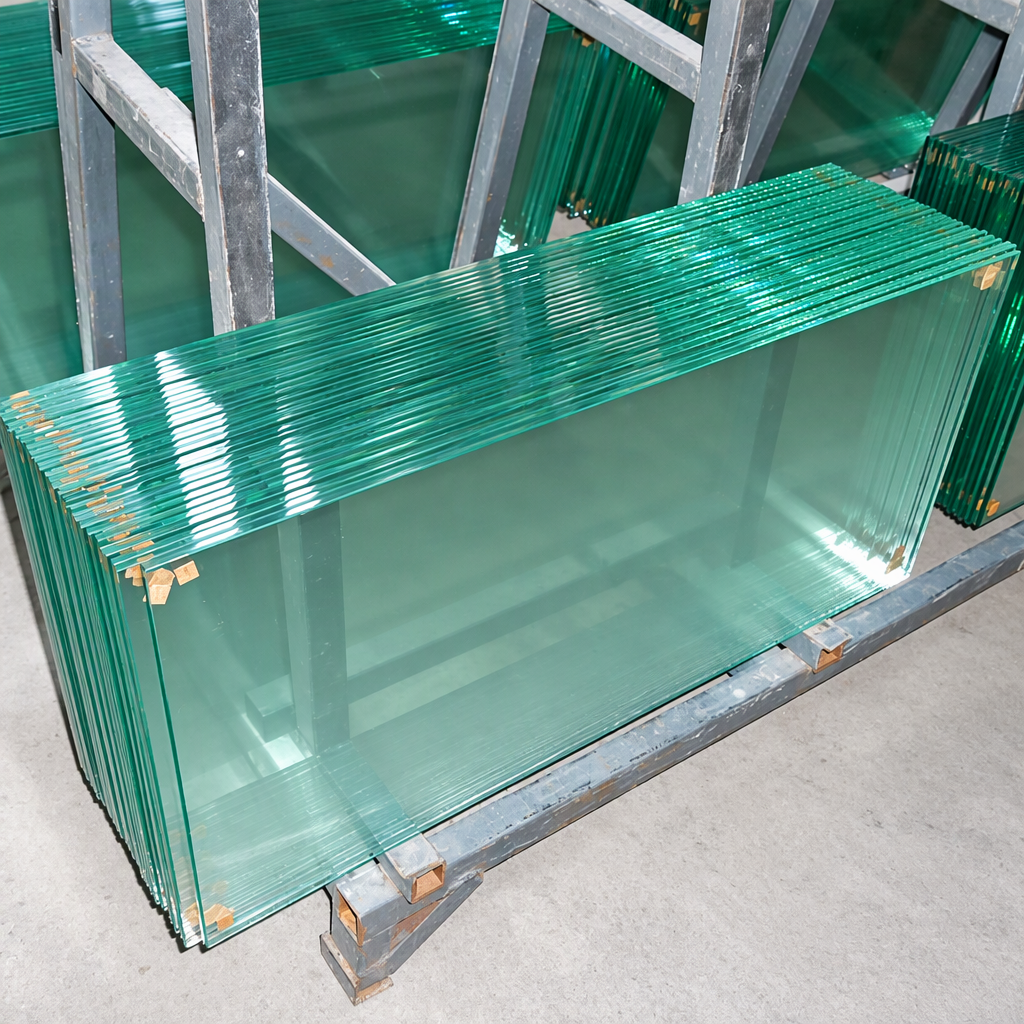
Customized Thickness and Size Clear Tempered Float Glass Panels
Clear float glass panels customized by thickness and size for OEM electronic glass projects. The sheets can be further printed, coated, tempered or chemically strengthened.
View product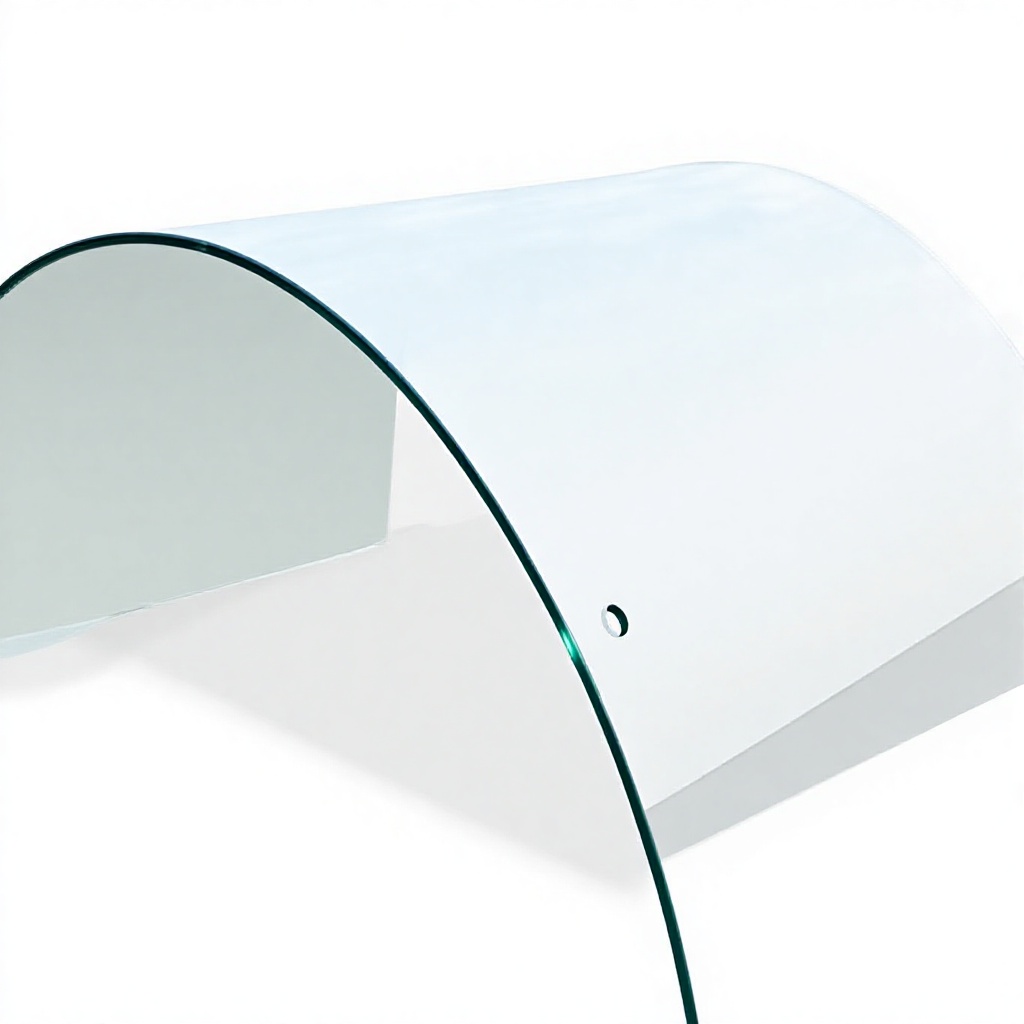
Custom Curtain Wall Glass Balcony Glass Tempered Glass Curved
Curved tempered glass for balcony, curtain-wall and design-led architectural applications. For electronic enclosures, the factory can review curvature, print, edge and assembly requirements before sampling.
View product
High Quality Industrial Screen Front Cover Glass Frosted Anti-glare Glass for Screen Protector
Frosted anti-glare cover glass for industrial screens and HMI displays. The matte surface reduces reflections and fingerprints while maintaining image clarity and touch response.
View product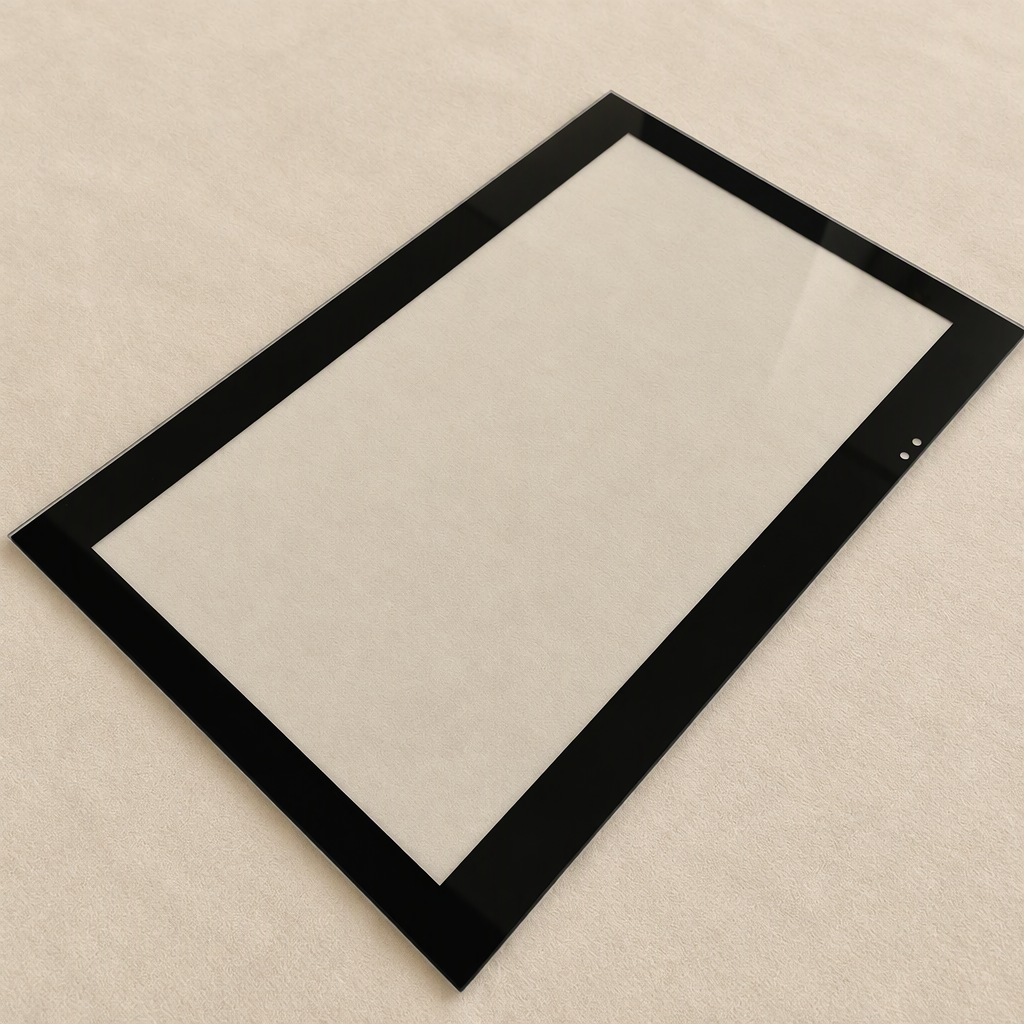
Tempered Glass Panel Silk Screen Printed Flat Display Screen Protector Glass for LCD TV Industrial Decoration
A silk-screen printed flat glass protector for LCD TVs, industrial displays and decorative electronic panels. Multi-color printing can hide sensor borders and create backlit icons.
View productWhy China Remains the Reference Market for Electronic Glass Wholesaling
Electronic glass is a specification-led component, not a commodity sheet. A purchase order may look simple—a transparent panel with holes, printed graphics and a coating—but the total cost of the wrong specification can be very high. A panel that is a fraction of a millimeter out of tolerance, a print color that shifts between batches, or a coating that fails a rub test can stop an assembly line. That is why the search phrase “China top electronic glass supplier & wholesalers” should be treated as a shortlist instruction, not only a price query. Buyers need a partner who can read a drawing, recommend the right strengthening route, control print registration and keep documentation traceable from raw glass to packed carton.
China’s advantage is not only labor and scale. It is the density of industrial capability. Within a few hours of Qingdao, buyers can access float glass, ultra-clear glass, high-alumina glass, screen-printing inks, CNC equipment, tempering furnaces, coating lines, packaging suppliers and port logistics. That density supports rapid sampling and makes it easier to move from a prototype to a repeatable production process. For electronic glass wholesalers, the practical benefit is shorter development cycles and more reliable replenishment when a product becomes popular.
Qingdao Maupe Glass Co., Ltd. is a useful reference point for evaluating this market. Founded in 2012 in Qingdao, Shandong, the company operates an ISO 9001 quality management system and focuses on glass deep processing: cutting, CNC shaping, edge polishing, drilling, engraving, silk screen printing, physical tempering, chemical strengthening and AR/AG/AF coating. Its source profile lists certificate numbers for ISO 9001 (24025Q20015R1S), RoHS (25TYT12395) and CE (23TYT082593S), plus SGS onsite assessment and a verified Fortune 500 supplier procurement contract. For procurement teams, these are the evidence points that reduce sourcing risk and support E-E-A-T evaluation.
The Buyer Intent Behind “China Top Electronic Glass Supplier & Wholesalers”
Different buyers use the same search phrase for different jobs. Matching the supplier’s capability to the real intent prevents quotation delays and sample iterations.
Custom OEM Cover Glass
Engineering teams already have a 2D drawing and need a supplier that can confirm thickness, edge finish, print layers, coating and tolerance before tooling or mass production.
Wholesale Replacement Panels
Distributors need repeatable batches, stable print color, protective export packing and clear MOQ logic so they can quote local customers without hidden breakage costs.
Display Protection & HMI
Industrial, medical and commercial displays often require anti-glare, anti-reflective or anti-fingerprint properties, plus flatness and touch compatibility.
Smart Home & Access Control
Switch panels, card readers and smart locks need printed windows, backlight-ready icons, sensor apertures and scratch-resistant surfaces that survive daily touch.
How to Judge a China Electronic Glass Supplier Before You Send a Deposit
Use experience, expertise, authority and trust as separate filters. A supplier may be strong in printing but weak in chemical strengthening, or strong in large panels but new to thin cover glass.
Experience
Ask for evidence in your application category, not only a general factory profile. Since 2012, Qingdao Maupe Glass has developed export experience across 80+ countries, 8 production lines and 10 years of OEM service. Compare their answers on similar thickness, coating and print registration challenges.
Expertise
A capable supplier should explain why a drawing may need a different edge, hole position or strengthening method. Physical tempering suits many 2 mm+ panels, while chemical strengthening is often better for 0.5–2 mm thin cover glass that needs flatness and optical quality.
Authority
Authority should be checkable. Request certificate scope, validity and issuing body. The source profile cites ISO 9001 certificate 24025Q20015R1S, RoHS certificate 25TYT12395 and CE certificate 23TYT082593S, plus SGS onsite assessment.
Trust
Trust is built through process discipline: incoming material inspection, finished product inspection, supplier assessment procedures, batch traceability and export packing that matches the destination. Ask how claims are handled when a carton arrives with breakage or print variation.
| Question to ask | Why it matters | Useful evidence |
|---|---|---|
| Can you review our drawing for manufacturability? | Prevents quotations based on impossible tolerances or post-tempering processing. | Marked-up drawing, process route, tolerance notes and sample plan. |
| Which certificates apply to this exact product? | Compliance must match the material, coating and intended market. | ISO 9001, RoHS, CE or customer-specific declarations with scope and dates. |
| How do you control print color and registration? | Printed logos and touch zones are visible quality attributes. | Ink specification, color references, first-article approval and batch inspection records. |
| What is the packing method and trade term? | Glass loss often happens after production, not before. | Export carton drawing, pallet method, FOB/CIF/DDP quotation and loading photos. |
Manufacturing Advantages of Qingdao Maupe Glass Co., Ltd.
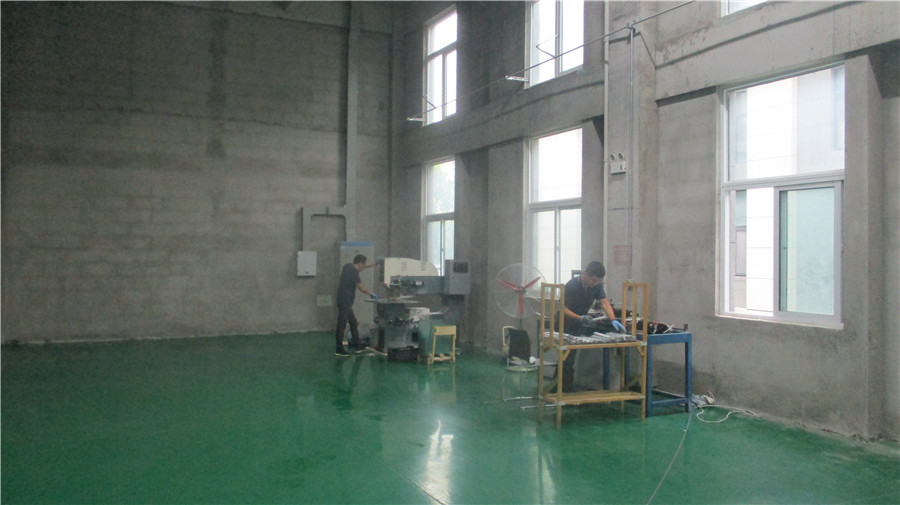
For custom electronic glass, the value of a supplier is created between process steps. Keeping cutting, printing, strengthening and coating coordinated under one quality system reduces the risk of blame passing between subcontractors.
Integrated Deep Processing
Cutting, CNC shaping, edge polishing, drilling, engraving, silk-screen printing, tempering, chemical strengthening and coating are handled within one process chain. Holes and cut-outs are completed before strengthening, and print color is checked before final coating.
Certified Quality System
ISO 9001 quality management, RoHS-compliant materials and CE certification support global procurement. SGS onsite assessment and a verified Fortune 500 supplier procurement contract add third-party confidence for buyers who need documented supplier approval.
Print & Coating Engineering
Eco-friendly high- and low-temperature inks, multi-color printing, logos, icons and touch zones can be combined with AR, AG and AF coatings. This is especially valuable for smart home panels, industrial screens and display windows where appearance and optical performance both matter.
Export-Ready Location
The factory is close to Qingdao seaport and airport, simplifying export logistics and buyer audits. Accepted trade terms include FOB, CIF, EXW, FAS, FCA, CPT, DDP, DDU and express delivery, with T/T, L/C, PayPal, Western Union and cash payment options.



Electronic Glass Procurement Trends Buyers Should Plan For (2025–2030)
The next buying cycle will reward suppliers who can support engineering decisions, compliance documentation and supply resilience—not only a low square-meter price.
Compliance Data in the Quotation
Procurement teams increasingly require material declarations, certificate scope, batch traceability and coating specifications at the quotation stage. A supplier that can attach the right RoHS, CE and ISO 9001 evidence to the exact product shortens internal approval. This is especially important for EU electrical equipment, appliances and industrial displays.
Smaller, Faster Customization
More brands now test smart home, access control and appliance concepts in smaller volumes before mass production. MOQs from 10 to 100 pieces are common for custom printed panels, depending on size, thickness and print colors. Buyers should plan for physical samples, print proofs and first-article approval rather than assuming a catalog part can be shipped immediately.
Supply-Chain Resilience
Dual sourcing, buffer stock and regional warehousing are becoming normal risk controls. For electronic glass, resilience also means raw glass availability, coating capacity, packing quality and port access. A supplier close to Qingdao port can consolidate shipments, support buyer audits and adapt shipping terms when routes or tariffs change.
Total Landed Cost
Experienced buyers compare total landed cost, not FOB price alone. Rejection risk, print rework, coating failures, breakage in transit, line stoppage and warranty claims often outweigh small unit-price differences. A supplier that controls deep processing and inspection in-house is usually easier to hold accountable when quality data and production steps are traceable.
The winning supplier in 2025–2030 will be the one that makes the buyer’s engineering and compliance work easier, not simply the one with the lowest square-meter price.
Electronic Glass Product Development Trends Reshaping Device Design
The product roadmap is moving toward thinner, tougher, more functional glass surfaces that combine protection, touch, display readability and brand identity.
Thinner Chemically Strengthened Glass
Thin cover glass from 0.5 mm to 2 mm is increasingly used for touch interfaces, compact electronics and smart surfaces. Chemical strengthening helps maintain flatness and optical quality while raising surface compression. Buyers should confirm edge quality, hole positions and post-strengthening restrictions early.
AR, AG & AF Coatings Become Standard
Anti-reflective, anti-glare and anti-fingerprint treatments are moving from premium electronics into industrial HMIs, medical displays and outdoor equipment. The selection depends on the lighting environment, touch frequency and cleaning method. Coating durability and optical targets should be agreed before sampling.
Printed Smart Surfaces & Hidden Sensors
Silk-screen printing is no longer only decorative. It defines touch zones, hides sensor borders, creates backlight icons and supports brand color matching. For card readers, smart locks and switch panels, print opacity and window clarity must be balanced so the sensor works while the internal components stay hidden.
Large, Curved & Integrated Panels
Large-format display windows, curved architectural glass and integrated control surfaces create new tolerance and packing challenges. Buyers should review flatness, edge stress, coating uniformity and installation method together. For 43–55 inch display protection, packaging design is as important as glass quality.
Matching Electronic Glass to the Application
The following matrix is a starting point for RFQ discussions. Final thickness, strengthening method and coating must be confirmed against the drawing, product structure and test standard.
| Application | Recommended glass | Typical thickness | Strengthening route | Key buyer check |
|---|---|---|---|---|
| Touch screen / display cover | Clear, ultra-clear or high-alumina glass | 0.5–3 mm | Chemical or physical | Flatness, coating, print registration and touch response |
| Appliance control panel | Clear or tinted float glass | 3–6 mm | Physical tempered | Heat-resistant ink, hole position and edge finish |
| Industrial HMI screen protector | Clear or ultra-clear glass with AG option | 1.8–4 mm | Physical or chemical | Glare level, haze, touch sensitivity and cleaning resistance |
| Card reader / smart lock | Clear glass with printed mask | 1.1–3 mm | Chemical or physical | Window clarity, print opacity and sensor aperture |
| Large LCD / TV window | Clear tempered glass | 3–6 mm | Physical tempered | Size, flatness, safety breakage and export packing |
| Curved or architectural panel | Clear or tinted glass | 6–12 mm | Physical tempered | Curvature, edge quality, installation loads and coating |
Cost, MOQ and Lead-Time Drivers in Electronic Glass Sourcing
A professional RFQ separates design drivers from commercial terms. This makes it easier to compare suppliers fairly and avoid surprises after the sample is approved.
Size & Thickness
Larger panels require more raw glass area, stronger packing and more careful flatness control. Thickness affects weight, tempering route and impact performance. Provide the finished dimensions, tolerance and assembly method in the RFQ.
Print Complexity
Number of colors, coverage, fine text, registration tolerance and backlight requirements all affect cost. Multi-layer printing and color matching take longer to sample than a simple black border, especially on curved or large panels.
Strengthening & Coating
Physical tempering, chemical strengthening and AR/AG/AF coating each add process steps and inspection requirements. If the panel is thin, coated or has tight holes, the factory must confirm the sequence before quotation to avoid post-processing damage.
Packing & Trade Terms
Export packing, pallet method, loading efficiency and insurance can change the total landed cost significantly. Clarify FOB, CIF, EXW, DDP or express delivery, and confirm whether inspection photos are required before shipment.
Where Custom Electronic Glass Panels Are Used
The same factory capability can support multiple product categories, but each application has different failure risks and acceptance criteria.
Smart Home Controls
Wall switches, sockets and scene panels need backlight-ready icons, smooth touch surfaces and consistent print color across production batches.
Access Control
Card readers, face recognition terminals and smart locks require clean sensor windows, opaque printed borders and scratch-resistant exterior glass.
Industrial & Medical Displays
HMI screens, monitors and medical displays benefit from anti-glare and anti-reflective glass that improves readability without distracting reflections.
Kitchen & Household Appliances
Cooktops, ovens, range hoods, refrigerators and washers use high-temperature inks and tempered glass panels that combine decoration with safety.
Frequently Asked Questions About Electronic Glass Procurement
These are the questions buyers ask most often before requesting a sample or placing a first production order.
What is the minimum order quantity for custom printed tempered glass?
Most custom silk-screen printed panels start from 10 to 100 pieces depending on size, thickness and number of print colors. Large-size display cover glass can start from 10 pieces. Samples are available for fit and print verification before mass production.
Should I choose physical tempered glass or chemically strengthened glass?
Physical tempering is typically used for glass around 2 mm and thicker, such as appliance doors, switch panels and display windows, and it breaks into small blunt fragments. Chemical strengthening is often chosen for thin glass from 0.5 mm to 2 mm, touch covers and parts that need excellent flatness and optical quality.
Which certifications does Qingdao Maupe Glass Co., Ltd. hold?
The company operates an ISO 9001 quality management system, holds RoHS and CE certificates for its glass products, and has been onsite-assessed by SGS Group as a third-party inspection company. The source profile cites ISO 9001 certificate 24025Q20015R1S, RoHS certificate 25TYT12395 and CE certificate 23TYT082593S.
What files are needed to start a custom glass project?
Send a 2D drawing in DWG, DXF or PDF with dimensions, thickness, edge finish, hole positions and tolerance, plus print artwork in AI or PDF with color references. State coating requirements such as AR, AG or AF and describe the intended application and working environment.
Which trade and payment terms are accepted?
Accepted delivery terms include FOB, CIF, EXW, FAS, FCA, CPT, DDP, DDU and express delivery. Accepted payments are T/T, L/C, PayPal, Western Union and cash, in USD, EUR or CNY. The factory is close to Qingdao seaport and airport for export logistics.
How can a wholesaler verify quality before repeat orders?
Start with a sample that matches the final thickness, print and coating. Agree on inspection criteria for dimensions, appearance, print color, coating performance and packing. For larger orders, request first-article approval, production photos, finished product inspection records and, where appropriate, third-party inspection such as SGS.
Turn Your Drawing Into a Manufacturable Electronic Glass Part
Have a drawing, target thickness, print layout or coating specification? Send it to the engineering team for a manufacturability review. A clear process route can confirm the strengthening method, print layers, edge finish, inspection criteria and export packing before quotation.