8 Product Lines for Fire-Rated, Safety and Display Glass Buyers
The products below are current OEM glass families from our factory and are frequently specified for control panels, appliance fronts, access-control readers, industrial displays, medical screens, furniture and architectural interiors. Original product URLs have been kept exactly as supplied.
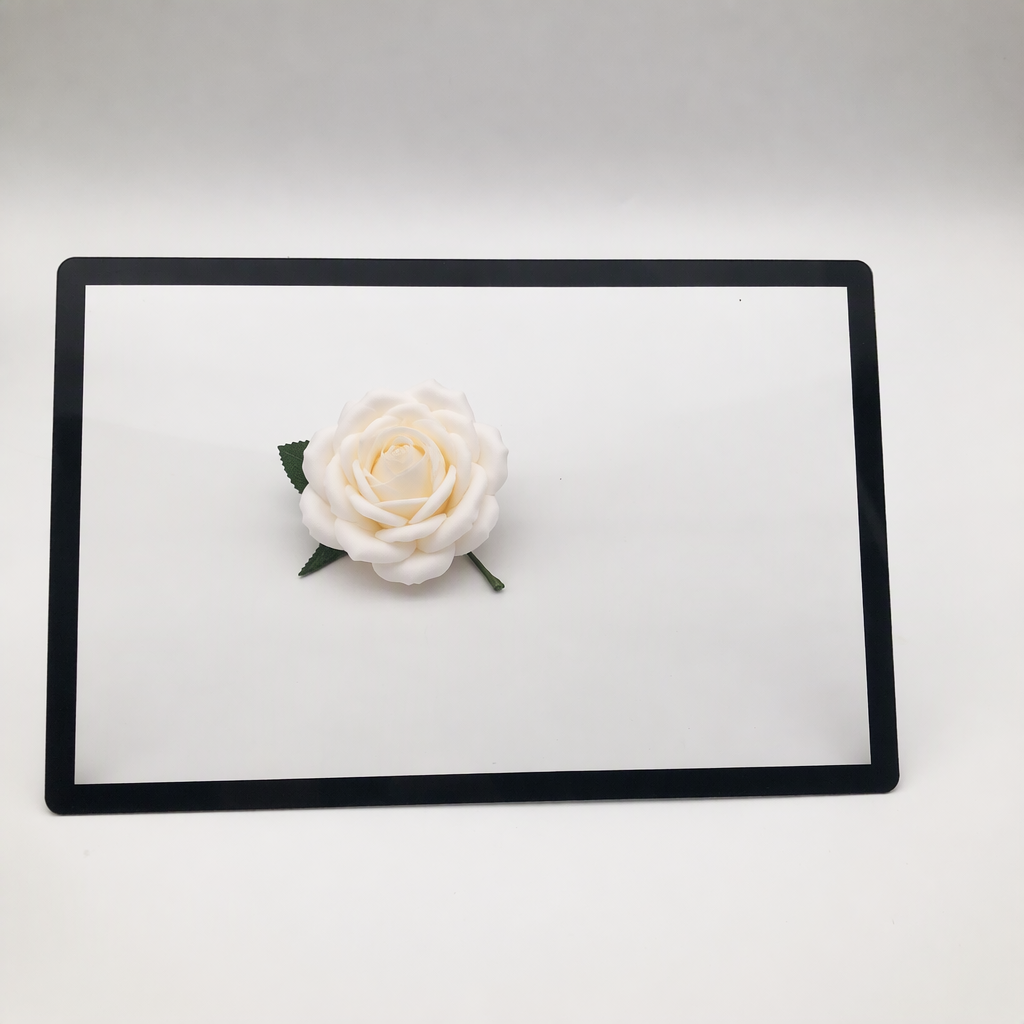
Ultra-Thin Silk Screen Printed Tempered Glass for Display Panels
A thin, dimensionally stable cover glass for compact displays and control interfaces where printed borders, optical clarity and touch responsiveness must work together.
View product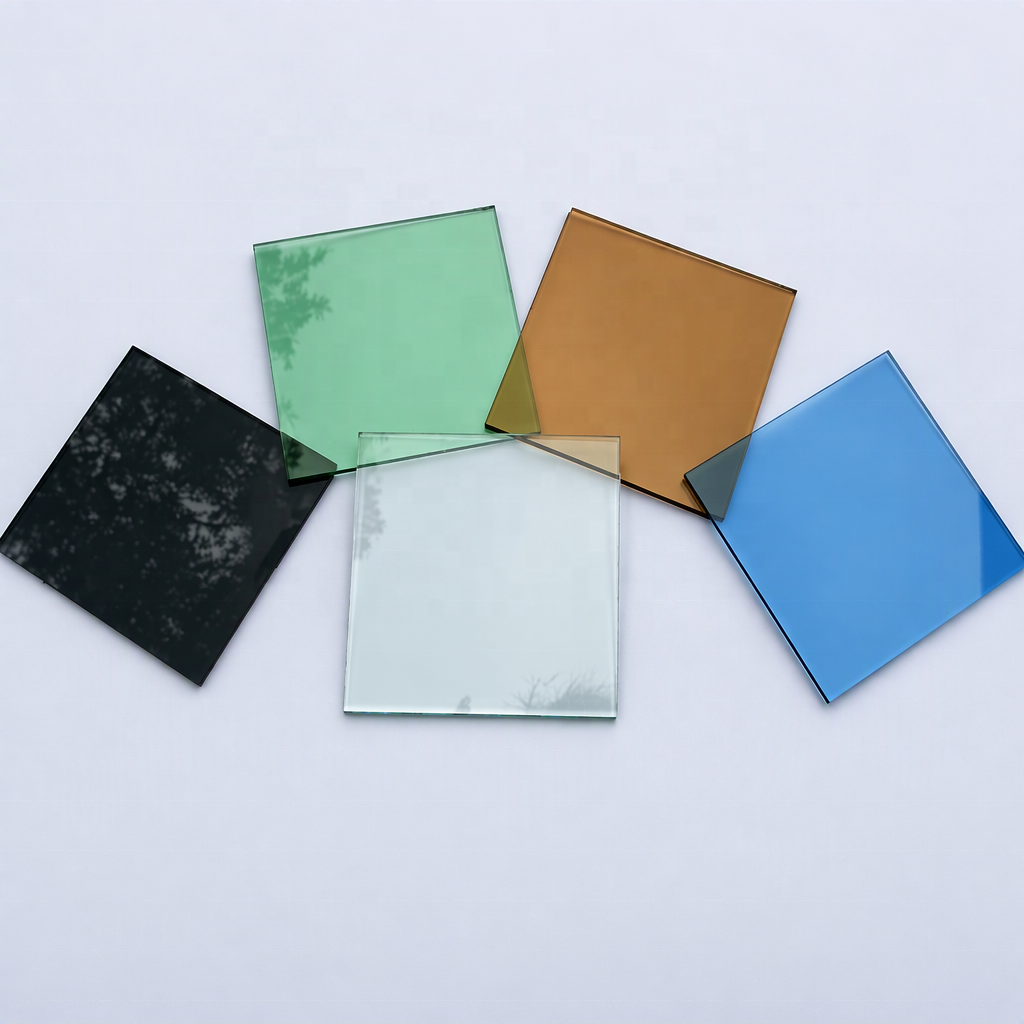
Customized Tinted Tempered Glass Flat Sheet 3mm to 10mm Reflective Colored Glass Toughened Glass
Tinted and reflective toughened glass for design contrast, privacy control and heat management in appliances, partitions and display surrounds.
View product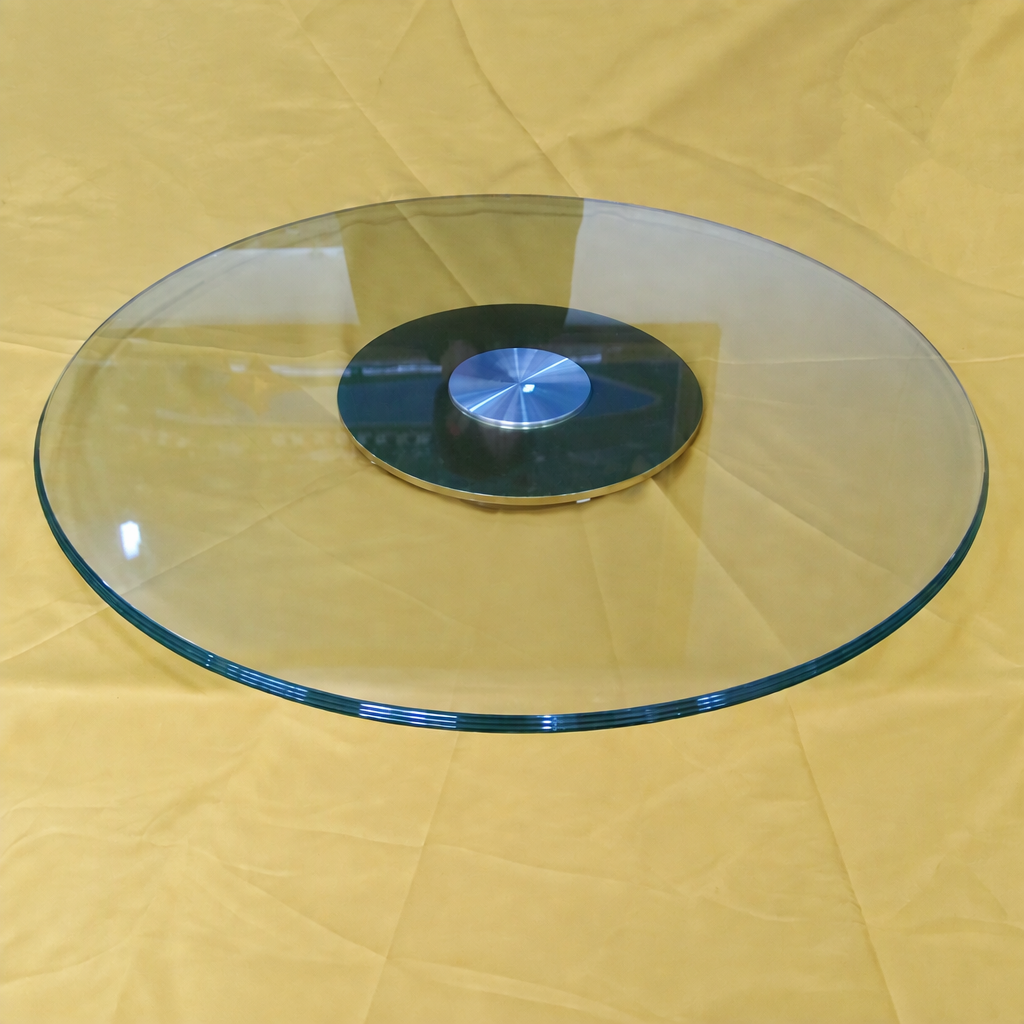
Tempered Glass Lazy Susan 50cm 60cm 70cm 90cm Lazy Susan Turntable Strengthened Glass
A strengthened glass turntable for furniture, hospitality and retail display use, available in multiple diameters with edge and surface options.
View product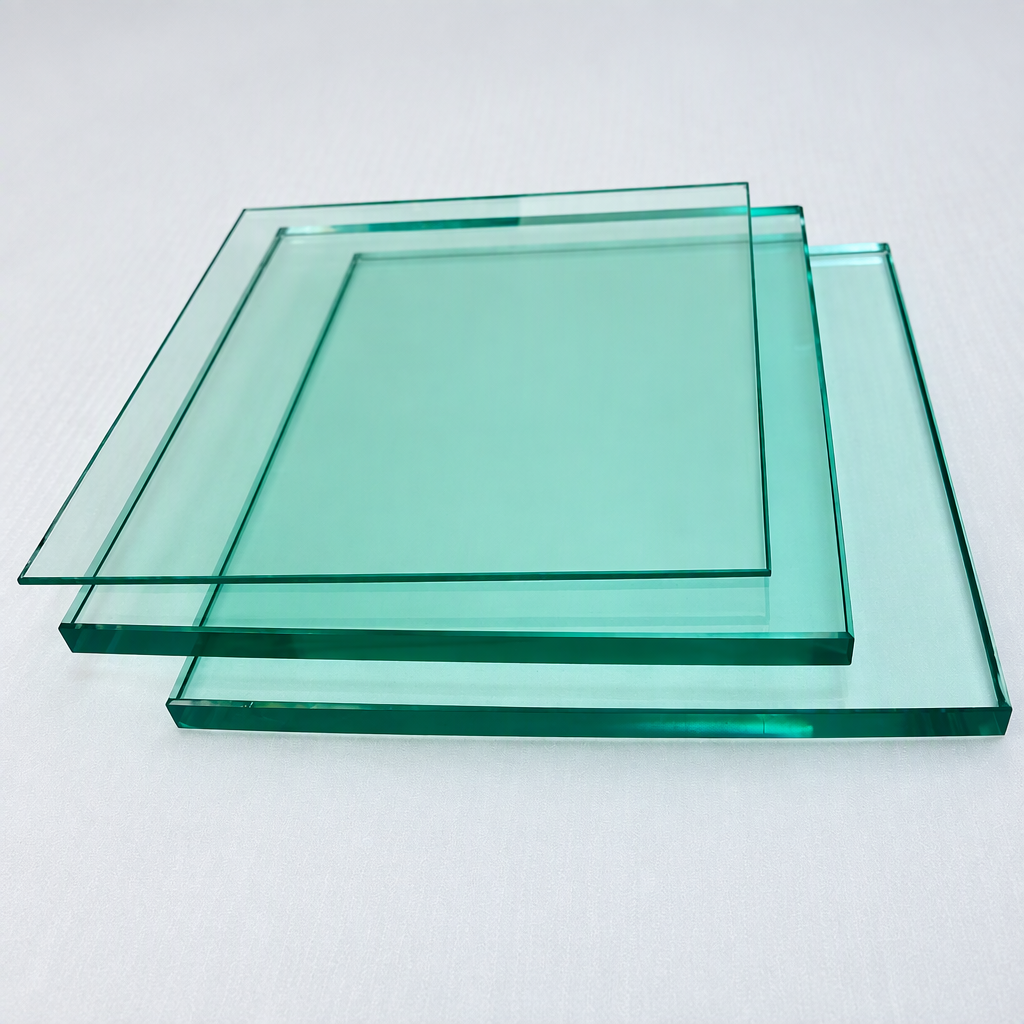
Tempered Glass Panel Safety Glass Flat Structural Tempered Glass
A flat structural safety glass panel for equipment guards, appliances and interior applications requiring impact resistance and controlled breakage.
View product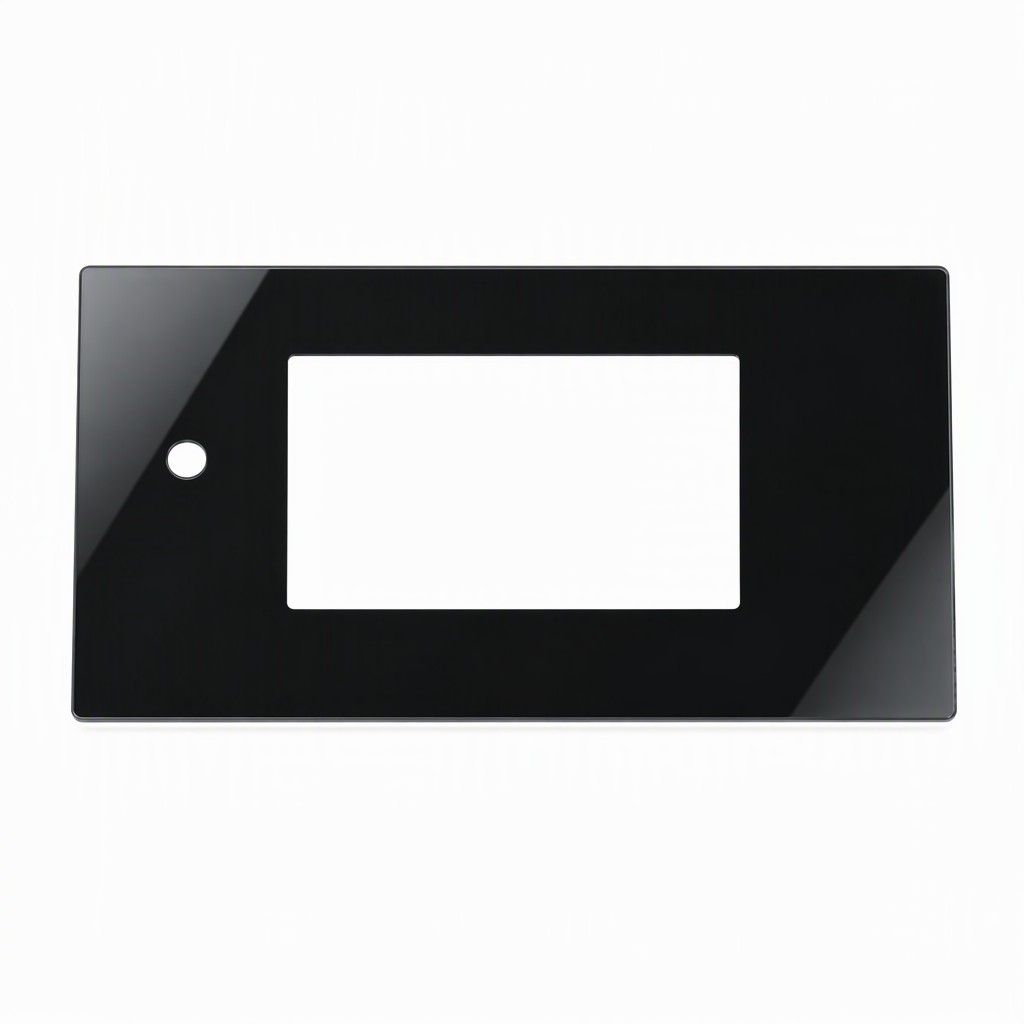
Gorilla Glass Display Protection Cover AR AF Coated LCD Touch Panel Digitizer Front Cover Glass for Industrial Medical Screens
AR and AF coated protection glass for industrial and medical displays, reducing reflections and fingerprints while protecting sensitive touch panels.
View product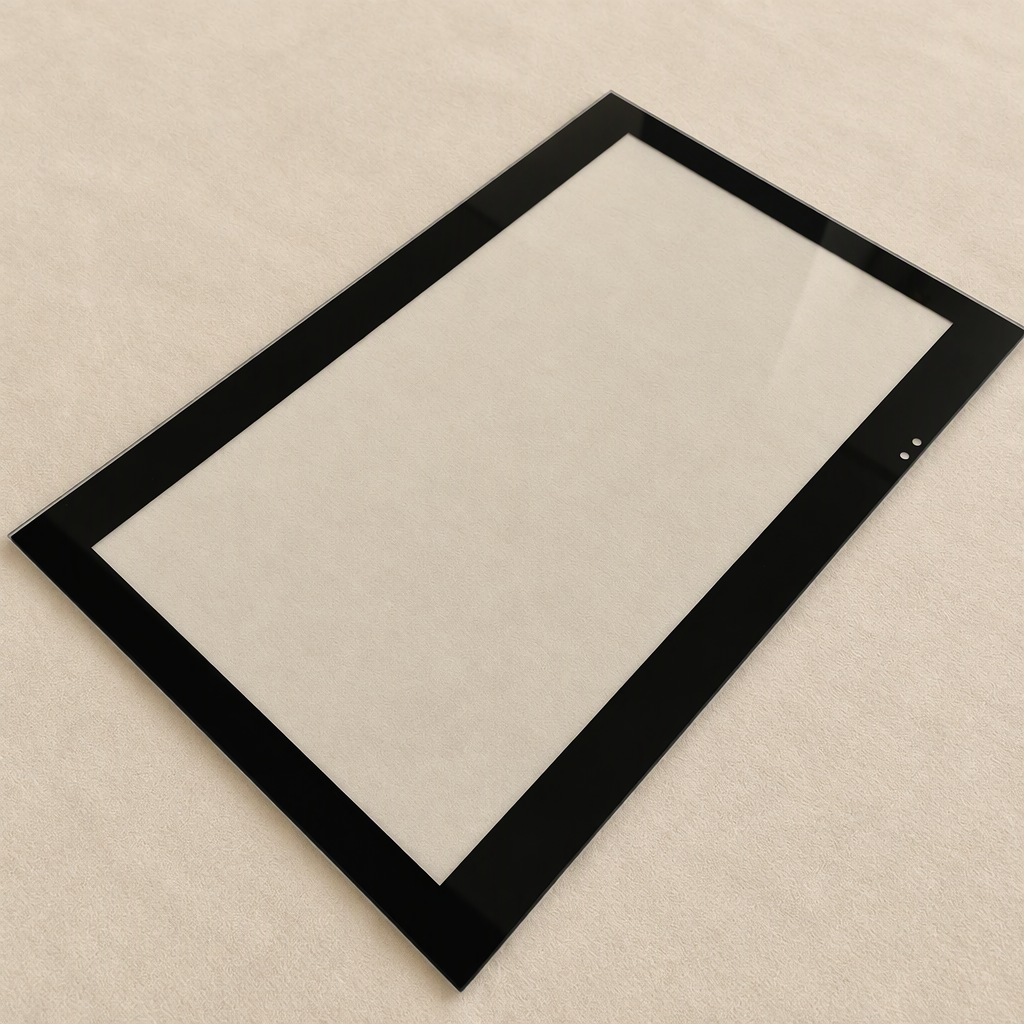
Tempered Glass Panel Silk Screen Printed Flat Display Screen Protector Glass for LCD TV Industrial Decoration
Printed flat glass for LCD TV fronts, industrial decoration and control windows where brand graphics and scratch resistance are both required.
View product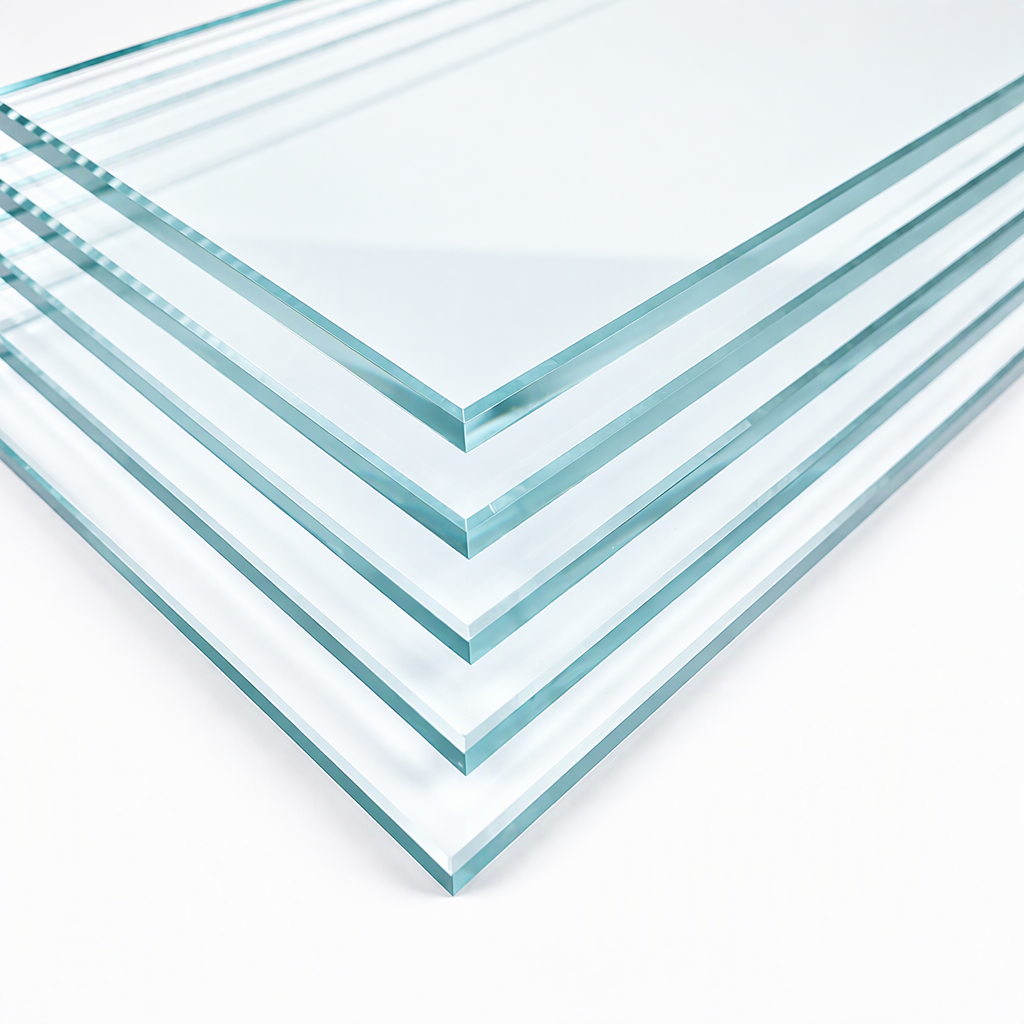
Clear Tempered Glass Transparent Tempered Glass Panel Cover Plate
A clear cover plate for applications requiring unobstructed visibility, easy cleaning and reliable mechanical protection.
View product
Glass Factory Customized High Quality Transparent Display Touch Screen Glass Silk Screen 9H Hardness Industrial Screen Protector
A 9H hardness industrial touch screen protector with custom silk-screen printing for durable human-machine interfaces and public terminals.
View productNeed a product recommendation? Share your drawing, target standard, annual volume and application environment. Our engineers will review thickness, strengthening method, printing, coating, tolerance and export packaging before quoting.
Send an InquiryExport Strength at a Glance
Procurement teams need evidence, not adjectives. These figures reflect the manufacturer profile behind the product range: an ISO 9001 system, export-focused production, SGS onsite assessment and a long track record with international OEM buyers.
More than a decade of glass deep-processing and export experience from Qingdao, Shandong.
Cutting, edging, drilling, printing, tempering, chemical strengthening and coating coordinated in one factory.
Service coverage across North America, Europe, the Middle East, South America, Oceania, Africa and Asia.
A production footprint designed for custom orders, repeat batches and export packing.
Most production is prepared for international buyers, with documentation and packing aligned to export requirements.
Certificate numbers and scope can be checked by your compliance team before the order is placed.
How to Evaluate China’s Top Fire-Rated Glass Exporters
The search term “China top fire rated glass exporter & exporters” is often used broadly. Buyers may be looking for tested fire-rated glazing assemblies, fire-resistant architectural glass, or tempered safety glass with documented processing. A credible supplier should separate these categories clearly.
Fire-rated glass is a performance category, not a generic finish. In architectural glazing, classifications such as E, EW and EI describe integrity, radiation control and insulation performance under fire exposure. Test standards may include EN 13501-2, ASTM E119, BS 476 or local codes, depending on the project market. Tempered safety glass is different: it improves impact resistance and produces small blunt fragments when broken, but tempering alone does not automatically create a fire-rated assembly.
For OEM products such as switch panels, display covers, card-reader windows and industrial touch screens, the same principle applies: the glass must match the enclosure, adhesive, coating, printing and environmental load. A supplier that understands this can help you avoid re-tooling, delamination, ink failure, coating abrasion and tolerance problems before mass production. This is the information gain serious buyers need beyond a product photo and a price list.
1. Clarify the Performance Scope
Ask whether the project needs a tested fire-rated glass assembly, laminated fire-resistant glazing, ceramic glass, wired glass or tempered safety glass. Request the exact test standard, classification, report number and applicable thickness range.
2. Audit the Document Chain
Verify ISO 9001 scope, RoHS and CE documents, material declarations and inspection reports. Certificate numbers should be searchable, and the scope should match the products you are buying.
3. Match the Process to the Part
Use physical tempering for thicker safety panels and selected appliance or display windows; use chemical strengthening for thin 0.5–2 mm cover glass. Specify printing, AR/AG/AF coating and adhesive compatibility at the RFQ stage.
What Smart Buyers Will Ask for in 2025–2030
Price will always matter, but export buyers are increasingly comparing suppliers on traceability, compliance, process integration and delivery predictability. These are the procurement trends that separate a transactional exporter from a long-term manufacturing partner.
Verified Compliance Over Claims
Buyers now ask for certificate scope, test report numbers, material declarations and batch traceability before approving a sample.
Integrated Print and Coating
Suppliers that combine cutting, printing, tempering and AR/AG/AF coating in one quality chain reduce coordination risk and lead-time variance.
Low-Carbon and Material Efficiency
Thinner glass, optimized cutting yield, recycled packaging and energy-efficient processing are becoming RFQ discussion points, especially in Europe.
Digital Documentation
Drawings, artwork approvals, inspection photos, packing records and shipping documents are increasingly managed through structured digital files.
Directional RFQ Priority Index
A qualitative view of common OEM export purchasing priorities, not a statistical market forecast.
From Protective Glass to Functional Interface
The next generation of tempered and cover glass is not a commodity sheet. It is a functional component that combines mechanical protection, optical performance, printed electronics compatibility, touch sensitivity and brand appearance.
Thin Chemical Strengthening
Ion-exchange strengthening supports 0.5–2 mm cover glass where flatness, optical clarity and touch sensitivity are critical.
High-Temperature Ceramic Ink
Heat-resistant printing is increasingly specified for cooktops, oven doors and appliance panels exposed to thermal cycling.
AR, AG and AF Coating Integration
Anti-reflective, anti-glare and anti-fingerprint treatments are being combined with printed borders and touch windows in one part number.
Large-Format and High-Alumina Glass
Large display windows and high-alumina cover plates demand tight flatness, edge quality and dimensional control through every process step.
Smart Glass and PDLC Interfaces
Switchable privacy glass, touch-control panels and backlit switch covers are moving glass from passive protection toward active interface design.
Sustainable Processing
Lower-energy furnaces, optimized cutting layouts, RoHS-compliant inks and recyclable packaging are becoming part of the supplier evaluation scorecard.
Where These Glass Solutions Create Value
Whether you are sourcing a single replacement part or launching a new OEM platform, the application environment should drive the glass specification, not the other way around.
Smart Home & Switch Panels
Glass switch covers with printed icons, backlight windows and scratch-resistant surfaces for wall switches, sockets and scene controllers.
Access Control & Card Readers
Printed glass fronts for RFID, IC, QR and face-recognition terminals where sensor windows and brand graphics must align precisely.
Industrial HMI & Medical Screens
AR/AG/AF coated cover glass for readable, cleanable and durable display interfaces in equipment, laboratories and clinical environments.
Kitchen & Household Appliances
Tempered and printed glass for cooktops, range hoods, ovens, refrigerators, washers and small appliance control panels.
Why Qingdao Maupe Glass Co., Ltd. Is a Credible China Export Partner
Founded in 2012 in Qingdao, Shandong, Qingdao Maupe Glass Co., Ltd. is a glass deep-processing manufacturer and international supplier operating under an ISO 9001 quality management system. The company’s work is centered on turning flat glass into finished functional parts: cutting, edge polishing, drilling, engraving, coating, silk-screen printing, physical tempering and chemical strengthening.
Its silk-screen printed glass uses RoHS-compliant, eco-friendly inks with high- and low-temperature printing processes, producing scratch- and wear-resistant prints for displays, electronic control equipment, instrument covers, household and kitchen appliances, furniture and decorative partitions. The factory is located close to Qingdao seaport and airport, which simplifies export logistics and makes supplier visits more practical for international buyers.
For fire-rated and safety-glass procurement, process discipline is the real differentiator. Buyers should look beyond a certificate image and ask how cutting, printing, tempering, coating and inspection are controlled from raw sheet to packed carton. Our factory structure, export share, SGS onsite assessment and ISO 9001 system are designed to answer those questions with evidence.



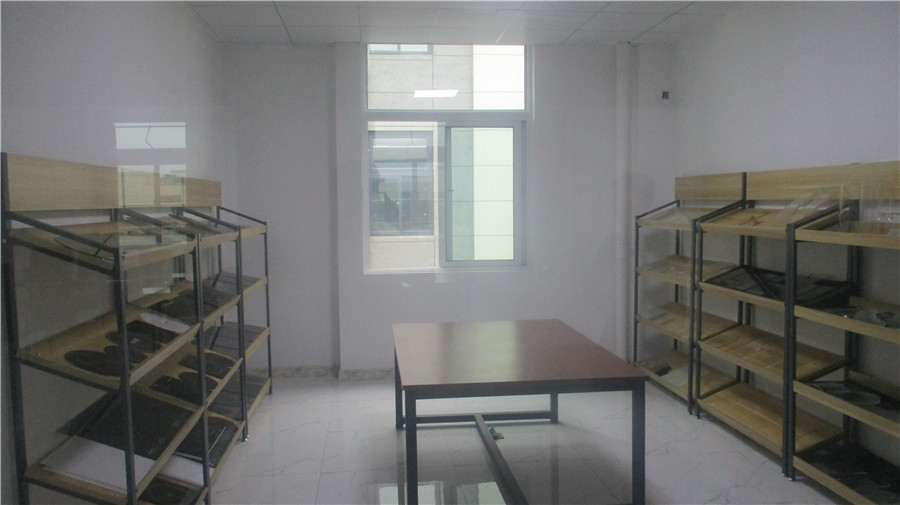
One Factory, One Quality Chain
Keeping critical processes under one roof shortens communication loops, reduces handling damage and makes it easier to trace a defect back to the exact process step.
Precision Cutting & CNC Shaping
Straight, round and special-shaped parts cut and CNC-profiled from clear, ultra-clear, tinted and high-alumina sheet.
Edge Polishing & Drilling
Flat, pencil and beveled edges, safety corners, countersunk holes, notches and engraved details for clean assembly.
Silk-Screen Printing
Eco-friendly high- and low-temperature inks, multi-color layouts, logos, icons and touch zones with scratch-resistant finish.
Physical Tempering
Heat-strengthened safety glass for appliance doors, switch panels and display windows that must resist impact and heat.
Chemical Strengthening
Ion-exchange strengthening for thin 0.5–2 mm cover glass where flatness, optical clarity and strength are all required.
AR, AG and AF Coating
Anti-reflective, anti-glare and anti-fingerprint treatments for readable screens in bright, industrial and medical environments.
Questions Buyers Ask Before Ordering Fire-Rated and Tempered Glass
These answers are written for purchasing managers, engineers and compliance teams who need practical supplier evaluation criteria, not marketing slogans.
How can I verify a China fire-rated glass exporter’s claims?
Start by separating product claims from assembly certification. Ask for the exact test standard, classification, report number, tested thickness range and scope. Then check the manufacturer’s ISO 9001 scope, RoHS and CE documents where applicable, and request a sample inspection record. A credible exporter will explain what is tested, what is not tested and how the product should be installed to maintain performance.
Is tempered glass the same as fire-rated glass?
No. Tempered glass is a safety glass with improved impact resistance and a fragmented break pattern. Fire-rated glass refers to a tested glazing assembly that provides fire integrity, radiation control or insulation for a specified period. Some projects use tempered glass as part of a broader assembly, but tempering alone should not be presented as a fire rating. Always match the specification to the building code and tested system.
What is the minimum order quantity for custom printed tempered glass?
Most custom silk-screen printed panels start from 10 to 100 pieces depending on size, thickness and number of print colors. Large-size display cover glass can start from about 10 pieces, while smaller control panels may require higher setup quantities. Samples are available for fit, print color and touch-zone verification before mass production.
What drawing files and artwork do you need for a quote?
Send a 2D drawing in DWG, DXF or PDF with outline dimensions, thickness, holes, notches, edge finish and tolerances. Provide print artwork in AI or PDF with color references and layer order. State whether you need AR, AG or AF coating, the intended application, operating environment and estimated annual volume so the engineer can recommend the correct strengthening method.
Which certificates does Qingdao Maupe Glass Co., Ltd. hold?
The company operates an ISO 9001 quality management system, certificate No. 24025Q20015R1S, holds RoHS certificate No. 25TYT12395 and CE certificate No. 23TYT082593S, and has been onsite-assessed by SGS Group as a third-party inspection company. Buyers should ask for the current scope and validity dates during supplier qualification.
Can you combine silk-screen printing with AR, AG or AF coating?
Yes. Depending on the glass thickness, coating type and print layout, the factory can review the process sequence so the printed graphics, touch window and optical coating perform together. The key is to define which side is coated, which side is printed, how the part is bonded and what cleaning chemicals will be used in the field. These details prevent coating damage and ink failure.
What are typical lead times and export packaging requirements?
Lead time depends on sample approval, material availability, print complexity, coating requirements and order quantity. Custom parts usually require a sampling stage before mass production. Export packing should include edge protection, interleaving, moisture control and carton or crate reinforcement. For fragile or large-format panels, request packing photos before shipment and confirm the shipping method with your freight forwarder.
Which trade terms and payment methods do you accept?
Accepted delivery terms include FOB, CIF, EXW, FAS, FCA, CPT, DDP, DDU and express delivery. Accepted payments include T/T, L/C, PayPal, Western Union and cash, in USD, EUR or CNY. The factory is close to Qingdao seaport and airport, which supports flexible export logistics and consolidated shipments for distributors or project buyers.
How do you control quality and batch traceability?
A controlled order should define incoming glass inspection, cutting and edging checks, print color approval, tempering parameters, coating inspection, final dimensional inspection and packing verification. Batch records should link material, artwork version, process date and inspection result. Buyers can request inspection photos and sample retention for repeat orders, especially for control panels, display covers and printed appliance glass.
Do you support OEM/ODM samples and trial orders?
Yes. OEM and ODM support covers drawing review, material recommendation, sample production, artwork adjustment and full customization. For new projects, start with a small trial order to verify fit, print quality, coating performance, surface durability and packaging. Once the sample is approved, the same critical parameters can be locked for mass production and repeat orders.
Send Your Drawing, Target Standard and Annual Volume
If you are shortlisting China top fire-rated glass exporters and need a supplier that can document the process behind each panel, share your requirements. Our team will review thickness, strengthening method, print layers, coatings, tolerance, packaging and compliance before you commit to tooling.