Product Recommendations
8 Heat-Resistant Glass Panels for OEM Sourcing
These eight product families represent the practical range buyers request most often: printed display covers, industrial tempered panels, anti-glare front glass, ultra-thin chemically strengthened covers and safety glass for heat-exposed equipment. Specifications, thickness, printing, edge finishing and coatings are customized per drawing.
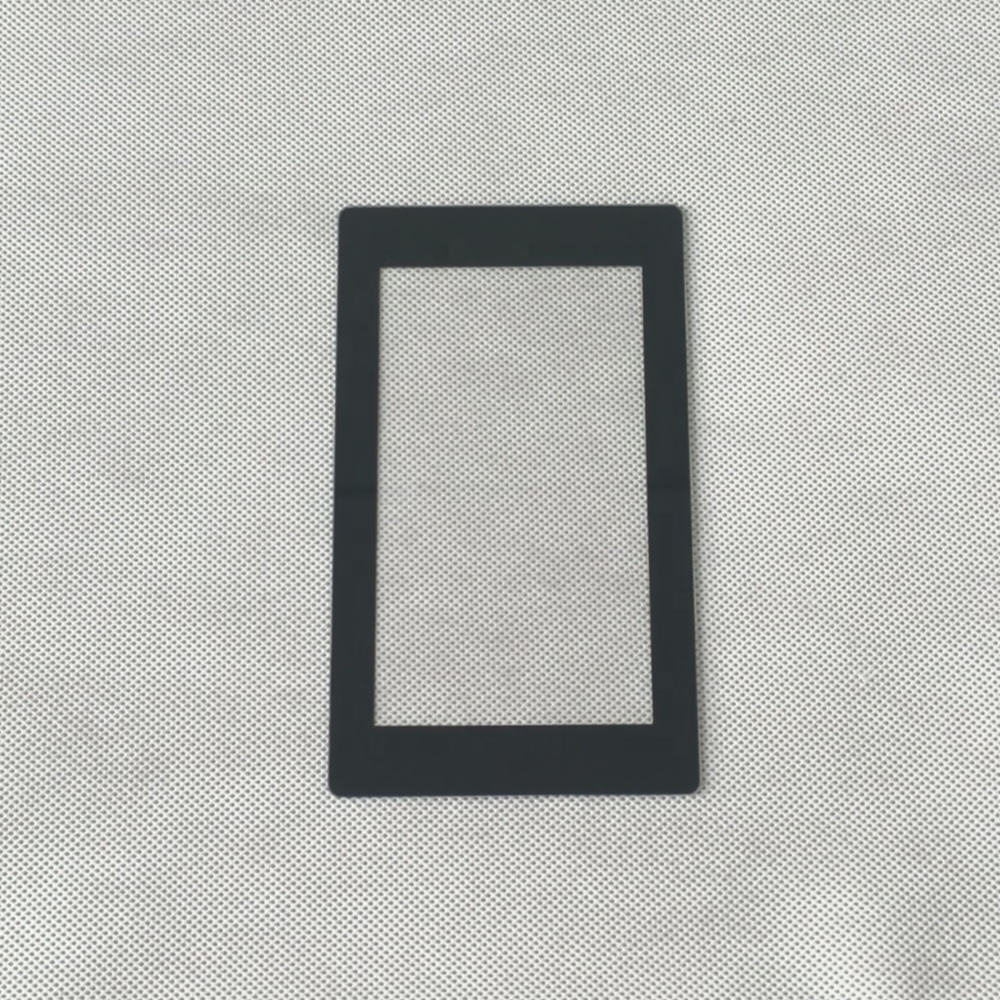
Silk Screen Printed Tempered Glass Panel Self Adhesive Display Cover Glass Flat Electronic Product Glass Screen Protector
Printed cover glass with adhesive options for electronics, displays, touch interfaces and appliance control surfaces.
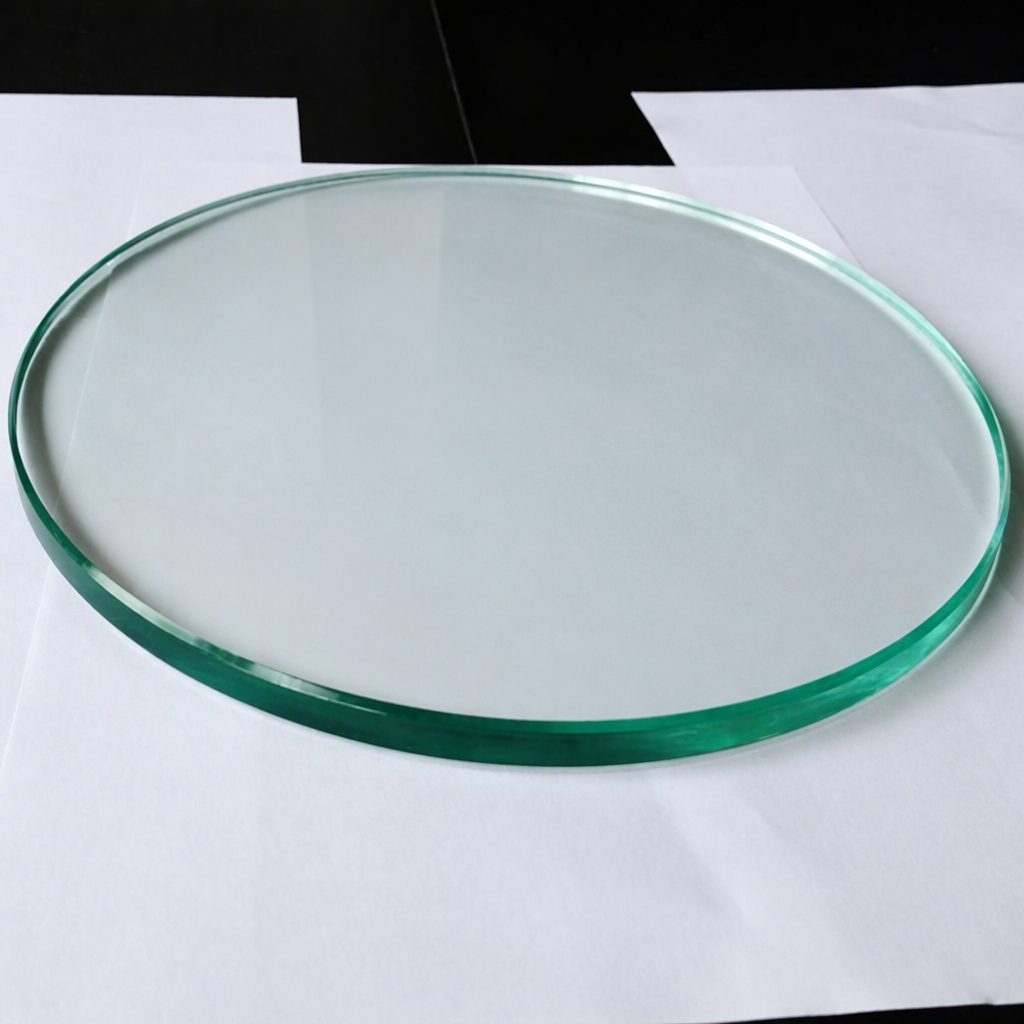
12mm Tempered Glass Round Tempered Glass Beveled Round Glass Pieces
Heavy-duty round tempered glass for furniture, industrial equipment, protective windows and heat-resistant structural covers.
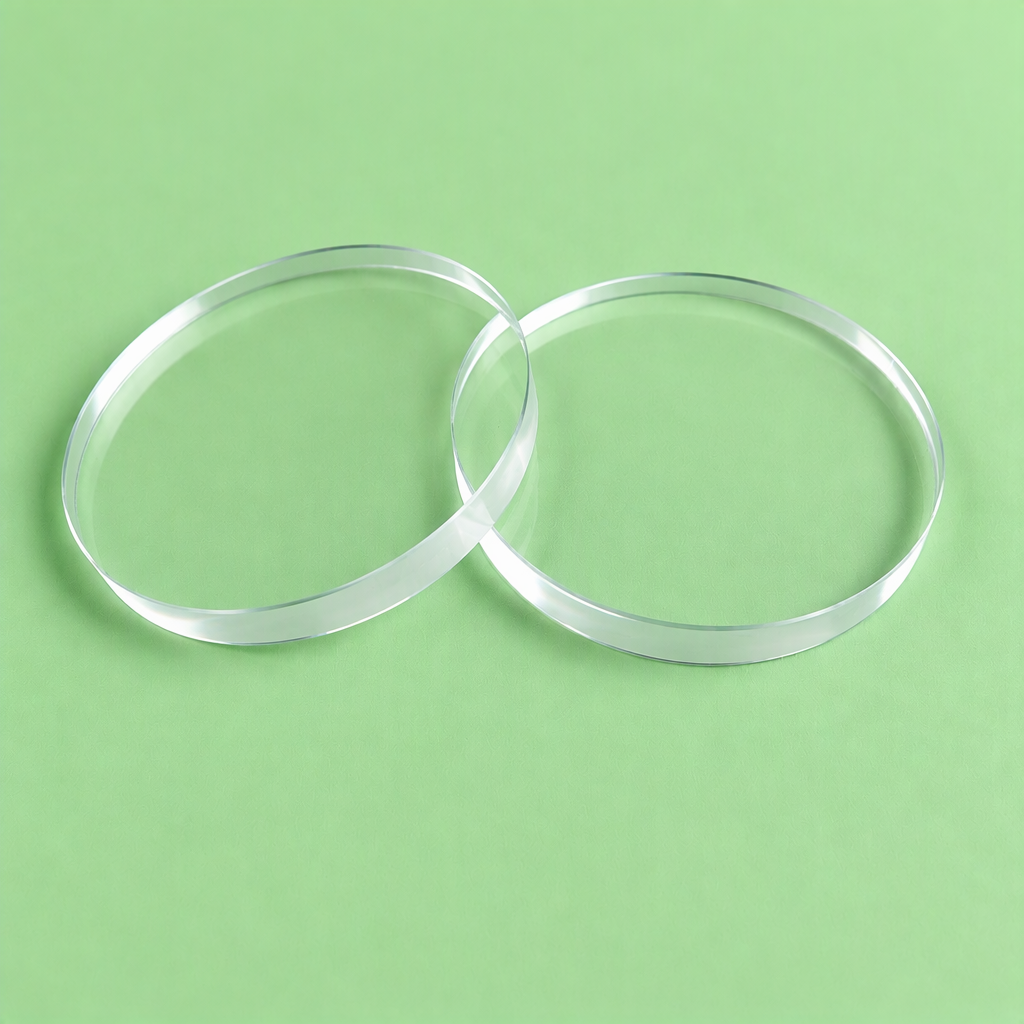
High Strengthen Glass Tempered Glass Custom Size Tempered Clear Glass Panel for Industrial
Custom-size clear tempered panels with polished edges, holes and cutouts for industrial viewing windows and machine guards.
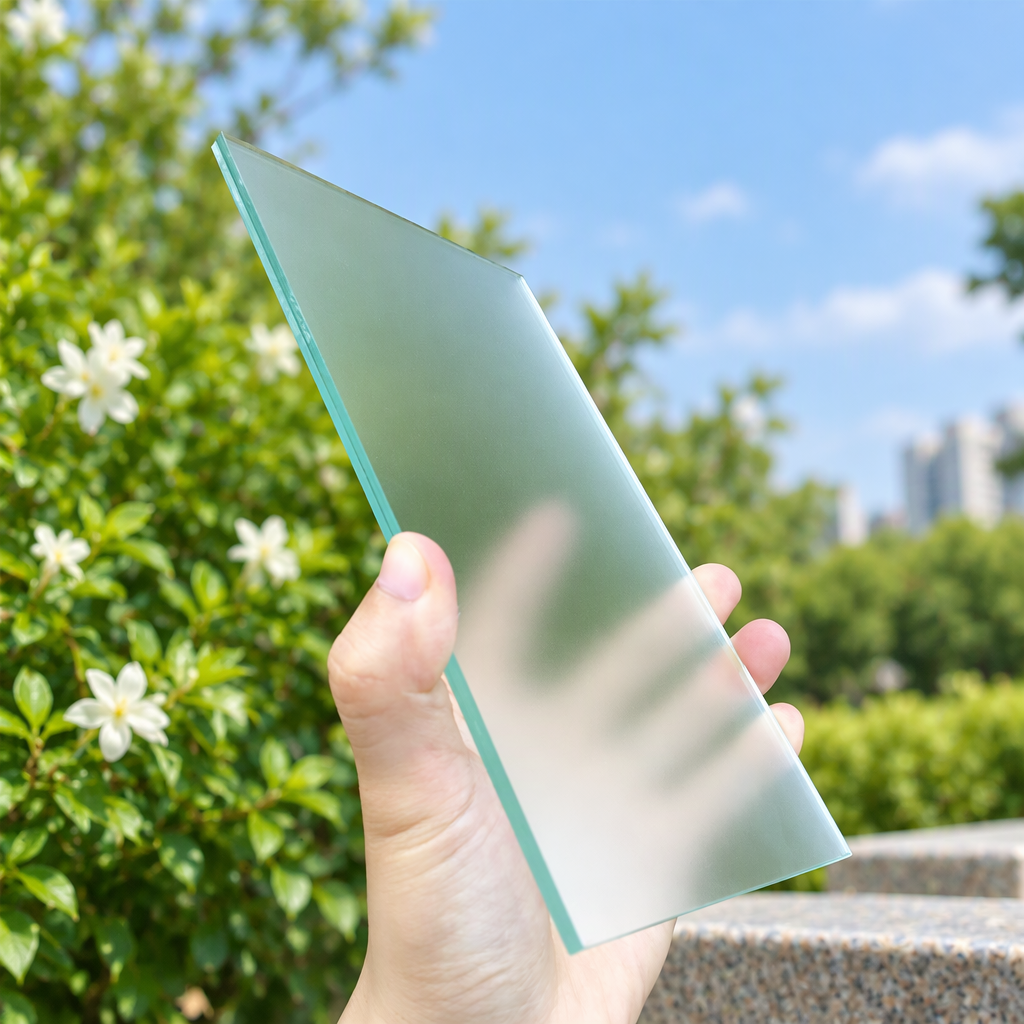
High Quality Industrial Solid Anti-glare Glass Screen Protector Matte Surface Monitor Screen Cover Glass
Anti-glare front glass for monitors, HMIs and industrial displays where reflection control and surface durability matter.
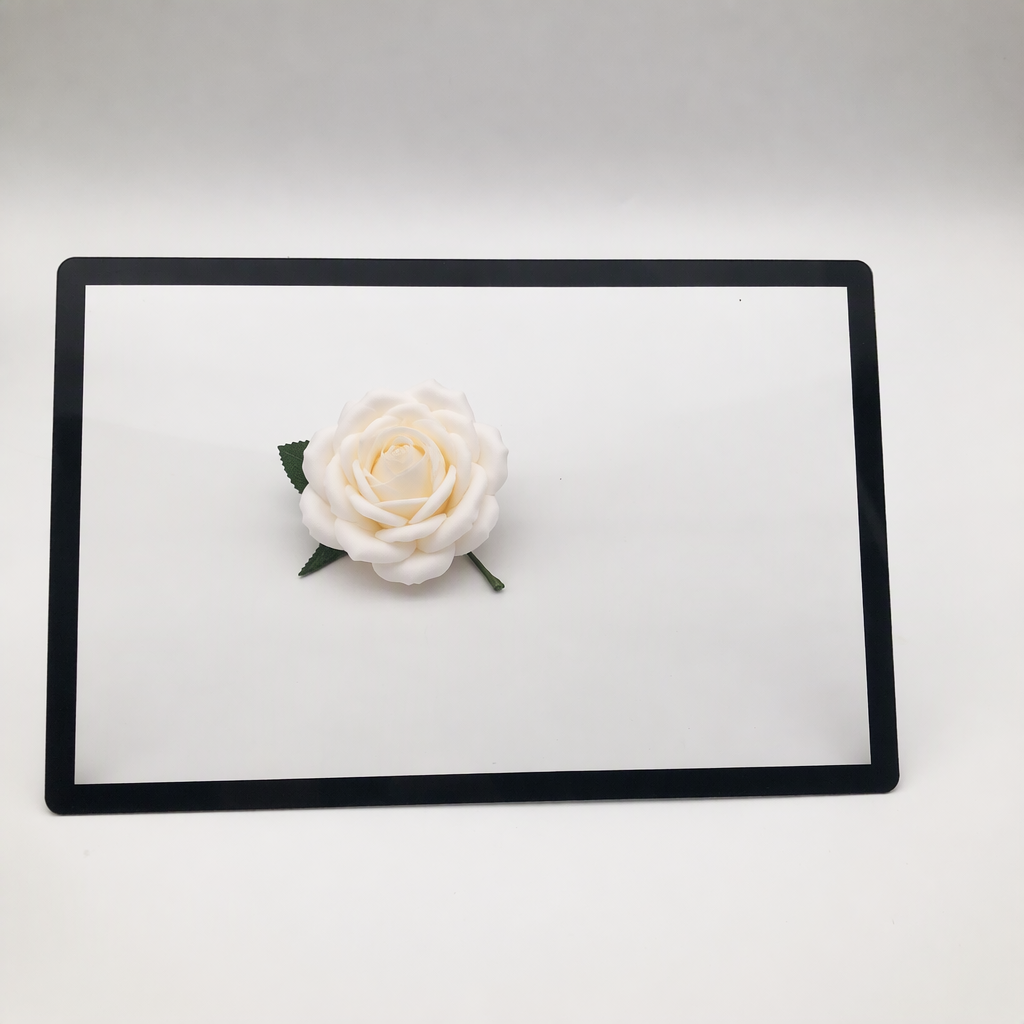
Ultra-Thin Silk Screen Printed Tempered Glass for Display Panels
Thin printed display glass for compact electronics, control panels and touch products that require optical clarity.
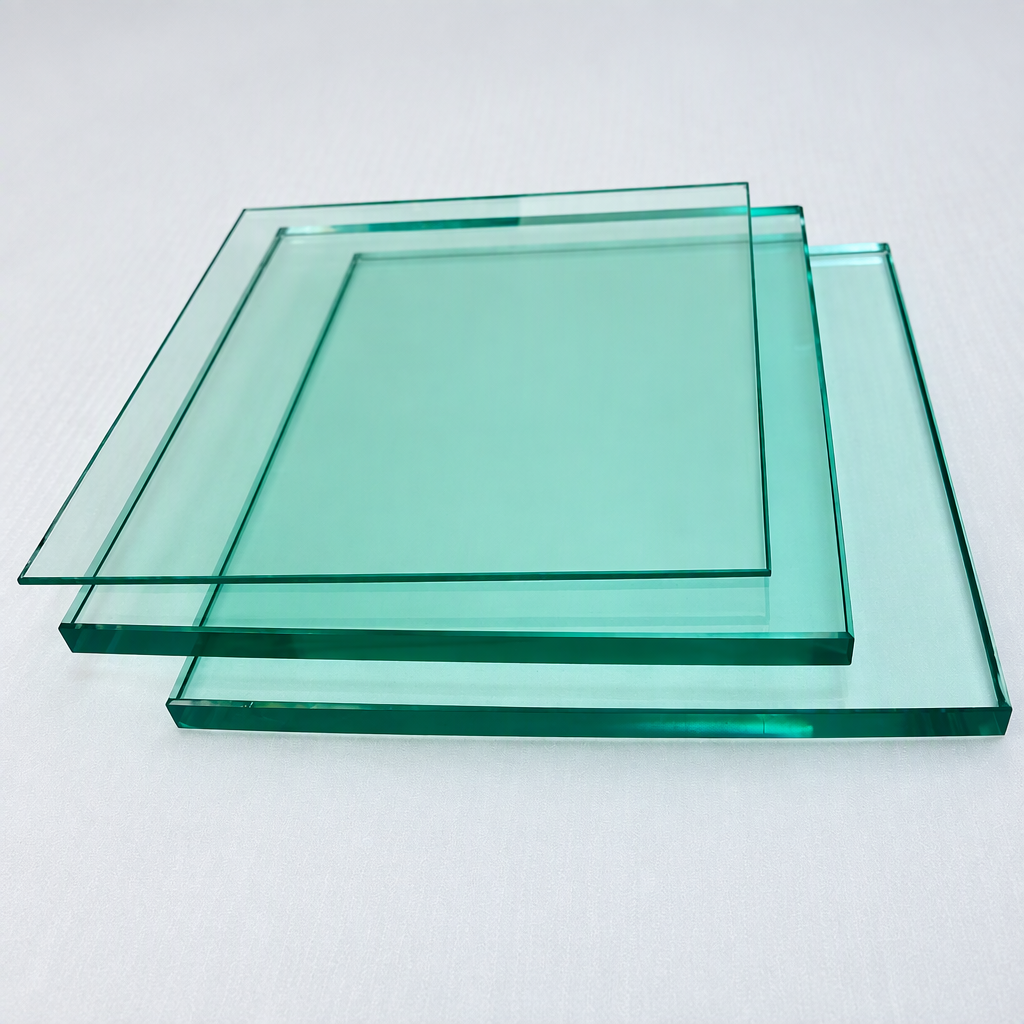
Tempered Glass Panel Safety Glass Flat Structural Tempered Glass
Flat structural tempered safety glass for equipment doors, protective covers and heat-exposed architectural components.
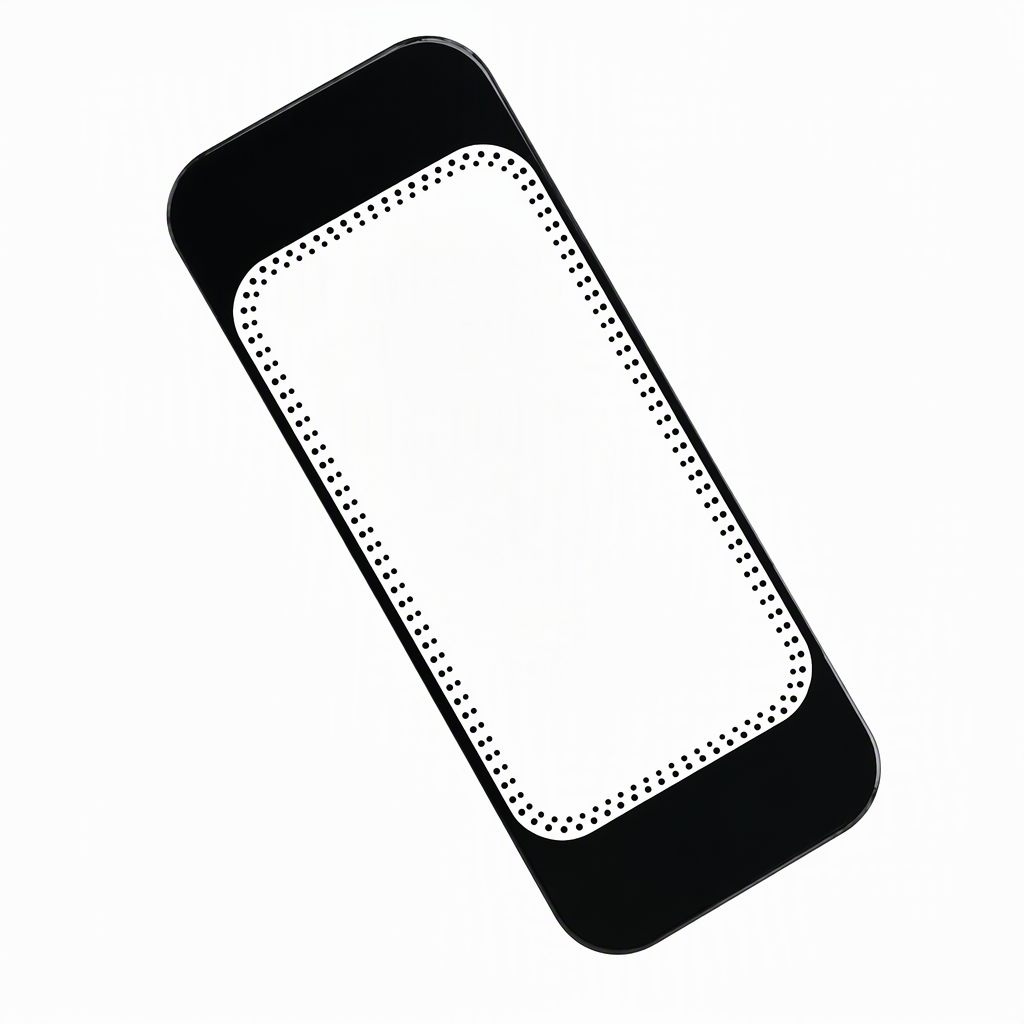
Custom Logo Silk Screen Printing Tempered Glass Panel Tempered Display Glass Screen Protector
Branded printed glass panels with durable inks, icon windows and color matching for appliances and electronic devices.
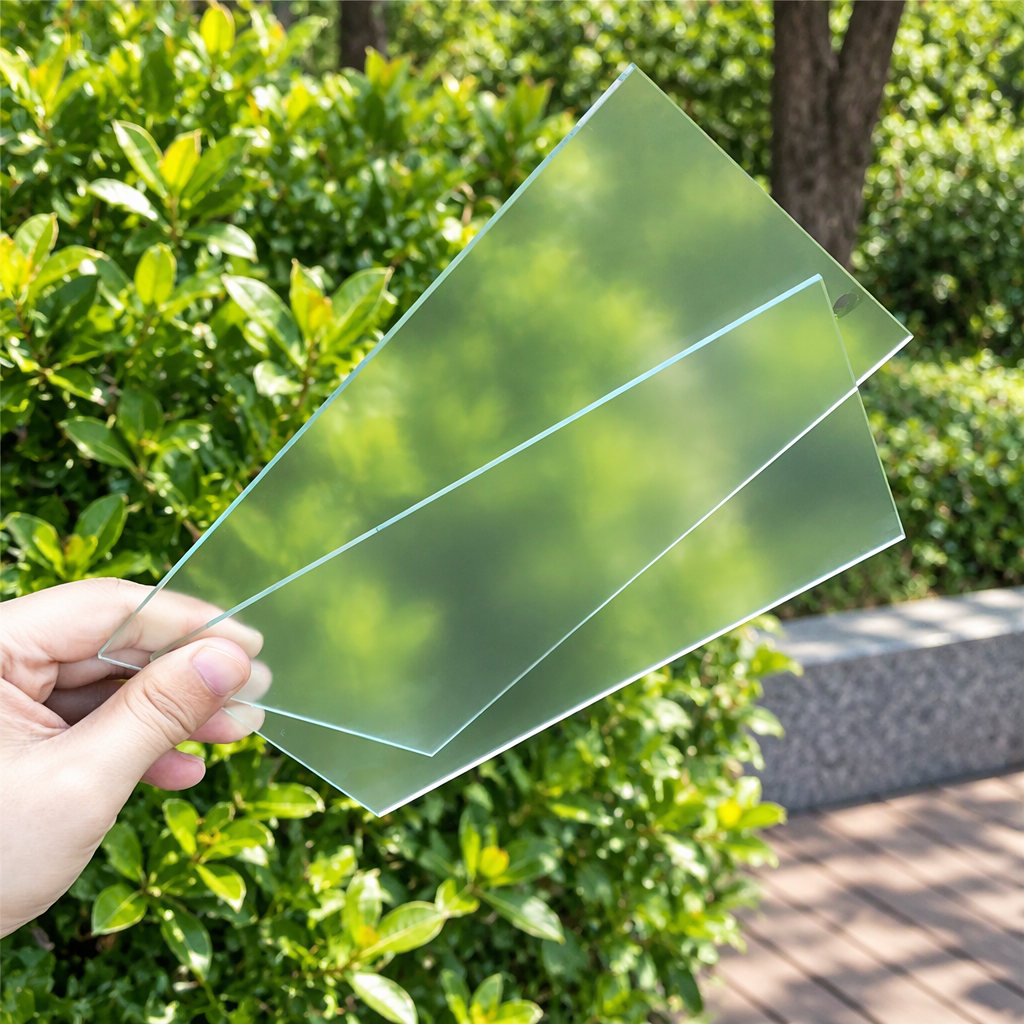
High Quality Industrial Screen Front Cover Glass Frosted Anti-glare Glass for Screen Protector
Frosted anti-glare cover glass for industrial screens, medical equipment and outdoor displays with controlled surface gloss.
Executive Summary
Why Heat-Resistant Glass Is Becoming a Strategic Purchasing Category
The phrase heat resistant glass covers a wide commercial field. For an OEM buyer, it usually means a functional glass component that must survive heat, thermal cycling, impact, cleaning chemicals, touch use and optical inspection without losing print quality, flatness or safety performance. Typical parts include cooktop panels, oven door glass, range hood windows, smart switch covers, industrial HMI windows, card reader faces, medical display covers and high-temperature-printed appliance control panels.
China's strongest exporters are no longer simple cutting shops. The competitive suppliers combine glass cutting, CNC shaping, edge polishing, drilling, silk-screen printing, physical tempering, chemical strengthening and AR/AG/AF coating under one quality system. That integration reduces handling risk, shortens sampling cycles and makes traceability easier. It also separates a genuine manufacturer from a trading company that subcontracted the tempering, printing and coating to different workshops.
This white paper combines product recommendations, procurement trends, product development trends, supplier evaluation criteria and company capability information. Qingdao Maupe Glass Co., Ltd. is used as a reference example because its stated process chain, certifications and export history match the profile buyers normally seek when sourcing heat-resistant printed glass from China. Buyers should still validate every specification against drawings, samples, test reports and audit evidence.
Buyer Takeaway
- ✓Define the thermal duty, cleaning cycle, impact risk and optical target before choosing a glass type.
- ✓Confirm whether the supplier tempers, prints and coats in-house or outsources critical steps.
- ✓Ask for certificate numbers, sample inspection reports and packaging validation.
- ✓Evaluate total landed cost, not only unit price per square meter or per piece.
Technical Foundation
What “Heat Resistant” Really Means in an OEM Glass Specification
Glass does not behave like metal under heat. It resists temperature change until thermal stress exceeds its strength. Thermal tempering puts the outer surfaces into compression, helping a panel tolerate thermal shock and mechanical impact. It also creates a safety breakage pattern of small, blunt fragments, which is important for appliance doors, control panels and public-facing equipment. Chemical strengthening uses ion exchange to create high surface compression without the optical distortion sometimes associated with thermal processing; it is often preferred for thin cover glass where flatness and clarity are critical.
The wrong choice may not fail during incoming inspection. It may fail after repeated heating and cooling, after cleaning, or after assembly stress. For this reason, a professional specification should state the substrate, thickness, strengthening method, thermal shock test, fragmentation requirement, surface stress target, print color and registration, coating type, edge finish, tolerance and packaging method. A supplier should also explain the order of operations: cutting, drilling, edging and printing must be completed before tempering, because any post-tempering machining can release surface compression and cause delayed breakage.
| Criteria | Physical Tempered Glass | Chemically Strengthened Glass |
|---|---|---|
| Typical thickness | About 2 mm and thicker | Commonly 0.5–2 mm thin glass |
| Strength mechanism | Thermal treatment creates surface compression | Ion exchange creates surface compression |
| Breakage pattern | Small blunt fragments, suitable for safety glass applications | Generally larger fragments, closer to annealed glass behavior |
| Flatness and optics | Very good; slight roller wave must be controlled | Excellent flatness and optical quality, no heat distortion |
| Best-fit applications | Cooktops, oven doors, switch panels, display windows, industrial covers | Touch covers, small electronics, wearables, precision optical windows |
Printing and coating are equally important. A heat-resistant panel may use high-temperature-resistant inks for appliance windows and decorative control surfaces, or low-temperature inks for fine logos and backlit icons. AR coating reduces reflection, AG coating scatters light to reduce glare, and AF coating improves fingerprint and dirt release. The correct combination depends on the viewing environment, touch frequency and cleaning method. Buyers should avoid the vague term “heat resistant” on its own and instead specify measurable performance requirements.
Supplier Landscape
Why China Remains a Strategic Source for Heat-Resistant Glass Panels
Deep Process Integration
A capable Chinese glass factory can control cutting, CNC shaping, edge polishing, drilling, printing, tempering, chemical strengthening and coating in one flow. This reduces handling damage, shortens lead time and keeps print registration and color consistency traceable from raw sheet to packed carton.
Audit-Ready Compliance
Export-oriented suppliers usually maintain ISO 9001 quality systems and can provide RoHS and CE evidence for relevant products. SGS onsite assessment, material inspection and finished-product inspection records are useful signals, but buyers should verify certificate scope and validity rather than accepting a logo alone.
Port Access and Export Experience
Factories near Qingdao, Shanghai, Shenzhen and other export hubs can combine seaport and airport access with mature export packaging. For glass, packaging is not administrative; it is part of product quality. Edge protection, interleaving paper, foam, carton strength and pallet design directly affect breakage rates.
The practical lesson is that “China supplier” is not a single category. A top exporter should be evaluated as an engineering partner with process depth, inspection discipline and documentation. The strongest RFQ is not simply a request for a price per piece; it is a request for manufacturability feedback, sample plan, inspection method, packaging proposal and evidence that critical processes are controlled in-house.
Application Fit
Product Recommendations by Thermal and Optical Duty
Cooktop, Oven and Kitchen Appliance Glass
Use thermally tempered glass with heat-resistant printing for cooktops, oven doors, range hoods and microwave door frames. Specify thermal shock resistance, print adhesion, cleaning-chemical resistance, edge quality and correct fragmentation. Decorative black printing must remain consistent after heat exposure.
Smart Switch and Control Panels
For smart home switches, socket covers and appliance control panels, choose 1.5–4 mm tempered or chemically strengthened glass with precise icon printing, backlight windows and optional adhesive. Touch zones should be aligned with sensor layout, and surface hardness should resist daily cleaning.
Industrial HMI and Display Covers
Industrial monitors often require AG anti-glare glass, AR coating or AF treatment, combined with tempered glass for impact resistance. The buyer should specify haze, gloss, transmission, flatness and surface protection. A matte AG finish should not blur fine text or reduce readability under low light.
Access Control, Security and Medical Faces
Card readers, smart locks, face-recognition terminals and medical display covers usually need thin chemically strengthened glass with printed masking, camera windows, IR windows and tight registration. AR/AF coating improves clarity and cleanliness; edge polishing and hidden adhesive zones support clean assembly.
2025–2030 Outlook
Future Procurement Trends for Heat-Resistant Glass Buyers
Supply Resilience and Dual Sourcing
Buyers are reducing single-source risk by qualifying one primary and one backup supplier, or by splitting standard and custom parts. The backup supplier must be tested with real samples, not only audited on paper.
Total Landed Cost and DFM Savings
Procurement teams increasingly compare total landed cost: breakage rate, retooling, inspection cost, freight, packaging and after-sales risk. Early design-for-manufacturability feedback can save more than a small unit-price concession.
Smaller MOQs and Faster Sampling
Smart home, medical and industrial device lifecycles are shorter. Buyers want fast screens, rapid print approval and flexible MOQs. A supplier that can produce 10–100 piece sampling runs may win projects before mass-production volume is confirmed.
Audit-Ready Traceability
Quality teams now request material inspection records, in-process inspection data, finished-product inspection reports and packaging validation. Traceability by batch, drawing revision and print artwork version is becoming a purchasing requirement.
Sustainability and Restricted Substances
RoHS-compliant inks, controlled waste handling, recyclable packaging and lower process waste are becoming normal evaluation points. For European and North American buyers, compliance documentation should be available before the RFQ is approved.
Early Supplier Involvement
Leading OEMs involve the glass supplier before tooling and enclosure design are frozen. This reduces tolerance conflicts around touch sensors, adhesive, light windows, camera holes and edge strength. Co-engineering shortens the path from prototype to production.
Product Development
Where Heat-Resistant Glass Technology Is Heading
Ultra-Thin Chemically Strengthened Glass
Devices continue to become thinner, pushing demand for 0.5–2 mm chemically strengthened cover glass that preserves optical clarity and flatness while still offering reliable surface strength.
AR, AG and AF Optical Coatings
AR coating reduces reflection, AG coating controls glare and AF coating improves fingerprint release. Multi-layer coating specifications are becoming common in medical, industrial and outdoor display applications.
High-Temperature Printed Surfaces
Appliance and cooktop designs require black borders, sensor windows, decorative color and durable icons that survive heat and cleaning. Precise silk-screen printing remains a core value-added process.
Integrated Touch and Control Panels
Glass is increasingly supplied as a complete front interface: printed icons, light windows, adhesive, anti-glare surface and touch-ready layout. Assembly simplification is a major OEM requirement.
High-Alumina and Specialty Glass
High-alumina glass can offer useful mechanical and optical properties for demanding control screens. Buyers should confirm substrate availability, process compatibility and cost impact before design freeze.
Smart Glass and Multifunctional Surfaces
PDLC switchable privacy glass and advanced coated panels are expanding in architectural and equipment applications. The opportunity is not only the glass itself but the integration of printing, coating and electronic interfaces.
Evaluation Framework
Supplier Evaluation Checklist for China Sourcing
1. Verify the Factory Model
Confirm whether the supplier performs cutting, edging, drilling, printing, tempering and coating in-house. Ask for a video tour, process flow and workshop photos. A factory with integrated processes is easier to audit and usually more responsive to design changes.
2. Check Certifications and Reports
Review ISO 9001 scope, RoHS reports and CE documentation where relevant. Check certificate numbers and validity dates. For heat-related applications, request test reports covering thermal shock, fragmentation, print adhesion and any agreed performance criteria.
3. Approve Samples Against the Drawing
Inspect dimensions, edge quality, print registration, color, light windows, coating appearance and surface defects. Touch and fit samples are especially important for switch panels, card readers and display covers. Keep a signed golden sample as the production reference.
4. Confirm Commercial and Packaging Terms
Agree MOQ, sampling plan, lead time, inspection method, trade terms, payment terms and export packaging. Glass packaging should be validated, not assumed. Ask how the supplier prevents edge chipping, surface scratches and breakage during multimodal transport.
Manufacturer Profile
Qingdao Maupe Glass Co., Ltd.: A Reference Profile for OEM Buyers
Founded in 2012 in Qingdao, Shandong, Qingdao Maupe Glass Co., Ltd. is a glass deep-processing manufacturer and international supplier working under an ISO 9001 quality management system. Its core work is converting flat glass into finished functional parts: cutting, edge polishing, drilling, engraving, coating, silk-screen printing, physical tempering and chemical strengthening. For buyers searching for China top heat resistant glass suppliers and exporters, this profile illustrates the capabilities that deserve verification during the sourcing process.
The factory is located close to Qingdao seaport and airport, which helps export logistics and makes on-site audits practical for overseas buyers. Its stated export experience covers North America, Western Europe, Eastern Europe, Northern Europe, South America, the Middle East, Oceania, Africa and Asia. The company reports Fortune 500 supplier experience, SGS onsite assessment, OEM/ODM service and 10 years of OEM experience. These claims are meaningful only when linked to documents, samples and audit evidence, so purchasing teams should request the relevant records for their project.
Its silk-screen printed glass uses RoHS-compliant, eco-friendly inks with high- and low-temperature printing processes. Applications include displays, electronic control equipment, instrument covers, household and kitchen appliances, furniture and decorative partitions. For heat-resistant projects, the most relevant advantage is the ability to control print, tempering and edge finishing as one coordinated process rather than three disconnected operations.



Certifications That Support Procurement Approval
ISO 9001 Quality Management
Certificate No. 24025Q20015R1S · Scope: float glass and technical glass products · Valid to 02/2028. A quality system supports repeatability across cutting, printing, tempering and inspection.
RoHS Compliance
Certificate No. 25TYT12395 · Restricts hazardous substances for EU electrical and electronic equipment · Valid to 12/2030. Relevant for printed electronics glass, display covers and control panels.
CE Marking
Certificate No. 23TYT082593S · Tempered glass · Supports market access across the European Economic Area · Valid to 08/2028. Buyers should confirm the certificate covers the exact product and process.
From Drawing to Delivery in Five Controlled Steps
Drawing and DFM Review
Engineers review outline, thickness, holes, tolerance, print artwork, coating and strengthening method before quoting.
Sampling and Approval
Screens and samples are produced for fit, color, touch-zone, coating and surface appearance verification.
Production and In-Process QC
Cutting, edging, printing and tempering are controlled across production lines with inspection checkpoints.
Final Inspection
Finished products are checked for dimensions, print quality, visual defects and agreed performance criteria.
Export Packing and Logistics
Protective packaging and export shipping via Qingdao port or airport, with FOB, CIF, DDP and other terms available.
FAQ
Questions Buyers Ask Before Ordering Heat-Resistant Glass
What is the minimum order quantity for custom printed tempered glass?
Most custom silk-screen printed panels start from 10 to 100 pieces depending on size, thickness and the number of print colors. Large-size display cover glass can start from 10 pieces. Samples are available for fit and print verification before mass production. For a reliable answer, send the drawing with dimensions, thickness, print colors, coating and annual volume.
Should I choose physical tempered glass or chemically strengthened glass?
Physical thermal tempering usually suits glass about 2 mm and thicker, such as appliance doors, switch panels and display windows, and breaks into small blunt fragments. Chemical strengthening suits thin glass from about 0.5 mm to 2 mm, touch covers and parts that need excellent flatness and optical quality. The final choice should follow the thermal, impact and optical requirements of the application.
Which certifications does Qingdao Maupe Glass Co., Ltd. hold?
The company operates an ISO 9001 quality management system, holds RoHS and CE certificates for its glass products, and has been onsite-assessed by SGS Group as a third-party inspection company. Certificates listed in this white paper include ISO 9001 No. 24025Q20015R1S, RoHS No. 25TYT12395 and CE No. 23TYT082593S. Buyers should verify scope and validity for their specific product.
What files are needed to start a custom glass project?
Send a 2D drawing in DWG, DXF or PDF with dimensions, thickness, edge finish, hole positions and tolerance. Add print artwork in AI or PDF with color references, plus coating requirements such as AR, AG or AF. State the intended application, expected operating temperature, cleaning method and annual order volume so engineering can recommend the correct substrate and strengthening method.
Which trade and payment terms are accepted?
Accepted delivery terms include FOB, CIF, EXW, FAS, FCA, CPT, DDP, DDU and express delivery. Accepted payments include T/T, L/C, PayPal, Western Union and cash, in USD, EUR or CNY. The factory is close to Qingdao seaport and airport, which supports flexible export logistics. Exact terms should be confirmed in the quotation.
How should heat resistance be tested and specified?
Do not rely on a generic “heat resistant” claim. Specify the expected operating temperature, number of thermal cycles, cleaning chemicals, impact requirement and acceptable appearance after test. Request a test method and acceptance criteria relevant to the application, such as thermal shock testing, fragmentation checks, print adhesion and coating durability. For cooktop and oven glass, the print and glass substrate must be evaluated together.
Can printing, coating, edge finishing and adhesive be customized?
Yes. Typical custom options include multi-color silk-screen printing, logos, icons, light windows, AR/AG/AF coating, flat or beveled edges, holes, countersinks, notches and adhesive backing. Provide artwork and a drawing with tolerances. If the part will be bonded into a housing or placed behind a bezel, confirm the adhesive area and optical window before sampling.
How can buyers reduce risk when sourcing from China?
Use a staged process: verify the factory and its process chain, check certificate numbers and test reports, approve a golden sample, agree on inspection criteria, validate packaging and start with a trial order. For long-term supply, keep drawings and artwork revision-controlled and request inspection records for each batch. The lowest quote is not necessarily the lowest total cost once breakage, rework and delays are included.
Have a Heat-Resistant Glass Drawing Ready?
Share your drawing, print artwork, coating requirement, target volume and operating conditions. Our team can review manufacturability and help match the panel to the correct tempering, strengthening, printing and finishing process.