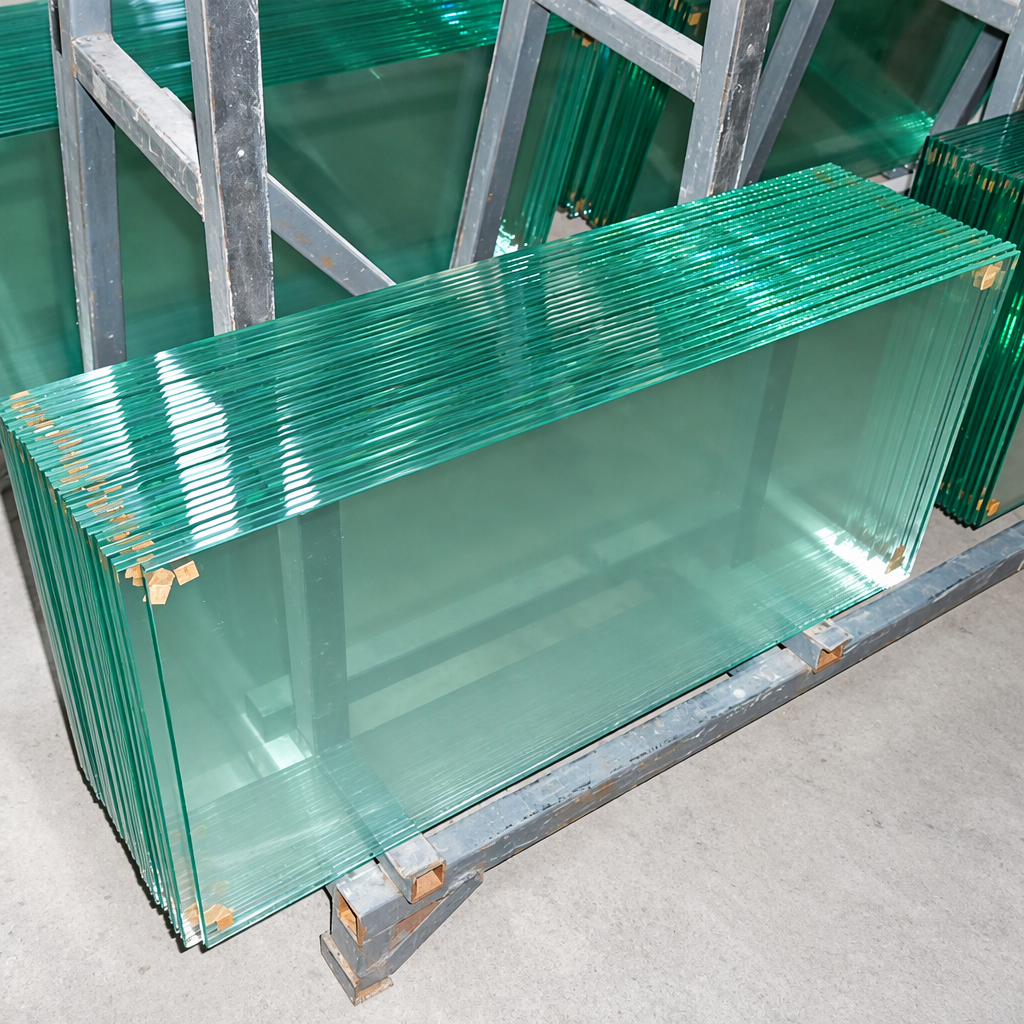
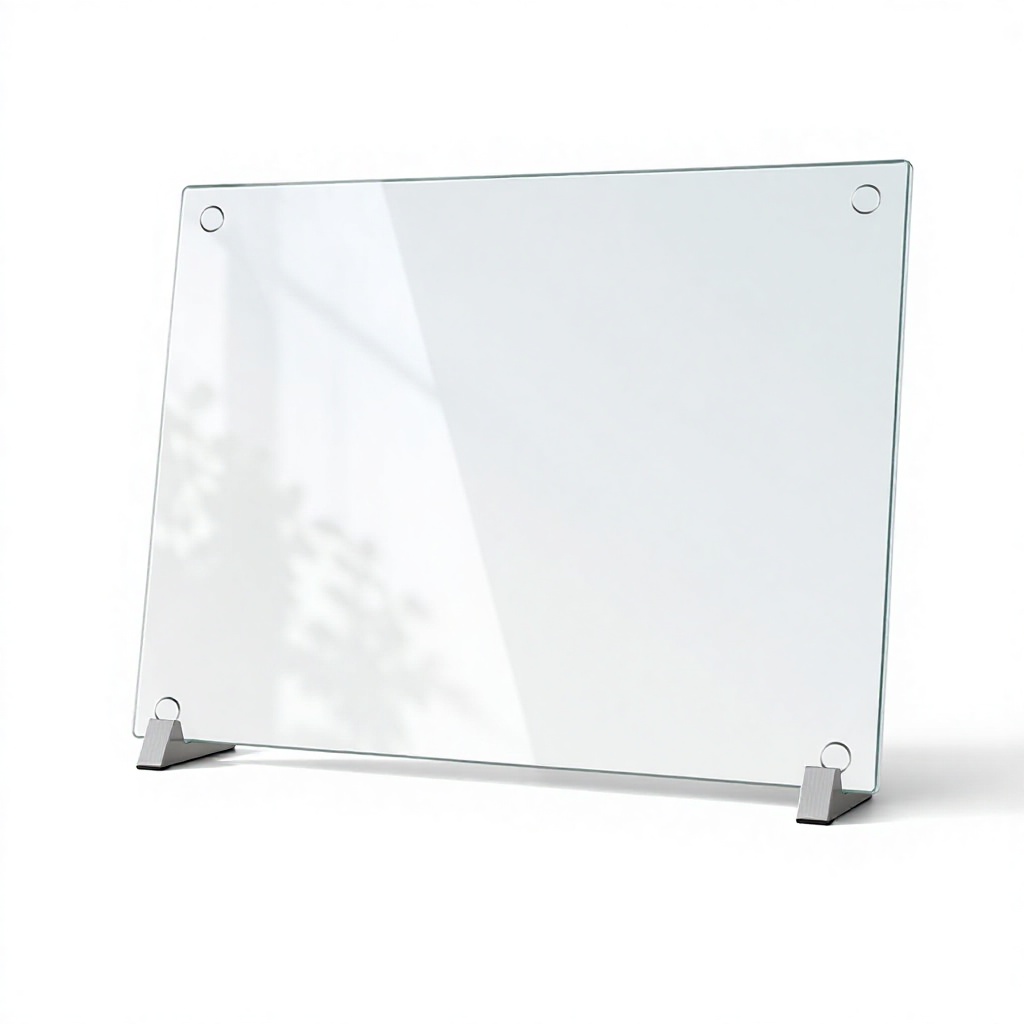
For a purchasing team, the commercial risk starts with vague specifications. A drawing that says only “high temperature glass” can lead to three different quotations using three different material strategies: thermally tempered soda-lime glass, chemically strengthened thin glass, or a low-expansion specialty glass. The right answer depends on continuous operating temperature, peak temperature, thermal shock, mechanical load, optical targets, print durability and the assembly method. For cooktops, oven doors, microwave frames and industrial HMI windows, the glass must also match the coefficient of expansion of adjacent materials and survive repeated cleaning cycles.
At Qingdao Maupe Glass Co., Ltd., the practical starting point is an engineering drawing review. Our team checks thickness, edge finish, hole positions, printing sequence, coating requirements and strengthening method before quoting. This prevents the most expensive error in custom glass sourcing: accepting a low piece price and then losing the savings to breakage, poor print alignment, coating failure, delayed assembly or a re-tooling cycle. A credible China top high temperature glass supplier should be willing to discuss these variables before asking for a deposit.
Information gain for buyers: evaluate suppliers on process capability, not only product photos. Ask for a material and coating recommendation, a sample plan, inspection criteria, packaging validation and certificate scope. For applications requiring true borosilicate or glass-ceramic behavior, state this explicitly; our engineering team will screen the drawing and advise whether the project should use a standard tempered solution or be routed to a specialist high-temperature material.
A Five-Factor Sourcing Scorecard
- Thermal fit: continuous temperature, peak heat, thermal shock and ink curing profile.
- Optical and print accuracy: transmission, haze, color, icon registration and coating durability.
- Compliance evidence: ISO 9001, RoHS, CE, material declarations and inspection records.
- Assembly yield: tolerance, flatness, edge quality, adhesive compatibility and packing protection.
- Supply resilience: MOQ, sampling speed, production lines, lead time, port access and export terms.
Illustrative Sourcing Weighting
Use this as a discussion model during RFQ alignment; adjust weights to your application.
Thermal and mechanical fit30%
Optical and print accuracy25%
Certification and audit evidence20%
Packaging and assembly yield15%