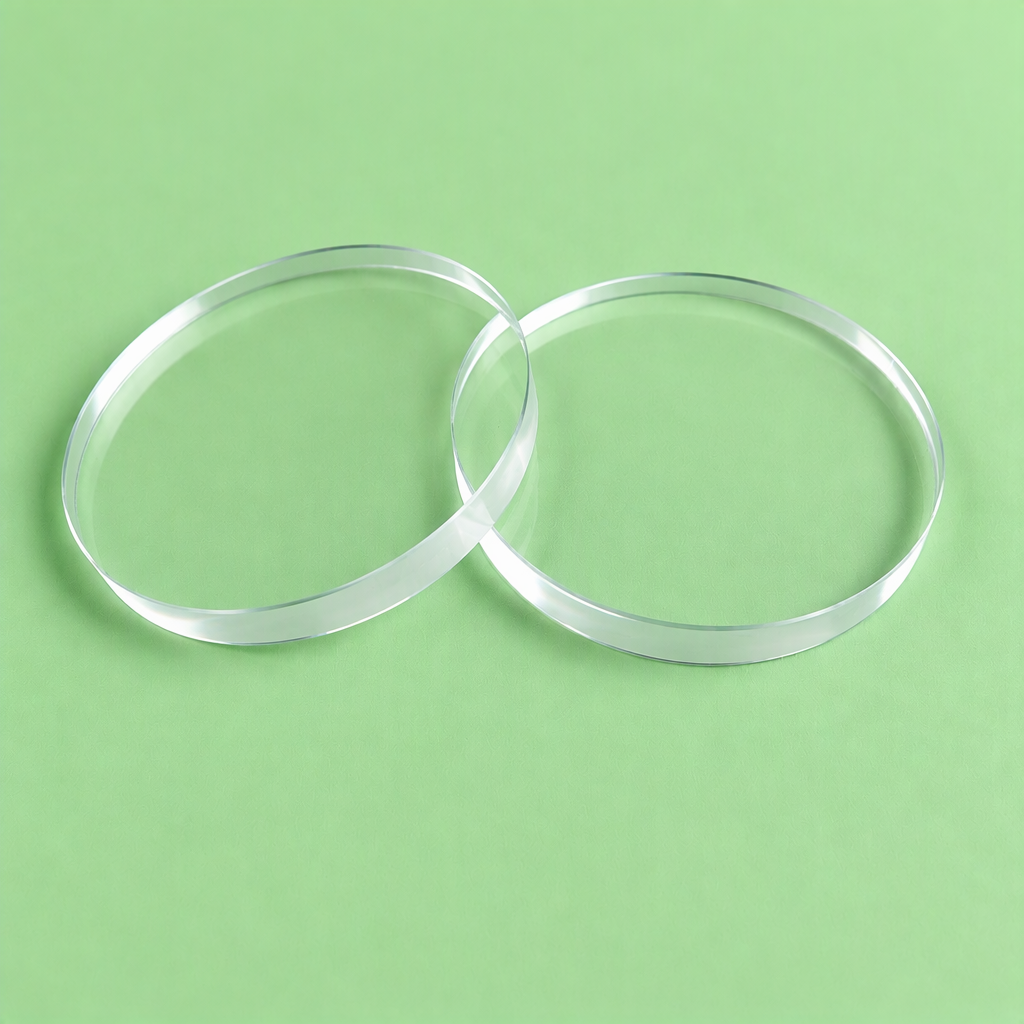
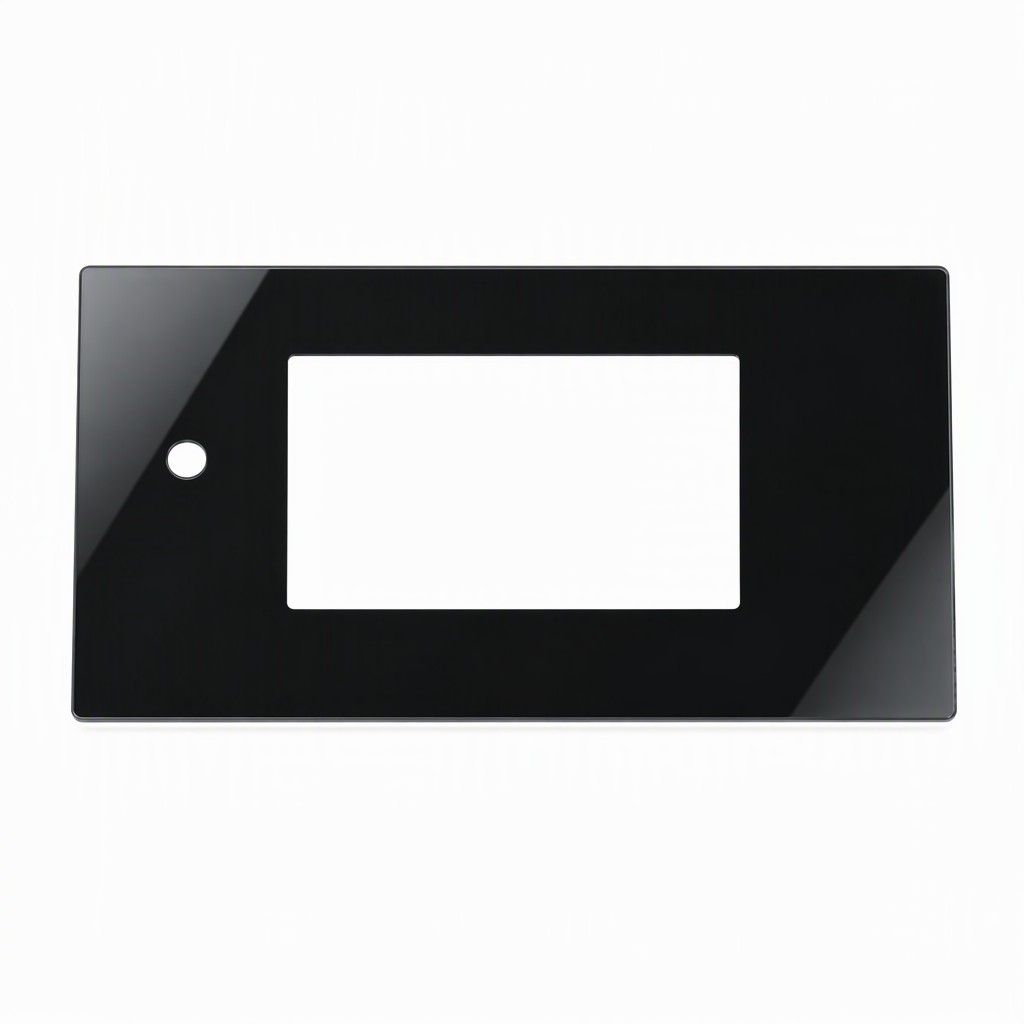
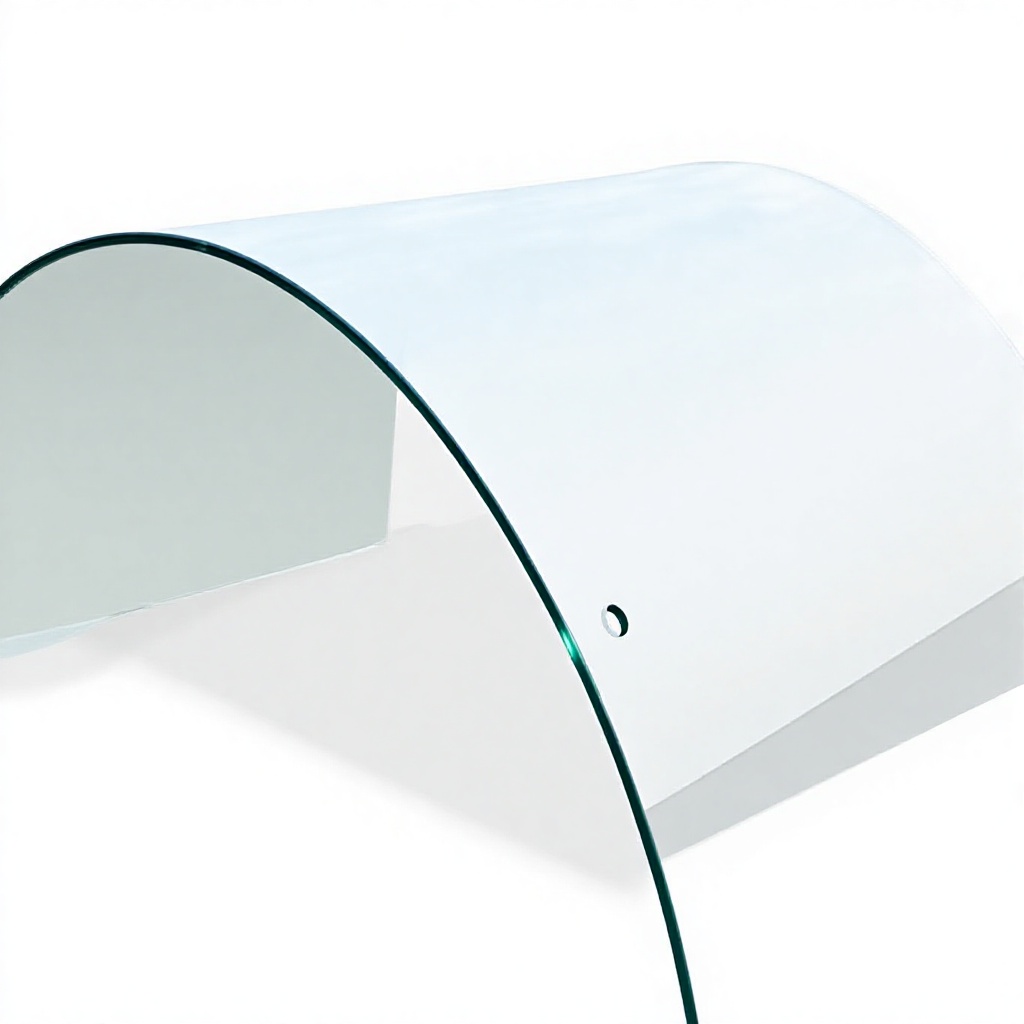
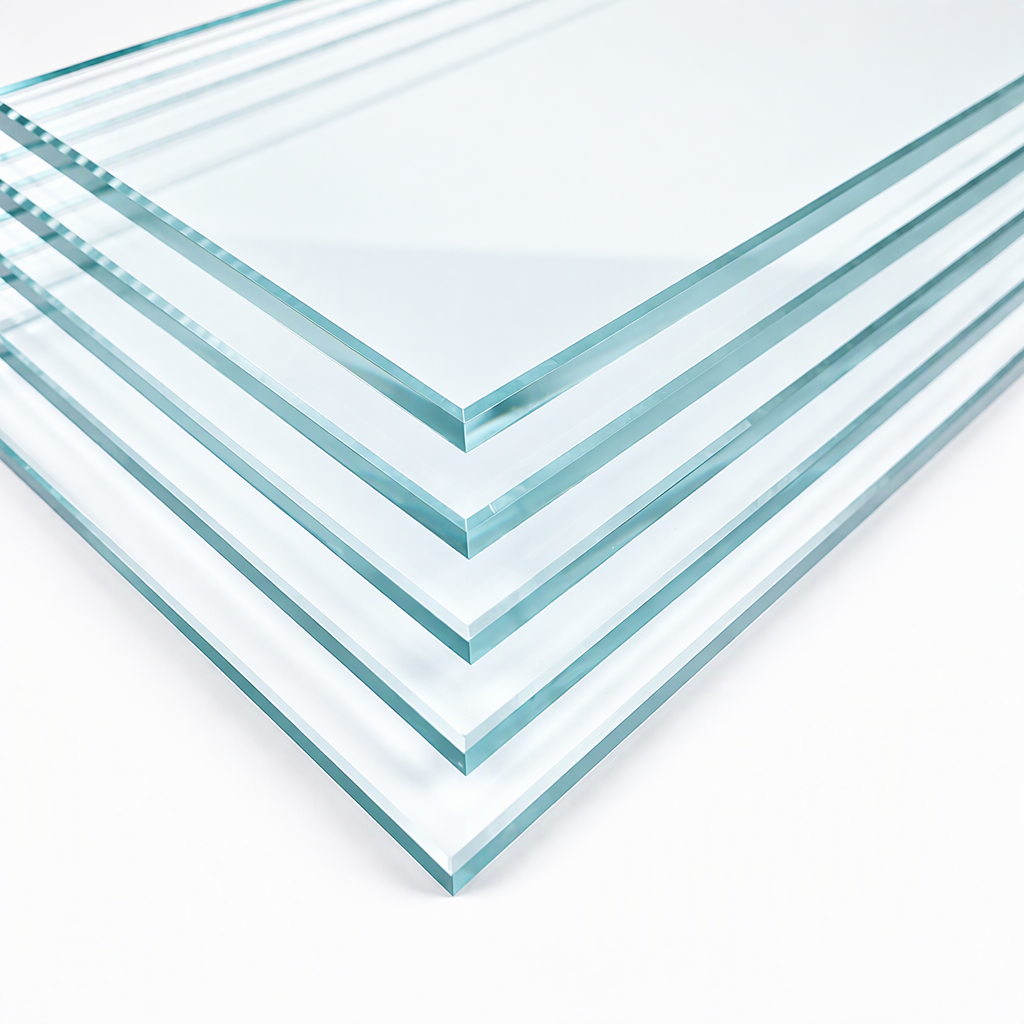
8 Optical Glass Products for Immediate RFQ Review
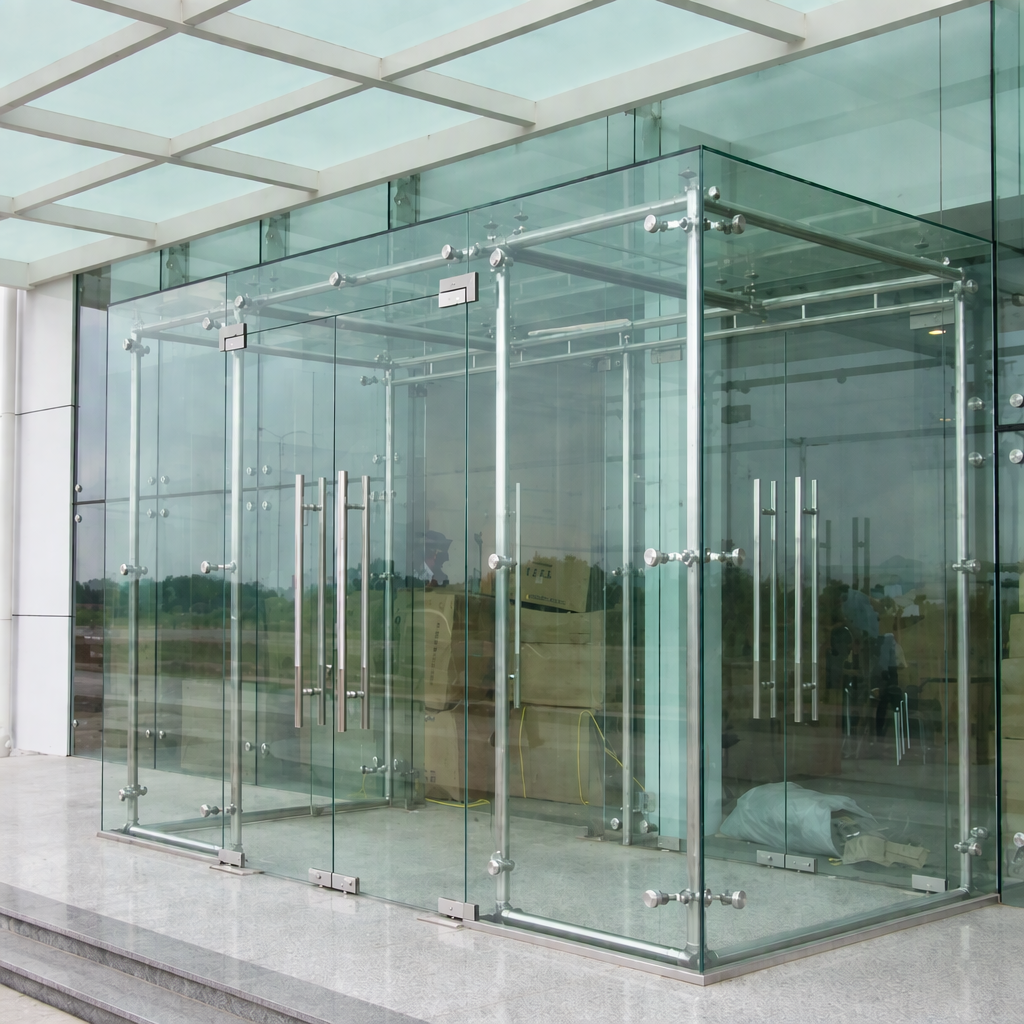
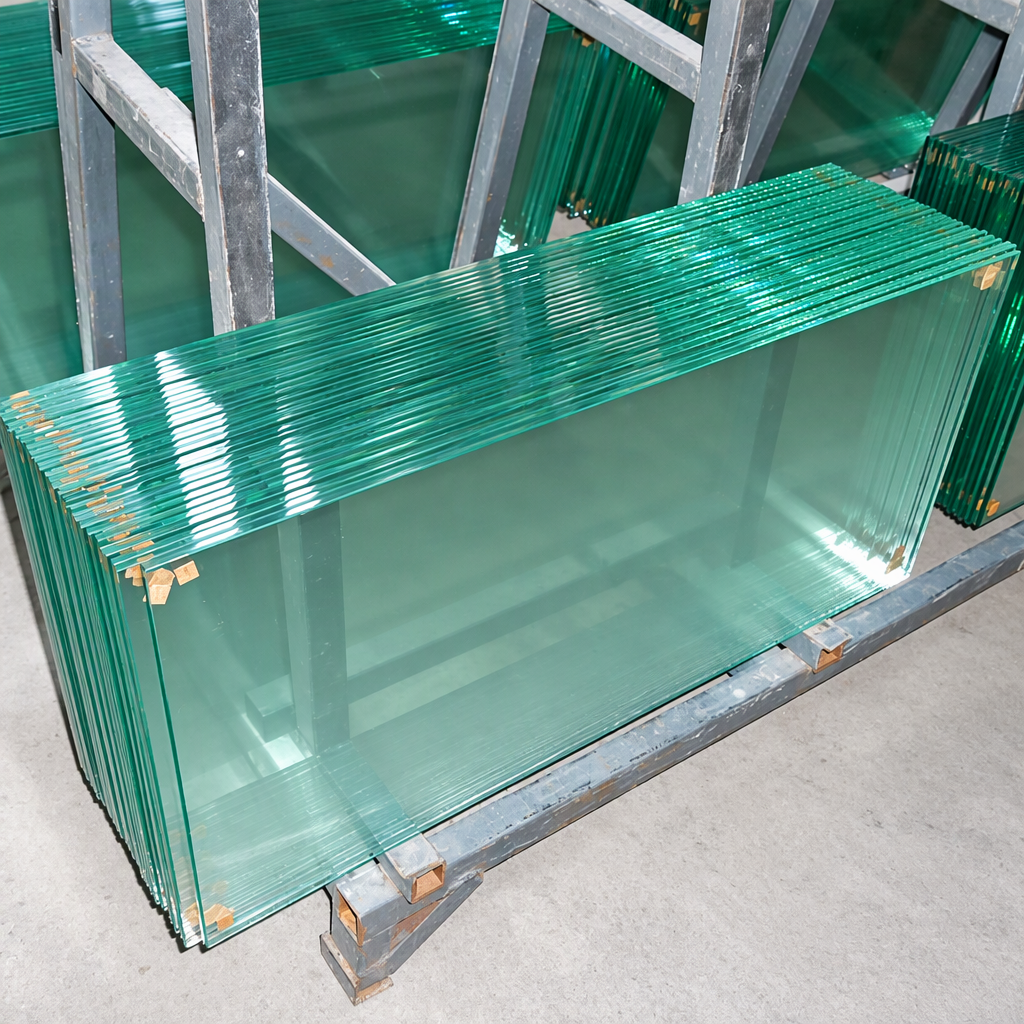
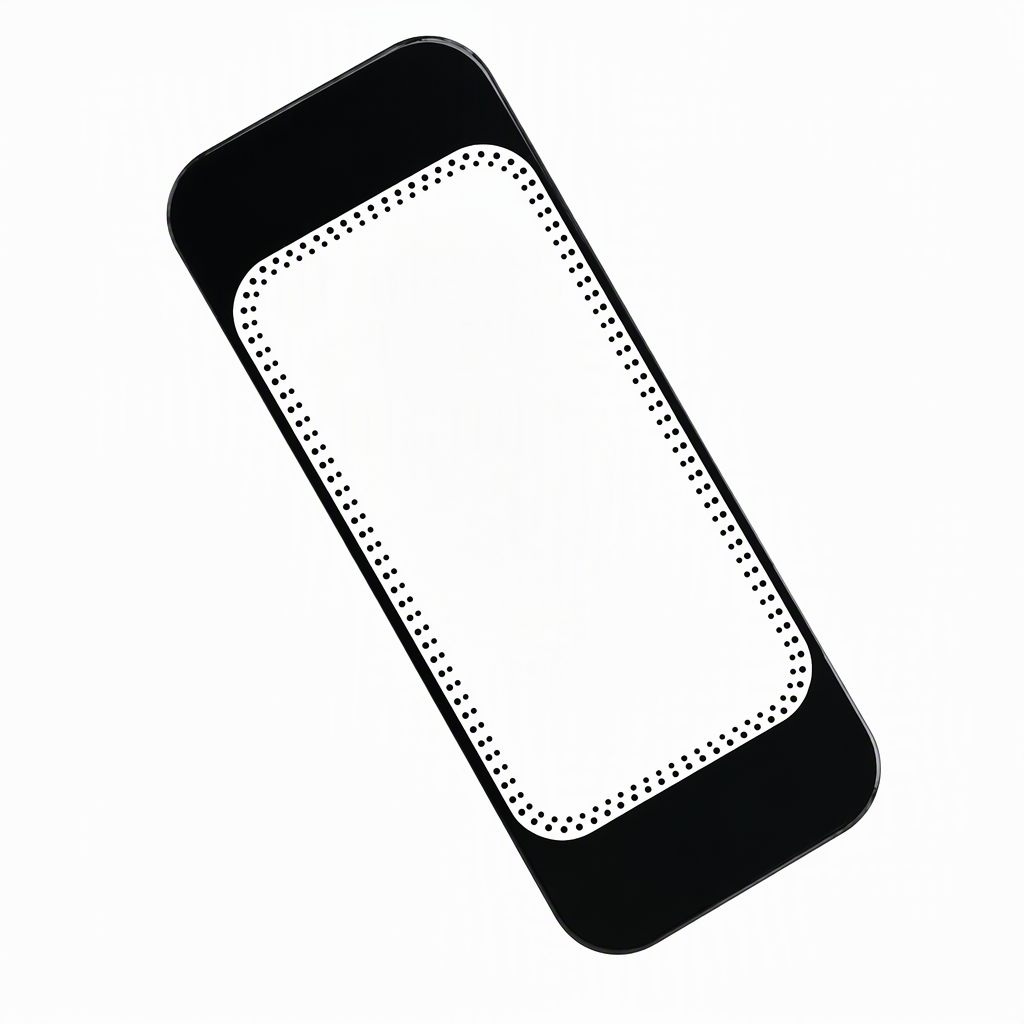
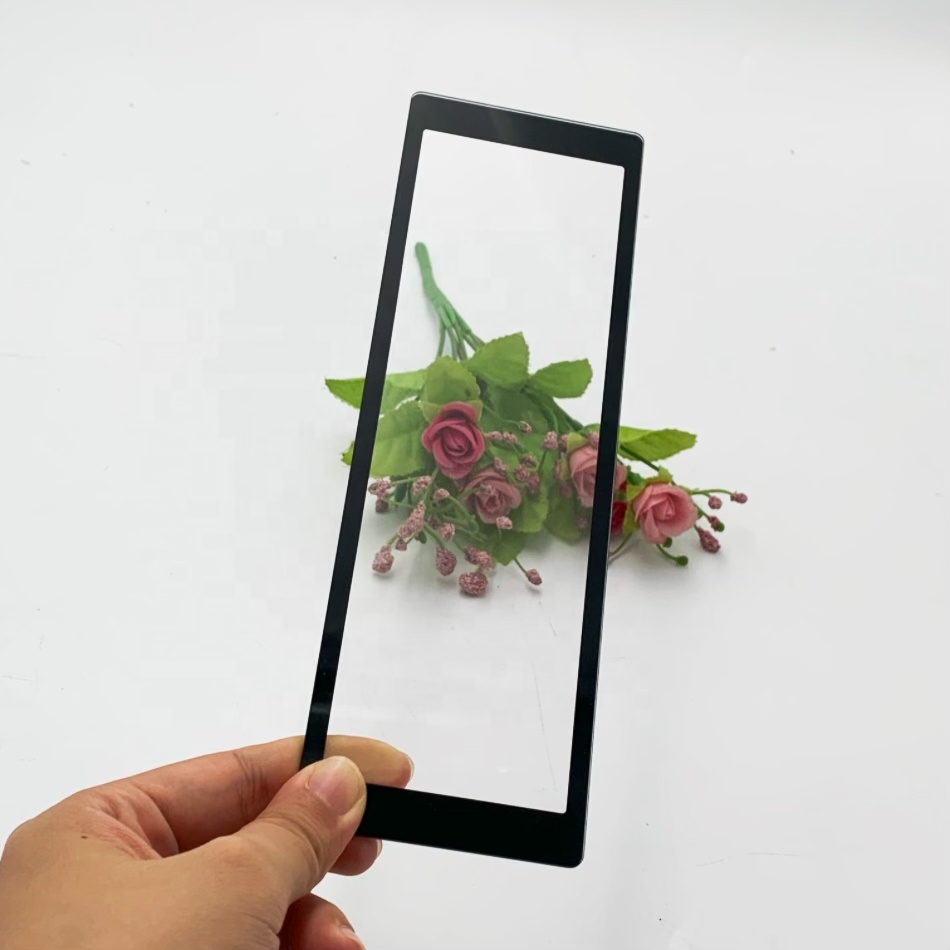
These eight products are not a catalogue dump. They represent the applications where tempered strength, AR/AG/AF optical coating, fine-line printing, edge quality and custom sizing most often decide whether a device looks premium and survives daily use. Product URLs are preserved exactly from the source library.
Supplier Capability at a Glance
For buyers comparing China optical glass manufacturers, capability claims must be converted into numbers, certificates and process evidence. Qingdao Maupe Glass Co., Ltd. presents its operating profile in verifiable terms.
What “Top Optical Glass Manufacturer in China” Should Mean to a Buyer
The phrase is often used loosely. In this guide, “optical glass” refers to flat optical-grade cover glass used where light transmission, reflection control, print alignment and edge quality affect a display, sensor or touch interface. It does not mean precision lens blank manufacturing. That distinction matters because a supplier excellent at silk-screen printed tempered glass may not be the right source for optical lenses, and vice versa.
Engineering Fit Before Price
A top factory asks for the drawing, artwork, glass type, thickness, coating stack, edge finish, working environment and annual volume before quoting. It also flags post-tempering drilling risks and print-registration limits early, not after tooling is paid.
Compliance That Can Be Checked
ISO 9001, RoHS and CE are not decorative logos. Ask for certificate numbers, validity dates, scope and issuing body. A serious supplier is comfortable with your compliance team contacting the issuer or reviewing inspection records.
Process Integration Under One Roof
Cutting, CNC shaping, edge polishing, drilling, silk-screen printing, tempering or chemical strengthening, AR/AG/AF coating and final inspection should be controlled as one sequence. Every handoff between factories increases tolerance drift and schedule risk.
How Optical Glass Procurement Is Changing Through 2030
Buyers are moving from “lowest piece price” to “lowest total risk.” The six shifts below are shaping supplier selection, sample strategy, quality clauses and landed-cost models.
Fewer Qualified Sources, Stronger Audits
Dual sourcing remains important, but procurement teams are reducing the number of unqualified backup suppliers. They want two audited routes, not five unknown ones. Factory evidence, sample discipline and traceability now matter more than a long supplier list.
Document-Level Traceability
“We are certified” is being replaced by certificate numbers, scope statements, material declarations and inspection reports. For optical cover glass, traceability should connect the glass batch, ink batch, coating run and final inspection result.
Smaller Initial Batches, Faster Learning
Custom printed panels often begin at 10–100 pieces depending on size, thickness, print colors and coating. Buyers use small batches to verify fit, color, touch response and assembly before committing to volume. Sampling speed becomes a competitive advantage.
Early Supplier Involvement in Design
The earlier the glass factory joins the project, the less rework happens. Holes, notches, countersinks and edge profiles usually need to be completed before tempering. Print tolerances also depend on tempering shrinkage, ink choice and coating order.
Optical Performance Written as a Spec
AR, AG and AF coatings are moving from cosmetic language into measurable requirements: reflectance, transmission, haze, gloss, abrasion resistance and fingerprint cleanability. If the drawing only says “AR coating,” two suppliers may deliver very different results.
Eco-Friendly Inks and Lower Waste
RoHS-compliant, eco-friendly inks and better packaging are now part of supplier evaluation. Buyers ask about high- and low-temperature ink systems, scratch resistance, recyclable packing and breakage reduction during export transit.
Glass Features to Design Into Your Next BOM
The next generation of device glass is thinner, more functional and more tightly integrated with touch, display and environmental requirements. These six development directions are already visible in OEM inquiries.
Thin Chemically Strengthened Cover Glass
From 0.5 mm to 2 mm, chemically strengthened glass is preferred for touch covers, small electronics and precise optical windows where flatness and clarity matter more than the blunt-fragment breakage pattern of thermal tempering.
AR / AG / AF Multi-Layer Coatings
Medical screens, industrial HMIs and outdoor kiosks increasingly require anti-reflective clarity, anti-glare readability and anti-fingerprint cleanability on the same front glass. Coating adhesion and durability must be tested as a stack.
Printed Touch Zones and Hidden Windows
Smart home switches, card readers and smart locks depend on crisp printed icons, black borders that hide sensors, and clear windows for RFID, QR, camera or fingerprint modules. Registration accuracy is a core quality metric.
Large-Format Display Protection
LCD TV, monitor and digital signage covers are moving beyond small panels. Large-format tempered glass needs controlled flatness, safe edges, optical clarity and robust export packaging to prevent breakage and delamination risk.
High-Alumina and Scratch-Resistant Glass
For equipment control screens and high-touch interfaces, high-alumina glass and scratch-resistant coatings help maintain appearance after cleaning, disinfection and industrial use. Buyers should specify surface hardness and abrasion test methods.
Curved, Special-Shaped and Smart Glass
Curved architectural glass, PDLC switchable privacy glass and application-specific control panels require early process planning. Curvature, coating, printing and tempering must be sequenced correctly to avoid optical distortion or print misalignment.
Physical Tempered or Chemically Strengthened?
Choosing the wrong strengthening method is one of the most common causes of re-tooling in cover glass projects. Use this comparison during the design stage, then confirm with the glass engineer against your drawing.
| Criteria | Physical Tempered Glass | Chemically Strengthened Glass |
|---|---|---|
| Typical thickness | About 2 mm and thicker | 0.5–2 mm thin glass |
| Strength mechanism | Thermal quenching creates surface compression | Ion exchange creates surface compression |
| Breakage pattern | Small blunt fragments, suited to safety glass applications | Larger pieces, closer to annealed glass |
| Flatness and optics | Very good; slight roller wave may be possible | Excellent flatness with no heat distortion |
| Post-processing rule | Cutting, drilling and edging must be completed before tempering | Edge work and holes also require careful pre-strengthening planning |
| Best-fit applications | Appliance doors, switch panels, display windows, industrial covers | Touch covers, small electronics, wearables, precise optical windows |
Why Qingdao Maupe Glass Co., Ltd. Belongs on a Shortlist
Founded in 2012, Qingdao Maupe Glass Co., Ltd. is a glass deep-processing manufacturer and international supplier, not a pure trading company. The company operates under an ISO 9001 quality management system, serves clients in more than 80 countries, and exports 91–100% of output. Its factory footprint is 3,000–5,000 m² with 8 production lines, and it is close to Qingdao seaport and airport.
One-Stop Glass Process Chain
Cutting, CNC shaping, edge polishing, drilling, engraving, silk-screen printing, physical tempering, chemical strengthening and AR/AG/AF coating are handled as one controlled sequence. This reduces handoff delays and improves color and tolerance consistency.
Certified Quality to Verify
ISO 9001 quality management system certificate No. 24025Q20015R1S, RoHS certificate No. 25TYT12395 and CE certificate No. 23TYT082593S are listed for compliance review. The company has also been onsite-assessed by SGS Group as a third-party inspection company.
Export Experience Since 2012
More than a decade of OEM/ODM work with global brands, including procurement relationships with Fortune 500 suppliers. The team supports sample, design and full customization, with English-language engineering and sales communication.
Logistics Built for Export
The factory is close to Qingdao seaport and airport. Accepted delivery terms include FOB, CIF, EXW, FAS, FCA, CPT, DDP, DDU and express delivery. Accepted payments include T/T, L/C, PayPal, Western Union and cash, in USD, EUR or CNY.
Print and Optical Consistency
Silk-screen printing uses RoHS-compliant, eco-friendly high- and low-temperature inks for scratch- and wear-resistant logos, icons, touch zones and display borders. Coating options include anti-reflective, anti-glare and anti-fingerprint treatments.
Inspection and Traceability
Quality control covers incoming material inspection, in-process checks and finished product inspection before packing. Supplier assessment procedures and on-site material inspection support buyers who need documented quality evidence before shipment.
Evidence Before the Sample
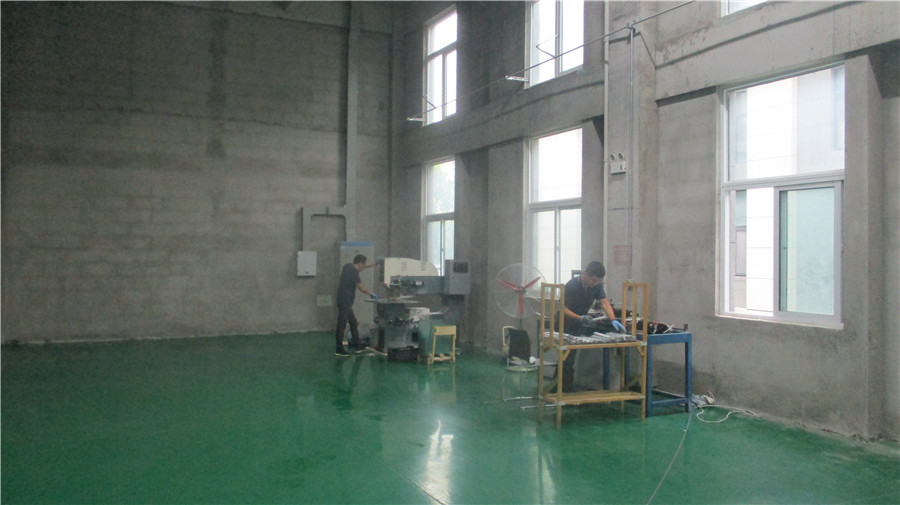
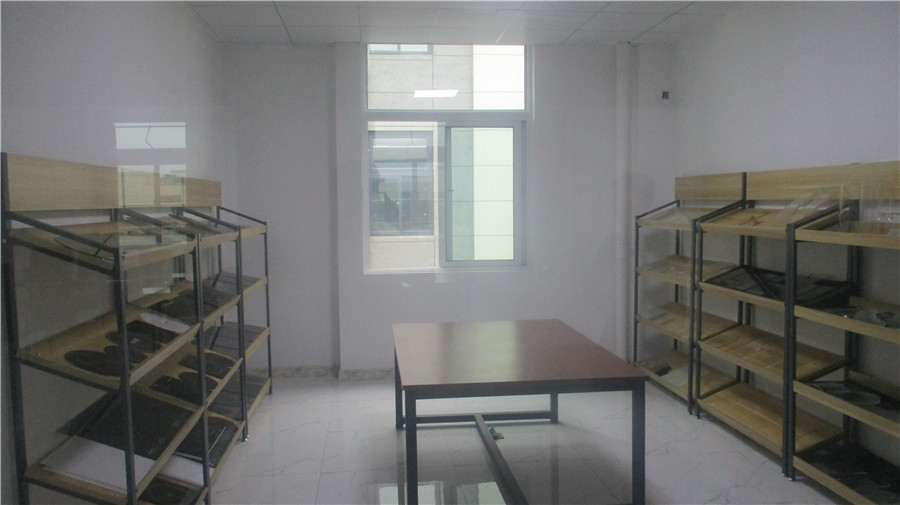
A 300 dpi logo on a drawing means little if the factory cannot reproduce it consistently on tempered glass. The images below show the type of production, inspection and packaging environment a serious buyer should review—either remotely or during a factory audit.




From Drawing to Delivery in Six Controlled Steps
A transparent process makes it easier for purchasing, engineering and quality teams to align expectations before mass production.
Drawing Review and DFM
Engineers check manufacturability, tolerance, glass type, edge finish, hole positions, coating order and strengthening method.
Sampling and Print Proof
Samples are produced for fit, color, touch-zone clarity and optical verification. Print artwork and color references are confirmed before mass production.
Cutting and CNC Shaping
Glass is cut, CNC-profiled, drilled, edged and engraved according to the approved drawing before strengthening or coating steps.
Printing, Tempering and Coating
Silk-screen printing, thermal tempering or chemical strengthening, and AR/AG/AF coating are sequenced according to the approved process route.
Inspection and Protective Packing
Finished product inspection checks dimensions, print appearance, coating condition and breakage risk before protective export packing.
Export Shipping and Follow-Up
Shipments move through Qingdao seaport or airport under agreed terms such as FOB, CIF, DDP or express, with documentation support.
Quality Files Your Compliance Team Can Check
Certificate numbers are listed so buyers can verify scope and validity with the issuing bodies. Always request the current revision for your project file.

ISO 9001 Quality Management
Certificate No. 24025Q20015R1S. Scope covers float glass and technical glass products. Valid to 02/2028.

RoHS Compliance
Certificate No. 25TYT12395. Restricts hazardous substances for EU electrical and electronic equipment. Valid to 12/2030.

CE Marking
Certificate No. 23TYT082593S. Tempered glass certificate supporting market access across the European Economic Area. Valid to 08/2028.
Where Optical-Grade Glass Quality Shows Up First
Different applications stress different properties. Matching the glass specification to the real environment is more valuable than buying a generic “high quality” panel.
Industrial HMI and Anti-Glare Covers
Matte AG glass improves readability under factory lighting while protecting displays from impact and cleaning chemicals.
Medical Display Cover Glass
AR and AF coatings support clinical screen clarity, cleanability and repeated disinfection when specified and tested correctly.
Smart Home Switch Panels
Printed icons, backlight windows and touch-zone alignment must remain crisp after tempering and daily cleaning.
Kitchen Appliance Glass
Cooktop, oven and range-hood panels require heat-resistant inks and validated tempering for high-temperature exposure.
Card Readers and Smart Locks
Selective printing hides sensors while clear windows protect RFID, QR, camera and fingerprint modules.
Switchable Privacy and Architectural Glass
PDLC smart glass, curved tempered glass and decorative laminates require coordinated film, glass and lamination planning.
Questions Buyers Ask Before Ordering Optical Glass
What is the minimum order quantity for custom printed tempered glass?
Should I choose physical tempered glass or chemically strengthened glass?
Which certifications does Qingdao Maupe Glass Co., Ltd. hold?
What files are needed to start a custom glass project?
Which trade and payment terms are accepted?
How should AR, AG or AF coating performance be specified?
What makes a factory capable of custom printed tempered glass?
How long does sampling and mass production take?
Send Your Drawing, Artwork and Target Volume
If you are comparing China optical glass manufacturers for a display cover, industrial panel, appliance front, medical screen or smart-home touch surface, the fastest route is a drawing-based review. Share 2D files, print artwork, coating requirements, working environment and annual volume. The team can return manufacturability notes, sample route and quotation guidance.