OEM / ODM TEMPERED GLASS PANEL MANUFACTURING · SINCE 2012
China Top Tempered Glass Panel Supplier & Suppliers
An evidence-led sourcing guide for buyers comparing custom tempered glass panel suppliers in China—covering product selection, supplier qualification, coating technology, lead-time risk, and the procurement shifts reshaping 2025–2030.
Product Recommendations
8 Custom Tempered Glass Panels for Real-World Sourcing
These production examples help buyers compare shapes, coatings, printing, thickness, and integration options. Every product URL and image is kept from the current product set.
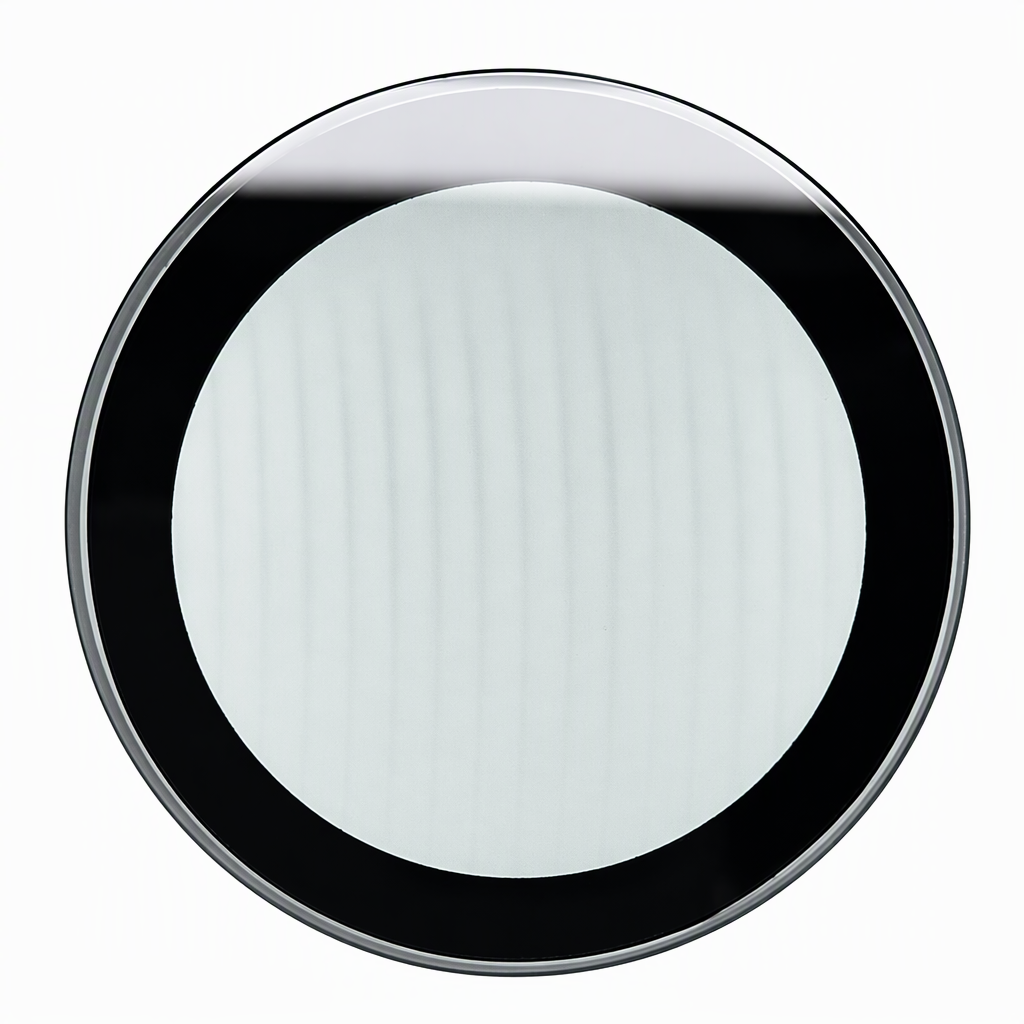
01 · Instrument Panel
Custom 3-19mm Thickness Flat Tempered Glass Panel for Instrument Use Factory Price Round Shape Printed Tempered Glass
Round or shaped flat glass with printed graphic windows, suitable for instruments, control dials, and display bezels.
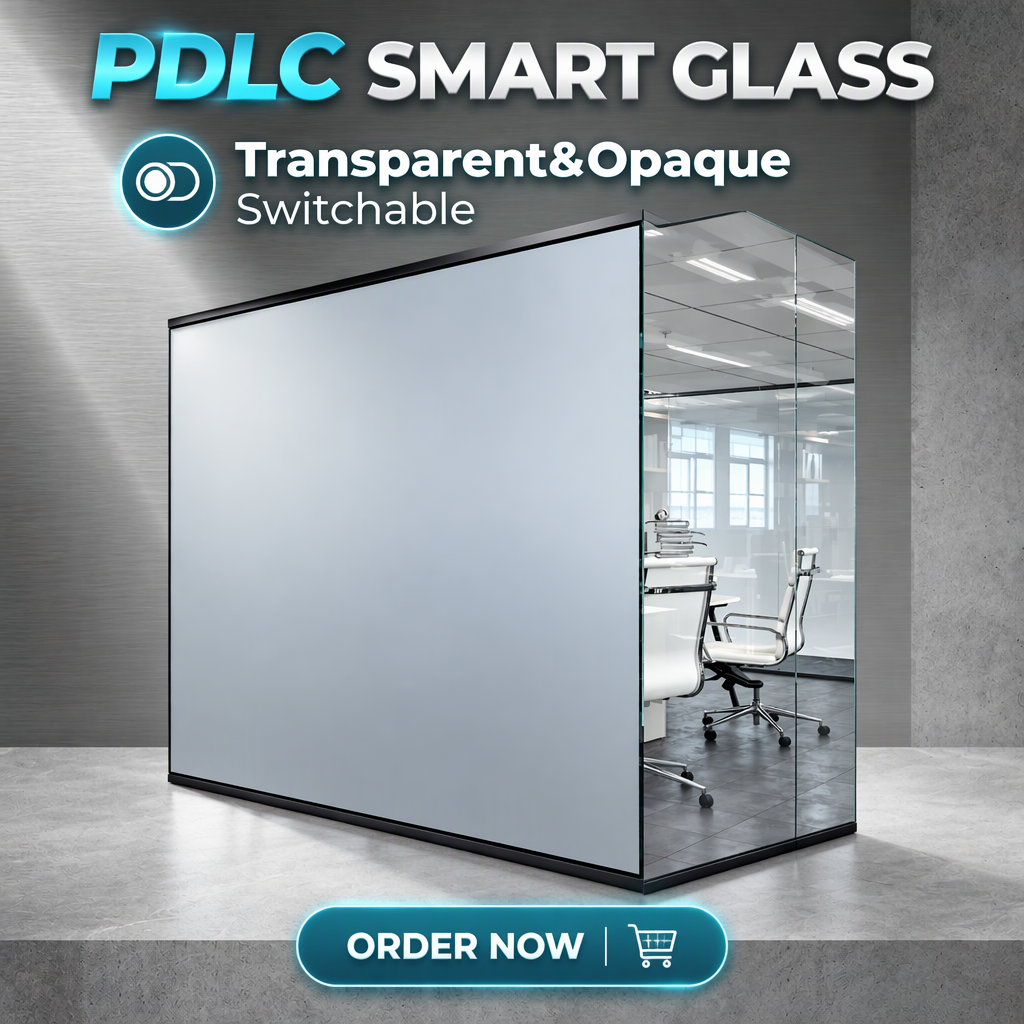
02 · Switchable Privacy
PDLC Smart Film Smart Glass Privacy Film Electrically Transparent Dimmable Glass
Electrically dimmable privacy glass for partitions, doors, and switchable display windows.

03 · Appliance Cover
Tempered Glass Panel With 3M Adhesive Tape Silk Screen Printing for Electrical Appliance Decoration Front Cover Glass
Silk-screen printed front cover glass with 3M adhesive for appliance and electronics assembly.
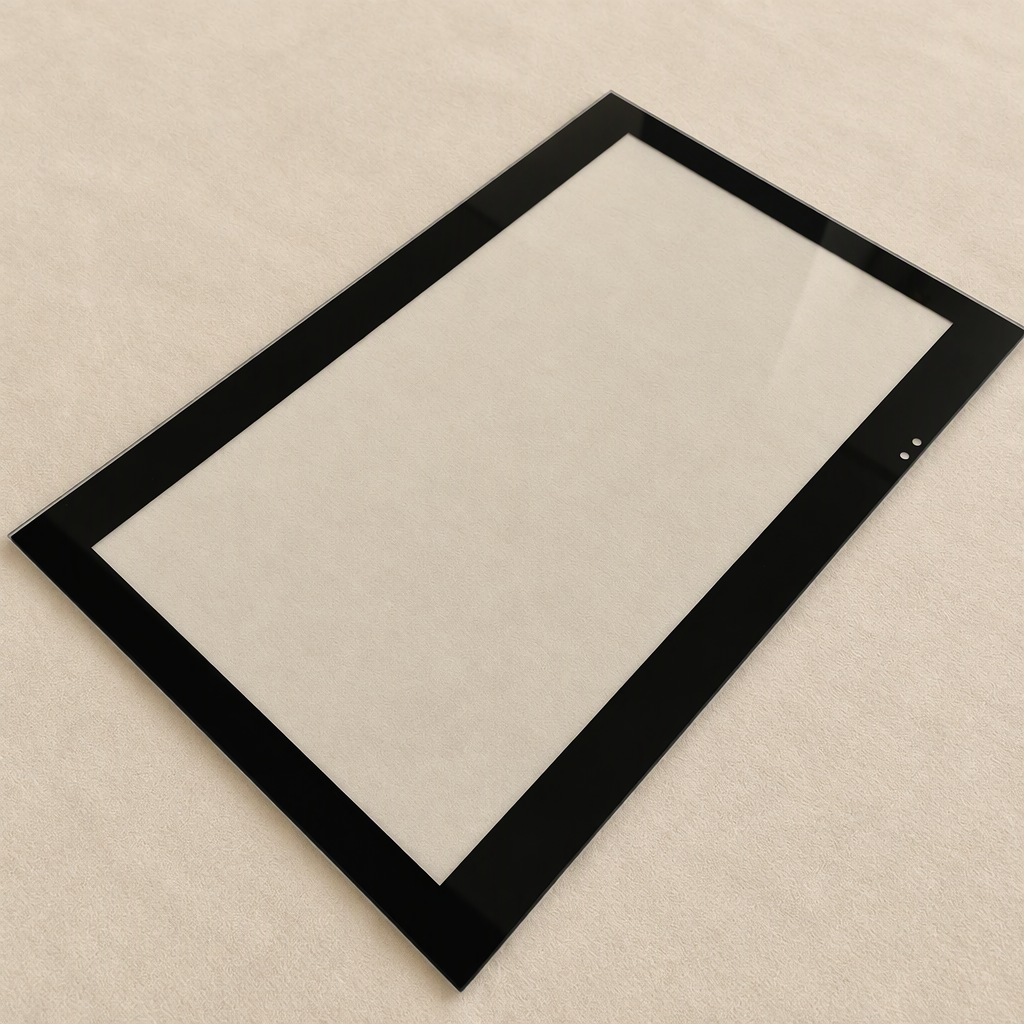
04 · Display Protection
Tempered Glass Panel Silk Screen Printed Flat Display Screen Protector Glass for LCD TV Industrial Decoration
Flat printed tempered glass for LCD TV, HMI, industrial displays and decorative cover panels.
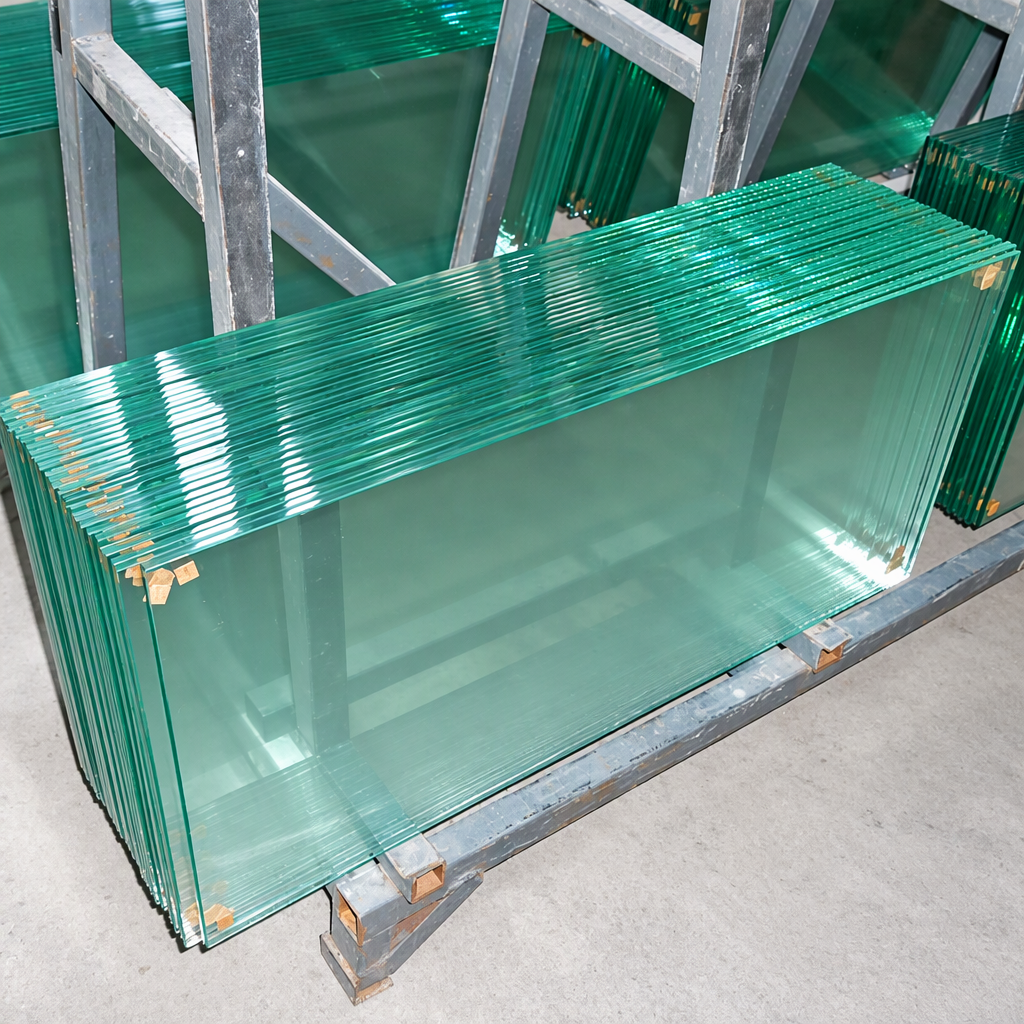
05 · Clear Float Glass
Customized Thickness and Size Clear Tempered Float Glass Panels
Custom thickness and size clear float glass, tempered for strength and clean edge finish.
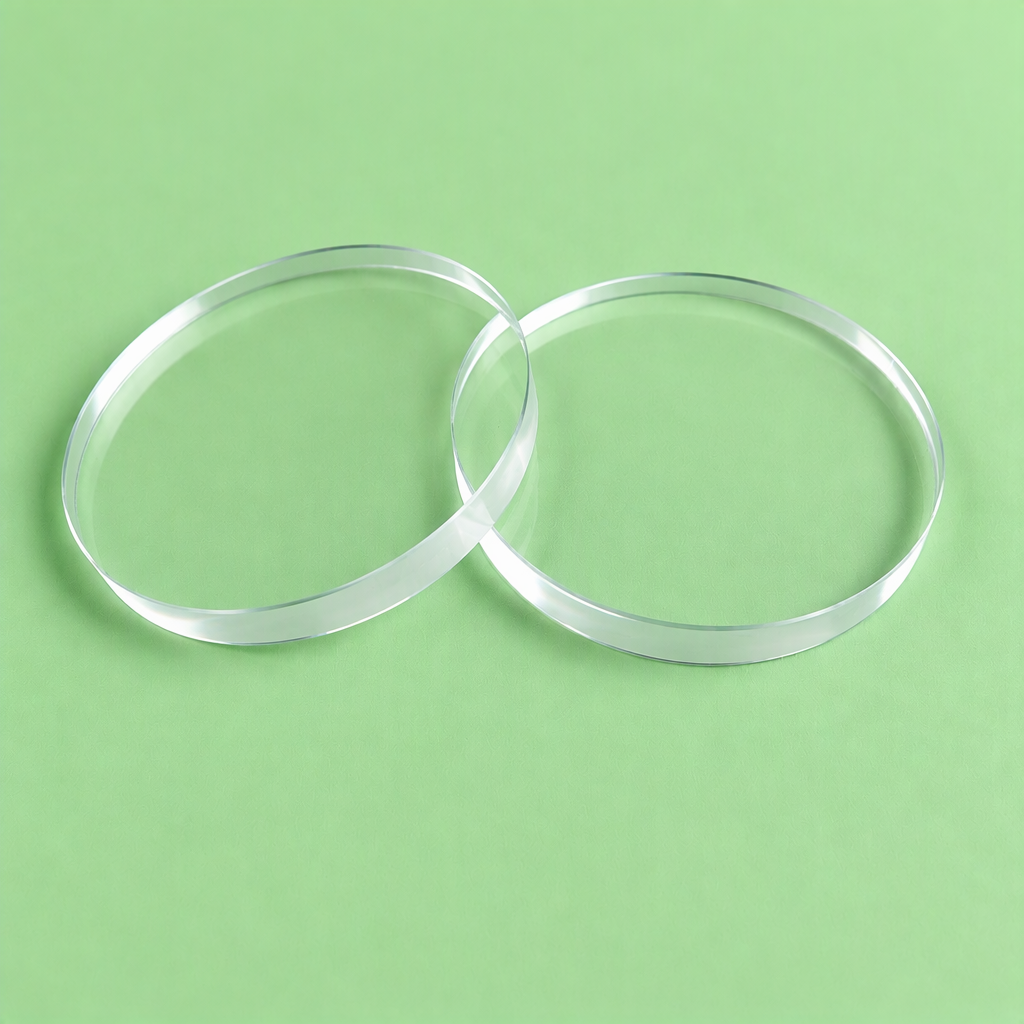
06 · Industrial Strength
High Strengthen Glass Tempered Glass Custom Size Tempered Clear Glass Panel for Industrial
Custom-size clear tempered panel for industrial machine windows and protective guards.
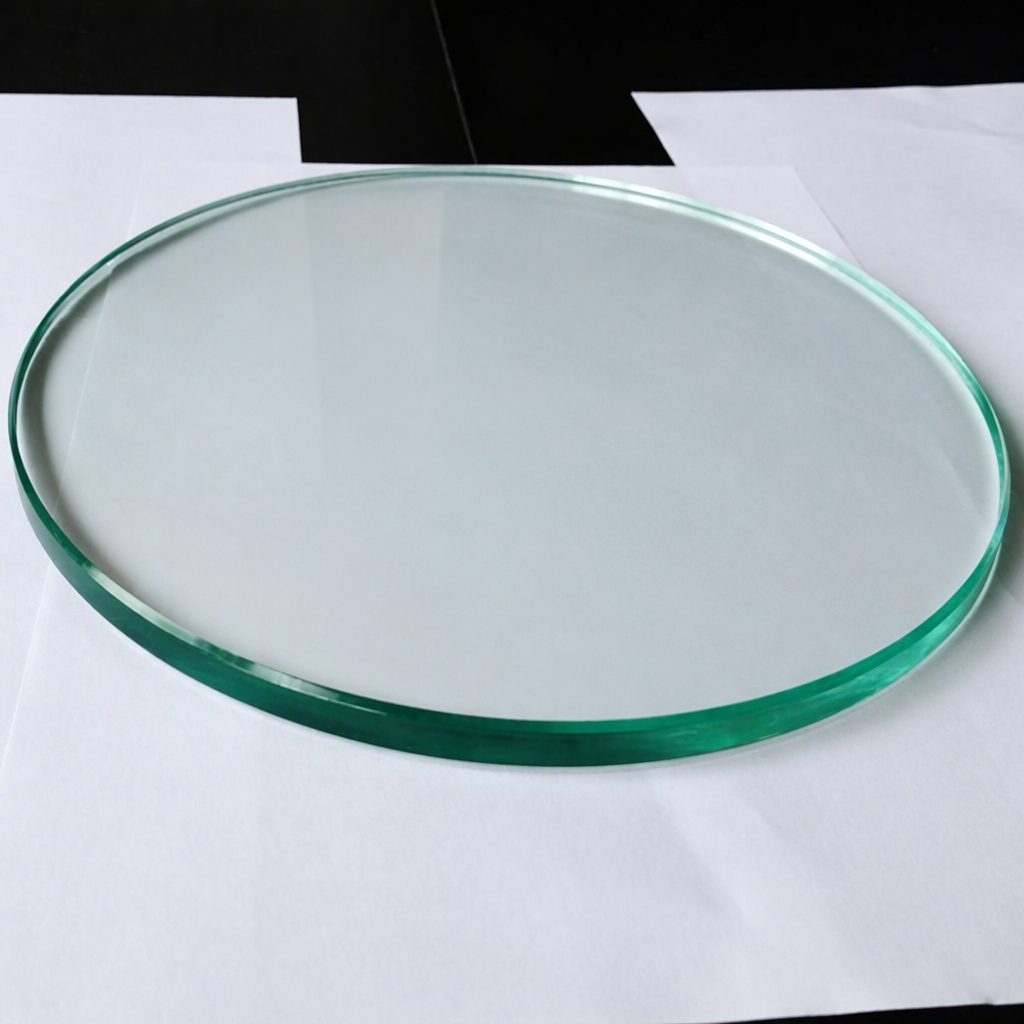
07 · Round Beveled Glass
12mm Tempered Glass Round Tempered Glass Beveled Round Glass Pieces
Round tempered glass with beveled edge for heavy-duty furniture, lighting and equipment.
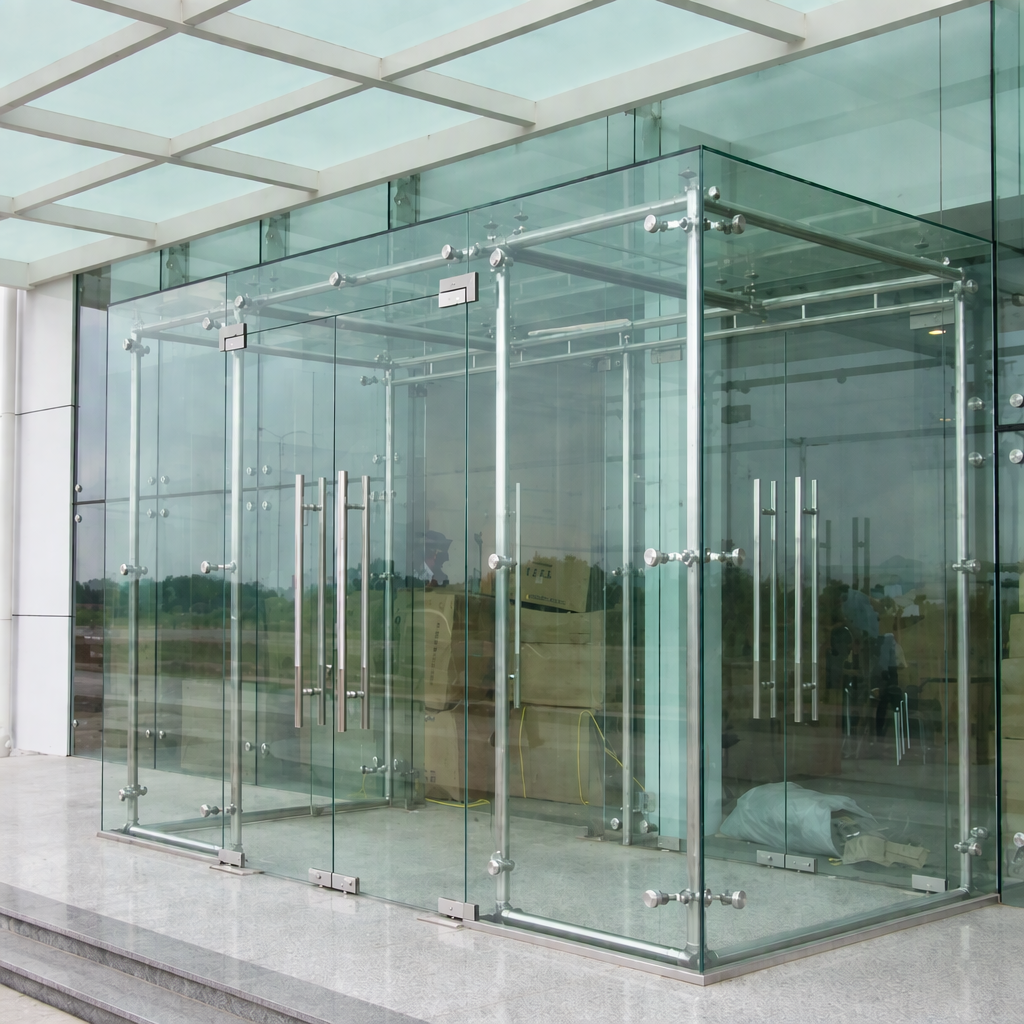
08 · Solar & High Transmission
Tempered Glass Solar Window Glass High Transmittance Clear Flat Tempered Glass
Low-iron clear flat tempered glass with high light transmittance for solar and display applications.
Supplier Signal
Qingdao Maupe Glass Co., Ltd. at a Glance
Use these data points as starting questions for an audit, not as a substitute for sample approval and factory verification.
Market Context
What Makes a China Top Tempered Glass Panel Supplier in Practice?
A search for “China top tempered glass panel supplier & suppliers” usually returns three very different business types: glass deep-processing factories, trading companies that aggregate several workshops, and component assemblers that add adhesive, sensors or frames. All three can be useful, but the qualification questions are different. For a buyer, the real question is not which company repeats the word “top” most often. It is whether the supplier can reproduce your drawing across mass production, keep print colour and flatness stable, and provide evidence that the finished panel meets the agreed inspection standard.
Tempered glass panels are deceptively simple. A finished part may involve float or low-iron glass selection, CNC cutting, edge grinding, drilling, screen printing, tempering or chemical strengthening, AR/AG/AF coating, adhesive lamination and export packing. Every extra hand-off between factories increases the risk of chipped edges, print misalignment, roller wave, coating scratches and cosmetic variation. That is why process control is the real differentiator: the supplier should be able to explain exactly which operations are done in-house and which are subcontracted.
Qingdao Maupe Glass Co., Ltd. is a practical benchmark in that comparison. Founded in 2012 in Qingdao, Shandong, the company operates as a glass deep-processing manufacturer and international supplier under an ISO 9001 quality management system. Its process chain covers cutting, edge polishing, drilling, engraving, coating, silk screen printing, physical tempering and chemical strengthening. The factory reports 8 production lines, a 3,000–5,000 m² floor area, exports to 80+ countries and an export share of 91–100% of output. For procurement teams, those numbers matter less as marketing claims than as prompts for audit questions: Which line will run my part? How is print colour approved? What is the inspection sampling plan? How are tempered panels packed for sea freight?
The strongest suppliers also make the buyer’s engineering work easier. They flag a drawing that cannot be tempered safely, recommend chemical strengthening when the glass is too thin for thermal tempering, and point out when a printed border will interfere with a touch sensor or a 3M adhesive bond. That advisory role is a practical expression of E-E-A-T: experience with real assemblies, expertise in glass processing, authority backed by verifiable certificates, and trust built through transparent inspection and shipping records.
A quick rule for the first supplier call
Ask for the process route before asking for the price. The route tells you whether the supplier understands the part.
- Shape: flat, round, stepped, countersunk, beveled or printed window.
- Strength route: physical tempering or chemical strengthening.
- Surface: clear, AR, AG, AF, printed, tinted or PDLC laminated.
- Integration: 3M adhesive, touch sensor bonding, backlight window or busbar.
- Inspection: print colour, flatness, fragment count, edge chips and packing standard.
Process Depth
Six Process Gates That Determine Panel Quality
A supplier’s equipment list matters only when each gate is connected to a written specification and an inspection method.
Glass selection and CNC cutting
Clear, ultra-clear, tinted and high-alumina sheet can all be cut and CNC-profiled, but the material choice must match strength, transmission and cost targets. For a 3–19 mm instrument panel, the cutting route, tool radius and hole positions should be agreed before tempering because post-tempering cutting is not possible without sacrificing the safety-glass condition.
Edge, hole and surface quality
Flat, pencil and beveled edges are not cosmetic details. They influence handling safety, adhesive wet-out and the risk of edge chipping during shipment. Countersunk holes, notches and engraved marks should be specified on the drawing with tolerances so that the CNC program and inspection plan can be built around them.
Silk-screen printing and colour control
Printing is often the hardest part to scale. High- and low-temperature inks, multi-colour layouts, logos, icons and hidden windows must be approved against a physical colour standard, not a screen image. A supplier should document ink type, cure schedule, scratch resistance and light-reflection behaviour for each layer.
Physical tempering
Thermal tempering is suitable for about 2 mm and thicker glass, including appliance doors, switch panels, display windows and industrial covers. The finished panel breaks into small blunt fragments, which is why it is treated as safety glass. Flatness, roller wave and fragment count should be checked against the agreed standard.
Chemical strengthening
Chemical strengthening uses ion exchange to raise surface compression in thin glass, commonly 0.5–2 mm. It is a better fit for touch covers, small electronics, wearables and optical windows where flatness and clarity matter. Because the glass is not heated to a softening point, distortion is minimal, but post-processing still needs careful planning.
AR / AG / AF coating and functional films
Anti-reflective, anti-glare and anti-fingerprint coatings change the optical and tactile performance of a panel. The RFQ should state target transmission, haze, gloss level, abrasion test and environmental exposure. For privacy applications, PDLC smart film can be laminated or supplied as switchable glass.
The best supplier is not necessarily the one with the longest equipment list; it is the one that can connect these process gates with a written inspection plan. In a factory with 8 production lines and an export share of 91–100%, the hand-off between printing, tempering and packing is where most avoidable defects are introduced.
Selection Matrix
Match the Glass Construction to the Application
Use this table to brief an engineering team before requesting samples. It helps prevent a low-cost quotation that cannot meet the final use environment.
| Application | Recommended construction | What to specify in the RFQ |
|---|---|---|
| Instrument and control panels | 3–19 mm flat tempered glass; round, rectangular or stepped shapes; printed windows; optional AG/AF coating | Edge bevel, hole tolerance, print colour, viewing-window clarity and cleaning resistance. |
| Appliance front covers | 3–6 mm tempered glass; silk-screen print; 3M adhesive tape; hidden-until-lit icons | Adhesive grade, surface energy, icon diffuser, colour target and heat exposure. |
| LCD, HMI and industrial displays | 2–6 mm tempered or chemically strengthened glass; AR/AG/AF coating; printed black border | Transmission, haze, gloss, coating durability, flatness and touch-sensor compatibility. |
| Smart privacy partitions | PDLC smart film laminated between glass or applied to a panel; electrical busbar and power supply | Privacy haze, power consumption, UV resistance, edge sealing and switching cycle. |
| Solar and high-transmittance windows | Low-iron clear float glass; flat tempered; high light transmittance | Iron content, transmittance, size, edge quality and outdoor exposure. |
| Industrial machine guards | 6–12 mm clear tempered glass; polished edges; drilled mounting holes | Impact requirement, hole position, edge finish and packing method for heavy panels. |
| Round beveled furniture or lighting glass | 12 mm round tempered glass with beveled edge | Bevel width, polish, diameter tolerance and surface protection. |
| Printed decorative covers | 3–6 mm clear or tinted glass; multi-colour print; anti-scratch coating | Colour standard, ink durability, opacity, shape and adhesive compatibility. |
Future Procurement Trends
What Buyers Will Demand from Tempered Glass Suppliers Next
Procurement is moving from price comparison to supplier-system comparison. The following shifts are already visible in OEM RFQs for custom glass panels.
Dual sourcing, one approved process window
Buyers will keep a second supplier for risk, but they will not accept two different quality windows. The RFQ package should include the approved sample, colour target, inspection method and packaging standard so that a backup factory can be qualified without restarting the learning curve.
Audit-ready documentation
Certificates alone are not enough. Procurement teams increasingly ask for scope statements, validity dates, material declarations, inspection records and change-control notices. A supplier that can send a complete document pack in one response is easier to approve and less likely to cause customs or compliance delays.
Smaller MOQs and faster sampling
Brands are testing more SKUs and regional variants, so MOQs of 10–100 pieces for custom printed panels are becoming more common in sourcing discussions. The practical advantage belongs to suppliers that can produce a functional sample quickly, keep the approved sample on file and scale the same process to repeat orders.
Total landed cost replaces unit price
Cheap panels can become expensive when edges chip, print colour drifts or packaging fails in sea freight. Buyers should compare unit price with replacement rate, inspection time, freight damage and launch delay. A stable process window is often worth more than the lowest quotation.
Traceability and defect analytics
Future supplier scorecards will ask for lot traceability from glass sheet to finished carton, plus defect categories and corrective-action records. This is especially important for appliance, medical and access-control panels where a cosmetic defect can stop an assembly line.
Compliance and ESG
RoHS and CE support market access, but buyers are adding questions about ink chemistry, waste glass, energy use and packaging reduction. A supplier that can explain its environmental controls and use eco-friendly inks is better prepared for customer audits and tender requirements.
These trends favour suppliers that combine engineering support with production control, not brokers who only pass drawings to a third party. In a white-paper procurement model, the supplier is evaluated as an extension of the buyer’s quality system.
Product Development Trends
Product Development Trends in Tempered Glass Panels
The next generation of glass panels is being shaped by display readability, touch integration, privacy control and sustainability—not by thickness alone.
Thin chemically strengthened cover glass
Thinner devices and flush interfaces are pushing demand for 0.5–2 mm chemically strengthened glass. The advantage is high strength with excellent flatness and optical quality, which matters for touch panels, wearables and compact control interfaces.
AR / AG / AF coatings as a standard option
Displays are getting brighter and environments are getting more demanding. Anti-reflective coating improves readability, anti-glare reduces harsh reflections and anti-fingerprint treatment improves the touch experience. Buyers should specify the test method, not just the coating name.
Printed touch and hidden-until-lit interfaces
Silk-screen printing is moving from decoration to function. Printed touch zones, dead-front graphics, backlit icons and sensor windows allow a glass panel to replace mechanical buttons while keeping a clean surface. Colour consistency and layer registration become critical.
PDLC and switchable privacy glass
Electrically dimmable PDLC film is gaining ground in office partitions, healthcare spaces and smart-home windows. The glass supplier must control lamination, busbar placement, edge sealing and power-supply integration so that the panel remains stable through humidity and thermal cycling.
Large-format display glass with strict flatness
Large TV, signage and industrial displays require bigger panels without optical distortion. Flatness, roller wave, coating uniformity and packing stiffness become more important as size increases. Buyers should review the handling and installation method with the glass supplier early.
Low-iron, solar and sustainability-led glass
High-transmittance low-iron glass supports solar windows and display applications where every percentage of light matters. At the same time, buyers are asking for lower packaging waste and more responsible ink and energy choices. Sustainability is becoming a product specification, not a marketing extra.
The winning product strategy is not to offer every coating on every panel. It is to match the construction to the use case, then prove repeatability with inspection data and field samples.
Company Advantages
Why Qingdao Maupe Glass Co., Ltd. Is a Practical Benchmark for OEM Buyers
A supplier profile is useful only when it can be checked. The following details come from the company’s public capability and certificate information.
Qingdao Maupe Glass Co., Ltd. was founded in 2012 in Qingdao, Shandong, and has built its export business around custom glass deep processing rather than catalogue trading. The company operates an ISO 9001 quality management system (Certificate No. 24025Q20015R1S, scope: float glass and technical glass products, valid to 02/2028), holds RoHS compliance (Certificate No. 25TYT12395, valid to 12/2030) and CE marking for tempered glass (Certificate No. 23TYT082593S, valid to 08/2028). It has also been onsite-assessed by SGS Group as a third-party inspection company.
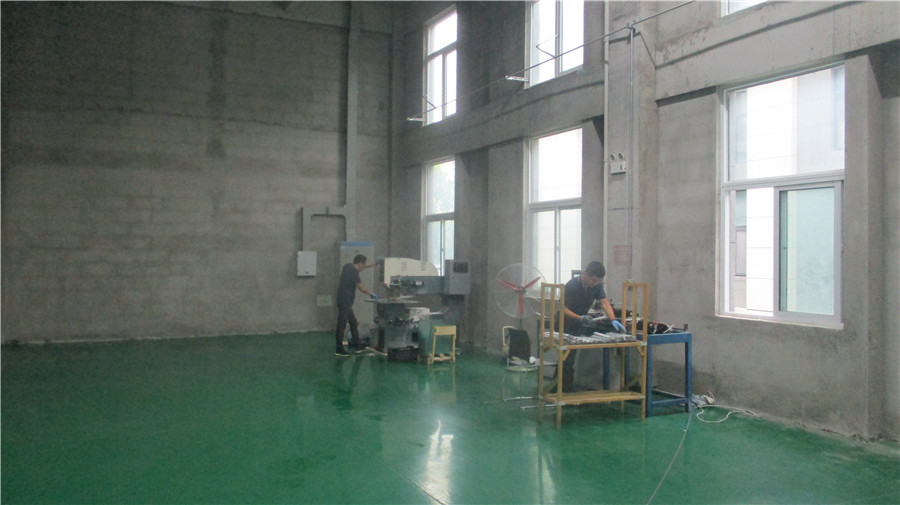
The production base is reported at 3,000–5,000 m² with 8 production lines and an export share of 91–100% of output. Products are shipped to 80+ countries across North America, Western Europe, Eastern Europe, Northern Europe, South America, the Middle East, Oceania, Africa and Asia. The factory is close to Qingdao seaport and airport, which supports sample courier, sea freight and buyer audits without long inland transfers.
The service model is OEM/ODM, with sample, design and full customization support. The company reports 10 years of OEM experience and a verified procurement contract with a Fortune 500 buyer. For buyers, the practical value is not the label itself. It is the ability to move from a 2D drawing and print artwork to a functional sample, then to a repeatable mass-production part with agreed inspection criteria.
Core processes include cutting, edge polishing, drilling, engraving, coating, silk screen printing, physical tempering and chemical strengthening. Silk-screen printing uses RoHS-compliant, eco-friendly inks in high- and low-temperature processes, producing scratch- and wear-resistant prints for displays, electronic control equipment, instrument covers, household and kitchen appliances, furniture and decorative partitions. The team can also support AR, AG and AF coatings, PDLC smart film, 3M adhesive lamination and export packaging for fragile glass panels.
For a China tempered glass panel supplier comparison, this profile is useful because it connects product breadth with process depth. A buyer can ask one supplier to review the glass type, strengthening method, print layout, coating, adhesive and packing method together. That reduces the risk of a beautiful sample that cannot be repeated at mass-production speed.
Verification and export snapshot
- ISO 9001: 24025Q20015R1S · valid to 02/2028
- RoHS: 25TYT12395 · valid to 12/2030
- CE: 23TYT082593S · valid to 08/2028
- SGS: onsite-assessed third-party inspection
- Export markets: 80+ countries
- Export share: 91–100% of output
- Terms: FOB, CIF, EXW, FAS, FCA, CPT, DDP, DDU and express
- Payments: T/T, L/C, PayPal, Western Union and cash in USD, EUR or CNY



Due Diligence
A Practical Supplier Scorecard for China Tempered Glass Panel Sourcing
Use this framework during a factory audit or desktop review. Each evidence request should be tied to the application risk, not collected as a generic file pack.
| Evaluation area | Evidence to request | Buyer risk if missing |
|---|---|---|
| Quality system | ISO 9001 certificate, scope, validity and latest audit summary | Undocumented process changes and inconsistent corrective action. |
| Product compliance | RoHS/CE reports, material declarations and test summaries | Customs delays, tender rejection or market-access problems. |
| Process integration | In-house operation list, outsourcing map and equipment capability | More cosmetic and functional variation between lots. |
| Print and coating control | Colour standard, sample approval record, ink cure record and abrasion test | Brand mismatch, coating scratches and field wear. |
| Tempering or strengthening | Fragment test, flatness data, roller-wave limit and chemical bath control | Safety, optical distortion and breakage risk. |
| Inspection and traceability | AQL plan, measurement report, lot code and corrective-action record | Repeat defects and slow containment. |
| NPI and engineering | DFM feedback, sample lead time and drawing revision control | Re-tooling, launch delay and unclear accountability. |
| Export and packaging | Packing drawing, drop/compression test, port and trade terms | Freight damage, customs issues and replacement cost. |
FAQ
Frequently Asked Questions from Tempered Glass Buyers
These are the questions that most often decide whether a sample request becomes a stable production order.
What is the minimum order quantity for custom printed tempered glass panels?
Most custom silk-screen printed panels start from 10 to 100 pieces depending on size, thickness and the number of print colours. Large-size display cover glass can start from 10 pieces. Samples are available for fit and print verification before mass production. For a first order, buyers should separate the sample quantity from the mass-production quantity so that colour approval and packaging approval do not delay the production slot.
Should I choose physical tempered glass or chemically strengthened glass?
Physical (thermal) tempering suits glass typically 2 mm and thicker, such as appliance doors, switch panels and display windows, and it breaks into small blunt fragments. Chemical strengthening suits thin glass from 0.5 mm to 2 mm, touch covers and parts that need excellent flatness and optical quality. The right choice depends on thickness, impact requirement, edge design, print process and the way the panel will be installed.
Which certifications and evidence should I verify?
Ask for the certificate number, scope and validity date, not only a logo. Qingdao Maupe Glass Co., Ltd. operates an ISO 9001 quality management system under Certificate No. 24025Q20015R1S, holds RoHS compliance under No. 25TYT12395 and CE marking under No. 23TYT082593S. The company has also been onsite-assessed by SGS Group. Buyers should confirm that the certificate scope matches the actual product and that the factory can provide inspection records for the order.
What files are needed to start a custom glass project?
Send a 2D drawing in DWG, DXF or PDF with dimensions, thickness, edge finish, hole positions and tolerances. Add print artwork in AI or PDF with colour references, and state any coating requirement such as AR, AG or AF. Also describe the intended application, annual volume, cleaning method and assembly method. If the panel will use 3M adhesive tape or a touch sensor, include the bonding area and any keep-out zones.
Which trade and payment terms are accepted?
Accepted delivery terms include FOB, CIF, EXW, FAS, FCA, CPT, DDP, DDU and express delivery. Accepted payments include T/T, L/C, PayPal, Western Union and cash, in USD, EUR or CNY. The factory is close to Qingdao seaport and airport, which helps with sample courier and bulk export. Buyers should confirm the Incoterm, packaging responsibility and insurance arrangement in the quotation before approving the order.
How do you control print colour, flatness and cosmetic quality?
Print colour should be approved against a physical standard under agreed lighting, not a screen image. The supplier should record ink type, mesh, cure schedule and layer order, then check scratch resistance and adhesion. Flatness and roller wave should be measured against the drawing or an approved limit sample. Cosmetic inspection should define the viewing distance, illumination, acceptable chip size, print pinholes and surface scratch criteria before mass production begins.
Can you support AR, AG and AF coatings and PDLC smart glass?
Yes. AR coating improves transmission and reduces reflection, AG coating creates a matte anti-glare surface, and AF coating helps resist fingerprints and smudges. For privacy applications, PDLC smart film can be supplied as electrically dimmable privacy glass. The RFQ should state target transmission, haze, gloss, abrasion test and environmental exposure so that the coating stack and lamination method can be specified correctly.
What packaging and lead-time risks should buyers plan for?
Glass panels should be packed with edge protection, interleaving material and a rigid export carton or crate. For sea freight, ask for a packing drawing, stacking limit and moisture protection. Lead time depends on size, thickness, print colours, coating, quantity and whether a new screen or sample must be approved. Buyers should schedule sample approval, mass production and freight booking as separate milestones so that a small colour change does not delay the entire shipment.
Have a Drawing or a Target Price? Start with a Manufacturability Review.
Share your 2D drawing (DWG, DXF or PDF), print artwork (AI or PDF), target quantity, application, and any coating or adhesive requirement. The review should return questions on thickness, strengthening route, edge finish, tolerance and inspection standard before a quotation is issued.
Typical RFQ package: drawing · artwork · glass type · thickness · edge finish · coating · adhesive · annual volume · target market certification.