China Wholesale Fused Silica Plate Factories & Wholesaler
Factory-direct fused silica plates, quartz windows and precision machined glass parts for semiconductor, photonics, solar and laboratory buyers across 80+ countries.
Get CatalogFused Silica & Functional Glass Parts You Can Order Today
The eight items below are drawn from the current production catalogue of Qingdao Maupe Glass Co., Ltd. The quartz line and the tempered-glass line share the same cutting, lapping, polishing and inspection equipment, so buyers routinely combine fused silica plates, quartz windows and certified covers into one purchase order.

Glass Factory Customized High Quality Transparent Display Touch Screen Glass Silk Screen 9H Hardness Industrial Screen Protector
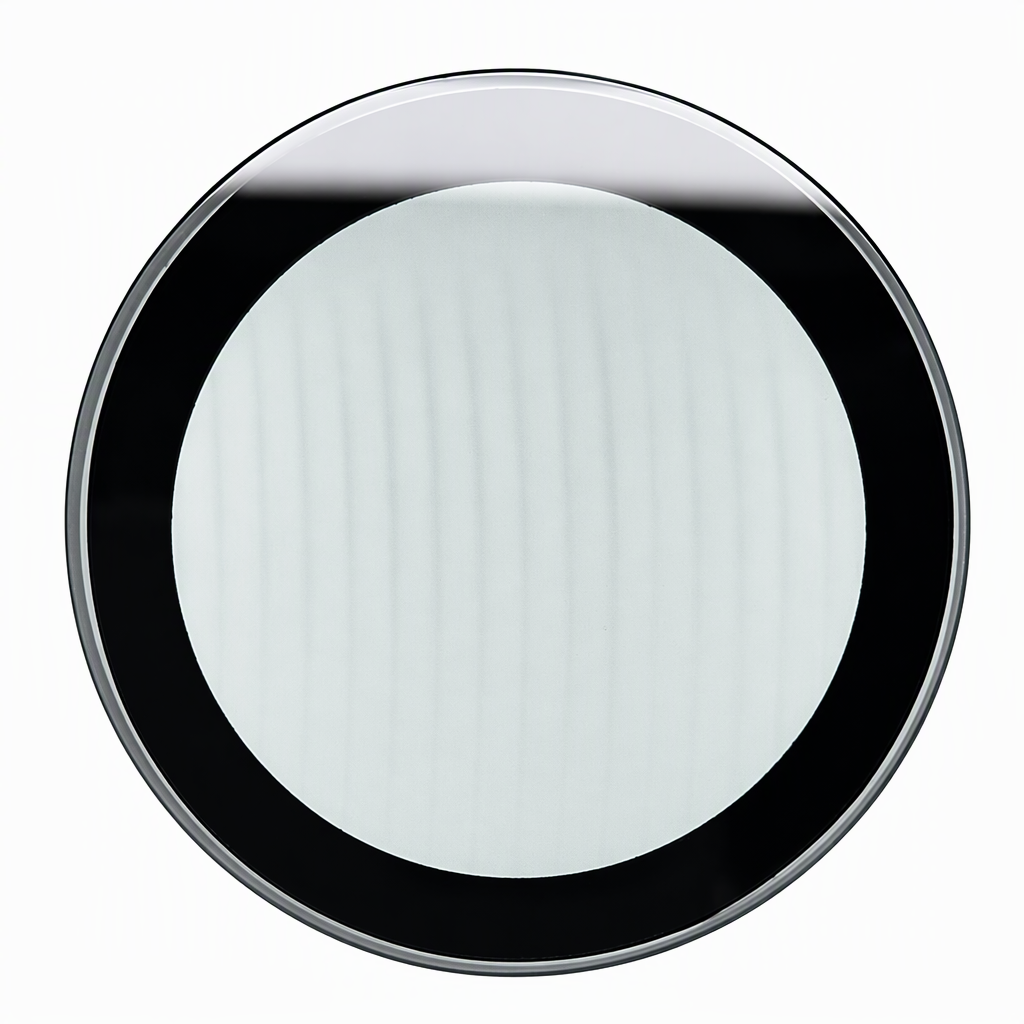
Custom 3-19mm Thickness Flat Tempered Glass Panel for Instrument Use Factory Price Round Shape Printed Tempered Glass
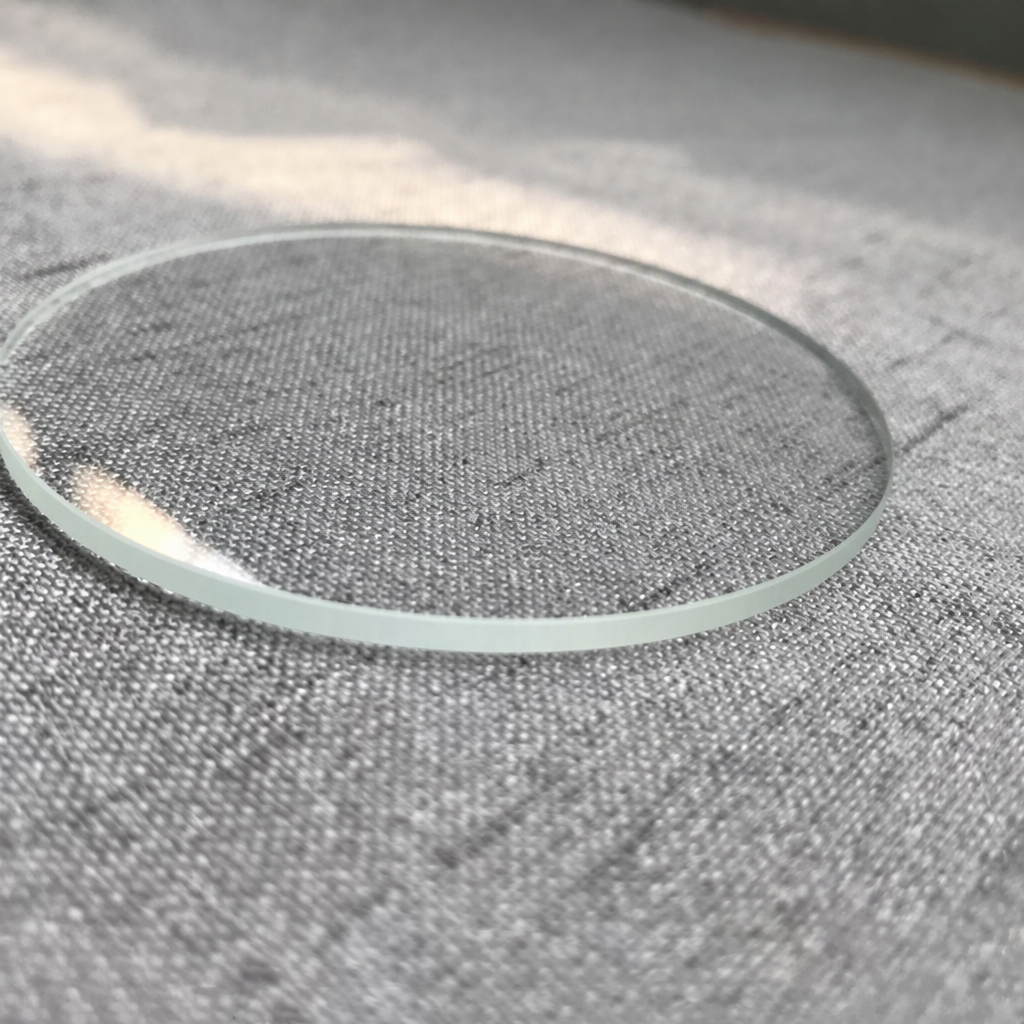
Pressure-resistant Glass Tempered Viewing Mirror Custom Size Clear Glass Panel for Industrial Workshop
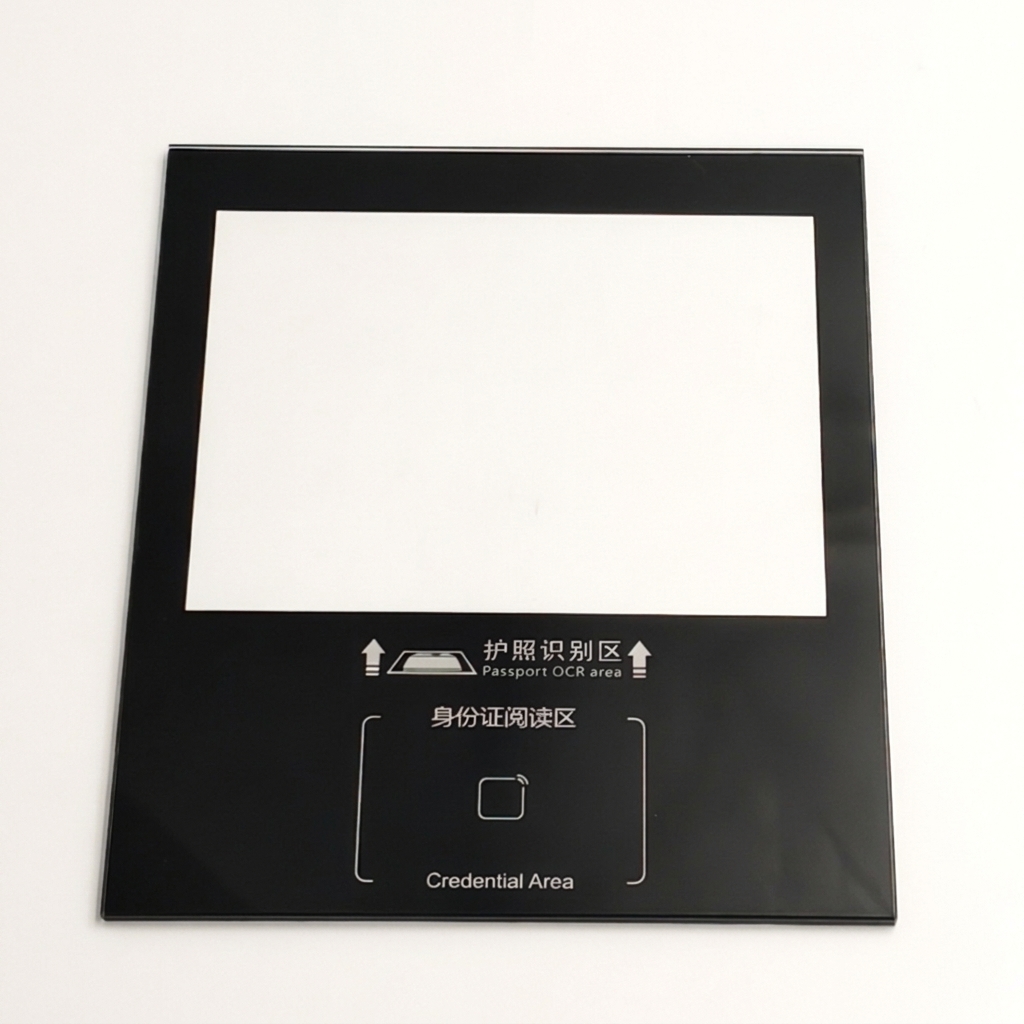
Custom Tempered Glass Protective Glass Panel Transparent Polished Display Cover Glass for Small Electronic Devices Cover

High Quality Industrial Screen Front Cover Glass Frosted Anti-glare Glass for Screen Protector

Tempered Glass Lazy Susan 50cm 60cm 70cm 90cm Lazy Susan Turntable Strengthened Glass
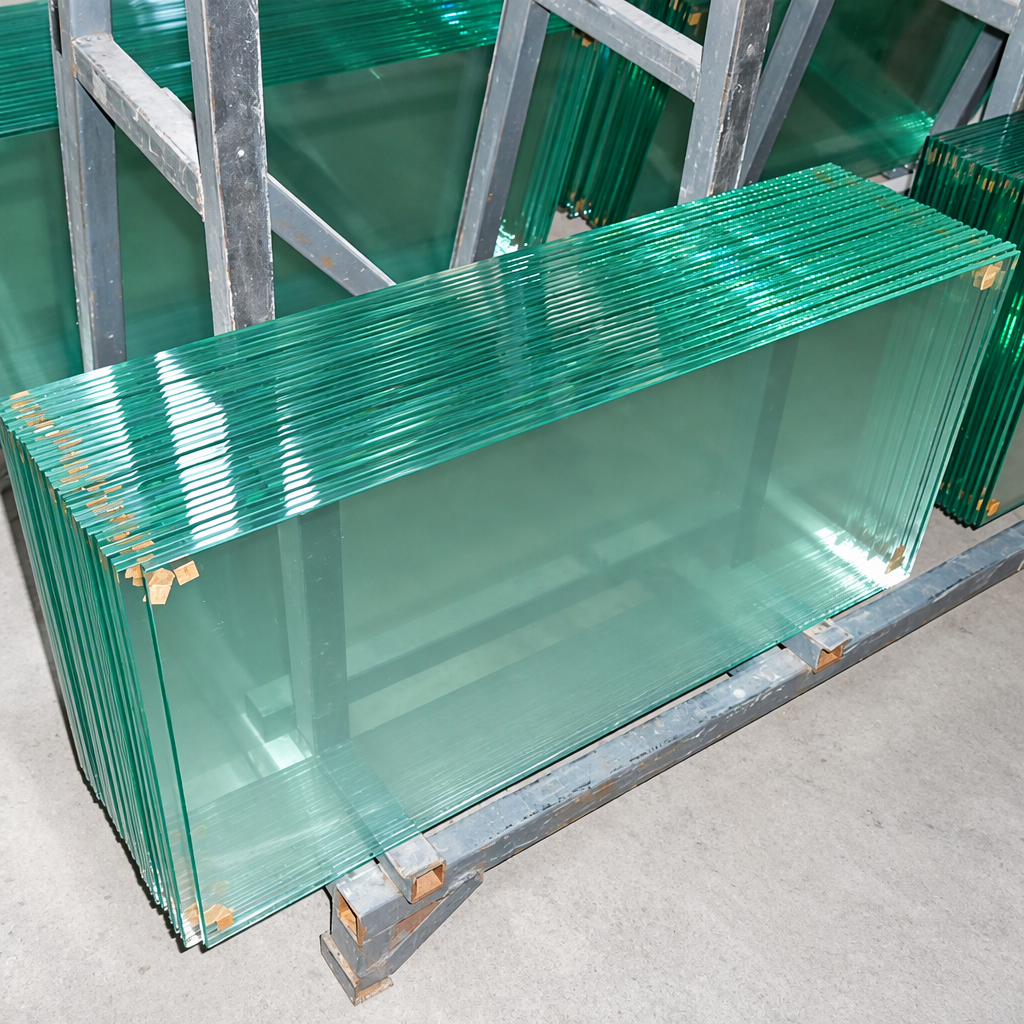
Construction & Real Estate Float Glass Factories in China Tempered Glass
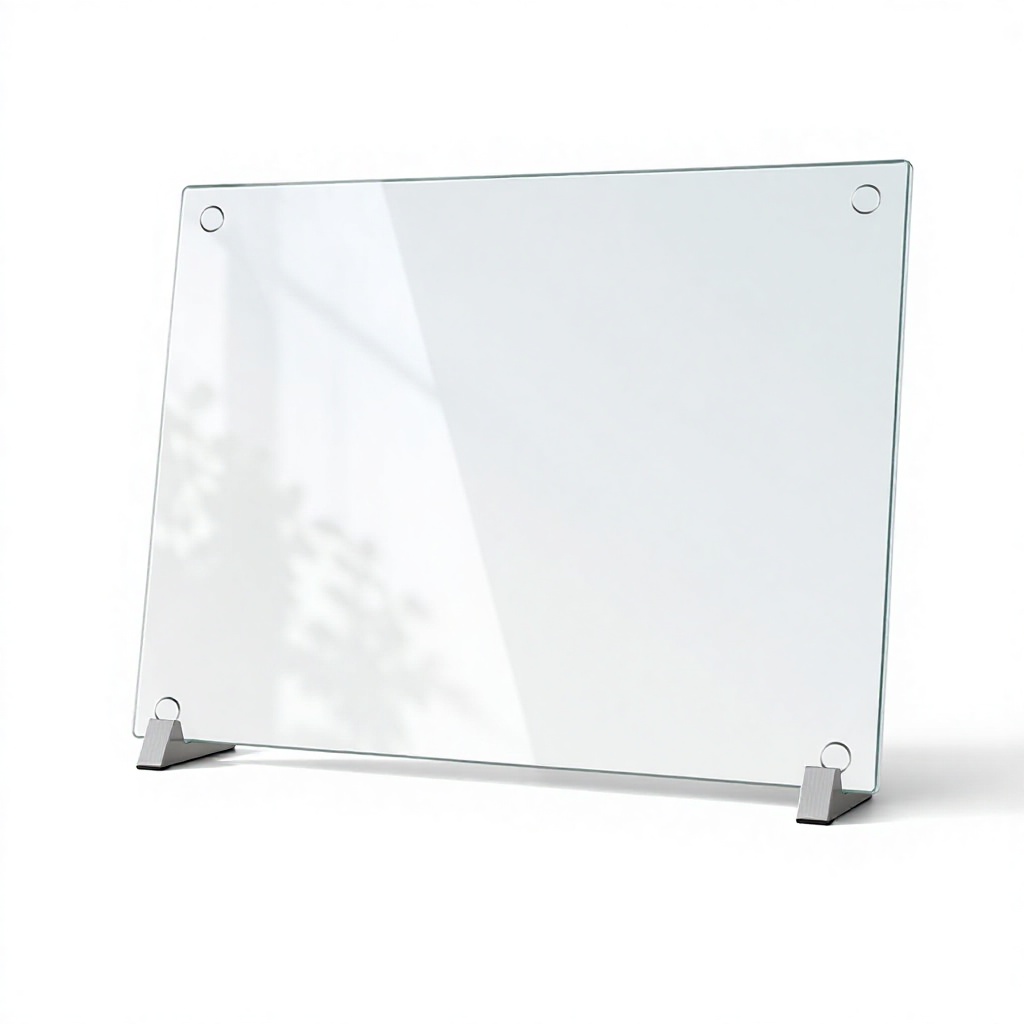
Custom Size Clear Tempered Glass Curtain Wall Panel Multi Function Print Glass Whiteboard Glass
What a Wholesale Fused Silica Plate Actually Is
Before a purchasing team compares quotations from two Chinese factories, it pays to align on the grade. "Fused silica" is used loosely in trade listings, and the price spread between grades is far larger than the spread between suppliers.
Fused silica plate is an amorphous glass produced by melting very high purity silicon dioxide until it fuses, then cooling it without allowing a crystalline lattice to form. Because the structure has no grain boundaries and almost no alkali content, the material keeps working where soda-lime or even borosilicate glass fails: 193 nm lithography optics, high-power laser windows, semiconductor furnace tubes, quartz wafer carriers, photovoltaic diffusion tubes, analytical instrument windows and laboratory ware cycled above 1,000 °C.
Buyers actually meet two families, and they are not interchangeable:
- Fused quartz — melted from natural quartz sand or rod in an electric furnace. Lower cost, good UV transmission down to roughly 250 nm, the workhorse grade for tubes, plates and windows.
- Synthetic fused silica — produced by flame hydrolysis of a silicon precursor. Higher purity, deeper UV transmission, no metallic impurity absorption bands; specified for DUV lithography, excimer laser optics and high-end spectroscopy.
Within each family, hydroxyl (OH) content is the second decision. Standard grades carry roughly 150–400 ppm OH, low-OH grades sit below 10 ppm and dry or zero-OH grades are specified when infrared absorption near 2.7 µm or dimensional stability under thermal cycling matters.
For a wholesale order, the practical specification set is purity, OH content, thickness tolerance, surface quality (scratch/dig), flatness, and edge finish. Everything else — packaging, lead time, trade terms — is negotiated around those six numbers.
| Parameter | Typical Wholesale Grade |
|---|---|
| SiO₂ purity | 99.95% – 99.99% |
| OH content | <10 ppm to 200 ppm |
| Density | 2.20 g/cm³ |
| CTE (0–300 °C) | 0.55 × 10⁻⁶/K |
| Softening point | ≈1,665 °C |
| Max continuous service | 1,100 °C |
| Dielectric constant (1 MHz) | 3.82 |
| Thickness range | 0.5 mm – 100 mm |
| Standard plate formats | 200 × 200 mm to 1,000 × 1,200 mm |
| Typical tolerance | ±0.05 mm thickness / ±0.2 mm outline |
Values are indicative ranges for commercial plate and window grades; confirm the exact data sheet against your optical or thermal model before releasing a purchase order.
Fused Silica vs. Borosilicate vs. Tempered Soda-Lime
Most sourcing errors come from substituting one material for another to hit a cost target. The comparison below shows where the trade-off actually sits.
| Property | Fused Silica Plate | Borosilicate 3.3 | Tempered Soda-Lime |
|---|---|---|---|
| CTE (×10⁻⁶/K) | 0.55 | 3.3 | 8.5 – 9.0 |
| Max service temperature | 1,100 °C | ≈500 °C | ≈250 °C |
| Deep UV transmission (<250 nm) | Excellent | Poor | None |
| Thermal shock resistance | Best in class | Good | Moderate |
| Breakage pattern | Large fragments | Large fragments | Small blunt fragments |
| Relative material cost | Highest | Medium | Lowest |
| Best fit | Semiconductor, laser, lab, high-temperature | Lab ware, sight glasses, lighting | Appliance panels, displays, architectural |
Rule of thumb used by our engineers: if the part has to survive repeated cycles above 600 °C, transmits below 300 nm, or must not contaminate a process environment, specify fused silica. If it only needs mechanical protection and a printed graphic, tempered soda-lime delivers the same function at a fraction of the cost.
Four Shifts Reshaping Fused Silica Plate Buying Habits
What purchasing teams told us during 2024–2025 audits, and what it means for the next three buying cycles.
Factory-Direct Sourcing
Buyers are shortening the chain from three intermediaries to one manufacturer. Direct factory contact brings drawing-level engineering feedback, faster sample loops and full batch traceability instead of a resold certificate.
Semiconductor & PV Pull
Regional fab build-outs continue to absorb qualified quartz capacity. Allocating annual volumes, and booking capacity rather than finished stock, is now the norm for wafer carriers, furnace tubes and process windows.
Traceability First
Certificate of analysis, bubble and inclusion class, refractive index homogeneity and lot number are now requested with the quotation — not after delivery. Suppliers that cannot produce a batch record are being filtered out early.
Dual-Source & De-risking
Two approved suppliers per part number has become standard practice. Buyers split volume between a primary and a backup plant, and validate the backup with a small qualification lot before the primary is ever at risk.
Where Fused Silica Plate Specifications Are Heading
Design requests arriving at our engineering desk show four clear directions for the next product generation.
Low-OH & Dry Grades
Growing demand for sub-10 ppm OH plate as IR spectroscopy, high-power laser delivery and precision metrology move into mainstream production lines rather than remaining niche laboratory purchases.
Thinner and Larger
Requests cluster at 0.5–1.1 mm for wafers and sensor lids, and at 800 × 1,000 mm and above for furnace and process-chamber components, forcing suppliers to invest in larger lapping and polishing platforms.
Coated & Metallised
AR, ITO and metal-seal coatings applied in-house reduce the number of vendors per part. Buyers increasingly award the full stack — substrate, coating and metallisation — to a single qualified supplier.
Laser Cutting & Fine Edges
Laser processing replaces saw-and-grind for thin plate, cutting micro-cracks and edge chipping while enabling tighter outline tolerance and cleaner downstream coating adhesion.
One Plant, the Whole Process Chain
Cutting, edge work, printing, strengthening and coating stay under one roof. That shortens lead time and keeps tolerance and colour consistency traceable from raw sheet to packed carton.
Precision Cutting & CNC Shaping
Straight, round and special-shaped parts profiled from clear, ultra-clear, tinted and high-alumina sheet, with drawings reviewed for manufacturability before tooling.
Edge Polishing, Drilling & Engraving
Flat, pencil and bevelled edges, safety corners, countersunk holes, notches and engraved markings for clean assembly and safe handling.
Silk Screen Printing
Eco-friendly high- and low-temperature inks, multi-colour layouts, logos, icons and touch zones, finished with a scratch- and wear-resistant surface.
Physical (Thermal) Tempering
Heat-strengthened safety glass for appliance doors, switch panels and display windows that must resist impact, heat and repeated cleaning.
Chemical Strengthening
Ion-exchange strengthening for 0.5–2 mm cover glass, where flatness, optical clarity and surface compression all have to be delivered together.
AR / AG / AF Surface Coating
Anti-reflective, anti-glare and anti-fingerprint treatments for readable screens in bright, industrial, medical and outdoor environments.
Why Buyers Shortlist Qingdao Maupe Glass Co., Ltd.
Founded in 2012 in Jiaozhou, Qingdao, Shandong, Qingdao Maupe Glass Co., Ltd. is a glass deep-processing manufacturer and international supplier working under an ISO 9001 quality management system. Our core business is turning flat glass and quartz sheet into finished functional parts: cutting, edge polishing, drilling, engraving, coating, silk screen printing, physical tempering and chemical strengthening.
The plant has been onsite assessed by SGS Group as a third-party inspection supplier, holds verified procurement contracts with Fortune 500 buyers, and has accumulated more than ten years of OEM and ODM experience. Output is 91–100% export oriented, serving customers in over 80 countries across North and South America, Europe, Oceania, the Middle East, Africa and Asia.
Eight production lines operate inside a 3,000–5,000 m² floor area. Because the factory sits close to Qingdao seaport and Qingdao airport, export logistics stay simple and visiting buyers can combine a factory audit with shipment inspection in a single trip. Accepted delivery terms include FOB, CIF, EXW, FAS, FCA, CPT, DDP, DDU and express; accepted payments include T/T, L/C, PayPal, Western Union and cash in USD, EUR or CNY.
Typical minimum order quantities run from 10 to 100 pieces depending on size, thickness and print complexity, and pre-production samples are available for fit, colour and optical verification before mass production begins.




From Drawing to Delivery in Five Controlled Steps
A transparent workflow, so purchasing, engineering and quality teams know exactly what happens at each stage.
Drawing Review
Engineers check manufacturability, tolerance and the correct strengthening route.
Sampling
Screens and samples are produced for fit, colour and optical verification.
Mass Production
Cutting, edging, printing and tempering across eight production lines.
Quality Inspection
Incoming material and finished goods are inspected before packing.
Export Shipping
Protective export packing via Qingdao port, FOB, CIF, DDP and more.
Questions Buyers Ask Before Placing an Order
What is the minimum order quantity for fused silica plate and custom glass parts?
Can one supplier handle both standard fused silica plate and bespoke cut parts?
Should I specify physical tempered or chemically strengthened glass for my cover part?
Which certifications and inspection documents does the factory hold?
What files do I need to send to start a custom project?
Which trade and payment terms are accepted, and how long is lead time?
Have a Drawing or a Specification Sheet Ready?
Send your dimensions, thickness, OH content, surface quality and annual volume. Our engineering team will return manufacturability feedback, a grade recommendation and a factory-direct quotation — usually within one working day.
Get Catalog