8 Custom Glass Products Frequently Specified With Fused Silica Windows
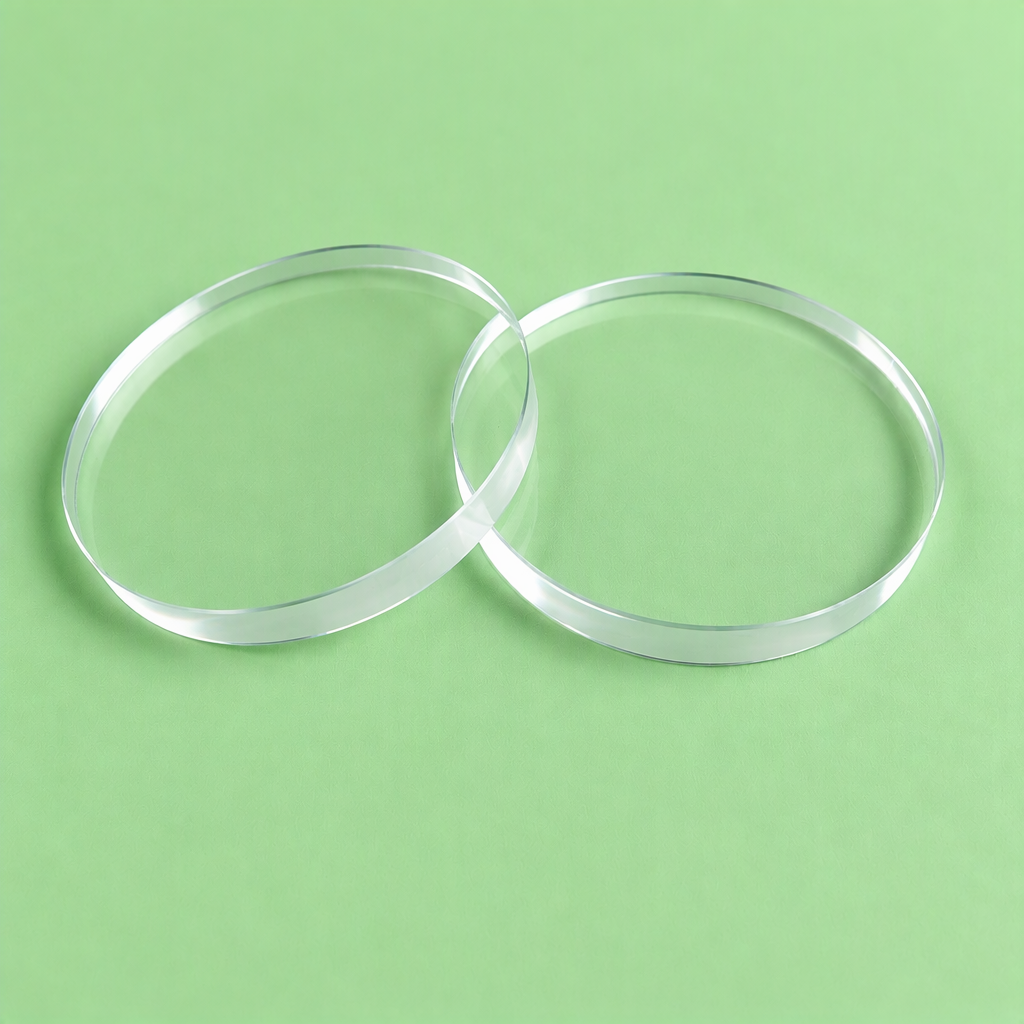
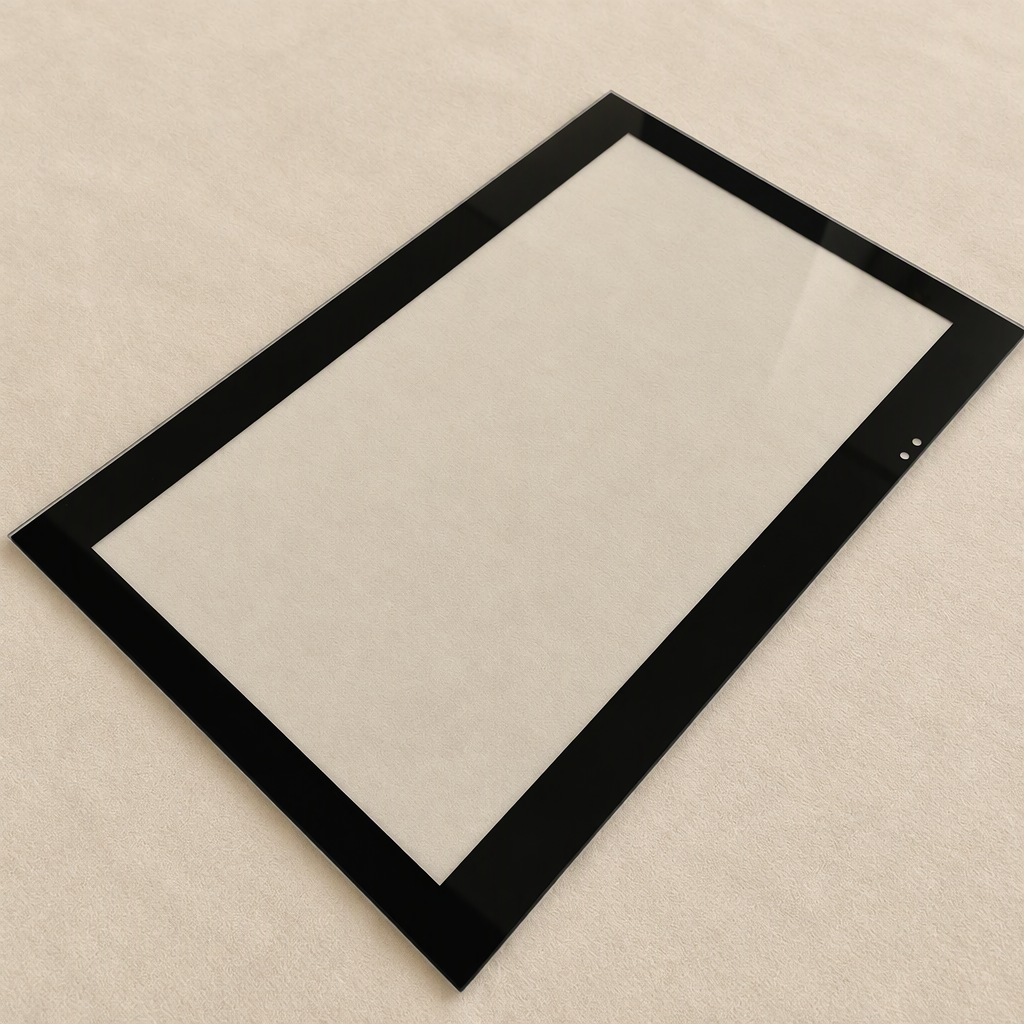
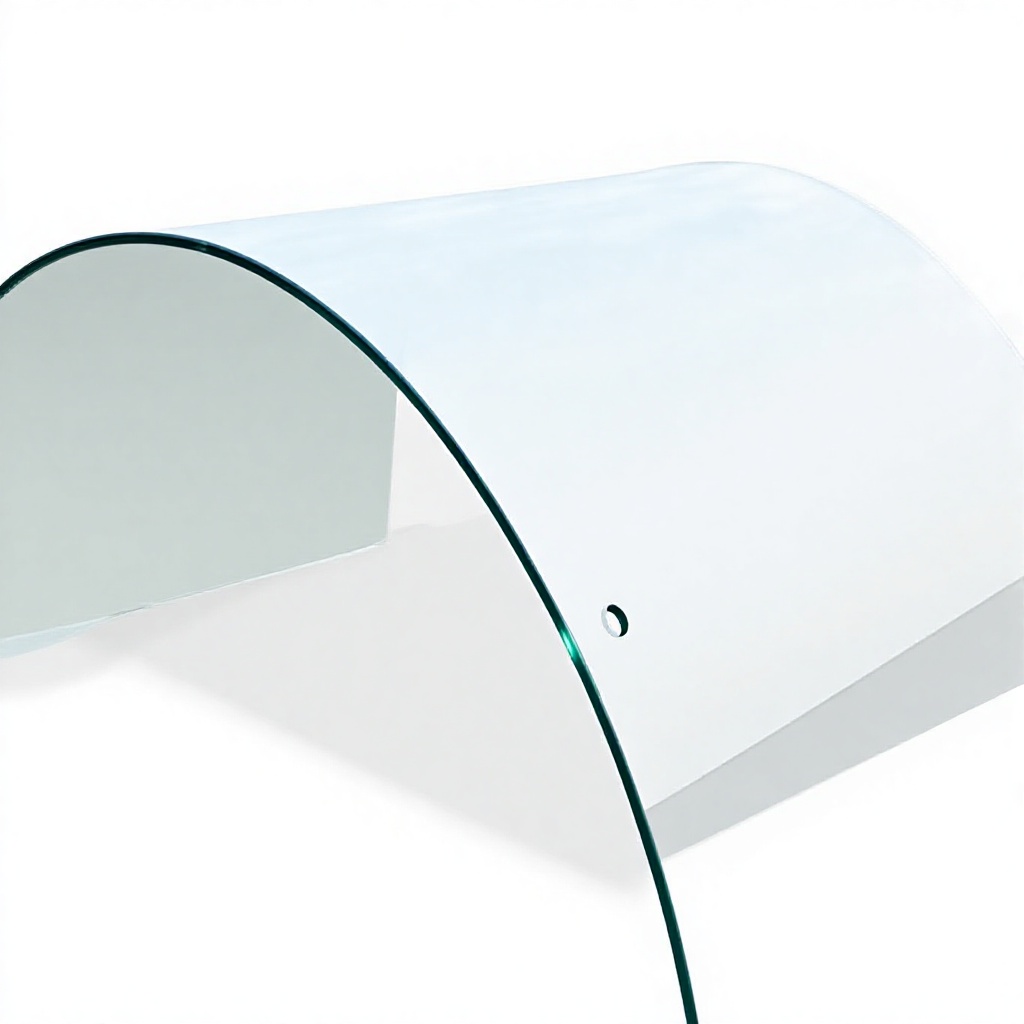
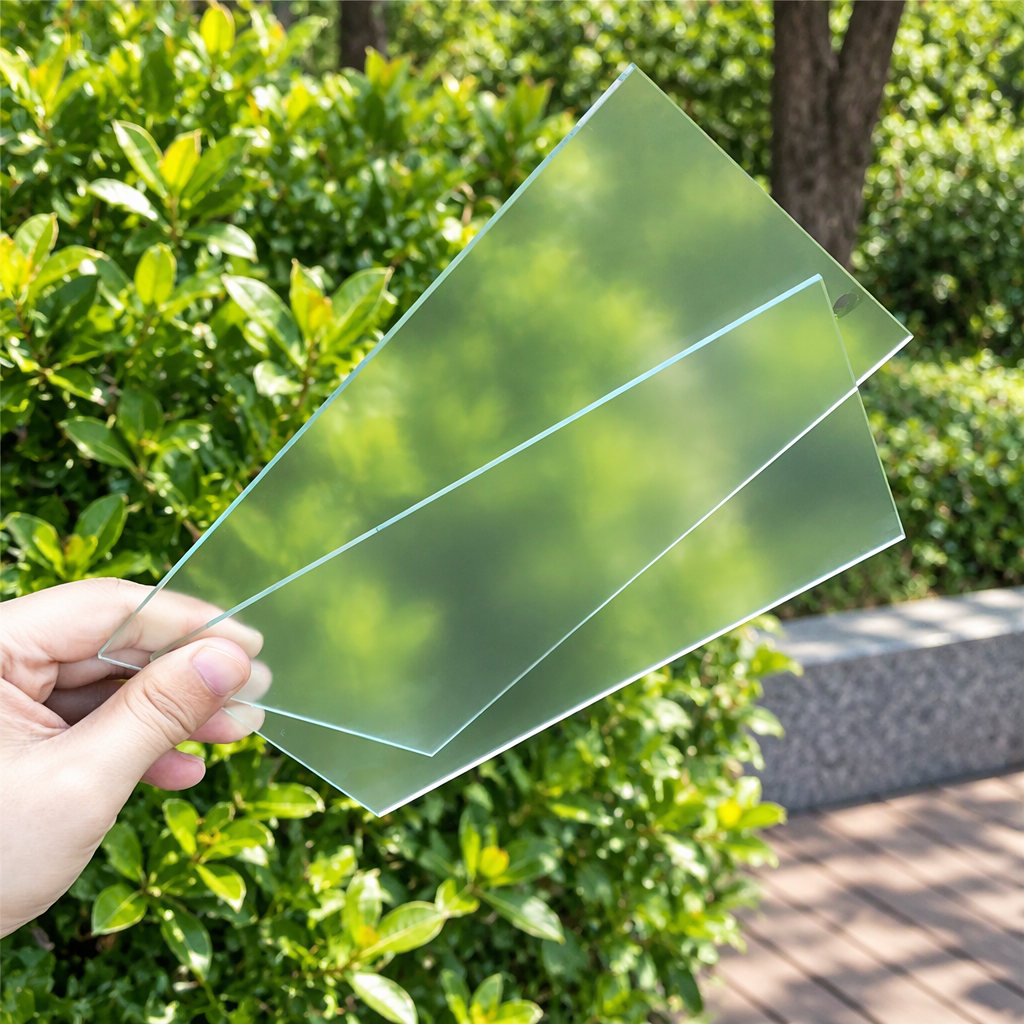
The fused silica window supply chain is rarely a single component. Buyers sourcing from China wholesale fused silica window manufacturers and exporters often need protective covers, printed display panels, anti-glare windows, touch glass and heat-resistant components in the same bill of materials. The eight product families below show the cutting, silk-screen printing, tempering, coating and inspection depth behind Maupe’s technical glass production.


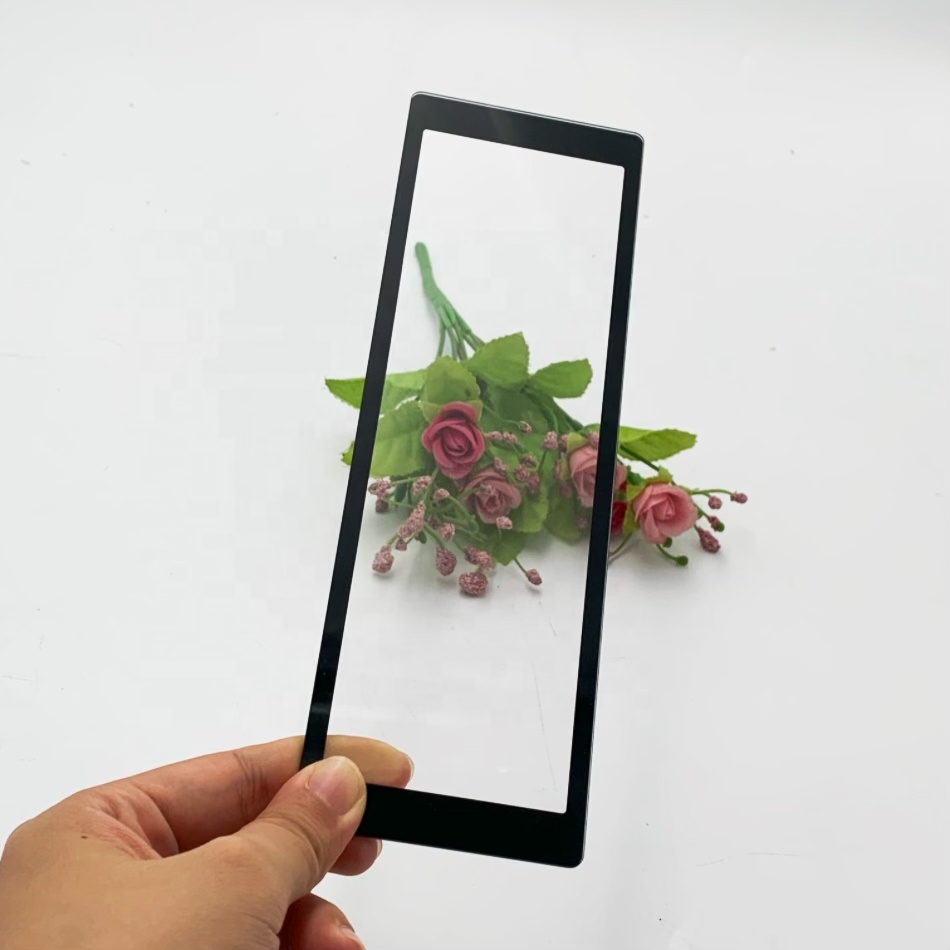
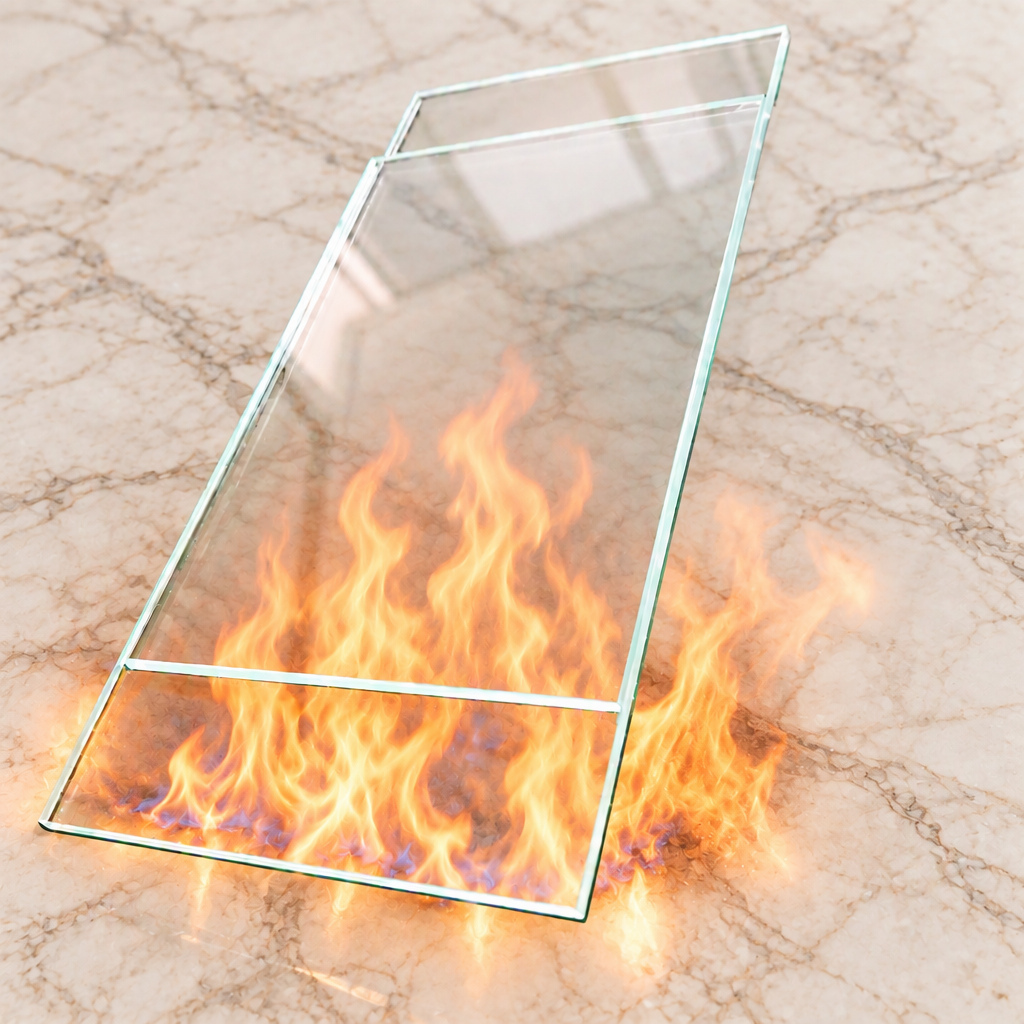
China Wholesale Fused Silica Window Sourcing: An Engineering-Led View
A fused silica window is not a commodity glass pane. In UV lithography, laser delivery, spectroscopy, thermal imaging, UV curing, high-temperature viewports and precision measurement, the window can influence transmission, wavefront quality, thermal stability, cleanliness and service life. Buyers comparing China wholesale fused silica window manufacturers and exporters should therefore evaluate material grade, OH content, flatness, coating stack and traceability, not only the unit price.
Qingdao Maupe Glass Co., Ltd. has served OEM buyers since 2012 with custom glass deep-processing: cutting, CNC shaping, edge polishing, drilling, engraving, silk-screen printing, physical tempering, chemical strengthening and AR/AG/AF coating. For fused silica window programs, the same process discipline applies to incoming material verification, edge-chip control, cleaning, coating compatibility and final inspection. The company operates an ISO 9001 quality management system, holds RoHS and CE certificates, and has been onsite-assessed by SGS Group as a third-party inspection company.
The most common information gap in a first quotation is not the price. It is the absence of a measurable specification. A quote that says only “fused silica window, clear, 5 mm” is not enough for engineering approval. A buyer should request the material grade and certificate of analysis, OH content, bubble and inclusion class, transmission curve, flatness and parallelism method, edge-chip criteria, cleaning standard and packaging validation.
- Material grade and certificate of analysis, not only the generic term “fused silica”.
- OH content, bubble and inclusion class for UV, laser or IR operation.
- Transmission target with and without AR coating, including wavelength range.
- Flatness, parallelism, surface quality, chamfer and edge-chip limits.
- Cleaning, packaging and lot traceability requirements for incoming inspection.
Buyer qualification priorities
Indicative weighting for high-performance fused silica window projects. Confirm final priorities against your application.
Fused Silica Window Development Trends to Watch
Customer drawings are moving toward tighter optical performance, larger apertures, integrated coatings and stronger documentation. These trends affect both product design and supplier qualification.
Deep-UV and UV-grade transmission
Semiconductor, UV curing and analytical instruments increasingly specify low-OH or high-OH fused silica grades with documented transmission from the deep UV region. The grade must be matched to wavelength, not just described as “clear”.
Larger apertures with high flatness
Large fused silica windows are being requested for laser systems, optical benches and inspection equipment. Larger sizes make flatness, thickness tolerance, handling and packaging more critical than on small windows.
Laser-grade low absorption
Laser windows require low absorption, low fluorescence and controlled inclusions. Buyers are asking for material certificates, lot traceability and inspection records rather than visual checks alone.
AR, AG, AF and ITO coating stacks
Coated windows are becoming assemblies rather than bare glass. Anti-reflective, anti-glare, anti-fingerprint and conductive coatings must be specified by wavelength, adhesion, abrasion and environmental test requirements.
Integrated edge finishing and mounting
Customers want windows that drop into a fixture with less rework. Chamfers, step edges, holes, notches, edge blackening and protective frames are increasingly reviewed together with the optical surface.
Inspection data and lot traceability
Quality teams increasingly require dimensional reports, transmission data, coating thickness, surface inspection criteria and packing records. Traceability is becoming part of the product, not an after-sales file.
How Global Buyers Will Purchase Fused Silica Windows Next
Procurement teams are shifting from lowest-piece-price sourcing to risk-balanced sourcing. The following trends are especially relevant for buyers working with China wholesale fused silica window manufacturers and exporters.
Dual sourcing and qualified backup
Single-source supply is less attractive for critical optical windows. Buyers are qualifying a primary and backup supplier, or asking one supplier to document a repeatable process that supports capacity expansion.
Total landed cost over unit price
Freight, packaging, inspection, rework and replacement costs can exceed the difference in unit price. Experienced buyers compare total landed cost, including breakage risk and transit protection.
Early supplier involvement
Suppliers are being brought into the design stage to review material grade, window size, coating feasibility and mounting before drawings are frozen. This reduces tooling changes and sample loops.
PPAP-style documentation
More buyers request dimensional reports, material certificates, control plans, inspection standards and packaging validation before mass production. Digital documents shorten approval cycles for overseas engineering teams.
ESG and material traceability
Cleanroom, medical and semiconductor buyers increasingly ask about material origin, restricted substances, process cleanliness and lot control. RoHS and material declarations are becoming baseline requirements.
Hybrid inventory and shorter lead times
Buyers want faster sampling without carrying excessive stock. Suppliers that can support small prototype lots, then scale to repeat orders, have an advantage in high-mix optical and industrial programs.
Fused Silica vs Borosilicate vs Tempered Glass
Substitution is not automatic. The table below gives a procurement-level comparison; final selection must be confirmed with your optical, thermal and safety requirements.
| Consideration | Fused Silica Window | Borosilicate Window | Physically Tempered Glass |
|---|---|---|---|
| Typical use | UV, laser, high-temperature viewports, precision optical windows | Laboratory windows, sight glasses, general heat-resistant covers | Appliance panels, display windows, industrial guards, decorative covers |
| UV transmission | Excellent when the correct grade is selected | Limited below approximately 300–350 nm | Not recommended for deep-UV transmission |
| Thermal shock | Very high; suitable for demanding thermal cycles | Good for many lab and industrial applications | Moderate; safety-glass breakage pattern but not a high-purity optical material |
| Coefficient of thermal expansion | Very low, approximately 0.5 × 10⁻⁶ /K depending on grade | Approximately 3.3 × 10⁻⁶ /K | Comparatively high; not ideal for precision optical stability |
| Breakage pattern | Brittle optical-glass fracture; edge quality is critical | Brittle fracture; thermal stress must be controlled | Small blunt fragments when fractured, depending on design |
| Coating options | AR, AG, AF and application-specific optical coatings | AR and protective coatings possible | AR, AG, AF and printed graphic layers |
| Best fit | High-purity optical, UV, laser and high-temperature windows | Economic heat-resistant and laboratory windows | Protective covers, printed panels, touch glass and appliance fronts |
Why Global Buyers Shortlist Qingdao Maupe Glass Co., Ltd.
Founded in 2012 in Qingdao, Shandong, Qingdao Maupe Glass Co., Ltd. is an export-oriented glass deep-processing manufacturer and international supplier. Its production experience, certifications and process breadth support buyers seeking a reliable China wholesale fused silica window manufacturer and exporter.
Since 2012 with export focus
More than a decade of OEM/ODM experience in custom glass processing, with 91–100% of output exported to international markets.
ISO 9001 quality system
Process control covers incoming material inspection, in-process checks and finished-product inspection before export packing.
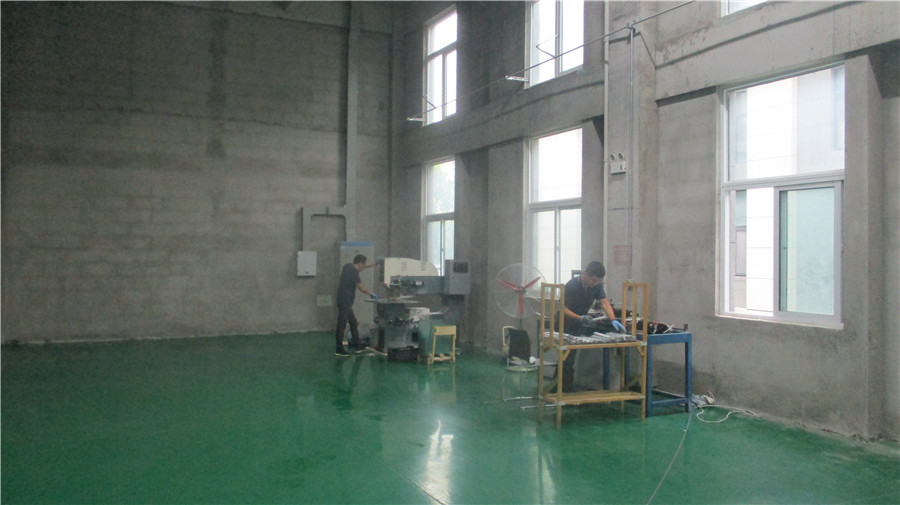
8 production lines, 3,000–5,000 m²
Cutting, CNC shaping, edge polishing, drilling, printing, tempering, strengthening and coating are coordinated in a compact production footprint.
SGS onsite assessed & Fortune 500 supplier
The company has been onsite-assessed by SGS Group as a third-party inspection company and has supplied Fortune 500 procurement contracts.
OEM/ODM engineering support
Drawings are reviewed for manufacturability, tolerance, print layout, coating compatibility, packaging and cost drivers before sampling.
Qingdao port logistics and 80+ countries
Close to Qingdao seaport and airport, with export packing experience for fragile glass, FOB/CIF/DDP terms and multi-market documentation.



Verifiable Quality and Compliance
Certificate numbers and scope should be checked for each purchase order. The details below are provided so compliance teams can verify them directly with the issuing bodies.

ISO 9001 Quality Management
Certificate No. 24025Q20015R1SScope includes float glass and technical glass products, supporting consistent process control for custom window and panel projects.

RoHS Compliance
Certificate No. 25TYT12395Supports restricted-substance compliance for EU electrical and electronic equipment, an important baseline for display and control-panel glass.

CE Marking
Certificate No. 23TYT082593SCertificate covers tempered glass and supports market access across the European Economic Area, subject to product scope.
From Drawing to Export: Five Controlled Steps
A transparent workflow helps purchasing, engineering and quality teams know what happens at each stage of a custom fused silica window or technical glass order.
Drawing review
Engineers check material grade, dimensions, tolerance, edge finish, coating and packing requirements.
Sampling
Samples are produced for fit, optical appearance, print color and touch verification before mass production.
Production
Cutting, CNC shaping, edging, printing, strengthening or coating are controlled on the agreed process route.
Inspection
Incoming material and finished windows are checked against the drawing, visual standard and packing specification.
Export shipping
Protective packing, labeling and documentation are prepared for Qingdao port, airport or express delivery.
Where Custom Fused Silica Windows and Technical Glass Are Used
Different applications demand different specifications. Use these application notes to start the requirement discussion, then confirm final performance with engineering drawings and material data.
Semiconductor & UV lithography
UV-grade windows, optical viewports and protective components where transmission and cleanliness are critical.
Laser & optical systems
Low-absorption windows, beam delivery covers and coated optical components with tight flatness requirements.
Analytical & medical instruments
Spectroscopy, imaging and diagnostic equipment windows with controlled fluorescence, flatness and coating durability.
High-temperature industrial viewports
Furnace, chamber and process-equipment windows requiring thermal shock resistance, sealing compatibility and edge quality.
Frequently Asked Questions About Fused Silica Window Procurement
Practical answers for sourcing managers, engineers and quality teams evaluating China wholesale fused silica window manufacturers and exporters.
What is a fused silica window, and how is it different from tempered glass?
What specifications should I provide for a custom fused silica window quotation?
What is the minimum order quantity for custom glass panels and fused silica windows?
Can you provide samples before mass production?
Which coatings are available for windows and glass panels?
How do you control quality and traceability?
Which certifications does Qingdao Maupe Glass Co., Ltd. hold?
Which trade terms, payment terms and shipping methods are accepted?
How should fragile fused silica windows be packaged for export?
Ready to Source Fused Silica Windows from China?
Send your drawing, material grade, coating requirement and annual volume. Our engineers will review manufacturability and respond with a practical next step.
Email: info@maupeglass.com
Attach DWG, DXF, PDF or STEP files. Avoid sending confidential files before NDA if required.