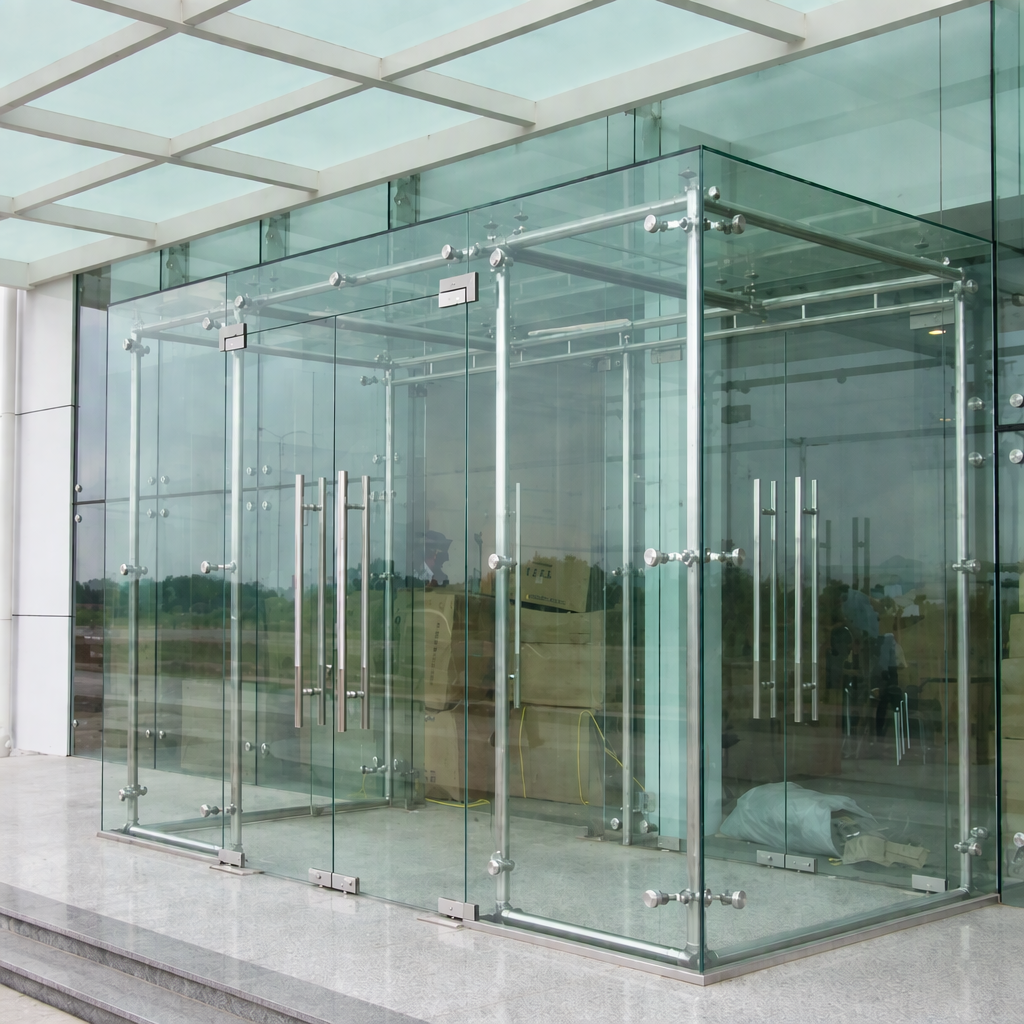
Tempered Glass Solar Window Glass High Transmittance Clear Flat Tempered Glass
For solar windows, viewing windows and display apertures where clear visibility, safety glass behavior and stable flatness matter.
View productUse this shortlist to compare the most requested product families. Each product URL is preserved so engineering and purchasing teams can review dimensions, finishes and application fit before requesting a drawing-based quotation.
For solar windows, viewing windows and display apertures where clear visibility, safety glass behavior and stable flatness matter.
View product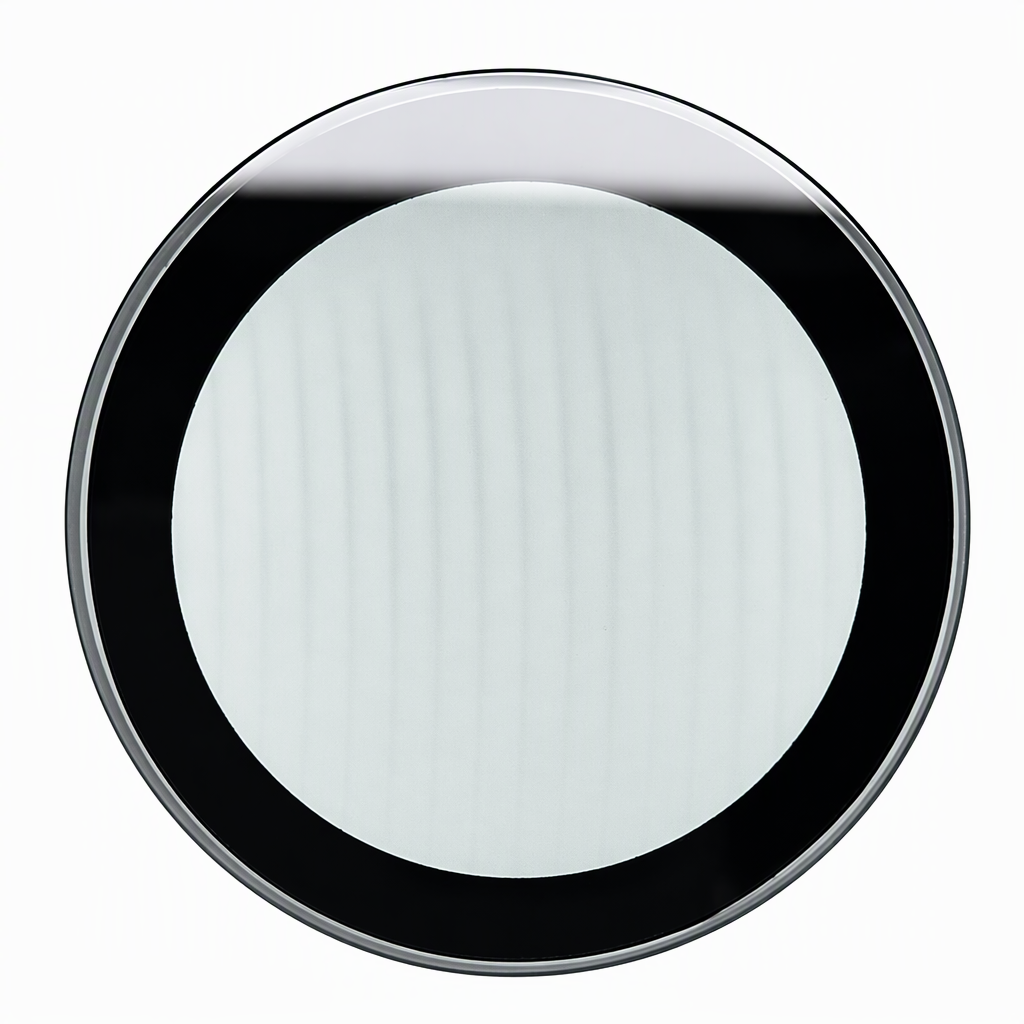
For instrument covers, control panels and industrial windows requiring custom holes, printed graphics and firm thickness control.
View product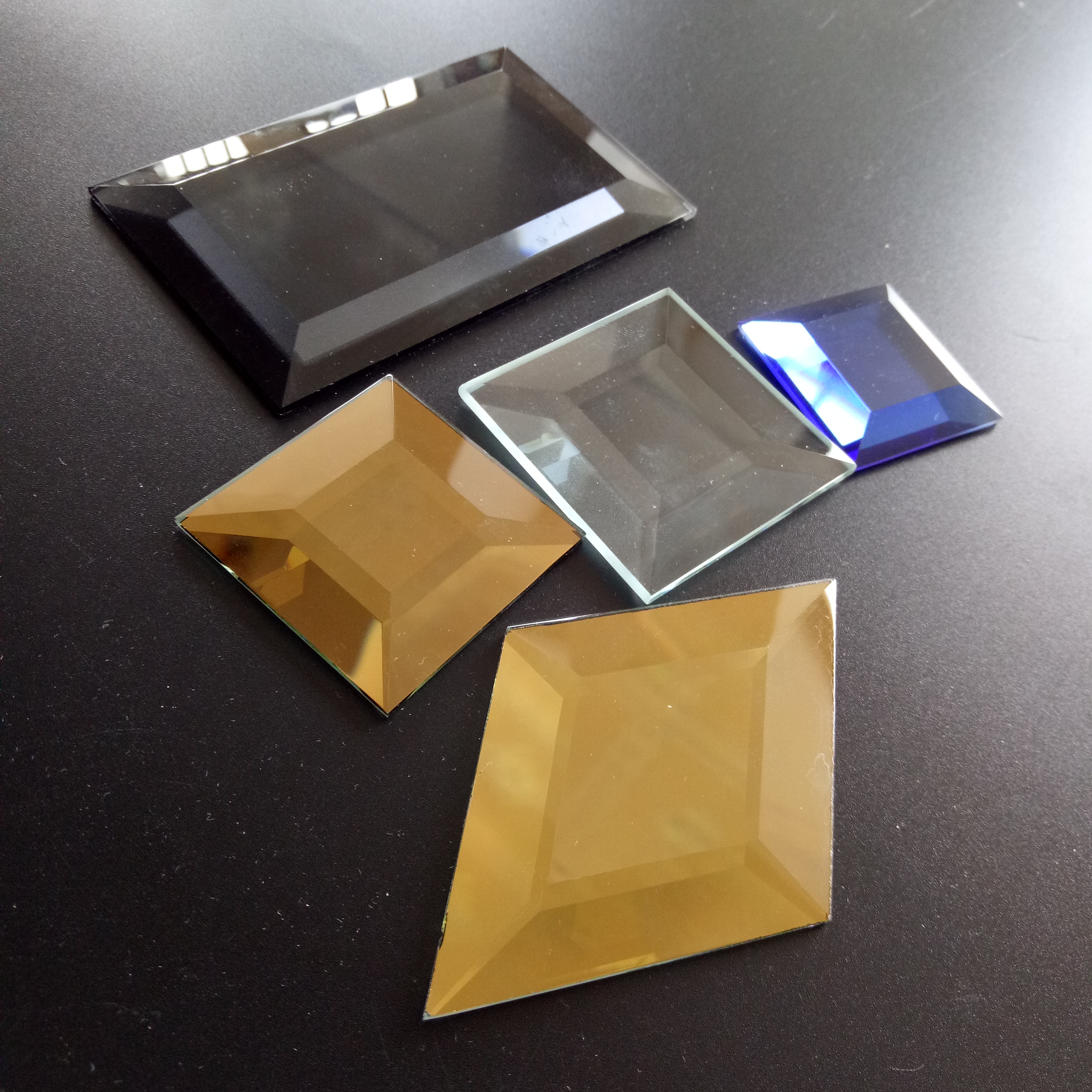
For feature walls, interior accents and decorative partitions where beveled edges and color reflection create design value.
View product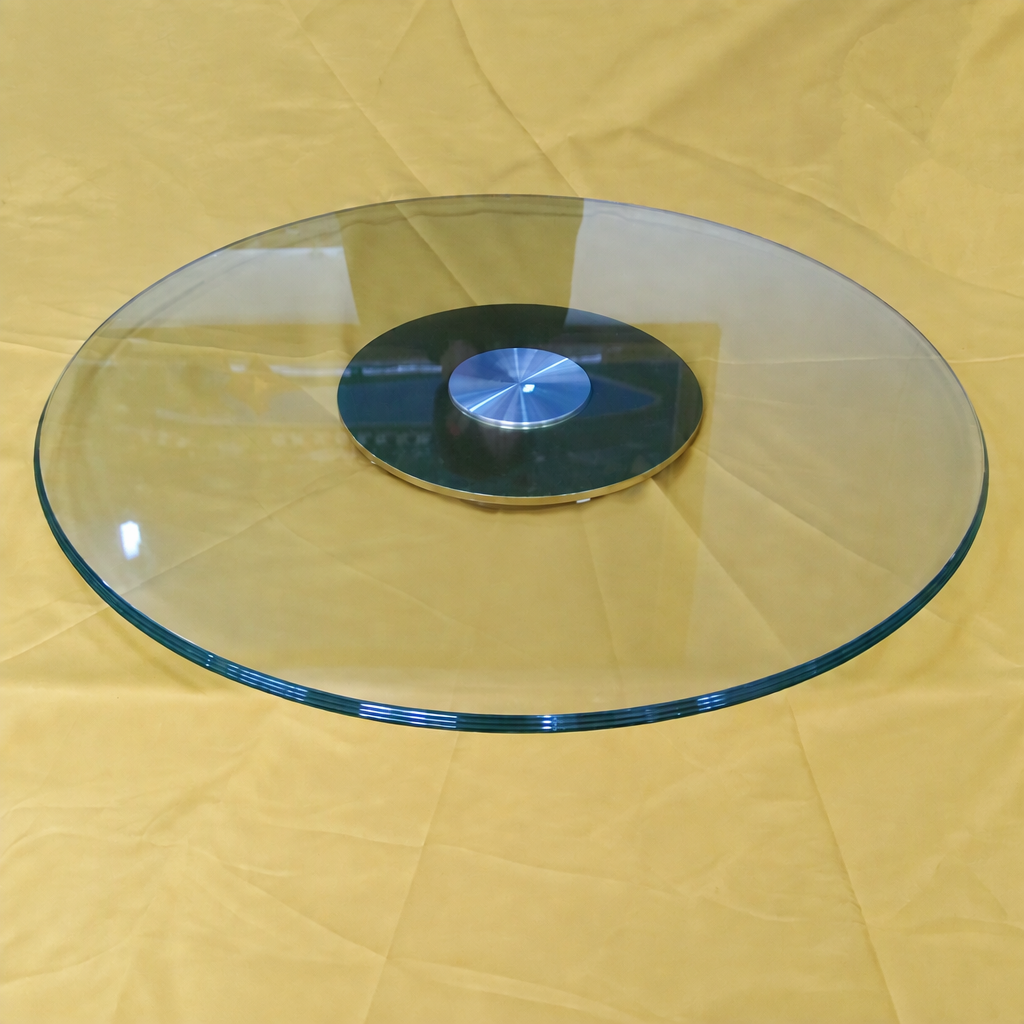
For furniture, retail displays and rotating platforms needing strong, easy-clean strengthened glass discs.
View product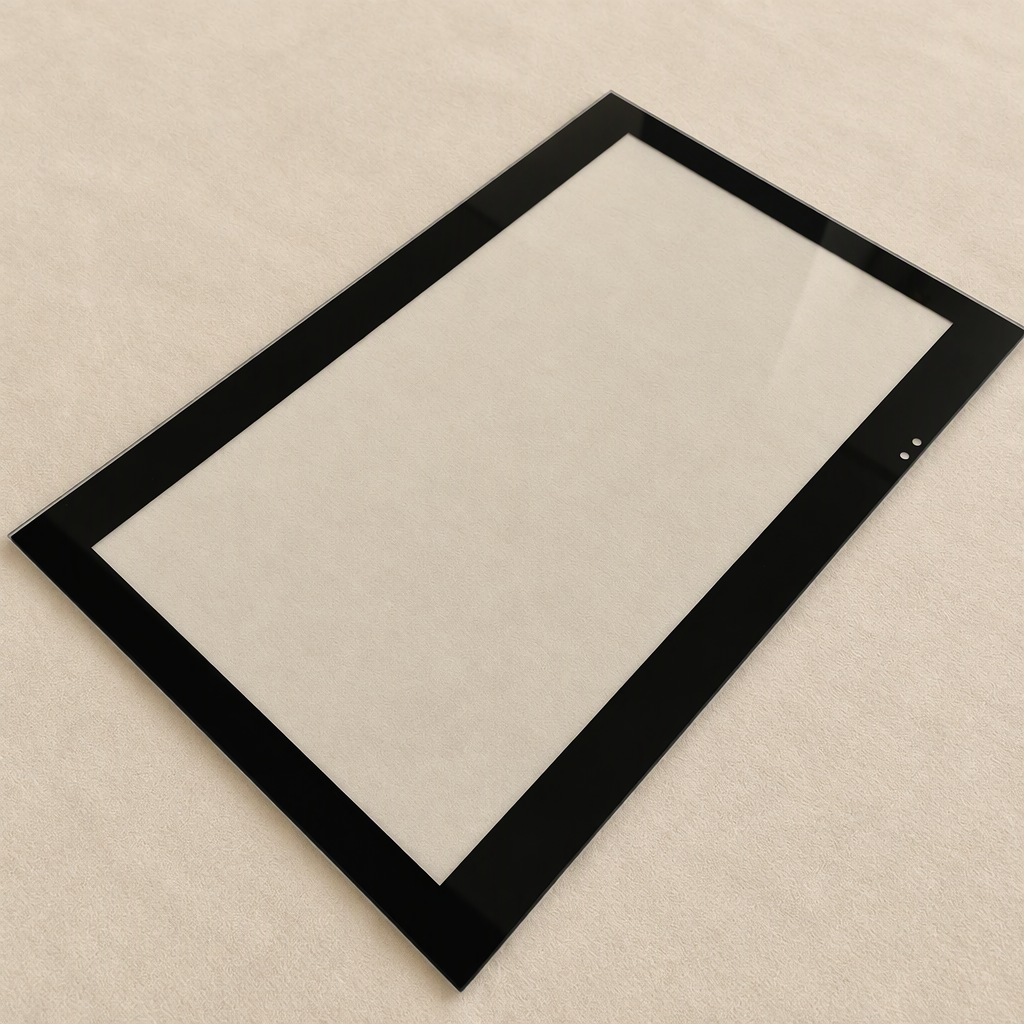
For LCD TV, industrial displays and decorative front glass where printed borders and clear display windows are required.
View product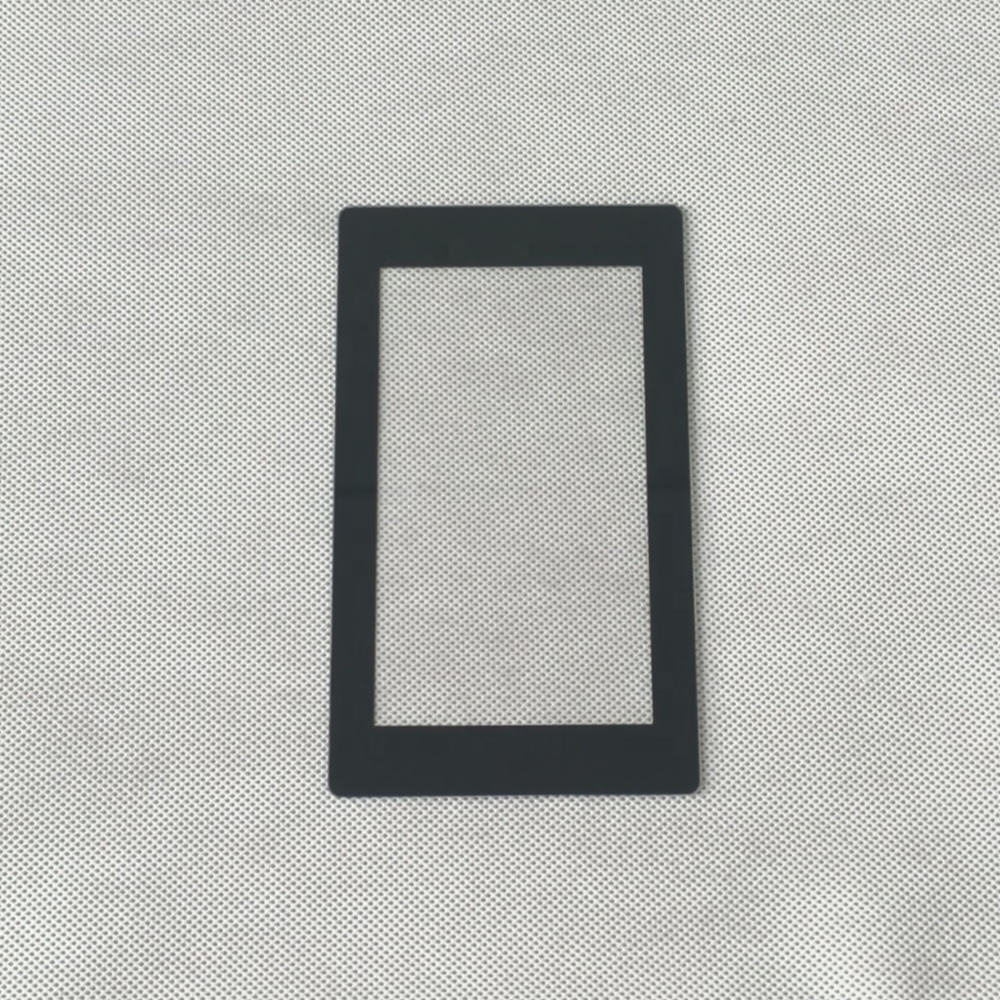
For electronic product covers using self-adhesive assembly, selective printing and scratch-resistant front surfaces.
View product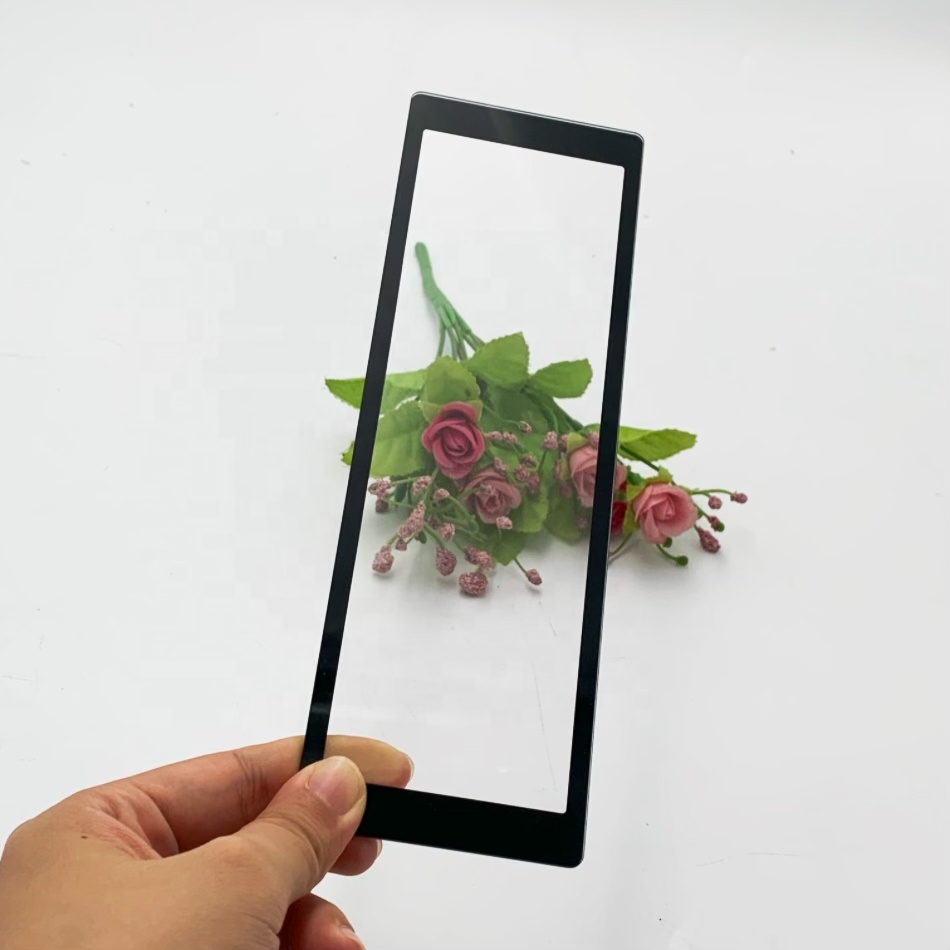
For touch interfaces requiring icon printing, transparent sensor windows, brand colors and flat, stable glass surfaces.
View product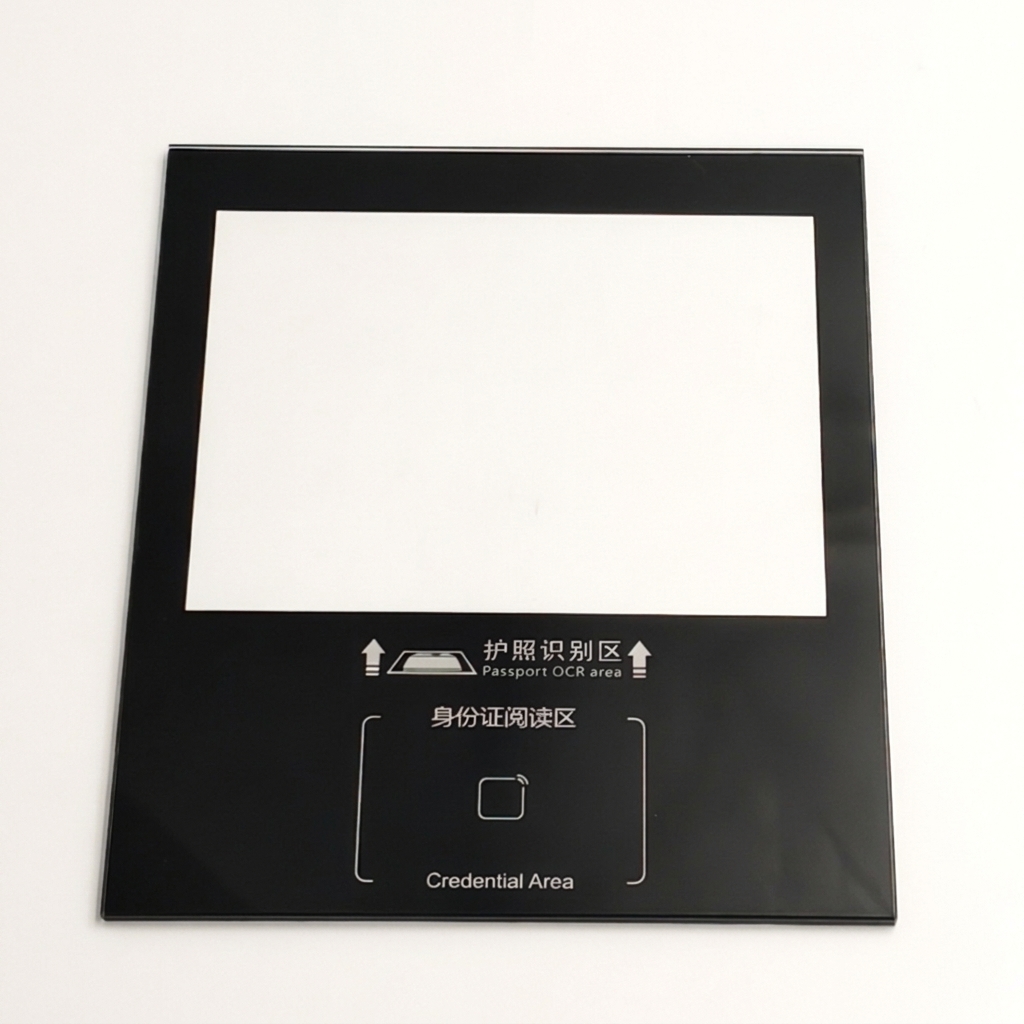
For small electronic devices needing transparent polished protection, precise outlines and clean edge finishing.
View productNeed a custom size, print layout or coating stack? Send your drawing and application details so the factory can review manufacturability before quotation.
Send an InquiryIn wholesale glass sourcing, the word “substrate” can cover several starting points: a clear float glass sheet, an ultra-clear low-iron sheet, a high-alumina cover glass, or a chemically strengthened thin-glass base that will later be printed, coated and assembled into a device. The specification that matters is not the trade term alone; it is the combination of thickness, flatness, optical quality, strengthening method, print durability and edge finish that must survive your assembly line, drop test and end-user environment.
China remains a high-value source for this category because the country’s glass deep-processing ecosystem is dense. A qualified manufacturer can combine cutting, CNC shaping, drilling, edge polishing, silk screen printing, physical tempering, chemical strengthening and AR/AG/AF coating under one quality system. For procurement teams, that integration reduces the number of suppliers to audit and lowers the risk of a panel failing because one process was optimized while another was treated as an afterthought.
However, “China wholesale” is not a strategy by itself. The best-performing programs define the application first: is the panel a decorative appliance front, a touch-control cover, a display window, a solar viewing window, or an architectural beveled glass piece? Each use changes the tempering choice, ink system, tolerance, packing and inspection plan. A factory that asks for the application, annual volume, assembly method and environmental exposure before quoting is usually more reliable than one that quotes from a photograph alone.
Information gain for buyers: compare quotes on total landed cost per accepted panel, not price per square meter. Add breakage allowance, print rework, coating yield, export packing, freight, inspection and certification documentation. A slightly higher unit price from a process-integrated, ISO 9001 factory can be cheaper once hidden failure costs are removed.
Procurement principle: request a sample plan and a drawing review before mass production. The sample should test fit, color, touch response, adhesive compatibility and packing, not appearance alone.
Different applications need different substrate specifications. This matrix helps translate a commercial requirement into a realistic product family before engineering review.
| Buying scenario | Recommended product family | Why it fits | Procurement note |
|---|---|---|---|
| Solar windows and high-transmittance viewing windows | Tempered Glass Solar Window Glass High Transmittance Clear Flat Tempered Glass | Combines clear visibility with safety glass behavior and flat tempered construction. | Confirm visible transmittance, edge finish and compatibility with gaskets or frames. |
| Instrument, industrial and equipment covers | Custom 3–19 mm flat or round printed tempered glass | Supports thicker glass, drilled holes, print layouts and instrument-specific outlines. | Define hole positions, countersinks, edge style, print opacity and tolerance in the drawing. |
| Smart home, touch panels and electronic displays | Silk screen printed touch panel glass, self-adhesive display covers and transparent protective panels | Allows icons, display windows, brand colors and scratch-resistant front surfaces. | Validate adhesive performance, icon alignment, touch sensitivity and fingerprint resistance. |
| Furniture, retail display and interior decoration | Beveled decorative glass and tempered Lazy Susan turntable glass | Adds visual value while providing useful strength, edge detailing and easy cleaning. | Specify diameter, load expectation, bevel edge protection and packing for larger discs. |
Price remains important, but qualified buyers are now buying process control, compliance evidence and supply continuity as much as square meters of glass.
ISO 9001, RoHS, CE and SGS onsite assessment are increasingly requested before samples are approved. Buyers want certificate numbers, scope and validity dates, not just a logo on a website.
Dual sourcing is expanding, but cover glass is process-heavy. Many buyers keep one qualified China partner for printing, tempering and coating, then add a regional source for finishing or buffer inventory.
Smart-device and appliance teams want low-MOQ samples for fit, print and touch validation before committing to tooling and mass production. Fast sample loops reduce late-stage design changes.
Experienced buyers compare yield, breakage, print rework, packing, freight and inspection cost. A quote is only competitive when it is measured per accepted panel delivered to the assembly line.
The next procurement cycle will reward suppliers that can connect material choice, printing, coating and strengthening into one stable process window.
Thin cover glass in the 0.5–2 mm range is moving deeper into touch panels, electronic devices and optical windows where strength, flatness and clarity must coexist.
Anti-reflective, anti-glare and anti-fingerprint treatments are becoming mainstream for displays, medical screens, industrial HMIs and outdoor equipment.
Print layers now combine branding, icons, touch-zone masking, hidden display windows and backlight compatibility, reducing the number of separate parts in an assembly.
Demand is growing for 43–55 inch display protection glass and heat-resistant appliance panels that use suitable inks and controlled tempering processes.
Choosing the wrong strengthening method is one of the most common causes of re-tooling in cover glass projects. Use this comparison during the design stage, then confirm with factory engineers against your drawing, application and assembly method.
| Criteria | Physical Tempered | Chemically Strengthened |
|---|---|---|
| Typical thickness | About 2 mm and thicker | 0.5–2 mm thin glass |
| Strength gain | Roughly 4–5 times annealed glass | High surface compression, suited to thin parts |
| Breakage pattern | Small blunt fragments, useful for safety glass applications | Larger pieces, similar to annealed glass |
| Flatness and optics | Very good; slight roller wave may be possible | Excellent flatness, no heat distortion |
| Post-processing | Cutting, drilling and edging must be completed before strengthening | |
| Best for | Appliance doors, switch panels, display windows and industrial covers | Touch covers, small electronics, wearables and precise optical windows |
Based on the factory profile and quality information supplied for this product series, the advantages below are the practical reasons buyers request drawings and samples.
A glass deep-processing manufacturer operating an ISO 9001 quality management system for OEM buyers worldwide.
Cutting, CNC shaping, drilling, edging, engraving, silk screen printing, tempering, chemical strengthening and coating.
A 3,000–5,000 m² factory floor supporting repeatable production and traceable quality checks.
Experience serving North and South America, Europe, Oceania, the Middle East, Africa and Asia, with a high export share of output.
Third-party onsite assessment helps overseas buyers reduce supplier verification work before ordering samples.
Certificate information is available for compliance teams, including RoHS and CE documents for glass products.
Drawing review, sampling, print color checking and design-for-manufacturing feedback before mass production.
Close to Qingdao seaport and airport, supporting FOB, CIF, DDP and other export arrangements for global delivery.
Quality note: the original factory information describes incoming material inspection, finished product inspection and supplier assessment procedures. For custom projects, align these checkpoints with your own drawing tolerance, print color target and packaging test plan.
These answers reflect the product and factory information supplied for this series. Project-specific details should still be confirmed in the quotation and drawing review.
Share the glass type, thickness, strengthening method, print layout, coating requirement and destination country. The team can then review manufacturability, sampling and the most suitable product route before quotation.
No extra step is added to the inquiry button. Clicking opens the existing live-chat channel configured by the site.