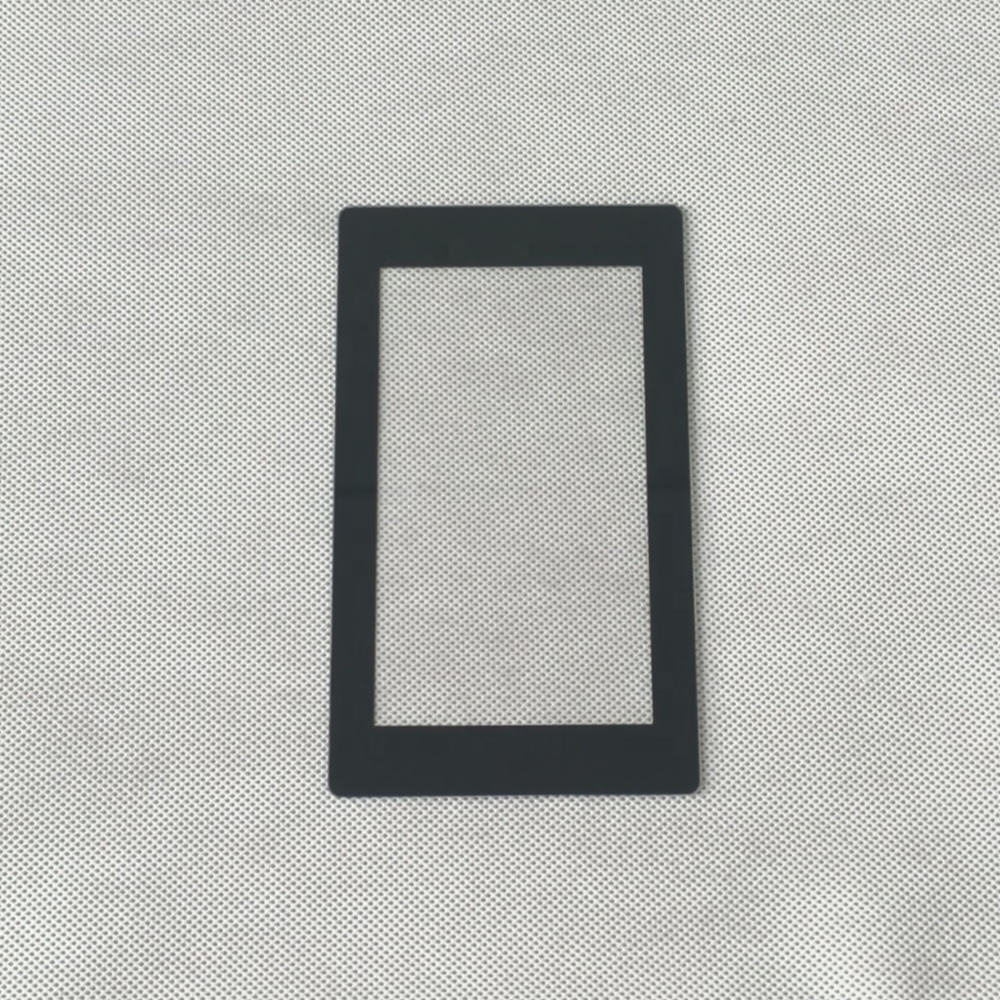
Silk Screen Printed Tempered Glass Panel Self Adhesive Display Cover Glass Flat Electronic Product Glass Screen Protector
A practical format for flat electronics, display windows and controls where print accuracy and clean assembly matter.
These eight product references reflect the glass formats wholesale buyers most often request when evaluating China low iron glass suppliers and wholesalers. The original product URLs are preserved below, so a purchasing team can move from this sourcing research directly into a specification review. Where a project needs low-iron or ultra-clear sheet, Maupe Glass can quote it against the same drawing, print artwork, edge finish and coating package.
A practical format for flat electronics, display windows and controls where print accuracy and clean assembly matter.
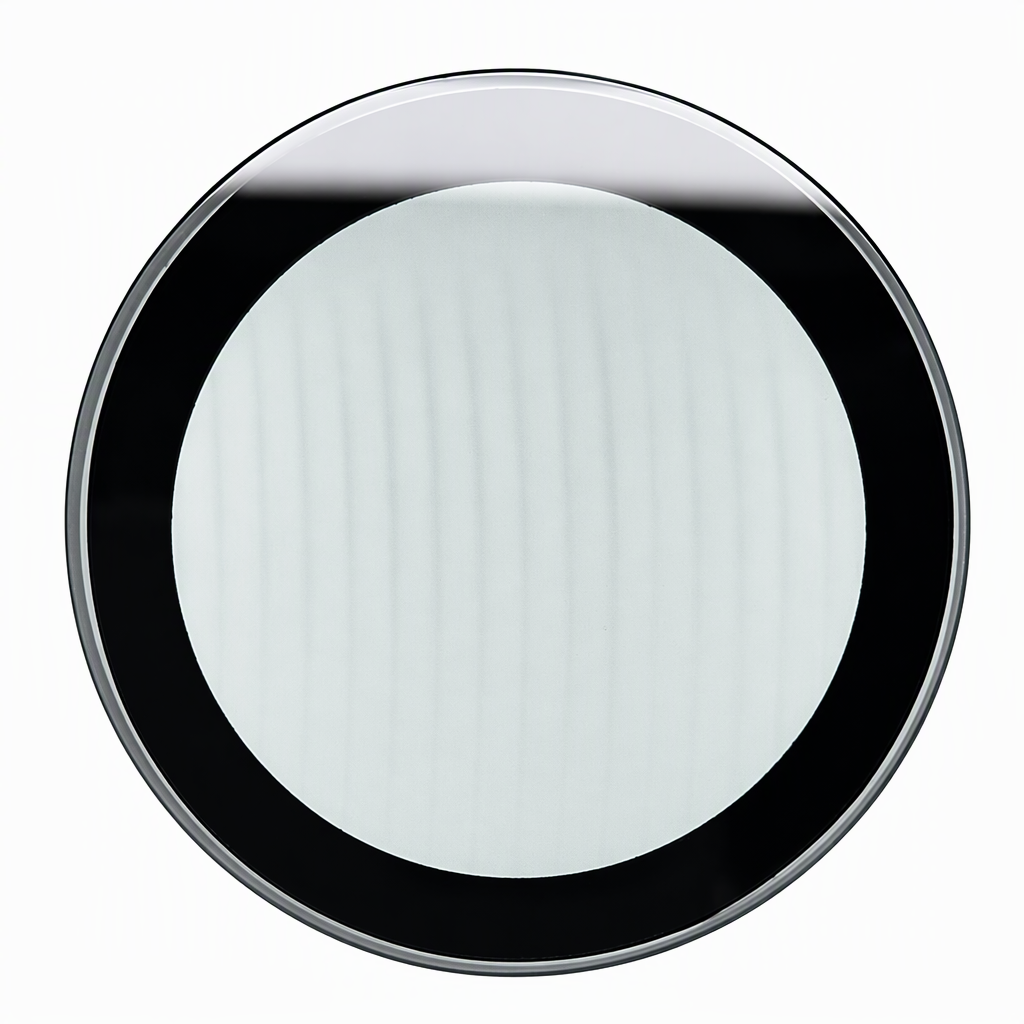
Suited to instrument windows, industrial controls and equipment covers requiring thick glass and printed graphics.
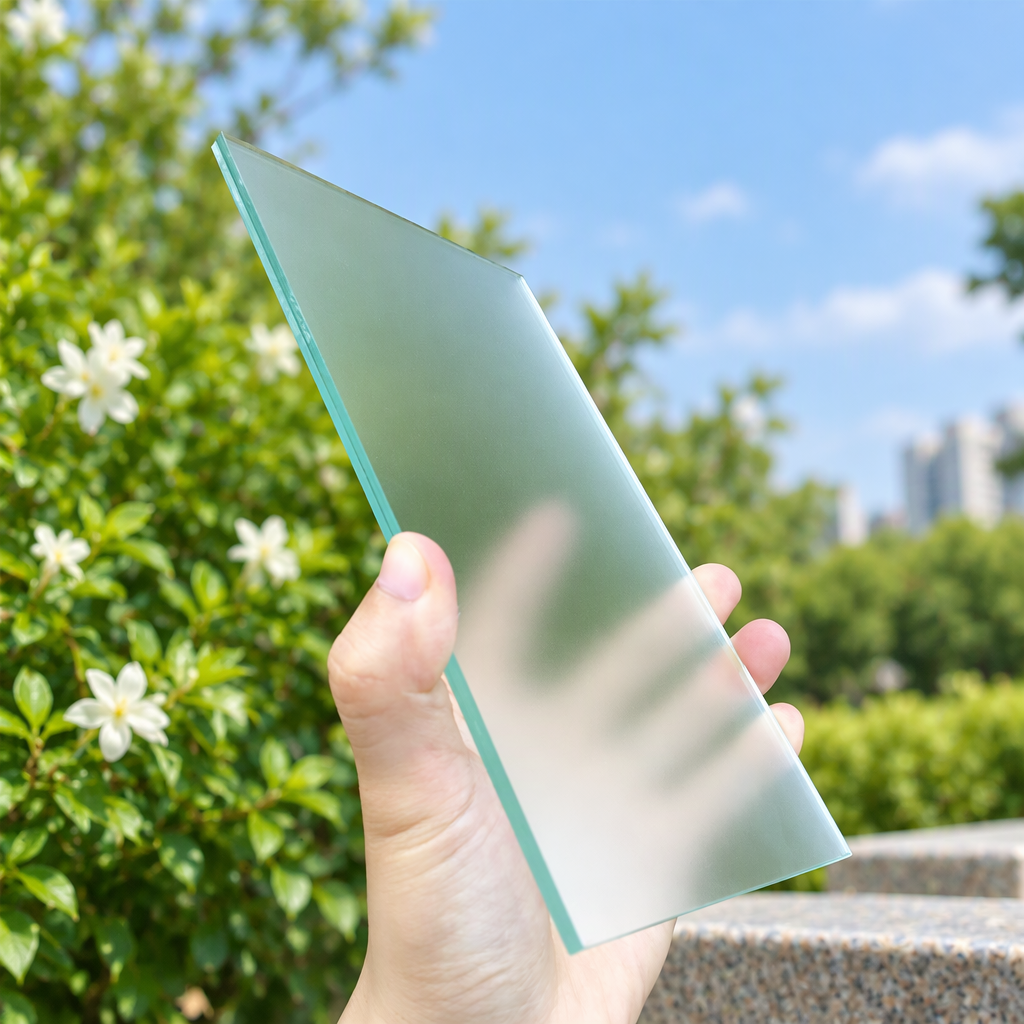
Designed for bright industrial environments where reflected light reduces HMI readability and operator comfort.
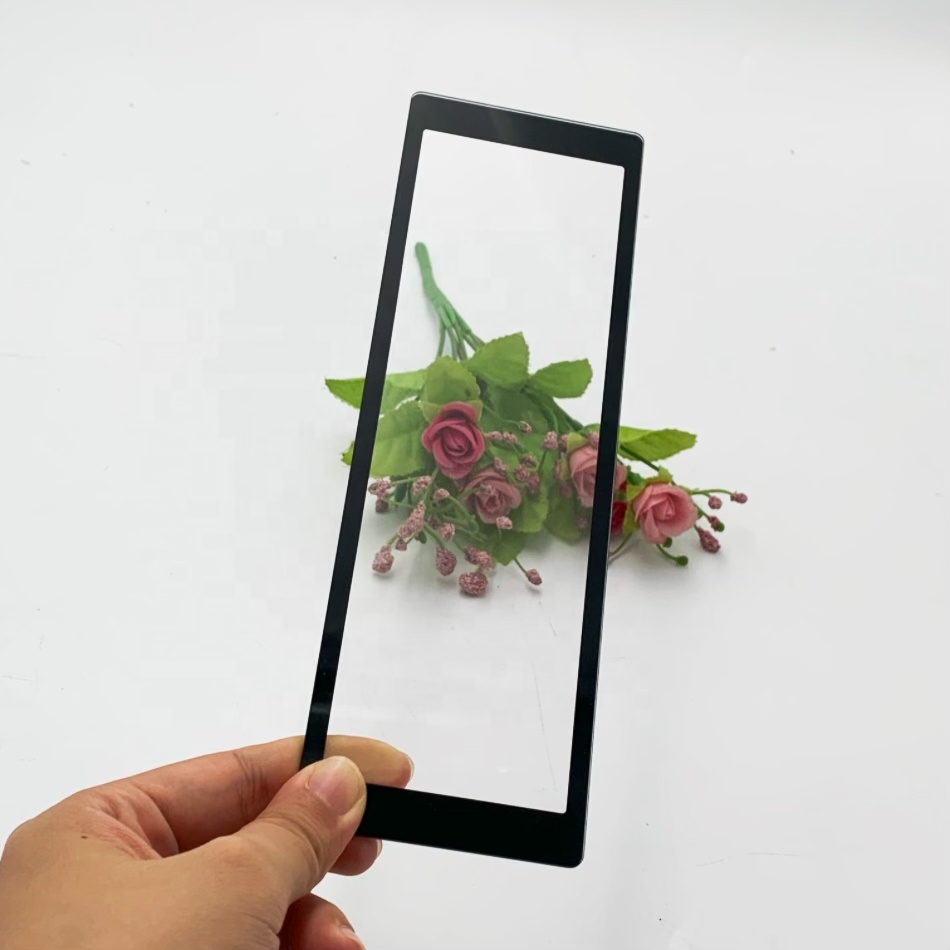
A core product for smart devices, appliance control panels and touch interfaces with brand-matched icon printing.
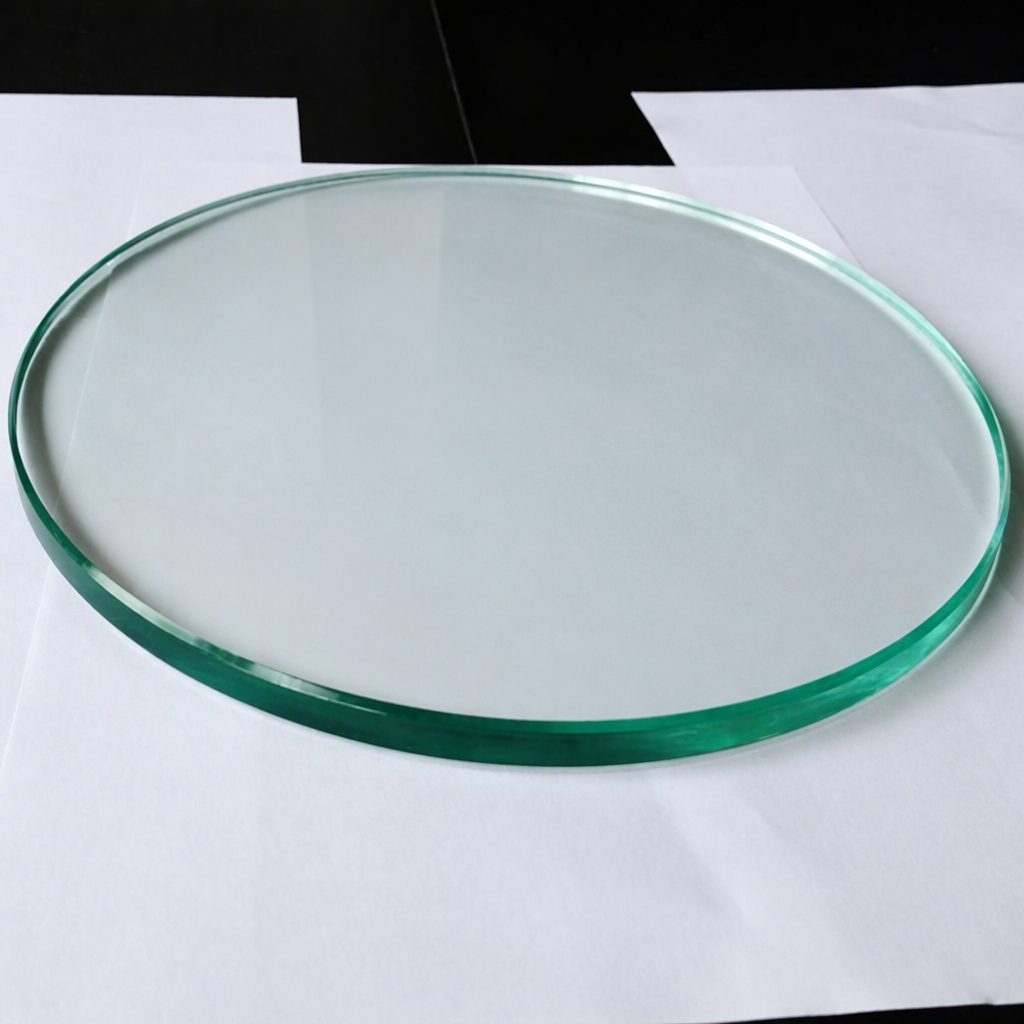
A design-led format for furniture, lighting, display bases and OEM projects needing polished edges and visual clarity.
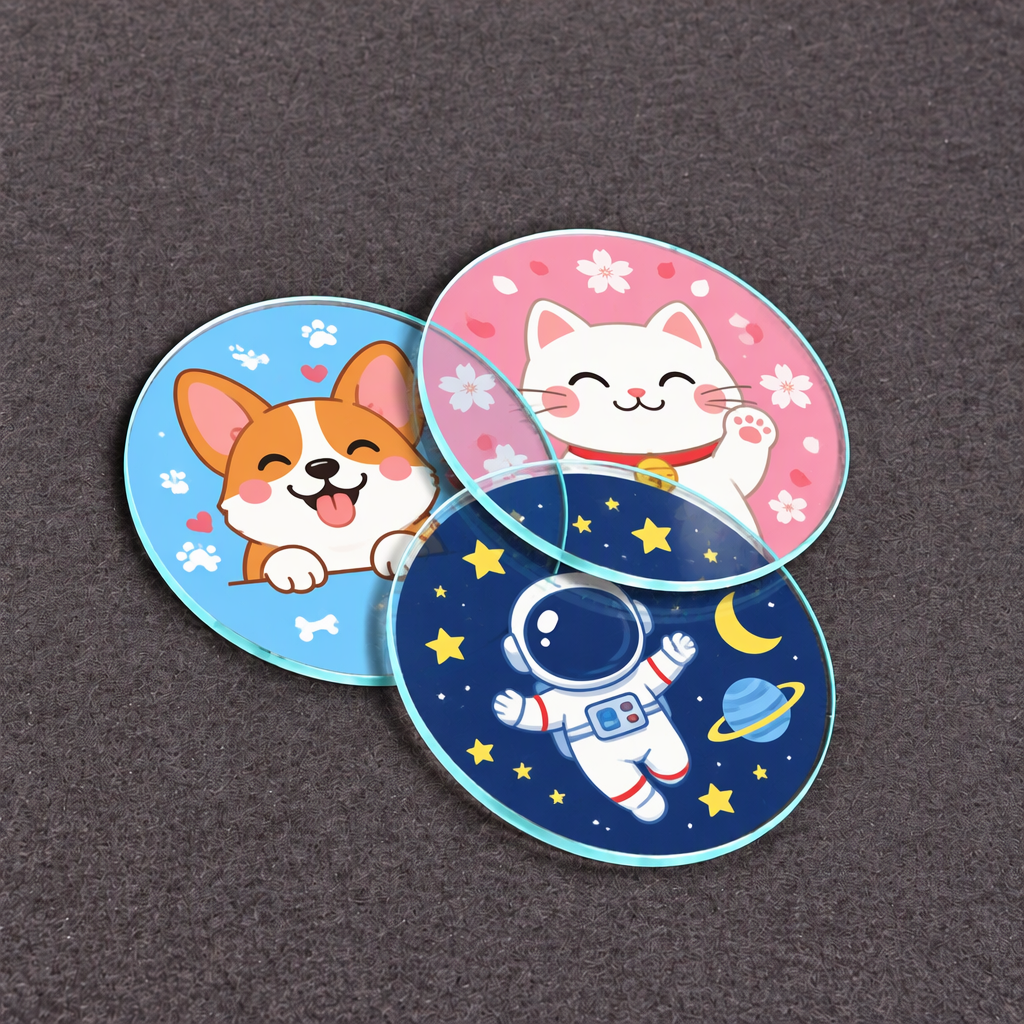
Useful for retail, hospitality and gift programs that need repeatable color control and low-volume customization.
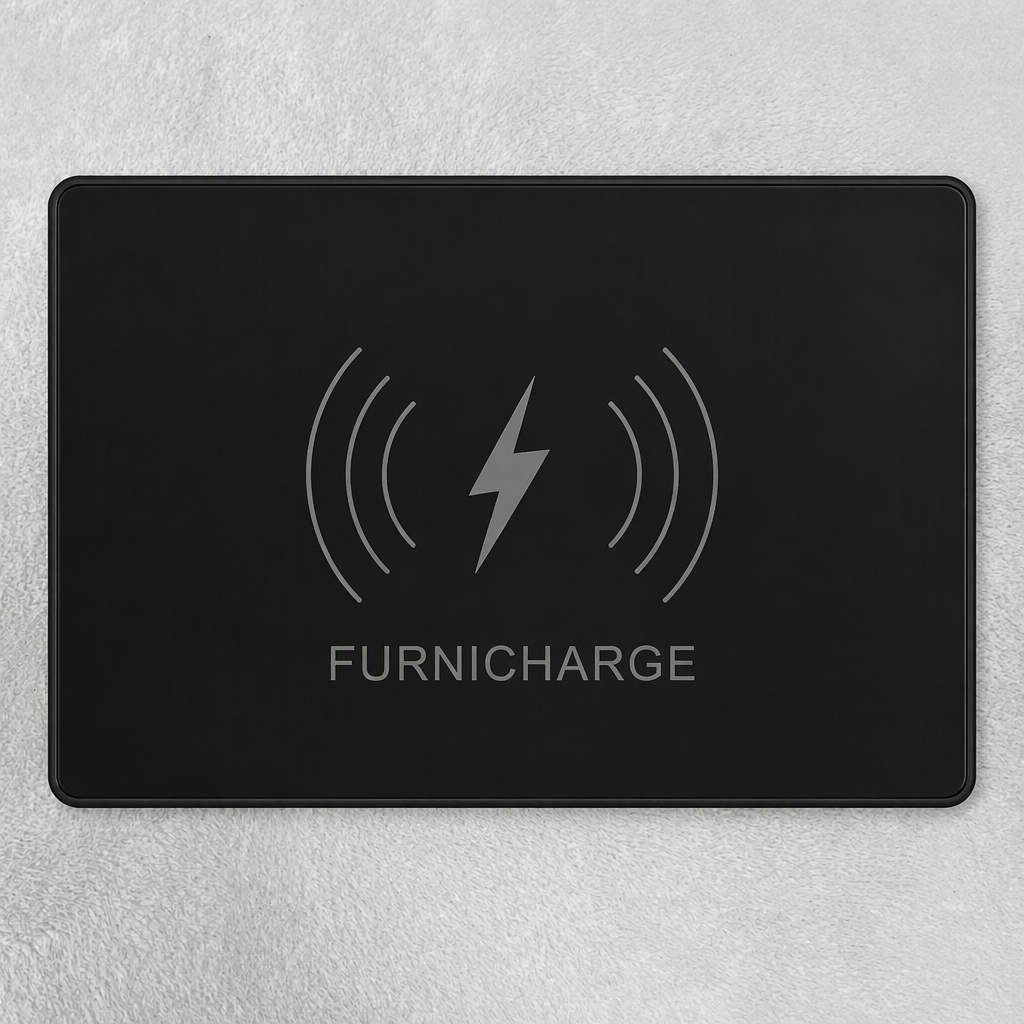
A representative smart-furniture panel combining printed windows, touch zones and clean glass aesthetics.
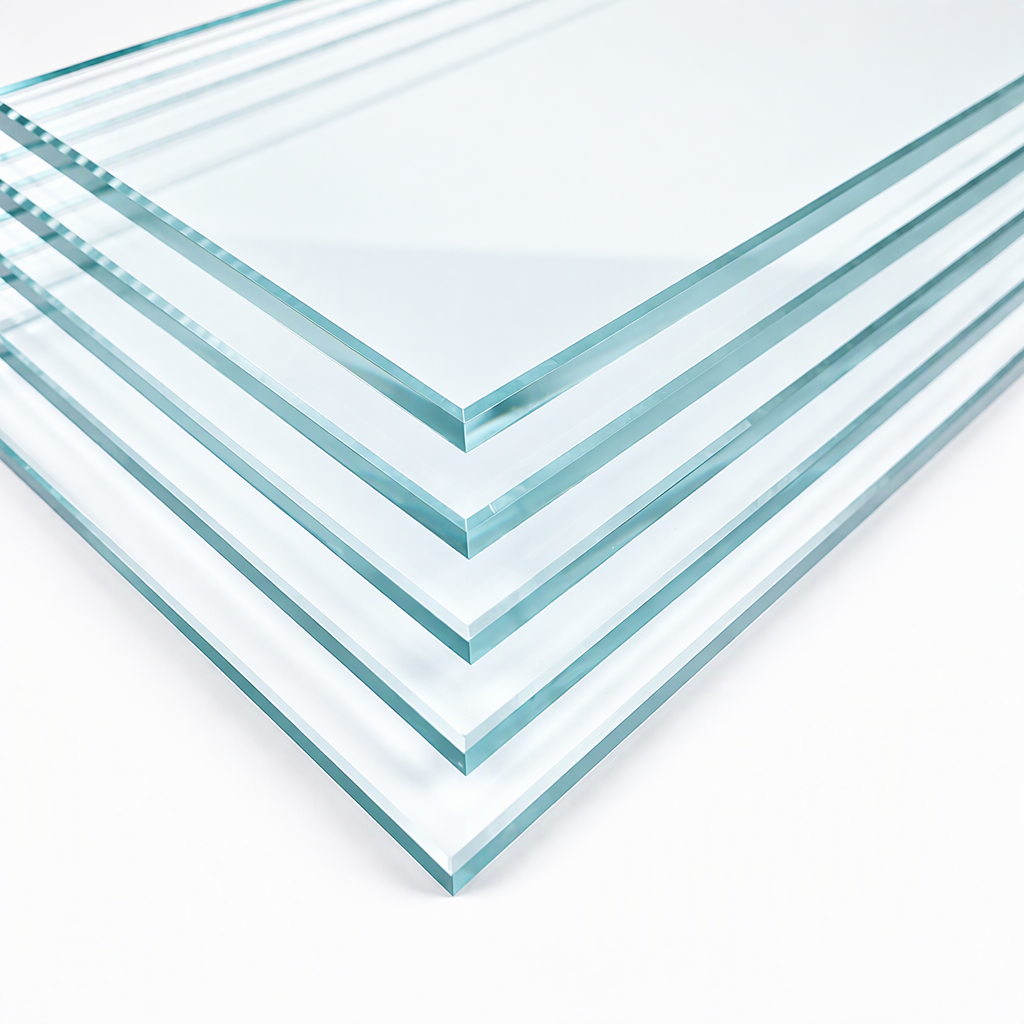
A neutral starting point for buyers who need an optically clean cover plate before adding print, coating or edge details.
Need a low-iron version of a listed format? Send the drawing, thickness, print artwork and annual volume. The engineering team will confirm manufacturability before quotation.
Low-iron glass, often described as ultra-clear glass, reduces the green cast visible in standard float glass by controlling iron oxide content in the raw sheet. For wholesale buyers, that difference is not only aesthetic. Color neutrality affects how white appliance panels read, how closely printed brand colors match across production lots, and how premium a display window appears under retail lighting. In categories such as smart home switches, wireless-charging furniture, instrument covers, kitchen appliances and touch panels, edge color and optical clarity become part of the product's perceived quality.
The search phrase China Wholesale Low Iron Glass Suppliers & Wholesalers usually signals commercial investigation rather than early research. Buyers are comparing suppliers on certification, minimum order quantity, print capability, coating options, packing quality, export documentation and response speed. A supplier that can only sell raw sheet is rarely enough for an OEM project. The stronger partner is a glass deep-processing factory that can control cutting, CNC shaping, edge polishing, drilling, silk-screen printing, tempering, chemical strengthening and AR/AG/AF coating under one quality system.
That is where total landed cost becomes more important than the lowest unit price. A lower-priced panel that arrives with inconsistent edge quality, print registration drift or insufficient export packaging can create line stoppages, rework and replacement shipments. For repeat wholesale programs, process integration and traceability are usually worth more than a small quotation difference.
Relative evaluation weight for a typical OEM glass RFQ. Use it as a negotiation and audit checklist, not as a market survey.
Wholesale sourcing is moving from price-first buying toward verified capability, faster customization and total cost control. These trends matter to importers, distributors and OEM buying teams.
Buyers increasingly request certificate numbers, onsite assessment evidence and inspection records before releasing a sample. ISO 9001, RoHS and CE references are becoming routine RFQ attachments, not differentiators.
Projects that used to split cutting, printing and coating across suppliers are being consolidated. One factory with traceable process flow reduces tolerance conflicts, color mismatch and responsibility gaps.
For premium displays, smart-home panels and appliance interfaces, low-iron glass is moving from a special request to a default specification where brand color and edge appearance are visible to end users.
More buyers want rapid sampling and lower launch quantities for new devices. Suppliers with flexible screen preparation, digital artwork review and clear MOQ logic will win repeat programs.
Import teams now compare breakage rate, packaging labor, inspection burden and replacement risk alongside the FOB price. A slightly higher unit price with stable quality often produces a lower landed cost.
Dual sourcing is growing, but China remains a deep-processing center for customized technical glass. Buyers often keep final assembly regional while sourcing precision glass where tooling and process depth are strongest.
Low-iron glass is becoming a platform for coatings, printed electronics interfaces and integrated smart features. Early specification choices shape cost, durability and user experience.
Anti-reflective, anti-glare and anti-fingerprint treatments are increasingly specified together. The best result comes from matching coating choice to viewing conditions, touch frequency and cleaning method.
Thin glass from 0.5 mm to 2 mm supports touch covers, sensors and slim device stacks. Chemical strengthening helps maintain flatness and optical quality where thermal tempering is not suitable.
Silk-screen printing is no longer only decorative. Buyers use printed light windows, icon layers and shadow masks to create capacitive touch zones and backlit interfaces without extra plastic parts.
Glass panels are being designed as furniture surfaces, switch covers and charging zones. This requires careful selection of thickness, print opacity, sensor placement and edge finishing.
Cooktops, ovens, range hoods and microwave doors require heat-resistant inks and controlled tempering. Low-iron glass can improve visual clarity while still meeting safety and durability requirements.
RoHS-compliant inks, recyclable glass and lower-breakage packaging are becoming part of procurement scorecards. Material efficiency also improves when suppliers avoid over-thick glass and unnecessary coating layers.
Clear communication at the RFQ stage reduces sampling cycles and protects the quoted price. Use this checklist to prepare a package that a glass engineer can review efficiently.
Buyers should also state whether the glass will be bonded, used as a touch cover, exposed to heat or installed outdoors. These details influence strengthening method, print durability and coating choice. For low-iron glass, confirm whether the priority is edge color, light transmission, color rendering or simply a neutral appearance under LED lighting.
| Property | Low-iron glass | Standard clear glass |
|---|---|---|
| Iron oxide content | Lower iron content for less green tint | Higher iron content, more green edge visible |
| Edge appearance | Neutral to slightly blue/white | Noticeable green edge in thicker sections |
| Light transmission | Higher visible light transmission | Good transmission with a slight tint |
| Color rendering | More faithful appearance for white and brand colors | Can shift perceived color under certain lighting |
| Best-fit applications | Premium displays, appliance panels, smart home, instrument covers | General construction and non-visual applications |
| Tempering compatibility | Compatible with physical and chemical strengthening | Compatible with standard processing |
Qingdao Maupe Glass Co., Ltd. is a glass deep-processing manufacturer founded in Qingdao, Shandong, in 2012. The company operates under an ISO 9001 quality management system and serves OEM buyers in more than 80 countries across North America, Europe, Oceania, the Middle East, Africa, South America and Asia. Its export share of output is high — reported at 91–100% — which means the team is accustomed to export packaging, documentation and international communication rather than domestic-only delivery.
The factory's core strength is process integration. Cutting, CNC shaping, edge polishing, drilling, engraving, silk-screen printing, physical tempering, chemical strengthening and AR/AG/AF coating can be coordinated under one quality system. For a wholesale buyer, this reduces the number of suppliers to manage and makes it easier to trace a defect back to a specific process step. The factory is also close to Qingdao seaport and airport, supporting sample dispatch, onsite buyer visits and export logistics.
The company has been onsite assessed by SGS Group as a third-party inspection company, holds ISO 9001, RoHS and CE certifications, and lists Fortune 500 supplier verification and more than 10 years of OEM/ODM experience among its credentials. Those signals are useful because they address the questions a serious importer should ask: Can the supplier document its quality system? Can it support custom print and coating? Can it pack and ship safely? Can it respond to engineering questions in English?
For wholesale sourcing, certificate numbers matter because they allow a compliance team to verify claims independently. The following credentials are part of Maupe Glass's supplier profile.

Certificate No. 24025Q20015R1S. Scope covers float glass and technical glass products. Quality system valid to 02/2028.

Certificate No. 25TYT12395. Supports restricted hazardous substance compliance for EU electrical and electronic equipment. Valid to 12/2030.

Certificate No. 23TYT082593S. Supports market access across the European Economic Area for tempered glass. Valid to 08/2028.
Quality control should not end with a certificate on a wall. Incoming material inspection, in-process print checks, tempering records, finished product inspection and export packing review are the practical controls that determine whether a wholesale order arrives as specified. Buyers should request the inspection plan for their project and confirm whether third-party inspection is required before shipment.
Site photos and process steps help buyers assess whether a supplier can handle low-iron glass, custom print and export packing consistently.



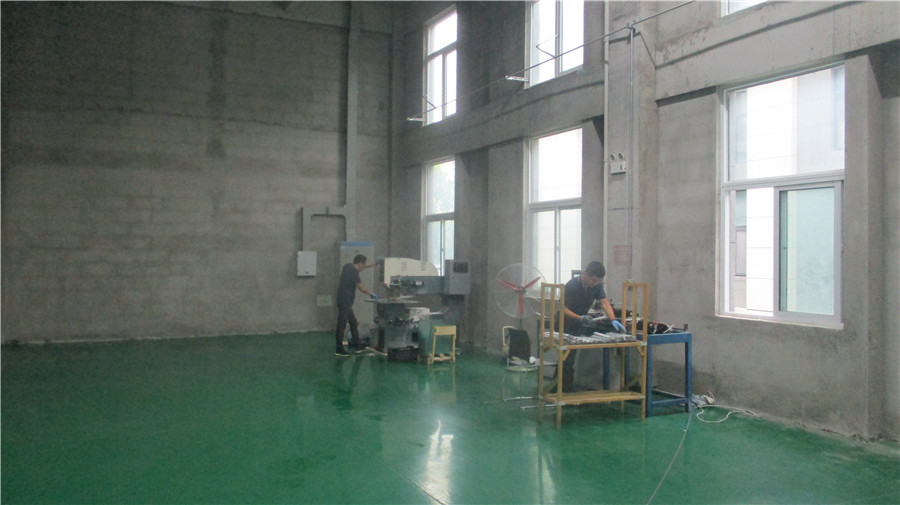
Engineers check outline, holes, tolerance, thickness and strengthening method.
Screens and samples verify fit, print color, touch zones and surface treatment.
Cutting, CNC shaping, edging, printing, coating and tempering are coordinated.
Incoming material and finished product checks are completed before packing.
Protective packing and documentation support FOB, CIF, DDP and other terms.
These are the questions procurement teams most often ask when comparing China low iron glass suppliers and wholesalers.
Low-iron glass is made with reduced iron content in the raw glass, which lowers the green tint visible in standard clear glass. The result is better color neutrality, clearer edges and more accurate rendering of white and brand colors. For premium displays, appliance panels, smart-home interfaces and instrument covers, this difference can be visible to end users.
Most custom silk-screen printed panels start from 10 to 100 pieces depending on size, thickness and number of print colors. Large-size display cover glass can start from 10 pieces. Samples are available for fit, print and coating verification before mass production, and the final MOQ is confirmed after drawing review.
Physical tempering typically suits glass around 2 mm and thicker, such as appliance doors, switch panels, display windows and industrial covers, and it breaks into small blunt fragments. Chemical strengthening suits thin glass from 0.5 mm to 2 mm, touch covers and parts requiring excellent flatness and optical quality. The intended application and mounting method should drive the decision.
Send a 2D drawing in DWG, DXF or PDF with dimensions, thickness, edge finish, hole positions and tolerances. Add print artwork in AI or PDF with color references and layer order. State coating requirements such as AR, AG or AF, the application environment, annual volume and any certification or packaging needs.
Qingdao Maupe Glass operates under ISO 9001 and holds RoHS and CE certificates, with certificate numbers available for verification. Accepted delivery terms include FOB, CIF, EXW, FAS, FCA, CPT, DDP, DDU and express delivery. Payment terms include T/T, L/C, PayPal, Western Union and cash in USD, EUR or CNY.
Confirm the packaging method before production, especially for thin glass, printed surfaces and large-format panels. Ask for corner protection, interleaving material, moisture protection and carton or crate specifications. Then compare breakage risk, inspection cost and replacement lead time against the unit price. A stable supplier with strong export packing often delivers a better total landed cost than the lowest quotation.
Share the glass thickness, dimensions, print artwork, coating requirements, edge finish, annual volume and destination market. The Maupe Glass engineering and export team will review manufacturability and respond with a quotation path.
ISO 9001 · RoHS · CE · SGS onsite assessed · OEM/ODM glass deep processing since 2012