China Wholesale Thermal Shock Glass Manufacturers & Exporter
Custom tempered, printed and coated glass for cooktops, ovens, industrial viewing panels, smart appliances and HMI displays—engineered for thermal cycling, impact resistance and brand-level appearance.
8 Wholesale Thermal Shock & Custom Tempered Glass Products for OEM Programs
These product routes cover the most requested glass formats: pressure-resistant viewing windows, printed control panels, smart-film privacy glass, anti-glare industrial covers and precision silk-screen touch glass.
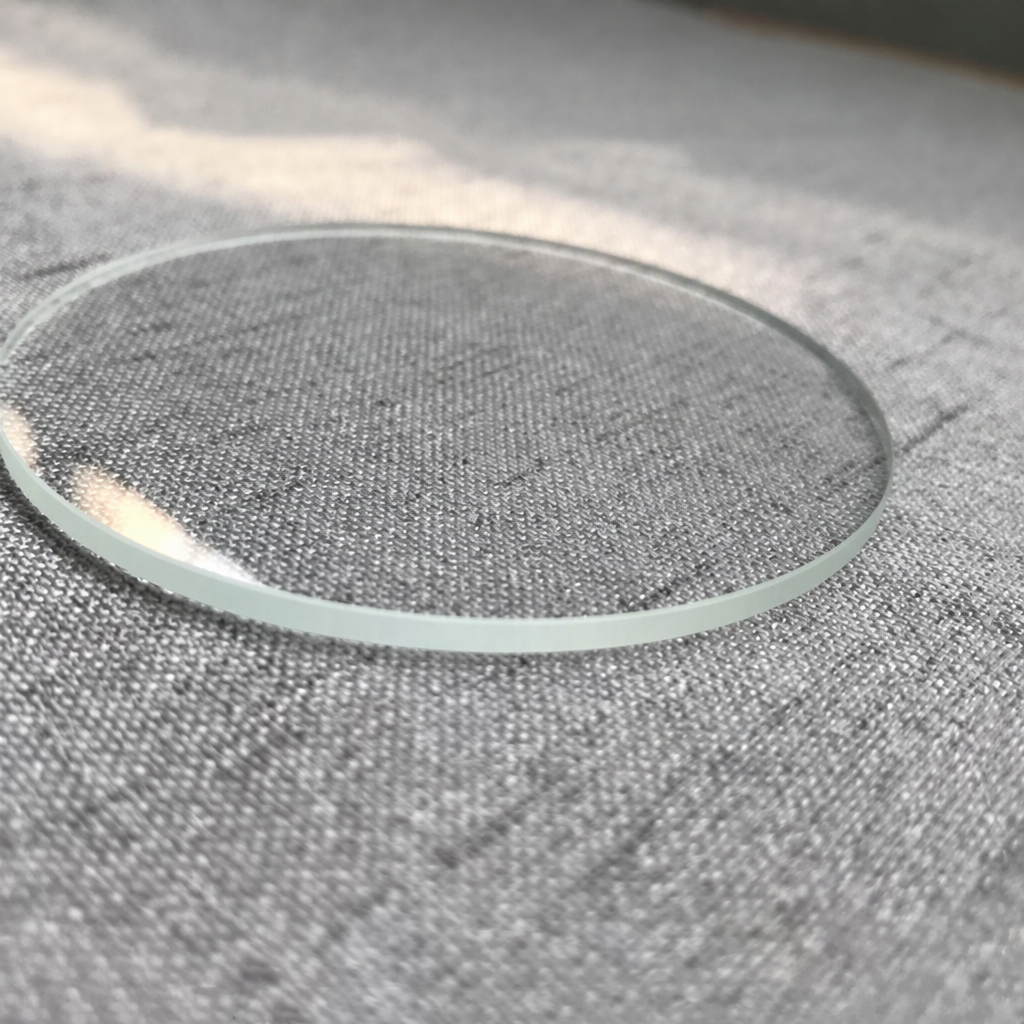
Pressure-resistant Glass Tempered Viewing Mirror Custom Size Clear Glass Panel for Industrial Workshop
Clear tempered viewing panels for furnaces, sterilizers, inspection cabinets and pressure-sensitive equipment.
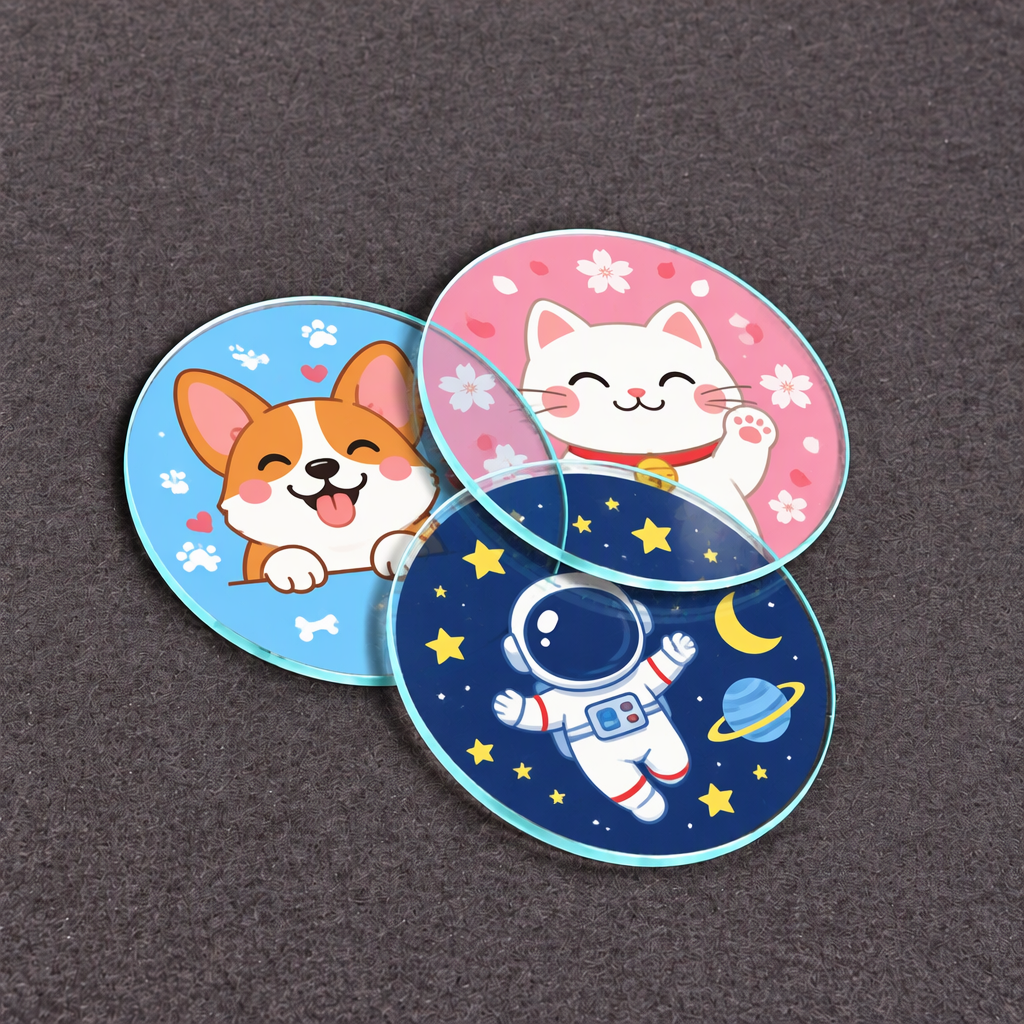
Eco-Friendly Custom Printed Glass Coasters Custom Design Tempered Glass Coaster
Decorative and promotional tempered glass with durable low-temperature printing and branding options.
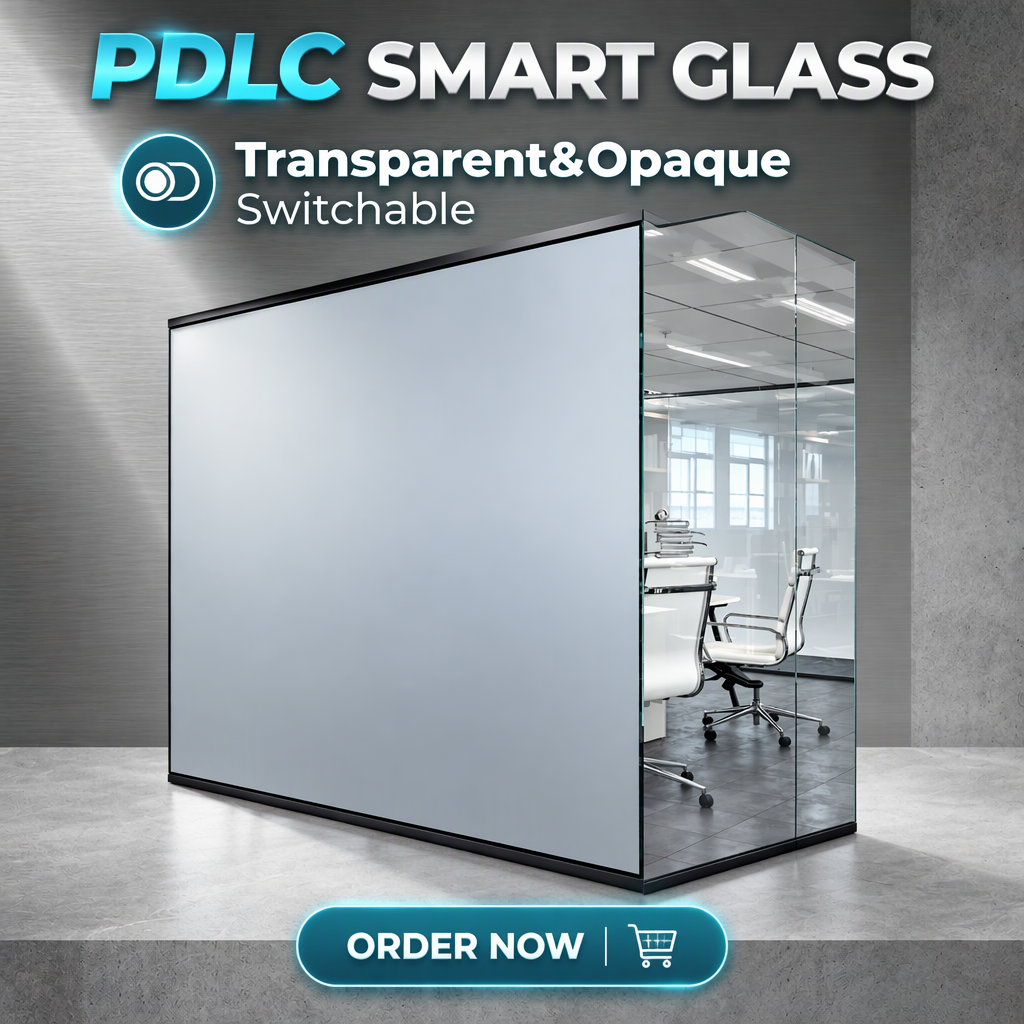
PDLC Smart Film Smart Glass Privacy Film Electrically Transparent Dimmable Glass
Switchable privacy glass for partitions, office interiors and sensor-integrated architectural surfaces.

High Quality Industrial Screen Front Cover Glass Frosted Anti-glare Glass for Screen Protector
AG-treated industrial cover glass for readable HMIs, medical displays and bright workshop environments.
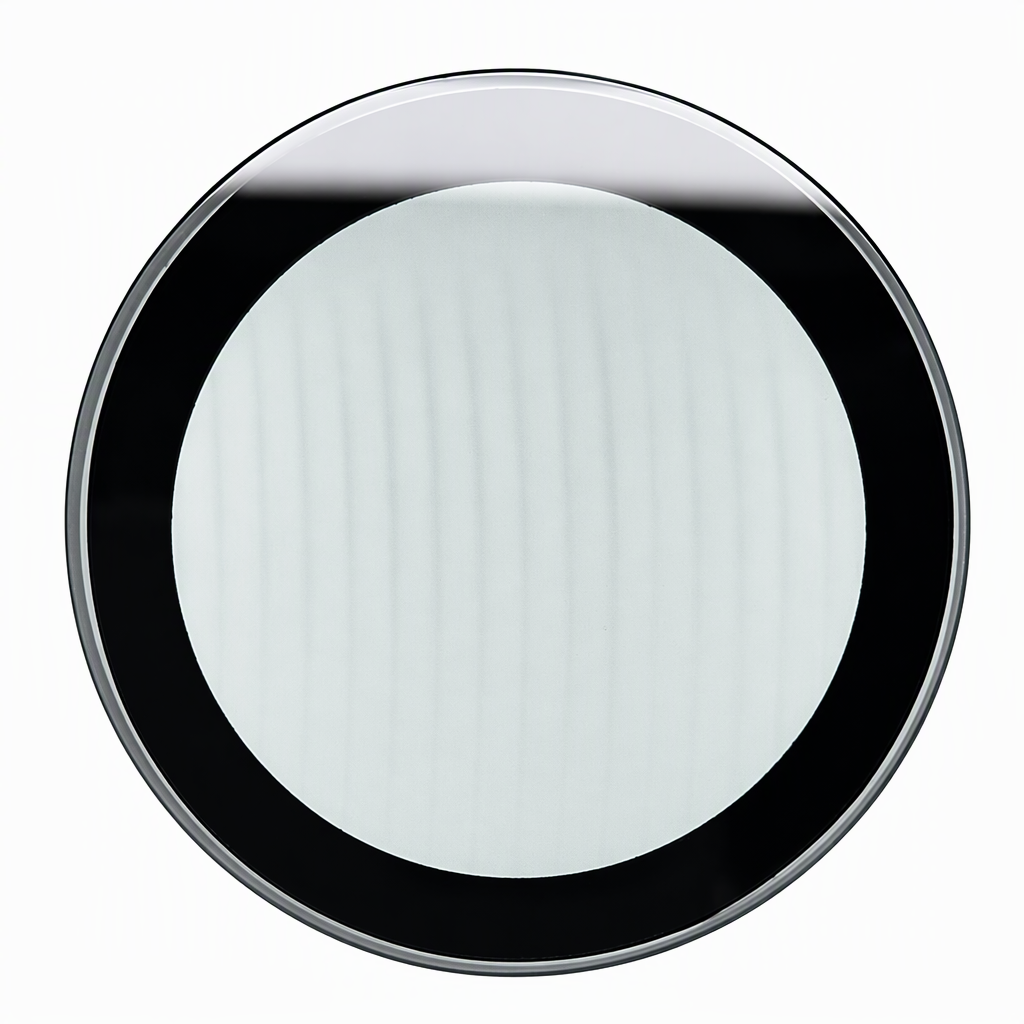
Custom 3-19mm Thickness Flat Tempered Glass Panel for Instrument Use Factory Price Round Shape Printed Tempered Glass
Thick, flat tempered panels for instrument faces, control windows and heavy-duty industrial covers.

Glass Factory Customized High Quality Transparent Display Touch Screen Glass Silk Screen 9H Hardness Industrial Screen Protector
Hardened touch-screen covers with print windows, anti-scratch surfaces and CNC edge finishing.
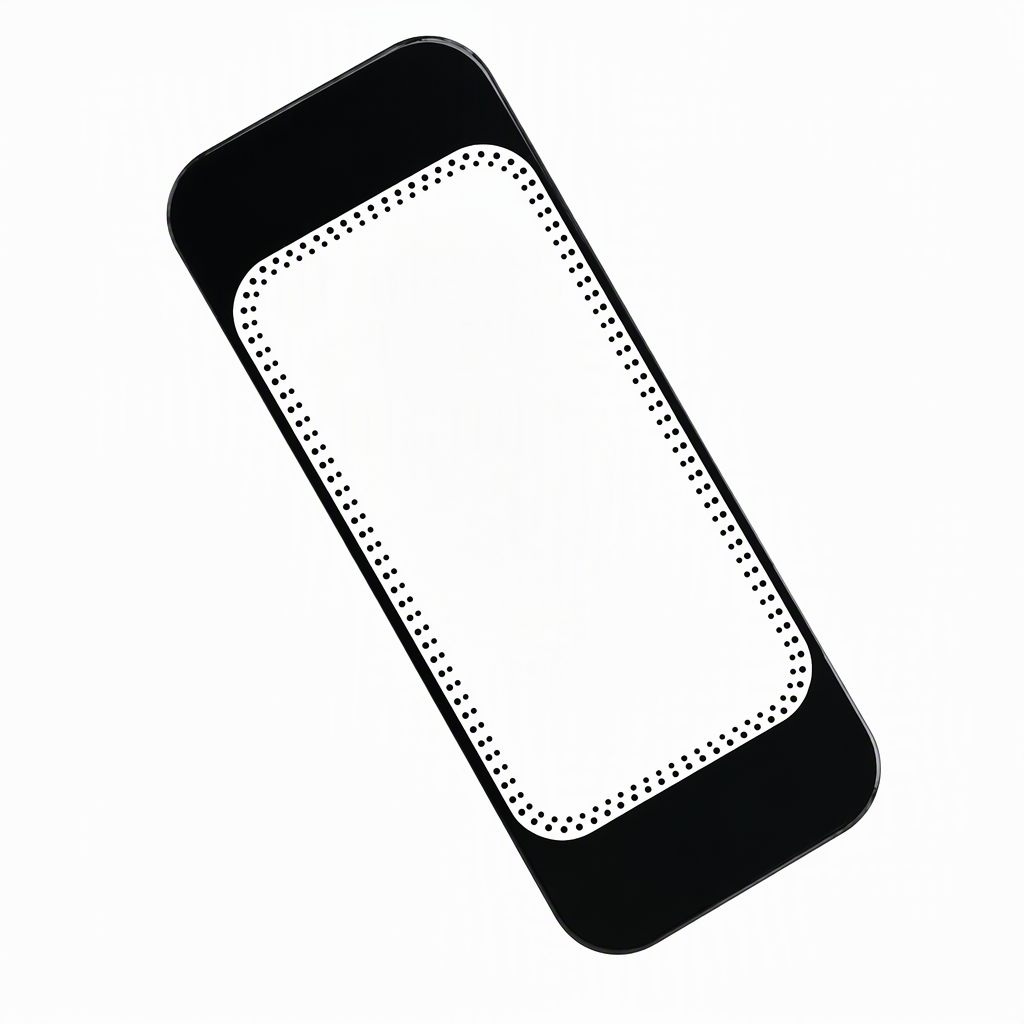
Custom Logo Silk Screen Printing Tempered Glass Panel Tempered Display Glass Screen Protector
Multi-color logo and icon printing on tempered glass for appliance, display and control-panel brands.
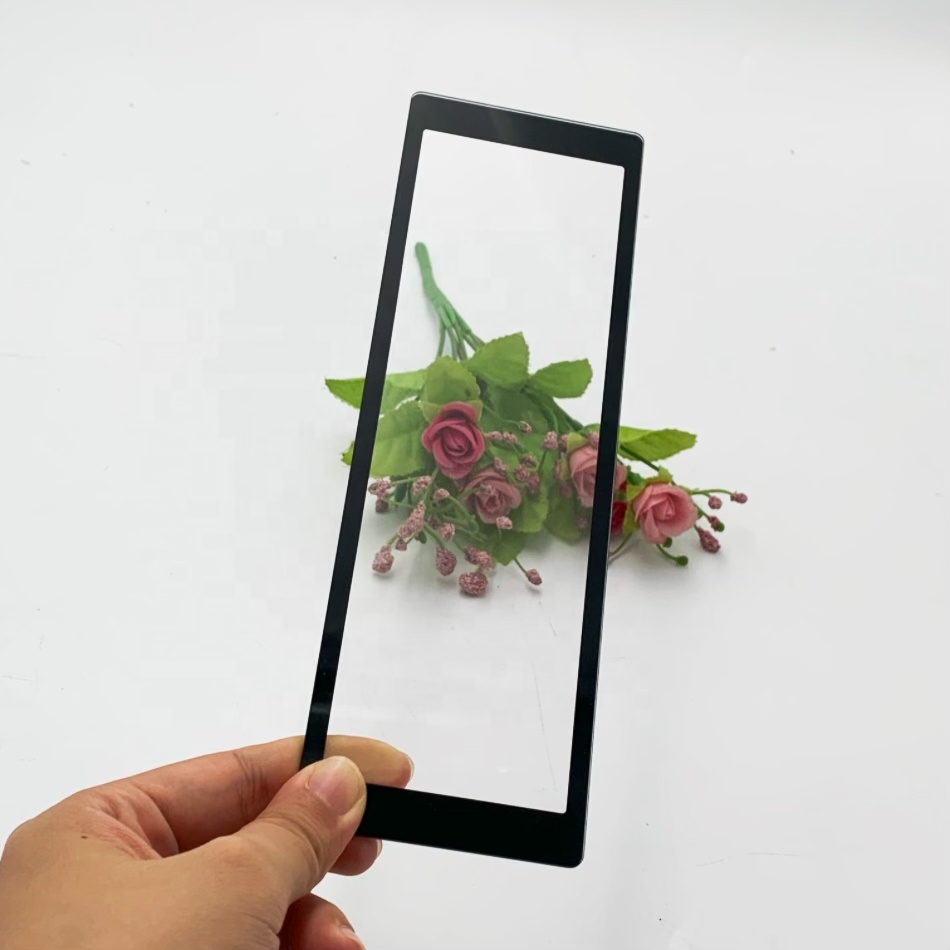
Custom Silk Screen Printed Tempered Glass Panel Touch Screen Display Cover Glass
Printed touch-panel cover glass for smart home switches, industrial controls and interactive displays.
Need a shortlist by ΔT, thickness, print colors and mounting method? Share your drawing and service conditions.
Inquire NowThermal Shock Glass Is a Performance Requirement, Not a Generic SKU
For wholesale buyers, the lowest-risk approach is to specify the working environment first and the glass construction second. That is where real information gain begins.
In China wholesale thermal shock glass sourcing, a supplier list alone does not protect a program. Thermal shock performance depends on the glass composition, tempering or chemical strengthening method, edge quality, print ink system, coating stack and the way the panel is mounted. A part that survives a bench test can still fail in the field if the gasket, frame, screw torque or thermal ramp is different.
Qingdao Maupe Glass Co., Ltd. approaches thermal-shock-related projects as an OEM engineering exercise. Our team reviews drawings against the actual application: maximum operating temperature, temperature differential, cycle frequency, mechanical load, cleaning chemicals, optical requirements and the annual volume that determines the most economic production route.
This is especially important for cooktop panels, oven doors, industrial viewing windows, medical displays, smart switch covers and outdoor HMI glass, where heat, touch sensing, printing and appearance must be controlled together.
RFQ details that improve quotation accuracy
- Maximum service temperature and expected ΔT across the panel
- Cycle count, ramp rate and whether the heat source is localized
- Glass thickness, outline drawing, hole and notch tolerances
- Print artwork, color references, ink temperature class and layer order
- AR, AG, AF or other coating requirements and optical targets
- Mounting method, gasket compression, screw torque and cleaning agents
Why Global Buyers Shortlist Qingdao Maupe Glass Co., Ltd.
Reliable wholesale glass supply is built on verified process control, useful engineering feedback and export experience—not only a price per square meter.
ISO 9001 Quality Management
Quality system certificate No. 24025Q20015R1S supports documented inspection, process control and repeatable output for custom glass projects.
SGS Onsite Assessed Supplier
Third-party onsite assessment, incoming material inspection and finished-product inspection help reduce sourcing risk before mass production.
One-Stop Deep Processing
Cutting, CNC shaping, drilling, edge polishing, silk-screen printing, physical tempering, chemical strengthening and AR/AG/AF coating under one roof.
Eco-Friendly Printing & Compliance
RoHS certificate No. 25TYT12395 and CE certificate No. 23TYT082593S support regulated markets. High/low-temperature inks resist wear and scratching.
OEM / ODM Export Experience
Since 2012, Maupe has supplied customized glass to buyers in more than 80 countries, from sample and design customization to repeat order production.
Qingdao Logistics & Engineering Review
Close to Qingdao seaport and airport for export shipping, with drawing review for strengthening method, tolerance, thermal risk and packing protection.
Process Capability Buyers Can Verify Before Ordering
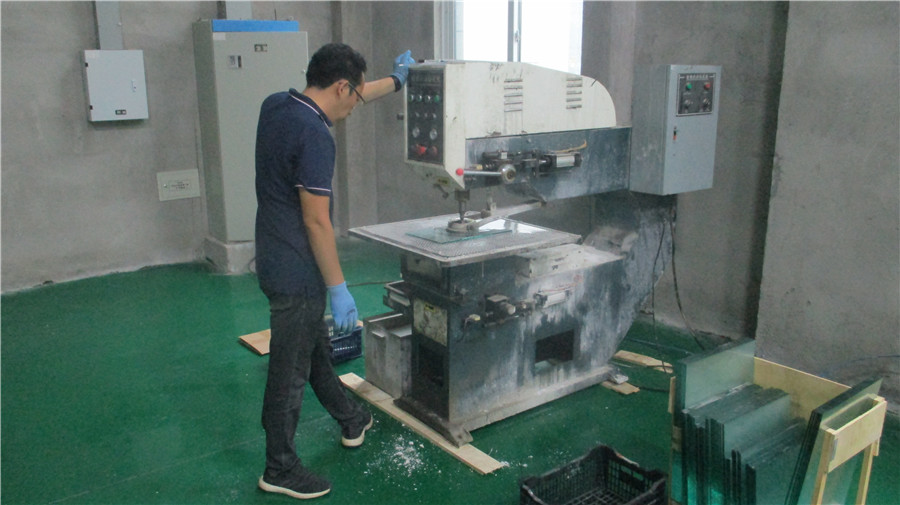
Product photos, factory video and sample verification help procurement teams evaluate real capability instead of relying on catalog claims alone.

Factory overview: deep-processing lines for OEM glass programs.

Silk-screen printing: icons, logos, borders and touch zones.
Export packing: protection for edges, printing and coating surfaces.
How Wholesale Thermal Shock Glass Procurement Will Change
Buyers are moving from transactional purchasing toward specification-led, traceable and application-tested sourcing. The following six trends are particularly relevant for 2025–2028 OEM programs.
Performance-first RFQs replace generic tempered glass requests
Purchasing teams increasingly ask for ΔT, cycle count, edge quality, ink temperature class and coating performance—not only dimensions and price.
Dual-source strategies are organized by application risk
Critical safety and appliance glass may be dual-sourced across qualified plants, while decorative or lower-risk parts remain single-sourced for cost efficiency.
Traceability and FAI documentation become routine
Batch IDs, first-article inspection, color approvals, certificate packs and change-control notes reduce hidden quality costs in long supply chains.
Low-carbon and RoHS-aligned materials influence supplier selection
Eco-friendly inks, recyclable packaging, energy-aware tempering schedules and restricted-substance documentation are becoming part of the sourcing scorecard.
Supplier engineering support becomes a purchasing KPI
Buyers value factories that challenge risky designs early, recommend the correct strengthening method and provide manufacturability feedback before tooling.
Total landed cost outranks unit price
Breakage rate, packaging performance, inspection rework, lead-time reliability and inventory planning now weigh heavily in wholesale glass decisions.
What Is Next for Heat-Resistant and Functional Device Glass
Glass is becoming a functional interface: structural protection, optical control, touch sensing, printing and switchable privacy are converging in one component.
Thinner chemically strengthened touch covers
Smart home switches and HMI panels continue to move toward thinner, flatter glass with excellent optical quality and reliable edge strength.
Integrated AR / AG / AF optical stacks
Industrial, medical and outdoor displays require anti-reflective readability, anti-glare diffusion and anti-fingerprint cleaning performance in one coated part.
Higher-temperature printed appliance glass
Oven, cooktop and kitchen appliance panels demand heat-resistant ink systems, stable color and safety performance across repeated thermal cycles.
Switchable, sensor-ready glass surfaces
PDLC privacy glass, capacitive touch zones and decorative backlit printing are expanding beyond architecture into appliances and smart equipment.
Thermal Shock Glass Specification Matrix for Wholesale RFQs
Use this table as a starting point, then validate the final construction with application testing and a factory drawing review.
| Application | Typical glass route | Common thickness | Critical control | Procurement note |
|---|---|---|---|---|
| Oven / viewing door | Clear low-iron tempered glass, high-temperature printed frame | 3–6 mm | Edge quality, ink adhesion, thermal cycling | Specify service temperature, door weight and cleaning agents. |
| Industrial viewing panel | Clear tempered glass, cut and drilled to drawing | 4–12 mm | Pressure load, hole tolerance, gasket compression | Confirm pressure and temperature cycle before sampling. |
| Smart switch / control panel | Chemically strengthened or physical tempered cover glass | 1.1–4 mm | Flatness, touch-zone print, AF coating, edge strength | Provide artwork, sensor layout and adhesive or lamination plan. |
| Kitchen appliance panel | Printed tempered glass or validated glass-ceramic alternative | 3–6 mm | Heat-resistant ink, color stability, safety breakage | Do not assume all cooktop glass is interchangeable; test the actual thermal load. |
| HMI / medical display cover | Chemically strengthened glass with AR, AG or AF coating | 1–6 mm | Optical clarity, haze, flatness and cleanability | Define gloss, transmission and abrasion test standards. |
| PDLC / privacy glass | Laminated switchable film glass or PDLC film assembly | Project-specific | Busbar protection, delamination, haze and power supply | Clarify film orientation, edge sealing and installation environment. |
Common Questions About Wholesale Thermal Shock Glass
Practical answers for engineers, sourcing managers and brand owners comparing China thermal shock glass manufacturers and exporters.
Is thermal shock glass the same as tempered glass?
Not exactly. Thermal shock resistance is a performance outcome, while tempered glass is one construction route. A panel may be tempered but still unsuitable for a specific thermal gradient or mounting condition. Buyers should specify temperature differential, cycle count, heat source and mechanical load so the factory can recommend the correct glass type, thickness and strengthening method.
What should be included in an RFQ for custom thermal shock glass?
Send a 2D drawing in DWG, DXF or PDF with dimensions, thickness, holes, notches, edge finish and tolerances. Add print artwork in AI or PDF with color references, coating requirements such as AR, AG or AF, operating temperature, expected ΔT, cycle frequency, annual volume and the intended application. A sample requirement and destination market also help.
Which thickness is best for high-temperature or thermal cycling applications?
There is no universal thickness. Thicker tempered glass may suit industrial windows and pressure resistance, while thinner chemically strengthened glass is often better for touch panels and optical flatness. For oven doors, cooktop areas and heat-exposed control panels, the ink system, edge quality and mounting design can be as important as thickness. Validate the final construction through application testing.
Can Maupe produce high-temperature printed logos and touch icons?
Yes. The factory uses eco-friendly high- and low-temperature silk-screen printing for logos, borders, icons, touch zones and decorative graphics. Printing can be combined with tempered or chemically strengthened glass, edge polishing, drilling, engraving and AR/AG/AF coating. Ink selection depends on heat exposure, cleaning chemicals and required scratch resistance.
What are the typical MOQ and sampling steps?
Most custom silk-screen printed panels start from 10 to 100 pieces depending on size, thickness and number of print colors. Large-format display cover glass can start from lower quantities in some cases. Samples are available for fit, print color and touch-zone verification before mass production. Final MOQ and lead time should be confirmed against the drawing and annual volume.
How can buyers verify quality and compliance?
Review ISO 9001 certificate No. 24025Q20015R1S, RoHS certificate No. 25TYT12395 and CE certificate No. 23TYT082593S. Maupe has also been onsite-assessed by SGS Group as a third-party inspection company. Buyers can request samples, factory video, inspection records and pre-shipment checks before release. For regulated applications, confirm the required test standard and market-specific documentation during the RFQ stage.
Send Your Drawing, ΔT Target and Annual Volume
Our glass engineers will review manufacturability, suggest the right tempered or chemically strengthened route, identify print and coating options, and outline a practical sampling path for your wholesale thermal shock glass program.
Inquire Now Include application, glass thickness, finish, artwork and destination market for a faster reply.