Eight Custom Glass Plate Formats Displayed Below the Banner
These production-ready glass plate formats demonstrate the cutting, printing, coating, strengthening and assembly options used in OEM borosilicate glass plate programs. Every borosilicate inquiry is reviewed against the drawing, operating temperature, chemical exposure, tolerance and annual volume.
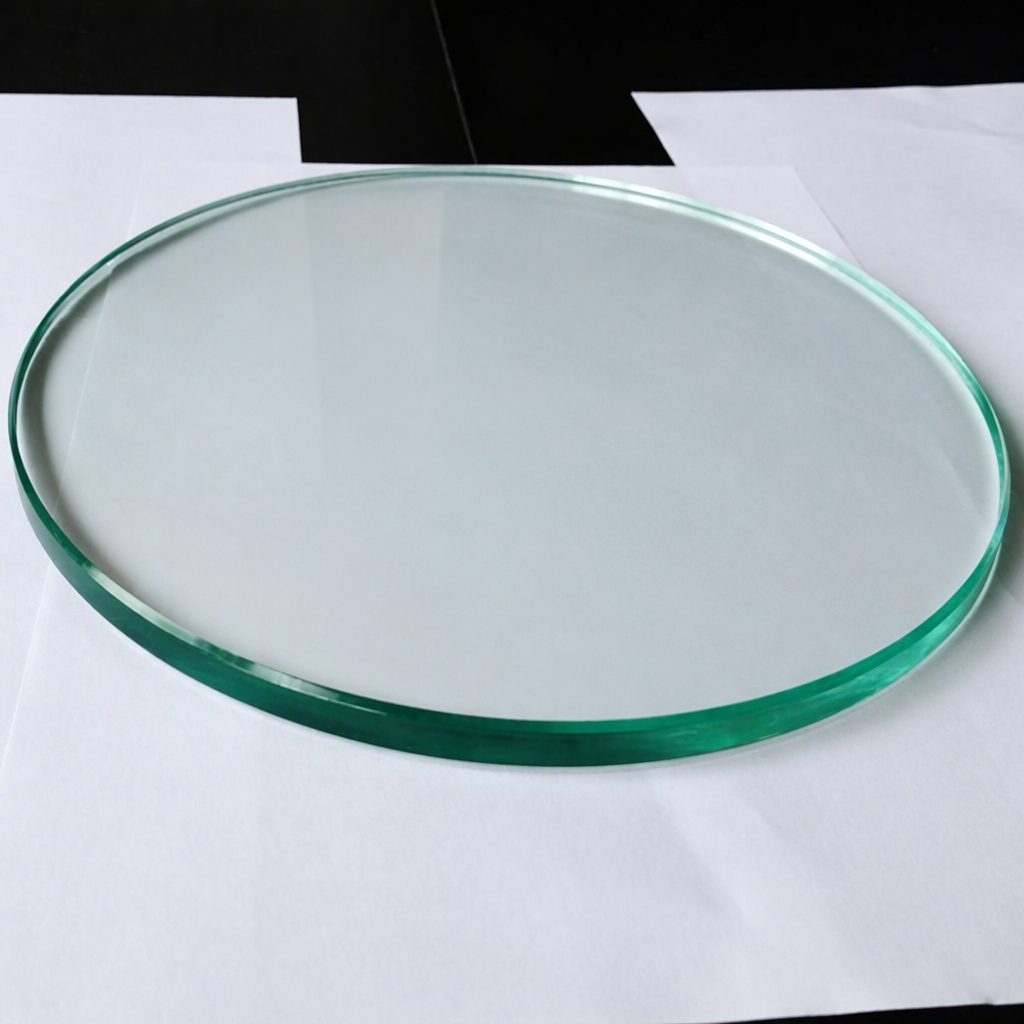
12mm Tempered Glass Round Tempered Glass Beveled Round Glass Pieces
Thick round glass plate format with beveled edge, suitable for viewports and heavy-duty covers.
View specifications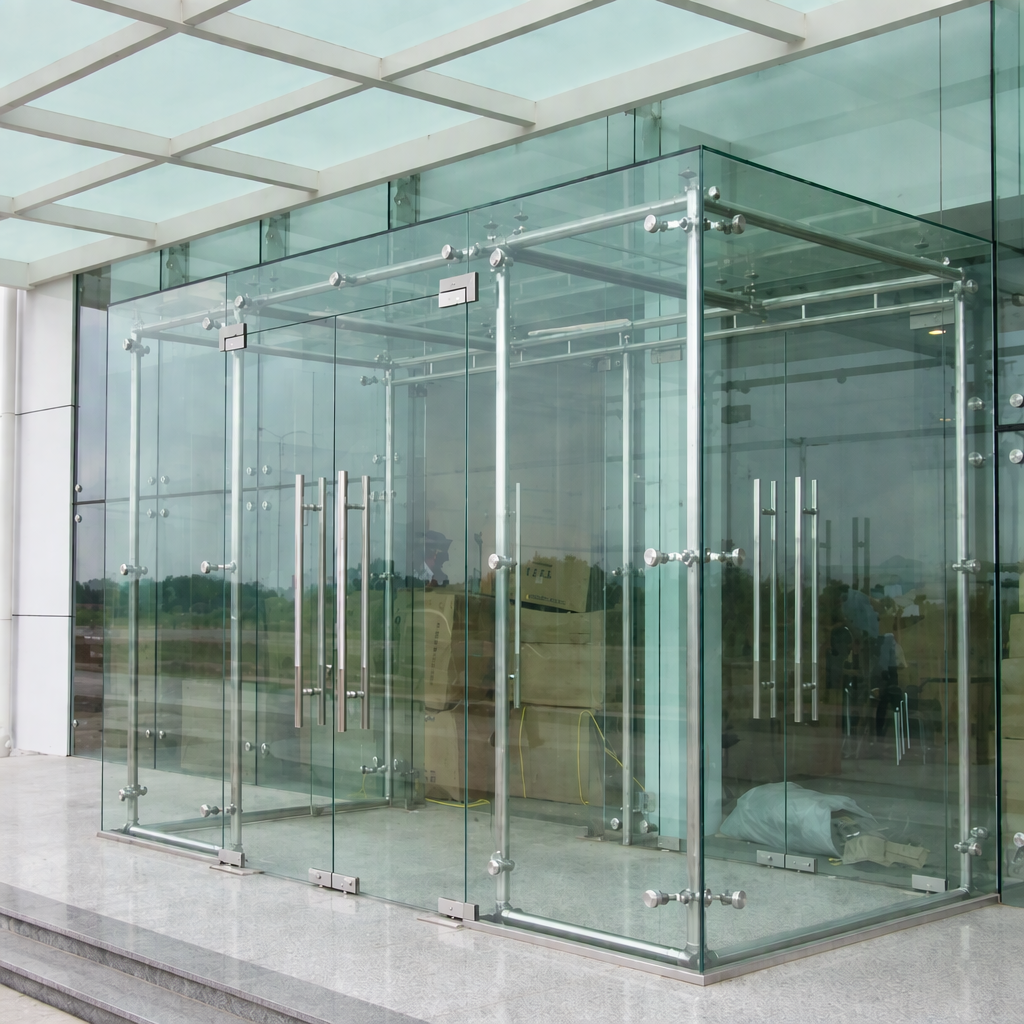
Tempered Glass Solar Window Glass High Transmittance Clear Flat Tempered Glass
Clear flat plate with high light transmission for solar, display and protective window applications.
View specifications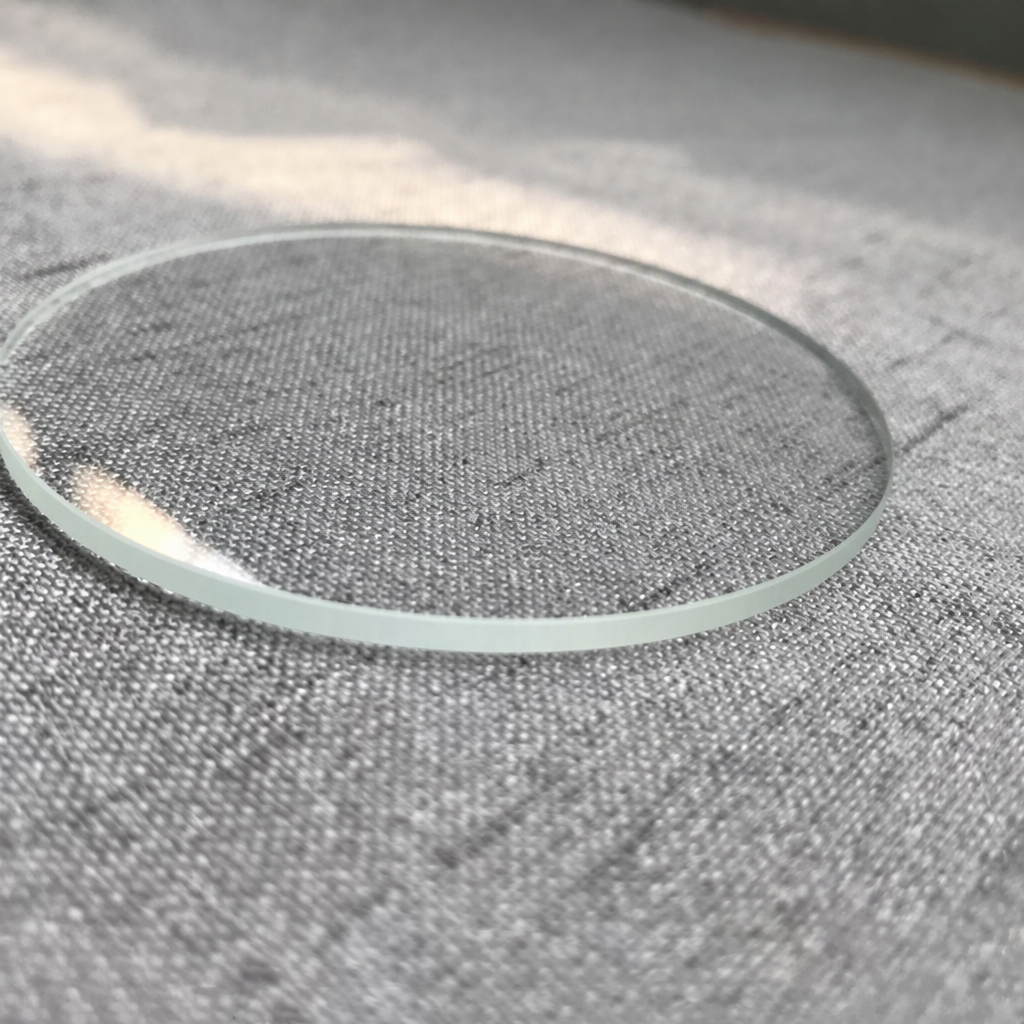
Pressure-resistant Glass Tempered Viewing Mirror Custom Size Clear Glass Panel for Industrial Workshop
Custom-size viewing panel for industrial equipment, inspection windows and pressure-resistant covers.
View specifications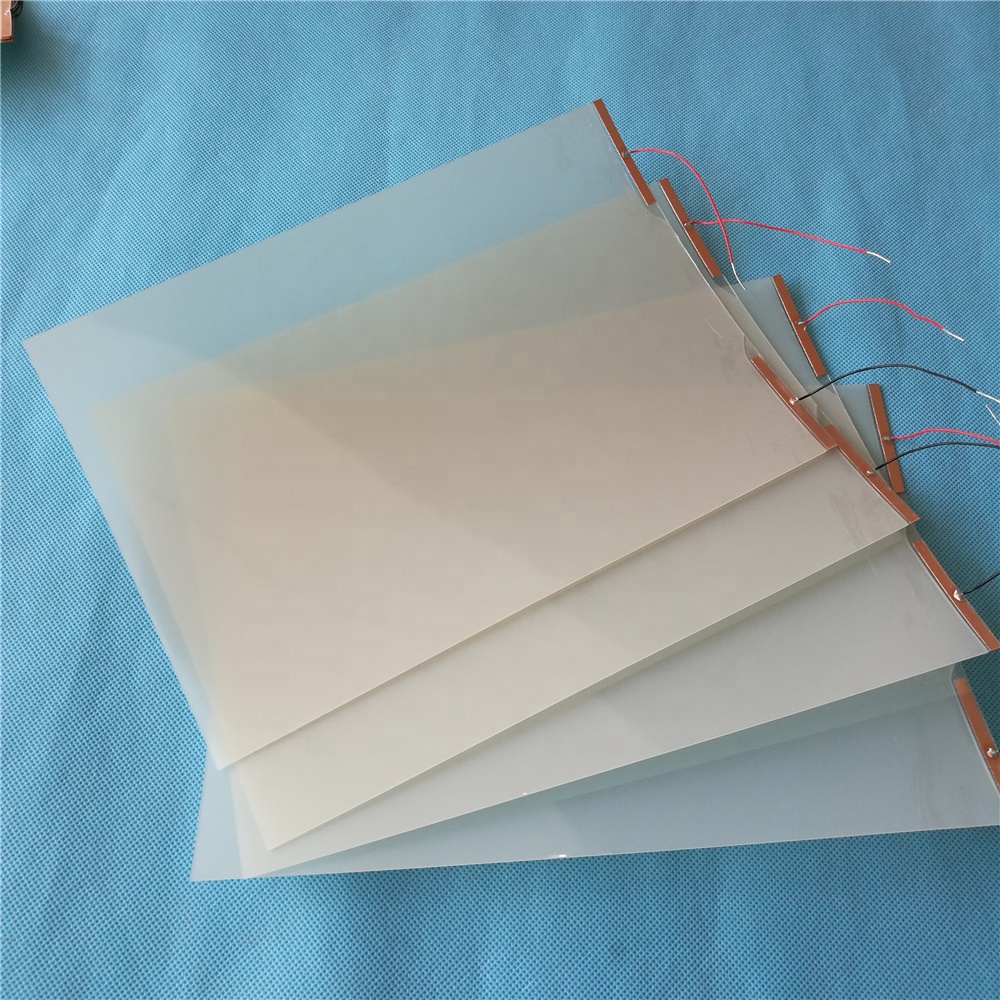
Factory Price Electrochromic Anti-UV PDLC Film Smart Switchable Privacy Glass Office Partition and Curtain Walls
Switchable privacy glass technology for partitions, curtain walls and smart architectural glazing.
View specifications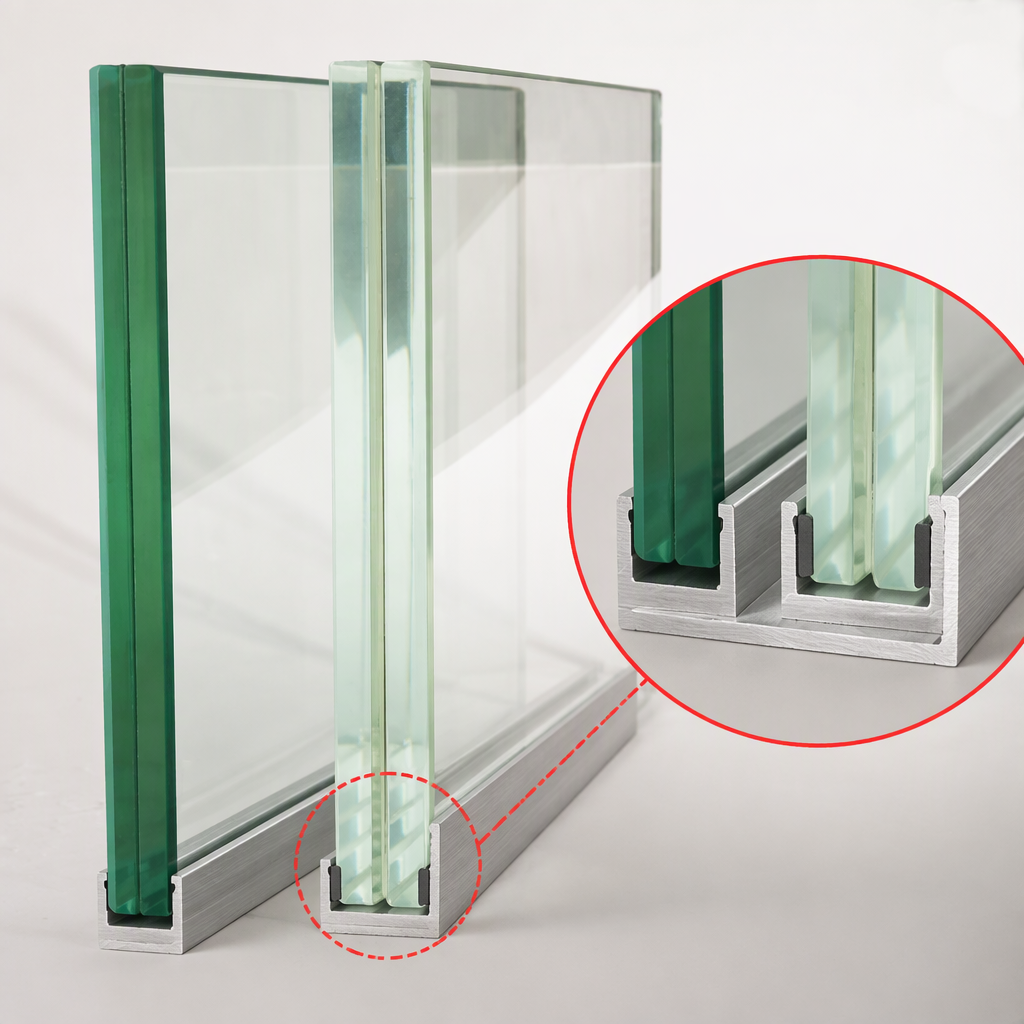
Tempered Glass Flat Solid Tempered Glass Panel Customized Thickness and Size
Custom thickness and size flat glass panel for appliance, industrial and electronic equipment.
View specifications
Tempered Glass Panel With 3M Adhesive Tape Silk Screen Printing for Electrical Appliance Decoration Front Cover Glass
Printed front cover glass with adhesive tape for electrical appliances and decorative control surfaces.
View specifications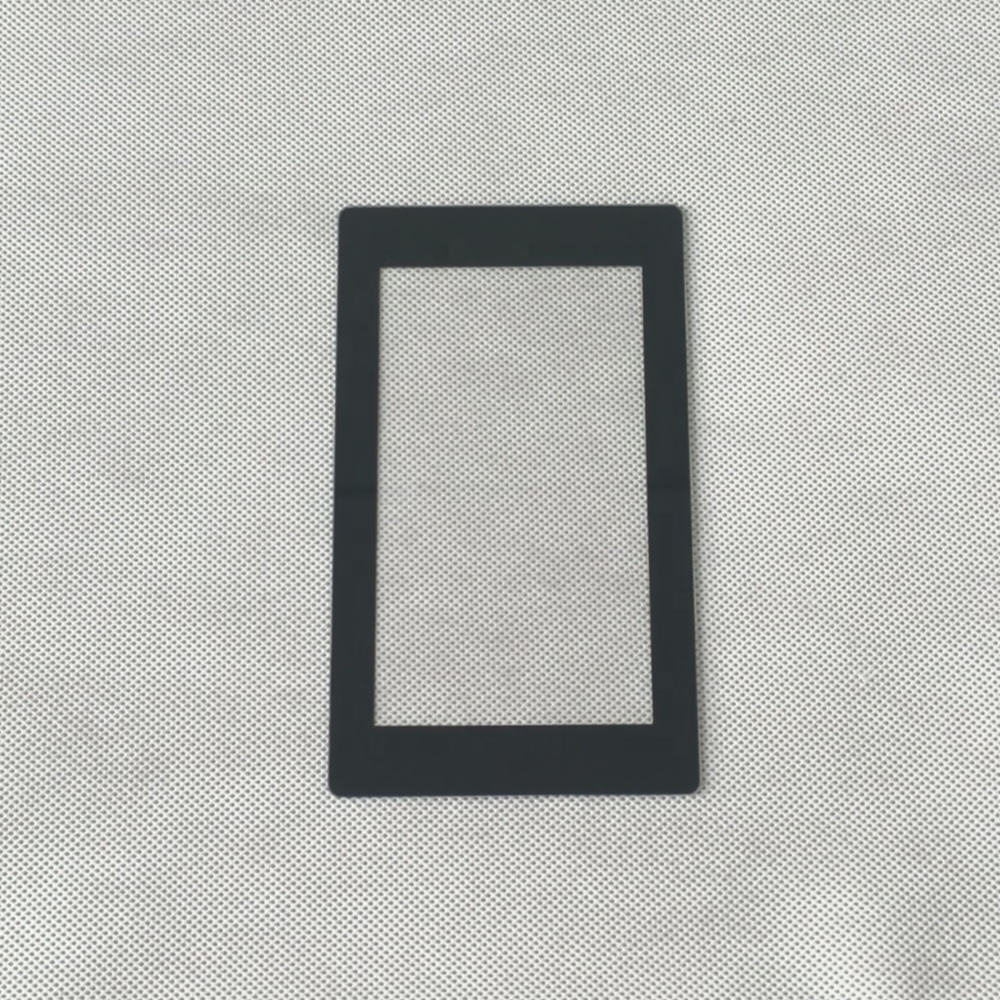
Silk Screen Printed Tempered Glass Panel Self Adhesive Display Cover Glass Flat Electronic Product Glass Screen Protector
Self-adhesive printed cover glass for electronic displays, control panels and product protection.
View specifications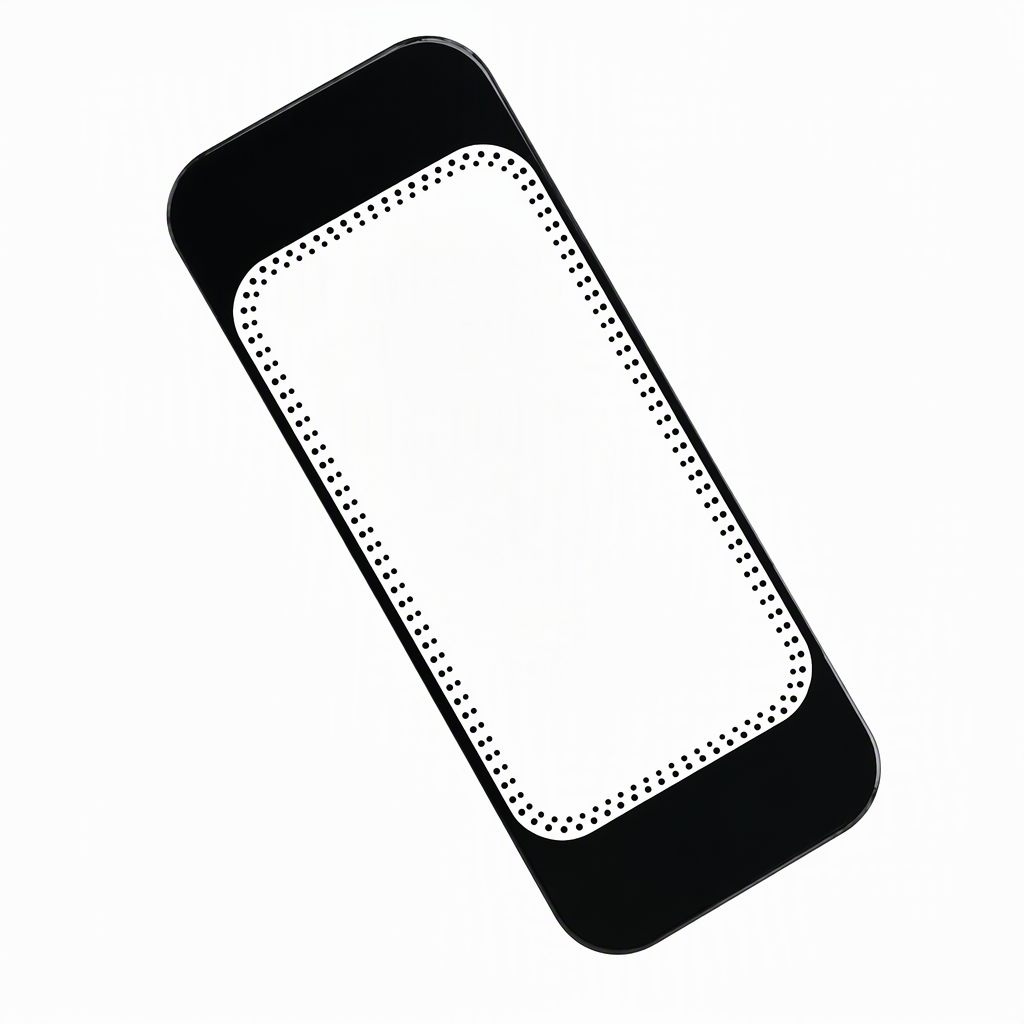
Custom Logo Silk Screen Printing Tempered Glass Panel Tempered Display Glass Screen Protector
Branded silk-screen glass panel with custom logo, display window and protective cover glass design.
View specificationsWhy Custom OEM Borosilicate Glass Plates Are Specified
Borosilicate glass plate buyers are not only purchasing a transparent material. They are buying thermal-shock reliability, chemical durability, optical stability, dimensional repeatability and a supply chain that can prove those properties lot after lot.
Custom OEM borosilicate glass plate manufacturers are usually judged on three factors that do not appear on a simple price list: thermal-shock survival, edge and hole quality after machining, and repeatability of printing or coating. Borosilicate glass contains boron oxide in its silica network. That chemistry lowers the coefficient of thermal expansion and improves resistance to thermal gradients, which is why borosilicate 3.3 plates are frequently selected for high-temperature viewports, laboratory shields, oven and appliance windows, lighting covers, sensor windows and electrical insulation parts. Borosilicate 5.1 is also used where a lower-cost borosilicate grade is acceptable and the thermal load is less severe.
For OEM buyers, the most important design decision is to finish all cutting, CNC shaping, drilling, countersinking, edge grinding and printing before any strengthening step. Tempered or chemically strengthened borosilicate cannot be cut or drilled afterward without destroying the strength layer. Specify edge quality, hole break-out limits, flatness, bow, print color tolerance, coating thickness and the inspection method before tooling. A borosilicate plate that is perfect in a laboratory sample but has a poorly polished hole or an exposed micro-chip at the edge can fail in thermal cycling. This is why experienced buyers ask for first-article inspection, not only a catalogue photo.
Information gain for procurement teams: the total cost of ownership of a borosilicate glass plate is often dominated by breakage, re-polishing, print rejection, cleaning damage and line stoppage — not by the raw glass price per square meter. A factory with controlled edge quality, verified ink adhesion and documented thermal history usually produces a lower total cost than a lower-priced supplier that leaves process risk inside the buyer’s assembly line.
Design rule: specify the application temperature, chemical contact, mounting method and cleaning regime before choosing borosilicate 3.3, borosilicate 5.1 or a coated soda-lime alternative. The glass grade, edge finish, coating and print system must be validated as one system.
Borosilicate Plate Property Profile
| Criteria | Borosilicate 3.3 | Borosilicate 5.1 | Soda-lime glass |
|---|---|---|---|
| Coefficient of thermal expansion | Low, about 3.3 × 10⁻⁶/K | Moderate, about 5.1 × 10⁻⁶/K | Higher, about 9 × 10⁻⁶/K |
| Thermal-shock capability | High; suited to severe temperature gradients | Moderate; suited to controlled heat exposure | Low; best for stable indoor applications |
| Chemical durability | Excellent resistance to water and acids | Good general chemical durability | Depends on surface treatment and environment |
| Optical use | High-temperature viewports, laboratory windows | Lighting covers, appliance panels, protective windows | Display covers, printed panels, architectural glass |
| Machining logic | Cut, drill, edge and print before strengthening | Same sequence; confirm thermal history | Cut, drill, edge and print before tempering |
| Best-fit application | High-heat viewports, lab shields, furnace windows | Appliance glass, lighting, sensors, insulation parts | Electronics covers, switch panels, decorative glass |
Recommended Borosilicate Glass Plate Applications for OEM Buyers
Use these application modules to shortlist the right construction, edge finish and coating before requesting a drawing review.
High-Temperature Viewport Plates
Borosilicate 3.3 rounds, rectangles and custom outlines for furnaces, ovens, reactors and inspection windows. Specify polished edges, controlled hole positions and tempered or chemically strengthened options according to pressure and thermal load.
Laboratory and Cleanroom Shields
Chemically resistant borosilicate plates for fume hoods, instrument guards and cleanroom windows. Consider AR coating for optical clarity and anti-fingerprint treatment where frequent cleaning is required.
Appliance and Oven Glass Panels
Printed borosilicate plates for oven doors, warming drawers, coffee equipment, sterilizers and high-end appliances. High-temperature inks, touch icons and hidden sensor windows can be integrated into one glass surface.
Optical Sensor and Camera Windows
Clear borosilicate cover plates for optical sensors, cameras, LiDAR windows and analytical instruments. Specify transmission range, surface flatness, AR coating and edge blackening when stray light must be controlled.
Industrial HMI Cover Plates
Borosilicate or strengthened cover glass for human-machine interfaces, outdoor terminals, chemical equipment and control panels. Combine AG anti-glare, AF anti-fingerprint and selective printing for daytime readability.
Lighting and Insulation Plates
Borosilicate plates for high-temperature lighting covers, explosion-proof lamp windows and electrical insulation spacers. Specify thermal expansion compatibility with the housing and sealing material before tooling.
Borosilicate Glass Plate Procurement Trends Buyers Should Prepare For
Purchasing strategy for technical glass is shifting from unit-price negotiation toward qualification speed, risk visibility and total process yield.
Dual Sourcing with Auditable Evidence
Buyers will keep a primary factory and a qualified secondary source, but qualification will depend on drawing review records, inspection reports and traceable process data rather than catalogue claims.
Small-Lot Customization
More OEM teams are launching multiple SKUs with lower initial volume. Factories that can handle 10–100 piece custom printed panels without sacrificing print quality will win repeat business.
Total Landed Cost Focus
Procurement teams are measuring breakage rate, rework, line stoppage and cleaning cost. A slightly higher factory price can be cheaper when edge quality and print adhesion reduce downstream losses.
Traceability by Batch and Drawing
Automotive, medical and industrial buyers increasingly require batch traceability for glass grade, ink lot, coating run and inspection result. Drawing revision control is becoming part of the purchase order.
ESG, RoHS and REACH Alignment
Compliance documentation is now requested earlier in the sourcing process. Buyers want RoHS-compliant inks, controlled packaging materials and clear statements for substances of concern.
Digital RFQ and Drawing-Based Quotation
Fast, accurate quoting now depends on DWG, DXF, PDF and artwork files being reviewed together. Suppliers that return manufacturability feedback with the quote reduce engineering iterations.
How Borosilicate Glass Plate Technology Is Evolving
The next generation of borosilicate plate products combines thinner glass, stronger surfaces, smarter coatings and more integrated printed functionality.
Large-Format, Thin Borosilicate Plates
Equipment designers continue to move toward larger optical windows and thinner plates. The challenge is maintaining flatness, edge strength and coating uniformity across the full sheet.
Chemical Strengthening for Thin Plates
Ion-exchange strengthening is increasingly attractive for 0.5–2 mm borosilicate and specialty glass where optical flatness and high surface strength are both required.
Multi-Layer AR / AG / AF Coatings
Combined anti-reflective, anti-glare and anti-fingerprint coatings are becoming standard for sensor windows, medical displays and outdoor HMI covers.
Laser Cutting and Low-Stress Edges
Laser cutting and refined CNC edge polishing reduce micro-crack risk in borosilicate plates, especially for thin formats and high-thermal-cycle applications.
Printed Electronics and Hidden Windows
Silk-screen printed borders, capacitive touch zones, hidden sensor windows and selective light-blocking layers are being integrated into a single glass plate.
Hybrid Glass and PDLC Assemblies
Switchable privacy film, heaters and sensor stacks are being laminated to glass plates for architectural, medical and equipment enclosures. Buyers need suppliers who can manage both glass and lamination quality.
A Borosilicate Plate Supply Partner Built for OEM Qualification
Qingdao Maupe Glass Co., Ltd. combines deep glass processing, certified quality management and export experience for buyers who need a factory they can audit.
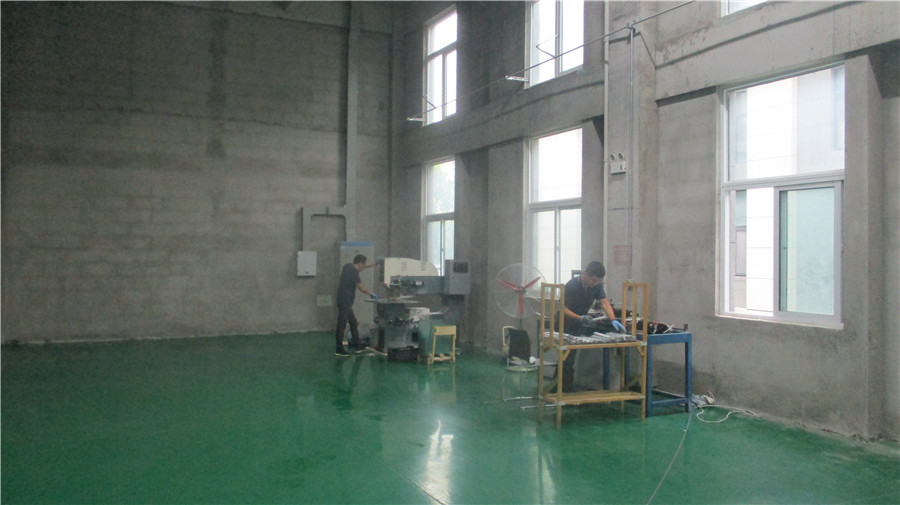
Founded in 2012 in Qingdao, Shandong, Qingdao Maupe Glass Co., Ltd. is an ISO 9001 certified glass deep-processing manufacturer and international supplier. The factory converts flat glass into finished functional parts through cutting, CNC shaping, edge polishing, drilling, engraving, high- and low-temperature silk screen printing, physical tempering, chemical strengthening, AR/AG/AF coating, inspection and protective export packing. Borosilicate glass plate projects are reviewed through the same controlled workflow: drawing, material grade, machining sequence, print or coating validation, strengthening and final inspection.
The company operates 8 production lines in a 3,000–5,000 m² factory, with 91–100% of output exported to more than 80 countries across North America, Europe, Oceania, the Middle East, Africa, South America and Asia. It has been onsite assessed by SGS Group, has Fortune 500 supplier experience and provides OEM/ODM service backed by more than 10 years of customization experience. Its silk-screen printing uses RoHS-compliant inks, and its product scope includes tempered glass, chemically strengthened glass, AR glass, AG glass, AF-coated glass, switch panel glass, card reader glass, appliance glass panels and PDLC smart glass.
The factory is close to Qingdao seaport and airport, which simplifies samples, pre-shipment inspection and export logistics. Accepted delivery terms include FOB, CIF, EXW, FAS, FCA, CPT, DDP, DDU and express delivery. Payment terms include T/T, L/C, PayPal, Western Union and cash in USD, EUR or CNY.



Certifications and Inspection Evidence for Buyer Review
Certificate numbers are shown so compliance teams can verify the records directly with the issuing bodies.
ISO 9001 Quality Management
Certificate No. 24025Q20015R1S · Scope covers float glass and technical glass products · Valid to 02/2028.
RoHS Compliance
Certificate No. 25TYT12395 · Restricts hazardous substances for electrical and electronic equipment · Valid to 12/2030.
CE Marking
Certificate No. 23TYT082593S · Tempered glass · Supports market access across the European Economic Area · Valid to 08/2028.
From Drawing to Delivery in Five Controlled Steps
A transparent process helps purchasing, engineering and quality teams know exactly what happens from RFQ to export packing.
Drawing Review
Engineers check glass grade, manufacturability, tolerance, edge finish, print layout and strengthening method.
Sampling
Samples are produced for fit, color, touch, coating and assembly verification before mass production.
Production
Cutting, CNC shaping, printing, coating and strengthening run on 8 production lines with in-process control.
Inspection
Incoming material and finished products are inspected for dimension, appearance, print and coating quality.
Export Shipping
Protective export packing and shipping through Qingdao seaport or airport, with FOB, CIF, DDP and express options.
Frequently Asked Questions About Custom OEM Borosilicate Glass Plates
Use these answers to prepare a clearer RFQ and reduce engineering back-and-forth.
What is a custom OEM borosilicate glass plate?
+
Which borosilicate grades and thicknesses can be quoted?
+
What is the minimum order quantity for custom printed glass plates?
+
Should I choose physical tempered glass or chemically strengthened glass?
+
What files are needed to start a custom borosilicate glass project?
+
Can you print logos, touch icons and hidden sensor windows?
+
Which certifications and inspection records are available?
+
Which trade and payment terms are accepted?
+
How can I reduce thermal-shock failure risk in borosilicate glass plates?
+
How can buyers verify the factory before placing an order?
+
Send Your Borosilicate Glass Plate Drawing for a Manufacturability Review
Share glass grade, thickness, operating temperature, edge and hole requirements, print artwork, coating specification and annual volume. The engineering team will review the drawing against cutting, printing, strengthening, inspection and export packaging requirements.
info@maupeglass.com