Eight OEM Glass Products That Showcase Our Precision Processing Platform
The product tiles below are current catalog references. They demonstrate cutting, CNC shaping, edge finishing, silk screen printing, tempering and functional coating workflows used across custom glass programs. For fused silica-specific windows, discs and viewports, use the Get Catalog button and include your purity, flatness, transmission and tolerance requirements in the RFQ.
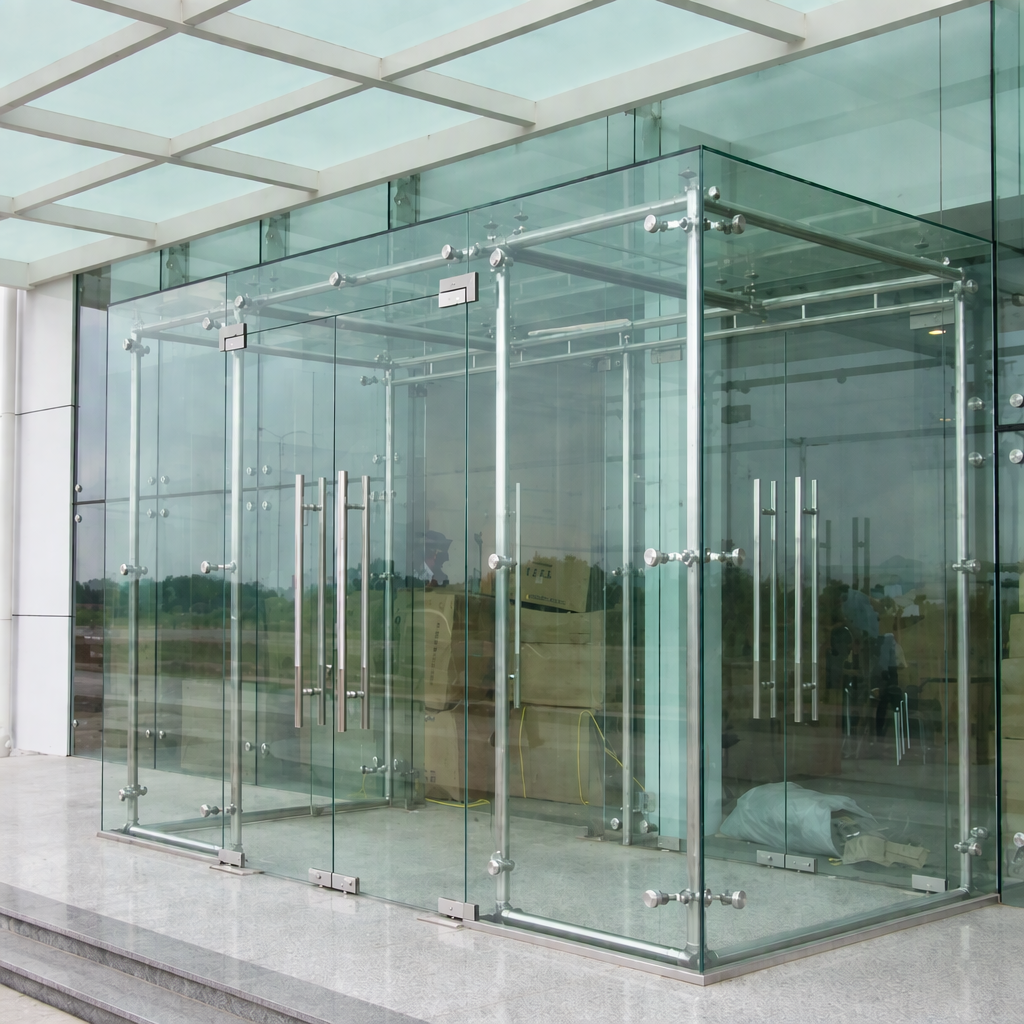
Tempered Glass Solar Window Glass High Transmittance Clear Flat Tempered Glass
Clear flat tempered glass for solar and energy-related assemblies where light transmission, flatness and edge quality matter.
View product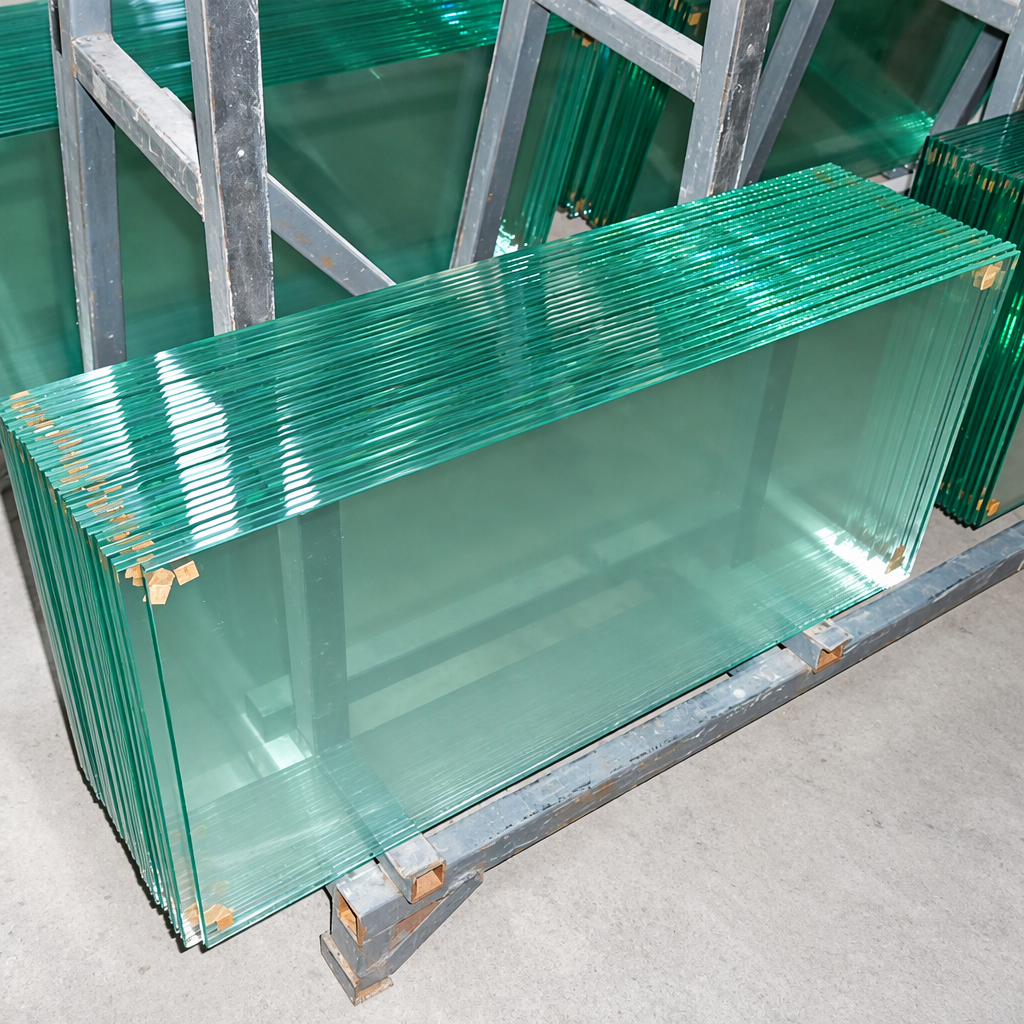
Construction & Real Estate Float Glass Factories in China Tempered Glass
Tempered float glass references for construction, real estate and architectural applications requiring repeatable processing.
View product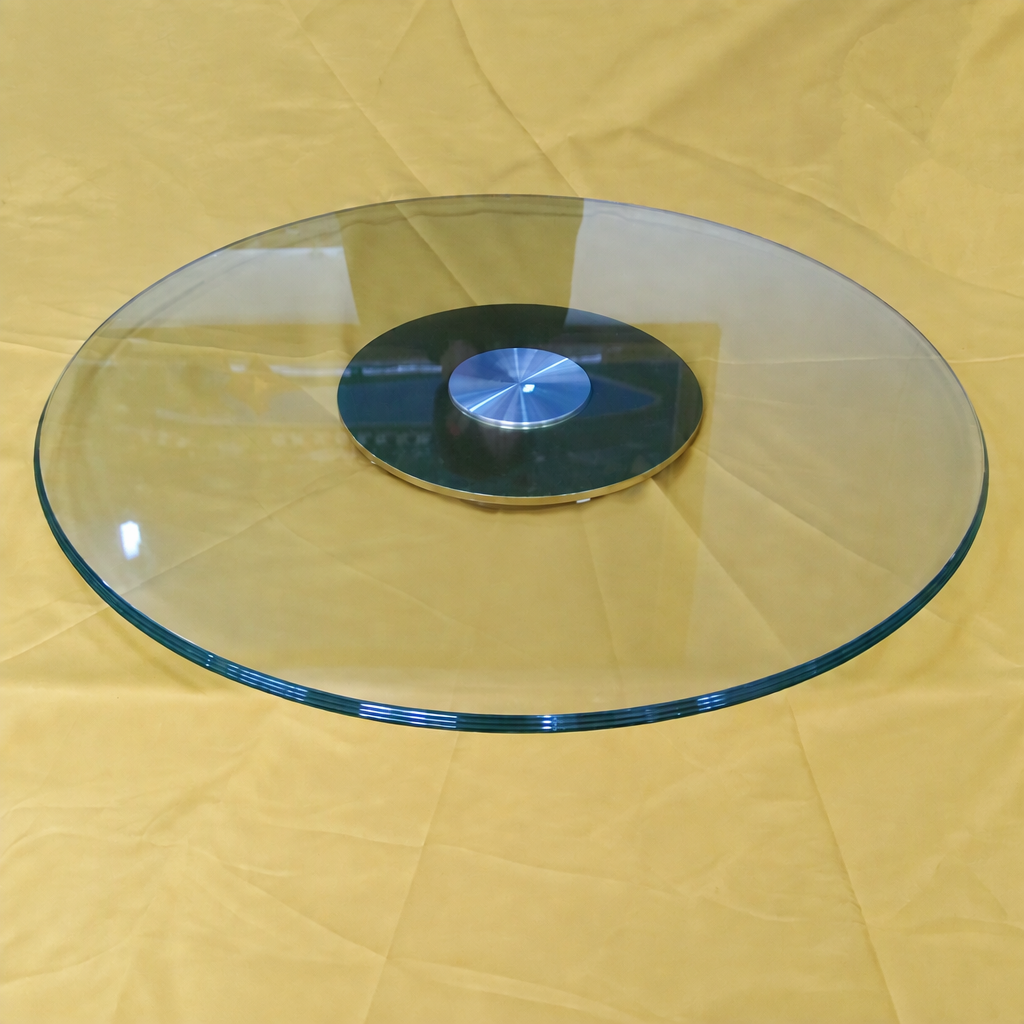
Tempered Glass Lazy Susan 50cm 60cm 70cm 90cm Lazy Susan Turntable Strengthened Glass
Round strengthened glass turntables with diameter options for furniture, retail display and household applications.
View product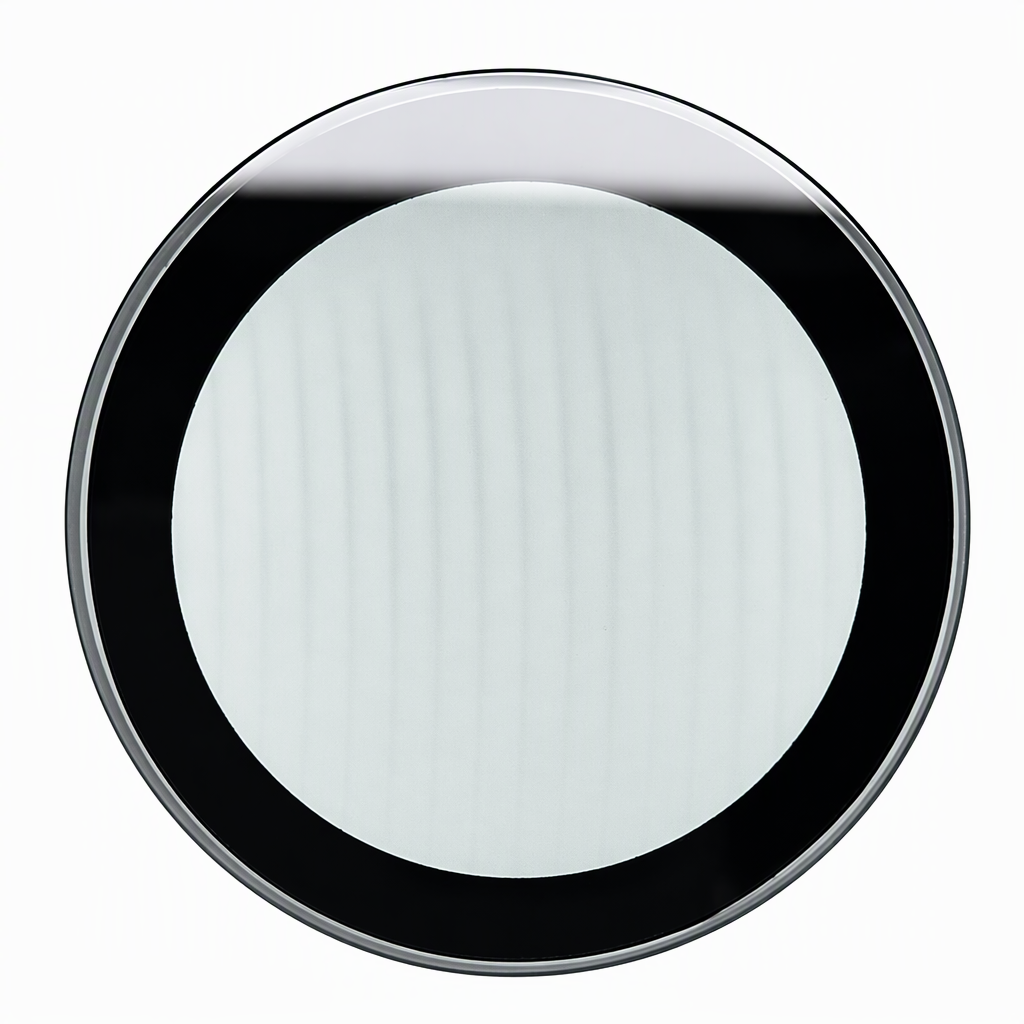
Custom 3-19mm Thickness Flat Tempered Glass Panel for Instrument Use Factory Price Round Shape Printed Tempered Glass
Round and flat tempered panels for instruments, control interfaces and equipment covers with customer-specific print layouts.
View product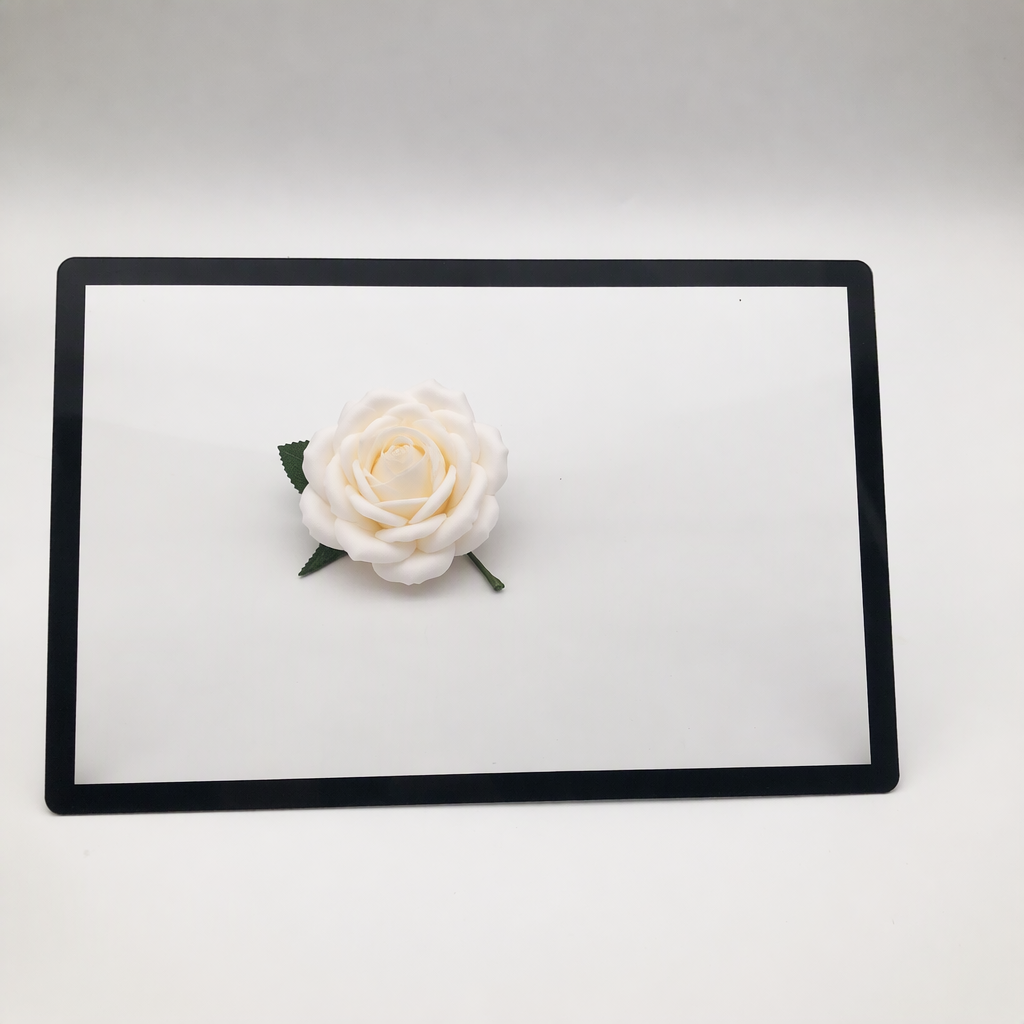
Ultra-Thin Silk Screen Printed Tempered Glass for Display Panels
Thin printed cover glass for display panels, touch interfaces and electronic equipment where optical clarity is essential.
View product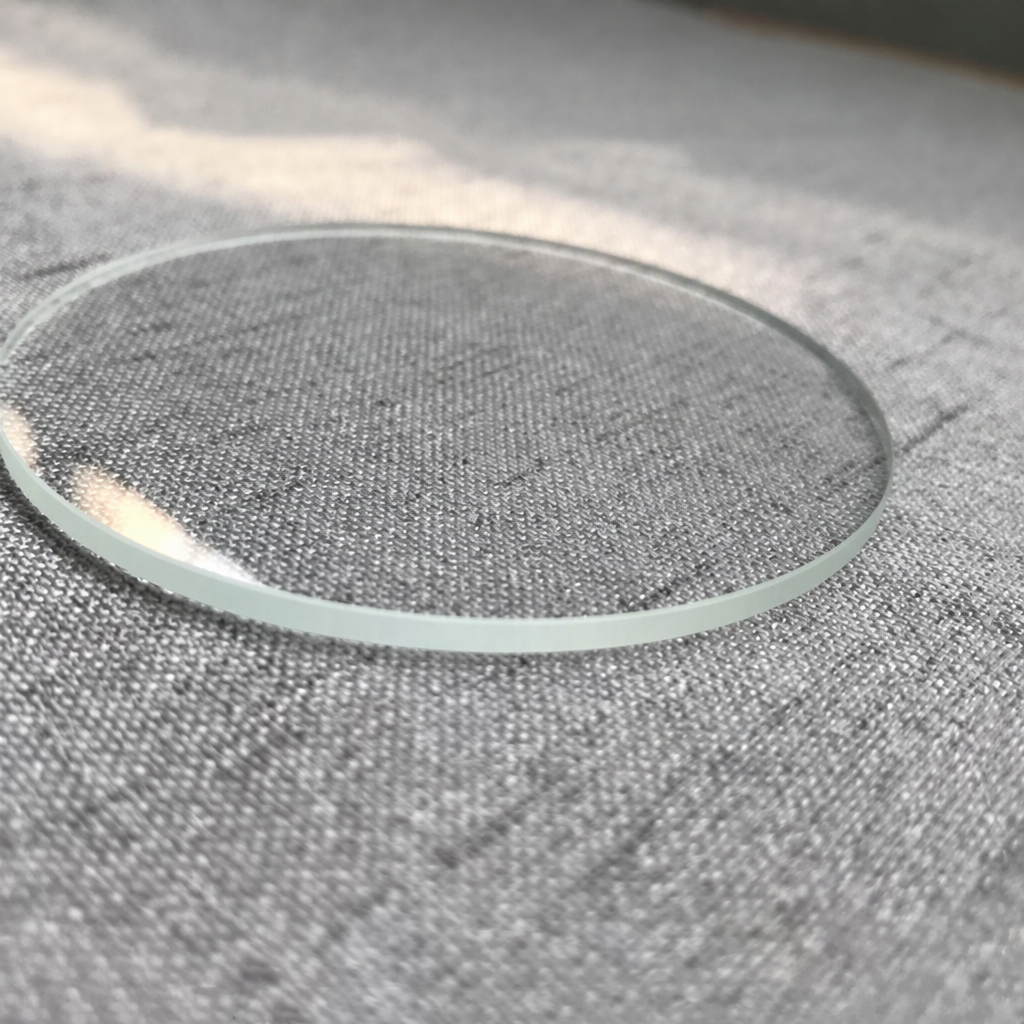
Pressure-resistant Glass Tempered Viewing Mirror Custom Size Clear Glass Panel for Industrial Workshop
Clear custom viewing panels for industrial workshops and pressure-resistant visual monitoring applications.
View product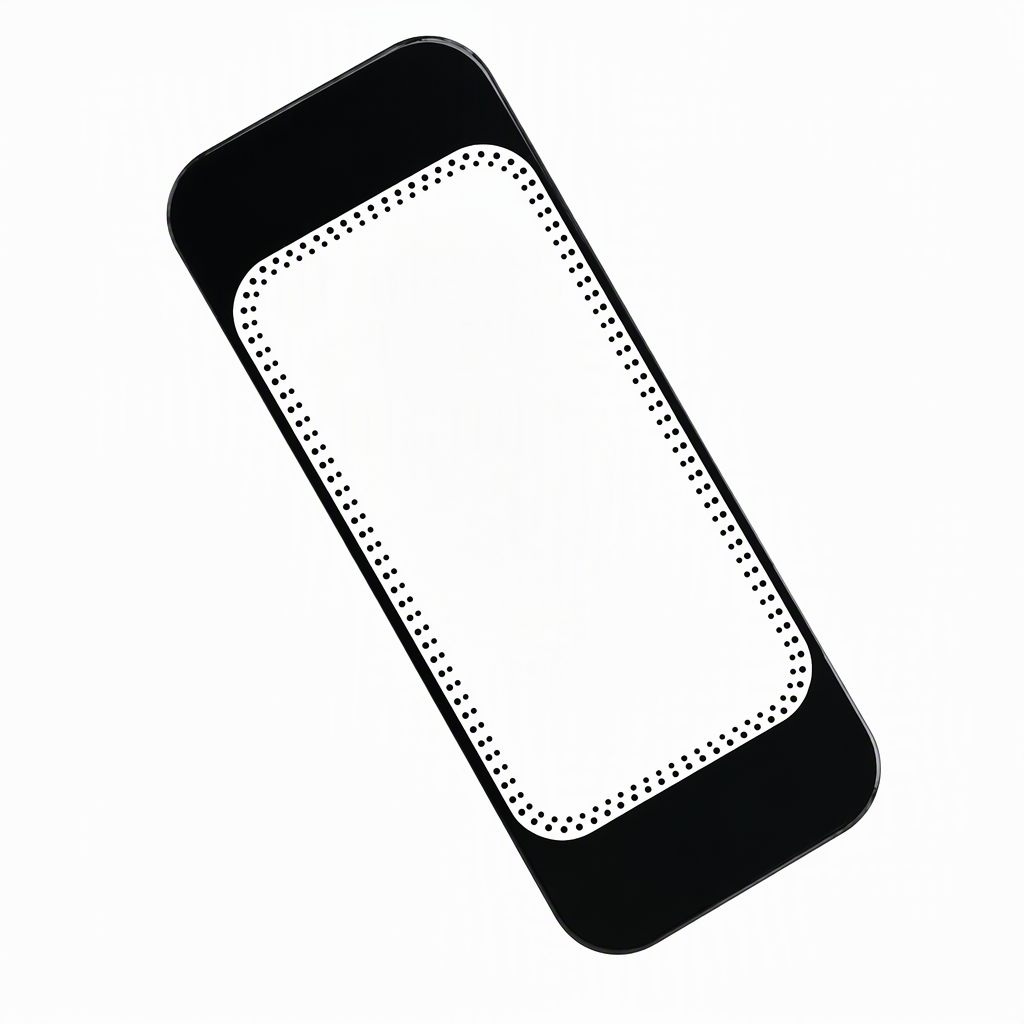
Custom Logo Silk Screen Printing Tempered Glass Panel Tempered Display Glass Screen Protector
Branded silk screen printed tempered glass panels with logo, icon, window and touch-zone printing options.
View product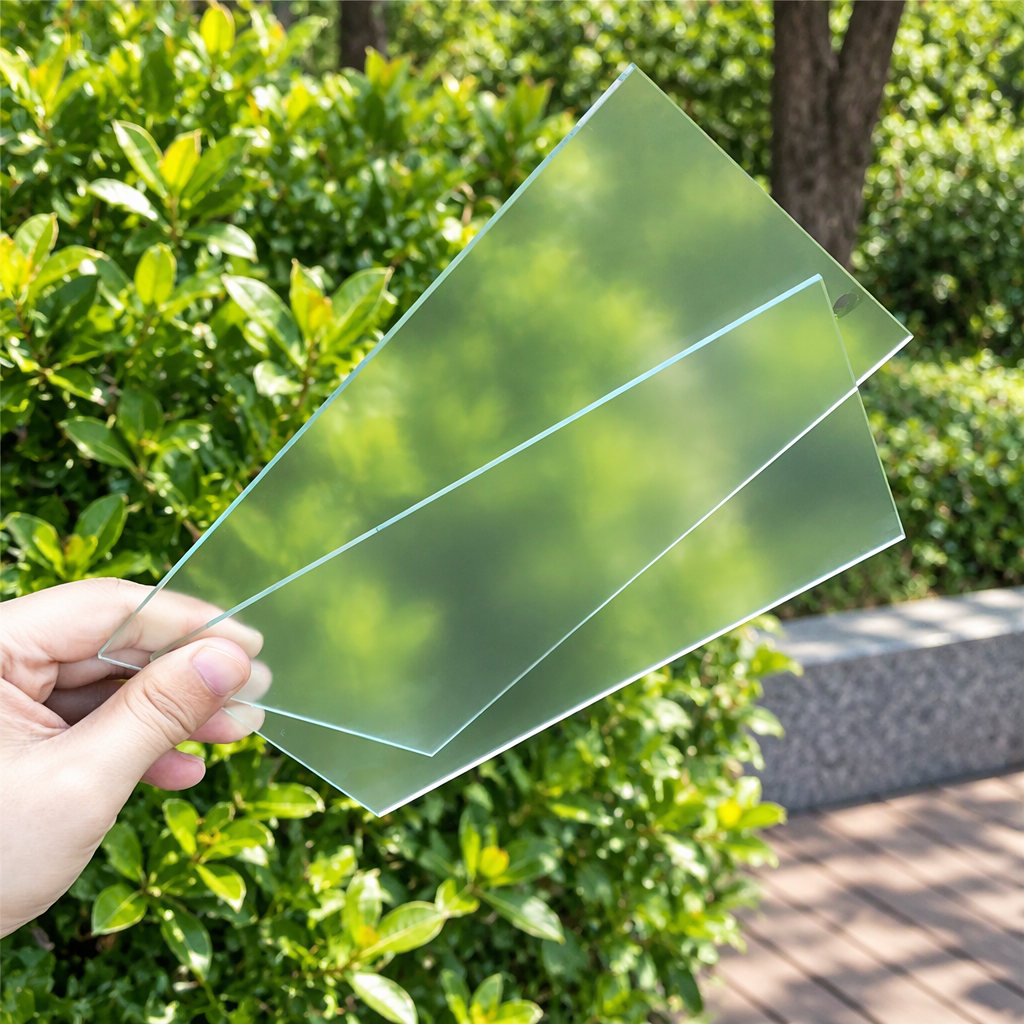
High Quality Industrial Screen Front Cover Glass Frosted Anti-glare Glass for Screen Protector
Frosted anti-glare front cover glass for industrial screens, HMI panels and display protection applications.
View productFused Silica Glass: A Material Science Brief for OEM Buyers
Fused silica glass is not simply “clear glass.” It is an amorphous, high-purity SiO₂ material selected when optical transmission, thermal stability, chemical inertness and dimensional reliability must survive demanding operating conditions.
For sourcing teams, the most important distinction is not only price per piece. It is grade consistency: OH content, bubble and inclusion class, homogeneity, internal stress, flatness, surface quality and coating compatibility all influence yield in downstream assembly.
Custom OEM fused silica glass is commonly specified for windows, discs, plates, optical flats, viewports, lamp envelopes, analytical cuvettes, laser optics, semiconductor components and high-temperature sight glasses. Compared with borosilicate glass, fused silica typically offers deeper UV transmission, lower thermal expansion and greater resistance to thermal shock. Compared with tempered soda-lime glass, it delivers superior optical and thermal performance but requires a different cost model and fabrication strategy.
Buyers should define the application first, then the specification. A UV analytical instrument window may prioritize transmission from 190 nm upward, low fluorescence and tight surface quality. A high-temperature viewport may prioritize thermal shock resistance and sealing compatibility. A laser system window may prioritize homogeneity, low absorption and surface flatness. A semiconductor-related component may require stricter traceability, cleaning and packaging controls.
- Low coefficient of thermal expansion supports dimensional stability under thermal cycling.
- Excellent transmission from deep UV through visible to near-infrared ranges supports photonics and analytical optics.
- High chemical purity and inertness reduce contamination risk in laboratories and vacuum systems.
- High dielectric strength and low conductivity support electrical insulation and high-voltage applications.
- Good thermal shock resistance helps reduce cracking risk where rapid temperature change occurs.
Because fused silica is brittle, edge quality and micro-crack control are critical. A well-managed drawing review should confirm edge geometry, chamfer, hole spacing, surface finish, coating area and cleaning requirements before production. This is where an experienced OEM glass manufacturer can add measurable value early in the project.
Material Decision Signals
Use these practical indicators to compare fused silica with alternative technical glass options during early sourcing.
Relative indicators for early screening only. Final material selection should be confirmed with drawings, operating conditions and sample validation.
Where Custom Fused Silica Glass Creates Measurable Value
High-purity glass is often selected where failure is expensive. These application clusters represent the strongest technical search intent for custom OEM fused silica glass buyers.
Semiconductor & Vacuum Viewports
High-purity windows and viewports for inspection, vacuum systems, deposition equipment and process monitoring where contamination control matters.
Laser Optics & Photonics
Fused silica windows, plates, prisms and light guides for laser delivery, imaging, interferometry and photonic instrument assemblies.
UV Analytical Instruments
Transmission-critical windows and cells for spectroscopy, water analysis, environmental monitoring and laboratory equipment.
High-Temperature Windows
Sight glasses and heat-resistant windows for furnaces, industrial ovens, combustion monitoring and thermal process equipment.
Medical & Diagnostic Devices
Optical windows and protective covers for diagnostic instruments, medical display systems and precision analytical hardware.
Aerospace & Scientific Instruments
Specialty glass components for optical payloads, sensors, research equipment and high-reliability scientific assemblies.
From Fused Silica Blank to Finished Component: The Process Chain
Qingdao Maupe Glass Co., Ltd. supports custom glass projects through a structured workflow that connects engineering review, sampling, fabrication, inspection and export packaging.
Drawing & Specification Review
Engineers review outline dimensions, thickness, holes, edge geometry, tolerance stack-up, surface quality, coating areas and intended operating conditions before quoting.
Precision Cutting & CNC Shaping
Straight, round and special-shaped formats are processed with controlled tool paths to maintain repeatability across prototype and production batches.
Grinding, Lapping & Polishing
Surface finishing options can be aligned with optical, sealing, printing or anti-glare requirements, including controlled edge polishing.
Drilling, Notching & Edge Finishing
Countersunk holes, notches, bevels and safety corners can be processed to drawing while minimizing micro-crack risk.
Printing, Coating & Functional Finishing
Silk screen printing, AR/AG/AF coatings, frosted surfaces and other functional finishes support display and instrument integration.
Inspection, Cleaning & Packaging
Incoming material checks, in-process controls, final visual inspection and protective export packing are managed for shipment readiness.
Recommended Custom Fused Silica Glass Formats for OEM Programs
These product formats are commonly requested by engineers and procurement teams. Each format can be tailored by dimension, grade, surface finish, coating and packaging requirement.
Fused Silica Windows
Rectangular, round and stepped windows for optical instruments, vacuum chambers, sensors and display protection.
Discs & Round Plates
Circular plates, discs and spacers with controlled diameter, thickness, flatness and edge finish for equipment assemblies.
Viewports & Sight Glass
Viewing windows for vacuum, pressure, furnace, process monitoring and industrial observation applications.
Optical Flats & Plates
Flat substrates for optical assemblies, imaging systems, interferometry and precision instrument calibration.
Laser & UV Optics Components
Windows and substrates for UV, laser and photonics systems where transmission, homogeneity and surface quality are critical.
High-Temperature Protection Glass
Heat-resistant windows and inspection glass for industrial thermal equipment, ovens and furnace observation ports.
Fused Silica Glass Procurement Trends Buyers Are Planning For
Procurement is shifting from simple price comparison toward supplier qualification, specification assurance and total cost of ownership. The following trends are especially relevant for OEM buyers sourcing custom fused silica glass.
Supplier Qualification Before Price
Buyers increasingly request process capability, inspection records, material traceability and sample validation before discussing volume pricing.
Dual Sourcing with Controlled Specifications
Critical programs are reducing risk by qualifying more than one supplier while maintaining a shared technical drawing and acceptance standard.
Smaller Launch MOQs & Scalability
Project teams want prototype and pilot quantities first, followed by scalable production. Flexible MOQ planning improves cash flow and shortens launches.
Export-Ready Logistics
Delivery reliability depends on packaging, documentation and port access. Qingdao’s seaport and airport support practical export logistics.
Traceability & Compliance Documentation
ISO 9001, RoHS and CE documentation, inspection reports and supplier declarations are increasingly part of the purchase file.
Total Cost of Ownership
Failure rates, rework, assembly yield and field reliability often matter more than the quoted unit price of a custom glass component.
Buyer Intent Map for Semantic Search and RFQ Preparation
This intent map helps procurement and engineering teams prepare a complete RFQ package and helps search engines understand the practical relationship between custom fused silica glass, factory capability and delivery requirements.
Fused Silica Glass Development Trends to Watch
Product development is being shaped by stricter optical performance, thinner and larger formats, integrated coatings and more complete verification documentation.
Higher Purity and Inspection Discipline
Semiconductor and analytical applications are pushing suppliers toward clearer material traceability, tighter inclusion control and richer inspection records.
Integrated Optical Coatings
AR, AG, AF and hybrid coatings are increasingly specified at the design stage to improve readability, durability and cleanability.
Tighter Tolerances for Miniaturization
Compact devices require smaller windows, thinner plates and tighter edge geometries without sacrificing flatness or assembly yield.
UV and IR Photonics Growth
Environmental monitoring, medical diagnostics, industrial sensing and laser systems continue to create demand for broad-spectrum fused silica optics.
Automation and Metrology
Digital inspection, automated measurement and documented process control help reduce variation in repeat production runs.
Longer Service Life and Sustainability
Durable fused silica components can reduce replacement frequency and waste, making material choice part of environmental and cost planning.
Why Qingdao Maupe Glass Co., Ltd. Fits Custom OEM Glass Programs
Founded in 2012 in Qingdao, Shandong, Qingdao Maupe Glass Co., Ltd. is a glass deep-processing manufacturer and international supplier operating under an ISO 9001 quality management system.
Our core strength is converting flat technical glass into finished functional parts through cutting, edge polishing, drilling, engraving, coating, silk screen printing, physical tempering and chemical strengthening. For custom fused silica glass projects, this process discipline supports drawing review, sample development and production planning.
Our silk screen printed glass uses RoHS-compliant, eco-friendly inks with high- and low-temperature printing processes, giving scratch- and wear-resistant prints for displays, electronic control equipment, instrument covers, household and kitchen appliances, furniture and decorative partitions. These capabilities complement fused silica projects that require printed borders, inspection windows, anti-glare surfaces or protective display integration.
The factory is close to Qingdao seaport and airport, which keeps export logistics practical and makes on-site supplier audits easier for visiting buyers. Today the company serves clients in more than 80 countries across North America, South America, Europe, Oceania, the Middle East, Africa and Asia.



Certified Quality and a Controlled Drawing-to-Delivery Workflow
Certificate numbers are listed so compliance teams can verify them with issuing bodies. The process below reflects the discipline expected in OEM fused silica and technical glass supply.
Drawing Review
Manufacturability, tolerance, edge finish, coating and strengthening method are checked.
Sampling
Print screens, samples and inspection points are confirmed before mass production.
Production
Cutting, edging, drilling, printing, coating and tempering are coordinated through the process chain.
Inspection
Incoming material and finished product checks are performed before packing.
Export Shipping
Protective packing and export documentation are prepared for Qingdao port or airport dispatch.

ISO 9001 Quality Management
Certificate No. 24025Q20015R1S · Scope: float glass and technical glass products · Valid to 02/2028.

RoHS Compliance
Certificate No. 25TYT12395 · Restricts hazardous substances for EU electrical and electronic equipment · Valid to 12/2030.

CE Marking
Certificate No. 23TYT082593S · Tempered glass · Supports market access across the European Economic Area · Valid to 08/2028.
Frequently Asked Questions About Custom OEM Fused Silica Glass
Clear answers for sourcing managers, optical engineers, compliance teams and product developers preparing a custom glass RFQ.
Is fused silica glass the same as quartz glass?
What information should be included in an RFQ for custom fused silica glass?
Can you support prototype quantities before mass production?
What fused silica formats can be customized?
How do you control quality for high-purity glass components?
Which certifications support the supplier evaluation process?
What are the common trade terms and payment options?
How can I start a custom OEM fused silica glass project?
RFQ Readiness Checklist
A complete package shortens engineering review and reduces back-and-forth during quotation.
- 2D drawing with dimensions, holes and tolerance stack-up.
- Material grade and thickness, including purity or OH requirements if known.
- Application environment: temperature, pressure, UV/IR, vacuum or chemical exposure.
- Optical requirements: transmission, surface quality, flatness and coating.
- Print artwork and color reference if printing is required.
- Prototype quantity, annual demand and target delivery schedule.
- Packaging, labeling, inspection and compliance documentation requirements.
For technical projects, attach the drawing and application notes so the team can respond with the most relevant catalog pages and process recommendations.
Have a Fused Silica Glass Drawing Ready? Let Our Engineers Review It.
Share your dimensions, material grade, transmission target, coating requirement and annual volume. The team will review manufacturability and recommend the most practical production route for your OEM project.
Custom OEM fused silica glass · Precision cutting · CNC shaping · Edge polishing · Optical coating · Silk screen printing · Inspection · Export packaging · Qingdao, China