Custom OEM Glass Plate Supplier & Exporters
A procurement and engineering white paper for OEM buyers who need ISO-certified tempered glass plates, silk-screen printed cover glass, touch panels, safety glass and decorative beveled glass with export-ready documentation.
Eight Custom OEM Glass Plate Products for Global Buyers
The product recommendations below match common high-intent searches from display, appliance, security, smart-home and architectural decoration buyers. Every item is produced to buyer drawings, artwork and tolerance requirements, with sample verification before mass production.
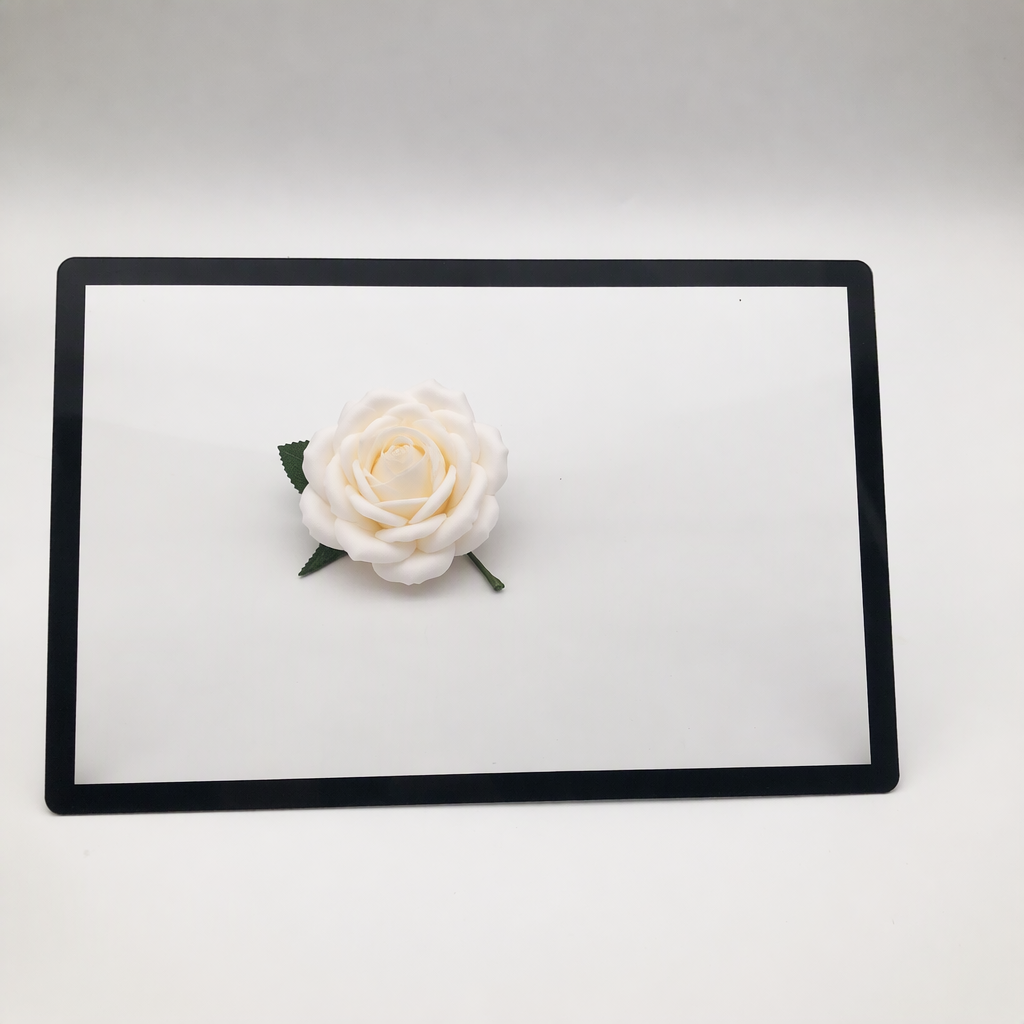
Ultra-Thin Silk Screen Printed Tempered Glass for Display Panels
Thin cover glass for compact displays where flatness, clean print edges and touch-window clarity matter. Suitable for electronic products, control screens and space-constrained assemblies.

Glass Factory Customized High Quality Transparent Display Touch Screen Glass Silk Screen 9H Hardness Industrial Screen Protector
An industrial touch-screen cover with 9H hardness positioning, transparent display window and optional AR, AG or AF treatment for demanding operating environments.

Tempered Glass Flat Solid Glass Panels Heat-resistant Tempered Glass for Various Application
Heat-resistant tempered glass plates for appliance fronts, industrial covers and equipment windows. Physical tempering improves impact resistance and produces safer breakage behavior.
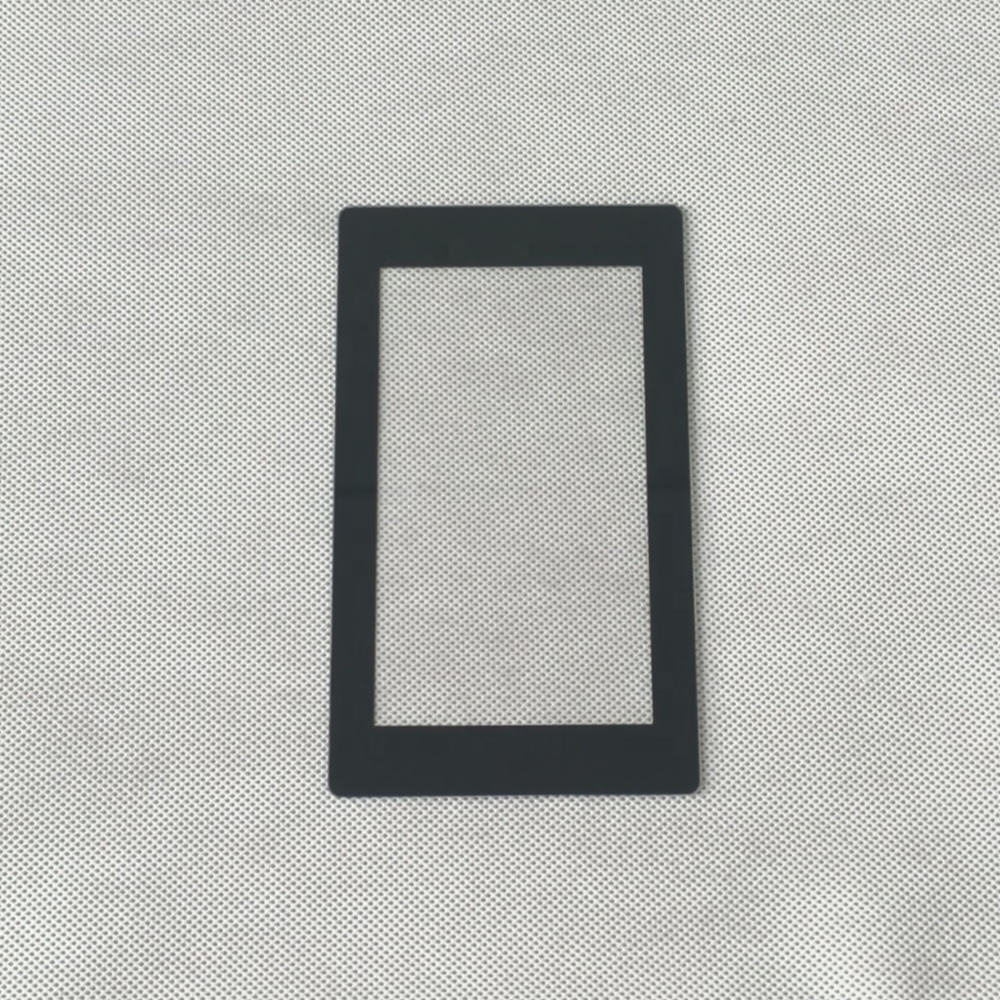
Silk Screen Printed Tempered Glass Panel Self Adhesive Display Cover Glass Flat Electronic Product Glass Screen Protector
Self-adhesive display cover glass with printed borders or functional windows. A practical choice for electronic products that need clean assembly, hidden sensors and brand-specific graphics.
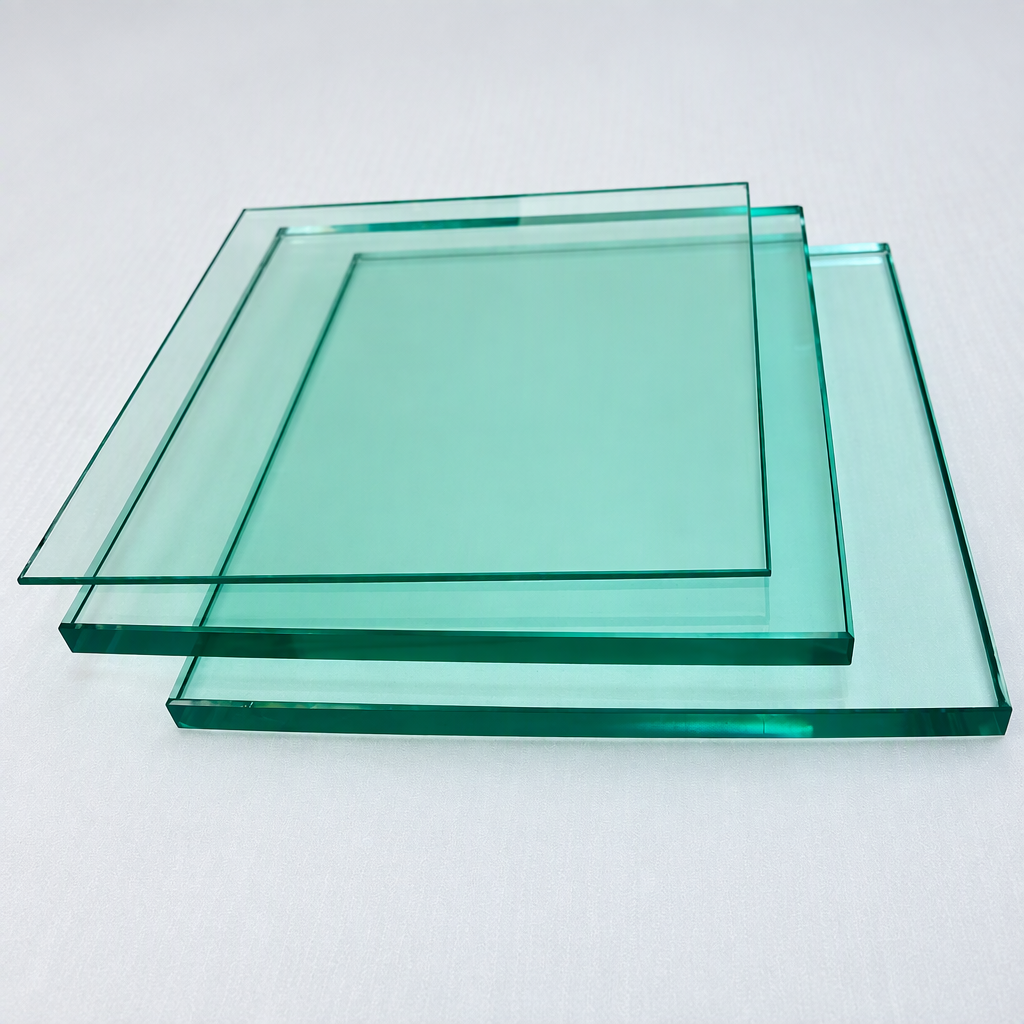
Tempered Glass Panel Safety Glass Flat Structural Tempered Glass
Flat safety glass panels for structural and protective applications. Edge polishing, drilling and cut-outs are completed before tempering so the finished part fits the assembly accurately.
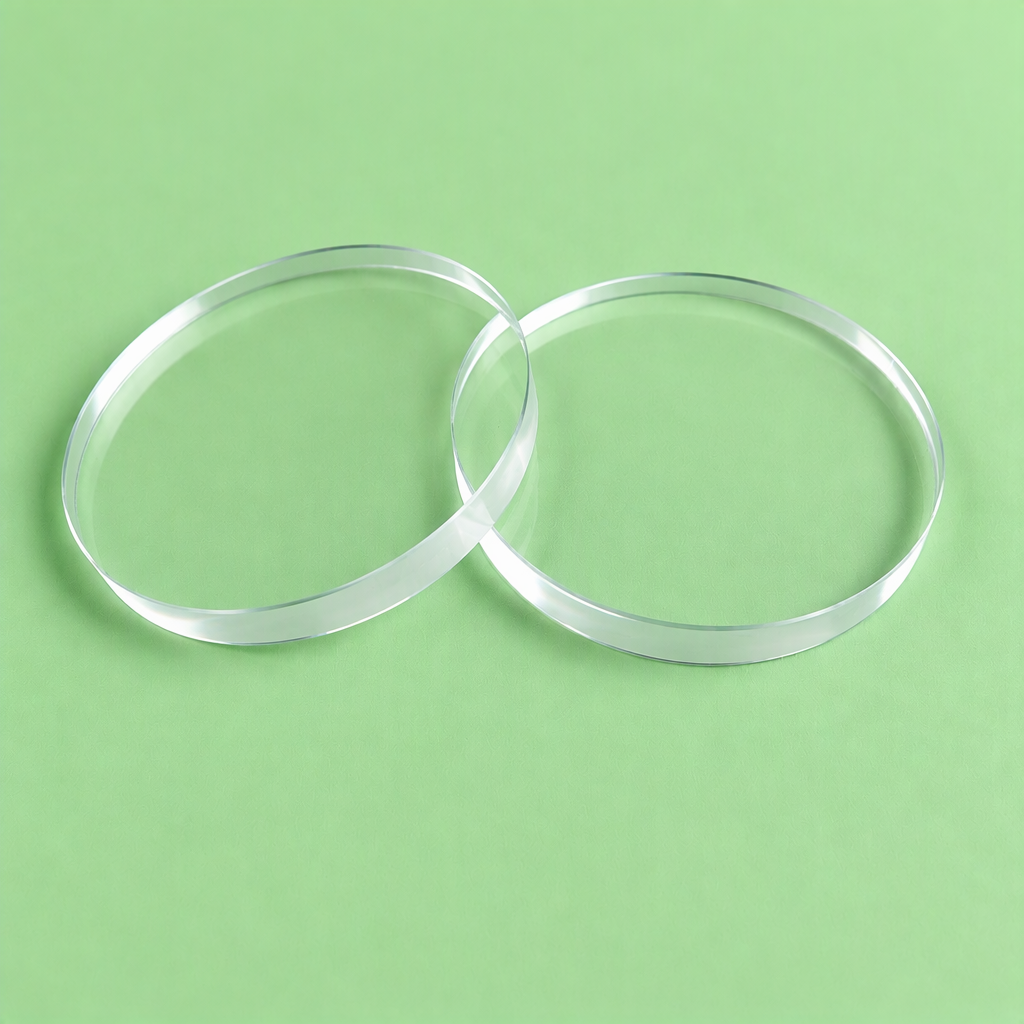
High Strengthen Glass Tempered Glass Custom Size Tempered Clear Glass Panel for Industrial
Custom-size clear tempered glass for industrial equipment, inspection windows and protective covers. Available with CNC shaping, edge finishing and optional surface coating.
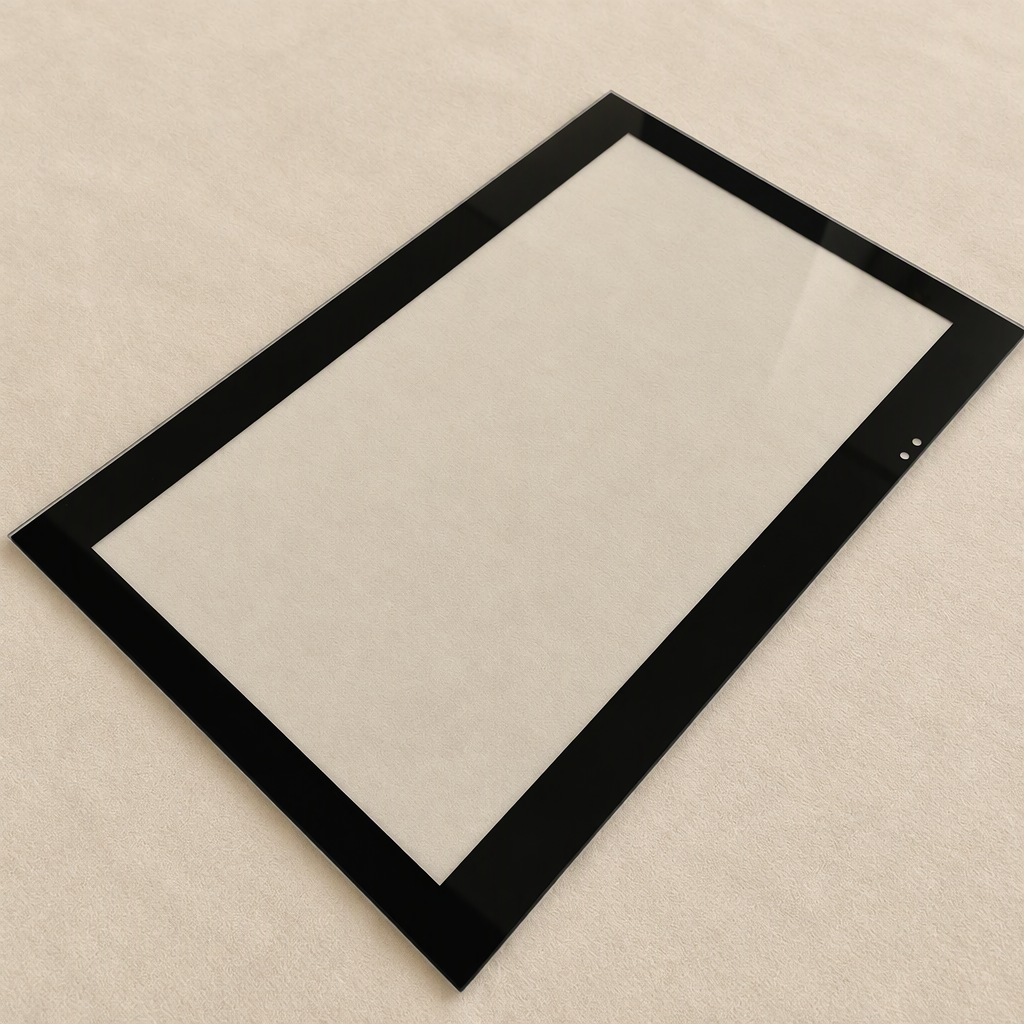
Tempered Glass Panel Silk Screen Printed Flat Display Screen Protector Glass for LCD TV Industrial Decoration
Flat printed display protector glass for LCD TV, industrial display and decorative front-panel applications. Multi-color silk screen printing helps combine protection with visual identity.
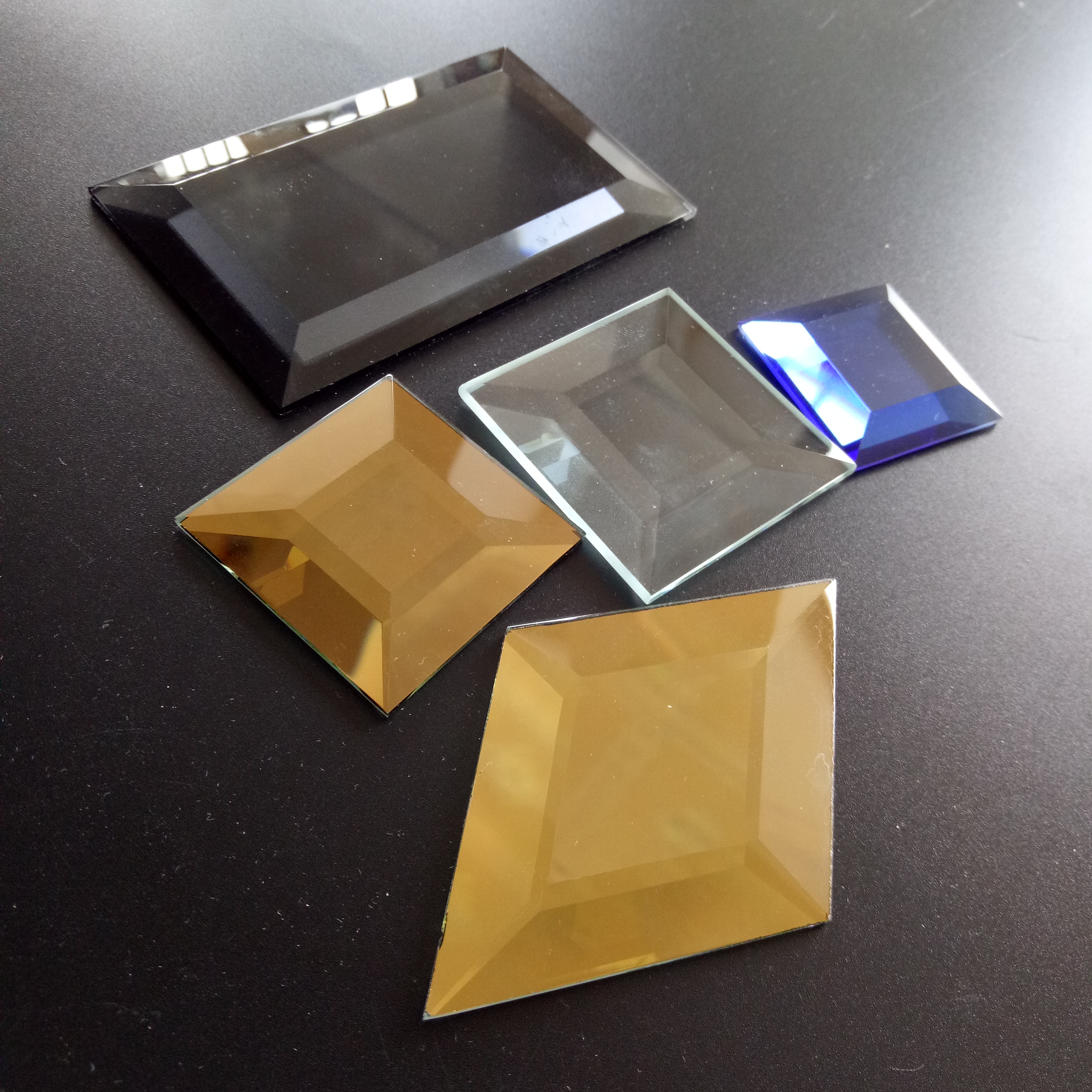
Blue-Gold Faceted Beveled Glass for Wall Decoration – Clear Beveled Glass Pieces
Decorative beveled glass pieces with faceted blue-gold reflection for wall art, interior decoration and architectural detail. Custom shapes and edge bevels can be reviewed against artwork.
Why Custom OEM Glass Plate Sourcing Is Becoming an Engineering Decision
In 2026, buying custom glass plates is no longer a simple catalogue purchase. A single part can influence optical performance, touch sensitivity, product safety, brand appearance, assembly yield and after-sales risk. For display panels, appliance fronts, switch plates, card readers, smart locks and industrial control equipment, the glass plate is often the first surface the end user sees and touches. That makes supplier selection a cross-functional decision shared by engineering, procurement, quality and industrial design teams.
The commercial risk is not only piece price. A low quote can become expensive when print colors do not match, flatness is inconsistent, edges chip during transit, holes miss tolerance, or documentation is incomplete for customs and compliance review. Total landed cost includes freight, breakage, inspection, rework, line-down risk and the engineering time needed to correct avoidable issues. Experienced buyers therefore evaluate a custom OEM glass plate supplier on process control, DFM feedback, sample discipline, packaging validation and export reliability.
Search behavior reflects this shift. Buyers increasingly search for “custom OEM glass plate supplier,” “tempered glass exporters,” “silk screen printed glass manufacturer,” “AR coated display glass,” “physical tempered vs chemically strengthened glass” and “ISO 9001 glass factory China.” These are not casual research queries; they are high-intent procurement signals. A useful supplier page should answer the engineering question behind the search, show verifiable credentials, disclose workable MOQ ranges and explain how a drawing becomes an inspected, export-packed glass product.
Search Intent Signals Buyers Actually Care About
- Supplier credibility: factory location, founding year, production lines, export share and audit evidence.
- Technical fit: physical tempering, chemical strengthening, high-alumina glass, AR/AG/AF coating and print durability.
- Commercial clarity: MOQ, sample process, trade terms, payment methods and packaging standards.
- Risk reduction: drawing review, first-article inspection, batch traceability and pre-shipment photos.
- Application proof: appliance, display, access control, smart-home and decorative glass experience.
Physical Tempering, Chemical Strengthening, or High-Alumina Glass?
Choosing the strengthening method too late is one of the most common causes of re-tooling in cover glass projects. The right choice depends on thickness, breakage behavior, optical flatness, edge geometry, print process and the final operating environment.
| Criteria | Physical Tempered | Chemically Strengthened | High-Alumina Glass |
|---|---|---|---|
| Typical thickness | About 2 mm and thicker | 0.5–2 mm thin glass | Often 0.5–3 mm depending on grade |
| Strength profile | Roughly 4–5× annealed glass | High surface compression for thin parts | Good scratch resistance; can be chemically strengthened |
| Break behavior | Small blunt fragments for safety | Larger pieces, closer to annealed glass | Depends on strengthening route and thickness |
| Flatness and optics | Very good; slight roller wave possible | Excellent flatness with no heat distortion | Excellent clarity and surface hardness |
| Best-fit applications | Appliance doors, switch panels, display windows, industrial covers | Touch covers, small electronics, wearables, precise optical windows | Industrial displays, medical screens, POS, high-wear touch surfaces |
| Design caution | Cut, drill and edge before tempering | Edge quality and surface protection are critical | Higher material cost; confirm availability before tooling |
First-surface and second-surface printing create different visual depth, scratch exposure and sensor-window performance. Artwork, ink type and layer order should be agreed before mass production.
AR improves contrast, AG reduces glare and AF supports easier cleaning. The correct combination depends on lighting, touch frequency, cleaning chemicals and outdoor exposure.
Product Development Trends Shaping Custom Glass Plates Through 2030
Glass plates are becoming thinner, smarter and more integrated with the product interface. The trends below are useful for procurement planning because they influence tooling, sampling, inspection and long-term supplier capability.
Thinner glass, higher strength
Demand is rising for 0.5–2 mm chemically strengthened cover glass with excellent flatness. Buyers want reduced weight without sacrificing impact resistance, optical clarity or edge quality.
Coatings become a specification
AR, AG and AF treatments are no longer premium add-ons. They are specified for readability, anti-glare performance and touch cleanliness across medical, industrial and consumer displays.
Print as a functional interface
Silk-screen printing now hides sensors, defines dead-front display windows, supports backlit icons and carries brand color. Multi-layer printing and high-temperature inks are increasingly important.
Larger formats and edge-to-edge design
Display windows for LCD TV, HMI and commercial screens are moving toward larger sizes and narrower borders. Large-format glass requires careful flatness control, packing design and breakage prevention.
Sensor integration and smart surfaces
Touch, wireless charging, card reading, fingerprint access, PDLC privacy and smart-home switches all depend on precisely printed and coated glass surfaces with stable electrical behavior.
Sustainability and traceability
Low-VOC inks, RoHS-compliant materials, recyclable packaging and batch-level inspection records are becoming standard expectations rather than differentiators in OEM supply programs.
Future Procurement Trends for OEM Glass Plate Buyers
Purchasing teams are shifting from price-only comparison to supplier capability mapping. The most resilient glass programs combine engineering feedback, documented quality control and freight-aware packaging decisions.
Total landed cost replaces piece price
Buyers are adding freight, duties, breakage allowance, inspection labor, inventory carrying cost and rework risk to the quoted unit price. A slightly higher factory quote can be cheaper when it reduces line stoppage and replacement shipments.
Dual sourcing with qualified backups
OEM buyers increasingly qualify a primary and a backup source before launch. The goal is not to split every order, but to have a validated overflow path when demand spikes, a material shortage occurs or a logistics route changes.
Early supplier involvement
Engineering teams are bringing glass suppliers into DFM review earlier. Print tolerances, edge quality, coating masks, sensor windows and packaging constraints are easier to solve before tooling and artwork are frozen.
Audit-ready documentation
Certificate numbers, first-article reports, inspection photos, batch labels and packing records are now part of procurement risk control. Digital records shorten supplier audits and customs checks.
Buyer priority index for custom glass plate projects
Illustrative priority index based on common OEM project review criteria, not a third-party market survey.
A Five-Stage Framework for Qualifying a Custom Glass Supplier
A transparent workflow protects engineering time and reduces surprises between sample approval and mass production.
Drawing and artwork intake
Receive 2D drawing, thickness, edge finish, hole positions, coating requirement and print artwork with color references.
DFM and material review
Check manufacturability, strengthening method, print sequence, tolerance stack and packing constraints before sampling.
Sample and first-article validation
Verify fit, color, touch-window clarity, coating performance and surface appearance under agreed lighting conditions.
Production and inspection
Control cutting, CNC, printing, tempering, coating and final inspection with batch identification and pre-shipment checks.
Export packing and shipping
Use protective packaging, moisture barriers, corner protection and labeled cartons for sea, air or express delivery.
Certifications, Inspection, and Export Documentation
Verifiable credentials matter because custom glass is often incorporated into products that must meet electrical, safety, environmental or retail compliance requirements. Buyers should ask for certificate numbers, scope and validity dates, not just logo badges.

ISO 9001 Quality Management
Certificate No. 24025Q20015R1S. Scope covers float glass and technical glass products. Valid to 02/2028.

RoHS Compliance
Certificate No. 25TYT12395. Supports restrictions on hazardous substances for EU electrical and electronic equipment. Valid to 12/2030.

CE Marking
Certificate No. 23TYT082593S. Tempered glass certification supporting market access across the European Economic Area. Valid to 08/2028.
Why Qingdao Maupe Glass Co., Ltd. Is a Practical OEM Partner
Founded in 2012, Qingdao Maupe Glass Co., Ltd. is a glass deep-processing manufacturer and exporter working under an ISO 9001 quality management system. The company supports OEM and ODM buyers with one-roof cutting, printing, tempering, strengthening, coating and export packing.
Established factory, stable base
Operating since 2012 with 8 production lines and a 3,000–5,000 m² factory floor area in Qingdao, Shandong.
One-roof process control
Cutting, CNC shaping, edging, drilling, engraving, silk-screen printing, physical tempering, chemical strengthening and AR/AG/AF coating.
Export experience in 80+ countries
With 91–100% of output exported, the team is familiar with international documentation, packaging and freight expectations.
Verifiable quality credentials
ISO 9001, RoHS and CE certificates with traceable numbers, plus SGS onsite assessment and inspection procedures.
OEM/ODM engineering support
More than a decade of OEM experience in artwork review, sample verification and print/coating coordination for branded products.
Logistics close to Qingdao port
The factory is close to Qingdao seaport and airport, supporting FOB, CIF, EXW, FCA, CPT, DDP, DDU and express shipments.



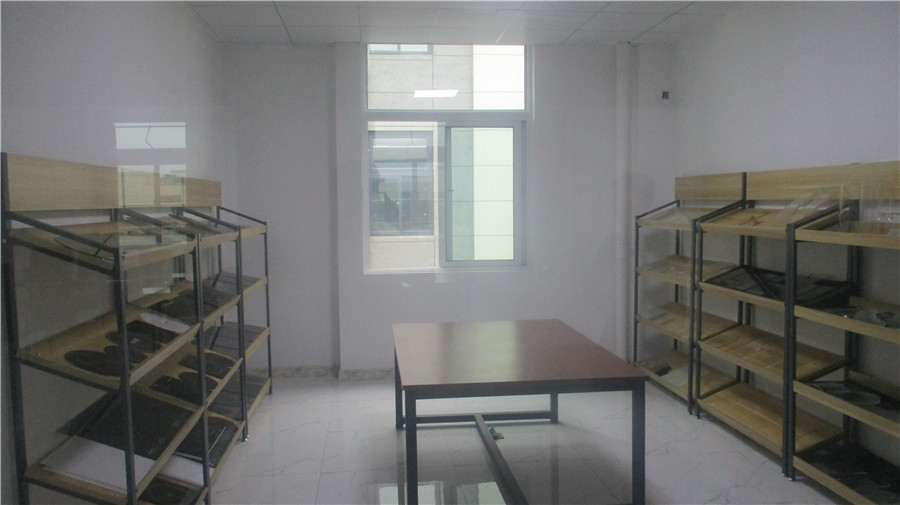
Experience You Can Verify, Not Just Claims
Qingdao Maupe Glass Co., Ltd. was founded in 2012 in Qingdao, Shandong, China. The company operates as a glass deep-processing manufacturer and international supplier under an ISO 9001 quality management system. Its core work is transforming flat glass into finished functional parts: cutting, edge polishing, drilling, engraving, coating, silk-screen printing, physical tempering and chemical strengthening.
Silk-screen printed glass uses RoHS-compliant, eco-friendly inks with high- and low-temperature printing processes. This supports scratch- and wear-resistant prints for displays, electronic control equipment, instrument covers, household and kitchen appliances, furniture and decorative partitions. AR, AG and AF coatings can be added for readability, glare control and easier cleaning. Physical tempered glass is typically used for appliance doors, switch panels, display windows and industrial covers, while chemically strengthened glass is suited to thin touch covers and optical windows.
The factory sits close to Qingdao seaport and airport, which simplifies export logistics and supports buyer audits. The company serves clients in more than 80 countries across North and South America, Europe, Oceania, the Middle East, Africa and Asia. The team has also been onsite assessed by SGS Group as a third-party inspection company and reports Fortune 500 supply experience, on-site material inspection, finished product inspection and supplier assessment procedures. This white paper was prepared by the Maupe Glass engineering and export team based on live production experience across display, appliance, access-control, smart-home and decorative glass projects.
Factory and Export Snapshot
- Company: Qingdao Maupe Glass Co., Ltd.
- Location: Liandong U Valley, No. 2 Luanhe Road, Jiaozhou, Qingdao, Shandong, China
- Established: 2012
- Production lines: 8
- Factory area: 3,000–5,000 m²
- Export markets: 80+ countries
- Export share: 91–100% of output
- Quality system: ISO 9001 No. 24025Q20015R1S
- Compliance: RoHS No. 25TYT12395 · CE No. 23TYT082593S
- Inspection: SGS onsite assessed · material and finished product inspection
Custom OEM Glass Plate Procurement FAQ
These answers address the questions buyers most often ask during supplier evaluation, sampling and first order planning.
What is the minimum order quantity for custom printed tempered glass?
Most custom silk-screen printed panels start from 10 to 100 pieces depending on size, thickness and number of print colors. Large-size display cover glass can start from 10 pieces. High-alumina or complex multi-layer printed parts may start higher. Samples are available for fit and print verification before mass production.
Should I choose physical tempered glass or chemically strengthened glass?
Physical thermal tempering suits glass typically 2 mm and thicker, such as appliance doors, switch panels and display windows, and breaks into small blunt fragments. Chemical strengthening suits thin glass from 0.5 mm to 2 mm, touch covers and parts that need excellent flatness and optical quality. The final choice should be reviewed against thickness, edge design, impact risk and assembly method.
What files are needed to start a custom glass project?
Send a 2D drawing in DWG, DXF or PDF with dimensions, thickness, edge finish, hole positions and tolerance. Add print artwork in AI or PDF with color references, coating requirements such as AR, AG or AF, the intended application and estimated annual volume. If a sensor, gasket or housing interface exists, include those files so the glass fit can be reviewed together.
Which certifications does Qingdao Maupe Glass Co., Ltd. hold?
The company operates an ISO 9001 quality management system under Certificate No. 24025Q20015R1S, holds RoHS Certificate No. 25TYT12395 and CE Certificate No. 23TYT082593S, and has been onsite assessed by SGS Group as a third-party inspection company. Buyers can verify the certificate numbers with the issuing bodies.
Which trade and payment terms are accepted?
Accepted delivery terms include FOB, CIF, EXW, FAS, FCA, CPT, DDP, DDU and express delivery. Accepted payments include T/T, L/C, PayPal, Western Union and cash, in USD, EUR or CNY. The factory is close to Qingdao seaport and airport, which supports flexible export routing.
How long do samples and mass production take?
Sampling time depends on new tooling, print colors, coating requirements and glass thickness. A drawing review can begin quickly, but mass production should only be scheduled after sample approval, artwork confirmation and packaging validation. The production team will confirm the schedule after reviewing the approved specification and order quantity.
Can you match Pantone colors and print fine icons?
Yes. High- and low-temperature silk-screen inks can be matched to approved color references, and multi-color layouts can include logos, icons, touch zones, hidden sensor windows and dead-front display areas. Color approval should be performed under agreed lighting conditions because glass, ink thickness and background color can affect visual perception.
How is custom glass packed for export?
Export packing is planned around size, thickness, edge exposure and shipping method. Typical protection includes foam, EPE, corner protectors, moisture barriers, labeled cartons and plywood cases where required. Pre-shipment photos and batch labels help buyers confirm packing condition before the goods leave the factory.
Have a drawing, artwork file, or annual demand forecast?
Share your specifications with the Maupe Glass engineering and export team. We will review thickness, strengthening method, print sequence, coating options, tolerance, packing and export requirements before you commit to tooling.