Eight Product Routes That Reveal Supplier Process Maturity
The product cards below use the original catalog image paths and product URLs. For a quartz glass rod program, these adjacent custom glass components are useful benchmarks because complete assemblies often combine optical rods, touch panels, protective windows, heat-resistant appliance glass and decorative architectural glass.
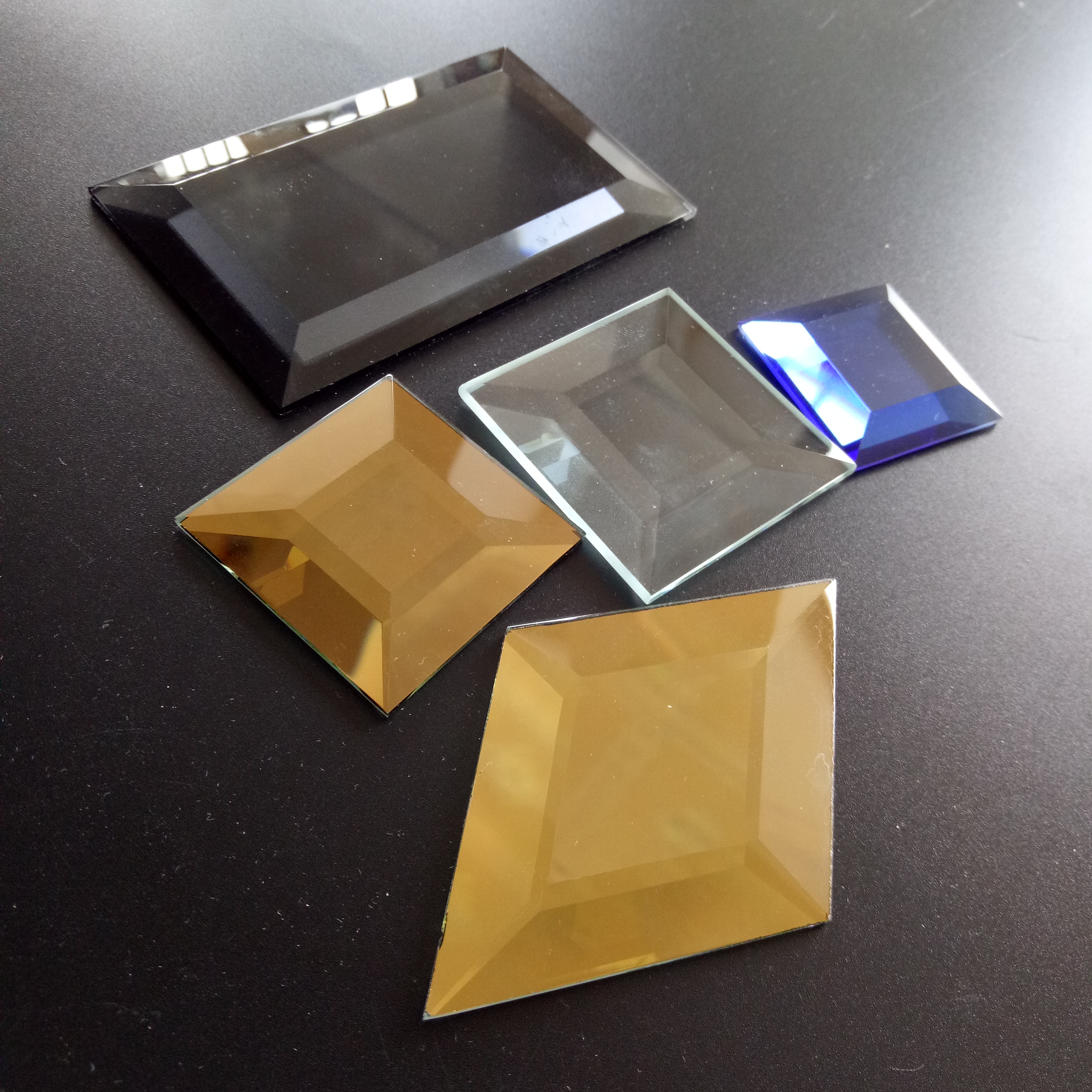
Blue & Gold Faceted Beveled Glass for Wall Decoration – Clear Beveled Glass Pieces
View product
Tempered Glass Lazy Susan 50cm 60cm 70cm 90cm – Strengthened Glass Turntable
View product
Custom Silk Screen Printed Tempered Glass Panel – Touch Screen Display Cover Glass
View product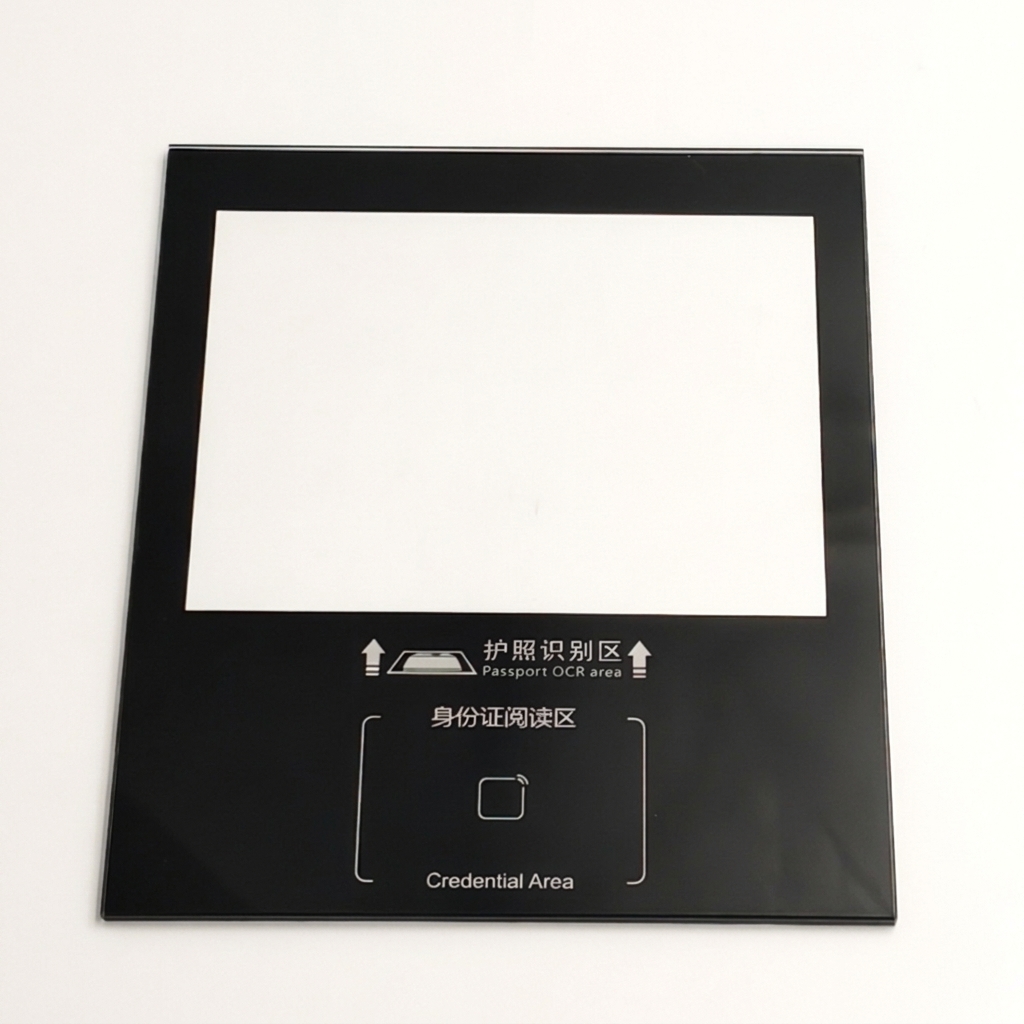
Custom Tempered Glass Protective Panel – Transparent Polished Display Cover for Small Electronics
View product
Tempered Glass Flat Solid Glass Panels – Heat-resistant Tempered Glass for Various Applications
View product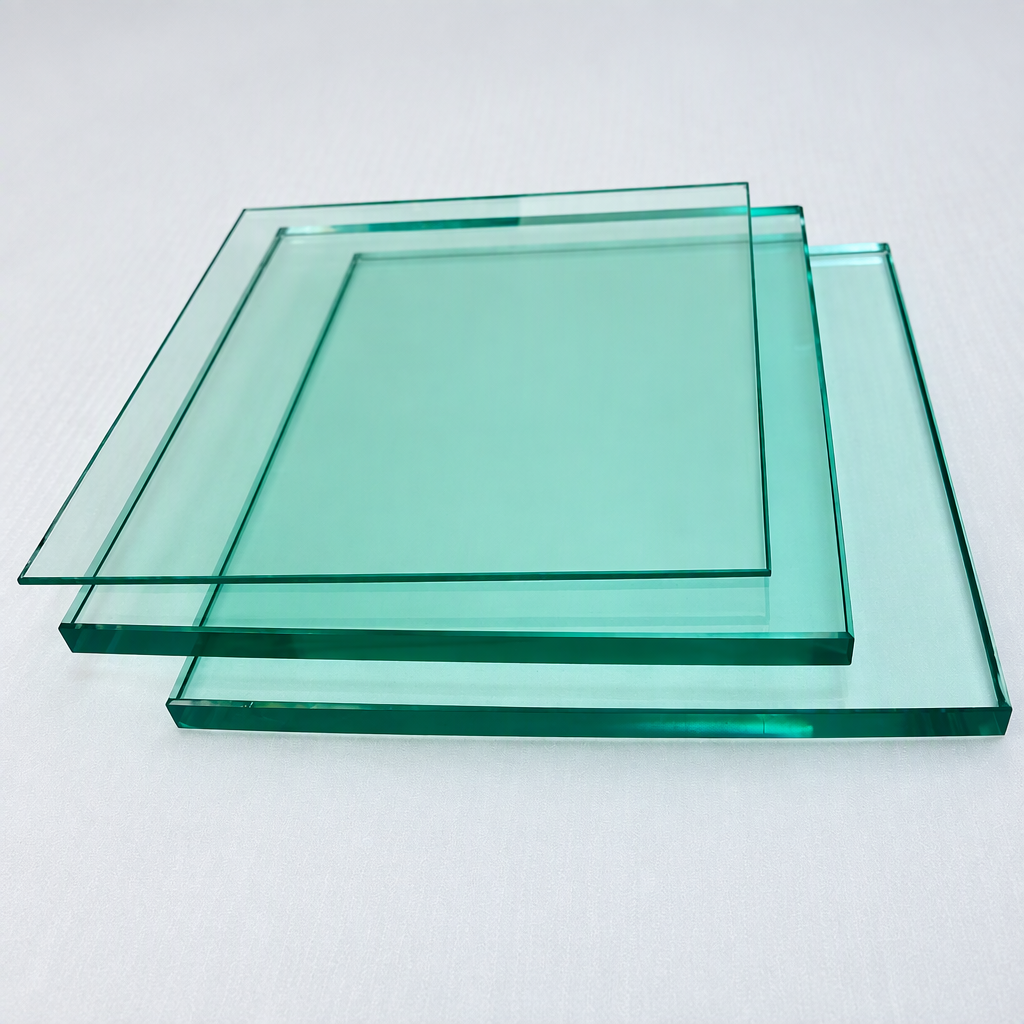
Tempered Glass Panel – Safety Glass Flat Structural Tempered Glass
View product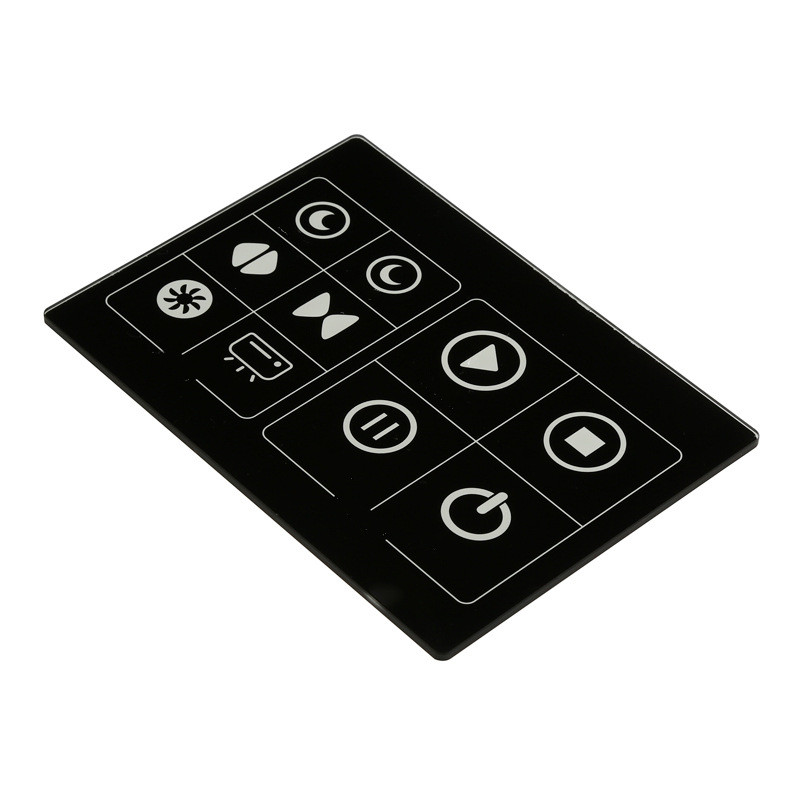
High Temperature Resistant Black Printing Tempered Glass – Cooktop & Microwave Oven Door Glass
View product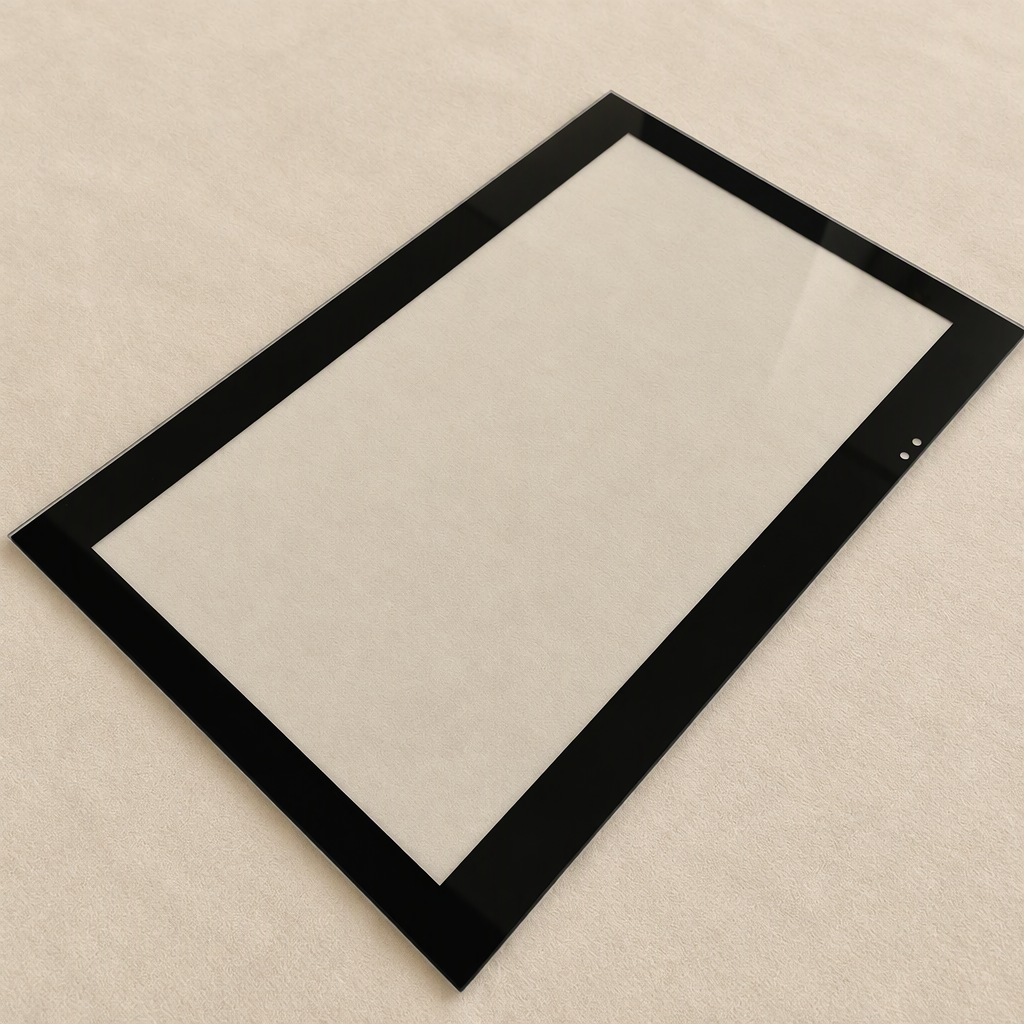
Tempered Glass Panel Silk Screen Printed Flat Display Screen Protector – LCD TV & Industrial Decoration
View productWhat Custom OEM Quartz Glass Rod Buyers Actually Need to Verify
“Custom OEM Quartz Glass Rod Factories & Supplier” is a mixed-intent search. A design engineer wants optical and thermal data; a sourcing manager wants capability, MOQ and trade terms; a quality auditor wants traceability and inspection evidence.
A custom OEM quartz glass rod is not a commodity item selected only by diameter. It is a solid cylinder of high-purity silicon dioxide — often described as fused quartz rod, fused silica rod or clear quartz glass rod — produced to a drawing and a specification. Depending on the application, the buying decision may hinge on OH content, transmission range, bubble and inclusion class, diameter tolerance, concentricity, bow, end-face finish, annealing history and packaging cleanliness. In semiconductor, analytical instrument, laser, lighting, medical device and high-temperature process equipment supply chains, a low unit price can be meaningless if the rod causes scrap at the customer’s machining or assembly stage.
The strongest supplier pages answer the questions buyers ask before an RFQ is issued. They explain how material grade affects transmission and thermal behavior. They show how diameter tolerance and straightness influence downstream CNC time. They clarify whether cutting, chamfering, annealing, laser marking, cleaning and inspection are controlled in-house or subcontracted. They also distinguish between a stock distributor and a custom OEM factory with drawing control, sampling discipline and lot-level documentation. That distinction is where real information gain begins.
For procurement teams, the practical goal is not to collect the longest specification sheet. It is to reduce uncertainty. Ask every potential quartz glass rod factory to state measurement methods, sampling plans and acceptance criteria. Request a first-article inspection report for a comparable part, not only a catalog image. Confirm how the supplier will handle engineering changes after samples are approved. A supplier that can explain these controls before price negotiation is usually easier to audit later.
Maupe Glass is a custom glass deep-processing manufacturer whose published production system covers printed tempered glass, protective cover glass, appliance glass, display windows and related functional panels. For a quartz rod project that also needs a touch cover, a heat-resistant viewing window, a safety panel or a decorative beveled glass part, this process-oriented approach can reduce coordination risk across the assembly. The pages and product links above preserve the catalog routes so buyers can evaluate adjacent glass families under the same quality framework.
RFQ Evidence Scorecard
Use a scorecard like this during supplier comparison. Scores must be supported by drawings, reports, audit notes and sample measurements — not by sales claims alone.
| Parameter | What to specify | Why procurement should care |
|---|---|---|
| Material identity | Fused quartz, synthetic fused silica, clear or opaque grade; raw-material lot requirement | Prevents grade substitution that can change transmission, thermal expansion behavior or machining yield. |
| OH content & transmission | Acceptable OH band, wavelength range, measurement method and reference thickness | Critical for UV, visible, IR, laser and analytical instrument applications. |
| Diameter & length | Nominal size, tolerance, cut length, end squareness and allowable bow | Controls secondary machining time, fixturing stability and assembly fit. |
| Roundness & concentricity | Measurement zone, datum, sampling frequency and report format | Influences sealing, gripping, optical alignment and automated handling. |
| End finish | Cut, ground, polished, chamfered or laser-marked; edge-chip limit | Poor end finish can create crack initiation points and handling losses. |
| Inclusions & bubbles | Size class, allowed count, inspection lighting and acceptance zone | Visual defects may be cosmetic for one buyer and functionally critical for another. |
| Thermal history | Annealing condition, stress inspection, thermal cycling requirement | Residual stress can cause breakage during cutting, coating or elevated-temperature use. |
| Cleaning & packaging | Particle level, cleanroom bagging, interleaving, edge protection and labeling | Contamination and transit damage often appear after the supplier’s final inspection. |
| Documentation | Material certificate, dimensional report, inspection plan, packing list and traceability code | Makes incoming inspection and customer audits faster and more defensible. |
Pair the Rod With the Right Interface Glass
Quartz glass rods rarely enter an assembly alone. The following custom glass families are recommended when the rod must be integrated with a display, appliance panel, architectural surface or protective window.
Printed Touch Display Cover
Use silk screen printed tempered glass when the rod assembly needs a branded interface, hidden sensor borders and scratch-resistant touch zones. View the touch panel route.
Heat-Resistant Appliance Glass
For ovens, cooktops and microwave doors, specify black printing and heat-resistant tempered glass with controlled print registration. Review the appliance glass option.
Decorative Beveled Glass
For architectural or furniture applications, faceted beveled glass can add visual depth while demanding consistent edge polishing and color control. See the decorative glass product.
Safety & Structural Panels
When impact resistance, flatness and breakage behavior matter, tempered safety glass panels should be reviewed together with the rod mounting design. View the safety glass route.
How Quartz Glass Rod Procurement Is Changing
Buyer expectations are shifting from “Can you make this diameter?” to “Can you prove process control, traceability and continuity for the next five years?”
Dual Sourcing With Audit-Ready Files
Buyers are reducing single-source risk by requesting two qualified routes: one strategic factory and one backup supplier. The winning supplier will provide audit-friendly drawings, control plans, inspection reports and change logs, not only samples.
Cleanliness & Packaging Specifications
Particle contamination, edge chips and transit scratches are becoming explicit purchase requirements. Cleanroom bagging, protective sleeves, desiccant, barcode labels and drop-test documentation are moving from “nice to have” to standard RFQ attachments.
Lot-Level Traceability
Quality teams increasingly ask for raw-material lot linkage, process route records, annealing evidence and measurement files. A quartz glass rod supplier that can connect a packed carton to a production batch is easier to qualify for regulated industries.
Digital RFQ & Faster Engineering Loops
Drawings, 3D models, tolerance tables and inspection reports are now exchanged digitally. Suppliers that respond with structured manufacturability feedback in the first review cycle reduce engineering delays and avoid hidden cost changes after sampling.
Technical Directions Shaping the Next Sourcing Cycle
These trends affect how buyers should define future requirements and how factories should invest in inspection, machining and material control.
Low-OH & High-Transmission Grades
Optical, laser and analytical applications continue to push demand for cleaner transmission and better control of OH-related absorption. Buyers should define wavelength, thickness and measurement conditions before comparing grades.
Larger Diameters, Tighter Geometry
Larger-diameter rods and near-net shapes can reduce customer machining time, but they place more pressure on annealing, straightness control and measurement capacity. Ask for a capability study on the actual diameter and length you intend to buy.
Hybrid Glass & Coating Assemblies
AR, AG and AF coatings, printed cover glass, touch interfaces and smart glass are increasingly integrated around precision glass components. The purchasing plan should map every interface, not isolate the rod from its optical or display stack.
Sustainability & Process Efficiency
Energy-intensive thermal processes are under more scrutiny. Buyers will increasingly value suppliers that can discuss yield improvement, packaging reduction, defect prevention and responsible material use with traceable evidence.
How to Compare Quartz Glass Rod Factories & Suppliers
The right supplier is not always the one with the lowest quote. It is the one that can make the same quality repeatably, document it clearly and support engineering changes without surprises.
Start with drawing review. A capable factory should return questions about material grade, end finish, residual stress, measurement method and packaging — not simply acknowledge the drawing. For a custom OEM quartz glass rod, manufacturability feedback is a leading indicator of process maturity. If the supplier cannot explain how a proposed tolerance will be measured, the tolerance is not yet a real specification.
Next, ask which processes are controlled in-house. Cutting, grinding, polishing, annealing, laser marking and final inspection can each introduce different risks. Subcontracting is acceptable, but the accountability must be clear. A serious supplier will define incoming inspection, supplier approval, change notification and final release criteria. This is the same logic used in the original Maupe Glass process chain, where cutting, edge polishing, drilling, engraving, silk screen printing, physical tempering, chemical strengthening and AR/AG/AF coating are managed as coordinated operations.
Finally, test communication. Send a simple technical question during the quotation stage: “How will you measure bow over the full length?” or “What is the acceptance criterion for inclusions in the optical zone?” The quality of the answer tells you more than a brochure. Document the response, include it in the purchase specification and use it as part of the supplier approval file.
- ✓Request a first-article report for a comparable part.
- ✓Confirm raw-material lot traceability and material certificate.
- ✓Define inspection lighting, sampling and packaging tests.
- ✓Review change notification and after-sample acceptance rules.
Supplier Qualification Dashboard
A visual dashboard helps align engineering, purchasing and quality teams, but the underlying evidence must be attached to the supplier file.
Qingdao Maupe Glass Co., Ltd. — A Process-First OEM Glass Partner
Founded in 2012 in Qingdao, Shandong, Maupe Glass is an ISO 9001 certified glass deep-processing manufacturer and international supplier. Its documented strengths are relevant when a quartz rod or optical component must be paired with custom display, appliance or protective glass.
Maupe Glass operates under an ISO 9001 quality management system and holds RoHS and CE certificates. Certificate references include ISO 9001 No. 24025Q20015R1S, RoHS No. 25TYT12395 and CE No. 23TYT082593S. The company has been onsite-assessed by SGS Group as a third-party inspection company and reports verified procurement contracts with Fortune 500 companies. Its factory covers approximately 3,000–5,000 m², runs 8 production lines and exports to more than 80 countries, with 91–100% of output exported.
The production model is built around converting flat glass into finished functional parts: cutting, CNC shaping, edge polishing, drilling, engraving, silk screen printing, physical tempering, chemical strengthening and AR/AG/AF coating. Located close to Qingdao seaport and airport, the factory supports FOB, CIF, EXW, FAS, FCA, CPT, DDP, DDU and express delivery, with payment terms including T/T, L/C, PayPal, Western Union and major currencies. For buyers comparing custom OEM quartz glass rod factories and suppliers, these signals show whether a supplier can operate with international documentation, audit discipline and coordinated multi-process production.
OEM/ODM Experience Since 2012
More than a decade of custom glass supply experience supports drawing review, sampling, print development and production scale-up for international buyers.
ISO 9001, RoHS, CE & SGS
An ISO 9001 quality system, RoHS and CE certificates, and SGS onsite assessment give procurement and compliance teams verifiable starting points.
Eight Production Lines
Multiple lines support cutting, printing, tempering, coating and inspection workflows, helping keep process steps coordinated rather than fragmented across vendors.
Export to 80+ Countries
International experience across North America, Europe, Asia, Oceania, the Middle East, Africa and South America supports smoother documentation and logistics.
Fortune 500 Supplier Verification
The company reports verified procurement contracts with Fortune 500 companies, giving new buyers a reference point for supplier capability and commercial reliability.
Qingdao Port & Airport Access
Close proximity to Qingdao seaport and airport supports export packing, sample dispatch and audit visits for overseas engineering and sourcing teams.



Certificates Buyers Can Verify
Published certificate numbers allow compliance teams to check the scope and validity with issuing bodies before placing a custom glass order.

ISO 9001 Quality Management
Certificate No. 24025Q20015R1S. Scope covers float glass and technical glass products. Validity and scope should be confirmed during supplier onboarding.

RoHS Compliance
Certificate No. 25TYT12395. Restriction of hazardous substances supports EU electrical and electronic equipment compliance planning.

CE Marking
Certificate No. 23TYT082593S. Tempered glass certification supports market access planning across the European Economic Area.
FAQ: Custom OEM Quartz Glass Rod Factories & Supplier
These answers address the questions most often raised during sourcing reviews, engineering validation and supplier comparison.
What is a custom OEM quartz glass rod?
Which files and specifications should be included in an RFQ?
Can Maupe Glass support a project that combines quartz rods with printed or tempered glass components?
What is the minimum order quantity for custom glass work?
How should bubbles, inclusions and dimensional quality be controlled?
Which trade terms and payment methods are accepted?
What is the fastest way to start a supplier evaluation?
Send the Drawing, Not Just a Diameter
Share your rod specification, interface glass requirements, target quantity and inspection expectations. Our team can review manufacturability, material fit and the correct process route for a custom OEM glass program.