Product Recommendations from the Borosilicate Glass Disc Supply Program
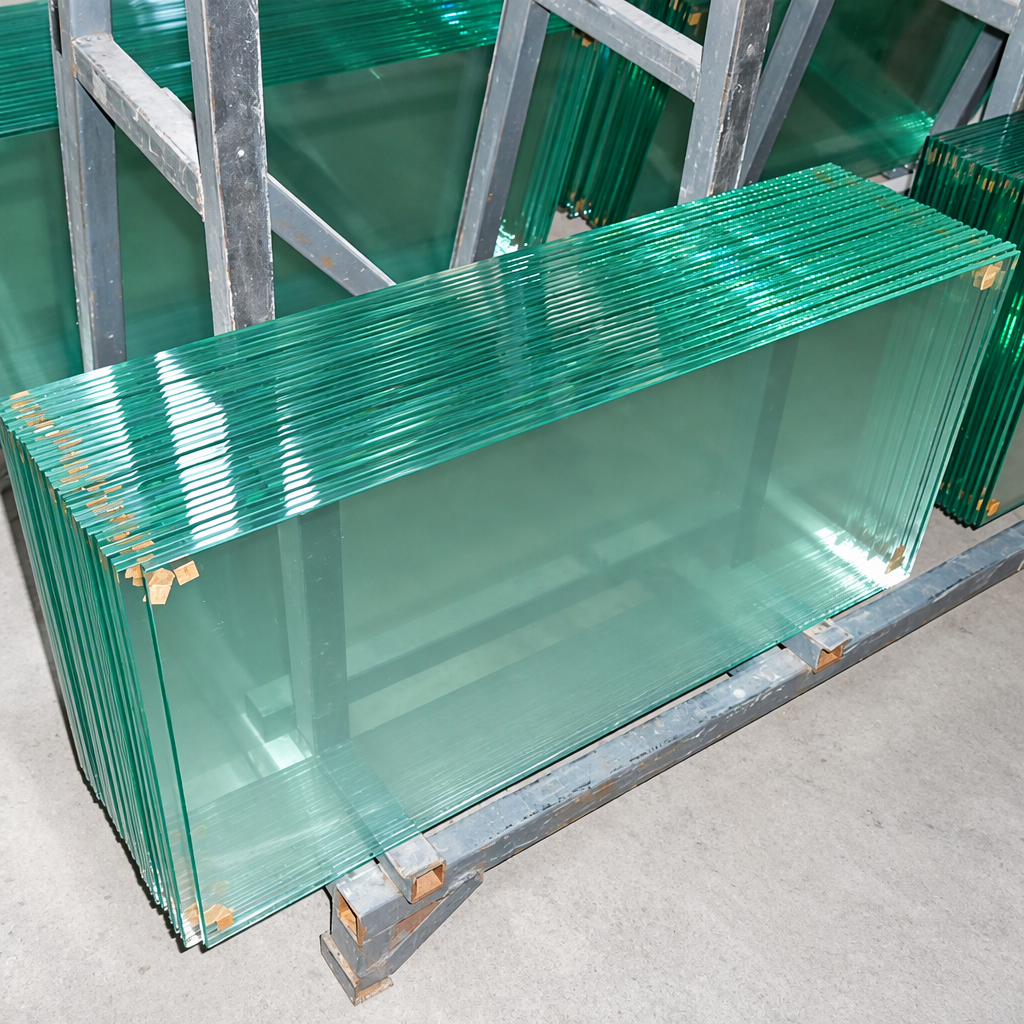
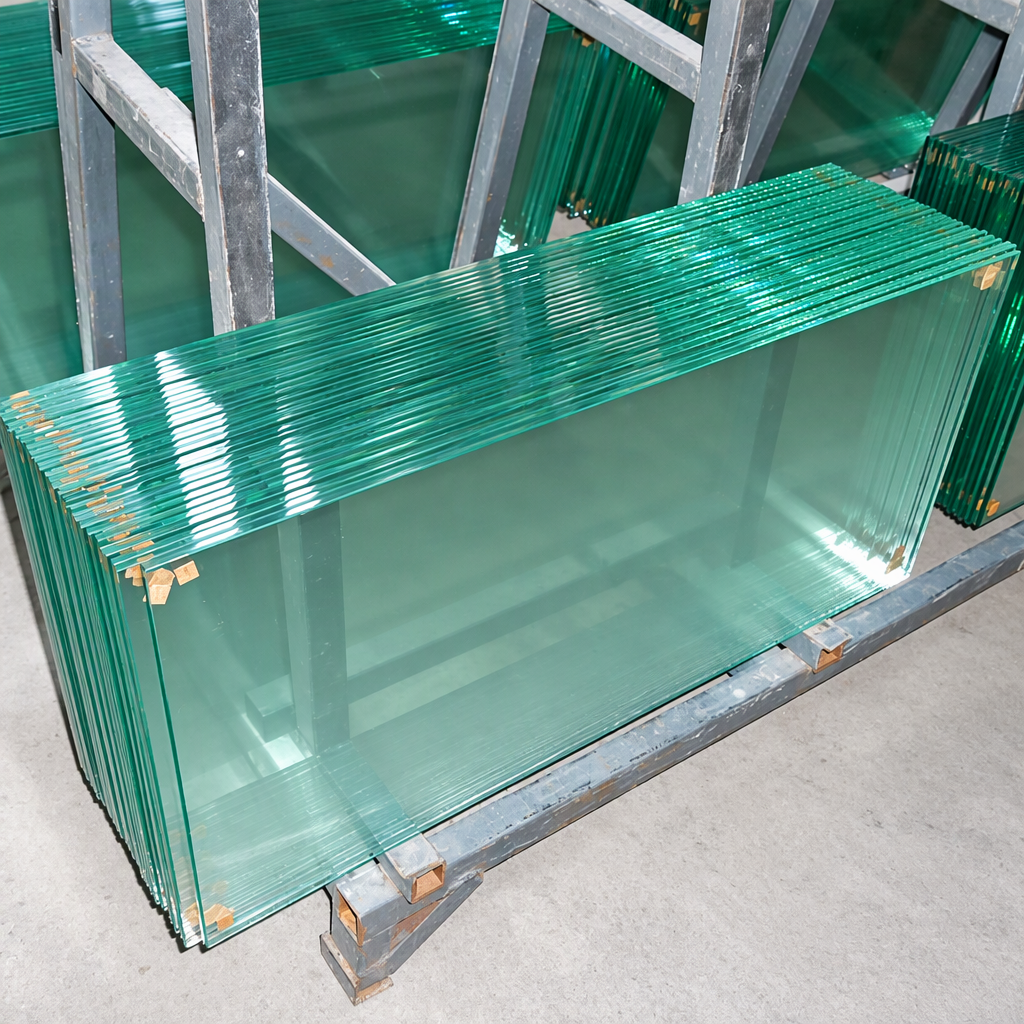
Buyers sourcing borosilicate glass discs often need more than a round substrate. They need a manufacturing partner who can control raw glass grade, diameter, thickness, parallelism, edge profile, thermal history, print registration, coating performance, cleaning and export packing. The eight products below are representative custom glass components from our existing OEM/ODM portfolio. Borosilicate 3.3 disc programs are quoted to drawing using the same engineering and production system.
Specification note: if a listed product page shows a tempered or float glass application, ask our engineers for a borosilicate glass disc equivalent. We will confirm whether borosilicate 3.3, chemically strengthened glass or another grade is the better material for your thermal, optical and mechanical requirements.




What Is an OEM/ODM Borosilicate Glass Disc, and Why It Should Not Be Treated as a Commodity
A borosilicate glass disc is a circular flat-glass component made from borosilicate glass, most commonly high-borosilicate 3.3. It is selected when a project needs a combination of thermal shock resistance, chemical durability, good visible transmission and dimensional stability. Typical uses include sight windows, analytical equipment, high-temperature lighting covers, sensor windows, appliance panels, decorative round glass and protective display sub-components.
The apparent simplicity of a round glass disc creates a misleading purchasing assumption: many buyers compare only diameter, thickness and unit price. In industrial practice, however, a borosilicate disc is defined by a much wider specification envelope. The grade of glass determines the coefficient of thermal expansion. The annealing process influences residual stress and flatness. The cutting and grinding route determines edge quality, chip risk and dimensional tolerance. Printing and coating steps affect optical performance, adhesion, chemical resistance and assembly yield. Packaging controls breakage, contamination and line-side handling cost.
For OEM buyers, the most useful sourcing question is not “What is the lowest price per square meter?” but “Which process window gives repeatable discs that pass our incoming inspection and assembly process?” A supplier who can document raw material grade, edge profile, flatness, annealing, coating thickness and packing method will usually reduce total cost even when the quoted unit price is not the lowest. This is the difference between buying a generic glass disc and buying a qualified borosilicate disc program.
- Material grade: confirm borosilicate 3.3 versus 5.1, and request glass composition or material certificate where required.
- Thermal performance: define operating temperature, thermal cycling profile and whether thermal shock resistance is a functional requirement.
- Optical requirement: specify transmission, haze, surface quality, flatness and whether AR, AG, AF or laser marking is needed.
- Mechanical interface: control diameter, thickness, parallelism, edge chamfer, holes, notches and adhesive backing.
- Quality evidence: agree on inspection criteria, sampling plan, traceability and packaging validation before mass production.
| Property | Borosilicate 3.3 | Soda-lime glass | Fused silica |
|---|---|---|---|
| Thermal expansion, typical | Approx. 3.3 × 10⁻⁶ /K | Approx. 9.0 × 10⁻⁶ /K | Approx. 0.55 × 10⁻⁶ /K |
| Thermal shock resistance | High | Moderate | Very high |
| Visible transmission | High, with clear and ultra-clear options | High | Very high, often UV-grade options |
| Typical disc thickness | 0.5–20 mm | 2–19 mm common | 0.5–30 mm depending on process |
| Typical fit | Sight glass, sensors, lighting, lab and appliance parts | Architectural, automotive and general glazing | High-end optics, high temperature and chemical applications |
Recommended Borosilicate Glass Disc Configurations by Application Risk
These four configurations help engineering and purchasing teams start a borosilicate glass disc RFQ with the right questions. They are starting points, not catalog limits; dimensions, tolerances, coatings and packaging are customized to the drawing.
Laboratory & Sight-Glass Discs
Borosilicate 3.3 discs around 2–6 mm thick, 30–250 mm diameter, annealed and supplied with ground or polished edges. Ideal for analytical equipment, inspection windows and low-pressure visual ports. Specify chemical exposure, cleaning cycle and edge-chip acceptance.
Sensor & Optical Window Discs
Thin discs from 0.7–3 mm with controlled flatness, low haze and optional AR, AG or AF coating. Suitable for camera windows, sensor covers and optical inspection equipment. Define transmission range, coating durability and laser-marking position on the drawing.
High-Temperature Lighting Covers
Borosilicate discs of 3–8 mm and 50–350 mm diameter for lighting diffusers, heat shields and high-temperature covers. Confirm thermal cycling, sealing method and whether the disc must be annealed after edge grinding or hole drilling.
Printed & Coated Control Discs
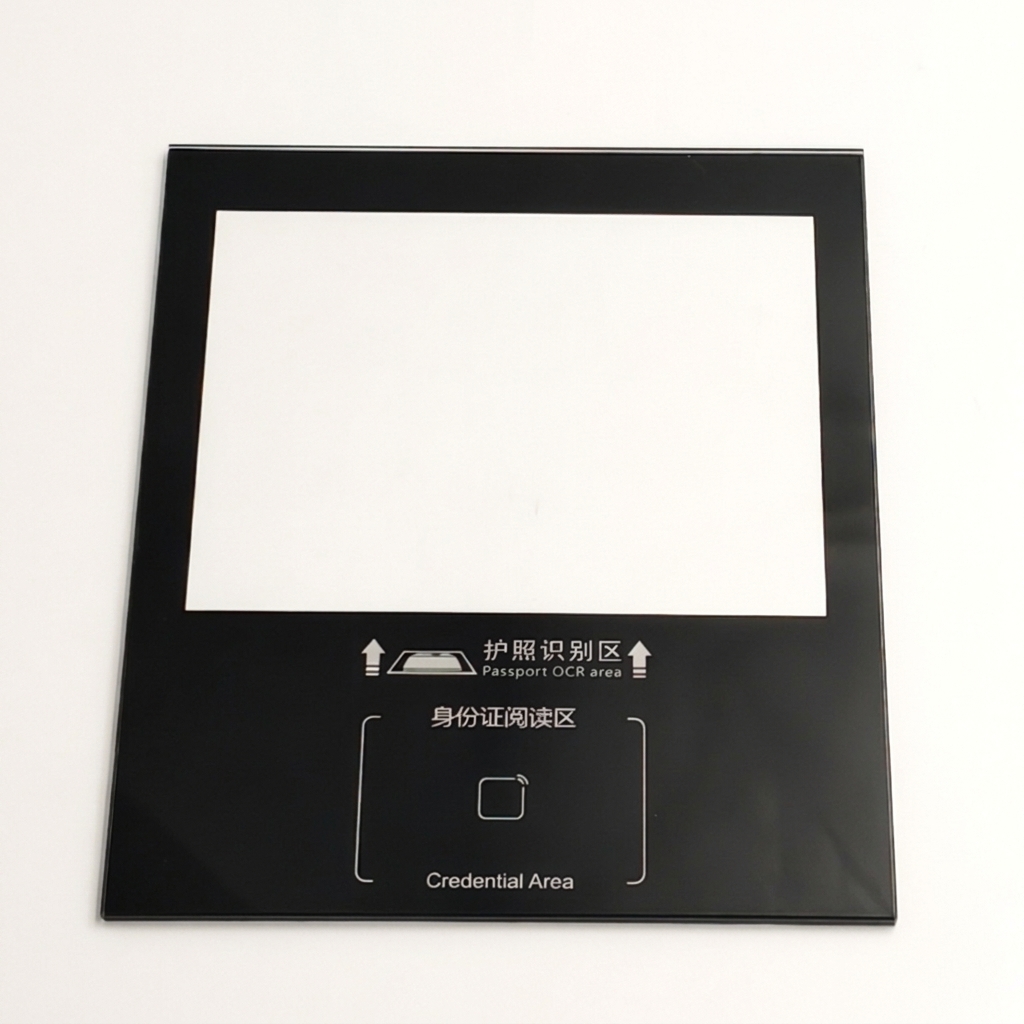
Decorative or functional borosilicate discs from 1.1–6 mm with silk-screen printing, anti-glare etching, AR/AF coating or 3M adhesive backing. Best for appliance interfaces, smart controls and branded decorative glass where color consistency and print registration are critical.
Where Borosilicate Glass Discs Earn Their Premium
Borosilicate is not automatically the correct glass for every project. It earns its place when thermal stability, chemical durability or stable optical performance reduces failure risk in the final assembly.
Laboratory & Analytical Equipment
Chemical durability, cleanability and thermal stability make borosilicate discs suitable for sample windows, inspection ports and analytical instrument components. Buyers should specify cleaning agents, autoclave exposure and surface-quality criteria.
Industrial Sight Glass & Visual Ports
Used for observation windows, equipment covers and low-pressure visual ports. For pressure-bearing applications, engineering validation is required; the disc must be designed as part of the pressure boundary rather than treated as a simple cover glass.
Lighting & High-Temperature Covers
Borosilicate discs can resist thermal cycling in lighting fixtures and heat shields better than ordinary soda-lime glass. The design should confirm sealing method, lamp heat profile and whether edge polishing is required to reduce stress concentration.
Sensor, Camera & Optical Windows
Clear borosilicate discs with controlled flatness and surface quality can protect sensors while maintaining visible transmission. AR coating improves light transmission, AG coating diffuses reflections and AF coating supports easy cleaning in public or industrial environments.
Electrical & Appliance Control Panels
Printed borosilicate discs can serve as durable control interfaces, decorative covers and display protection. For touch controls, confirm glass thickness, adhesive compatibility, print layer order and whether a chemically strengthened grade is preferred.
Decorative & Architectural Glass Discs
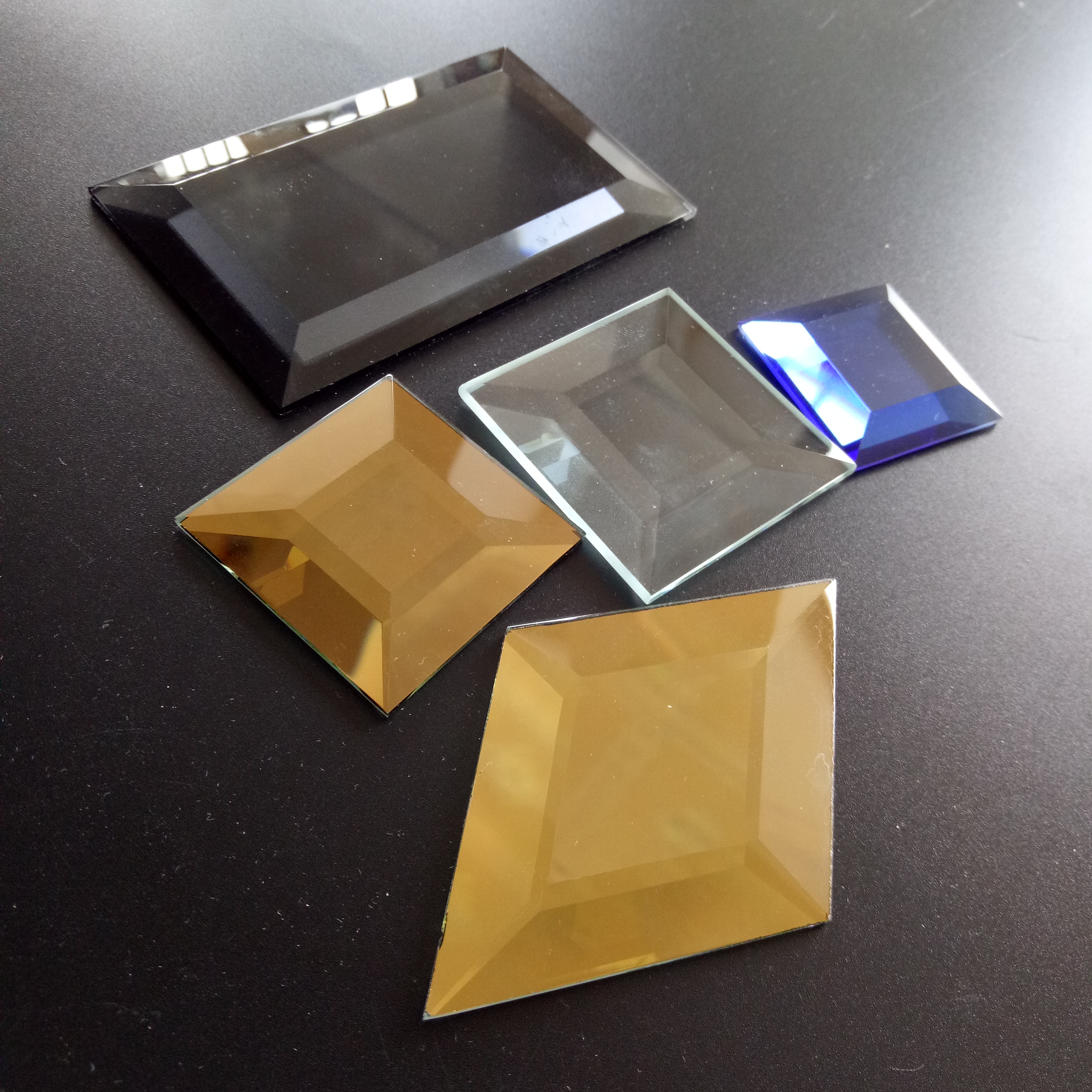
Beveled, frosted, tinted or printed round glass can be supplied for furniture, wall decoration and branded architectural details. Buyers should freeze color, edge bevel and surface finish samples before wholesale production to avoid batch-to-batch visual variation.
Manufacturing Capabilities Behind Every OEM/ODM Borosilicate Glass Disc Order
Qingdao Maupe Glass Co., Ltd. operates as a glass deep-processing manufacturer rather than a trading intermediary. Cutting, printing, coating, strengthening and inspection are controlled inside a documented workflow, which helps keep tolerance, color and packaging consistent from sample to repeat order.
Drawing Review & DFM Feedback
We review diameter, thickness, edge profile, hole position, tolerance stack-up, coating and printing before quotation. This early manufacturability review reduces rework risk and clarifies which requirements need sampling.
CNC Cutting, Grinding & Edge Finishing
Round discs, special shapes and precision cut-outs are processed with CNC equipment. Flat, pencil, beveled and polished edges are available, with chip criteria agreed before mass production.
Annealing & Stress Control
For borosilicate discs, controlled annealing supports dimensional stability and reduces residual stress after cutting, grinding or drilling. Process records help buyers audit critical thermal steps.
Drilling, Countersinking & Notching
Mounting holes, sensor openings, notches and countersinks can be produced to drawing. Hole-to-edge distance and edge quality are reviewed because they directly influence breakage risk during assembly.
Silk Printing, Coating & Laser Marking
RoHS-compliant inks, low- and high-temperature printing, AR/AG/AF coatings and laser marking can be combined on one part. Print registration, color reference and coating durability are checked during sampling.
Inspection & Export Packaging
Incoming material inspection, in-process checks and finished-product inspection are supported by protective export packaging. For wholesale programs, we agree on carton, separator, cleaning and labeling requirements before shipment.
Borosilicate Glass Disc Procurement Trends Buyers Should Plan For
Procurement teams are moving away from transactional glass buying. The next round of supplier selection will reward manufacturers who can provide stable process control, documented materials and flexible release schedules.
Total Qualification Cost Over Unit Price
Buyers increasingly calculate cost against incoming inspection yield, assembly breakage, line stoppage and engineering time. A slightly higher qualified disc price can be cheaper than repeated nonconformance. RFQs should ask for inspection data, packaging validation and sample reproducibility.
Dual Sourcing with Documented Continuity
Global brands are reducing single-source risk by requesting duplicate tooling plans, material certificates and process records. For borosilicate glass discs, continuity means keeping the same glass grade, print screens, coating recipe and inspection criteria across production sites or repeat lots.
High-Mix, Low-Volume Releases
Custom equipment and smart-home product lines increasingly use many variants with smaller order quantities. Suppliers need quick screen changes, modular fixtures and flexible batching while maintaining disc diameter, thickness and coating consistency.
Sustainability & Compliance Evidence
RoHS, CE, material declarations, packaging reduction and low-waste production are becoming standard RFQ attachments. A credible borosilicate glass disc supplier should be able to discuss ink chemistry, coating materials, recyclable packing and batch traceability without relying on vague claims.
What the Next Generation of Borosilicate Glass Discs Will Demand
Product design is pushing glass discs toward tighter integration with sensors, displays, lighting and thermal systems. The winning specification will be the one that supports assembly yield as well as optical performance.
Thinner and Larger Diameters
Equipment and lighting designs continue to request thinner glass with larger diameters or tighter flatness. These requests require careful handling, annealing strategy and packaging design, because edge quality and residual stress become more critical as the disc becomes thinner.
Optical-Grade Surfaces & Coatings
AR, AG and AF coatings are moving from premium options to baseline requirements in display, sensor and medical-adjacent applications. Buyers will ask for coating durability, haze control, transmission targets and cleaning-cycle compatibility in the same RFQ.
Assembly-Ready Features
Printed graphics, adhesive tape, protective film, laser marks and orientation notches are increasingly requested as one assembly-ready package. This reduces line-side labor but demands tighter print registration and incoming inspection discipline.
Traceable Quality & Digital Documentation
Batch traceability, inspection reports and packaging labels can be linked to purchase orders for faster quality review. For long-term wholesale programs, digital documentation helps procurement compare suppliers on evidence rather than promises.
Why Qingdao Maupe Glass Co., Ltd. for OEM/ODM Borosilicate Glass Discs
Founded in 2012 and located in Qingdao, Shandong, Qingdao Maupe Glass Co., Ltd. is an ISO 9001 certified glass deep-processing manufacturer and international supplier. The company serves OEM buyers in more than 80 countries from North and South America, Europe, Oceania, the Middle East, Africa and Asia, with export share representing 91–100% of output.
ISO 9001 Quality Management
Our quality management system is certified under ISO 9001, certificate No. 24025Q20015R1S. Procedures cover supplier assessment, incoming material inspection, in-process control and finished-product inspection.
RoHS & CE Compliance Support
RoHS certificate No. 25TYT12395 and CE certificate No. 23TYT082593S support international market access and compliance review. Certificate numbers can be checked by the buyer’s compliance team.
SGS Onsite Assessed Supplier
We have been onsite-assessed by SGS Group as a third-party inspection company. For buyers who cannot visit immediately, this provides an additional layer of supplier verification and documentation.
Eight Production Lines & Integrated Processing
Our 3,000–5,000 m² factory includes cutting, edging, drilling, printing, coating, strengthening and inspection capabilities. Keeping these steps under one roof shortens communication paths and improves traceability.
Export-Focused OEM/ODM Experience
Since 2012, we have supported sample development, design customization, full customization and repeat wholesale orders. Export terms include FOB, CIF, EXW, FAS, FCA, CPT, DDP, DDU and express delivery.
Qingdao Logistics & Buyer Access
The factory is close to Qingdao seaport and airport, making export logistics and buyer audits practical. We can support USD, EUR and CNY transactions, with T/T, L/C, PayPal, Western Union and cash payment options.
Procurement Checklist for OEM/ODM Borosilicate Glass Disc Programs
Use this checklist to structure the RFQ and compare suppliers on a like-for-like basis. It is especially useful for first-time borosilicate glass disc sourcing, where small specification gaps can cause large yield differences.
| Specification item | Data to confirm with supplier | Why it matters |
|---|---|---|
| Glass grade | Borosilicate 3.3 or 5.1, clear or ultra-clear, material certificate, expansion data | Thermal shock resistance, chemical durability and optical performance depend on grade. |
| Dimensions & tolerance | Diameter, thickness, parallelism, flatness, hole position, outer tolerance and inspection method | Prevents assembly fit issues and disputes between drawing and measurement practice. |
| Edge finish | Flat, pencil, beveled or polished edge; chip acceptance; chamfer angle; micro-crack control | Edge quality strongly affects breakage risk during handling, coating and final assembly. |
| Optical & printed features | Transmission, haze, AR/AG/AF coating, print color reference, ink durability, laser marking | Defines visual performance and product appearance; requires sample approval. |
| Thermal processing | Annealing schedule, stress-relief requirements, maximum operating temperature and cycling profile | Supports dimensional stability and reduces failure risk in high-temperature applications. |
| Packing & documentation | Separators, cleaning level, labeling, carton strength, inspection report, traceability and shipping terms | Protects finished discs and reduces incoming inspection workload and line-side rejections. |
Frequently Asked Questions from OEM and Wholesale Buyers
These answers reflect common purchasing, engineering and quality questions raised during borosilicate glass disc RFQs. Final specifications should always be confirmed against the drawing and application.
What sizes and thicknesses can you manufacture for borosilicate glass discs?
Can you produce borosilicate glass discs to drawing with holes, print, coating or adhesive?
What is the minimum order quantity for a custom borosilicate glass disc program?
Should I choose borosilicate 3.3, borosilicate 5.1 or chemically strengthened glass?
Can borosilicate glass discs be tempered like soda-lime glass?
What files and information are needed to quote a borosilicate glass disc?
Which certifications and quality documents can Qingdao Maupe Glass provide?
What are the typical lead times, shipping terms and payment options?
Request a Specification Review and OEM/ODM Catalog
Send your drawing, target diameter, thickness, edge profile, coating requirement and estimated annual volume. Our team will review manufacturability, recommend the appropriate borosilicate grade and outline a sampling path for your wholesale or OEM program.