OEM/ODM Precision Glass Factory & Exporter
Engineering-led production of silk-screen printed tempered glass, touch cover glass, switch panels, AR/AG/AF-coated display glass and decorative glass for global brands.
Precision Glass Is No Longer a Commodity Purchase
OEM and ODM buyers are not searching for “tempered glass” in the abstract. They are trying to de-risk a bill of materials: a touch panel must fit a housing gap, a switch panel must illuminate evenly, an industrial display must remain readable under strong light, and an appliance front must survive heat, cleaning agents and daily impact.
From a search-intent perspective, the phrase OEM/ODM precision glass factory & exporter sits between supplier discovery and engineering qualification. The buyer is not only comparing price per piece. The buyer is checking whether the factory can interpret a drawing, recommend the right strengthening method, control print color, protect edges during export, and provide certificates that a compliance team can verify.
A capable exporter therefore behaves like a specification partner. That means explaining when physical tempering is better than chemical strengthening, how silk-screen ink behaves on high-temperature appliance glass, why AR, AG and AF coatings solve different optical problems, and how small-batch customization can be sampled before mass production. This is the information gain serious B2B buyers expect: practical decision support, not generic claims.
This page is structured around the questions that influence supplier selection: the eight available product platforms, recommended specifications by application, future procurement trends, product development trends, quality evidence, factory advantages and the FAQ that purchasing teams usually ask before releasing a PO.
Specification risks that influence supplier selection
- Tolerance stack-up between glass, housing, adhesive and display module
- Edge quality, hole position, countersink depth and breakage risk
- Print color consistency, ink curing and backlight uniformity
- Correct choice of physical tempering or chemical strengthening
- Coating durability: AR, AG, AF or anti-glare surface treatment
- Export packaging strength and traceability of inspection records
Recommended Precision Glass Products for OEM/ODM Programs
Each platform below can be customized by drawing, thickness, edge finish, print artwork, coating and packaging. The product links are preserved so buyers can move directly from evaluation to technical review.

High Quality Industrial Screen Front Cover Glass Frosted Anti-glare Glass for Screen Protector
Matte AG surface diffuses reflections for HMI, monitors and industrial control screens. Print borders and touch windows can be added.
View product
Tempered Glass Flat Solid Glass Panels Heat-resistant Tempered Glass for Various Application
Thermally tempered panels for appliance doors, industrial covers and heat-facing equipment where safety glass behavior is required.
View product
Tempered Glass Panel With 3M Adhesive Tape Silk Screen Printing for Electrical Appliance Decoration Front Cover Glass
Decorative and functional front glass with 3M adhesive tape for cleaner assembly, brand colors, icons and durable printed graphics.
View product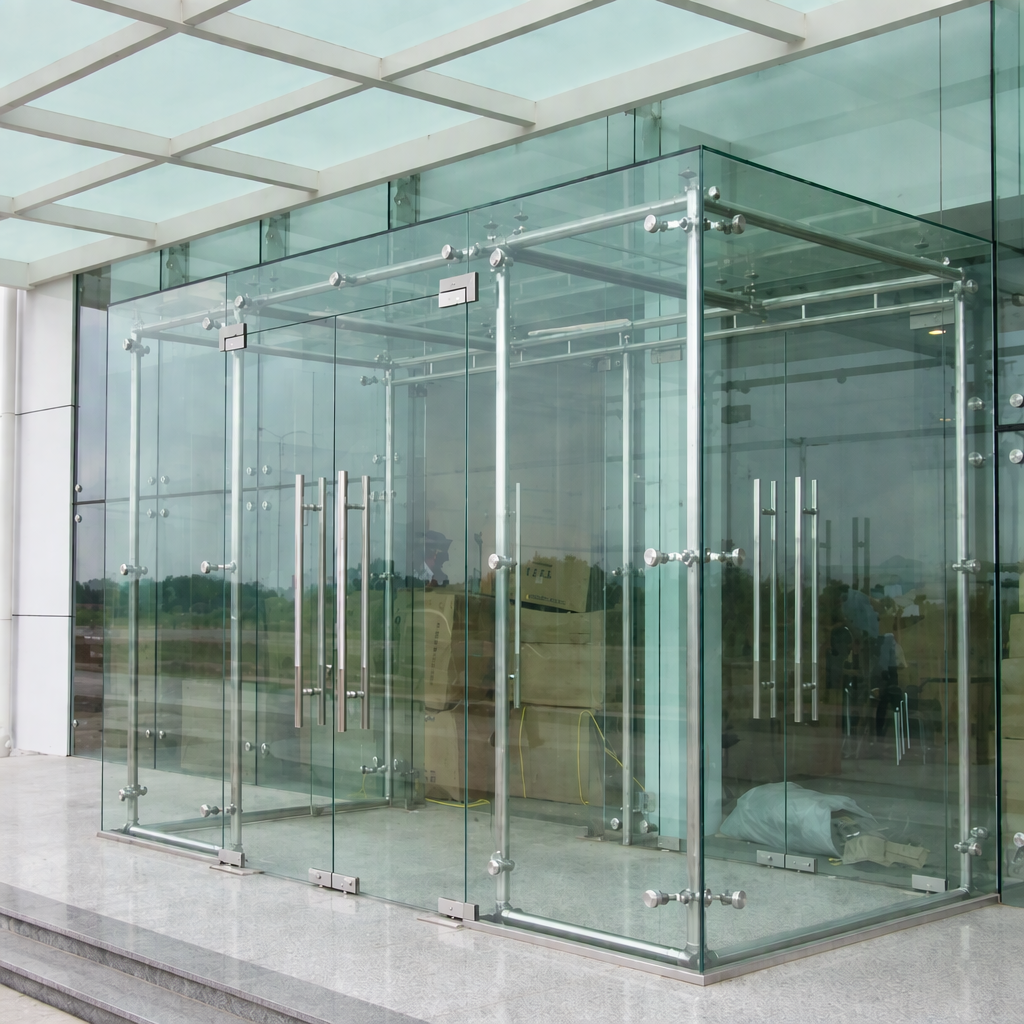
Tempered Glass Solar Window Glass High Transmittance Clear Flat Tempered Glass
Clear flat tempered glass for solar windows and display windows where light transmission, flatness and edge quality matter.
View product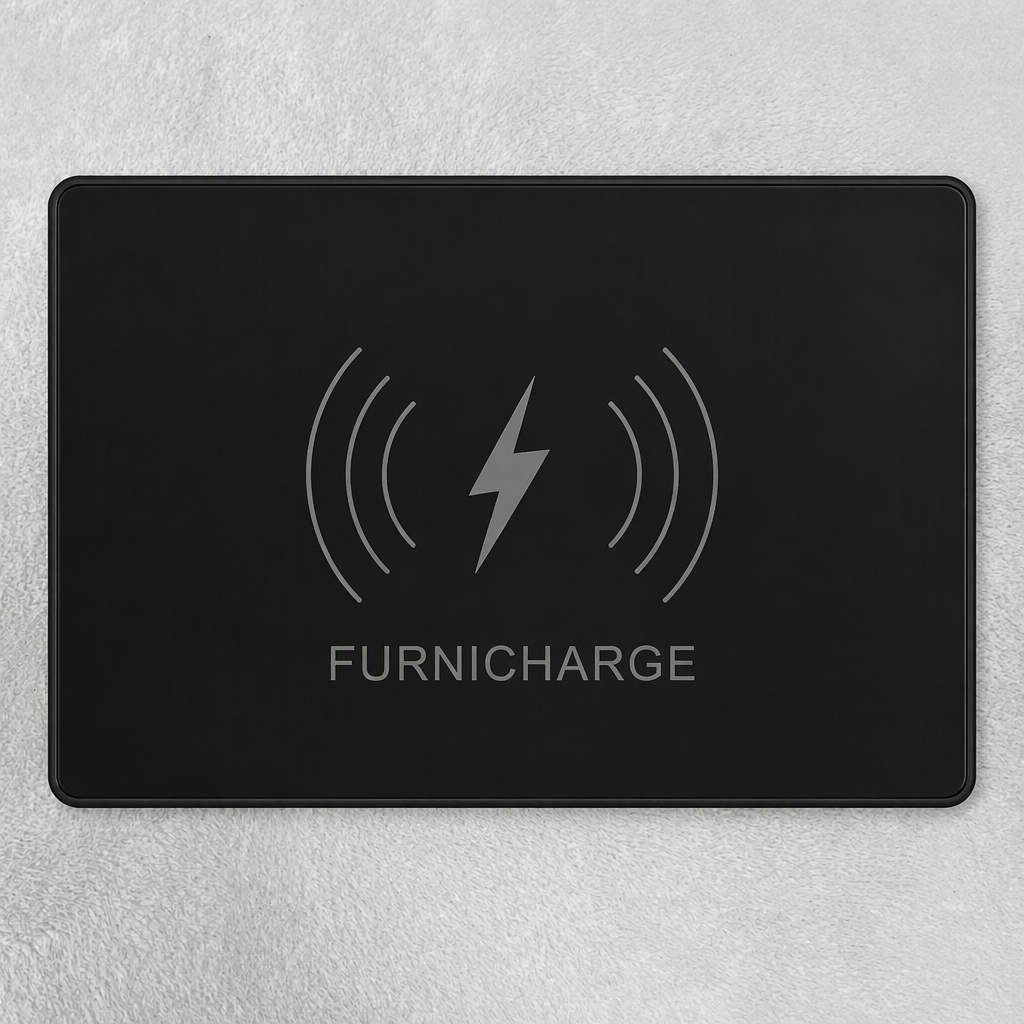
Smart Tempered Glass Bedside Table Panel for Tea Table Wireless Charging Front Cover Glass Touch Light Switch Glass
Touch and wireless-charging cover glass for smart furniture, with printed charging zones, backlight icons and anti-fingerprint options.
View product
Glass Factory Customized High Quality Transparent Display Touch Screen Glass Silk Screen 9H Hardness Industrial Screen Protector
Custom transparent touch-screen protector with silk-screen printing, 9H hardness options and CNC shaping for industrial interfaces.
View product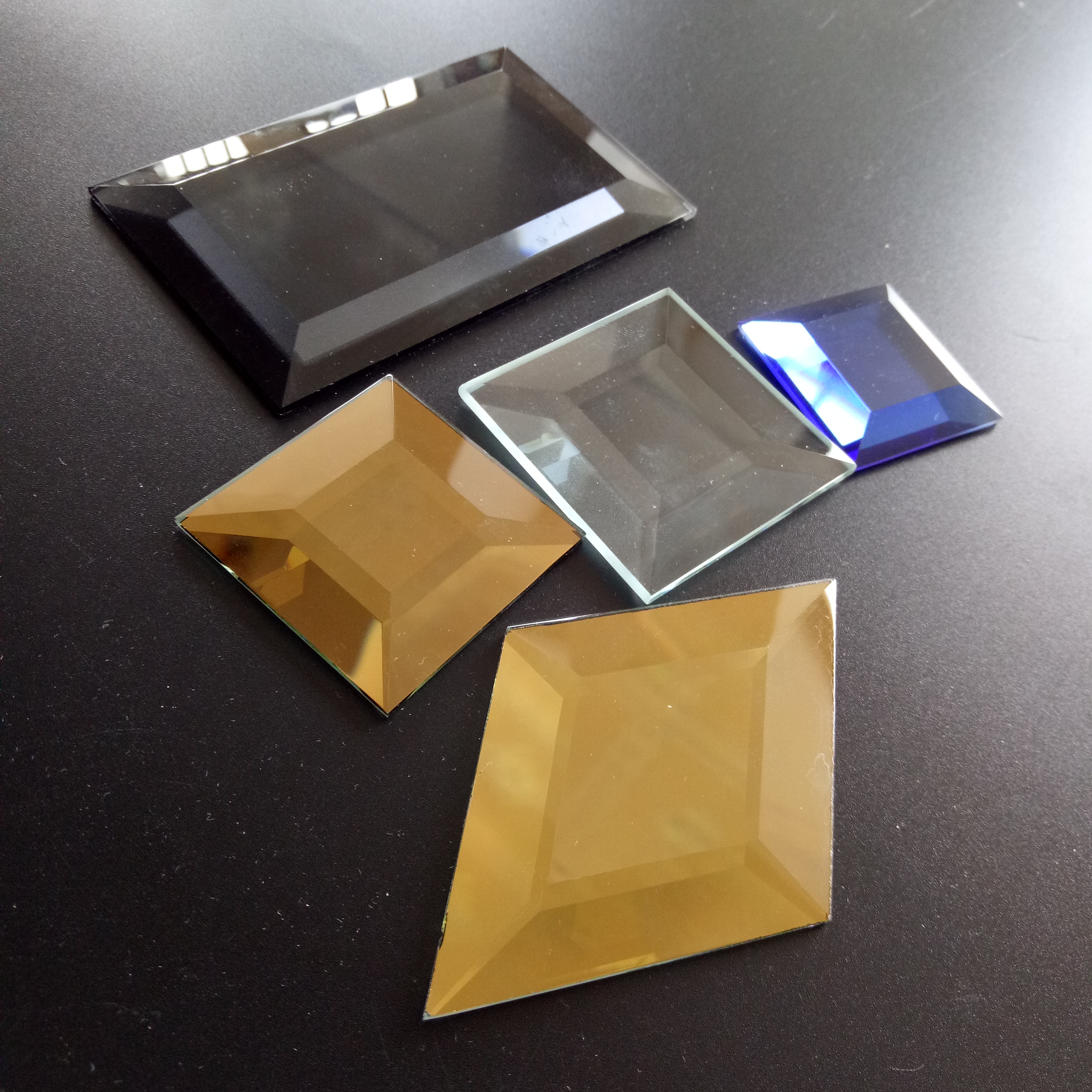
Blue-Gold Faceted Beveled Glass for Wall Decoration, Clear Beveled Glass Pieces
Faceted beveled glass pieces for wall decoration and interior features, supporting design-led differentiation beyond device glass.
View product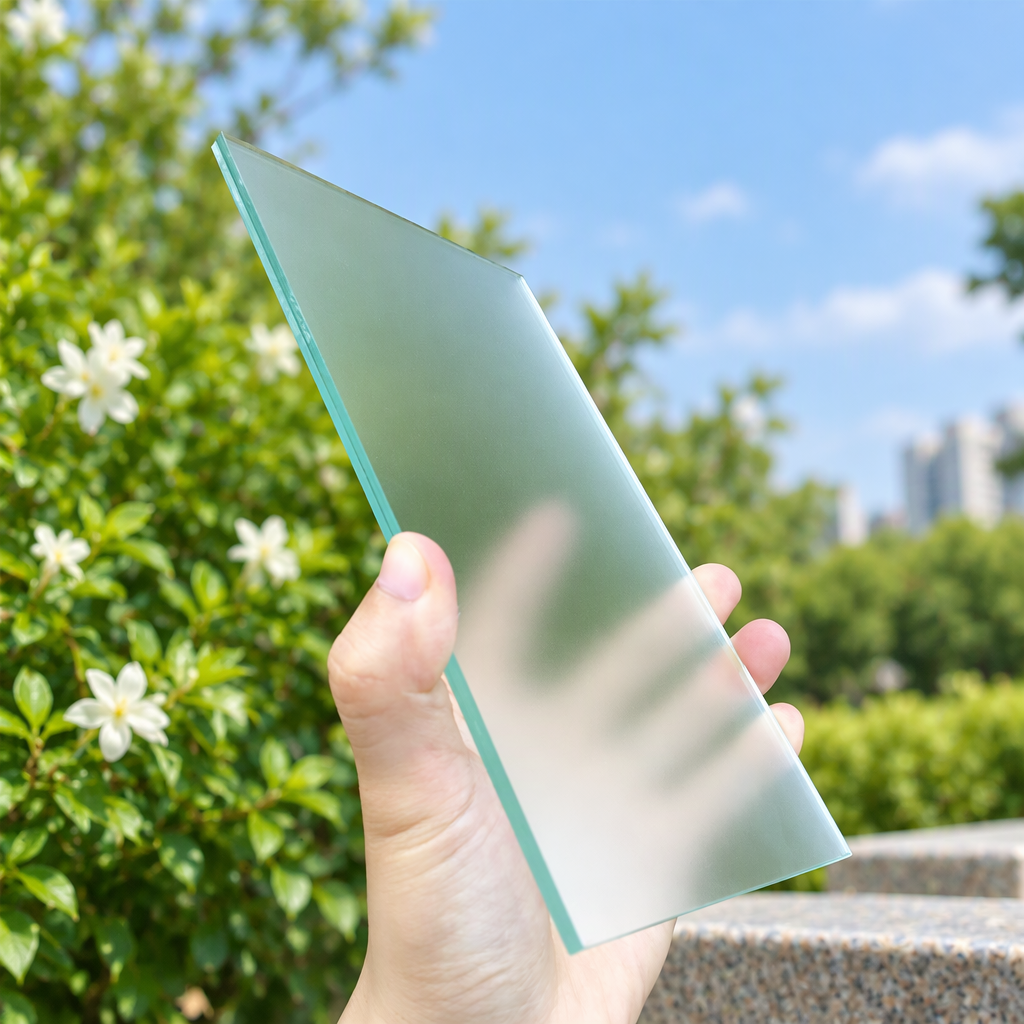
High Quality Industrial Solid Anti-glare Glass Screen Protector Matte Surface Monitor Screen Cover Glass
Solid anti-glare cover glass for monitors and equipment screens, helping maintain readability in bright factory and outdoor environments.
View productChoose the Glass Platform Before You Compare Unit Price
The most useful RFQ is built around the application environment, not only a size. These four starting points help engineering and purchasing teams align on a manufacturable specification faster.
Smart Home & Switch Panels
Use chemically strengthened or tempered glass with silk-screen icons, backlight windows and brand-matched colors.
- Thickness: commonly 1.1–4 mm
- Surface: clear, AG or AF
- Features: touch zones, LED windows
Kitchen & Household Appliances
Specify physically tempered glass and heat-resistant ink for cooktops, ovens, range hoods and appliance control panels.
- Thickness: commonly 3–5 mm
- Print: high-temperature ink
- Features: heat resistance, safe breakage
Industrial Displays & HMIs
Use anti-glare, anti-reflective or anti-fingerprint cover glass for readable, durable control screens.
- Thickness: commonly 1.5–4 mm
- Surface: AG, AR or AG+AF
- Features: print borders, 9H option
Access Control & Card Readers
Combine printed borders with clear reader windows for RFID, IC, QR and smart-lock front covers.
- Thickness: commonly 2–4 mm
- Print: opaque border, clear window
- Features: scratch resistance, 3M tape
How OEM Buyers Will Source Precision Glass in the Next Cycle
Procurement teams are moving away from “lowest price per panel” toward supply resilience, engineering clarity and verifiable compliance. These six trends are already visible in RFQs from electronics, appliance, smart-home and industrial buyers.
Dual-source resilience
Buyers want a qualified Far East partner plus regional assembly options. A factory that documents drawings, print parameters and inspection criteria makes a second source easier to manage.
Engineering-led RFQs
More RFQs now include 2D drawings, artwork files, application environment and annual volume. Suppliers that ask better technical questions reduce sample rounds and tooling risk.
Lower MOQ, mass customization
Custom printed panels increasingly start from 10–100 pieces depending on size and colors. Small-batch validation before ramp-up is becoming standard practice.
Transparent certification
ISO 9001, RoHS and CE are no longer box-ticking claims. Buyers want certificate numbers, scope, validity and third-party onsite assessment records for supplier approval.
Total landed cost
Port proximity, packaging yield, breakage rate, export terms and documentation quality often matter more than a small unit-price difference when total landed cost is modelled.
Sustainability documentation
RoHS-compliant inks, material traceability and packaging reduction are becoming part of supplier scorecards, especially for European and North American brands.
Where Precision Glass Technology Is Moving
The product is evolving from a simple protective cover into an integrated optical, touch and decorative interface. These four directions are shaping future drawings and coating requirements.
Thinner, stronger cover glass
Chemically strengthened glass from 0.5–2 mm allows thinner devices while maintaining strength and excellent flatness for touch modules.
Integrated AR, AG and AF coatings
Anti-reflective, anti-glare and anti-fingerprint treatments are being combined to improve readability, touch feel and cleaning in one part.
Touch and smart surfaces
Wireless charging zones, capacitive touch, backlit icons and intelligent switch panels are pushing glass to become an active interface.
Decorative functional glass
Printed appliance fronts, beveled decorative pieces and PDLC switchable privacy glass show how functional glass can also carry design value.
Physical Tempered or Chemically Strengthened?
Choosing the wrong strengthening method is one of the most common causes of re-tooling in cover glass projects. Use the comparison as a design-stage filter, then confirm with the factory against your actual drawing and working environment.
For appliance doors, switch panels, display windows and industrial covers where thickness is usually 2 mm or more, physical tempering is often the right route. For thin touch covers, small electronics and optical windows where flatness is critical, chemical strengthening may be the better choice.
What to include when you send a drawing
- 2D drawing in DWG, DXF or PDF with outline, holes and tolerance
- Glass thickness, glass type and edge finish requirement
- Print artwork in AI or PDF with color references and layer order
- Coating requirement such as AR, AG, AF or no coating
- Working environment, annual volume and sample target date
| Criteria | Physical Tempered | Chemically Strengthened |
|---|---|---|
| Typical thickness | About 2 mm and thicker | 0.5–2 mm thin glass |
| Strength gain | Roughly 4–5× annealed glass | High surface compression suited to thin parts |
| Breakage pattern | Small blunt fragments for safety | Larger pieces, closer to annealed glass |
| Flatness and optics | Very good; slight roller wave possible | Excellent flatness without heat distortion |
| Post-processing | Cutting, drilling and edging must be completed before strengthening | |
| Best for | Appliance doors, switch panels, display windows, industrial covers | Touch covers, small electronics, wearables, precise optical windows |
What Makes Qingdao Maupe Glass a Reliable OEM/ODM Partner
Founded in 2012 in Qingdao, Shandong, Qingdao Maupe Glass Co., Ltd. is a glass deep-processing manufacturer and international supplier operating under an ISO 9001 quality management system. The factory’s core work is turning flat glass into finished functional parts: cutting, edge polishing, drilling, engraving, coating, silk-screen printing, physical tempering and chemical strengthening.
Complete in-house process chain
Cutting, CNC shaping, edge polishing, drilling, engraving, printing, tempering and coating are coordinated under one roof, shortening lead times and making quality traceable.
Certified and audit-friendly
ISO 9001 certificate No. 24025Q20015R1S, RoHS No. 25TYT12395 and CE No. 23TYT082593S support compliance review. The supplier has also been onsite-assessed by SGS Group.
OEM/ODM engineering support
With about 10 years of OEM experience, the team reviews manufacturability, tolerance, print layout and strengthening method before sampling and mass production.
Global export experience
The factory serves buyers in more than 80 countries, with 91–100% of output exported. Its location near Qingdao seaport and airport simplifies export logistics and buyer audits.
Print and coating control
Eco-friendly RoHS-compliant inks, high- and low-temperature printing, multi-color layouts and AR/AG/AF coating options support consistent visual and optical performance.
Flexible customization scope
Shapes, holes, notches, countersinks, edges, 3M adhesive, logos, icons and packaging can be customized to the drawing and assembly method.




A Transparent Five-Step OEM Workflow
Purchasing, engineering and quality teams should know exactly what happens at every stage. This workflow keeps sampling, production and shipping decisions visible.
Drawing review
Engineers check manufacturability, tolerance, edge finish, print layout and strengthening method.
Sampling
Screens and samples are made for fit, color, touch and coating verification before mass production.
Mass production
Cutting, edging, drilling, printing, tempering and coating are controlled across production lines.
Quality inspection
Incoming material and finished product inspections are checked before packing and shipment.
Export shipping
Protective export packaging is arranged via Qingdao seaport or airport under FOB, CIF, DDP and related terms.
Certifications Buyers Can Verify
For B2B procurement, claims are useful only when they can be checked. The following certificate references support supplier qualification and export documentation.
ISO 9001 Quality Management
Certificate No. 24025Q20015R1S. Scope covers float glass and technical glass products under a quality management system.
RoHS Compliance
Certificate No. 25TYT12395. Supports restriction of hazardous substances requirements for EU electrical and electronic equipment.
CE Marking
Certificate No. 23TYT082593S. Tempered glass certification supports market access across the European Economic Area.
Questions Buyers Ask Before Ordering Precision Glass
These answers reflect the practical questions raised during drawing review, sampling and supplier qualification.
What is the minimum order quantity for custom printed tempered glass?
+
Should I choose physical tempered glass or chemically strengthened glass?
+
Which certifications does Qingdao Maupe Glass Co., Ltd. hold?
+
What files are needed to start a custom glass project?
+
Which trade and payment terms are accepted?
+
How are printed glass panels packed for export?
+
Have a Drawing Ready? Let the Factory Review It Before You Release an RFQ
Share your 2D drawing, artwork, thickness, coating requirement and annual volume. The engineering team can respond with manufacturability feedback, sampling direction and a practical specification route for your OEM/ODM project.