8 Supplier Product Links Below the Banner
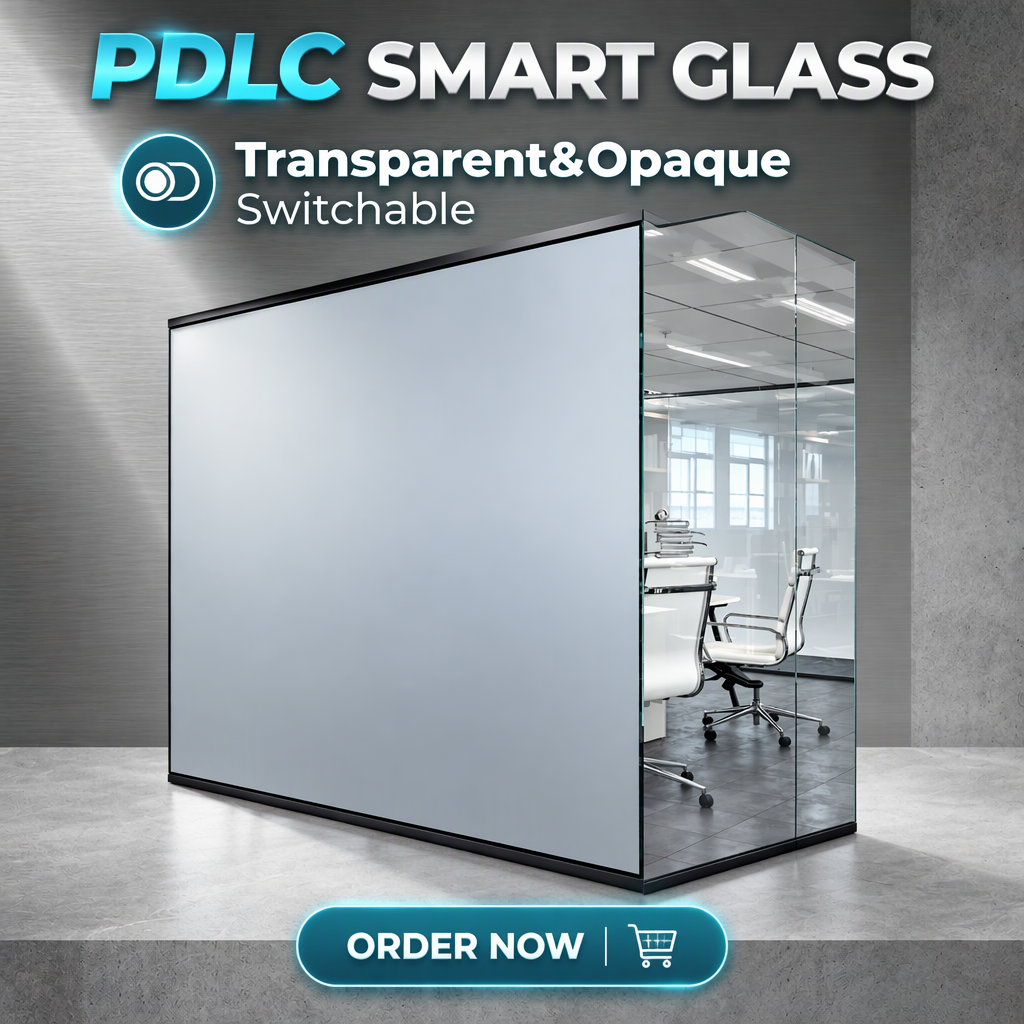
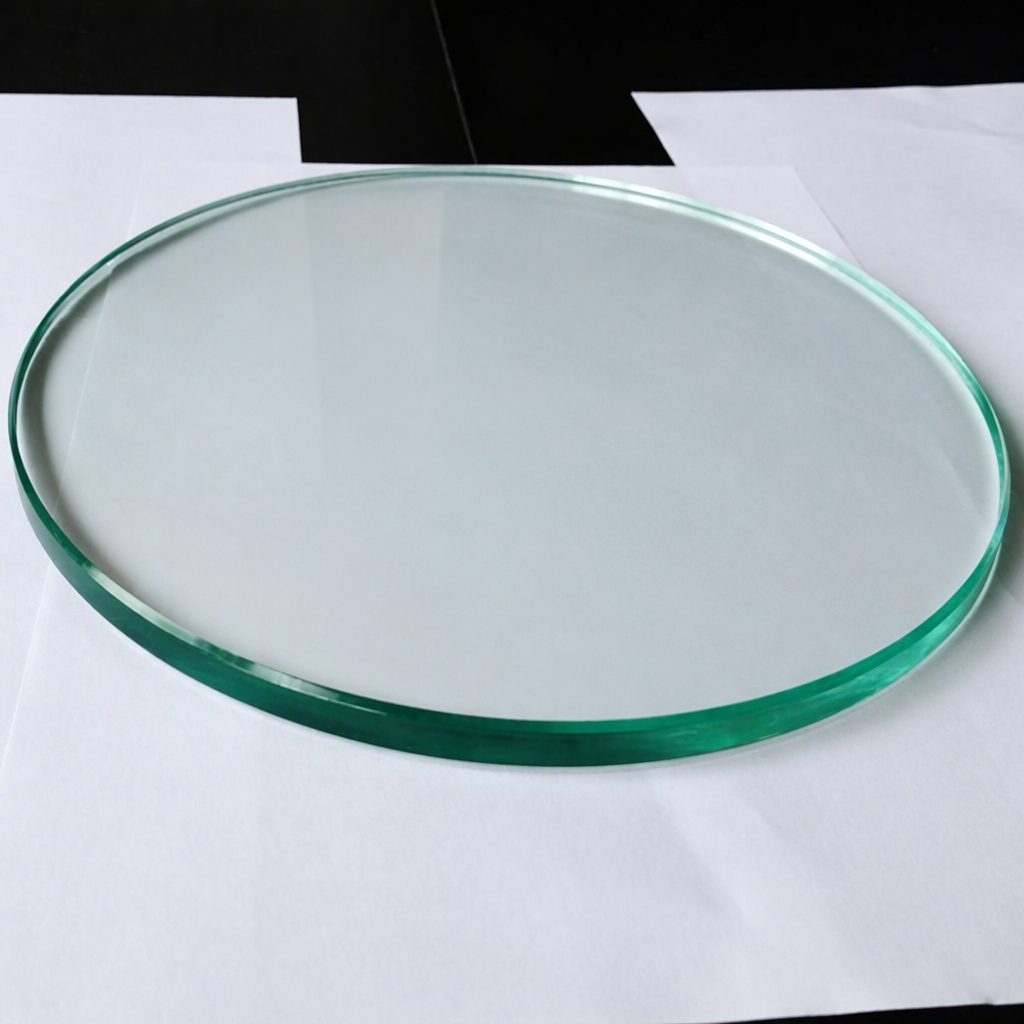
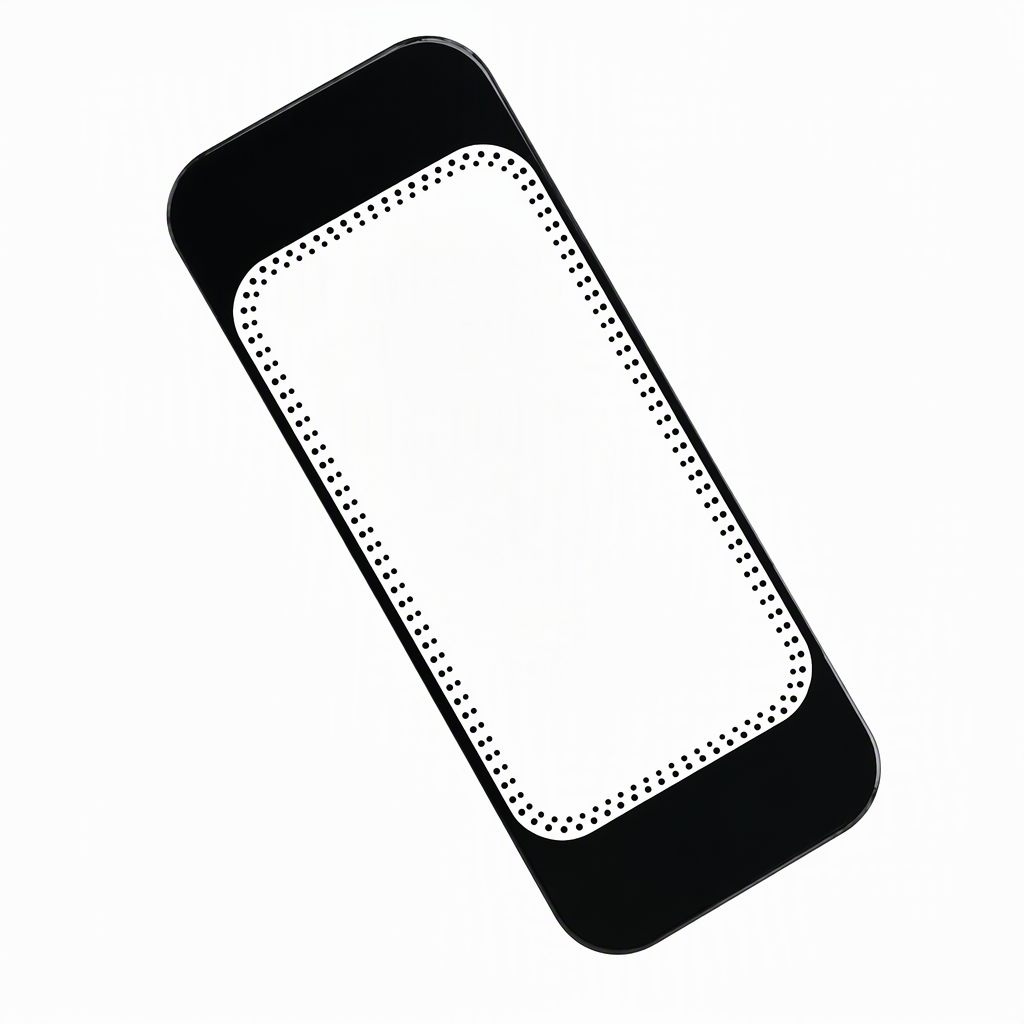
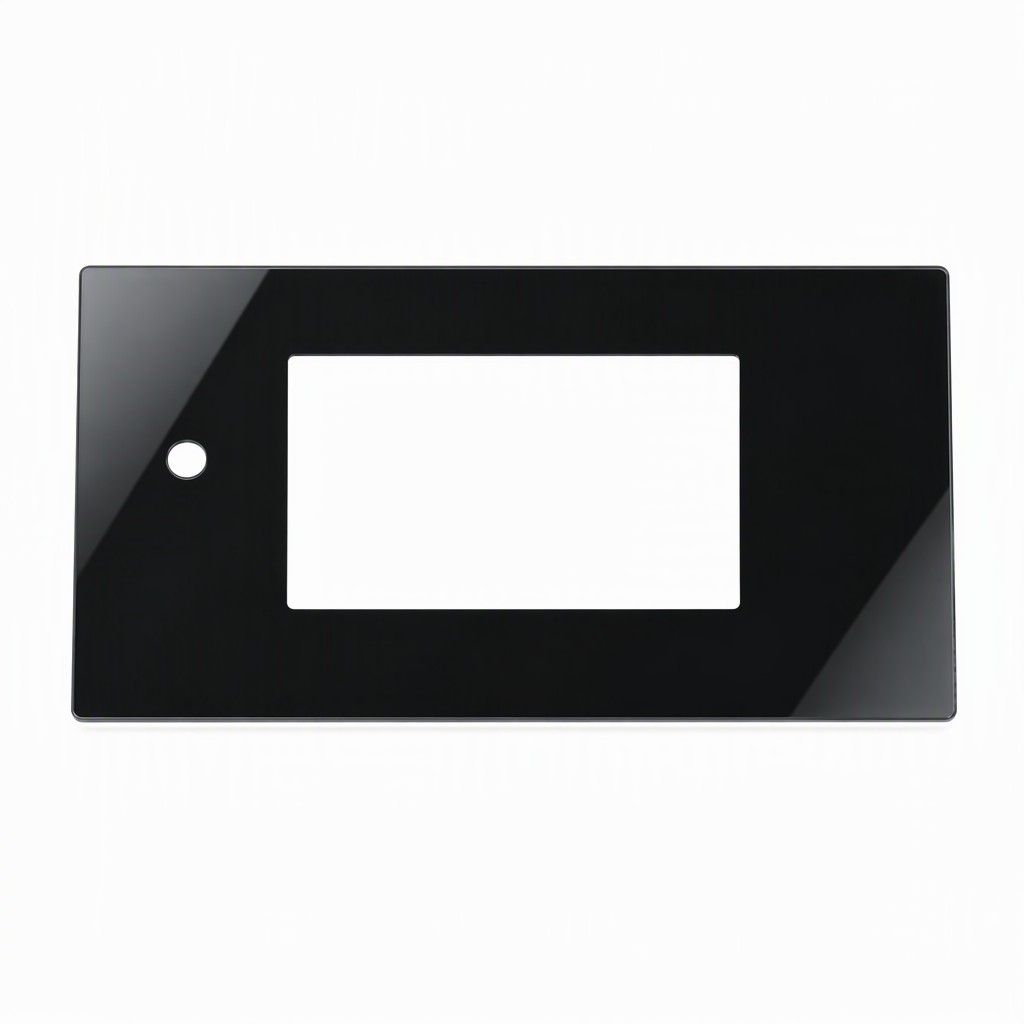
These live product references show the practical processing base behind many OEM/ODM glass plate programs: silk-screen printing, tempering, AR/AG/AF coating, CNC edging, curved glass forming, solar glass and smart privacy film. Each URL is preserved exactly as supplied.


OEM/ODM Quartz Glass Plate Sourcing: Start With the Physics, Not the Price
Quartz glass plate is specified when ordinary glass cannot provide the required combination of purity, optical transmission, thermal shock resistance, dimensional stability or chemical inertness. Serious procurement teams therefore evaluate the application physics before they compare quotations.
In the trade, buyers use fused quartz, fused silica and quartz glass plate almost interchangeably, yet suppliers may offer very different grades. A plate intended for UV optics may need low bubble content and controlled OH; a semiconductor or laboratory part may require documented purity and cleanroom handling; a high-temperature viewing window may prioritise thermal shock resistance and polished edges; a display cover may prioritise flatness, coating adhesion and cosmetic quality. The more precisely the drawing and grade are specified, the fewer surprises appear during sampling, inspection and mass production.
For an OEM/ODM program, the supplier should do more than cut a sheet. The factory must translate the drawing into a controlled process route: material verification, CNC cutting, edge grinding, drilling, chamfering, flatness control, cleaning, coating or printing where required, final inspection and export packing. This is especially important for quartz glass plates because edge quality, surface scratches, inclusions and residual stress can affect both optical performance and mechanical reliability. Information gain begins when the buyer defines the functional requirement — transmission range, temperature cycling, touch interface, sealing method and cleaning chemistry — before asking for a unit price.
Quartz glass is not automatically the right answer for every project. If the application does not need UV transparency, low thermal expansion or high-temperature stability, tempered or printed soda-lime glass can be significantly more cost-effective. That is why a capable OEM/ODM supplier should be willing to compare material routes honestly, rather than quote quartz for a project that can be safely served by architectural, appliance or display glass.
Thermal Shock Resistance
Critical for furnace windows, high-temperature inspection glass and semiconductor equipment.
Optical Transmission
UV, visible and infrared performance must match the instrument, sensor or light source.
Purity & Contamination
Bubbles, inclusions, metallic contamination and cleanroom packaging affect yield.
Tolerance & Flatness
Thickness, parallelism, edge finish and flatness must be defined on the drawing.
| Selection criterion | Fused quartz / silica | Borosilicate glass | Tempered soda-lime glass |
|---|---|---|---|
| Typical silica content | Very high SiO₂ purity; grade depends on supplier and application | Approximately 80% SiO₂ with boron oxide | Lower silica content with sodium and calcium oxides |
| Thermal shock | Excellent; suitable for demanding thermal cycling | Good; common in laboratory glassware | Limited; safety glass is not a high-temperature material |
| UV transmission | Strong, depending on grade and OH content | Generally lower than fused quartz | Not normally used for deep UV transmission |
| Coefficient of expansion | Very low, supporting dimensional stability | Moderate and predictable | Higher than quartz and borosilicate |
| Typical applications | Optics, semiconductor, high-temperature windows, analytical instruments | Labware, sight glass, lighting, industrial windows | Appliance panels, display covers, architectural and safety glass |
| Procurement caution | Define grade, OH content, inclusions, flatness and cleaning level | Confirm thermal and optical limits against the application | Do not specify where thermal shock or UV transmission is essential |
Information gain for buyers: the lowest quotation is rarely the lowest total cost when a quartz plate fails incoming inspection, breaks during thermal cycling or causes optical rejection. Evaluate suppliers on material traceability, process control, inspection data, packaging and engineering feedback — not on price alone.
Why Qingdao Maupe Glass Co., Ltd. Is Built for OEM/ODM Glass Plate Programs
Founded in 2012 in Qingdao, Shandong, Qingdao Maupe Glass Co., Ltd. is an ISO 9001 glass deep-processing manufacturer and international supplier. Its production logic is directly relevant to buyers who need custom quartz glass plates, precision glass covers and related functional glass components.
ISO 9001 Quality Management
The company operates an ISO 9001 quality management system, with incoming material inspection, process control and finished-product inspection before packing. This documentation discipline is essential for OEM projects and repeat orders.
Integrated Deep Processing
Cutting, CNC shaping, edge polishing, drilling, engraving, silk-screen printing, physical tempering, chemical strengthening and AR/AG/AF coating can be coordinated under one production system, reducing hand-offs and tolerance drift.
Verified Credentials
ISO 9001 certificate No. 24025Q20015R1S, RoHS certificate No. 25TYT12395 and CE certificate No. 23TYT082593S support compliance review. The supplier has also been onsite-assessed by SGS as a third-party inspection company.
Export Experience
Maupe Glass serves customers in more than 80 countries across North and South America, Europe, Oceania, the Middle East, Africa and Asia. Export accounts for 91–100% of output, which means export packing, documentation and shipping routines are mature.
OEM/ODM Engineering Support
The factory has 8 production lines and a 3,000–5,000 m² production area. Buyers can submit 2D drawings, print artwork, coating requirements and application conditions for manufacturability review before sampling.
Qingdao Logistics & Procurement Confidence
Located close to Qingdao seaport and airport, the factory supports FOB, CIF, EXW, FAS, FCA, CPT, DDP, DDU and express delivery. Its profile also includes Fortune 500 procurement-contract verification and SGS onsite assessment.



Future Procurement Trends in Quartz Glass Plate Sourcing
Buying behaviour is shifting from simple price comparison to qualification, traceability and supply resilience. For quartz glass plates, the purchasing decision increasingly sits with engineering, quality and compliance teams — not only with purchasing.
Total Cost of Ownership
Buyers will evaluate yield, breakage, cleaning cost, inspection time and production downtime as well as unit price. A slightly higher quote from a controlled factory can be cheaper overall when it reduces rejection and rework.
Material Traceability
Procurement teams increasingly request grade identification, batch records, inspection reports and packaging labels. For quartz plates, bubble and inclusion criteria should be agreed before production rather than debated at final inspection.
Dual Sourcing & Resilience
Global buyers are qualifying second suppliers and regional logistics routes to protect programs from freight disruption. A supplier with export experience, stable packaging and documented lead-time inputs is easier to add as a qualified source.
Early Supplier Involvement
More OEM/ODM projects now invite the glass factory into design review before drawings are frozen. Early feedback on edge design, hole spacing, coating masks and packing can remove cost before tooling begins.
Product Development Trends in Quartz Glass Plate and Precision Cover Glass
Technical requirements are becoming more specific, more documented and more closely linked to the end application. The winning supplier will be the one that can scale precision without losing process discipline.
Larger, Thinner & Flatter
Demand is rising for larger plates with tighter flatness and thickness tolerance. This challenges cutting, annealing, polishing and inspection, especially where the plate must sit flush against sensors or sealing surfaces.
Functional Coatings
AR, AG and AF coatings are moving from premium options to standard expectations for display and optical windows. Coating durability, haze control, adhesion and mask accuracy must be verified together with the glass itself.
Cleaner & Contamination-Controlled
Semiconductor, medical and analytical applications increasingly require controlled cleaning, cleanroom packing and documented handling. Cosmetic criteria must be defined with lighting, viewing distance and acceptance limits.
Digital Quality Records
Quotation packages are increasingly expected to include process flow, inspection plans, sample records and packaging instructions. QR-linked batch data and photo-based inspection reports help global buyers audit remotely.
Recommended OEM/ODM Quartz Glass Plate Configurations
The best configuration is the one that satisfies the application at the lowest verified total cost. These recommendation routes help buyers frame a request for quotation without over-specifying or under-specifying the product.
Optical / UV-Grade Quartz Plate
For lenses, windows, sensors and analytical instruments, specify transmission range, OH content, bubble class, surface polish, flatness and coating. Request witness samples for optical verification before mass production.
Semiconductor / Laboratory Plate
For equipment windows, wafer-adjacent parts and lab fixtures, prioritise purity documentation, edge cleanliness, particle control, flatness and stable packing. Define whether annealing or stress-relief records are required.
High-Temperature Viewing Window
For furnaces and thermal equipment, define operating temperature, thermal cycling, sealing method and edge finish. Polished or chamfered edges reduce stress concentration, while a suitable grade supports thermal shock resistance.
Display & Industrial Cover Plate
For HMI, medical displays and industrial screens, combine quartz or high-performance glass with AR/AG/AF coating, printed borders and touch-panel dimensions. Define hardness, haze and cleanability targets.
Cost-control note: if the product does not require quartz’s optical or thermal advantages, evaluate the tempered, printed and coated glass products shown in the eight links above. That comparison is part of responsible OEM/ODM sourcing, not a downgrade.
From Drawing to Delivery: The Control Loop Behind a Reliable Glass Plate Order
A transparent workflow gives purchasing, engineering and quality teams a shared reference point from quotation to shipment.
Drawing Review
Engineers check dimensions, thickness, edge finish, holes, tolerances, coating and strengthening route for manufacturability.
Sampling
Samples and screens verify fit, colour, transmission, print placement and handling before mass production.
Mass Production
Cutting, CNC shaping, edging, printing, tempering or coating run through controlled production lines.
Inspection
Incoming material and finished parts are checked against agreed cosmetic, dimensional and functional criteria.
Export Packing
Protective packaging, labels and shipping documents are prepared for Qingdao port, airport or express delivery.
Certifications and Inspection Data Buyers Can Verify
For B2B procurement, a certificate is not decoration. It is a starting point for supplier qualification, and its number should be available for review by the buyer’s compliance team.
ISO 9001 Quality Management
Certificate No. 24025Q20015R1S. Scope covers float glass and technical glass products, supporting a documented quality management approach for repeat OEM/ODM orders.
RoHS Compliance
Certificate No. 25TYT12395. RoHS compliance is relevant for electrical and electronic equipment, display covers and control panels supplied to European markets.
CE Marking
Certificate No. 23TYT082593S for tempered glass. CE documentation helps support market access and technical file review across the European Economic Area.
Quartz Glass Plate & OEM/ODM Glass Purchasing FAQ
These answers address the questions most often raised by purchasing teams, engineers and compliance reviewers before a custom glass project is released.
What is the minimum order quantity for custom quartz glass plates or OEM glass panels?
Should I choose quartz glass, tempered glass or chemically strengthened glass?
What files and details are needed to start a custom glass project?
Can samples be produced before mass production?
Which certifications and inspection documents are available?
What trade terms, payment methods and shipping routes are supported?
Ready to Compare Quartz Glass Plate Factories With a Real Drawing?
Send your dimensions, material grade, edge requirements, coating or printing details and annual volume. The engineering team can review manufacturability, suggest a material route and prepare a quotation for OEM/ODM production.
Contact Us