8 OEM/ODM Glass Sheet & Functional Panel Options for Buyer Review
For quartz glass sheet sourcing, buyers rarely purchase a single material in isolation. They compare optical windows, thermal barriers, industrial cover sheets, printed glass panels and adjacent custom glass processes. The eight product options below show the deep-processing capability and customization logic that matter when you qualify an OEM/ODM quartz glass sheet manufacturer.
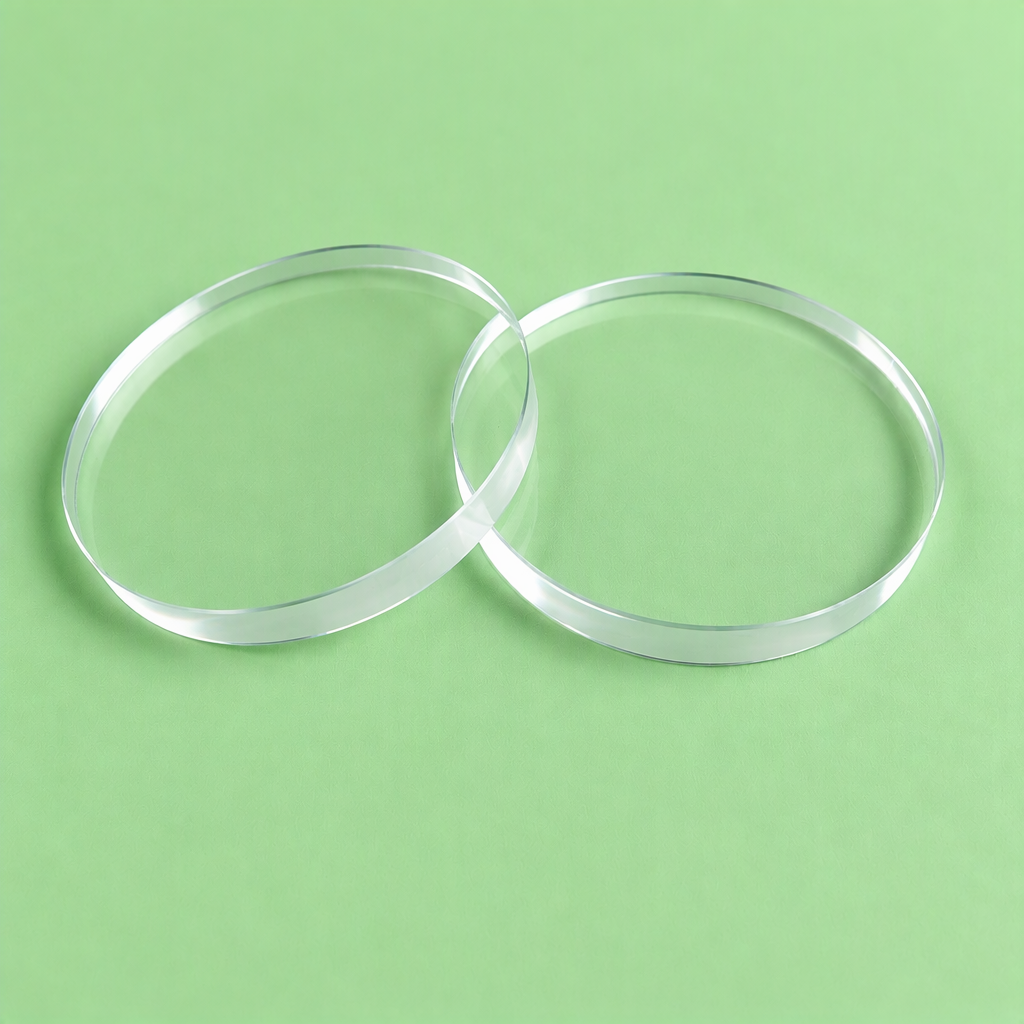
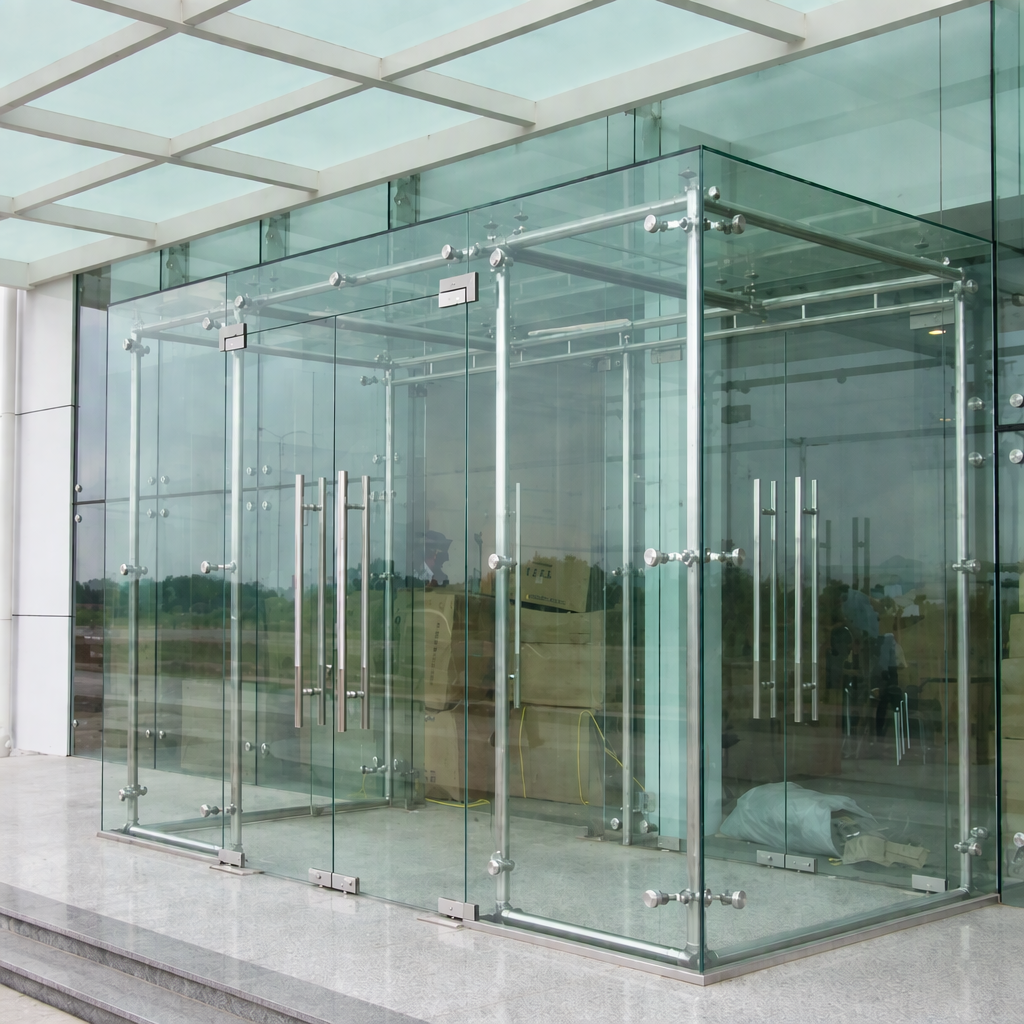


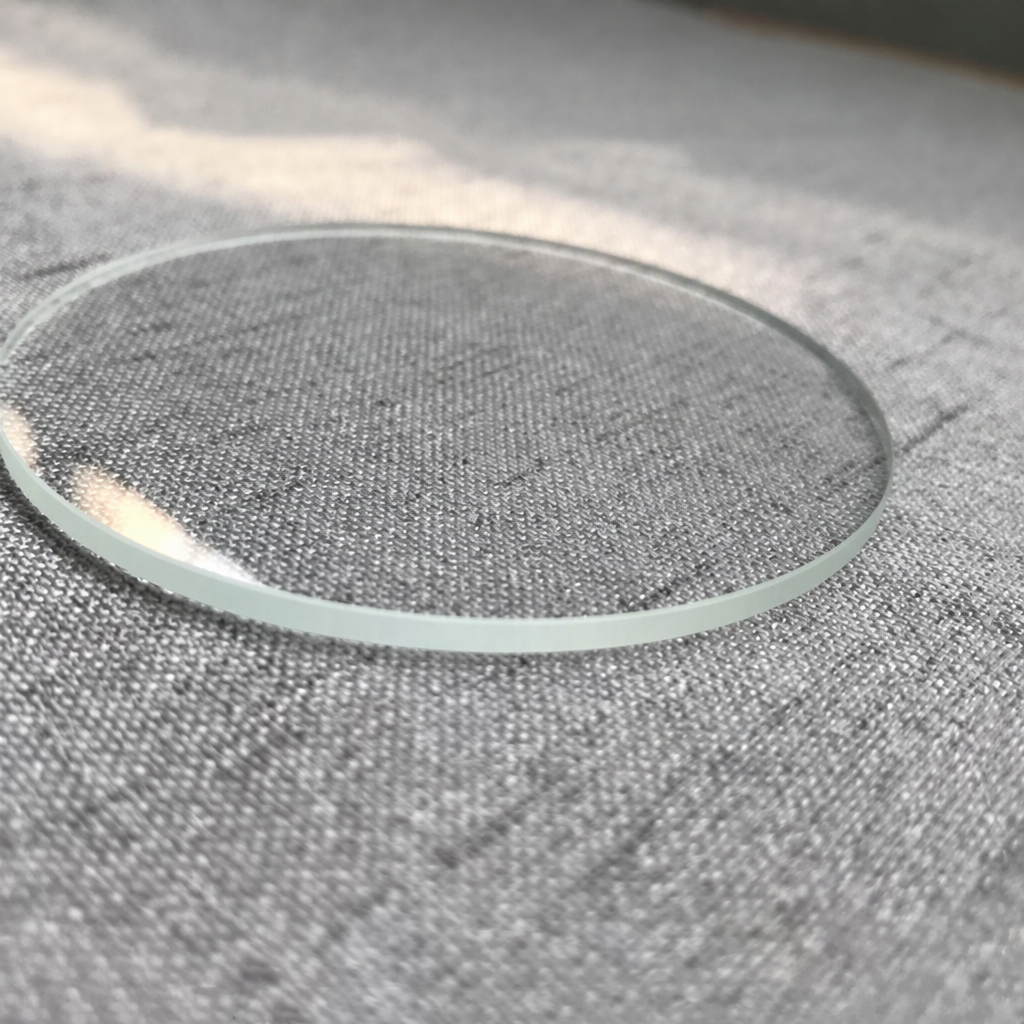
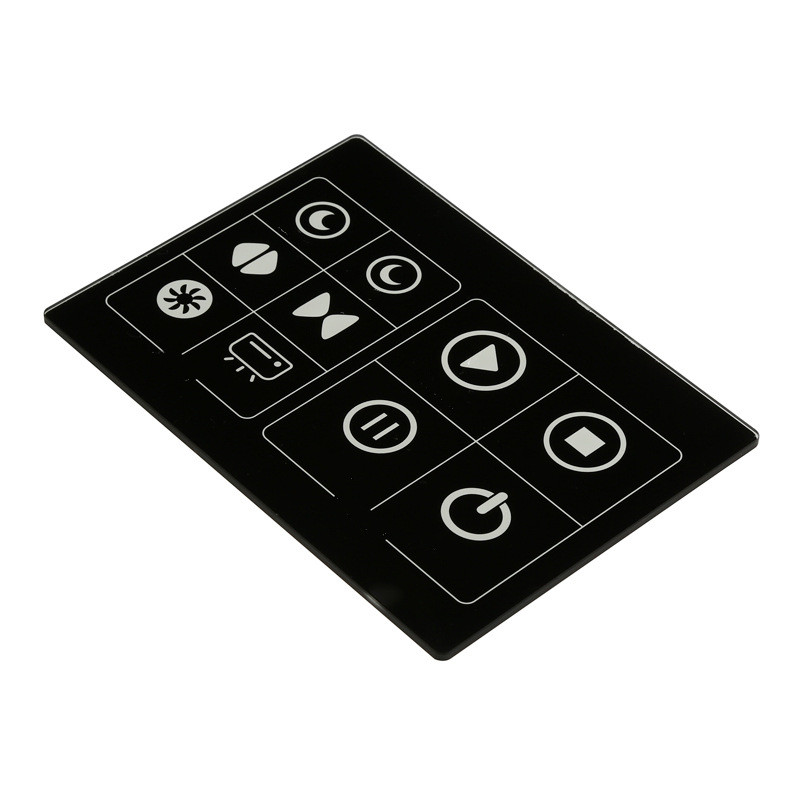
What Is a Quartz Glass Sheet—and Why Does Search Intent Matter?
A quartz glass sheet is a high-purity silica-based material valued for thermal shock resistance, optical clarity, electrical insulation, low thermal expansion and chemical durability. Buyers searching for quartz glass sheet manufacturers usually do not want a generic directory listing. They want an OEM/ODM partner that can interpret drawings, verify material grade, control edge quality, manage coatings and deliver export-ready packing.
Search intent around this product is highly technical. A semiconductor engineer may search for “fused silica sheet supplier, low OH quartz glass, 99.99% SiO2”; an optical designer may search for “optical quartz window, AR coated quartz sheet”; a procurement manager may search for “custom quartz glass sheet manufacturer, small batch, ISO 9001, RoHS.” A qualified supplier page must answer all three layers: material knowledge, process capability and commercial reliability.
Quartz glass is not the same as ordinary soda-lime glass, nor is it interchangeable with every tempered glass panel. That distinction matters. Fused quartz and fused silica are selected for purity, thermal stability, UV transmission and dielectric behavior. Tempered glass and chemically strengthened glass are selected for safety, impact resistance and thin cover-glass applications. A strong OEM/ODM partner should explain the trade-offs clearly rather than force one material into every application.
- Confirm the requested grade: fused quartz, fused silica, high-purity synthetic silica or a functional glass alternative.
- Define thickness, flatness, parallelism, edge profile, hole tolerance and surface quality before quoting.
- State the operating environment: high temperature, vacuum, UV exposure, chemical contact, touch sensing or outdoor use.
- Provide coating, printing, cleaning and packaging requirements in the first RFQ—not after sample approval.
RFQ Information Gain
A high-quality inquiry helps the supplier return a manufacturable quote, not just a price range. The following data typically reduces sample iterations.
OEM vs ODM Quartz Glass Sheet Sourcing: Which Model Fits Your Program?
The right sourcing model depends on how much design ownership you want to retain—and how much process engineering you need from the supplier.
OEM: Build Exactly to Your Drawing
OEM is the best fit when your CAD, tolerance stack, material callout and inspection plan are already frozen. The supplier’s job is to manufacture consistently, protect the surface, document material and ship to spec.
- Drawing-based quotation and DFM feedback before tooling or sampling.
- Material certificates, batch traceability and dimensional inspection records.
- Controlled printing, coating, edge finishing, cleaning and packing.
- Repeat-order stability for established products and approved vendor lists.
ODM: Co-Develop the Sheet, Window or Panel
ODM is useful when the application is defined but the component is not. This is common in smart-home panels, instrument windows, display covers and industrial viewing windows where edge design, coating and mounting features influence yield.
- Joint review of thickness, edge profile, coating, print and packing.
- Rapid prototypes for fit, optical performance and installation checks.
- Cost engineering for size optimization, breakage reduction and logistics.
- Custom logo, artwork, labels and retail-ready packaging support.
Future Procurement Trends Reshaping Quartz Glass Sheet Supply
Procurement teams are moving from “lowest piece price” toward total cost, continuity and technical risk control. For quartz glass sheets and precision glass components, the next buying cycle will reward suppliers who can prove process discipline.
Dual Sourcing & Supply Resilience
Buyers will qualify one primary and one backup source for critical quartz windows and sheets. Suppliers must show repeatable documentation, not only sample quality.
Total Cost of Ownership
Breakage, cleaning time, assembly reject rate, coating rework and freight damage often cost more than the unit price difference between two qualified suppliers.
Digital Traceability
Batch ID, material certificate, inspection report, coating lot and packing photos will become standard RFQ requirements for global OEM customers.
High-Mix, Low-Volume Orders
Custom projects increasingly require 10–100 piece runs before scale-up. Flexible screen printing, CNC edging and sample workflows become a competitive advantage.
Coating Integration
AR, AG and AF coatings are increasingly specified together with printing and edge finishing. Suppliers that manage multiple processes internally reduce handling risk.
Compliance & Clean Production
RoHS-compliant inks, controlled waste, safe packaging and verifiable management systems will be reviewed alongside technical capability.
Product Development Trends Buyers Should Design Into the Next RFQ
Quartz glass sheet demand is evolving from a simple cut-to-size material request into an engineered component specification. These trends are visible across optics, electronics, high-temperature equipment, display panels and smart-glass applications.
Thinner Sheets, Larger Formats
Equipment designers want larger windows and thinner sheets without sacrificing flatness. RFQs should define flatness, parallelism, edge chip limits and support method, not only length and width.
Engineered Optical Coatings
AR coating raises transmission, AG coating reduces glare, and AF coating improves cleanability. The best specification ties coating performance to the actual viewing angle and environment.
Thermal-Shock-Resistant Windows
Furnaces, analytical instruments and high-temperature observation doors require material selection and edge quality that can survive repeated thermal cycling.
Printed and Functional Graphics
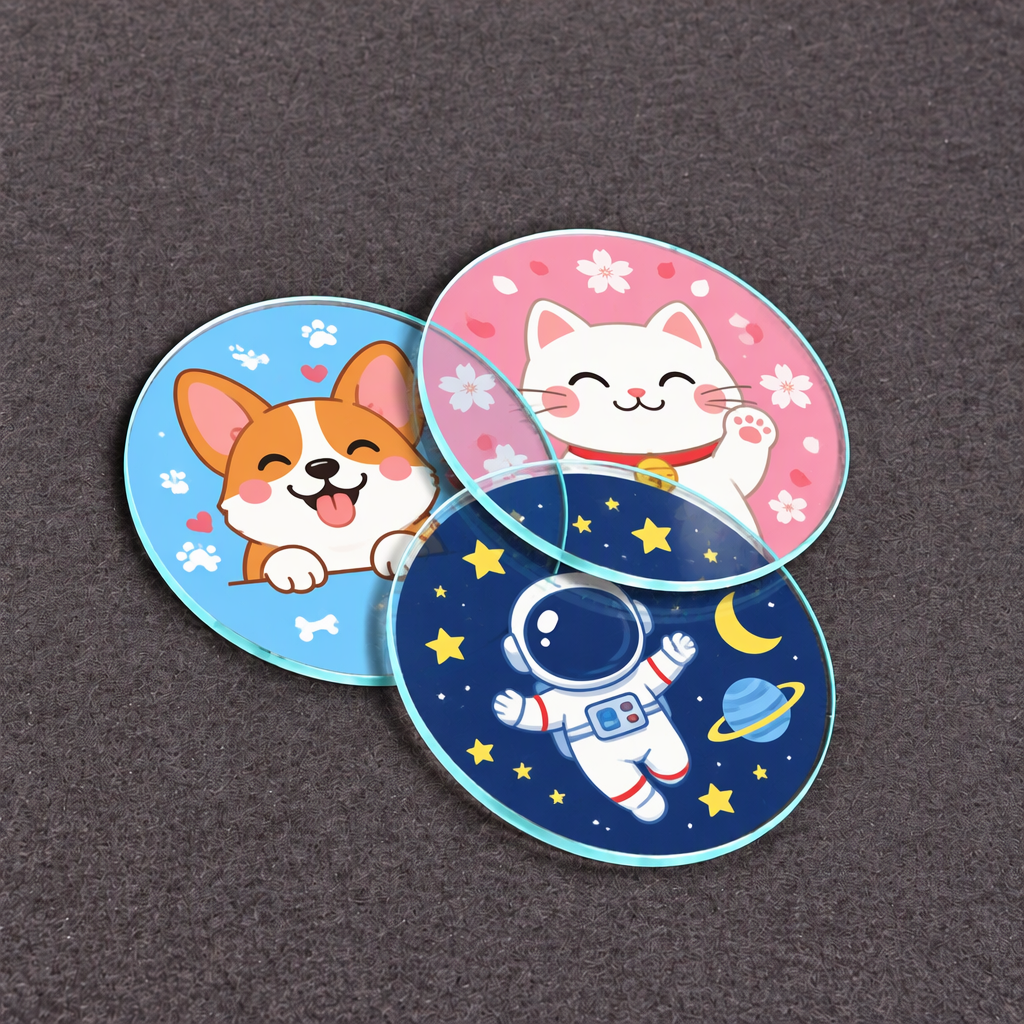
Silk-screen printing can integrate logos, touch zones, indicator windows and decorative borders. For OEM panels, print registration and ink durability are as important as glass quality.
Sensor & Touch Integration
Switch panels, card readers, medical displays and industrial HMIs need cutouts, print layers and surface treatments compatible with capacitive sensing.
Smart Glass Convergence
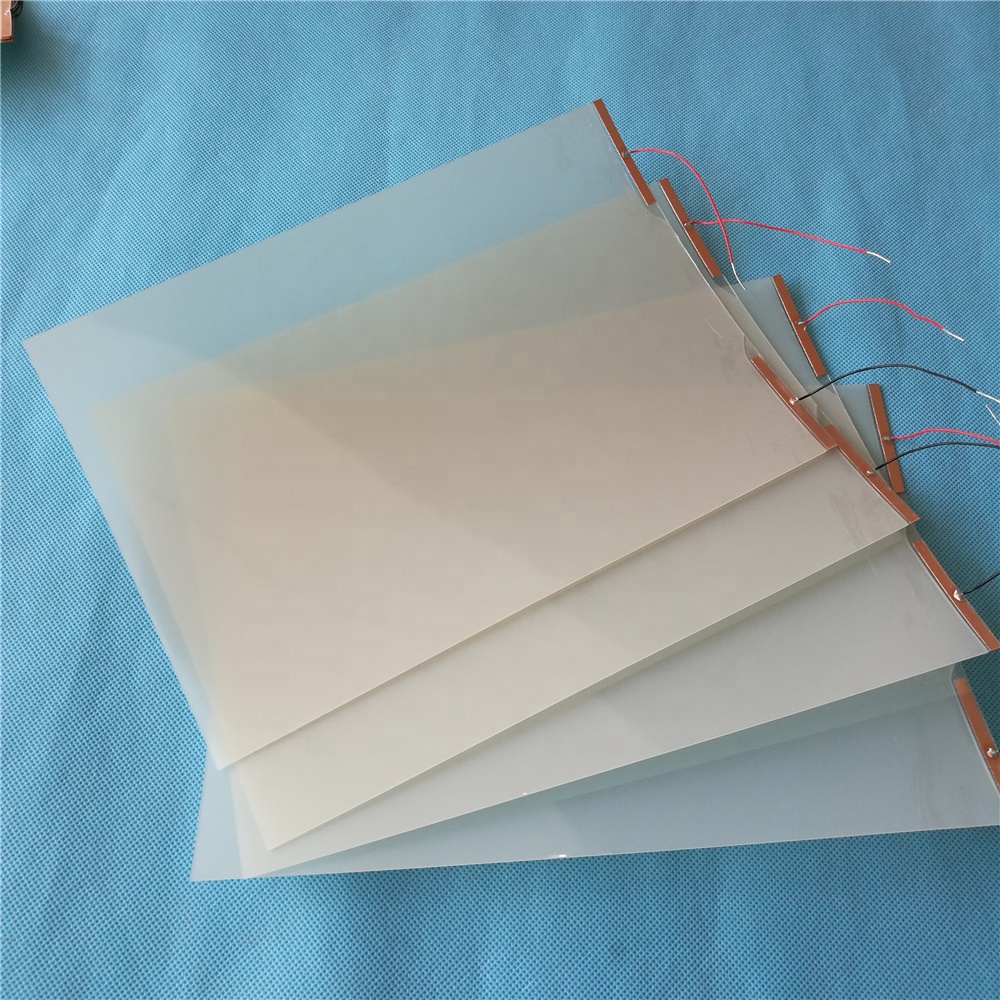
PDLC privacy glass, switchable partitions and laminated functional panels show how glass components are becoming systems—requiring closer collaboration between material, coating and electronics teams.
How to Evaluate OEM/ODM Quartz Glass Sheet Manufacturers
Use a structured scorecard. A supplier with good samples but weak documentation can create more cost after mass production than a slightly higher-priced supplier with controlled processes.
Six questions that separate a trader from a deep-processing factory
- Can the supplier explain material grade, purity, OH content, transmission and thermal limits in writing?
- Does the factory control cutting, CNC shaping, edge polishing, drilling, printing, coating and strengthening internally or through audited partners?
- Are inspection criteria defined before sampling—dimensions, chips, scratches, bubbles, coating defects and print registration?
- Can the supplier show certificate numbers, batch records and packing validation for export?
- Does the quote separate tooling, sample, material, process, coating, inspection and freight assumptions?
- Is there a clear change-control process for drawings, ink colors, coatings and packaging revisions?
Prepared by the Maupe Glass engineering and export team, drawing on custom glass projects shipped to more than 80 countries since 2012. This is practical procurement guidance, not a generic directory summary.
Drawing & NDA
Share CAD, artwork, target application and volume. Clarify confidentiality before releasing proprietary designs.
DFM Review
Review material, thickness, edge, holes, coating, print and packing. Identify risks before sampling.
Sample & FAI
Approve fit, optics, print color, touch response and surface quality against an agreed checklist.
Production & Export
Run mass production with final inspection, protective packing and export documentation.
Why Global Buyers Use Qingdao Maupe Glass as an OEM/ODM Glass Partner
Founded in 2012 in Qingdao, Shandong, Qingdao Maupe Glass Co., Ltd. is a glass deep-processing manufacturer and international supplier operating under an ISO 9001 quality management system. The factory turns flat glass into finished functional parts through cutting, edge polishing, drilling, engraving, coating, silk-screen printing, physical tempering and chemical strengthening.
For quartz glass sheet sourcing, these same disciplines matter: material verification, clean handling, precision edge work, controlled printing or coating, documented inspection and export-ready packing. Our factory is located close to Qingdao seaport and airport, which simplifies logistics and makes onsite supplier audits easier for international buyers.
Our silk-screen printed glass uses RoHS-compliant, eco-friendly inks and high- and low-temperature printing processes to create scratch- and wear-resistant graphics for displays, electronic control equipment, instrument covers, household and kitchen appliances, furniture and decorative partitions. Today we serve clients in more than 80 countries across North America, South America, Europe, Oceania, the Middle East, Africa and Asia.
Factory scale and export focus: 8 production lines, 3,000–5,000 m² factory floor area, 80+ export countries and an export share of output in the 91–100% range. These figures help buyers assess continuity, communication and export documentation capability.
Certifications to verify: ISO 9001 quality management system, certificate no. 24025Q20015R1S, valid to 02/2028; RoHS compliance, certificate no. 25TYT12395, valid to 12/2030; CE marking, certificate no. 23TYT082593S, valid to 08/2028. The supplier has also been onsite-assessed by SGS Group as a third-party inspection company.




Where Quartz Glass Sheets and Functional Glass Panels Create Value
Material selection should follow the application environment—not the other way around. These application clusters are common starting points for OEM/ODM RFQs.
Semiconductor & Electronics
High-purity sheets, insulating plates and windows where cleanliness, dielectric behavior and thermal stability matter.
Optical & Display
Optical windows, display covers and front panels with AR, AG or AF treatment for readable, durable surfaces.
Laboratory & Analytical
Observation windows and sample-viewing sheets that require chemical resistance, thermal stability and clean edges.
Industrial & Appliance
Viewing windows, cooktop panels, microwave door glass and printed control panels for heat, impact and cleaning exposure.
Questions Buyers Ask Before Ordering Custom Quartz Glass Sheets
What is the difference between a quartz glass sheet and tempered glass?
What information is needed for an accurate quartz glass sheet quotation?
What is the typical MOQ for custom glass panels and quartz-related components?
Should I choose physical tempered glass or chemically strengthened glass for a thin cover?
Which certifications and quality checks does Qingdao Maupe Glass hold?
Can you combine quartz glass sheets with printing, coating and edge processing?
What are the accepted trade terms and payment methods?
How do you protect fragile glass sheets during export shipping?
Send Your Quartz Glass Sheet Drawing for a DFM Review
Share dimensions, thickness, material grade, edge finish, coating, printing, annual demand and packing requirements. Our team will review manufacturability and recommend the most practical OEM or ODM route.
Get a Quote