OEM/ODM Thermal Resistant Glass Manufacturer & Exporters
Custom heat-resistant tempered glass, chemically strengthened cover glass, printed control panels and AR/AG/AF coated display windows — engineered to your drawing from Qingdao, China.
8 Custom Thermal Resistant Glass Products for Demanding Applications
These representative products show the range of glass deep-processing available for appliance, display, access-control, industrial and interior applications. Each item can be customized by size, thickness, edge finish, printing, coating, tempering method and packaging.
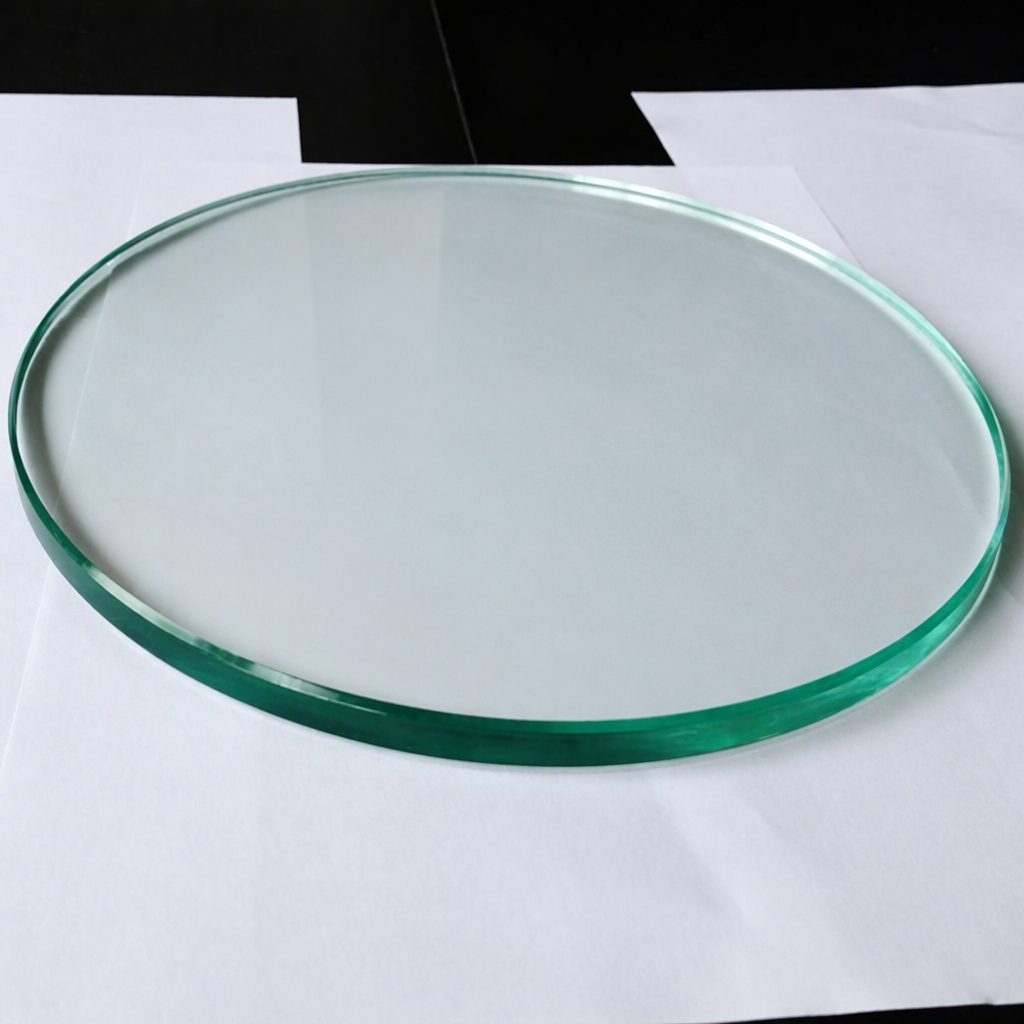
12mm Tempered Glass Round Tempered Glass Beveled Round Glass Pieces
Heavy-gauge round tempered glass with polished beveled edges for furniture, decorative and heat-exposed interior applications.
Heavy Gauge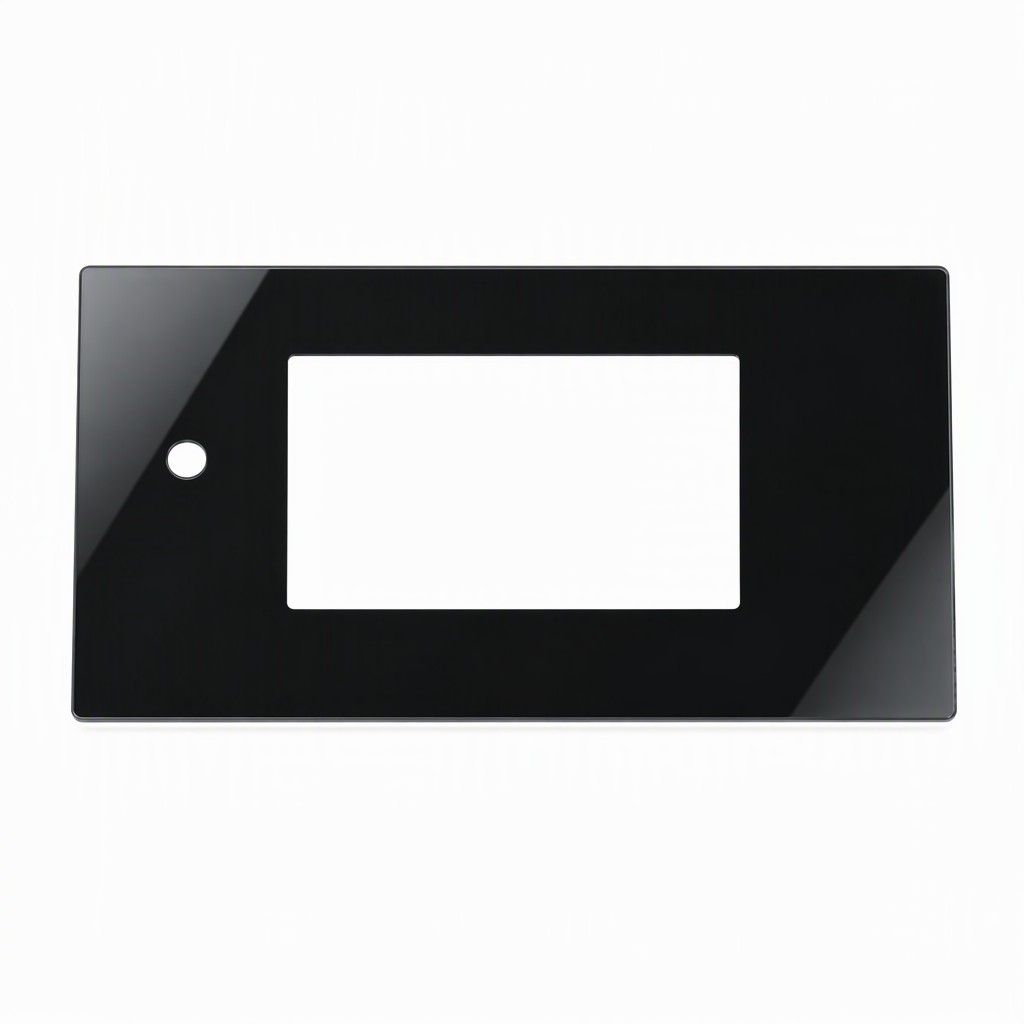
Gorilla Glass Display Protection Cover AR AF Coated LCD Touch Panel Digitizer Front Cover Glass for Industrial Medical Screens
AR/AF coated cover glass that improves readability and reduces fingerprints on industrial, medical and touch-display equipment.
AR / AF Coating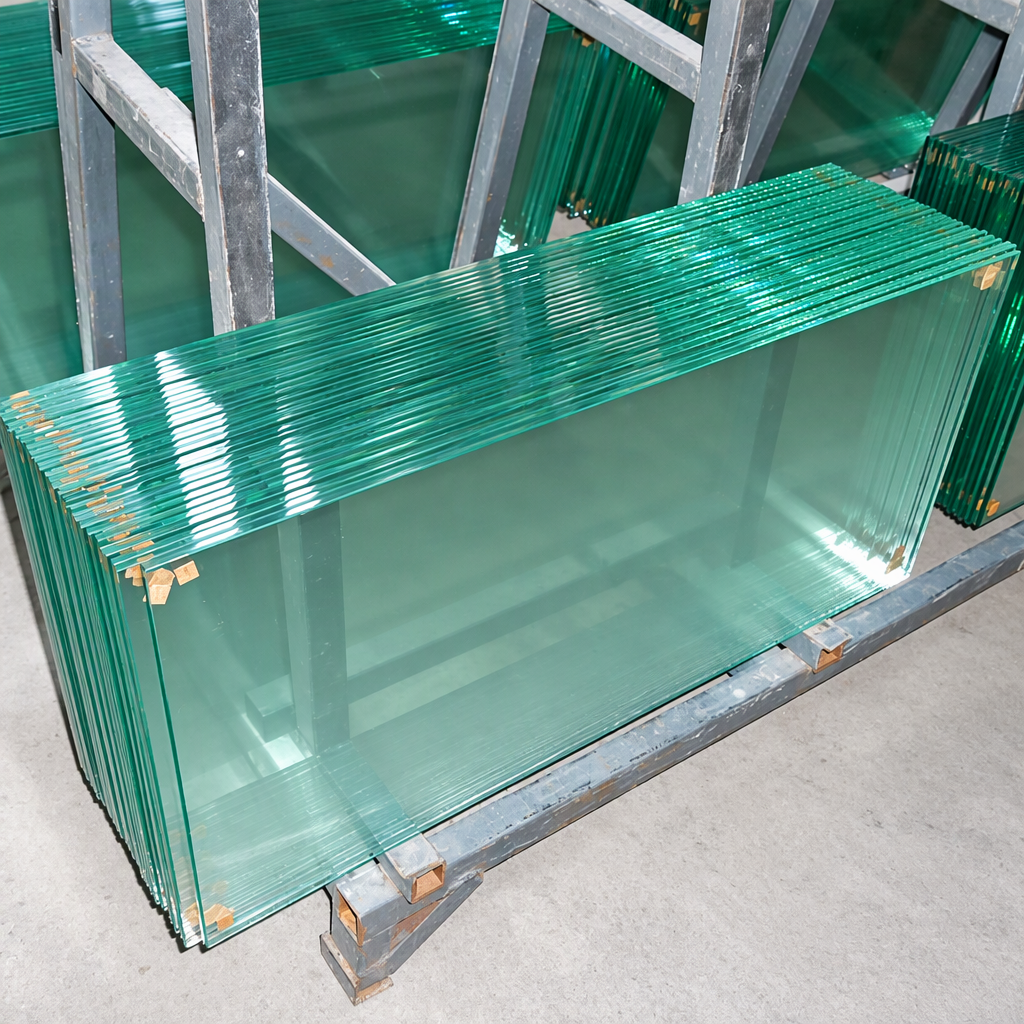
Customized Thickness and Size Clear Tempered Float Glass Panels
Clear tempered float glass panels cut, drilled and edged to drawing for oven doors, industrial windows and protective covers.
Custom Cut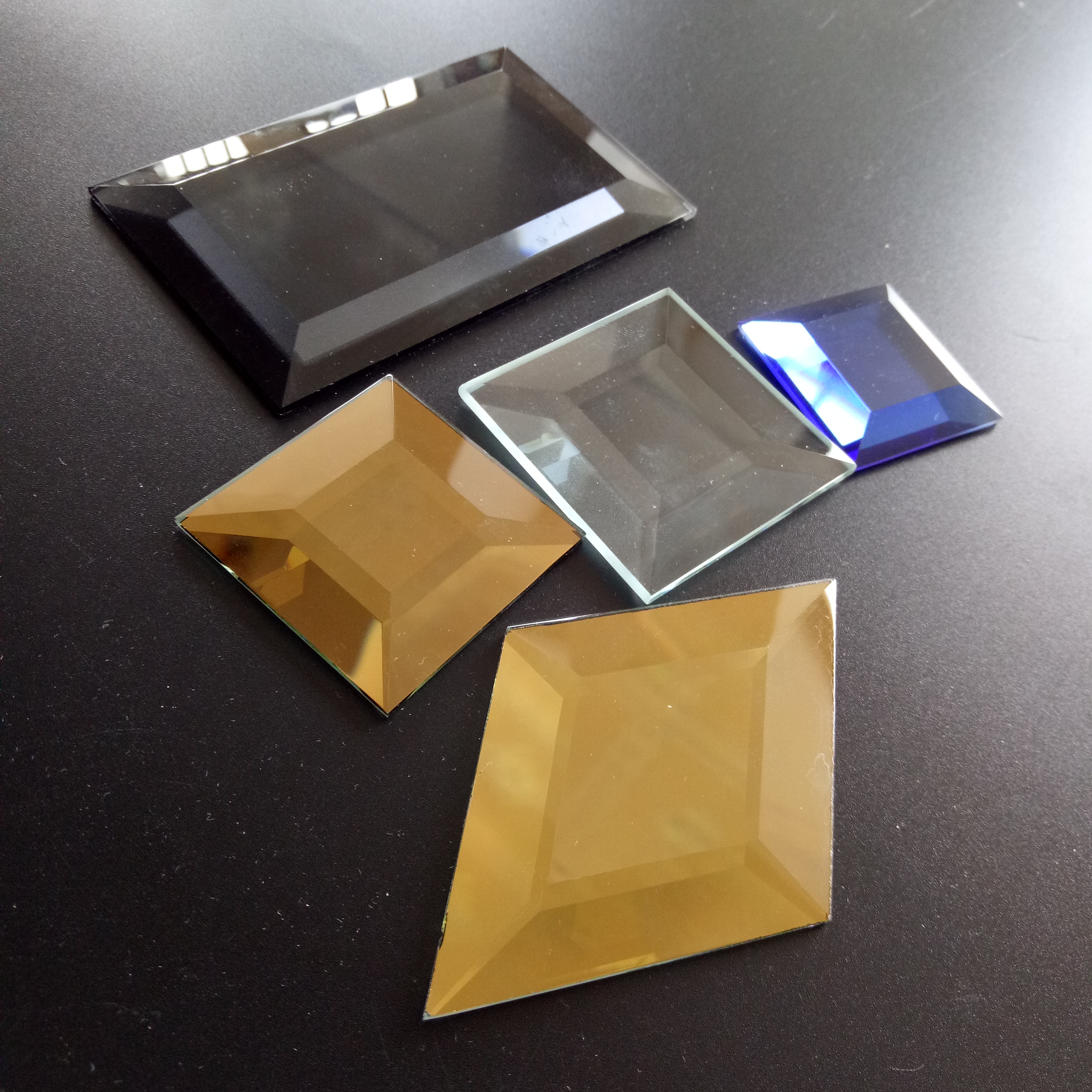
Blue Gold Faceted Beveled Glass for Wall Decoration Clear Beveled Glass Pieces
Decorative faceted and beveled glass for wall features, furniture and premium interiors; substrate and edge treatment can be specified.
Decorative Glass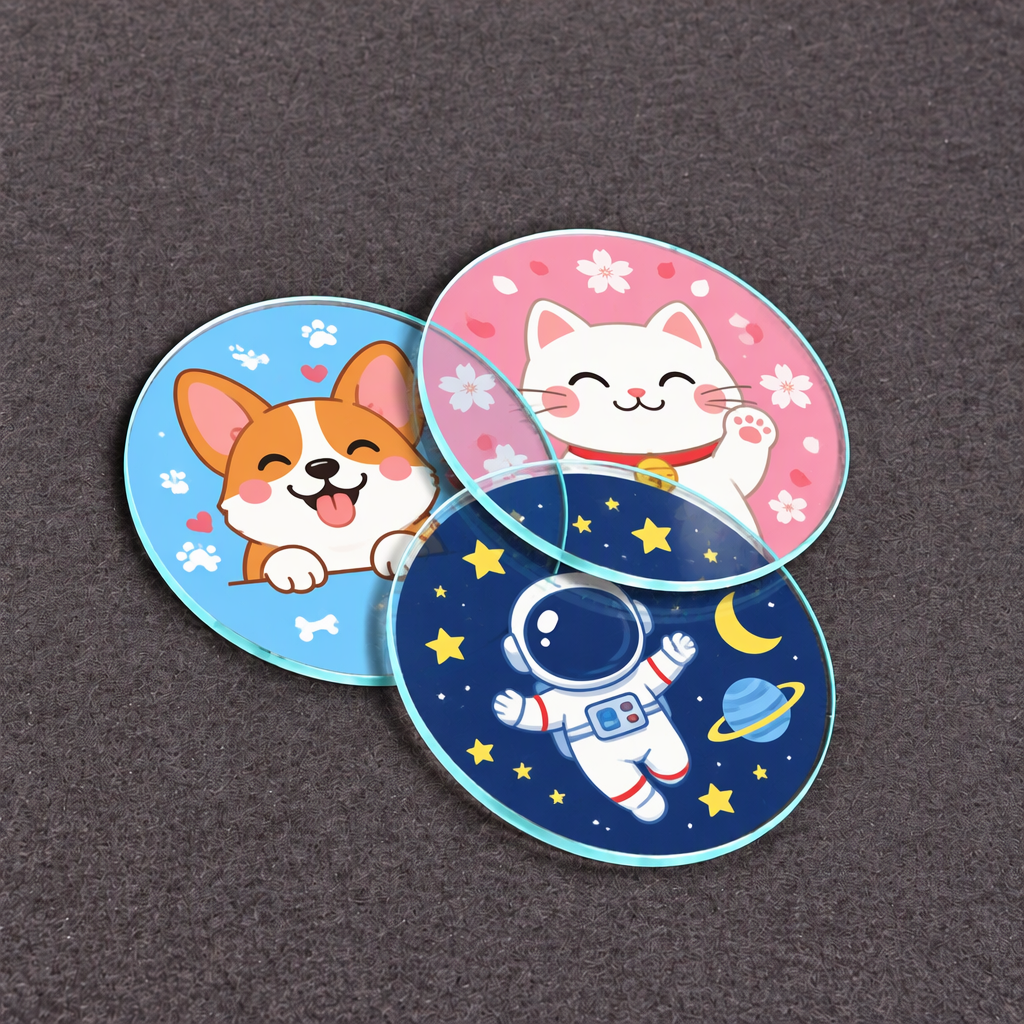
Eco-Friendly Custom Printed Glass Coasters Custom Design Tempered Glass Coaster
Small-format printed tempered glass that demonstrates color control, scratch-resistant printing and clean edge finishing.
Printed Glass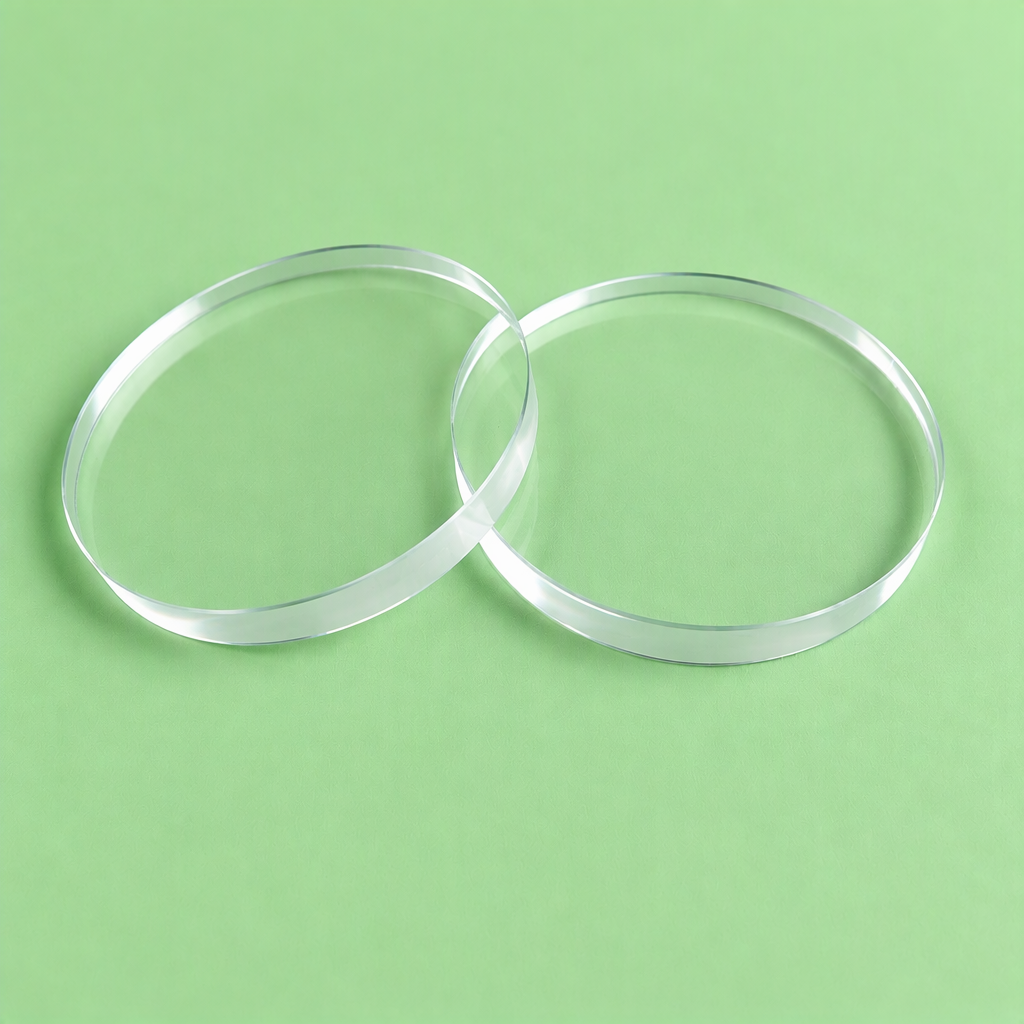
High Strengthen Glass Tempered Glass Custom Size Tempered Clear Glass Panel for Industrial
High-strength industrial glass panel with custom holes, cutouts and edge work for HMI, machine and equipment windows.
Industrial Grade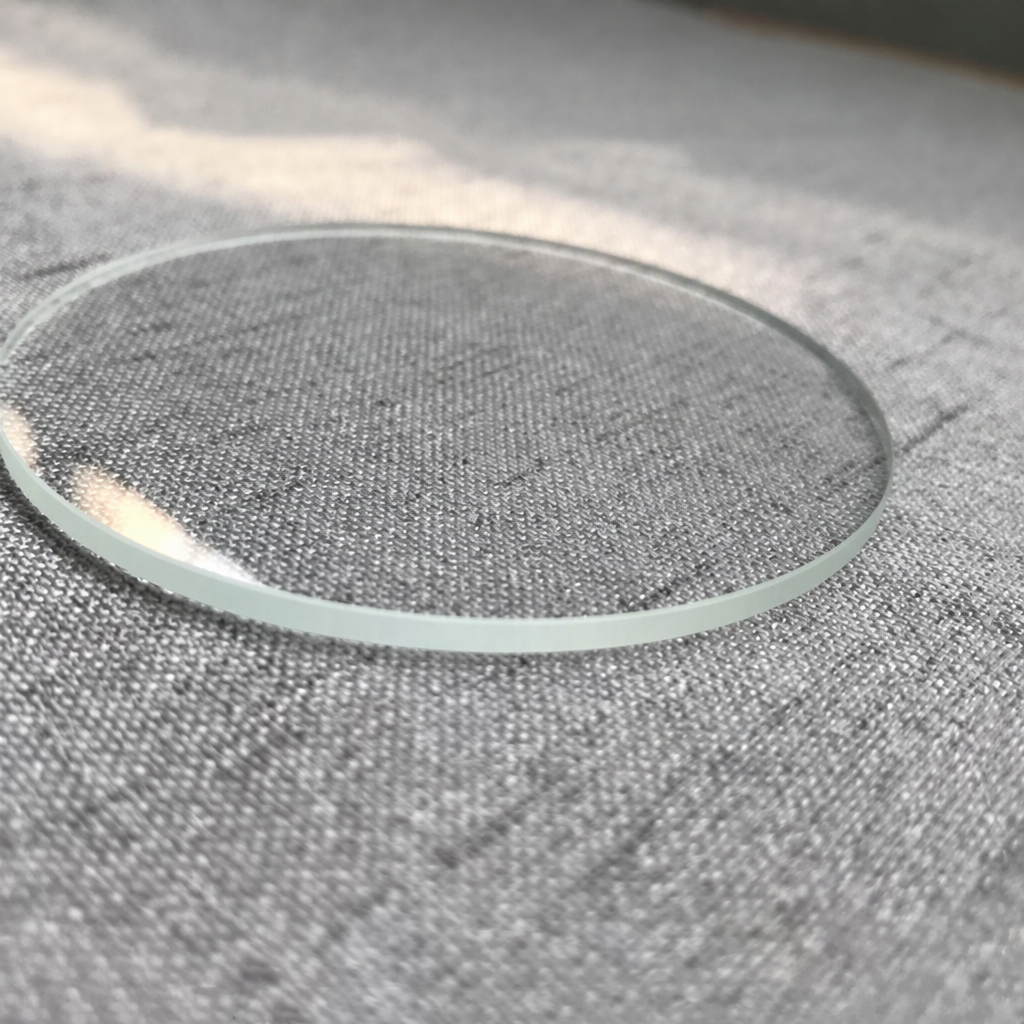
Pressure-resistant Glass Tempered Viewing Mirror Custom Size Clear Glass Panel for Industrial Workshop
Pressure-resistant viewing panel for inspection windows and workshop equipment, with custom dimensions and edge treatment.
Viewing Panel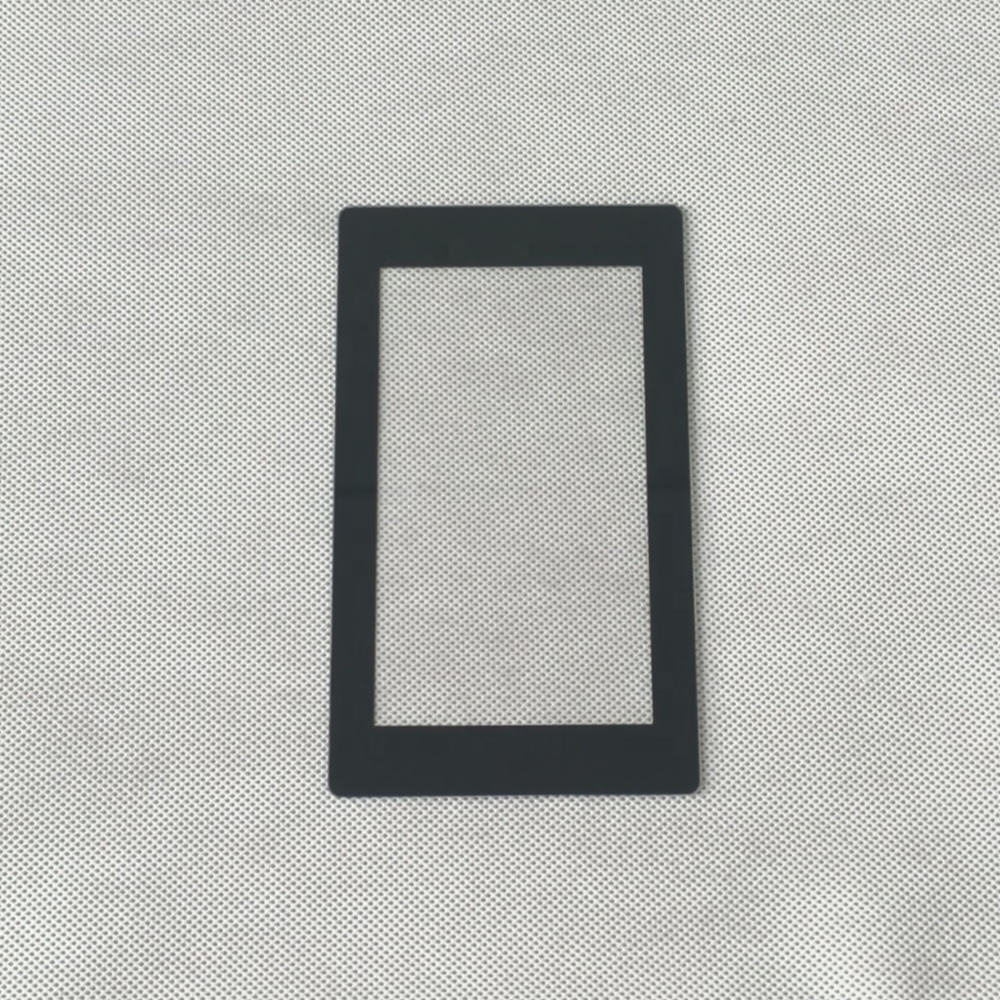
Silk Screen Printed Tempered Glass Panel Self Adhesive Display Cover Glass Flat Electronic Product Glass Screen Protector
Printed self-adhesive cover glass for electronic displays, control windows and touch panels with precise icon and window printing.
Display CoverNot sure which glass construction fits your device? Share your drawing, application temperature, coating requirement and annual volume to receive a focused engineering response.
What Does “Thermal Resistant Glass” Really Mean in an OEM Specification?
Thermal resistance in a finished glass component is not a single material claim. It is the combined result of glass substrate, thickness, edge quality, tempering method, print layers, surface coating, mounting method, gasket choice and the actual thermal cycle the part will see in service. A panel that performs well in a cooktop or oven door may fail in an industrial enclosure if fixing points create localized stress, if a printed ink layer is specified for the wrong temperature range, or if the edge finish introduces micro-chipping that becomes a fracture origin.
For OEM buyers, the safest approach is to treat thermal resistant glass as a specification-driven purchase, not as a catalogue item. The drawing should communicate the heat source, expected temperature difference, duration of exposure, cleaning chemicals, touch or display function, gasket material, fixing method and the safety standard the final device must meet. When these inputs are clear, a manufacturer can recommend physical tempering, chemical strengthening, high-alumina substrate, high-temperature printing, AR/AG/AF coating and the correct edge geometry.
Information gain: design-for-manufacture review before sampling
Qingdao Maupe Glass reviews the drawing, print artwork and application conditions before sampling. This step reduces the common causes of rework in cover glass projects: incorrect strengthening method, insufficient edge quality, mismatched coating, print layer order errors and packaging that does not protect large-format or thin glass during export.
Physical tempering is normally specified for glass around 2 mm and thicker, including appliance doors, switch panels, industrial windows and display covers where safety fragmentation and impact resistance matter. Chemical strengthening is often used for thin glass from 0.5 mm to 2 mm, where excellent flatness, optical clarity and touch sensitivity are important. Both processes require cutting, drilling, CNC shaping and edge treatment to be completed before strengthening, because post-strengthening machining can destroy the surface compression layer.
Specification variables that drive performance
- Glass type and thickness: clear, ultra-clear, tinted, high-alumina or chemically strengthened cover glass.
- Edge condition: flat polish, pencil edge, bevel, safety corner and controlled micro-chipping.
- Printing: high- or low-temperature ink, layer order, color reference, hidden window and scratch resistance.
- Coating: AR for reflection control, AG for anti-glare diffusion, AF for fingerprint and soil resistance.
- Assembly: 3M adhesive tape, gasket compression, fixing holes, countersinks and thermal expansion allowance.
- Compliance: RoHS, CE, application-specific safety requirements and change-notification expectations.
Procurement Trends Reshaping Thermal Resistant Glass Sourcing
Buying glass panels is moving from a price-per-piece transaction to a specification partnership. The most effective purchasing teams now evaluate engineering response, documentation quality and production traceability alongside unit cost.
Compliance-first sourcing
Procurement teams increasingly request certificate numbers, RoHS declarations, material statements, inspection records and change-notification procedures before approving a supplier. Verifiable documentation reduces customs, product-liability and launch-delay risk.
Dual sourcing with consolidation
Buyers want a primary supplier that can handle multiple glass processes under one roof, plus a qualified backup source. A one-stop factory shortens qualification time because cutting, printing, coating and tempering are controlled as one process chain.
Lower MOQ and faster sampling
Custom glass projects often start with small validation batches before mass production. Buyers now ask for 10–100 piece sampling ranges, print proofs, coating coupons and fit samples so that engineering and marketing can approve a part before tooling and volume commitments.
Total landed cost and packaging
Large-format, thin and printed glass can be damaged by poor export packing. Purchasing teams are evaluating crate design, interleaving, corner protection, moisture control and unloading instructions as part of the total landed cost, not as an afterthought.
Buyer priority signals in recent project enquiries
Thermal, optical and compliance questions are arriving earlier in the buying cycle. The visual below is a qualitative priority index based on Maupe Glass project enquiries across appliance, display, access-control and industrial applications. It is illustrative, not a statistical market forecast.
Where Thermal Resistant Glass Products Are Moving Next
Functional glass is becoming thinner, stronger and more information-rich. The cover glass is no longer just a protective surface; it is part of the user interface, the optical system and the product’s visual identity.
Thin glass with hybrid strength
Chemical strengthening and precision edge control allow 0.5–2 mm cover glass to deliver high strength and excellent flatness. This trend supports slimmer appliances, touch panels, medical displays and compact industrial devices.
Multifunctional AR / AG / AF coatings
AR coating reduces reflection, AG coating scatters glare and AF coating resists fingerprints and cleaning marks. Combining these treatments on one panel is increasingly requested for medical screens, outdoor HMIs and premium appliance interfaces.
High-temperature decorative printing
Appliance and industrial designers want printed glass with deep color, hidden sensor windows, backlit icons and durable text. High-temperature inks and controlled layer order help maintain appearance and function under heat exposure.
Smart-glass and touch integration
PDLC switchable privacy glass, capacitive touch control panels and display cover glass with camera or IR windows are creating demand for glass parts that combine optics, printing, coating and lamination-ready flatness in one component.

An OEM/ODM Glass Partner Built Around Drawing-to-Delivery Control
Founded in 2012 in Qingdao, Shandong, Qingdao Maupe Glass Co., Ltd. is a glass deep-processing manufacturer and international supplier operating under an ISO 9001 quality management system. Our core work is turning flat glass into finished functional parts: cutting, edge polishing, drilling, engraving, coating, silk screen printing, physical tempering and chemical strengthening.
Our printed glass uses RoHS-compliant eco-friendly inks with high- and low-temperature printing processes, giving scratch- and wear-resistant prints for displays, electronic control equipment, instrument covers, household and kitchen appliances, furniture and decorative partitions. The factory is close to Qingdao seaport and airport, keeping export logistics practical and making supplier audits easier for visiting buyers.
SGS onsite assessed
Third-party onsite assessment supports buyer confidence in factory capability, quality controls and export readiness.
Fortune 500 supplier
Procurement contract verification and long-term OEM cooperation demonstrate the ability to meet demanding buyer systems.
One-roof process chain
Cutting, CNC shaping, printing, coating and strengthening are controlled together, improving tolerance and color consistency.
OEM / ODM customization
Sample, design and full customization are supported for size, thickness, printing, coating, holes and packaging.
Global export experience
Exporting to more than 80 countries with FOB, CIF, EXW, FAS, FCA, CPT, DDP and DDU terms available.
Engineering-led sampling
Drawings and artwork are reviewed for manufacturability before samples are made, reducing late-stage design changes.
Manufacturing Capabilities That Support Thermal and Optical Performance
Keeping multiple glass processes under one roof shortens lead times and makes tolerance, print color and surface quality traceable from raw sheet to packed carton.
Precision cutting and CNC shaping
Straight, round and special-shaped parts cut and CNC-profiled from clear, ultra-clear, tinted and high-alumina sheet.
Edge polishing, drilling and engraving
Flat, pencil and beveled edges, safety corners, countersunk holes, notches and engraved details for clean assembly.
Silk screen printing
Eco-friendly high- and low-temperature inks, multi-color layouts, logos, icons and touch zones with scratch-resistant finish.
Physical thermal tempering
Heat-strengthened safety glass for appliance doors, switch panels and display windows that must resist impact and heat.
Chemical strengthening
Ion-exchange strengthening for thin 0.5–2 mm cover glass where flatness, optical clarity and strength are all required.
AR / AG / AF surface coating
Anti-reflective, anti-glare and anti-fingerprint treatments for readable screens in bright, industrial and medical environments.
Certified Quality You Can Verify
Certificate numbers are listed so your compliance team can check them directly with the issuing bodies. Production is supported by incoming material inspection, in-process checks and finished-product inspection before export packing.

ISO 9001 Quality Management
Certificate No. 24025Q20015R1S · Scope: float glass and technical glass products · Valid to 02/2028.

RoHS Compliance
Certificate No. 25TYT12395 · Restricts hazardous substances for EU electrical and electronic equipment · Valid to 12/2030.

CE Marking
Certificate No. 23TYT082593S · Tempered glass · Supports market access across the European Economic Area · Valid to 08/2028.
Drawing review
Engineers check manufacturability, tolerance, edge condition, print layering and strengthening method.
Sampling
Screens and samples are made for fit, color, touch and coating verification before mass production.
Production
Cutting, edging, printing, coating and tempering are controlled through the process chain.
Inspection and export
Finished-product inspection, protective packing and export shipment via Qingdao port or airport.
Frequently Asked Questions About Thermal Resistant Glass Procurement
These answers reflect the questions most often raised by OEM buyers evaluating custom tempered, printed and coated glass panels.
What is the minimum order quantity for custom thermal resistant glass?
Most custom silk screen printed panels start from 10 to 100 pieces depending on size, thickness and number of print colors. Large display cover glass can start from 10 pieces, while smaller decorated parts may have higher MOQs. Samples are available for fit and print verification before mass production.
Should I choose physical tempered glass or chemically strengthened glass?
Physical thermal tempering suits glass typically 2 mm and thicker, such as appliance doors, switch panels and display windows, and breaks into small blunt fragments. Chemical strengthening suits thin glass from 0.5 mm to 2 mm, touch covers and parts that need excellent flatness and optical quality.
What causes thermal shock failure in glass panels, and how can it be reduced?
Thermal shock risk is influenced by glass thickness, edge quality, heat distribution, fixing method, gasket compression and the temperature difference between hot and cold zones. Good design avoids sharp notches, uncontrolled point loads and incompatible gasket materials. Pre-production testing under the actual thermal cycle is recommended for appliance and industrial projects.
What files should I send for an OEM/ODM quotation?
Send a 2D drawing in DWG, DXF or PDF with dimensions, thickness, edge finish, hole positions and tolerance. Add print artwork in AI or PDF with color references, and state coating requirements such as AR, AG or AF, the intended application and expected annual volume.
Which certifications and quality controls can I verify?
Qingdao Maupe Glass operates an ISO 9001 quality management system, holds RoHS and CE certificates for its glass products, and has been onsite-assessed by SGS Group as a third-party inspection company. Certificate numbers are listed above for direct verification.
Which trade terms, payment terms and export routes are available?
Accepted delivery terms include FOB, CIF, EXW, FAS, FCA, CPT, DDP, DDU and express delivery. Accepted payments are T/T, L/C, PayPal, Western Union and cash in USD, EUR or CNY. The factory is close to Qingdao seaport and airport, which simplifies export logistics and sample dispatch.
Have a Drawing Ready? Let Our Engineers Review It.
Share your glass thickness, application temperature, print artwork, coating requirement and target volume. Our team will review manufacturability and recommend the most suitable tempering, strengthening, printing and packing route for your project.
OEM/ODM thermal resistant glass manufacturer and exporter · Qingdao, China · ISO 9001 · RoHS · CE · SGS onsite assessed